
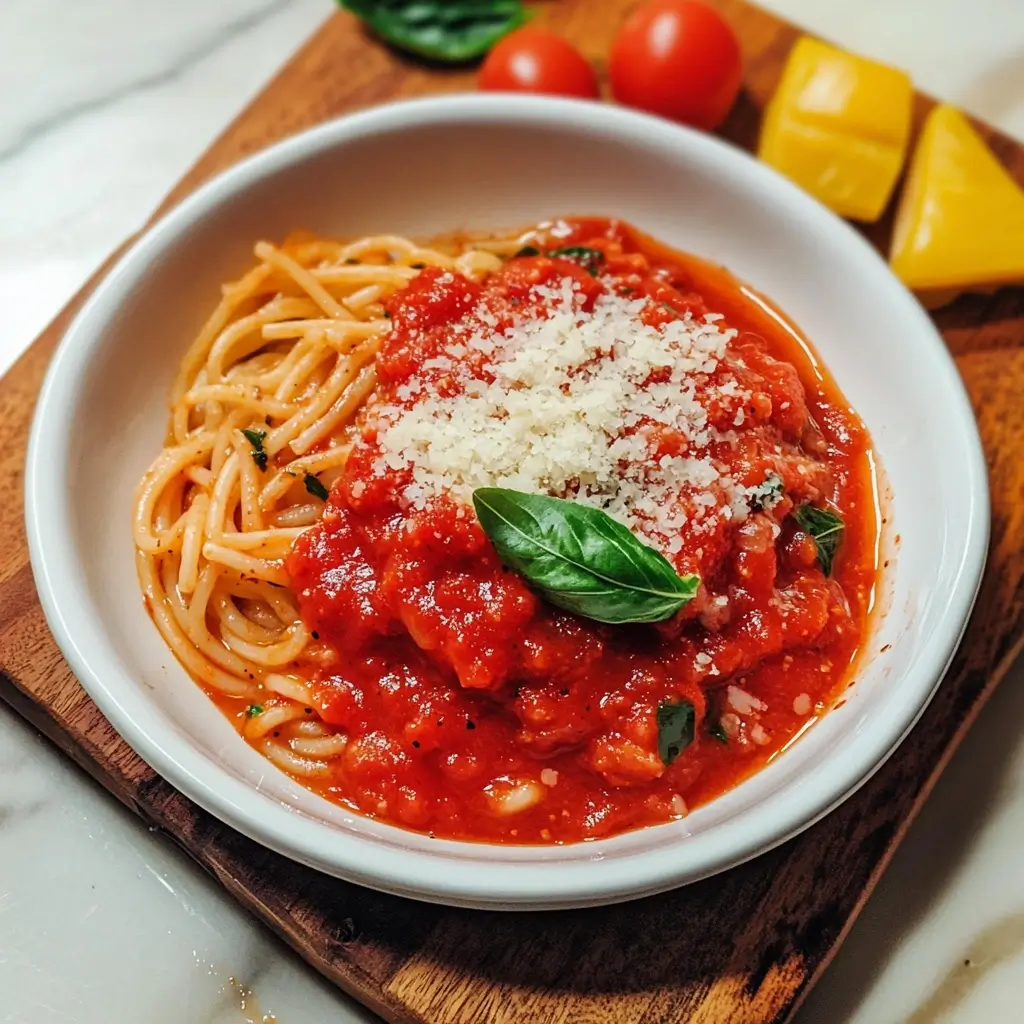

This easy 1-pot marinara sauce recipe has become an absolute staple in my kitchen, a true game-changer for busy weeknights and lazy weekends alike. I remember the first time I made it; I was skeptical that something so simple, using mostly pantry ingredients and dirtying only one pot, could rival the simmering-all-day sauces of my childhood memories or the decent (but often pricey) store-bought jars. I was delightfully wrong! The aroma that filled the house as the onions and garlic softened in the olive oil, followed by the rich scent of simmering tomatoes and herbs, was intoxicating. My family, notoriously picky eaters included, devoured their pasta that night with gusto. My partner commented on the freshness and depth of flavor, and even my youngest, usually suspicious of anything “saucy,” asked for seconds. Since then, it’s become our go-to base for countless meals – pasta, pizza, dipping breadsticks, even as a foundation for more complex dishes. Its simplicity is its genius; minimal effort yields maximum flavor, and the single pot means cleanup is an absolute breeze. This isn’t just a recipe; it’s a kitchen workhorse that delivers comfort, taste, and precious time back into your day.
The Ultimate Easy 1-Pot Marinara Sauce Recipe
Get ready to ditch the jarred stuff forever! This recipe focuses on building layers of flavor quickly and efficiently, all within the confines of a single pot. It’s naturally vegan, gluten-free, and easily customizable.
Ingredients
Gather these simple yet flavorful components for a truly delicious homemade marinara:
- Olive Oil: 2 Tablespoons (Extra Virgin recommended for flavor)
- Onion: 1 medium yellow onion, finely chopped (about 1 cup)
- Garlic: 4 cloves, minced (about 1.5 Tablespoons)
- Crushed Tomatoes: 1 large can (28 ounces / 794g), good quality (like San Marzano style)
- Dried Oregano: 1 teaspoon
- Dried Basil: 1 teaspoon (or 1 Tablespoon fresh basil, chopped, added at the end)
- Salt: 1 teaspoon (adjust to taste, kosher or sea salt preferred)
- Black Pepper: 1/2 teaspoon freshly ground (adjust to taste)
- Optional: Red Pepper Flakes: 1/4 – 1/2 teaspoon (for a touch of heat)
- Optional: Sugar or Sweetener: 1 teaspoon granulated sugar, or a pinch of stevia, or 1 small grated carrot (to balance acidity, adjust based on tomato sweetness)
- Optional: Bay Leaf: 1 (remove before serving)
- Optional: Fresh Parsley: 2 Tablespoons chopped (for garnish or stirred in at the end)
Instructions
Follow these straightforward steps for marinara perfection:
- Sauté Aromatics: Place a medium-sized saucepan, Dutch oven, or heavy-bottomed pot over medium heat. Add the olive oil and let it heat up for about 30 seconds until shimmering slightly. Add the finely chopped onion and cook, stirring occasionally, for 5-7 minutes, until the onion is softened, translucent, and just beginning to turn golden at the edges. Don’t rush this step; softening the onion properly builds a crucial flavor base.
- Bloom the Garlic (and optional heat): Add the minced garlic (and red pepper flakes, if using) to the pot. Stir constantly for about 30-60 seconds until the garlic is fragrant. Be very careful not to burn the garlic, as it will turn bitter. You just want to release its aromatic oils.
- Combine and Simmer: Pour in the can of crushed tomatoes. Add the dried oregano, dried basil (if using dried), salt, black pepper, the optional sugar/sweetener/grated carrot, and the optional bay leaf. Stir everything together thoroughly to combine.
- Simmer Gently: Bring the sauce to a gentle simmer over medium heat. Once simmering, reduce the heat to low, cover the pot loosely (leaving a small gap for steam to escape), and let it cook for at least 20 minutes. For a deeper, more developed flavor, simmer for 30-40 minutes, stirring occasionally to prevent sticking at the bottom. The longer it simmers, the more the flavors will meld and the sauce may thicken slightly.
- Final Touches & Adjustments: After simmering, remove the pot from the heat. Carefully remove the bay leaf (if used) and discard it. Taste the sauce. Adjust seasoning as needed – add more salt, pepper, or a pinch more sugar if it tastes too acidic. If using fresh basil and/or fresh parsley, stir them in now.
- Serve or Store: Your delicious homemade 1-pot marinara sauce is ready to be used immediately or stored for later.
Nutrition Facts
- Servings: This recipe yields approximately 3.5 – 4 cups of marinara sauce, typically serving 4-6 people depending on the application.
- Calories per Serving (Approximate): Roughly 80-120 calories per serving (estimated based on 1/6th of the recipe), depending heavily on the amount of olive oil used and if sugar is added.
(Disclaimer: Nutritional information is an estimate only and can vary based on specific ingredients, quantities, and brands used.)
Preparation Time
- Prep time: 10-15 minutes (mostly chopping onion and garlic)
- Cook time: 25-45 minutes (including sautéing and simmering)
- Total time: 35-60 minutes
Why Make Homemade Marinara Sauce?
In a world filled with convenience foods, you might wonder why you should bother making marinara sauce from scratch, even an easy version like this one. The reasons are compelling:
- Superior Flavor: There’s simply no comparison. Homemade sauce, made with quality ingredients and simmered even for a short time, has a depth, freshness, and vibrancy that most jarred sauces lack. You control the balance of herbs, garlic, and seasoning.
- Ingredient Control: Store-bought sauces often contain high amounts of sodium, added sugars (sometimes high-fructose corn syrup), preservatives, and stabilizers. When you make it yourself, you know exactly what’s going into your sauce. You can choose high-quality tomatoes, control the salt and sugar levels, and avoid unnecessary additives. This is crucial for dietary restrictions or simply aiming for healthier eating.
- Cost-Effective: While a premium jar of marinara can be pricey, the basic ingredients for this homemade version are incredibly budget-friendly, especially if you buy canned tomatoes and dried herbs in bulk. Making a large batch and freezing portions is significantly cheaper in the long run.
- Customization: This recipe is a fantastic base. Want it spicier? Add more red pepper flakes or even a chopped chili. Love garlic? Add an extra clove or two. Need to sneak in veggies for picky eaters? Finely grated carrots or zucchini can disappear into the sauce. Prefer a different herb profile? Add thyme or marjoram. The possibilities are endless.
- The Aroma & Satisfaction: Let’s not underestimate the simple pleasure of having your home fill with the comforting aroma of simmering tomato sauce. There’s a unique satisfaction in creating something delicious and wholesome from scratch with minimal effort.
Choosing the Right Tomatoes: The Heart of the Sauce
The single most crucial ingredient in any marinara sauce is, unsurprisingly, the tomatoes. The quality and type you choose will significantly impact the final flavor and texture. While this recipe calls for crushed tomatoes for ease, let’s explore the options:
- Crushed Tomatoes: This is often the ideal choice for a quick marinara like this one. They offer a good balance between sauce and small tomato pieces, providing texture without needing extensive breakdown time. Look for brands with minimal additives (ideally just tomatoes, tomato puree/juice, maybe salt or citric acid).
- Whole Peeled Tomatoes: Many purists swear by whole peeled tomatoes, particularly San Marzano or San Marzano style. These tend to be less processed, often packed in juice or a light puree, and offer a brighter, fresher tomato flavor. You’ll need to crush them yourself – either by hand (satisfyingly messy!), with a potato masher directly in the pot, or by pulsing them briefly in a food processor before adding. This gives you more control over the final texture.
- Diced Tomatoes: While convenient, diced tomatoes are often treated with calcium chloride to help them maintain their shape. This means they don’t break down as easily into a smooth sauce, potentially resulting in a chunkier texture even after simmering. They can work, but crushed or whole peeled are generally preferred for marinara.
- Tomato Purée (Passata): This is essentially uncooked, strained tomatoes. It provides a very smooth base but lacks the texture of crushed or hand-crushed whole tomatoes. It’s great if you want a completely smooth sauce quickly, but some find the flavor less complex than sauces made from crushed or whole tomatoes.
- Tomato Paste: While not the primary tomato source, adding a tablespoon or two of tomato paste along with your main canned tomatoes can significantly deepen the flavor. Sautéing it briefly with the onions and garlic before adding the liquid ingredients helps cook off its raw taste and intensify its umami richness.
- San Marzano Tomatoes: What’s the big deal? Genuine D.O.P. (Denominazione d’Origine Protetta) San Marzano tomatoes are grown in the volcanic soil near Mount Vesuvius in Italy. They are prized for their lower acidity, fewer seeds, meaty texture, and balanced sweetness, making them ideal for sauces. Look for the D.O.P. seal for authenticity. “San Marzano Style” tomatoes grown elsewhere (often California) aim to replicate these qualities and are often a very good, more affordable alternative.
The bottom line: Use good quality canned tomatoes you enjoy the taste of. Experiment to find your favorite brand and type!
The Magic of One-Pot Cooking
The “1-Pot” aspect of this recipe isn’t just a catchy title; it’s central to its appeal. Here’s why it matters:
- Minimal Cleanup: This is the most obvious benefit. Sautéing aromatics, simmering the sauce, and finishing touches all happen in the same vessel. No extra bowls for prepping (beyond measuring), no separate pot for simmering. This drastically reduces washing up time, making homemade sauce feasible even on the busiest nights.
- Flavor Building: Cooking everything in one pot allows flavors to layer and meld beautifully. The residual flavors from sautéing the onions and garlic infuse the entire sauce as it simmers. Nothing gets lost in transferring between pans.
- Efficiency: It streamlines the cooking process. There’s less juggling of different pots and pans on the stovetop, making the entire experience less stressful and more focused.
- Simplicity: It makes the recipe incredibly approachable, even for beginner cooks. Fewer steps and less equipment mean less room for error and more confidence in the kitchen.
Choose a pot that’s suitably sized (a 3-4 quart saucepan or Dutch oven is ideal) and has a heavy bottom to prevent scorching during simmering.
How to Serve Your Homemade Marinara Sauce
This versatile sauce is far more than just a topping for spaghetti. Get creative!
- Classic Pasta Dishes:
- Tossed with any pasta shape (spaghetti, penne, fettuccine, rigatoni).
- Layered in Lasagna.
- Used in Baked Ziti or Manicotti.
- As a base for Spaghetti and Meatballs or sausage.
- Pizza & Flatbreads:
- Spread as the base sauce for homemade Pizza.
- Used on Flatbreads or Pita Pizzas for a quick meal.
- Dipping Sauce:
- Serve warm as a dip for Garlic Bread, Breadsticks, or Focaccia.
- A classic accompaniment for fried Mozzarella Sticks, Zucchini Fries, or Arancini (rice balls).
- With Calzones or Stromboli.
- Foundation for Other Dishes:
- The essential sauce for Chicken Parmesan or Eggplant Parmesan.
- Spoon over Grilled or Baked Chicken Breast or Fish Fillets.
- Use as a base for Shakshuka (poaching eggs in the sauce).
- Layer in Meatball Sub Sandwiches.
- Simmer with cooked lentils or beans for a hearty vegetarian main.
- With Grains & Vegetables:
- Serve over creamy Polenta.
- Spoon over Roasted Vegetables like bell peppers, zucchini, or eggplant.
- Mix with cooked Quinoa or Farro for a simple grain bowl base.
Customizing Your Marinara Sauce
Think of this recipe as your delicious starting point. Here are ways to tailor it to your taste:
- Add Vegetables: Sauté diced carrots, celery, bell peppers, or mushrooms along with the onion for added flavor, texture, and nutrition. Finely grated zucchini can disappear into the sauce, adding moisture and nutrients. Spinach or kale can be wilted in during the last few minutes of simmering.
- Include Meat: Brown ground beef, Italian sausage (casings removed), or pancetta in the pot before adding the onions. Remove the cooked meat with a slotted spoon, sauté the aromatics in the rendered fat (draining excess if necessary), then return the meat to the pot along with the tomatoes.
- Boost Umami: Add a tablespoon of tomato paste (sauté it with the garlic), a splash of red wine (let it reduce after adding the garlic), a dash of balsamic vinegar towards the end, or even an anchovy fillet (minced and sautéed with the onion – it dissolves and adds depth, not fishiness). A Parmesan rind added during simmering also imparts savory flavor (remove before serving).
- Herb Variations: Use fresh herbs like thyme or marjoram alongside or instead of basil/oregano. A bay leaf adds subtle complexity. Finish with fresh parsley for brightness.
- Texture Adjustments: For a smoother sauce, use an immersion blender directly in the pot after simmering to partially or fully blend it. For a chunkier sauce, start with whole peeled tomatoes and crush them lightly by hand, or add a can of diced tomatoes along with the crushed.
Additional Tips for Marinara Success
- Don’t Skimp on Sauté Time: Properly softening the onions (about 5-7 minutes) builds a sweet, non-astringent base. Rushing this step will result in a less flavorful sauce with a raw onion undertone. Likewise, bloom the garlic briefly until fragrant but before it browns to avoid bitterness.
- Taste and Adjust Acidity: Tomatoes vary greatly in acidity. Taste the sauce after simmering. If it’s too sharp or acidic, a pinch of sugar, a small grated carrot (added with the tomatoes), or even a tiny pinch (1/8 tsp) of baking soda (it will fizz briefly) can help balance it out. Add sweetness or baking soda sparingly and taste as you go.
- Simmering is Key: While 20 minutes is the minimum, letting the sauce simmer gently for 30-40 minutes (or even longer on very low heat) allows the flavors to meld, deepen, and the sauce to reduce slightly, concentrating its taste. Keep it covered loosely to prevent too much evaporation but allow some steam to escape.
- Fresh vs. Dried Herbs: Dried herbs are potent and benefit from simmering time to release their flavor, which is why they’re added with the tomatoes. Fresh herbs, especially delicate ones like basil and parsley, have brighter, fresher flavors that diminish with long cooking. Add most fresh herbs during the last few minutes of cooking or stir them in right before serving for maximum impact.
- Make a Double Batch & Freeze: This sauce freezes beautifully! Since you’re already making it, consider doubling the recipe. Let the sauce cool completely, then portion it into freezer-safe containers (like airtight plastic containers, glass jars leaving headspace, or heavy-duty freezer bags laid flat). Label with the date. It will keep well in the freezer for 3-4 months. Thaw overnight in the refrigerator or gently reheat from frozen over low heat on the stovetop or in the microwave.
Storing and Reheating Marinara Sauce
Proper storage ensures your delicious homemade sauce stays fresh and safe to eat.
- Refrigeration: Allow the marinara sauce to cool down slightly before transferring it to an airtight container. Store it in the refrigerator for up to 4-5 days. The flavors often meld and improve by the second day!
- Freezing (Recommended for longer storage):
- Cool the sauce completely. This prevents condensation inside the container and helps avoid freezer burn.
- Portion the sauce into desired amounts (e.g., single servings, family-size portions) using freezer-safe containers, heavy-duty zip-top freezer bags, or even silicone muffin tins for small “pucks” of sauce perfect for quick additions.
- If using containers or jars, leave about an inch of headspace at the top to allow for expansion as the sauce freezes.
- If using bags, squeeze out as much air as possible before sealing and lay them flat in the freezer until solid for easy stacking.
- Label clearly with the contents (“Marinara Sauce”) and the date it was made.
- Frozen marinara sauce is best used within 3-4 months for optimal quality, though it can remain safe indefinitely if kept consistently frozen.
- Reheating:
- From Refrigerator: Gently reheat the sauce in a saucepan over medium-low heat, stirring occasionally, until heated through. You can also microwave it in a microwave-safe bowl, covered, stirring partway through.
- From Freezer: For best results, thaw the sauce overnight in the refrigerator. Then reheat as above. If you’re short on time, you can reheat directly from frozen. Place the frozen block of sauce in a saucepan over low heat, covered. Stir occasionally as it melts and heats through. This will take longer than reheating thawed sauce. You might need to add a splash of water or broth if it seems too thick upon reheating. Microwave reheating from frozen is also possible but may require more frequent stirring to ensure even heating.
Frequently Asked Questions (FAQ)
1. Can I use fresh tomatoes instead of canned?
Yes, absolutely! However, it requires more preparation. You’ll need about 2.5 – 3 pounds of ripe tomatoes (like Roma or plum tomatoes). You’ll typically need to blanch them (briefly boil then plunge in ice water) to easily remove the skins, and potentially core and seed them depending on your preference. Chop them roughly and proceed with the recipe. You may need to simmer the sauce longer (45-60 minutes or more) to allow the fresh tomatoes to break down and the sauce to thicken. The flavor will be different – often brighter and fresher, but potentially less concentrated than using quality canned tomatoes.
2. How can I make this marinara sauce spicy?
The easiest way is to add red pepper flakes along with the garlic, as mentioned in the optional ingredients. Start with 1/4 teaspoon for mild heat and increase to 1/2 teaspoon or more for a noticeable kick. You could also sauté a finely minced fresh chili pepper (like a jalapeño or serrano, seeds removed for less heat) along with the onion.
3. How long will this homemade marinara sauce last?
Stored properly in an airtight container in the refrigerator, the sauce will last for about 4-5 days. For longer storage, freezing is the best option, keeping the sauce good for 3-4 months.
4. Is this marinara sauce recipe vegan and gluten-free?
Yes, as written, this recipe is naturally vegan (contains no animal products) and gluten-free (contains no wheat, barley, rye, or oats). Always double-check the labels on your canned tomatoes and other ingredients if you have severe allergies or sensitivities, but the core recipe components are suitable.
5. Can I add meat or other vegetables to this sauce?
Definitely! This recipe is a fantastic base for additions.
- For Meat: Brown ground beef, Italian sausage, or turkey in the pot first. Remove the meat, drain excess fat if needed, then proceed with sautéing the onions and garlic. Add the meat back into the pot along with the tomatoes and simmer together.
- For Vegetables: Add diced vegetables like carrots, celery, bell peppers, mushrooms, or zucchini to the pot with the onions and sauté until softened before adding the garlic and tomatoes. Heartier vegetables will need more sauté time. Leafy greens like spinach or kale can be stirred in during the last 5 minutes of simmering until wilted.
Easy 1-Pot Marinara Sauce Recipe
Ingredients
- Olive Oil: 2 Tablespoons (Extra Virgin recommended for flavor)
- Onion: 1 medium yellow onion, finely chopped (about 1 cup)
- Garlic: 4 cloves, minced (about 1.5 Tablespoons)
- Crushed Tomatoes: 1 large can (28 ounces / 794g), good quality (like San Marzano style)
- Dried Oregano: 1 teaspoon
- Dried Basil: 1 teaspoon (or 1 Tablespoon fresh basil, chopped, added at the end)
- Salt: 1 teaspoon (adjust to taste, kosher or sea salt preferred)
- Black Pepper: 1/2 teaspoon freshly ground (adjust to taste)
- Optional: Red Pepper Flakes: 1/4 – 1/2 teaspoon (for a touch of heat)
- Optional: Sugar or Sweetener: 1 teaspoon granulated sugar, or a pinch of stevia, or 1 small grated carrot (to balance acidity, adjust based on tomato sweetness)
- Optional: Bay Leaf: 1 (remove before serving)
- Optional: Fresh Parsley: 2 Tablespoons chopped (for garnish or stirred in at the end)
Instructions
- Sauté Aromatics: Place a medium-sized saucepan, Dutch oven, or heavy-bottomed pot over medium heat. Add the olive oil and let it heat up for about 30 seconds until shimmering slightly. Add the finely chopped onion and cook, stirring occasionally, for 5-7 minutes, until the onion is softened, translucent, and just beginning to turn golden at the edges. Don’t rush this step; softening the onion properly builds a crucial flavor base.
- Bloom the Garlic (and optional heat): Add the minced garlic (and red pepper flakes, if using) to the pot. Stir constantly for about 30-60 seconds until the garlic is fragrant. Be very careful not to burn the garlic, as it will turn bitter. You just want to release its aromatic oils.
- Combine and Simmer: Pour in the can of crushed tomatoes. Add the dried oregano, dried basil (if using dried), salt, black pepper, the optional sugar/sweetener/grated carrot, and the optional bay leaf. Stir everything together thoroughly to combine.
- Simmer Gently: Bring the sauce to a gentle simmer over medium heat. Once simmering, reduce the heat to low, cover the pot loosely (leaving a small gap for steam to escape), and let it cook for at least 20 minutes. For a deeper, more developed flavor, simmer for 30-40 minutes, stirring occasionally to prevent sticking at the bottom. The longer it simmers, the more the flavors will meld and the sauce may thicken slightly.
- Final Touches & Adjustments: After simmering, remove the pot from the heat. Carefully remove the bay leaf (if used) and discard it. Taste the sauce. Adjust seasoning as needed – add more salt, pepper, or a pinch more sugar if it tastes too acidic. If using fresh basil and/or fresh parsley, stir them in now.
- Serve or Store: Your delicious homemade 1-pot marinara sauce is ready to be used immediately or stored for later.
Nutrition
- Serving Size: One Normal Portion
- Calories: 80-120