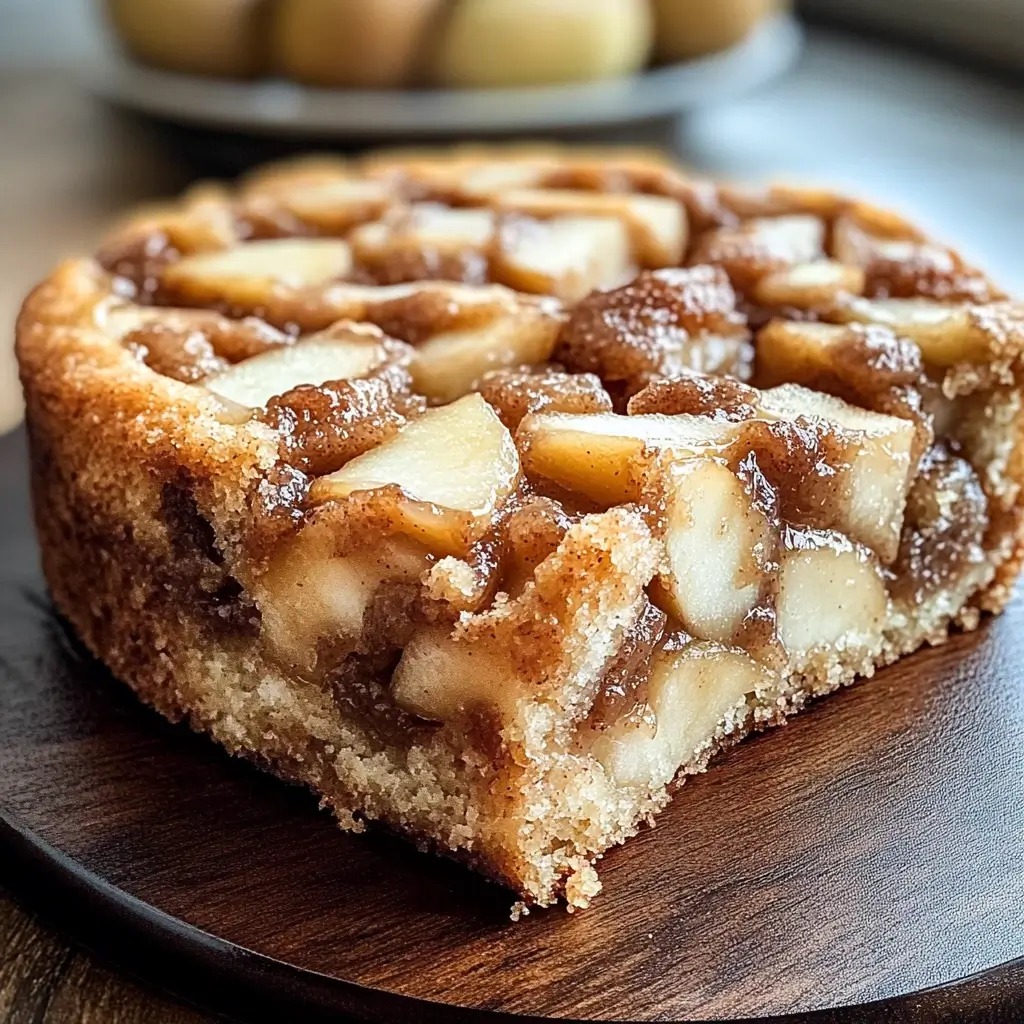

There are some bakes that just feel like a warm hug, and this Easy Cinnamon Apple Cake is precisely that. From the moment the aroma of sweet apples and warm cinnamon begins to waft through the kitchen, I know it’s going to be a good day. The first time I made this cake, my family gathered around the counter, eyes wide with anticipation, drawn in by the irresistible scent. The verdict was unanimous: it was an instant hit! The cake is incredibly moist, thanks to the generous amount of apples, with a tender crumb that practically melts in your mouth. The cinnamon provides a comforting spice that complements the natural sweetness of the apples perfectly. It’s become our go-to recipe for chilly autumn afternoons, cozy weekend brunches, or whenever we crave a simple yet utterly delicious treat. It’s so straightforward to make that even my kids can help, turning baking into a fun family activity. This isn’t just a cake; it’s a creator of sweet memories, a slice of comfort that never fails to bring smiles.
Complete Recipe with Ingredient Amounts
This recipe is designed for simplicity and flavor, using common pantry staples to create a truly memorable cake.
For the Cake Batter:
- 2 cups (250g) all-purpose flour
- 1 ½ teaspoons baking powder
- ½ teaspoon baking soda
- ½ teaspoon salt
- 1 ½ teaspoons ground cinnamon
- ½ teaspoon ground nutmeg (optional, but recommended)
- ½ cup (113g) unsalted butter, softened to room temperature
- 1 cup (200g) granulated sugar
- ¼ cup (50g) packed light brown sugar
- 2 large eggs, at room temperature
- 1 teaspoon vanilla extract
- ½ cup (120ml) buttermilk or whole milk, at room temperature
For the Apple Filling & Topping:
- 3-4 medium apples (about 1.5 lbs or 680g), such as Honeycrisp, Fuji, Gala, or Granny Smith for a tarter flavor
- 2 tablespoons granulated sugar
- 1 teaspoon ground cinnamon
- Juice of ½ lemon (optional, to prevent browning)
Optional Cinnamon-Sugar Topping (for extra crunch and sweetness):
- 2 tablespoons granulated sugar
- ½ teaspoon ground cinnamon
Instructions
Follow these steps carefully for a perfectly moist and flavorful cinnamon apple cake.
- Preheat and Prepare: Preheat your oven to 350°F (175°C). Grease and flour a 9×13 inch baking pan, or a 9 or 10-inch springform pan or bundt pan. Alternatively, line with parchment paper, leaving an overhang for easy removal.
- Prepare the Apples: Peel, core, and dice the apples into ½-inch pieces. If using, toss them with the lemon juice in a medium bowl to prevent browning. Add the 2 tablespoons of granulated sugar and 1 teaspoon of cinnamon (from the “Apple Filling & Topping” list) to the apples and toss well to coat. Set aside.
- Combine Dry Ingredients: In a medium bowl, whisk together the all-purpose flour, baking powder, baking soda, salt, 1 ½ teaspoons ground cinnamon, and nutmeg (if using). Set aside.
- Cream Butter and Sugars: In a large mixing bowl, using an electric hand mixer or a stand mixer fitted with the paddle attachment, beat the softened unsalted butter, granulated sugar, and light brown sugar on medium-high speed until light and fluffy, about 3-4 minutes. Scrape down the sides and bottom of the bowl as needed.
- Add Eggs and Vanilla: Add the eggs one at a time, beating well after each addition until fully incorporated. Beat in the vanilla extract. The mixture might look slightly curdled at this stage; this is normal.
- Alternate Dry and Wet Ingredients: With the mixer on low speed, gradually add the dry ingredient mixture in three additions, alternating with the buttermilk (or milk) in two additions, beginning and ending with the dry ingredients. Mix until just combined after each addition. Be careful not to overmix; mix only until no flour streaks remain. Overmixing can lead to a tough cake.
- Fold in Apples: Gently fold about two-thirds of the prepared cinnamon-sugar apples into the batter using a rubber spatula.
- Assemble the Cake:
- For a 9×13 inch pan or springform pan: Spread half of the batter evenly into the prepared pan. Scatter the remaining one-third of the cinnamon-sugar apples over this layer. Top with the remaining batter, spreading it carefully to cover the apples. If using the optional cinnamon-sugar topping, mix the 2 tablespoons of sugar and ½ teaspoon of cinnamon and sprinkle it evenly over the top of the batter.
- For a Bundt pan: Gently spoon a third of the batter into the prepared bundt pan. Sprinkle a third of the remaining apples over it. Repeat layers, ending with batter. (You might reserve a few apple pieces to press lightly into the very top if desired, or just use the optional cinnamon-sugar sprinkle.)
- Bake: Bake for 45-55 minutes for a 9×13 or springform pan, or 50-60 minutes for a Bundt pan, or until a wooden skewer or toothpick inserted into the center of the cake comes out clean or with a few moist crumbs attached. The top should be golden brown and spring back when lightly touched.
- Cool: Let the cake cool in the pan on a wire rack for 15-20 minutes. If using a springform or Bundt pan, carefully invert it onto the wire rack to cool completely. If using a 9×13 pan, you can serve it directly from the pan once cooled slightly or completely.
- Serve: Slice and serve warm or at room temperature. See “How to Serve” for more ideas.
Nutrition Facts
- Servings: This recipe yields approximately 12-16 servings, depending on the slice size.
- Calories per serving (approximate): 280-350 calories. (This is an estimate and can vary based on exact ingredient brands, apple size, and serving portion.)
Preparation Time
- Prep Time: 25-30 minutes (includes peeling and chopping apples)
- Cook Time: 45-60 minutes (depending on pan type)
- Cooling Time: At least 20 minutes before serving warm, or 1-2 hours to cool completely.
- Total Time: Approximately 1 hour 30 minutes to 2 hours (excluding full cooling time).
How to Serve
This Easy Cinnamon Apple Cake is delightful on its own, but here are some ways to elevate your serving experience:
- Warm and Simple:
- Serve a slice warm, straight from the oven (after a brief cooling period), allowing the aroma to entice.
- With a Creamy Accompaniment:
- Vanilla Ice Cream: A scoop of cold vanilla bean ice cream melting over a warm slice of cake is classic comfort.
- Whipped Cream: Freshly whipped cream, lightly sweetened, adds a touch of luxury.
- Custard: Warm, pouring custard (crème anglaise) creates a rich and decadent dessert.
- Greek Yogurt or Mascarpone: For a less sweet option, a dollop of plain Greek yogurt or mascarpone cheese offers a pleasant tang.
- Drizzled Delights:
- Caramel Sauce: A drizzle of warm caramel or salted caramel sauce takes it to another level.
- Powdered Sugar: A simple dusting of powdered sugar adds an elegant finish.
- Beverage Pairings:
- Coffee or Tea: Perfect with a hot cup of coffee, black tea, or herbal chai.
- Apple Cider: Enhance the apple theme by serving with warm spiced apple cider in the fall.
- Milk: A cold glass of milk is a classic pairing for any cake.
- Occasions:
- Breakfast or Brunch: Yes, this cake is acceptable for breakfast!
- Afternoon Tea: A lovely treat to accompany your afternoon cuppa.
- Dessert: The perfect end to a family dinner or a special meal.
- Potlucks and Gatherings: It travels well and is always a crowd-pleaser.
Additional Tips
Enhance your baking experience and results with these five helpful tips:
- Choosing Your Apples: The type of apple you use can significantly impact the cake’s texture and flavor.
- For a firmer, tarter bite: Granny Smith apples hold their shape well and provide a nice tart contrast to the sweet cake.
- For a sweeter, softer apple: Honeycrisp, Fuji, Gala, or Braeburn are excellent choices. They become tender and sweet when baked.
- Combination: Using a mix of apples (e.g., one Granny Smith and two Honeycrisp) can give you the best of both worlds – complex flavor and varied texture. Avoid apples that turn mushy quickly, like McIntosh, unless you prefer a very soft apple filling.
- Don’t Overmix the Batter: This is crucial for a tender crumb. Once you start adding the dry ingredients alternating with the wet ingredients, mix only until they are just combined. Overmixing develops gluten in the flour, which can result in a tough, dense, or chewy cake rather than a light and tender one. Fold in the apples gently.
- Room Temperature Ingredients are Key: Using room temperature butter, eggs, and milk/buttermilk makes a big difference.
- Butter: Softened butter creams more effectively with sugar, incorporating air that makes the cake light and fluffy.
- Eggs: Room temperature eggs mix more evenly into the batter and help create a more stable emulsion, leading to a better rise and texture.
- Milk/Buttermilk: Cold liquid can cause the creamed butter to re-harden and curdle the batter. Room temperature liquid integrates smoothly. To quickly bring eggs to room temp, place them in a bowl of warm (not hot) water for 5-10 minutes.
- Proper Pan Preparation: To prevent your cake from sticking, ensure your pan is well-prepared.
- Grease and Flour: Use butter or baking spray to grease the pan thoroughly, getting into all corners. Then, add a tablespoon or two of flour, tilting and tapping the pan to coat all greased surfaces. Tap out any excess flour.
- Parchment Paper: For easy removal, especially with square or rectangular pans, line the bottom with parchment paper, allowing some to hang over the sides to act as “handles.” You can grease the pan, then place the parchment, then grease the parchment and flour.
- Test for Doneness Accurately: Oven temperatures can vary, so relying solely on baking time isn’t always foolproof.
- Toothpick Test: Insert a wooden skewer or toothpick into the thickest part of the cake. It should come out clean or with a few moist (not wet) crumbs attached. If there’s wet batter, it needs more time.
- Visual Cues: The cake should be golden brown on top.
- Spring Back Test: Gently press the top of the cake with your fingertip. If it springs back, it’s likely done.
- Edges Pulling Away: The edges of the cake may start to pull away slightly from the sides of the pan.
FAQ Section
Here are answers to some frequently asked questions about this Easy Cinnamon Apple Cake:
- Q: What are the absolute best apples to use for this cake?
A: While many apples work, the “best” depends on your preference. For a cake where apples retain some texture and offer tartness, Granny Smith, Braeburn, or Jonagold are excellent. For sweeter, softer apples that meld more into the cake, Honeycrisp, Fuji, or Gala are fantastic. Many bakers love using a combination, like one tart apple (Granny Smith) with two sweeter apples (Honeycrisp), to achieve a balanced flavor and texture profile. The key is to choose apples that are good for baking and won’t turn completely to mush. - Q: Can I make this cake gluten-free?
A: Yes, you can adapt this recipe to be gluten-free. The most straightforward substitution is to use a good quality gluten-free all-purpose flour blend that contains xanthan gum (or add xanthan gum if your blend doesn’t include it, usually about ½ to 1 teaspoon for this amount of flour). The texture might be slightly different from a cake made with traditional wheat flour – sometimes a bit denser or crumblier – but it can still be delicious. Ensure all other ingredients (like baking powder) are certified gluten-free. - Q: Can I use oil instead of butter in this recipe?
A: Yes, you can substitute oil for butter, though it will alter the flavor and texture slightly. Butter provides a rich, buttery flavor and contributes to a tender crumb through the creaming process. If using oil (like canola, vegetable, or a light olive oil), use about ⅔ to ¾ cup of oil for every 1 cup of butter called for (so for ½ cup butter, try ⅓ cup + 1 tablespoon oil). The cake will likely be very moist, potentially even moister than with butter, but you’ll miss some of the classic buttery flavor. You also won’t “cream” oil with sugar; simply whisk it with the sugar and eggs. - Q: How do I store leftover cinnamon apple cake, and how long will it last?
A: Store leftover cake in an airtight container at room temperature for up to 3 days. If your kitchen is very warm, or if you want it to last longer, you can store it in the refrigerator for up to 5-7 days. Note that refrigeration can sometimes dry out cakes, so ensure it’s well-sealed. For longer storage, this cake freezes beautifully. Wrap individual slices or the whole (cooled) cake tightly in plastic wrap, then in aluminum foil or a freezer-safe bag, and freeze for up to 3 months. Thaw at room temperature or in the refrigerator. - Q: Can I add nuts or other mix-ins to this cake?
A: Absolutely! This cake is very versatile.- Nuts: Chopped walnuts or pecans are a classic addition. Add about ½ to ¾ cup of chopped nuts, folding them into the batter along with the apples, or sprinkling them on top with the cinnamon-sugar.
- Raisins or Dried Cranberries: ½ cup of raisins or dried cranberries, perhaps soaked in a little warm water or apple juice for 10 minutes and then drained, can add extra sweetness and texture.
- Spices: Feel free to adjust the spices. A pinch of ground ginger or allspice can complement the cinnamon and nutmeg beautifully.
- Streusel Topping: Instead of a simple cinnamon-sugar sprinkle, you could make a streusel topping with flour, brown sugar, cinnamon, and cold butter, and sprinkle that over the batter before baking for an extra crunchy, crumbly layer.
Ingredients (A Deeper Dive)
Understanding the role of each ingredient can help you appreciate the science behind this delicious cake and even empower you to make smart substitutions or adjustments in your baking.
- All-Purpose Flour: This is the structural backbone of our cake. The proteins in flour form gluten when mixed with liquid, creating the framework that holds the cake together. All-purpose flour strikes a good balance, providing enough strength without making the cake too tough, especially when handled correctly (i.e., not overmixing). Sifting the flour before measuring or before adding it to the wet ingredients can help create a lighter texture by aerating it and removing lumps, though it’s not strictly necessary for this rustic-style cake.
- Leavening Agents (Baking Powder & Baking Soda):
- Baking Powder: This is a double-acting leavener, meaning it starts producing carbon dioxide gas when it gets wet, and then again when it’s heated in the oven. This gas creates air pockets, making the cake rise and become light and airy. Ensure your baking powder is fresh for the best lift.
- Baking Soda: Baking soda (sodium bicarbonate) requires an acidic ingredient to react and produce carbon dioxide. In this recipe, the brown sugar and buttermilk (if used) provide some acidity. It also helps with browning and can contribute to a tender crumb.
- Salt: Far from just making things salty, salt is a crucial flavor enhancer in baking. It balances the sweetness from the sugar and apples, and it brings out the nuances of the other ingredients, including the cinnamon and vanilla. Don’t skip it!
- Spices (Ground Cinnamon & Nutmeg):
- Cinnamon: The star spice! Its warm, sweet, and slightly woody notes are synonymous with apple desserts. The quality of your cinnamon can make a difference; freshly ground or good quality pre-ground cinnamon will have a more potent and complex flavor.
- Nutmeg: This adds a lovely warm, nutty undertone that complements cinnamon and apples beautifully. A little goes a long way. Freshly grated nutmeg is particularly aromatic.
- Unsalted Butter: Butter serves multiple roles.
- Flavor: It adds a rich, distinctively buttery taste. Using unsalted butter allows you to control the total salt content in the recipe.
- Texture: When creamed with sugar, butter incorporates air, which contributes to the cake’s lightness and fluffy texture. The fat also coats the flour particles, inhibiting gluten development slightly, which leads to a more tender crumb.
- Moisture: Fat contributes to the overall moistness of the cake.
- Softened to Room Temperature: This is critical for proper creaming. Butter that is too cold won’t incorporate air well, and melted butter will result in a denser, oilier cake.
- Sugars (Granulated & Light Brown Sugar):
- Granulated Sugar: Provides sweetness, but also contributes to the cake’s structure, moisture (it’s hygroscopic, meaning it attracts water), and browning.
- Light Brown Sugar: Contains molasses, which adds a deeper, more caramel-like flavor and extra moisture. The slight acidity from molasses also reacts with baking soda. You can use all granulated sugar if you don’t have brown sugar, but the flavor will be slightly less complex.
- Large Eggs: Eggs are multi-taskers in baking.
- Binding: They help hold all the ingredients together.
- Structure: The proteins in eggs coagulate when heated, providing structure to the cake.
- Leavening: Beating eggs incorporates air, which aids in leavening.
- Richness and Flavor: Egg yolks add fat, richness, and color.
- Room Temperature: Cold eggs don’t emulsify as well into the batter, potentially leading to a denser cake or a curdled appearance in the creamed butter mixture.
- Vanilla Extract: A flavor enhancer that rounds out and deepens the other flavors in the cake, particularly the sweetness and the spices. Pure vanilla extract is recommended over imitation for the best taste.
- Buttermilk or Whole Milk:
- Liquid: This provides moisture to hydrate the flour and activate the leavening agents.
- Buttermilk: The acidity in buttermilk reacts with baking soda for extra lift and contributes to a very tender, soft crumb. It also adds a subtle tangy flavor that complements the sweetness. If you don’t have buttermilk, you can make a substitute by adding ½ tablespoon of lemon juice or white vinegar to ½ cup of milk and letting it sit for 5-10 minutes.
- Whole Milk: Provides richness and moisture. If using whole milk instead of buttermilk, the cake will still be delicious, perhaps slightly less tender but still moist.
- Room Temperature: As with eggs, room temperature liquid incorporates better and prevents the batter from “breaking” or curdling.
- Apples: The heart of the cake!
- Flavor: They provide natural sweetness and a characteristic fruity taste.
- Moisture: Apples release their juices during baking, contributing significantly to the cake’s moistness.
- Texture: Diced apples create lovely pockets of soft, tender fruit throughout the cake.
- Lemon Juice (Optional): Ascorbic acid in lemon juice helps prevent the apples from oxidizing and turning brown after they are cut. It also adds a touch of brightness to their flavor.
- Optional Cinnamon-Sugar Topping: This simple mix adds a delightful textural contrast with its slight crunch and an extra burst of cinnamon-sugar flavor right on top, enhancing the visual appeal and taste experience.
By understanding these components, you’re well on your way to not just following a recipe, but truly understanding the art and science of baking this Easy Cinnamon Apple Cake. Enjoy every bite!
Print
Easy Cinnamon Apple Cake Recipe
Ingredients
For the Cake Batter:
- 2 cups (250g) all-purpose flour
- 1 ½ teaspoons baking powder
- ½ teaspoon baking soda
- ½ teaspoon salt
- 1 ½ teaspoons ground cinnamon
- ½ teaspoon ground nutmeg (optional, but recommended)
- ½ cup (113g) unsalted butter, softened to room temperature
- 1 cup (200g) granulated sugar
- ¼ cup (50g) packed light brown sugar
- 2 large eggs, at room temperature
- 1 teaspoon vanilla extract
- ½ cup (120ml) buttermilk or whole milk, at room temperature
For the Apple Filling & Topping:
- 3–4 medium apples (about 1.5 lbs or 680g), such as Honeycrisp, Fuji, Gala, or Granny Smith for a tarter flavor
- 2 tablespoons granulated sugar
- 1 teaspoon ground cinnamon
- Juice of ½ lemon (optional, to prevent browning)
Instructions
- Preheat and Prepare: Preheat your oven to 350°F (175°C). Grease and flour a 9×13 inch baking pan, or a 9 or 10-inch springform pan or bundt pan. Alternatively, line with parchment paper, leaving an overhang for easy removal.
- Prepare the Apples: Peel, core, and dice the apples into ½-inch pieces. If using, toss them with the lemon juice in a medium bowl to prevent browning. Add the 2 tablespoons of granulated sugar and 1 teaspoon of cinnamon (from the “Apple Filling & Topping” list) to the apples and toss well to coat. Set aside.
- Combine Dry Ingredients: In a medium bowl, whisk together the all-purpose flour, baking powder, baking soda, salt, 1 ½ teaspoons ground cinnamon, and nutmeg (if using). Set aside.
- Cream Butter and Sugars: In a large mixing bowl, using an electric hand mixer or a stand mixer fitted with the paddle attachment, beat the softened unsalted butter, granulated sugar, and light brown sugar on medium-high speed until light and fluffy, about 3-4 minutes. Scrape down the sides and bottom of the bowl as needed.
- Add Eggs and Vanilla: Add the eggs one at a time, beating well after each addition until fully incorporated. Beat in the vanilla extract. The mixture might look slightly curdled at this stage; this is normal.
- Alternate Dry and Wet Ingredients: With the mixer on low speed, gradually add the dry ingredient mixture in three additions, alternating with the buttermilk (or milk) in two additions, beginning and ending with the dry ingredients. Mix until just combined after each addition. Be careful not to overmix; mix only until no flour streaks remain. Overmixing can lead to a tough cake.
- Fold in Apples: Gently fold about two-thirds of the prepared cinnamon-sugar apples into the batter using a rubber spatula.
- Assemble the Cake:
- For a 9×13 inch pan or springform pan: Spread half of the batter evenly into the prepared pan. Scatter the remaining one-third of the cinnamon-sugar apples over this layer. Top with the remaining batter, spreading it carefully to cover the apples. If using the optional cinnamon-sugar topping, mix the 2 tablespoons of sugar and ½ teaspoon of cinnamon and sprinkle it evenly over the top of the batter.
- For a Bundt pan: Gently spoon a third of the batter into the prepared bundt pan. Sprinkle a third of the remaining apples over it. Repeat layers, ending with batter. (You might reserve a few apple pieces to press lightly into the very top if desired, or just use the optional cinnamon-sugar sprinkle.)
- Bake: Bake for 45-55 minutes for a 9×13 or springform pan, or 50-60 minutes for a Bundt pan, or until a wooden skewer or toothpick inserted into the center of the cake comes out clean or with a few moist crumbs attached. The top should be golden brown and spring back when lightly touched.
- Cool: Let the cake cool in the pan on a wire rack for 15-20 minutes. If using a springform or Bundt pan, carefully invert it onto the wire rack to cool completely. If using a 9×13 pan, you can serve it directly from the pan once cooled slightly or completely.
- Serve: Slice and serve warm or at room temperature. See “How to Serve” for more ideas.
Nutrition
- Serving Size: One Normal Portion
- Calories: 280-350