


There’s something truly comforting about the rich, savory aroma of miso soup simmering on the stove, but add fresh crab into the mix, and you’ve got a bowl of pure magic. One chilly evening, craving something both soothing and a bit indulgent, I decided to elevate my usual miso recipe with sweet, tender crab meat. The result? A silky, flavorful soup that feels both elegant and homey—a perfect excuse to slow down and savor each spoonful. Whether you’re a seasoned chef or just someone tired of the usual fast-food rut, this crab miso soup is surprisingly simple to prepare but utterly impressive in taste. Let me show you how to bring a touch of seafood luxury to your next homemade meal without any fuss.
Why Choose Crab Miso Soup Today?
Rich, comforting flavor: The sweetness of fresh crab perfectly balances the umami depth of miso, creating a soup that feels both luxurious and deeply satisfying. Quick and simple: With minimal ingredients and easy steps, this recipe fits effortlessly into busy schedules. Healthy and nourishing: Packed with protein and probiotics, it’s a wholesome choice for body and soul. Versatile appeal: Whether served as a starter or light meal, it delights seafood lovers and miso fans alike. Soul-warming experience: Every spoonful offers cozy warmth that’s perfect for chilly nights or when you need a comforting pick-me-up.
Crab Miso Soup Ingredients
For the Soup Base
- Dashi stock – Use high-quality broth for an authentic umami foundation in your crab miso soup.
- White miso paste – Adds rich, savory depth; adjust quantity to suit your taste preference.
- Water – To dilute and balance the broth for the perfect soup consistency.
For the Crab and Add-ins
- Fresh crab meat – Sweet and tender, it’s the star ingredient that elevates this miso soup.
- Tofu (soft or silken) – Adds gentle creaminess and protein while soaking up the broth flavors.
- Green onions (sliced) – Sprinkle on top for a fresh and slightly sharp contrast.
For Garnish and Flavor
- Wakame seaweed (rehydrated) – Brings an earthy texture and oceanic note to complement the crab.
- Soy sauce – A light splash can enhance umami if needed after tasting.
- Sesame oil (optional) – A few drops add subtle warmth and nuttiness to finish.
How to Make Crab Miso Soup
- Warm base: Warm dashi stock and water in a pot over medium heat until it simmers gently, about 5 minutes, stirring occasionally to ensure a smooth, flavorful base.
- Whisk miso: Remove the pot from heat briefly, then whisk in white miso paste until fully dissolved, preserving its probiotic goodness. Return to low heat to keep warm without boiling.
For the Crab and Add-ins:
- Fold in crab: Gently fold in fresh crab meat and soft tofu cubes, letting them warm through for 2–3 minutes over low heat, ensuring the crab stays tender and tofu absorbs the savory broth.
- Add seaweed: Stir in rehydrated wakame seaweed and sliced green onions, simmering just 1 minute until the seaweed softens and the onions add a fresh, vibrant pop of color and flavor.
- Season and serve: Taste the soup and adjust seasoning with soy sauce, then drizzle with a few drops of sesame oil before ladling into bowls for serving.
Optional: Sprinkle extra green onions or a dash of chili oil for a flavor twist.
Exact quantities are listed in the recipe card below.
What to Serve with Crab Miso Soup?
Elevate your dining experience with delightful pairings that complement the comforting essence of your soup.
- Steamed Jasmine Rice: Light and fluffy, it soaks up the savory broth, creating a beautiful balance with each spoonful.
- Crispy Tempura Vegetables: The crunchy texture contrasts with the silky soup, adding both flavor and delightful crunch.
- Ginger-Sesame Salad: Crisp veggies tossed in a tangy dressing refresh the palate, rounding out the meal perfectly.
- Pickled Cucumbers: Their refreshing tanginess cleanses the palate between sips, offering a zesty pop that complements the rich soup.
- Marinated Tofu Skewers: Grilled or baked, they provide a hearty protein that pairs well with the delicate flavors of the soup.
- Sake or White Wine: A chilled bottle of sake or a crisp white wine enhances the meal’s sophisticated vibes, inviting you to sip and savor.
How to Store and Freeze Crab Miso Soup
Fridge: Store leftover crab miso soup in an airtight container and refrigerate for up to 3 days. The flavors will meld beautifully, offering a comforting taste even after a short time.
Freezer: For longer storage, freeze the soup in a freezer-safe container for up to 2 months. Avoid freezing with crab to retain texture; add fresh crab when reheating.
Reheating: When ready to enjoy, defrost in the fridge overnight, then gently reheat on the stove over low heat, stirring occasionally to prevent curdling in the tofu.
Do not refreeze: Once thawed, avoid refreezing the crab miso soup to maintain its delightful flavors and texture. Enjoy your hearty bowl of warmth!
Make Ahead Options
Crab Miso Soup is perfect for meal prep enthusiasts! You can prepare the dashi stock and miso base up to 24 hours in advance and refrigerate it to preserve its rich flavor. Just mix the dashi and white miso paste in a sealed container, ensuring it stays fresh. You can also chop the green onions and rehydrate the wakame seaweed ahead of time, storing them in the fridge for easy access. When you’re ready to serve, simply warm the prepared base over low heat, fold in the fresh crab meat and tofu, and finish with the green onions and wakame. This effortless approach not only saves time on busy weeknights but ensures every bowl of Crab Miso Soup is just as delicious as it is freshly made!
Expert Tips for Crab Miso Soup
- Use fresh crab meat: Opt for fresh or high-quality cooked crab to keep the soup’s flavor sweet and tender, avoiding rubbery texture from overcooked crab.
- Dissolve miso gently: Always whisk miso paste off the heat or on very low heat to preserve its beneficial probiotics and avoid bitterness.
- Control simmering: Keep the soup at a gentle simmer when adding crab and tofu to prevent curdling and maintain silky texture.
- Rehydrate wakame nicely: Soak wakame seaweed in warm water just until soft to avoid sliminess and preserve a pleasant chew.
- Adjust seasoning last: Taste before adding soy sauce or salt—miso and dashi are naturally salty, so seasoning sparingly prevents overpowering the delicate crab flavor.
- Serve immediately: Crab miso soup tastes best hot and fresh; avoid reheating multiple times to keep flavors vibrant and textures intact.
Variations & Substitutions for Crab Miso Soup
Feel free to play around with this recipe to create a bowl that speaks to your taste buds!
- Dairy-Free: Substitute tofu with silken soy or cashew-based cream for a rich, creamy texture.
- Gluten-Free: Use tamari instead of soy sauce and ensure the dashi stock is gluten-free. You’ll retain that umami punch!
- Spicy Twist: Add a pinch of red pepper flakes or a splash of chili oil to heat things up for those who crave a kick.
- Vegetarian: Replace crab with sautéed mushrooms or a thicker variety like king oyster for a hearty, umami-rich experience.
- Seafood Variety: Experiment with shrimp or scallops instead of crab to introduce different flavors while maintaining that seafood essence.
- Extra Veggies: Toss in spinach, bok choy, or thinly sliced carrots for added nutrition and vibrant color—health and beauty all in one bowl!
- Herb Infusion: Add fresh cilantro or Thai basil just before serving for an aromatic burst of freshness that brightens the soup beautifully.
- Noodle Delight: Serve over a bed of soba or rice noodles for a heartier meal that will satisfy both cravings and appetite.
Each of these variations adds a unique flair, making your crab miso soup a delightful canvas for culinary creativity!
Crab Miso Soup Recipe FAQs
How do I know if the crab meat is fresh for the soup?
Fresh crab meat should have a clean, briny smell without any fishy or ammonia odors. Look for bright white and reddish hues without dark spots or sliminess. If using cooked crab, ensure it’s recently prepared and kept chilled properly.
What’s the best way to store leftover crab miso soup?
Store leftover soup in an airtight container in the refrigerator for up to 3 to 4 days. Make sure it has cooled to room temperature before sealing. Reheat gently on low heat to preserve the tofu’s texture and keep crab tender.
Can I freeze crab miso soup for later?
Absolutely! But I recommend freezing the miso broth separately without the crab to retain flavor and texture. Freeze the broth in an airtight, freezer-safe container for up to 2 months. When ready, thaw overnight in the fridge, warm the broth gently, then stir in fresh crab meat.
What if my tofu curdles when reheating the soup?
Curdling usually happens if the soup is boiled or overheated. To avoid this, reheat on low heat gently and stir frequently. Remove the pot from direct heat before whisking in miso paste, as boiling kills the probiotics and can change the soup’s texture.
Is crab miso soup safe for people with seafood allergies or pets?
This soup is definitely not suitable for anyone allergic to shellfish or seafood. Also, crab and miso contain ingredients that can upset pets, so it’s best to keep this delicious treat strictly for human consumption. For allergic cooks, you might substitute crab with shiitake mushrooms or other umami-rich veggies.
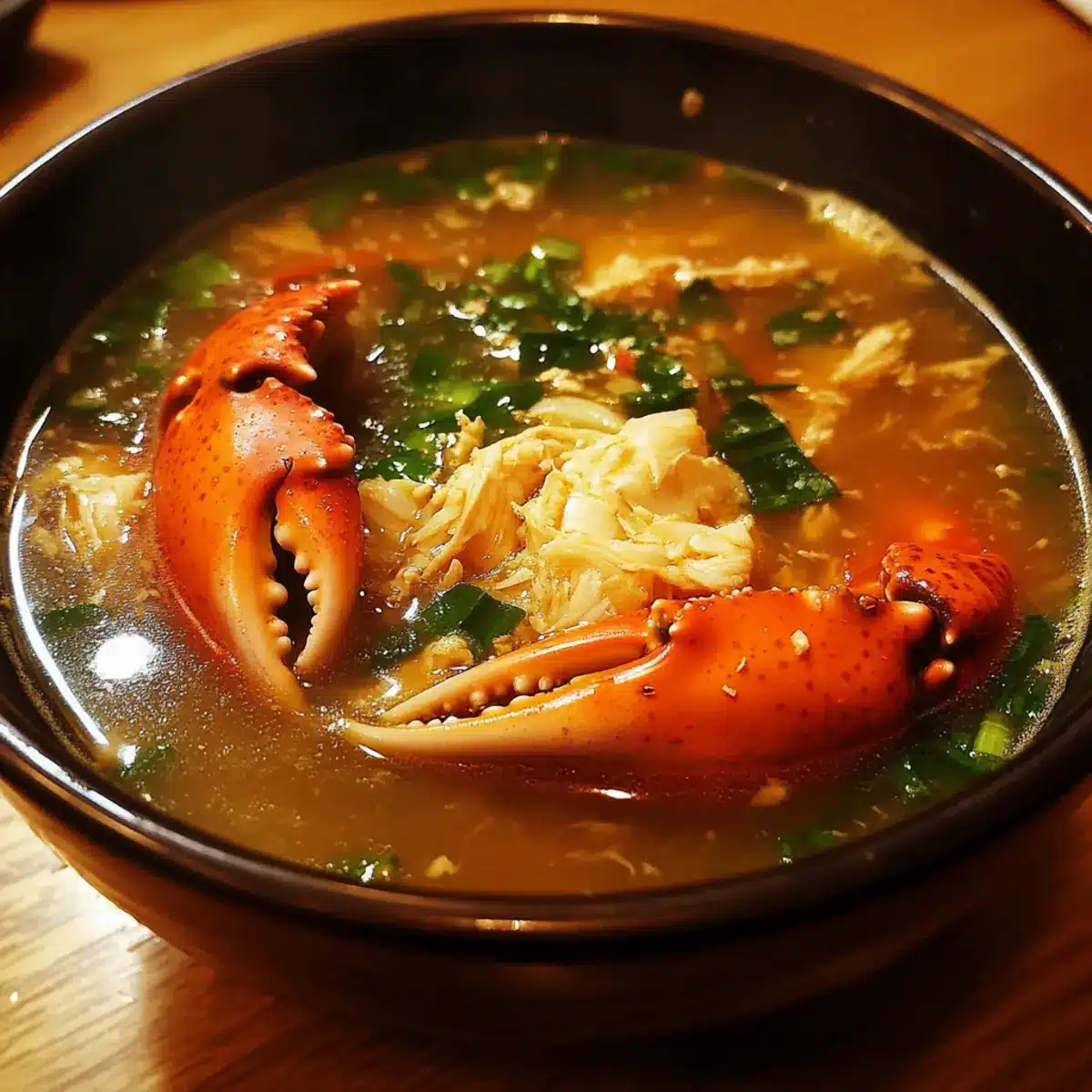
Easy Crab Miso Soup Recipe That Warms Your Soul Every Time
Ingredients
Equipment
Method
- Warm dashi stock and water in a pot over medium heat until it simmers gently, about 5 minutes, stirring occasionally.
- Remove pot from heat and whisk in white miso paste until fully dissolved, then return to low heat.
- Gently fold in fresh crab meat and soft tofu cubes, warming through for 2-3 minutes.
- Stir in rehydrated wakame seaweed and sliced green onions, simmering for 1 minute.
- Taste and adjust with soy sauce, then drizzle with sesame oil before serving.