
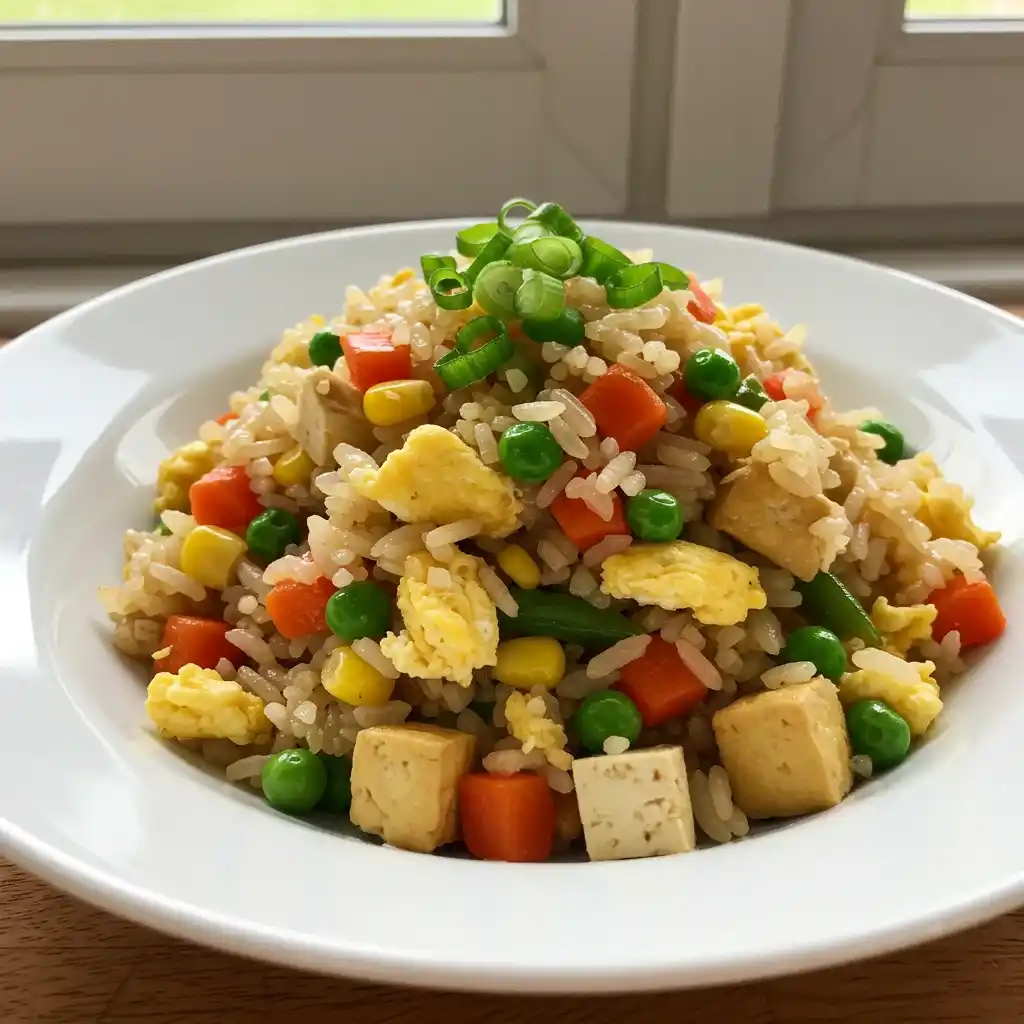

Fried rice is a beloved dish across the globe, known for its simplicity, versatility, and delicious taste. Whether you’re a seasoned chef or a beginner in the kitchen, making fried rice at home is a rewarding experience that can be tailored to suit any dietary preference. In this comprehensive guide, we’ll walk you through the process of creating an easy and delightful fried rice dish using simple ingredients that you probably already have in your kitchen. Let’s dive into the world of easy fried rice and discover how you can make this classic dish a staple in your household.
Ingredients
Before we get started, let’s gather everything you need to create this delicious and easy fried rice. Here’s a detailed list of ingredients that will make your fried rice not only flavorful but also nutritious:
- 2 cups cooked rice (day-old works best): Using day-old rice is crucial as it has dried out slightly, preventing the fried rice from becoming mushy. Freshly cooked rice tends to retain too much moisture, leading to clumping.
- 1 cup mixed vegetables (peas, carrots, corn): You can use frozen or fresh vegetables, depending on availability. These vegetables provide essential nutrients and vibrant colors that enhance the visual appeal of the dish.
- 2 eggs (or tofu for a vegan option): Eggs add richness and protein, while tofu is a great substitute for vegans. Press the tofu to remove excess moisture for a firmer texture when frying.
- 3 green onions, chopped: These add a fresh, mild onion flavor and a pop of color. You can use both the green and white parts to maximize flavor.
- 2 tbsp soy sauce (or tamari): Soy sauce brings umami and saltiness to the dish. Tamari is a gluten-free alternative that offers a similar taste profile.
- 1 tbsp sesame oil (or olive oil): Sesame oil imparts a distinct nutty flavor and aroma, while olive oil is a lighter alternative. You can also blend both for a nuanced taste.
- Salt & pepper to taste: Essential for enhancing the overall flavor. Adjust based on your preference and dietary requirements.
These ingredients are not only easy to find but also flexible enough to accommodate substitutions based on your preferences or dietary needs.
Instructions
Creating the perfect fried rice is all about timing and technique. Follow these step-by-step instructions to achieve that restaurant-quality taste right at home.
- Heat the oil in a large pan over medium heat: The choice of oil is important; sesame oil will give a distinct flavor, while olive oil is more neutral. Make sure the pan is hot enough to sizzle when you add the ingredients, which will help in achieving that desirable stir-fried texture.
- Scramble the eggs or fry tofu until golden: If using eggs, crack them directly into the pan and scramble until they are fully cooked and slightly firm. For tofu, crumble it into the pan and sauté until golden brown. Once cooked, set aside to prevent overcooking.
- In the same pan, add mixed vegetables and cook until tender: Add a pinch of salt to the vegetables to enhance their natural sweetness. Stir-fry for about 3-5 minutes, ensuring they are cooked yet still retain a slight crunch, which adds texture to the dish.
- Add cooked rice, soy sauce, and green onions: Break up any clumps of rice with your spatula as you add it to the pan. Stir well to ensure that the soy sauce is evenly distributed throughout the rice, giving it that beautiful golden color and savory flavor.
- Mix in scrambled eggs or tofu: Gently fold in the scrambled eggs or tofu to ensure even distribution. Season with salt and pepper to taste, adjusting according to your preference. This is also the time to add any additional spices or sauces you might enjoy.
- Cook for another 2-3 minutes, stirring frequently: This step helps to combine all the flavors and ensures that every bite is as tasty as the last. The goal is to heat everything through while allowing the rice to get slightly crispy on the bottom. Serve warm, garnished with extra green onions or sesame seeds if desired, and enjoy!
Nutrition Facts
Understanding the nutritional content of your meals is important, whether you’re counting calories or just aiming for a balanced diet. Here’s a breakdown of the nutrition facts per serving of this easy fried rice:
- Calories: 250
- Protein: 8g
- Carbs: 36g
- Fat: 8g
This fried rice is not only delicious but also provides a good balance of macronutrients, making it a satisfying meal option for any time of the day.
How to Serve
Fried rice is a versatile dish that can be served in numerous ways, making it a great addition to any meal. Its adaptability allows it to shine as both a main dish and an accompaniment to various proteins. Here are some detailed ideas to elevate your dining experience with fried rice:
As a Main Dish
When serving fried rice as a main dish, presentation plays a crucial role in enhancing its appeal. Consider the following tips:
- Serving Style: Present the fried rice in a deep bowl or a large serving platter. This not only makes for an appealing visual presentation but also allows diners to serve themselves comfortably. Layering the fried rice can also add a pleasing texture and depth.
- Garnishes: Elevate the dish with a sprinkle of finely chopped green onions or scallions for a fresh burst of flavor and color. Toasted sesame seeds can add a nutty crunch, while a drizzle of chili oil or sriracha introduces a delightful heat. For a touch of elegance, you might even consider using edible flowers as a garnish.
- Accompaniments: Pair your fried rice with fresh cucumber slices or a small side salad to introduce a refreshing crunch that contrasts beautifully with the savory rice. You can create a simple salad of mixed greens dressed lightly with sesame oil and vinegar to enhance the Asian theme.
- Additional Toppings: Consider adding a fried egg on top of the rice for an added layer of richness. The runny yolk can create a delicious sauce that complements the fried rice perfectly. Alternatively, crispy shallots or garlic chips can provide an extra crunch and flavor depth.
As a Side Dish
Fried rice can also serve as a delightful side dish, complementing a variety of main courses:
- Protein Pairings: Serve the fried rice alongside your choice of protein. Grilled chicken, beef stir-fry, shrimp tempura, or marinated tofu can create a well-rounded meal. The savory profile of the fried rice pairs well with both grilled and sautéed options.
- Balance with Light Dishes: To create a balanced meal, consider serving the fried rice with a light soup, such as a miso or wonton soup, or a simple vegetable broth. This combination provides a comforting and satisfying dining experience. Alternatively, a refreshing salad, perhaps with a citrus vinaigrette, can enhance the overall meal by adding a bright note.
- Flavor Contrast: Incorporate dishes that offer contrasting flavors. For example, if your fried rice is rich and savory, pair it with a sweet and tangy dish, such as a sweet and sour chicken, to create a more dynamic meal.
With Sauces
Offering a variety of sauces can enhance the fried rice experience and allow diners to customize their plates:
- Sauce Selection: Provide a selection of sauces on the side, allowing guests to choose their favorites. Sweet chili sauce adds a delightful sweetness and mild heat, while hoisin sauce offers a rich, umami flavor. Extra soy sauce can enhance the savory notes of the fried rice, making it even more delectable.
- Zesty Enhancements: Fresh lime or lemon wedges can provide a zesty contrast to the savory flavors of the fried rice. Encourage diners to squeeze some juice over their dish for a bright, refreshing finish. A dash of rice vinegar can also add an acidic punch that balances the richness of the fried rice.
- Customizable Toppings: Consider providing additional toppings such as pickled vegetables or kimchi. These can introduce a tangy flavor that pairs well with the fried rice, adding both texture and taste diversity to the meal.
By incorporating these detailed serving suggestions, you can transform a simple dish of fried rice into a culinary experience that delights the senses and satisfies the palate. Whether served as a main dish or a side, fried rice can be a versatile centerpiece that enhances any dining occasion.
Additional Tips
To elevate your fried rice experience and transform a simple dish into something extraordinary, consider these comprehensive tips that will enhance both the flavor and texture of your meal:
Use Day-Old Rice
One of the cardinal rules of making excellent fried rice is using day-old rice. Freshly cooked rice contains a higher moisture content, which can lead to clumpy, sticky fried rice that lacks the desired texture. Day-old rice, on the other hand, has had time to dry out slightly in the refrigerator, allowing the grains to become firmer and less sticky. This results in a fluffier consistency and makes it easier to achieve that signature “wok hei” or “breath of the wok” flavor that is essential for delicious fried rice.
If you don’t have day-old rice on hand, there’s a quick fix. After cooking your rice, spread it out in an even layer on a baking sheet. Allow it to cool for about 30 minutes, which helps reduce the moisture content. For best results, place the baking sheet in the refrigerator for a short while to chill the rice further. This step can make a significant difference in achieving the ideal texture when stir-frying.
Experiment with Add-Ins
Fried rice is a wonderfully versatile dish, and this is where you can really let your creativity shine. While traditional ingredients like peas, carrots, and scrambled eggs are classic staples, the world of add-ins is vast and varied. Here are a few suggestions to inspire you:
- Fruits: Adding sweet elements like pineapple can create a delightful contrast to the savory components, infusing your dish with a burst of sweetness. This combination works particularly well in tropical variations of fried rice.
- Proteins: Consider incorporating shrimp, chicken, beef, or even tofu for a heartier meal. Each protein brings its own flavor and texture, allowing you to customize the dish to your preferences. For example, crispy bacon or pancetta can add a smoky, salty depth, while marinated tofu can offer a vegetarian option with a satisfying bite.
- Vegetables: Bell peppers, scallions, broccoli, and mushrooms can enhance both the nutritional value and visual appeal of your fried rice. Mushrooms, in particular, offer an earthy flavor that complements the other ingredients beautifully.
- Herbs and Spices: Fresh herbs like cilantro or basil can brighten up the dish, while spices such as ginger or garlic can add a fragrant aroma. Don’t hesitate to experiment with different combinations to find your perfect balance.
Adjust Seasonings
Taste as you cook! This is the most crucial tip when it comes to making fried rice. Begin with a base of soy sauce, which adds umami and saltiness, but remember that the amount you use can vary based on personal preference and the saltiness of your other ingredients (like bacon or shrimp). Start with a small amount and gradually increase it, tasting frequently.
In addition to soy sauce, consider adding:
- Salt and Pepper: These basic seasonings can help to enhance the overall flavor. Be cautious with salt, especially if you’re using other salty ingredients.
- Chili Flakes or Sriracha: If you enjoy heat, a dash of chili flakes or a drizzle of sriracha can introduce a delightful spicy kick that elevates the dish. Adjust the spice level to your liking, adding more for a fiery punch or less for a milder flavor.
- Rice Vinegar or Sesame Oil: Adding a splash of rice vinegar can bring a tangy brightness to the fried rice, while a drizzle of sesame oil at the end of cooking can impart a rich, nutty flavor that ties everything together beautifully.
Taking the time to adjust these seasonings to your taste will ensure that your fried rice is not only delicious but also uniquely yours. Remember, the joy of cooking lies in experimentation, so don’t be afraid to play around with different ingredients and flavors to find what you love best!
By following these additional tips, you can transform your fried rice from a simple side dish into a culinary highlight that impresses family and friends alike. Happy cooking!
FAQs
Q: Can I use brown rice instead of white rice?
A: Absolutely! Brown rice is a great alternative, offering a nuttier flavor and more fiber. Just ensure it’s cooked and day-old for the best results.
Q: How can I make this dish gluten-free?
A: Use tamari instead of soy sauce, as it is typically gluten-free. Always check labels to ensure the product is suitable for your dietary needs.
Q: Can I freeze leftover fried rice?
A: Yes, fried rice freezes well. Store it in an airtight container for up to a month. Reheat thoroughly before serving, ideally in a skillet for the best texture.
Q: What can I use instead of eggs to make it vegan?
A: Tofu is a great vegan substitute for eggs. You can also use scrambled chickpea flour or a commercial egg replacer. If you’re looking for a fluffy texture, try using silken tofu blended until smooth.
Conclusion
Easy fried rice is a delightful and versatile dish that brings together simple ingredients for a satisfying meal. Whether you’re looking for a quick weeknight dinner, a dish to impress guests, or a way to use up leftovers, this recipe is sure to please. With the ability to customize to your taste and dietary preferences, fried rice is a classic that never goes out of style. Enjoy your culinary creation and share the joy of homemade fried rice with family and friends!
By following this guide, you’ll master the art of making easy fried rice, turning leftover rice and veggies into a delicious meal that’s bound to become a household favorite. Happy cooking!
Print
Easy Fried Rice recipe
Ingredients
- 2 cups cooked rice (day-old works best): Using day-old rice is crucial as it has dried out slightly, preventing the fried rice from becoming mushy. Freshly cooked rice tends to retain too much moisture, leading to clumping.
- 1 cup mixed vegetables (peas, carrots, corn): You can use frozen or fresh vegetables, depending on availability. These vegetables provide essential nutrients and vibrant colors that enhance the visual appeal of the dish.
- 2 eggs (or tofu for a vegan option): Eggs add richness and protein, while tofu is a great substitute for vegans. Press the tofu to remove excess moisture for a firmer texture when frying.
- 3 green onions, chopped: These add a fresh, mild onion flavor and a pop of color. You can use both the green and white parts to maximize flavor.
- 2 tbsp soy sauce (or tamari): Soy sauce brings umami and saltiness to the dish. Tamari is a gluten-free alternative that offers a similar taste profile.
- 1 tbsp sesame oil (or olive oil): Sesame oil imparts a distinct nutty flavor and aroma, while olive oil is a lighter alternative. You can also blend both for a nuanced taste.
- Salt & pepper to taste: Essential for enhancing the overall flavor. Adjust based on your preference and dietary requirements.
Instructions
- Heat the oil in a large pan over medium heat: The choice of oil is important; sesame oil will give a distinct flavor, while olive oil is more neutral. Make sure the pan is hot enough to sizzle when you add the ingredients, which will help in achieving that desirable stir-fried texture.
- Scramble the eggs or fry tofu until golden: If using eggs, crack them directly into the pan and scramble until they are fully cooked and slightly firm. For tofu, crumble it into the pan and sauté until golden brown. Once cooked, set aside to prevent overcooking.
- In the same pan, add mixed vegetables and cook until tender: Add a pinch of salt to the vegetables to enhance their natural sweetness. Stir-fry for about 3-5 minutes, ensuring they are cooked yet still retain a slight crunch, which adds texture to the dish.
- Add cooked rice, soy sauce, and green onions: Break up any clumps of rice with your spatula as you add it to the pan. Stir well to ensure that the soy sauce is evenly distributed throughout the rice, giving it that beautiful golden color and savory flavor.
- Mix in scrambled eggs or tofu: Gently fold in the scrambled eggs or tofu to ensure even distribution. Season with salt and pepper to taste, adjusting according to your preference. This is also the time to add any additional spices or sauces you might enjoy.
- Cook for another 2-3 minutes, stirring frequently: This step helps to combine all the flavors and ensures that every bite is as tasty as the last. The goal is to heat everything through while allowing the rice to get slightly crispy on the bottom. Serve warm, garnished with extra green onions or sesame seeds if desired, and enjoy!
Nutrition
- Serving Size: 1 normal portion
- Calories: 250 kcal
- Fat: 8g
- Carbohydrates: 36g
- Protein: 8g