
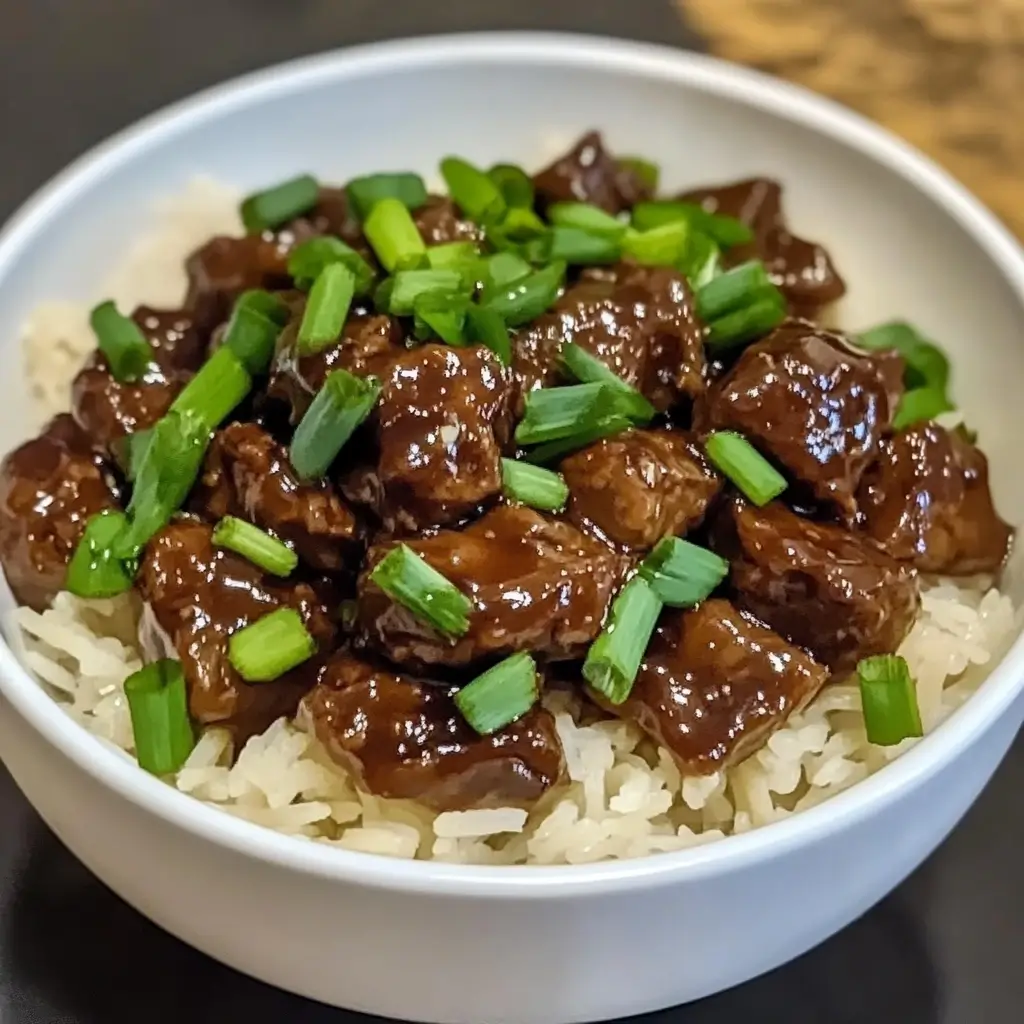

The first time I made this Easy Keto Mongolian Beef, my kitchen was filled with the most incredible aroma – that rich, savory, slightly sweet scent that usually means takeout is on its way. But this time, it was all homemade, and importantly, completely keto-friendly! My family, who can sometimes be a bit skeptical of my “healthy versions” of their favorite dishes, gathered around, intrigued. The verdict? Absolute triumph! The beef was tender, the sauce was glossy and packed with flavor, and nobody missed the sugar or carbs. It vanished from the serving dish in record time, with requests for an encore performance the very next week. This recipe has since become a staple in our household, a go-to for a quick weeknight dinner that feels indulgent but keeps us firmly on our keto track. It’s proof that you don’t have to sacrifice flavor when you’re eating low-carb, and it’s so much better (and healthier) than any restaurant version I’ve tried.
Ingredients for Your Keto Mongolian Beef Masterpiece
This recipe is designed for robust flavor and satisfying textures, all while keeping those carbs in check. Here’s what you’ll need:
For the Beef & Marinade:
- Beef Sirloin or Flank Steak: 1.5 lbs (approx. 680g), thinly sliced against the grain (about 1/8-inch thick)
- Coconut Aminos (or Tamari for soy option): 3 tablespoons
- Avocado Oil (or other high-heat oil): 1 tablespoon
- Sesame Oil (toasted): 1 teaspoon
- Fresh Ginger: 1 teaspoon, finely minced or grated
- Fresh Garlic: 2 cloves, minced
- Baking Soda: 1/2 teaspoon (this helps tenderize the beef, a technique called “velveting”)
- Black Pepper: 1/4 teaspoon
For the Keto Mongolian Sauce:
- Coconut Aminos (or Tamari): 1/2 cup (120ml)
- Water or Beef Broth: 1/4 cup (60ml)
- Keto-Friendly Brown Sugar Substitute (like erythritol/monk fruit blend): 3-4 tablespoons, or to taste (e.g., Swerve Brown, Lakanto Golden)
- Rice Vinegar (unseasoned): 1 tablespoon
- Fresh Ginger: 1 tablespoon, finely minced or grated
- Fresh Garlic: 3-4 cloves, minced
- Sesame Oil (toasted): 1 teaspoon
- Red Pepper Flakes: 1/4 – 1/2 teaspoon (optional, for a touch of heat)
- Xanthan Gum: 1/4 – 1/2 teaspoon (to thicken the sauce – start with less)
For Stir-Frying & Garnish:
- Avocado Oil (or other high-heat oil): 2-3 tablespoons, divided
- Green Onions (Scallions): 4-5 stalks, cut into 1-2 inch pieces (separate white/light green parts from dark green tops)
- Sesame Seeds: For garnish (optional)
- Optional Low-Carb Vegetables: 1 cup sliced bell peppers (any color), broccoli florets, or snap peas.
Instructions: Crafting Your Culinary Delight
Follow these steps for a perfect Keto Mongolian Beef every time. Preparation is key for a successful stir-fry!
- Prepare the Beef:
- If your steak isn’t already sliced, place it in the freezer for 15-20 minutes. This firms it up, making it much easier to slice thinly.
- Slice the beef thinly (about 1/8-inch thick) against the grain. This is crucial for tender results.
- In a medium bowl, combine the sliced beef with the marinade ingredients: 3 tbsp coconut aminos, 1 tbsp avocado oil, 1 tsp sesame oil, 1 tsp minced ginger, 2 minced garlic cloves, baking soda, and black pepper.
- Toss well to ensure every piece of beef is coated. Let it marinate at room temperature for at least 20-30 minutes, or in the refrigerator for up to 2 hours for deeper flavor.
- Prepare the Sauce:
- In a separate small bowl or liquid measuring cup, whisk together all the Keto Mongolian Sauce ingredients: 1/2 cup coconut aminos, 1/4 cup water/broth, keto brown sugar substitute, rice vinegar, 1 tbsp minced ginger, 3-4 minced garlic cloves, 1 tsp sesame oil, and red pepper flakes (if using).
- Do not add the xanthan gum yet. Set the sauce aside.
- Prepare Vegetables (if using):
- Wash and chop your green onions, separating the white/light green parts from the dark green tops. The dark green tops are best used as a garnish or added at the very end.
- If you’re adding other vegetables like bell peppers or broccoli, have them chopped and ready.
- Cook the Beef (in batches):
- Place a large skillet or wok over high heat. Allow it to get very hot – this is essential for a good sear.
- Add 1 tablespoon of avocado oil to the hot skillet. Once the oil is shimmering, add about half of the marinated beef in a single layer. Don’t overcrowd the pan, as this will cause the beef to steam instead of sear.
- Cook for 1-2 minutes per side, until nicely browned and cooked through. The beef cooks quickly due to its thinness.
- Remove the cooked beef from the skillet with a slotted spoon and set it aside on a plate.
- Add another tablespoon of avocado oil if needed, and cook the remaining beef in the same way. Set aside with the first batch.
- Sauté Aromatics & Vegetables (if using):
- Reduce the heat to medium-high. If your pan looks dry, add the remaining 1/2 to 1 tablespoon of avocado oil.
- Add the white and light green parts of the green onions to the skillet. If using other hardier vegetables like bell peppers or broccoli, add them now. Stir-fry for 2-3 minutes until they are slightly tender-crisp. If you added a lot of garlic to the sauce, you might not need to add more here, but if you love garlic, feel free to toss in another minced clove.
- Create the Sauce & Combine:
- Pour the prepared Keto Mongolian Sauce mixture into the skillet with the vegetables. Bring it to a simmer, stirring constantly. Let it bubble for 1-2 minutes to allow the flavors to meld.
- To thicken the sauce, sprinkle the xanthan gum (start with 1/4 teaspoon) very slowly and evenly over the simmering sauce while whisking vigorously and constantly. This prevents clumps. The sauce will thicken up quickly. If it’s not as thick as you’d like after 30 seconds, you can add the remaining 1/4 teaspoon, again whisking vigorously. Be careful not to add too much, as it can make the sauce gummy.
- Once the sauce has reached your desired consistency, return the cooked beef and any accumulated juices from the plate back to the skillet.
- Toss everything together to coat the beef evenly with the glossy sauce. Cook for another 1-2 minutes, just until the beef is heated through.
- Finish and Serve:
- Stir in most of the dark green parts of the green onions, reserving some for garnish.
- Remove from heat. Taste and adjust seasoning if necessary (though it should be quite flavorful!).
- Serve immediately, garnished with the remaining fresh green onions and a sprinkle of sesame seeds, if desired.
Nutrition Facts
- Servings: This recipe makes approximately 4-6 servings, depending on appetite and what it’s served with.
- Calories per serving (approximate, based on 4 servings): 350-450 calories.
Approximate Nutritional Breakdown (per serving, based on 4 servings, using sirloin and no optional vegetables):
- Net Carbohydrates: 5-8g (This can vary based on the exact brand of coconut aminos and sweetener used. Subtract fiber if your sweetener contains it.)
- Protein: 35-40g
- Fat: 20-25g
Disclaimer: Nutritional information is an estimate and can vary depending on the specific ingredients, brands, and portion sizes used. For precise tracking, it’s always best to calculate based on your actual ingredients using a nutrition calculator.
Preparation Time
Understanding the time commitment helps in planning your meal efficiently.
- Prep Time (Slicing & Marinating): 20 minutes for slicing + 20-30 minutes for marinating (can be done ahead).
- Cook Time: 15-20 minutes.
- Total Time (excluding extended marination): Approximately 35-50 minutes.
This makes it an excellent option for a relatively quick weeknight meal that tastes like it took much longer to prepare!
How to Serve Your Keto Mongolian Beef
This dish is wonderfully versatile. Here are some fantastic keto-friendly ways to serve your Mongolian Beef, turning it into a complete and satisfying meal:
- Over Cauliflower Rice:
- Steamed Cauliflower Rice: A simple, neutral base that soaks up the delicious sauce.
- Fried Cauliflower Rice: Sauté cauliflower rice with a bit of soy sauce/coconut aminos, garlic, ginger, and perhaps some scrambled egg for an extra satisfying side.
- With Zucchini Noodles (Zoodles):
- Lightly sauté or serve raw zoodles. Their mild flavor and pleasant texture complement the rich beef beautifully. Be sure not to overcook them, or they can become watery.
- Alongside Steamed or Roasted Low-Carb Vegetables:
- Broccoli Florets: Steamed or roasted until tender-crisp.
- Asparagus Spears: Roasted with a bit of olive oil, salt, and pepper.
- Green Beans: Blanched or stir-fried with garlic.
- With Shirataki Noodles (Miracle Noodles):
- Rinse and prepare shirataki noodles according to package directions. They are virtually zero-carb and absorb flavors well. Pan-frying them briefly after rinsing can improve their texture.
- In Lettuce Wraps:
- Serve the Keto Mongolian Beef in large, crisp lettuce cups (like butter lettuce or romaine) for a fresh, handheld meal.
- As part of a Keto “Bowl”:
- Combine the Mongolian beef with a base of cauliflower rice or zoodles, then add other toppings like sliced avocado, extra sautéed bell peppers, or a sprinkle of chopped peanuts (if your carb count allows).
- Simple and Solo:
- Honestly, it’s so good, you might just want to enjoy a bowl of it on its own, perhaps with a simple side salad dressed with an Asian-inspired vinaigrette.
Garnish Power:
Don’t underestimate the power of a good garnish!
- Freshly sliced green onions (the dark green parts)
- Toasted sesame seeds (white or black)
- A few extra red pepper flakes for those who like it spicier
- Finely chopped cilantro for a fresh, herby note (if you enjoy it)
Additional Tips for Keto Mongolian Beef Perfection
Elevate your dish from great to absolutely unforgettable with these pro tips:
- The Art of Slicing Beef: For the most tender Mongolian beef, slicing against the grain is non-negotiable. Imagine the muscle fibers are like a bundle of straws; you want to cut across those straws, not parallel to them. Partially freezing the beef for 15-20 minutes makes it much firmer and easier to achieve those paper-thin slices ideal for stir-frying.
- High Heat & No Overcrowding: The secret to beautifully seared, not steamed, beef is a screaming hot pan (wok or large skillet) and cooking the beef in batches. If you overcrowd the pan, the temperature will drop, and the beef will release its juices and simmer rather than brown. That Maillard reaction (browning) is where so much flavor comes from!
- Xanthan Gum Wisdom: A little xanthan gum goes a very long way. Always sprinkle it in gradually while whisking vigorously to prevent clumping. It also tends to thicken slightly more as the sauce cools a bit. If you accidentally add too much and the sauce becomes overly thick or gummy, you can try to thin it out with a little extra beef broth or hot water, whisking well.
- Taste and Adjust Sweetness & Spice: “To taste” is key with sweeteners and spice. Different keto sweeteners have varying levels of sweetness. Start with the lower amount of sweetener suggested, taste the sauce before adding the beef back in, and add more if needed. The same goes for red pepper flakes – cater to your own heat preference.
- Meal Prep Friendly: This Keto Mongolian Beef reheats beautifully. You can cook a larger batch and portion it out for lunches throughout the week with your favorite keto sides. Store it in an airtight container in the refrigerator for up to 3-4 days. The beef can also be sliced and marinated ahead of time (up to 24 hours in the fridge), making a weeknight dinner even quicker.
FAQ: Your Keto Mongolian Beef Questions Answered
Here are answers to some common questions you might have about this recipe:
Q1: Is traditional Mongolian Beef keto-friendly?
A1: Unfortunately, no. Traditional restaurant-style Mongolian Beef is typically made with significant amounts of brown sugar or white sugar for sweetness and cornstarch both to coat the beef and to thicken the sauce. These ingredients are high in carbohydrates and are not suitable for a ketogenic diet. This recipe specifically replaces those elements with keto-friendly alternatives like low-carb sweeteners and xanthan gum.
Q2: What is the best cut of beef for Keto Mongolian Beef?
A2: Flank steak is the classic choice for Mongolian beef due to its robust beefy flavor and texture that holds up well to stir-frying when sliced thinly against the grain. Sirloin steak (top sirloin) is another excellent option and often more readily available or affordable. Other cuts like skirt steak or even hanger steak can work, but always remember the key is thin slicing against the grain for tenderness.
Q3: Can I use regular soy sauce instead of coconut aminos or tamari?
A3: Yes, you can use regular soy sauce if you don’t have concerns about soy or gluten. However, coconut aminos are a popular choice in keto and paleo circles as they are soy-free, gluten-free, and generally lower in sodium with a slightly sweeter profile. Tamari is a gluten-free soy sauce that is also a good alternative. If using regular soy sauce, you might want to slightly reduce the amount or use a low-sodium version, as it can be saltier and more intensely flavored than coconut aminos. You may also need to adjust the sweetener.
Q4: How do I store and reheat leftovers?
A4: Store any leftover Keto Mongolian Beef in an airtight container in the refrigerator. It should keep well for 3-4 days. To reheat, you can gently warm it in a skillet over medium-low heat until heated through, adding a splash of water or beef broth if the sauce has thickened too much. Alternatively, you can microwave it in short intervals, stirring in between, until warm. Avoid overheating, as this can make the beef tough.
Q5: Can I add other vegetables to this dish?
A5: Absolutely! This recipe is very adaptable. Some excellent low-carb vegetable additions include:
* Broccoli florets: Add them with the green onions; they may need a few extra minutes to cook.
* Bell peppers: Sliced red, yellow, or orange bell peppers add color and sweetness.
* Snap peas or snow peas: Add these towards the end of the vegetable cooking time for a nice crunch.
* Mushrooms: Sliced shiitake or cremini mushrooms would be delicious.
* Asparagus: Cut into 1-2 inch pieces.
Adjust cooking time based on the hardiness of the vegetables you choose, adding denser ones earlier. Remember to account for the carbs in any added vegetables if you are strictly tracking.
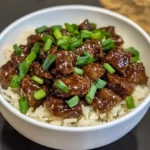
Easy Keto Mongolian Beef Recipe
Ingredients
For the Beef & Marinade:
- Beef Sirloin or Flank Steak: 1.5 lbs (approx. 680g), thinly sliced against the grain (about 1/8-inch thick)
- Coconut Aminos (or Tamari for soy option): 3 tablespoons
- Avocado Oil (or other high-heat oil): 1 tablespoon
- Sesame Oil (toasted): 1 teaspoon
- Fresh Ginger: 1 teaspoon, finely minced or grated
- Fresh Garlic: 2 cloves, minced
- Baking Soda: 1/2 teaspoon (this helps tenderize the beef, a technique called “velveting”)
- Black Pepper: 1/4 teaspoon
For the Keto Mongolian Sauce:
- Coconut Aminos (or Tamari): 1/2 cup (120ml)
- Water or Beef Broth: 1/4 cup (60ml)
- Keto-Friendly Brown Sugar Substitute (like erythritol/monk fruit blend): 3-4 tablespoons, or to taste (e.g., Swerve Brown, Lakanto Golden)
- Rice Vinegar (unseasoned): 1 tablespoon
- Fresh Ginger: 1 tablespoon, finely minced or grated
- Fresh Garlic: 3-4 cloves, minced
- Sesame Oil (toasted): 1 teaspoon
- Red Pepper Flakes: 1/4 – 1/2 teaspoon (optional, for a touch of heat)
- Xanthan Gum: 1/4 – 1/2 teaspoon (to thicken the sauce – start with less)
For Stir-Frying & Garnish:
- Avocado Oil (or other high-heat oil): 2-3 tablespoons, divided
- Green Onions (Scallions): 4-5 stalks, cut into 1-2 inch pieces (separate white/light green parts from dark green tops)
- Sesame Seeds: For garnish (optional)
- Optional Low-Carb Vegetables: 1 cup sliced bell peppers (any color), broccoli florets, or snap peas.
Instructions
- Prepare the Beef:
- If your steak isn’t already sliced, place it in the freezer for 15-20 minutes. This firms it up, making it much easier to slice thinly.
- Slice the beef thinly (about 1/8-inch thick) against the grain. This is crucial for tender results.
- In a medium bowl, combine the sliced beef with the marinade ingredients: 3 tbsp coconut aminos, 1 tbsp avocado oil, 1 tsp sesame oil, 1 tsp minced ginger, 2 minced garlic cloves, baking soda, and black pepper.
- Toss well to ensure every piece of beef is coated. Let it marinate at room temperature for at least 20-30 minutes, or in the refrigerator for up to 2 hours for deeper flavor.
- Prepare the Sauce:
- In a separate small bowl or liquid measuring cup, whisk together all the Keto Mongolian Sauce ingredients: 1/2 cup coconut aminos, 1/4 cup water/broth, keto brown sugar substitute, rice vinegar, 1 tbsp minced ginger, 3-4 minced garlic cloves, 1 tsp sesame oil, and red pepper flakes (if using).
- Do not add the xanthan gum yet. Set the sauce aside.
- Prepare Vegetables (if using):
- Wash and chop your green onions, separating the white/light green parts from the dark green tops. The dark green tops are best used as a garnish or added at the very end.
- If you’re adding other vegetables like bell peppers or broccoli, have them chopped and ready.
- Cook the Beef (in batches):
- Place a large skillet or wok over high heat. Allow it to get very hot – this is essential for a good sear.
- Add 1 tablespoon of avocado oil to the hot skillet. Once the oil is shimmering, add about half of the marinated beef in a single layer. Don’t overcrowd the pan, as this will cause the beef to steam instead of sear.
- Cook for 1-2 minutes per side, until nicely browned and cooked through. The beef cooks quickly due to its thinness.
- Remove the cooked beef from the skillet with a slotted spoon and set it aside on a plate.
- Add another tablespoon of avocado oil if needed, and cook the remaining beef in the same way. Set aside with the first batch.
- Sauté Aromatics & Vegetables (if using):
- Reduce the heat to medium-high. If your pan looks dry, add the remaining 1/2 to 1 tablespoon of avocado oil.
- Add the white and light green parts of the green onions to the skillet. If using other hardier vegetables like bell peppers or broccoli, add them now. Stir-fry for 2-3 minutes until they are slightly tender-crisp. If you added a lot of garlic to the sauce, you might not need to add more here, but if you love garlic, feel free to toss in another minced clove.
- Create the Sauce & Combine:
- Pour the prepared Keto Mongolian Sauce mixture into the skillet with the vegetables. Bring it to a simmer, stirring constantly. Let it bubble for 1-2 minutes to allow the flavors to meld.
- To thicken the sauce, sprinkle the xanthan gum (start with 1/4 teaspoon) very slowly and evenly over the simmering sauce while whisking vigorously and constantly. This prevents clumps. The sauce will thicken up quickly. If it’s not as thick as you’d like after 30 seconds, you can add the remaining 1/4 teaspoon, again whisking vigorously. Be careful not to add too much, as it can make the sauce gummy.
- Once the sauce has reached your desired consistency, return the cooked beef and any accumulated juices from the plate back to the skillet.
- Toss everything together to coat the beef evenly with the glossy sauce. Cook for another 1-2 minutes, just until the beef is heated through.
- Finish and Serve:
- Stir in most of the dark green parts of the green onions, reserving some for garnish.
- Remove from heat. Taste and adjust seasoning if necessary (though it should be quite flavorful!).
- Serve immediately, garnished with the remaining fresh green onions and a sprinkle of sesame seeds, if desired.
Nutrition
- Serving Size: One Normal Portion
- Calories: 350-450
- Fat: 20-25g
- Carbohydrates: 5-8g
- Protein: 35-40g