
Introduction
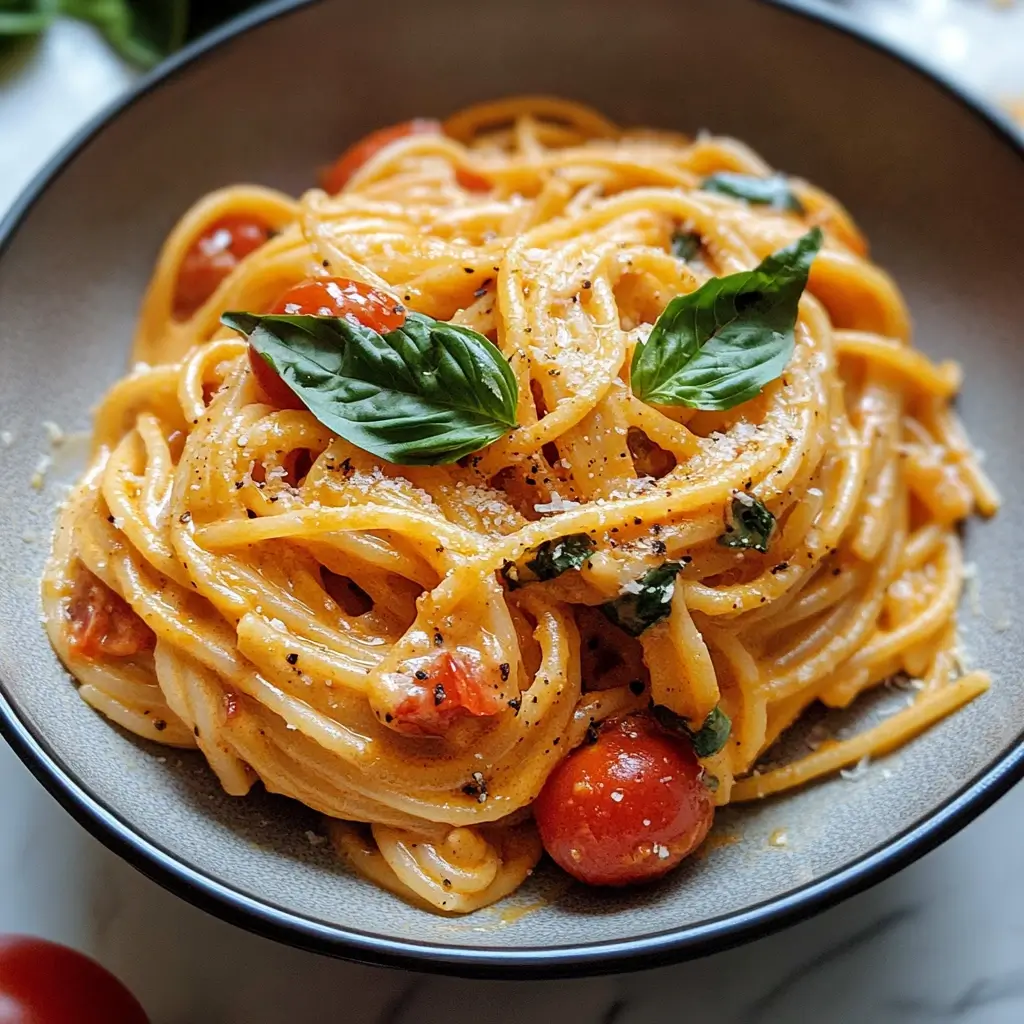
In the whirlwind of modern life, finding time to prepare a delicious and satisfying meal can feel like a luxury. Weeknights often demand quick, effortless solutions, but that doesn’t mean we have to compromise on flavor or wholesome goodness. Enter this Easy One Pot Creamy Tomato Pasta – a recipe that has become a cherished staple in my own kitchen, and I’m thrilled to share it with you. From busy weeknights to relaxed weekend lunches, this dish consistently earns rave reviews. My family, especially my little ones, absolutely adore the creamy tomato sauce clinging to perfectly cooked spaghetti. There’s something undeniably comforting about the rich tomato flavor, brightened by fresh basil and enhanced by a luscious creaminess. And the best part? It all comes together in a single pot, minimizing cleanup and maximizing flavor. If you’re seeking a fuss-free, family-friendly meal that’s bursting with Italian-inspired goodness, look no further. This one-pot creamy tomato pasta is about to become your new go-to recipe.
Ingredients
This recipe thrives on simplicity and fresh, high-quality ingredients. Each component plays a vital role in building the final flavor profile, so let’s delve into each one:
- 250 g (½ lb) uncooked spaghetti: The star of the show! Spaghetti is the classic choice for this dish, providing a satisfying texture and perfect sauce-grabbing ability. However, feel free to experiment with other long pasta shapes like linguine, fettuccine, or even bucatini for a slightly different mouthfeel. When selecting spaghetti, opt for a good quality brand made from durum wheat semolina. This ensures the pasta cooks al dente and holds its shape beautifully in the creamy sauce. For a gluten-free option, brown rice spaghetti or quinoa pasta can be used, though cooking times may need slight adjustments.
- 500 g (1 lb) fresh tomatoes, chopped (or use 1 x 400 g tin of chopped tomatoes): Tomatoes are the heart and soul of this sauce, lending their vibrant color, sweetness, and essential acidity. Fresh, ripe tomatoes are ideal when in season. Choose varieties like Roma tomatoes, San Marzano (if you can find them), or even flavorful heirloom tomatoes for a more nuanced taste. Peeling the tomatoes is optional; for a smoother sauce, you can quickly blanch and peel them. However, for a rustic, quicker approach, simply chop them roughly. If fresh tomatoes aren’t readily available or you’re short on time, a can of good quality diced or crushed tomatoes (around 400g or 14oz) is a perfectly acceptable and convenient substitute. Look for canned tomatoes that are labeled “no salt added” or “low sodium” to control the saltiness of your dish. If using canned tomatoes, you might want to add a pinch of sugar to balance the acidity, especially if the tomatoes are particularly tart.
- 2 tablespoon olive oil: Olive oil is the foundation of many great Italian dishes, and it’s crucial here for sautéing the aromatics and adding richness to the sauce. Extra virgin olive oil is recommended for its superior flavor and health benefits. Its fruity notes and slight peppery finish enhance the overall taste of the pasta. If you don’t have olive oil, you can use another neutral cooking oil like avocado oil or grapeseed oil, but olive oil truly brings the authentic Italian touch.
- 3 cloves garlic, minced: Garlic is an indispensable aromatic that adds depth and pungency to the tomato sauce. Fresh garlic cloves are always preferable over pre-minced garlic in jars, as they offer a more vibrant and robust flavor. Mince the garlic finely to release its aromatic oils effectively when sautéed. Adjust the amount of garlic to your preference; some garlic lovers might even add an extra clove or two.
- 1 onion, finely chopped: Onion forms the aromatic base alongside garlic, adding sweetness and complexity to the sauce. Yellow or white onions are excellent choices for this recipe. Finely chopping the onion ensures it cooks down evenly and blends seamlessly into the sauce, creating a smooth texture. Sautéing the onion until it becomes translucent and softened is key to unlocking its sweetness and preventing any harsh raw onion flavor in the final dish.
- 500 ml (2 cups) chicken or vegetable stock, use stock cube for convenience: Stock is the cooking liquid that not only cooks the pasta but also infuses it with flavor and creates the base for the sauce. Chicken stock adds a savory richness, while vegetable stock keeps the dish vegetarian and offers a lighter, cleaner flavor. Using a good quality stock, whether homemade or store-bought, is essential. For convenience, stock cubes or bouillon powder dissolved in water work perfectly well. Ensure you adjust the amount of salt you add to the dish, as stock cubes can be quite salty. Low sodium options are available and recommended to better control the seasoning. The stock also helps to create the “one-pot” magic, as the pasta absorbs the flavorful liquid while cooking, resulting in a naturally thickened and delicious sauce.
- 150 ml (¾ cups) double cream: Double cream (heavy cream in the US) is the secret ingredient that transforms this tomato sauce into a luxuriously creamy delight. Its high fat content adds richness, smoothness, and a velvety texture that coats the pasta beautifully. For a slightly lighter version, you can use single cream (light cream in the US) or even crème fraîche, but double cream will deliver the most decadent and creamy result. Adding the cream at the end, after the pasta is cooked, ensures it doesn’t curdle and maintains its smooth texture.
- ½ bunch fresh basil: Fresh basil is the quintessential herb that complements tomatoes perfectly. Its sweet, slightly peppery, and aromatic leaves add a burst of freshness and herbaceousness that elevates the entire dish. Fresh basil is a must for this recipe; dried basil simply doesn’t compare in terms of flavor and aroma. Roughly chop the basil leaves just before adding them to the pasta to preserve their volatile oils and maximum flavor. Reserve a few extra leaves for garnishing the finished dish.
Instructions
This one-pot pasta recipe is incredibly straightforward and comes together in just a few simple steps. Follow these instructions for a guaranteed delicious result:
- Heat the Oil: Begin by placing a medium to large, high-sided skillet or pot over medium heat. The high sides are important to prevent splattering and ensure the liquid doesn’t evaporate too quickly. Add the 2 tablespoons of olive oil to the skillet and let it heat up for about 2 minutes. You’ll know the oil is ready when it shimmers slightly and flows easily around the pan. Don’t overheat the oil to the point of smoking, as this can impart a burnt flavor.
- Sauté Aromatics: Once the oil is heated, add the finely chopped onion and minced garlic to the skillet. Sauté them gently over medium heat, stirring occasionally, until they become soft, fragrant, and translucent. This usually takes about 3-5 minutes. The goal is to soften the onions and garlic and release their aromatic compounds into the oil, creating a flavorful base for the sauce. Avoid browning or burning the garlic, as this will make it bitter. Reduce the heat if necessary to prevent browning. The aroma of sautéing garlic and onions is a delightful signal that you’re on the right track!
- Cook Tomatoes: Next, add the chopped fresh tomatoes (or canned tomatoes) to the skillet. Stir them into the onion and garlic mixture and cook until they begin to caramelize slightly and break down. This process typically takes around 5-7 minutes. As the tomatoes cook, they will release their juices and start to soften and deepen in flavor. If using fresh tomatoes, you may need to cook them slightly longer to allow them to break down and create a saucier consistency. Stir occasionally to prevent sticking and ensure even cooking. You’ll notice the tomatoes becoming brighter in color and more fragrant as they cook.
- Add Stock and Pasta: Now for the one-pot magic! Pour the chicken or vegetable stock into the skillet, ensuring it covers the tomatoes. Then, add the uncooked spaghetti to the skillet, arranging it so that it’s fully submerged in the liquid. You may need to gently break the spaghetti in half to fit it comfortably in the skillet, especially if using a smaller pan. Submerging the pasta in the stock is crucial for it to cook properly and absorb the flavorful liquid.
- Cook Pasta: Bring the mixture to a simmer, then reduce the heat to medium-low, cover the skillet (or partially cover), and let it cook for about 15 minutes, or until the pasta is al dente (cooked through but still slightly firm to the bite). Stir occasionally during cooking to prevent the pasta from sticking to the bottom of the pan and to ensure even cooking. The liquid will gradually be absorbed by the pasta as it cooks, creating a naturally thickened sauce. Check the pasta for doneness by tasting a strand. It should be tender but not mushy. If the liquid is absorbed too quickly and the pasta isn’t cooked yet, add a little more stock or water, a quarter cup at a time.
- Combine Ingredients: Once the pasta is cooked al dente and most of the liquid has been absorbed into a creamy sauce consistency, remove the skillet from the heat. Gently stir in the double cream and the fresh basil. Stir until the cream is fully incorporated and the sauce becomes rich and velvety. Let the pasta sit for a couple of minutes, allowing the flavors to meld together and the basil to infuse its aroma into the dish. The residual heat will warm the cream through without causing it to curdle.
- Serve: Your Easy One Pot Creamy Tomato Pasta is now ready to be served! Serve it hot immediately, garnished with additional fresh basil leaves, a sprinkle of grated Parmesan cheese (optional), and a drizzle of extra virgin olive oil if desired. This pasta is delicious on its own or paired with a side salad and crusty bread. Enjoy the comforting flavors and effortless simplicity of this one-pot wonder!
Nutrition Facts
(Note: Nutritional information is an estimate and can vary based on specific ingredients and portion sizes.)
- Servings: 4
- Calories per serving: Approximately 550-650 calories (This is a rough estimate and can vary depending on the type of cream, pasta, and oil used, as well as portion size. For a more precise calculation, use a nutrition calculator app with the specific brands and quantities of ingredients you use.)
This creamy tomato pasta provides a balanced meal with carbohydrates from the pasta, healthy fats from the olive oil and cream, and some protein from the stock and potentially from the pasta itself (depending on the type). It also provides vitamins and antioxidants from the tomatoes and basil.
Preparation Time
- Prep Time: 10 minutes
- Cook Time: 15 minutes
- Total Time: 25 minutes
This recipe truly lives up to its “easy” and “quick” name, making it perfect for busy weeknights when time is of the essence. The one-pot cooking method minimizes both preparation and cleanup time, making it a win-win!
How to Serve
This versatile creamy tomato pasta can be enjoyed in numerous ways. Here are some serving suggestions to elevate your meal:
- Classic Garnish: Keep it simple and elegant with a sprinkle of freshly grated Parmesan cheese and a few extra fresh basil leaves on top of each serving. The Parmesan adds a salty, umami flavor that complements the creamy tomato sauce, and the basil provides a final burst of freshness.
- Protein Boost: For a more substantial meal, add some protein. Grilled chicken or shrimp are excellent choices. You can also toss in cooked Italian sausage, meatballs, or even flaked cooked salmon or tuna for a different flavor profile. For vegetarian options, consider adding grilled halloumi cheese, chickpeas, or white beans for added protein and texture.
- Vegetable Sides: Serve alongside a fresh green salad dressed with a light vinaigrette to balance the richness of the pasta. Roasted vegetables like broccoli, asparagus, zucchini, or bell peppers also pair beautifully with this dish and add extra nutrients and fiber.
- Crusty Bread: No pasta meal is complete without crusty bread for soaking up the delicious sauce! Serve with warm baguette slices, focaccia, or garlic bread. The bread adds a satisfying textural contrast and allows you to enjoy every last bit of the creamy tomato sauce.
- Wine Pairing: For a complete Italian experience, pair this pasta with a glass of light to medium-bodied red wine like Chianti, Sangiovese, or a Pinot Noir. A crisp white wine like Pinot Grigio or Sauvignon Blanc would also complement the dish nicely.
Additional Tips for Perfect One Pot Creamy Tomato Pasta
To ensure your one-pot creamy tomato pasta is a resounding success every time, here are five helpful tips:
- Don’t Overcrowd the Pan: Use a skillet or pot that is large enough to comfortably hold all the ingredients, especially the pasta and stock. Overcrowding can lead to uneven cooking and the pasta sticking together. If necessary, cook in batches or use a larger pot.
- Maintain the Right Liquid Ratio: The key to perfect one-pot pasta is getting the liquid ratio right. Too little liquid, and the pasta will be dry and undercooked; too much, and you’ll end up with soup. Start with the recommended amount of stock and adjust as needed during cooking. If the pasta is absorbing the liquid too quickly, add a little more stock or water, ¼ cup at a time, until the pasta is cooked al dente.
- Stir Regularly: Stirring the pasta occasionally during cooking is crucial to prevent it from sticking to the bottom of the pan and to ensure even cooking. Gentle stirring also helps to release starch from the pasta, which contributes to a creamier sauce.
- Taste and Adjust Seasoning: Seasoning is key to bringing out the best flavors in this dish. Taste the pasta and sauce towards the end of cooking and adjust the salt and pepper to your liking. Remember that stock cubes can be salty, so taste before adding extra salt. You can also add a pinch of red pepper flakes for a touch of heat, or a squeeze of lemon juice for added brightness.
- Add the Cream Last: Always add the double cream at the very end of cooking, after the pasta is cooked and the heat is turned off. This prevents the cream from curdling or separating and ensures a smooth, velvety sauce. Gently stir in the cream and let it sit for a couple of minutes to meld the flavors without further cooking.
FAQ Section: Ingredients
Here are some frequently asked questions about the ingredients in this Easy One Pot Creamy Tomato Pasta recipe:
Q1: Can I use dried herbs instead of fresh basil?
A: While fresh basil is highly recommended for its superior flavor and aroma, you can use dried basil in a pinch. Use about 1 teaspoon of dried basil for every ½ bunch of fresh basil. Add the dried basil along with the tomatoes to allow it to rehydrate and release its flavor during cooking. However, the taste will be noticeably less vibrant than with fresh basil. If using dried basil, consider adding a few fresh basil leaves as a garnish at the end for a touch of fresh aroma.
Q2: Can I substitute the double cream with something lighter?
A: Yes, you can substitute double cream with single cream (light cream) or crème fraîche for a lighter version. However, the sauce will be less rich and creamy. If using single cream, add it at the very end and be careful not to overheat it, as it is more prone to curdling than double cream. Crème fraîche will add a slight tanginess to the sauce, which can be a pleasant variation. For a dairy-free option, consider using full-fat coconut milk or cashew cream, but be aware that these will alter the flavor profile of the dish.
Q3: What if I don’t have spaghetti? Can I use other pasta shapes?
A: Absolutely! While spaghetti is classic, you can use other long pasta shapes like linguine, fettuccine, or bucatini. You can also use shorter pasta shapes like penne, fusilli, or rigatoni. Adjust the cooking time slightly based on the pasta shape and package instructions, but the one-pot cooking method remains the same. Long pasta shapes tend to integrate best into the sauce, but shorter shapes work well too, offering a different textural experience.
Q4: Can I use pre-minced garlic from a jar instead of fresh garlic cloves?
A: While fresh garlic cloves are always preferred for their superior flavor, pre-minced garlic from a jar can be used for convenience, especially when short on time. Use about 1 teaspoon of pre-minced garlic for every clove of fresh garlic. However, be aware that pre-minced garlic tends to have a milder and less nuanced flavor than freshly minced garlic. For the best flavor, fresh garlic is always recommended.
Q5: Can I use canned diced tomatoes instead of crushed tomatoes if that’s what I have on hand?
A: Yes, you can definitely use canned diced tomatoes instead of crushed tomatoes. Diced tomatoes will result in a slightly chunkier sauce compared to crushed tomatoes. If you prefer a smoother sauce with diced tomatoes, you can lightly crush them with a spoon while they are cooking in the skillet or use an immersion blender to partially blend the sauce at the end. Both diced and crushed tomatoes work well in this recipe, the choice is largely based on personal preference for sauce texture.
This Easy One Pot Creamy Tomato Pasta is more than just a recipe; it’s a gateway to effortless weeknight dinners and comforting Italian flavors. Its simplicity, combined with its deliciousness, makes it a recipe you’ll return to time and time again. Enjoy the ease and the delightful taste of this one-pot wonder!
Print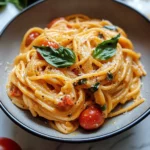
Easy One Pot Creamy Tomato Pasta Recipe
Ingredients
- 250 g (½ lb) uncooked spaghetti: The star of the show! Spaghetti is the classic choice for this dish, providing a satisfying texture and perfect sauce-grabbing ability. However, feel free to experiment with other long pasta shapes like linguine, fettuccine, or even bucatini for a slightly different mouthfeel. When selecting spaghetti, opt for a good quality brand made from durum wheat semolina. This ensures the pasta cooks al dente and holds its shape beautifully in the creamy sauce. For a gluten-free option, brown rice spaghetti or quinoa pasta can be used, though cooking times may need slight adjustments.
- 500 g (1 lb) fresh tomatoes, chopped (or use 1 x 400 g tin of chopped tomatoes): Tomatoes are the heart and soul of this sauce, lending their vibrant color, sweetness, and essential acidity. Fresh, ripe tomatoes are ideal when in season. Choose varieties like Roma tomatoes, San Marzano (if you can find them), or even flavorful heirloom tomatoes for a more nuanced taste. Peeling the tomatoes is optional; for a smoother sauce, you can quickly blanch and peel them. However, for a rustic, quicker approach, simply chop them roughly. If fresh tomatoes aren’t readily available or you’re short on time, a can of good quality diced or crushed tomatoes (around 400g or 14oz) is a perfectly acceptable and convenient substitute. Look for canned tomatoes that are labeled “no salt added” or “low sodium” to control the saltiness of your dish. If using canned tomatoes, you might want to add a pinch of sugar to balance the acidity, especially if the tomatoes are particularly tart.
- 2 tablespoon olive oil: Olive oil is the foundation of many great Italian dishes, and it’s crucial here for sautéing the aromatics and adding richness to the sauce. Extra virgin olive oil is recommended for its superior flavor and health benefits. Its fruity notes and slight peppery finish enhance the overall taste of the pasta. If you don’t have olive oil, you can use another neutral cooking oil like avocado oil or grapeseed oil, but olive oil truly brings the authentic Italian touch.
- 3 cloves garlic, minced: Garlic is an indispensable aromatic that adds depth and pungency to the tomato sauce. Fresh garlic cloves are always preferable over pre-minced garlic in jars, as they offer a more vibrant and robust flavor. Mince the garlic finely to release its aromatic oils effectively when sautéed. Adjust the amount of garlic to your preference; some garlic lovers might even add an extra clove or two.
- 1 onion, finely chopped: Onion forms the aromatic base alongside garlic, adding sweetness and complexity to the sauce. Yellow or white onions are excellent choices for this recipe. Finely chopping the onion ensures it cooks down evenly and blends seamlessly into the sauce, creating a smooth texture. Sautéing the onion until it becomes translucent and softened is key to unlocking its sweetness and preventing any harsh raw onion flavor in the final dish.
- 500 ml (2 cups) chicken or vegetable stock, use stock cube for convenience: Stock is the cooking liquid that not only cooks the pasta but also infuses it with flavor and creates the base for the sauce. Chicken stock adds a savory richness, while vegetable stock keeps the dish vegetarian and offers a lighter, cleaner flavor. Using a good quality stock, whether homemade or store-bought, is essential. For convenience, stock cubes or bouillon powder dissolved in water work perfectly well. Ensure you adjust the amount of salt you add to the dish, as stock cubes can be quite salty. Low sodium options are available and recommended to better control the seasoning. The stock also helps to create the “one-pot” magic, as the pasta absorbs the flavorful liquid while cooking, resulting in a naturally thickened and delicious sauce.
- 150 ml (¾ cups) double cream: Double cream (heavy cream in the US) is the secret ingredient that transforms this tomato sauce into a luxuriously creamy delight. Its high fat content adds richness, smoothness, and a velvety texture that coats the pasta beautifully. For a slightly lighter version, you can use single cream (light cream in the US) or even crème fraîche, but double cream will deliver the most decadent and creamy result. Adding the cream at the end, after the pasta is cooked, ensures it doesn’t curdle and maintains its smooth texture.
- ½ bunch fresh basil: Fresh basil is the quintessential herb that complements tomatoes perfectly. Its sweet, slightly peppery, and aromatic leaves add a burst of freshness and herbaceousness that elevates the entire dish. Fresh basil is a must for this recipe; dried basil simply doesn’t compare in terms of flavor and aroma. Roughly chop the basil leaves just before adding them to the pasta to preserve their volatile oils and maximum flavor. Reserve a few extra leaves for garnishing the finished dish.
Instructions
- Heat the Oil: Begin by placing a medium to large, high-sided skillet or pot over medium heat. The high sides are important to prevent splattering and ensure the liquid doesn’t evaporate too quickly. Add the 2 tablespoons of olive oil to the skillet and let it heat up for about 2 minutes. You’ll know the oil is ready when it shimmers slightly and flows easily around the pan. Don’t overheat the oil to the point of smoking, as this can impart a burnt flavor.
- Sauté Aromatics: Once the oil is heated, add the finely chopped onion and minced garlic to the skillet. Sauté them gently over medium heat, stirring occasionally, until they become soft, fragrant, and translucent. This usually takes about 3-5 minutes. The goal is to soften the onions and garlic and release their aromatic compounds into the oil, creating a flavorful base for the sauce. Avoid browning or burning the garlic, as this will make it bitter. Reduce the heat if necessary to prevent browning. The aroma of sautéing garlic and onions is a delightful signal that you’re on the right track!
- Cook Tomatoes: Next, add the chopped fresh tomatoes (or canned tomatoes) to the skillet. Stir them into the onion and garlic mixture and cook until they begin to caramelize slightly and break down. This process typically takes around 5-7 minutes. As the tomatoes cook, they will release their juices and start to soften and deepen in flavor. If using fresh tomatoes, you may need to cook them slightly longer to allow them to break down and create a saucier consistency. Stir occasionally to prevent sticking and ensure even cooking. You’ll notice the tomatoes becoming brighter in color and more fragrant as they cook.
- Add Stock and Pasta: Now for the one-pot magic! Pour the chicken or vegetable stock into the skillet, ensuring it covers the tomatoes. Then, add the uncooked spaghetti to the skillet, arranging it so that it’s fully submerged in the liquid. You may need to gently break the spaghetti in half to fit it comfortably in the skillet, especially if using a smaller pan. Submerging the pasta in the stock is crucial for it to cook properly and absorb the flavorful liquid.
- Cook Pasta: Bring the mixture to a simmer, then reduce the heat to medium-low, cover the skillet (or partially cover), and let it cook for about 15 minutes, or until the pasta is al dente (cooked through but still slightly firm to the bite). Stir occasionally during cooking to prevent the pasta from sticking to the bottom of the pan and to ensure even cooking. The liquid will gradually be absorbed by the pasta as it cooks, creating a naturally thickened sauce. Check the pasta for doneness by tasting a strand. It should be tender but not mushy. If the liquid is absorbed too quickly and the pasta isn’t cooked yet, add a little more stock or water, a quarter cup at a time.
- Combine Ingredients: Once the pasta is cooked al dente and most of the liquid has been absorbed into a creamy sauce consistency, remove the skillet from the heat. Gently stir in the double cream and the fresh basil. Stir until the cream is fully incorporated and the sauce becomes rich and velvety. Let the pasta sit for a couple of minutes, allowing the flavors to meld together and the basil to infuse its aroma into the dish. The residual heat will warm the cream through without causing it to curdle.
- Serve: Your Easy One Pot Creamy Tomato Pasta is now ready to be served! Serve it hot immediately, garnished with additional fresh basil leaves, a sprinkle of grated Parmesan cheese (optional), and a drizzle of extra virgin olive oil if desired. This pasta is delicious on its own or paired with a side salad and crusty bread. Enjoy the comforting flavors and effortless simplicity of this one-pot wonder!
Nutrition
- Serving Size: One Normal Portion
- Calories: 550-650