
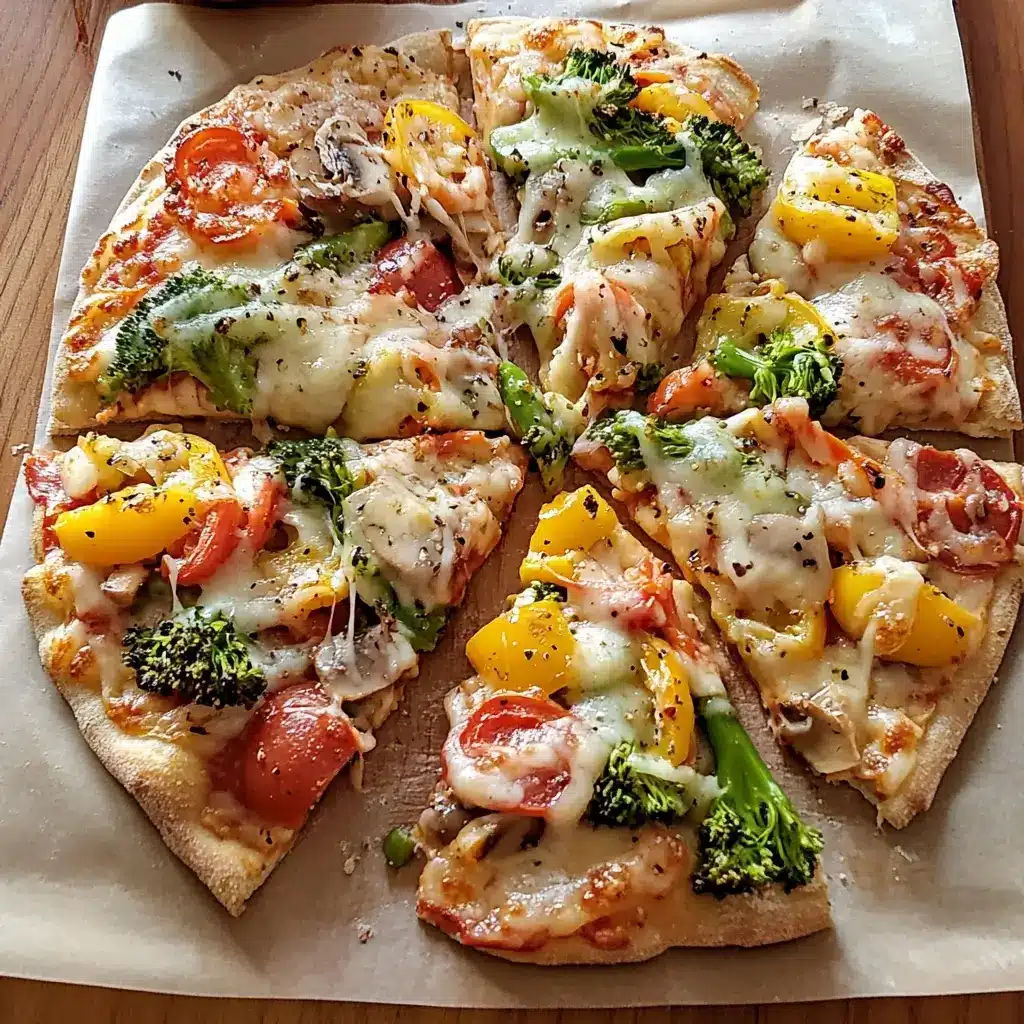

There are some meals that just transport you, and for my family, this Easy Pizza Primavera is one of them. The first time I made it, the kitchen filled with the most incredible aroma of roasting vegetables and baking dough. My kids, who can sometimes be picky about their greens, were actually excited, pointing at the vibrant colors peeking out from under the golden, bubbly cheese. The verdict? An overwhelming chorus of “This is the best pizza ever!” And honestly, I had to agree. It’s not just the fresh, bright flavors of spring vegetables that make it special; it’s the simplicity of bringing such a joyful, wholesome dish to the table with minimal fuss. It’s become a regular in our meal rotation, a perfect way to celebrate the changing seasons, or simply to enjoy a lighter, yet incredibly satisfying, pizza night.
What Exactly is Pizza Primavera?
Before we dive into the delightful process of making your own, let’s talk about what “Pizza Primavera” truly means. “Primavera” is the Italian word for “spring.” So, quite literally, Pizza Primavera translates to “Spring Pizza.” This culinary creation is a celebration of the fresh, tender vegetables that emerge with the arrival of spring.
Traditionally, a Pizza Primavera showcases a vibrant medley of seasonal produce. Think asparagus, peas, artichoke hearts, bell peppers, zucchini, spinach, and cherry tomatoes. Unlike heavier, meat-laden pizzas, the Primavera is characterized by its lightness, freshness, and a harmonious blend of vegetable flavors. The beauty of it lies in its flexibility; while there are classic spring vegetables, the spirit of Pizza Primavera encourages using whatever is fresh, local, and in season. It’s less about a rigid recipe and more about an ode to nature’s bounty, served up on a delicious, crispy crust.
Why You’ll Fall in Love with This Easy Pizza Primavera Recipe
There are countless reasons why this Easy Pizza Primavera will become a staple in your kitchen, just as it has in mine:
- Incredibly Flavorful: The combination of fresh, lightly cooked vegetables, savory sauce, and melted cheese is simply irresistible. Each bite is a burst of different textures and tastes.
- Surprisingly Easy: Don’t let the “gourmet” sound fool you. With store-bought dough (or a simple homemade version) and straightforward vegetable prep, this pizza comes together quickly.
- Visually Stunning: The array of colorful vegetables makes this pizza a feast for the eyes as well as the palate. It’s a dish that’s sure to impress guests!
- Healthy-ish Indulgence: Packed with vegetables, this pizza offers a good dose of vitamins and fiber. It’s a more wholesome take on a classic comfort food.
- Customizable: The best part! You can easily adapt the vegetables based on what’s in season, what you have on hand, or your personal preferences.
- Family-Friendly: It’s a fantastic way to get everyone, including kids, to eat more vegetables. The fun of pizza makes even the greenest toppings appealing.
Ingredients for Your Perfect Pizza Primavera
This recipe is designed for one large (approx. 12-14 inch) pizza, serving 3-4 people. You can easily double it for a crowd or for two pizzas.
For the Pizza Dough:
- 1 pound (about 450g) pizza dough (store-bought or your favorite homemade recipe)
- 1 tablespoon olive oil (for brushing the crust)
- 1 tablespoon cornmeal (for dusting the pizza peel/pan, optional)
For the Sauce:
- 1/2 cup (120ml) pizza sauce (good quality store-bought, or a simple homemade marinara)
- Pro-Tip: For a lighter, fresher taste, you can also use a base of pesto or even just a drizzle of garlic-infused olive oil.
For the Cheese:
- 1.5 cups (about 6 oz or 170g) shredded low-moisture mozzarella cheese
- 1/4 cup (about 1 oz or 28g) grated Parmesan cheese
- Optional: 1/2 cup (4 oz or 113g) fresh mozzarella pearls or torn pieces, for extra creamy spots
For the Vegetable Toppings (Primavera Medley – choose 3-4, about 2-3 cups total, chopped):
- 1/2 cup asparagus spears, trimmed and cut into 1-inch pieces
- 1/2 cup red bell pepper, thinly sliced
- 1/2 cup yellow or orange bell pepper, thinly sliced
- 1/2 cup zucchini, thinly sliced or diced
- 1/2 cup cherry or grape tomatoes, halved
- 1/4 cup red onion, thinly sliced
- 1/2 cup fresh or frozen peas (if frozen, thaw them)
- 1/2 cup baby spinach leaves
- 1/4 cup marinated artichoke hearts, drained and roughly chopped
- Optional: a few fresh basil leaves, for garnish after baking
- 1 tablespoon olive oil (for tossing the vegetables)
- Salt and freshly ground black pepper to taste
- Optional: 1/4 teaspoon dried oregano or Italian seasoning for the vegetables
Essential Equipment You’ll Need
While you don’t need super fancy tools, a few key items will make your pizza-making experience smoother and yield better results:
- Baking Surface:
- Pizza Stone or Baking Steel: Highly recommended for a crispy crust. Needs to be preheated in the oven.
- Heavy-Duty Baking Sheet: If you don’t have a stone/steel, a sturdy baking sheet (ideally inverted to provide a flat surface) works.
- Pizza Peel (if using a stone/steel): For transferring the pizza to and from the hot surface. If you don’t have one, you can assemble the pizza on parchment paper and slide it onto the baking sheet.
- Large Mixing Bowl: For tossing vegetables.
- Cutting Board & Sharp Knife: For chopping vegetables.
- Pizza Cutter or Large Knife: For slicing the finished pizza.
- Measuring Cups and Spoons.
- Oven Mitts.
Step-by-Step Instructions: Crafting Your Culinary Masterpiece
Let’s bring this vibrant pizza to life!
1. Prepare the Oven and Dough:
* Place your pizza stone or baking steel (if using) on an oven rack in the middle position. If using a baking sheet, you can preheat it too, or simply have it ready.
* Preheat your oven to a high temperature, typically 475-500°F (245-260°C). High heat is crucial for a good crust.
* If using store-bought dough, let it come to room temperature for about 20-30 minutes as per package instructions. This makes it easier to stretch.
* Lightly flour your work surface. Gently stretch or roll out the pizza dough to your desired thickness and shape (around 12-14 inches for a round pizza). If using a pizza peel, lightly dust it with cornmeal or flour to prevent sticking. Place the stretched dough onto the peel or onto a piece of parchment paper cut to size for your baking sheet.
* Brush the edges of the dough with 1 tablespoon of olive oil. This helps create a golden, crispy crust.
2. Prepare the Vegetables:
* Wash and chop all your chosen vegetables into bite-sized pieces. Remember, uniformity in size helps with even cooking.
* In a large mixing bowl, toss the prepared asparagus, bell peppers, zucchini, red onion (and any other firmer vegetables you’re using) with 1 tablespoon of olive oil, salt, pepper, and optional dried oregano/Italian seasoning.
* Note on delicate vegetables: Spinach and fresh basil are best added towards or after baking. Peas and cherry tomatoes don’t need much pre-cooking if small. If your asparagus is very thick, you might want to blanch it for a minute or two before adding.
3. Assemble Your Pizza Primavera:
* Spread the pizza sauce evenly over the stretched dough, leaving about a 1/2-inch to 1-inch border for the crust.
* Sprinkle about half of the shredded mozzarella cheese over the sauce.
* Evenly distribute your seasoned vegetable mixture (asparagus, peppers, zucchini, onion, artichokes, peas) over the cheese.
* Scatter the halved cherry tomatoes on top.
* If using fresh mozzarella pearls, dot them around the pizza.
* Sprinkle the remaining shredded mozzarella and all the grated Parmesan cheese over the vegetables.
* If using spinach and you want it cooked, you can tuck some leaves amongst the other toppings now. Alternatively, add it in the last few minutes of baking or fresh on top after baking.
4. Bake to Perfection:
* Carefully slide the pizza from the peel onto the preheated pizza stone/steel. If using parchment paper on a baking sheet, place the sheet in the oven.
* Bake for 12-18 minutes, or until the crust is golden brown and the cheese is melted, bubbly, and slightly browned in spots. Cooking time will vary depending on your oven, dough thickness, and baking surface.
* If your oven has hot spots, you may need to rotate the pizza halfway through baking for even cooking.
5. Garnish and Serve:
* Once baked, carefully remove the pizza from the oven using the peel or by sliding the parchment off the baking sheet.
* Let the pizza rest for a few minutes before slicing. This allows the cheese to set and prevents toppings from sliding off.
* If desired, garnish with fresh basil leaves just before serving. A light drizzle of extra virgin olive oil or a sprinkle of red pepper flakes can also be a nice touch.
* Slice and serve immediately. Enjoy the fresh, vibrant flavors!
Nutrition Facts (Estimated)
- Servings: This recipe typically makes 1 large pizza, yielding 6-8 slices. Let’s estimate based on 8 slices.
- Calories per serving (1 slice): Approximately 280-350 calories.
Disclaimer: Nutritional information is an estimate and can vary significantly based on specific ingredients used (e.g., type of dough, amount of cheese, specific vegetables chosen), portion sizes, and preparation methods. For precise nutritional data, using a nutritional calculator with your exact ingredients is recommended.
The bulk of the calories comes from the dough and cheese, while the vegetables add significant vitamins, minerals, and fiber.
Preparation and Cooking Time
- Preparation Time: 25-30 minutes (includes vegetable chopping and dough stretching)
- Cooking Time: 12-18 minutes
- Total Time: Approximately 37-48 minutes
This timing makes it an excellent option for a weeknight meal that feels special without requiring hours in the kitchen.
How to Serve Your Delicious Pizza Primavera
This vibrant pizza is a star on its own, but here are some ideas to elevate your Pizza Primavera experience:
- Serve it Hot and Fresh: Pizza is always best enjoyed straight from the oven when the crust is crispy and the cheese is perfectly melted.
- With a Side Salad:
- A simple green salad with a light vinaigrette complements the pizza beautifully.
- An Arugula salad with shaved Parmesan and a lemon dressing adds a peppery kick.
- Dipping Sauces:
- Garlic aioli
- Extra marinara sauce
- Pesto
- Ranch dressing (if that’s your preference!)
- Wine Pairing:
- White: A crisp Sauvignon Blanc, Pinot Grigio, or a dry Rosé works wonderfully with the fresh vegetables.
- Red: If you prefer red, opt for a lighter-bodied one like a Pinot Noir or Chianti.
- Garnishes Galore:
- Freshly torn basil leaves (a classic!)
- A sprinkle of red pepper flakes for some heat.
- A drizzle of high-quality extra virgin olive oil just before serving.
- A light grating of fresh lemon zest can brighten the flavors even more.
- For a Crowd: Make multiple pizzas with slight variations in toppings to cater to different tastes. Cut into smaller, appetizer-sized squares for parties.
Additional Expert Tips for Pizza Perfection
- Don’t Overload the Toppings: While it’s tempting to pile on the veggies, too many toppings can make the crust soggy and prevent it from cooking properly. Aim for a balanced layer where each ingredient has space to shine.
- High Heat is Your Friend: A hot oven is key to a crispy crust and beautifully cooked toppings. Ensure your oven (and pizza stone/steel, if using) is fully preheated. Don’t be afraid of 475-500°F (245-260°C).
- Pre-cook Certain Vegetables (Slightly): While some tender veggies like spinach or tomatoes cook quickly on the pizza, heartier ones like asparagus or thicker bell pepper slices benefit from a quick sauté, roast, or blanch before going on the pizza. This ensures they are tender-crisp and not raw when the pizza is done. Tossing them with a little olive oil, salt, and pepper first also enhances their flavor.
- Handle Dough with Care: Whether homemade or store-bought, allow your dough to come to room temperature before stretching. Use gentle pressure to stretch it, working from the center outwards, to avoid tearing. Don’t overwork it.
- Cheese Strategy: Using a combination of low-moisture mozzarella (for meltiness and stretch) and Parmesan (for a salty, nutty flavor) is a great base. Adding dollops of fresh mozzarella gives creamy pockets. For best melt, shred your own cheese from a block rather than using pre-shredded, which often contains anti-caking agents.
Variations and Customizations to Spark Your Creativity
The beauty of Pizza Primavera is its adaptability. Here are some ideas to make it your own:
- Crust Choices:
- Whole Wheat Dough: For a nuttier flavor and extra fiber.
- Cauliflower Crust: For a gluten-free, low-carb option.
- Puff Pastry Base: For a flaky, decadent twist (more like a tart).
- Sauce Swaps:
- Pesto Base: Use basil pesto or sun-dried tomato pesto instead of traditional tomato sauce.
- Garlic & Olive Oil: A simple brush of garlic-infused olive oil lets the vegetable flavors shine.
- White Sauce/Bechamel: For a creamier, richer pizza.
- Vegetable Ventures:
- Roasted Garlic Cloves: Add sweet, mellow garlic flavor.
- Mushrooms: Sliced cremini, shiitake, or oyster mushrooms.
- Broccolini or Broccoli Florets: Blanch them first.
- Sweet Corn Kernels: Adds a pop of sweetness.
- Fennel: Thinly sliced and lightly sautéed for an anise note.
- Kalamata Olives: For a briny, salty kick.
- Cheese Adventures:
- Goat Cheese: Crumbled goat cheese adds a tangy, creamy element.
- Feta Cheese: For a salty, briny flavor that pairs well with Mediterranean-style veggies.
- Ricotta Dollops: Adds creamy pockets of mild flavor.
- Smoked Mozzarella: For a smoky depth.
- Protein Power-Up (Optional):
- While traditionally vegetarian, you could add grilled chicken strips, prosciutto (added after baking), or cooked shrimp if desired.
- Herb & Spice Infusion:
- Mix fresh herbs like thyme or rosemary into your vegetable toss.
- Add a pinch of smoked paprika for a different dimension.
Making Ahead and Storing Leftovers
Making Ahead:
- Dough: Pizza dough can be made up to 2-3 days in advance and stored in an airtight container in the refrigerator. Let it come to room temperature before using.
- Vegetables: You can wash, chop, and even pre-cook (sauté/roast) your vegetables a day in advance. Store them in an airtight container in the refrigerator.
- Sauce: Pizza sauce can be made or opened ahead of time.
- Assembled Pizza (Unbaked): You can assemble the pizza on a parchment-lined baking sheet a few hours ahead, cover it loosely with plastic wrap, and refrigerate. Allow it to sit at room temperature for about 15-20 minutes before baking. However, for the best crust, assembling just before baking is ideal to prevent sogginess.
Storing Leftovers:
- Allow leftover pizza to cool completely.
- Store slices in an airtight container or wrap them tightly in plastic wrap or aluminum foil.
- Refrigerate for up to 3-4 days.
Reheating Leftovers:
- Oven/Toaster Oven (Recommended for crispness): Preheat to 350°F (175°C). Place slices on a baking sheet or directly on the oven rack and heat for 5-10 minutes, or until warmed through and the crust is re-crisped.
- Skillet: Place a slice in a dry non-stick skillet over medium-low heat. Cover the skillet and cook for a few minutes until the cheese is melted and the bottom is crispy. You can add a drop or two of water to the pan away from the pizza and cover to help steam and melt the cheese.
- Air Fryer: Reheat at 350°F (175°C) for 3-5 minutes.
- Microwave (Least Recommended for Crust): While quick, microwaving tends to make the crust soft and chewy. If you must, heat in short intervals.
The Art of Choosing Your Vegetables for Pizza Primavera
The term “Primavera” evokes images of spring’s first tender offerings. When selecting your vegetables, aim for a mix of colors, textures, and flavors.
- Classic Spring Choices:
- Asparagus: Tender-crisp with a distinct, slightly grassy flavor. Snap off the woody ends and cut into 1-2 inch pieces. Blanched or lightly sautéed is best.
- Peas (Snap Peas, Snow Peas, Green Peas): Add sweetness and a pleasant pop. Fresh is fantastic, frozen (thawed) works well too.
- Artichoke Hearts: Usually from a jar or can (marinated or in brine). They offer a tangy, slightly earthy flavor and meaty texture.
- New Potatoes: Very thinly sliced and par-cooked, they can add a comforting, earthy element.
- Radishes: Thinly sliced, they can add a surprising peppery crunch if added fresh after baking or very lightly cooked.
- Year-Round Favorites that Shine in Primavera:
- Bell Peppers (Red, Yellow, Orange): Sweet, colorful, and hold up well to baking.
- Zucchini or Yellow Squash: Mild flavor, tender texture. Slice thinly.
- Cherry or Grape Tomatoes: Burst with sweetness and juiciness. Halve them.
- Spinach or Arugula: Add fresh after baking for a peppery bite (arugula) or wilted onto the pizza in the last few minutes (spinach).
- Red Onion: Adds a sharp, sweet counterpoint. Slice thinly.
- Mushrooms: Cremini, button, or shiitake add umami depth.
Preparation is Key:
- Harder Vegetables (e.g., asparagus, thick bell pepper strips, broccoli): Benefit from a quick blanch, steam, sauté, or roast before going on the pizza. This ensures they cook through by the time the crust is done.
- Softer Vegetables (e.g., spinach, cherry tomatoes, thin zucchini slices): Can often be added raw, as they cook quickly.
- Uniformity: Cut vegetables into relatively uniform, bite-sized pieces for even cooking and easier eating.
Pairing Suggestions: What to Serve Alongside Your Pizza
While Pizza Primavera is a complete meal in itself, a few well-chosen accompaniments can round out the dining experience:
- Salads:
- Simple Green Salad: Mixed greens, cucumber, a few cherry tomatoes, and a light lemon vinaigrette or balsamic glaze.
- Caesar Salad: The creamy, garlicky dressing is a classic pizza partner.
- Caprese Salad: Sliced fresh mozzarella, ripe tomatoes, fresh basil, and a drizzle of balsamic glaze – echoes the Italian theme.
- Arugula Salad: Peppery arugula, shaved Parmesan, toasted pine nuts, and a lemon-olive oil dressing.
- Light Soups:
- A chilled Gazpacho in warmer months.
- A light Minestrone if you want something heartier but still vegetable-focused.
- Appetizers (if making it a bigger meal):
- Bruschetta with fresh tomatoes and basil.
- A small plate of olives and marinated artichoke hearts.
- Drinks:
- Wine: As mentioned, Sauvignon Blanc, Pinot Grigio, Rosé, or a light Pinot Noir.
- Beer: A crisp Lager, Pilsner, or a fruity Pale Ale.
- Non-Alcoholic: Sparkling water with lemon or cucumber, iced tea, or a quality lemonade.
Frequently Asked Questions (FAQ) about Easy Pizza Primavera
1. Can I use homemade pizza dough for this recipe?
Absolutely! Homemade pizza dough can elevate any pizza. If you have a favorite recipe, feel free to use it. Just ensure it yields about 1 pound of dough for a 12-14 inch pizza. Remember to let it proof properly and come to room temperature before stretching.
2. What’s the best way to get a crispy crust without a pizza stone?
If you don’t have a pizza stone or steel, preheat a sturdy, heavy-duty baking sheet (inverted, so it’s flat, can work well) in the oven. Assemble your pizza on parchment paper, then carefully slide the parchment with the pizza onto the hot baking sheet. Baking at a high temperature (475-500°F / 245-260°C) is still key.
3. Do I really need to pre-cook the vegetables?
For some vegetables, yes. Heartier veggies like asparagus, broccoli, or thicker cuts of bell peppers won’t cook through fully in the short time the pizza is in the oven, resulting in unpleasantly raw or crunchy toppings. A quick blanch, sauté, or roast ensures they are tender-crisp and flavorful. Delicate vegetables like spinach, very thin zucchini slices, or halved cherry tomatoes generally don’t need pre-cooking.
4. Can I make this pizza gluten-free?
Yes! Use your favorite gluten-free pizza crust recipe or a store-bought gluten-free crust. Cauliflower crusts are also a popular option. The toppings themselves are naturally gluten-free, but always double-check labels on sauces or pre-marinated items.
5. How do I prevent the pizza from getting soggy in the middle?
Several factors help:
* Don’t overload toppings: Too much weight and moisture will make the center soggy.
* Use a moderately thick sauce: A very watery sauce can contribute to sogginess. Don’t use too much.
* High baking temperature: Helps cook the crust quickly and evaporate moisture.
* Pizza stone/steel: These retain and radiate heat efficiently, cooking the crust from below.
* Pre-cook watery vegetables: Some vegetables release a lot of water as they cook (like certain mushrooms or zucchini if thickly cut). Lightly sautéing them first can help.

Easy Pizza Primavera Recipe
Ingredients
For the Pizza Dough:
- 1 pound (about 450g) pizza dough (store-bought or your favorite homemade recipe)
- 1 tablespoon olive oil (for brushing the crust)
- 1 tablespoon cornmeal (for dusting the pizza peel/pan, optional)
For the Sauce:
- 1/2 cup (120ml) pizza sauce (good quality store-bought, or a simple homemade marinara)
- Pro-Tip: For a lighter, fresher taste, you can also use a base of pesto or even just a drizzle of garlic-infused olive oil.
For the Cheese:
- 1.5 cups (about 6 oz or 170g) shredded low-moisture mozzarella cheese
- 1/4 cup (about 1 oz or 28g) grated Parmesan cheese
- Optional: 1/2 cup (4 oz or 113g) fresh mozzarella pearls or torn pieces, for extra creamy spots
For the Vegetable Toppings (Primavera Medley – choose 3-4, about 2-3 cups total, chopped):
- 1/2 cup asparagus spears, trimmed and cut into 1-inch pieces
- 1/2 cup red bell pepper, thinly sliced
- 1/2 cup yellow or orange bell pepper, thinly sliced
- 1/2 cup zucchini, thinly sliced or diced
- 1/2 cup cherry or grape tomatoes, halved
- 1/4 cup red onion, thinly sliced
- 1/2 cup fresh or frozen peas (if frozen, thaw them)
- 1/2 cup baby spinach leaves
- 1/4 cup marinated artichoke hearts, drained and roughly chopped
- Optional: a few fresh basil leaves, for garnish after baking
- 1 tablespoon olive oil (for tossing the vegetables)
- Salt and freshly ground black pepper to taste
- Optional: 1/4 teaspoon dried oregano or Italian seasoning for the vegetables
Instructions
For the Pizza Dough:
- 1 pound (about 450g) pizza dough (store-bought or your favorite homemade recipe)
- 1 tablespoon olive oil (for brushing the crust)
- 1 tablespoon cornmeal (for dusting the pizza peel/pan, optional)
For the Sauce:
- 1/2 cup (120ml) pizza sauce (good quality store-bought, or a simple homemade marinara)
- Pro-Tip: For a lighter, fresher taste, you can also use a base of pesto or even just a drizzle of garlic-infused olive oil.
For the Cheese:
- 1.5 cups (about 6 oz or 170g) shredded low-moisture mozzarella cheese
- 1/4 cup (about 1 oz or 28g) grated Parmesan cheese
- Optional: 1/2 cup (4 oz or 113g) fresh mozzarella pearls or torn pieces, for extra creamy spots
For the Vegetable Toppings (Primavera Medley – choose 3-4, about 2-3 cups total, chopped):
- 1/2 cup asparagus spears, trimmed and cut into 1-inch pieces
- 1/2 cup red bell pepper, thinly sliced
- 1/2 cup yellow or orange bell pepper, thinly sliced
- 1/2 cup zucchini, thinly sliced or diced
- 1/2 cup cherry or grape tomatoes, halved
- 1/4 cup red onion, thinly sliced
- 1/2 cup fresh or frozen peas (if frozen, thaw them)
- 1/2 cup baby spinach leaves
- 1/4 cup marinated artichoke hearts, drained and roughly chopped
- Optional: a few fresh basil leaves, for garnish after baking
- 1 tablespoon olive oil (for tossing the vegetables)
- Salt and freshly ground black pepper to taste
- Optional: 1/4 teaspoon dried oregano or Italian seasoning for the vegetables
Nutrition
- Serving Size: One Normal Portion
- Calories: 280-350