

There’s something truly enchanting about the creamy, luscious texture of a Thai Coconut Custard Cake that brings a little tropical sunshine right into your kitchen. I first discovered this dessert while craving something both comforting and exotic—a dessert that feels indulgent but is surprisingly simple to make at home. The blend of rich coconut milk with just the right touch of sweetness creates a custard that melts in your mouth, captivating everyone from busy home cooks to seasoned chefs looking to impress. Whether you’re tired of the usual dessert lineup or just want to explore the vibrant tastes of Thai cuisine, this custard cake is a versatile crowd-pleaser that’s perfect for sharing at a family dinner or as a sweet escape on a quiet evening. Let me show you how effortlessly you can create this tropical delight and transform your dessert game forever.
Why try this Thai Coconut Custard Cake?
Creamy delight: This cake boasts a silky custard that feels like a tropical hug in every bite. Simple process: With easy-to-follow steps, even novice bakers can confidently create this exotic treat. Unique flavor: The perfect blend of coconut and subtle sweetness sets it apart from everyday desserts. Versatile serving: Ideal for both casual family dinners and elegant gatherings. Crowd-pleaser: Its comforting yet adventurous taste appeals to both home cooks and professional chefs seeking something fresh.
Thai Coconut Custard Cake Ingredients
For the Custard
- Coconut milk – Use full-fat for the richest, creamiest texture that defines the Thai Coconut Custard Cake.
- Eggs – Essential for creating the smooth, silky custard base.
- Sugar – Balances the coconut’s natural richness with just the right touch of sweetness.
- Salt – Enhances the overall flavor and deepens the custard’s complexity.
- Pandan leaves (optional) – Add a subtle fragrant aroma typical in Thai desserts.
For the Cake Base
- Rice flour – Provides a slightly chewy texture that complements the creamy custard beautifully.
- All-purpose flour – Helps achieve the perfect structure for the cake layer beneath the custard.
- Butter or coconut oil – Adds moisture and a delicate richness to the cake base.
- Baking powder – Gives a gentle lift to keep the base light and airy.
For Serving (Optional)
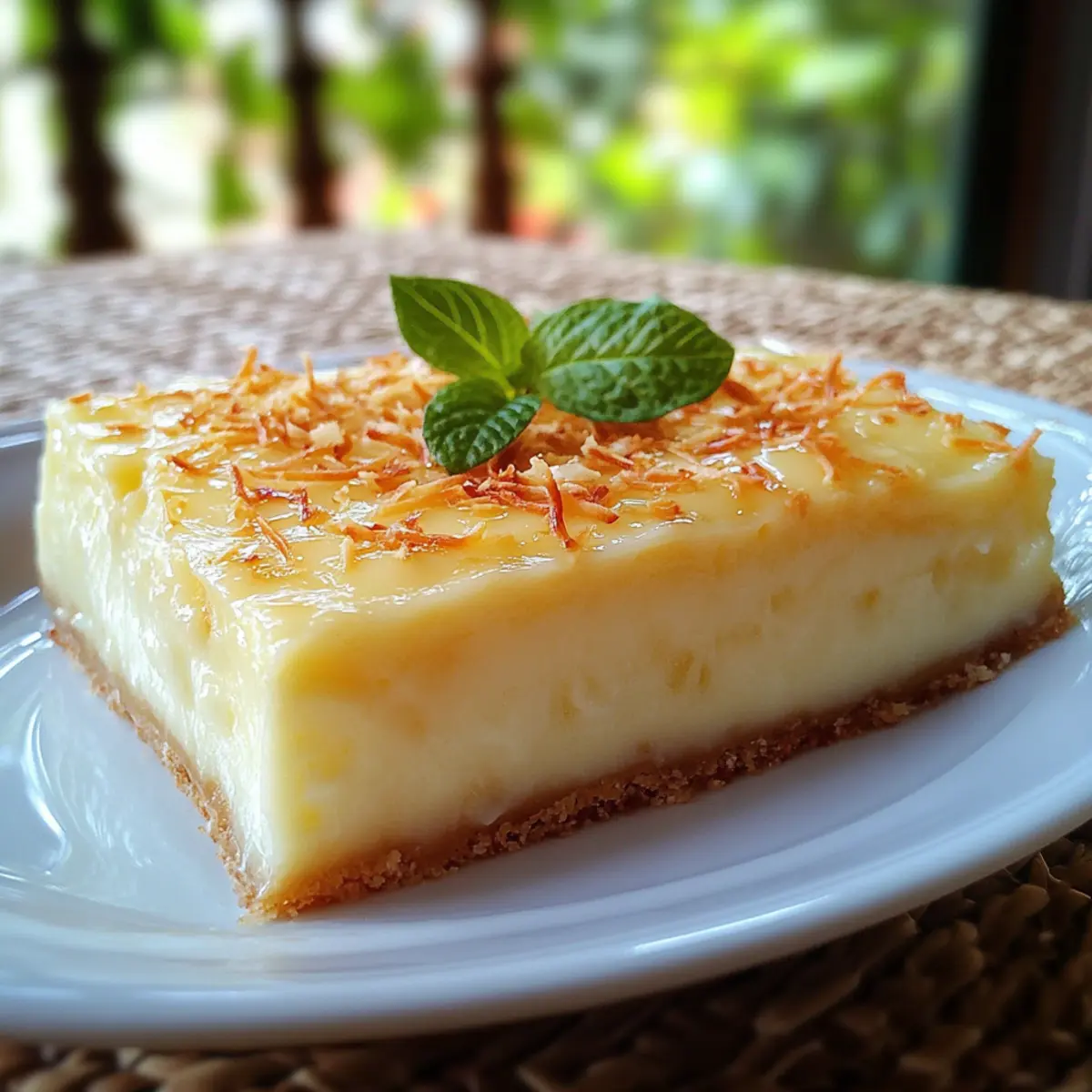
- Toasted coconut flakes – Sprinkle on top to add a delightful crunch and extra coconut flavor.
- Fresh mango slices – Serve alongside for a bright, fruity contrast that transforms each bite.
How to Make Thai Coconut Custard Cake
For the Cake Base:
- Preheat your oven to 350°F and grease an 8-inch pan with butter or coconut oil. Lining with parchment ensures easy removal and crisp edges.
- Mix rice flour, all-purpose flour, and baking powder in a bowl until uniform. This dry blend creates a tender yet sturdy base for your custard topping.
- Pour melted butter or coconut oil into the flour mix and stir until a smooth batter forms. The consistency should be thick but pourable.
- Bake the cake base for 12 minutes, until edges are lightly golden. Remove from oven and let it cool slightly before adding the custard.
For the Custard:
- Heat coconut milk, sugar, and salt in a saucepan over medium heat for about 5 minutes, until the sugar dissolves and mixture is steamy. Avoid boiling.
- Whisk eggs in a separate bowl, then gradually stir the warm coconut milk into the eggs to temper them, preventing curdling and ensuring a silky custard.
- Strain the custard through a fine mesh directly over the cooled cake base, discarding any solids. This yields a velvety-smooth custard layer.
- Bake the combined layers at 350°F for 25–30 minutes, until the custard sets but still jiggles slightly in the center and turns pale golden.
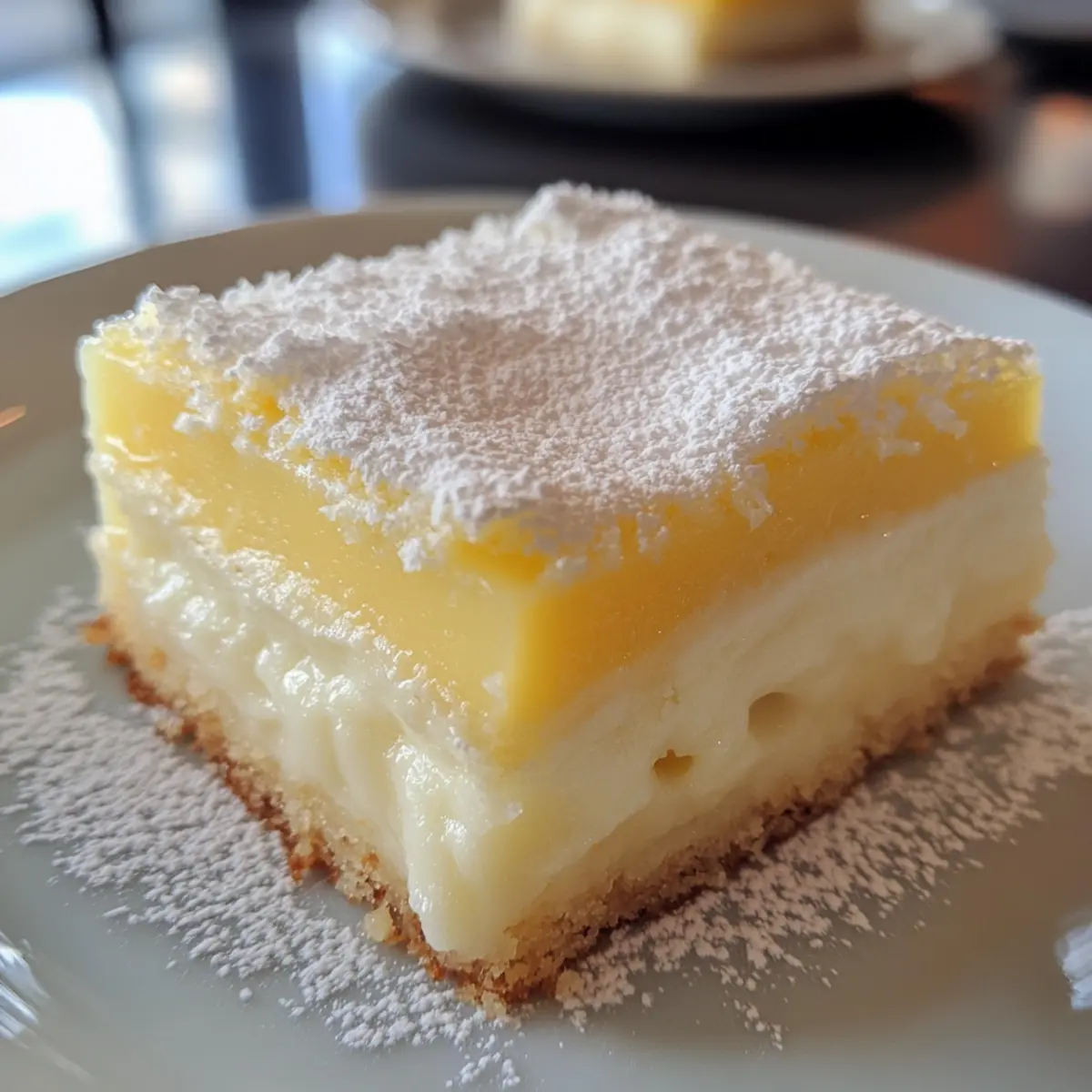
- Chill the cake in the pan for at least 2 hours in the fridge. This helps the custard firm up and makes slicing clean, neat wedges.
Optional: Top slices with toasted coconut flakes for extra crunch.
Exact quantities are listed in the recipe card below.
Expert Tips for Thai Coconut Custard Cake
- Use Full-Fat Coconut Milk: For the creamiest custard, always choose full-fat coconut milk. Light versions can make the texture grainy or watery.
- Temper the Eggs Carefully: Slowly combine warm coconut milk with eggs to avoid scrambling. This ensures a silky smooth custard layer every time.
- Don’t Overbake the Custard: Bake until the custard is just set but still slightly jiggly in the middle. Overbaking leads to a rubbery texture instead of creamy.
- Cool Completely Before Slicing: Chill your Thai Coconut Custard Cake well in the fridge to allow the custard to firm up, making for cleaner, neater slices.
- Add Optional Pandan Leaves: For authentic aroma, gently bruise pandan leaves and infuse them in the coconut milk while heating; remove before mixing with eggs.
Variations & Substitutions for Thai Coconut Custard Cake
Feel free to unleash your creativity and customize this recipe to suit your taste buds!
- Dairy-Free: Substitute cow’s milk with almond or oat milk for a lighter custard that remains deliciously creamy.
- Gluten-Free: Use a blend of gluten-free flour instead of all-purpose flour for a delightful gluten-free version everyone can enjoy.
- Sweetener Swap: Replace sugar with honey or maple syrup for a natural sweetener that adds a unique flavor twist.
- Extra Flavor: Add a splash of vanilla extract or a dash of almond extract for a warm depth of flavor that complements coconut.
- Cocoa Twist: Mix in some cocoa powder for a chocolatey layer that beautifully contrasts with the custard, creating a rich dessert experience.
- Fruit Infusion: Fold in fresh grated ginger or lemon zest for a refreshing zing that elevates the flavor profile to a new level.
- Nutty Crunch: Include chopped nuts, like cashews or almonds, either in the batter or as a topping for an added crunch and richness.
- Heat it Up: Sprinkle in some chili flakes or serve with a spicy fruit salsa on the side to awaken your taste buds with a bit of heat.
Embrace these variations and make this custard cake uniquely yours!
How to Store and Freeze Thai Coconut Custard Cake
Room Temperature: Keep the cake at room temperature for up to 1 day if it’s uncut. Cover it loosely with plastic wrap to maintain moisture.
Fridge: Store leftover slices in an airtight container in the fridge for up to 3 days. This keeps the custard fresh and prevents it from absorbing other fridge odors.
Freezer: For longer storage, freeze the cake by wrapping individual slices tightly in plastic wrap and then in aluminum foil. It can last for up to 2 months.
Reheating: Thaw in the fridge overnight before serving. For a warm treat, reheat in the microwave for about 15-20 seconds. Enjoy the creamy delight of Thai Coconut Custard Cake!
Make Ahead Options
These Thai Coconut Custard Cakes are a fantastic option for meal prep enthusiasts! You can prepare the custard and the cake base up to 24 hours in advance. Simply make the cake base, let it cool, and then pour the custard mixture on top before refrigerating. To maintain quality, refrigerate the custard base separately from the cake, covering it well to prevent browning. When you’re ready to serve, bake the combined layers, chill in the fridge for at least 2 hours to set, and then slice into neat wedges. You’ll have a delicious homemade dessert at your fingertips, perfect for busy weeknights or gatherings!
What to Serve with Thai Coconut Custard Cake?
Picture this: a slice of velvety custard cake paired with delightful complements that elevate every bite into a tropical escape.
- Toasted Coconut Flakes: Add a crunchy texture that enhances the cake’s rich creaminess while bringing out its coconut essence.
- Fresh Mango Slices: Sweet, juicy mango provides a vibrant contrast, balancing the custard’s richness perfectly and adding a tropical flair.
- Coconut Sorbet: Serve a scoop alongside for a refreshing, icy contrast that complements the cake’s flavors and makes for a delightful summer treat.
- Thai Iced Tea: The creamy, sweet notes of this iconic drink harmonize beautifully with the dessert, adding an aromatic twist to each refreshing sip.
- Lime Zest Garnish: A sprinkle of fresh lime zest over the custard adds a bright, zesty note, awakening the palate without overpowering the coconut.
- Sesame Seed Cookies: Pairing these crispy, nutty treats creates a delightful texture contrast, making each mouthful an adventure in flavor.
- Honey Drizzle: A light drizzle of honey over the top offers an inviting touch of sweetness that dances on your taste buds with every bite.
- Chilled Coconut Milk: Serve a small glass of chilled coconut milk on the side—it’s a comforting accompaniment that echoes the cake’s core ingredients.
- Grilled Pineapple: Caramelized pineapple slices bring a smoky-sweet dimension to the dessert, enhancing the tropical vibes while adding a juicy burst.
- Vietnamese Coffee: If you’re feeling adventurous, a strong cup of this coffee can provide a bold contrast, cutting through the custard’s richness and striking a perfect balance.
Thai Coconut Custard Cake Recipe FAQs
How do I know if my coconut milk is the right kind for the custard?
Look for full-fat, canned coconut milk for the richest and creamiest texture. Avoid light or diluted versions, as they tend to result in a grainy or thin custard that lacks the luscious mouthfeel of a true Thai Coconut Custard Cake.
Can I store leftover Thai Coconut Custard Cake at room temperature?
Absolutely! If the cake is uncut, you can keep it loosely covered at room temperature for up to 1 day. However, once sliced, it’s best to refrigerate to maintain freshness and prevent spoilage since the custard contains eggs and dairy.
What’s the best way to freeze this custard cake without losing texture?
Very! To freeze, cut the cake into individual slices. Wrap each slice tightly in plastic wrap, then cover with a layer of aluminum foil to prevent freezer burn. Place wrapped slices in an airtight container or freezer bag, and freeze for up to 2 months. When ready, thaw in the fridge overnight and gently reheat for about 15-20 seconds in the microwave for a warm, creamy treat.
My custard separated and looks curdled—what went wrong?
This typically happens when the eggs are shocked by hot coconut milk, causing them to scramble. To prevent this, slowly temper the eggs by gradually whisking a small amount of warm coconut milk into them before combining fully. Also, avoid boiling the coconut milk, as high heat leads to separation. Patience during mixing is key to that silky smooth custard!
Is Thai Coconut Custard Cake safe for pets or people with allergies?
While this cake is delicious, it contains coconut milk, eggs, and gluten from flour, which may not be suitable for pets or people with allergies to these ingredients. If you’re baking for friends with allergies, consider substituting with allergy-friendly ingredients or check with them before serving. Coconut is generally safe for most people but always best to double-check dietary restrictions!
Easy Thai Coconut Custard Cake Recipe with a Creamy Twist
Ingredients
Equipment
Method
- Preheat your oven to 350°F and grease an 8-inch pan with butter or coconut oil.
- Mix rice flour, all-purpose flour, and baking powder in a bowl until uniform.
- Pour melted butter or coconut oil into the flour mix and stir until a smooth batter forms.
- Bake the cake base for 12 minutes, until edges are lightly golden.
- Heat coconut milk, sugar, and salt in a saucepan over medium heat for about 5 minutes.
- Whisk eggs in a separate bowl, then gradually stir the warm coconut milk into the eggs.
- Strain the custard through a fine mesh directly over the cooled cake base.
- Bake the combined layers at 350°F for 25–30 minutes.
- Chill the cake in the pan for at least 2 hours in the fridge.