The moment I ladled this Thai Coconut Veggie Curry into my bowl, the rich aroma of creamy coconut milk paired with fragrant lemongrass and earthy spices instantly lifted my spirits. It’s incredible how such simple, fresh ingredients come together to create a meal that’s both comforting and vibrant. Whether you’re craving something hearty after a long day or want to impress friends with a colorful, flavorful dish, this curry hits all the right notes—bursting with tender veggies, a hint of heat, and that signature coconut creaminess that makes every bite feel like a warm, exotic hug. Plus, it’s surprisingly easy to whip up, making it perfect for anyone tired of the same old weeknight dinners or fast food fixes. Trust me, once you try this, Thai Coconut Veggie Curry will become your go-to for a home-cooked escape to the tropics.
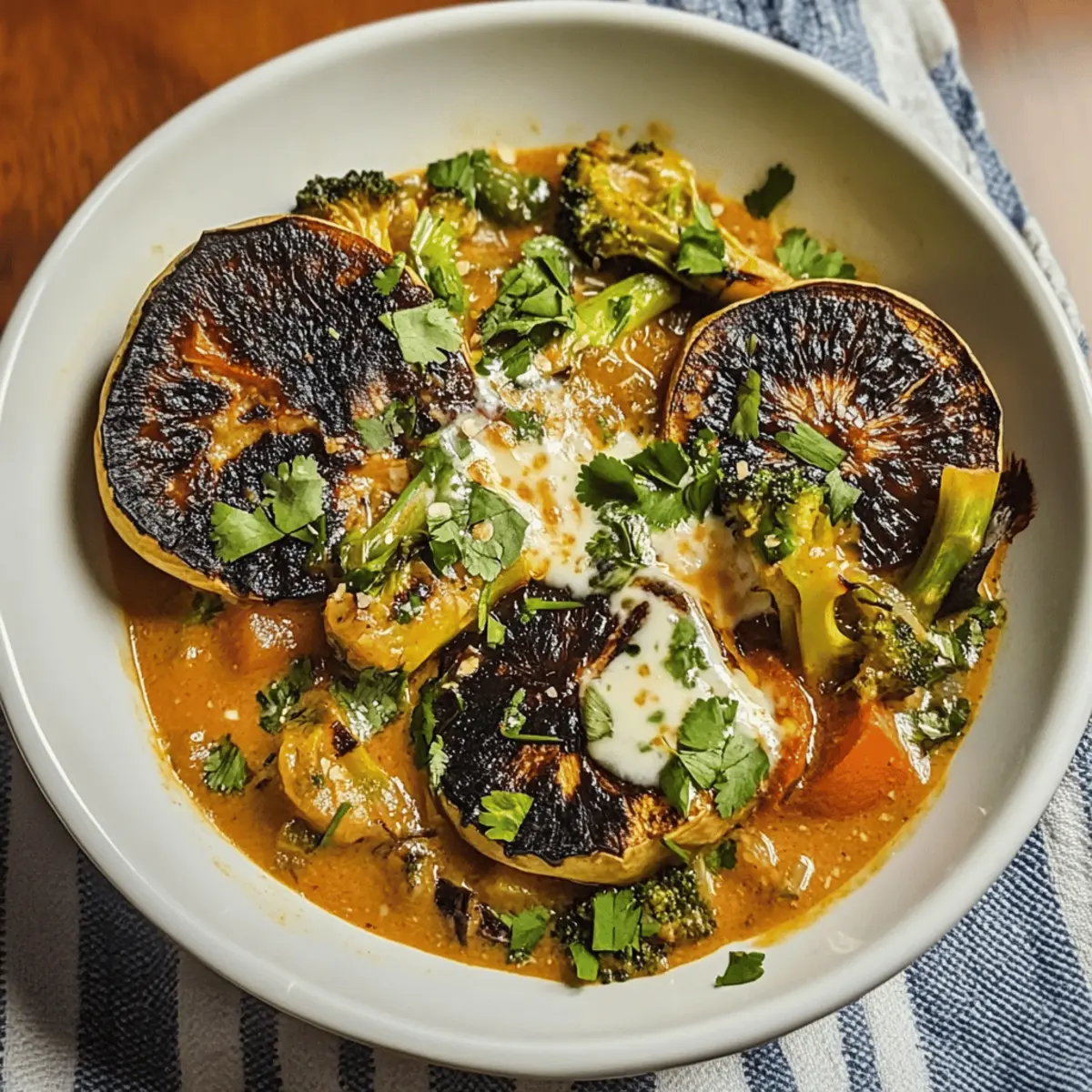
Why love Thai Coconut Veggie Curry?
Bold flavors: This curry packs a flavorful punch with creamy coconut milk, fragrant herbs, and warming spices. Easy to make: Simple steps and fresh ingredients make it perfect for cooks of all skill levels. Versatile veggies: Customize with your favorite seasonal produce for endless variety. Comforting and vibrant: Every spoonful offers cozy warmth with a bright, tropical twist. Time-saving: Ready in under 30 minutes, ideal for busy evenings craving something nourishing.
Thai Coconut Veggie Curry Ingredients
For the Curry Base
- Coconut milk – Use full-fat for the richest, creamiest curry flavor that defines the Thai Coconut Veggie Curry.
- Red curry paste – Adds authentic, spicy depth; adjust quantity to control the heat level.
- Garlic cloves – Mince fresh for a fragrant foundation that brightens every bite.
- Fresh ginger – Grate finely to bring a zesty warmth balancing the creaminess perfectly.
- Lemongrass stalk – Bruise and simmer to infuse the curry with its signature citrusy aroma.
For the Vegetables
- Bell peppers – Choose red, yellow, or orange for vibrant color and sweet crunch.
- Carrots – Slice thin for gentle sweetness and satisfying texture.
- Snap peas – Add quick-cooking crispness that keeps the curry lively and fresh.
- Zucchini – Cooks tender without falling apart, soaking up all the curry’s flavors.
- Baby spinach – Stir in at the end for a boost of green color and nutrients.
For Finishing Touches
- Fresh Thai basil – Sprinkle generously to elevate the dish with peppery, herbaceous notes.
- Lime juice – Brightens and balances the richness with a fresh tang.
- Soy sauce or tamari – Adds umami depth; tamari is great for gluten-free versions.
- Brown sugar or palm sugar – A small amount enhances the sweet-savory harmony of this Thai Coconut Veggie Curry.
How to Make Thai Coconut Veggie Curry
For the Curry Base:
- Heat aromatics: Warm 1 tablespoon coconut oil in a large skillet over medium heat. Add minced garlic, grated ginger, and bruised lemongrass for about 2 minutes until fragrant and shimmering.
- Blend curry paste: Stir in red curry paste and cook, stirring constantly, for 1 minute until oil separates and the mixture deepens in color, releasing that irresistible spicy aroma.
- Simmer coconut milk: Pour in coconut milk, increase heat to medium-high, then reduce to low. Gently simmer for 3 minutes until the sauce is silky and slightly thickened.
For the Vegetables:
- Cook vegetables: Add sliced carrots, bell peppers, and snap peas. Simmer 5 minutes until the veggies are tender-crisp and still vibrant, with a delightful bite.
- Add zucchini: Gently stir in zucchini chunks and cook 3 minutes more, ensuring they soften just enough to soak up the creamy sauce without turning mushy.
- Wilt spinach: Toss in baby spinach and stir until just wilted, about 1 minute. This adds bright color and a nutritional boost to your curry.
To Finish:
- Season: Remove the lemongrass stalk. Stir in lime juice, soy sauce (or tamari), and brown sugar. Simmer for 1 minute to marry all those tangy, sweet, and savory flavors.
- Garnish & serve: Ladle curry into bowls and top with fresh Thai basil leaves and extra lime wedges for a pop of herbal brightness and citrus zing.
Optional: drizzle with chili oil for extra heat and color.
Exact quantities are listed in the recipe card below.
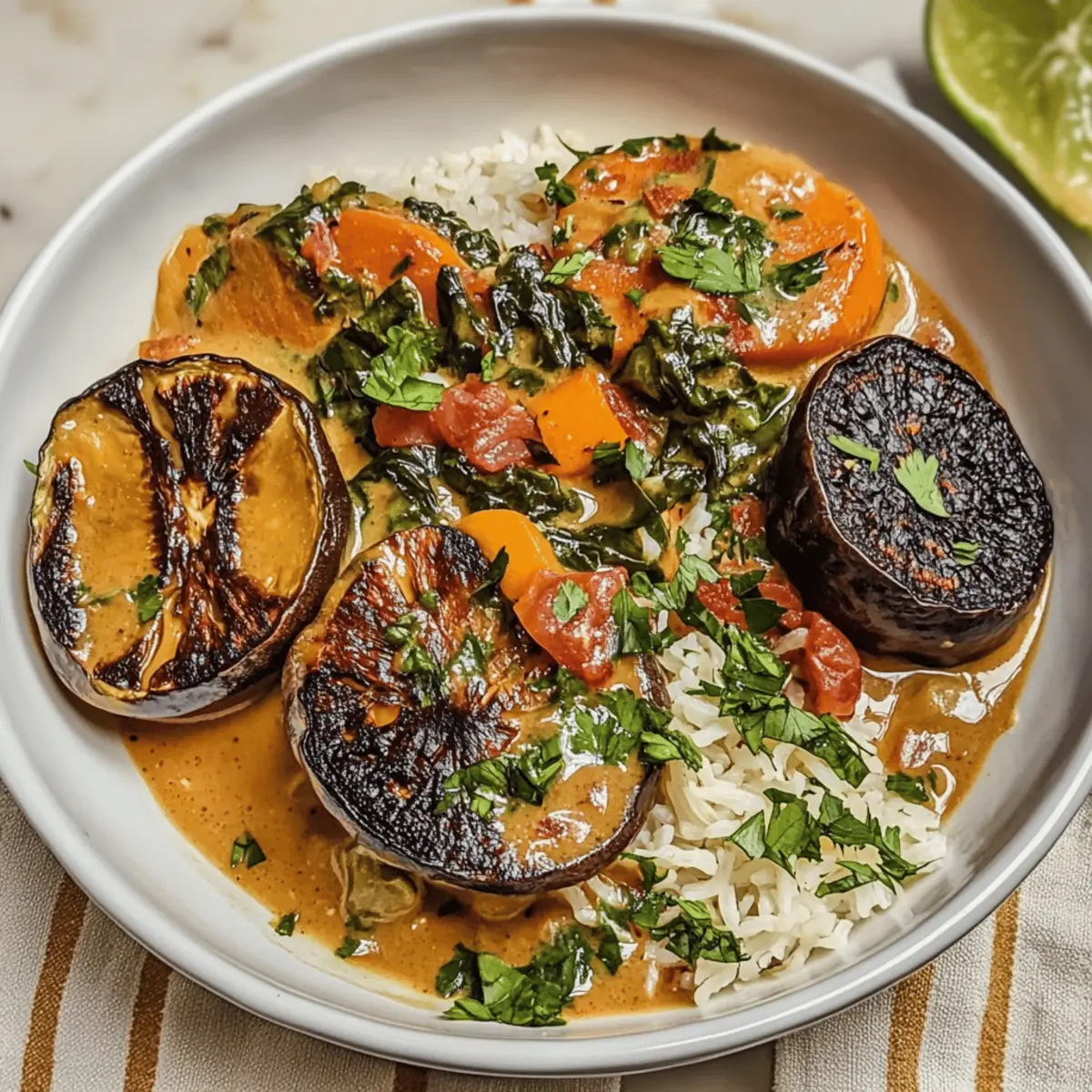
How to Store and Freeze Thai Coconut Veggie Curry
Refrigerator: Store leftover Thai Coconut Veggie Curry in an airtight container for up to 3 days. To maintain freshness, ensure it’s cooled to room temperature before sealing.
Freezer: For long-term storage, freeze in portions using freezer-safe containers or bags for up to 2 months. Make sure to leave some space for expansion.
Reheating: Thaw overnight in the fridge before reheating. Gently heat in a saucepan over medium-low heat, stirring occasionally, until warmed through. Add a splash of coconut milk if it thickens too much.
Flavor Boost: If the curry loses a bit of its vibrancy after freezing, freshen it up with a squeeze of lime juice just before serving.
What to Serve with Thai Coconut Veggie Curry?
Looking to elevate your meal? Here are delightful pairings that will complement this tropical feast beautifully.
-
Steamed Jasmine Rice: The fluffy texture and subtle nutty aroma absorb the rich curry sauce perfectly, creating a comforting base.
-
Crispy Spring Rolls: Their crunchy exterior and fresh fillings offer a delightful contrast to the creamy curry, making every bite exciting.
-
Cucumber Salad: A refreshing side with a hint of crunch; its coolness balances the warmth of the curry, enhancing your overall experience.
-
Naan Bread: Soft and fluffy, naan is perfect for scooping up the curry and soaking up that luscious sauce. A true comfort here!
-
Grilled Pineapple: The sweetness and caramelization bring a lovely contrast, echoing the tropical flavors and offering a sweet finale.
-
Thai Iced Tea: This unique blend of tea, milk, and sugar is a refreshingly sweet sip that pairs effortlessly with the curry’s bold spices.
-
Mango Sticky Rice: End on a sweet note with this dessert; the creaminess of the coconut milk and sweetness of ripe mango create a harmonious finish.
Exploring these pairings will turn your dinner into a delightful feast that connects your taste buds to the vibrant spirit of Thailand.
Expert Tips for Thai Coconut Veggie Curry
- Use Full-Fat Coconut Milk: For the creamiest texture and richest flavor, always opt for full-fat coconut milk instead of light versions.
- Toast Curry Paste Gently: Cook the red curry paste just until fragrant to unlock its depth without burning, which can cause bitterness.
- Veggie Timing Matters: Add firm vegetables like carrots first, then softer ones like zucchini later to keep every bite perfectly tender but not mushy.
- Balance Flavors Thoughtfully: Adjust lime juice, soy sauce, and sugar at the end to achieve that signature sweet, tangy, and savory harmony unique to Thai Coconut Veggie Curry.
- Fresh Herbs Finish: Don’t skip fresh Thai basil—the herb elevates the dish with bright, peppery notes that bring the flavors alive.
- Avoid Overcooking: Keep veggies vibrant by simmering just until tender-crisp; this preserves both nutrients and the curry’s inviting texture.
Thai Coconut Veggie Curry Variations
Feel free to let your creativity shine and customize this delightful curry to suit your taste preferences!
- Dairy-Free: Swap coconut milk with cashew cream for an extra creamy texture that complements the spices beautifully.
- Protein-Packed: Add chickpeas or tofu for a hearty protein boost. Their creamy texture absorbs the curry flavor wonderfully!
- Spicy Kick: Toss in a diced jalapeño or Thai bird chili if you crave some extra heat for a thrilling flavor explosion.
- Nutty Flavor: Sprinkle some toasted peanuts or cashews over the finished curry for added crunch and a nutty depth.
- Sweet & Sour: Incorporate pineapple chunks for a tropical twist that adds a lovely sweetness against the savory backdrop.
- Herb-Forward: Experiment with fresh cilantro instead of Thai basil for a vibrant herbal note that brightens up each bite.
- Zucchini Noodles: For a lighter twist, serve the curry over spiralized zucchini noodles instead of rice to elevate the veggie quotient.
- Whole Grain Insight: Use quinoa or brown rice instead of white rice for a nutty flavor and a hearty, nutritious base.
Your Thai Coconut Veggie Curry can be a canvas for endless flavor explorations! Enjoy the adventure!
Make Ahead Options
These Thai Coconut Veggie Curry ingredients are perfect for meal prep, allowing you to save time during busy weeknights! You can chop all your vegetables (bell peppers, carrots, zucchini, and snap peas) up to 3 days in advance and store them in an airtight container in the refrigerator to maintain their crispness. Additionally, you can prepare the curry base—sautéing the aromatics and simmering the coconut milk—24 hours ahead and refrigerate it to lock in those rich flavors. When you’re ready to finish the dish, simply reheat the base, add the prepped veggies, and cook until everything is heated through and the veggies are tender. This way, you’ll have a comforting and vibrant meal on the table in no time!
Thai Coconut Veggie Curry Recipe FAQs
How do I know if my coconut milk is good for the curry?
Look for full-fat coconut milk in a can—it should be creamy and smooth with no separation or off smell. Avoid cartons labeled “light” if you want that rich, authentic texture.
Can I store leftover Thai Coconut Veggie Curry in the fridge?
Absolutely! Store your curry in an airtight container once it has cooled to room temperature. It will stay fresh and flavorful for up to 3 days in the refrigerator.
What’s the best way to freeze this curry?
Freezing is easy and keeps your curry handy for up to 2 months. Portion the curry into freezer-safe containers or heavy-duty freezer bags, leaving room for expansion. To reheat, thaw overnight in the fridge, then warm gently on low heat, stirring occasionally. Add a splash of coconut milk if it thickens too much.
My curry turned out too spicy. How can I fix it?
No worries! You can balance out excess heat by adding more coconut milk or a teaspoon of brown sugar. Lime juice also helps mellow spiciness while brightening flavors—add it gradually until you reach the perfect balance.
Are there any allergen considerations with this recipe?
This curry is naturally gluten-free when made with tamari instead of soy sauce and is dairy-free thanks to the coconut milk base. However, if you have a coconut allergy, this recipe isn’t suitable. Always double-check labels on curry paste, as some contain shrimp paste or fish sauce for non-vegetarian versions.
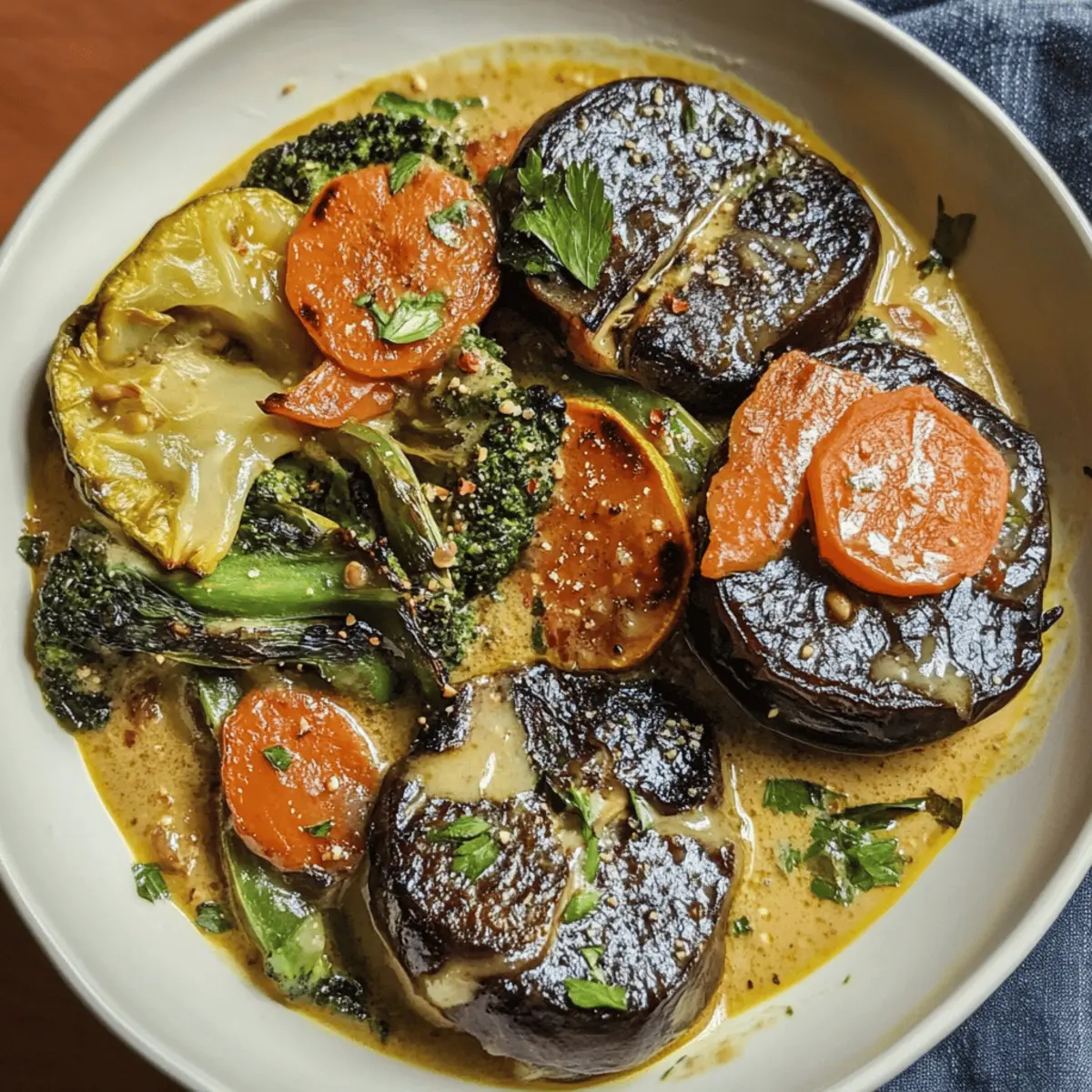
Easy Thai Coconut Veggie Curry That Bursts With Bold Flavor
Ingredients
Equipment
Method
- Warm 1 tablespoon coconut oil in a large skillet over medium heat. Add minced garlic, grated ginger, and bruised lemongrass for about 2 minutes until fragrant and shimmering.
- Stir in red curry paste and cook, stirring constantly, for 1 minute until oil separates and the mixture deepens in color.
- Pour in coconut milk, increase heat to medium-high, then reduce to low. Gently simmer for 3 minutes until the sauce is silky.
- Add sliced carrots, bell peppers, and snap peas. Simmer 5 minutes until the veggies are tender-crisp.
- Gently stir in zucchini chunks and cook for 3 minutes more.
- Toss in baby spinach and stir until just wilted, about 1 minute.
- Remove the lemongrass stalk. Stir in lime juice, soy sauce (or tamari), and brown sugar. Simmer for 1 minute.
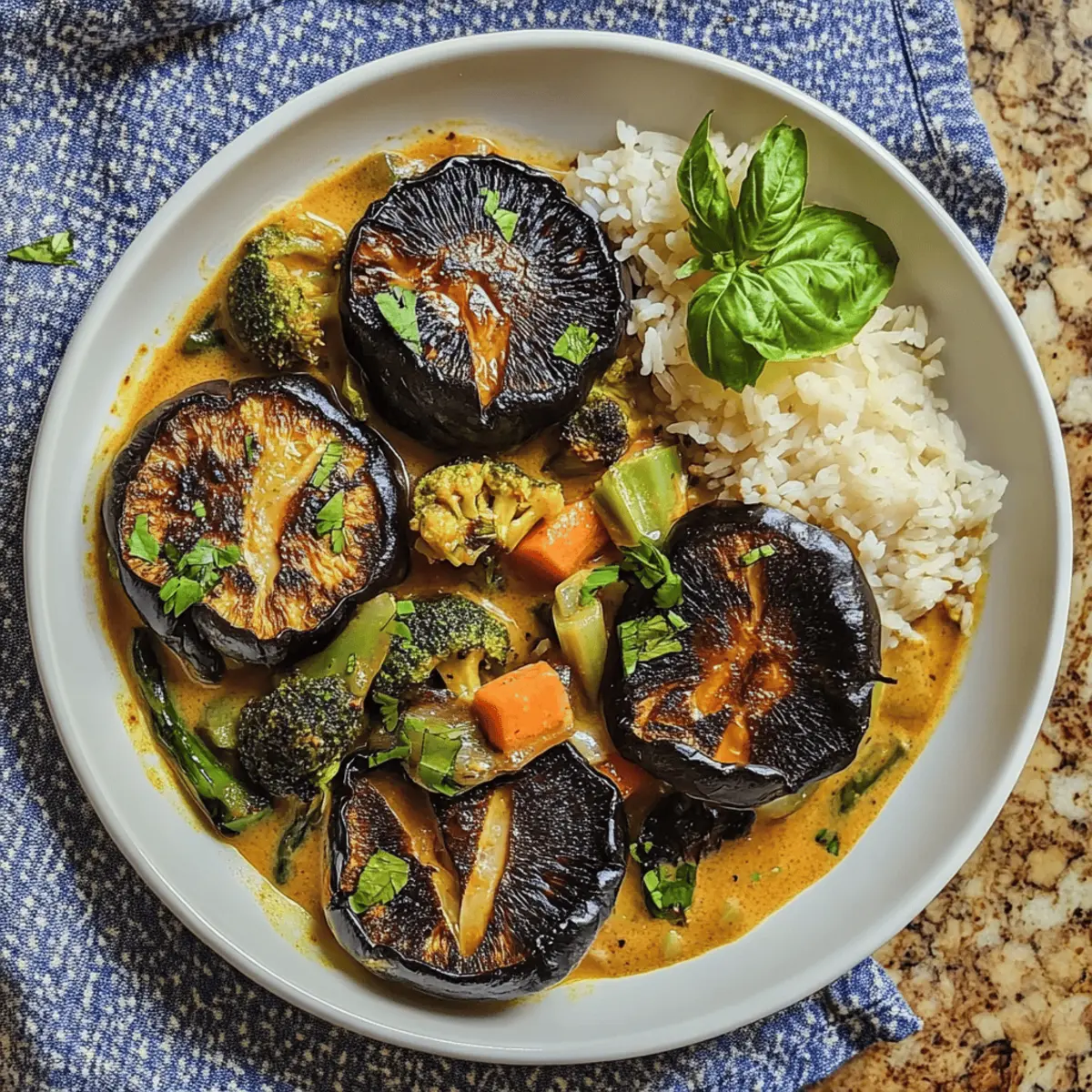
- Ladle curry into bowls and top with fresh Thai basil leaves and extra lime wedges.