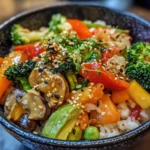



This Edamame Salad with Peanut Sauce has become an absolute revelation in my kitchen, and I’m thrilled to share it with you. The first time I made it, I was looking for a vibrant, healthy, and satisfying lunch option that wouldn’t leave me feeling sluggish. My family, initially a bit skeptical about a “bean salad,” were completely won over by the first bite. The explosion of textures – the slight pop of the edamame, the crunch of fresh bell peppers and carrots, the creamy richness of the peanut sauce – combined with the perfect balance of savory, sweet, and tangy notes, made it an instant hit. My kids, who usually turn their noses up at anything too “green,” actually asked for seconds! It’s now a regular on our menu, perfect for a quick weeknight dinner side, a potluck contribution that always gets rave reviews, or a make-ahead lunch that I genuinely look forward to. The beauty of this salad lies not just in its incredible taste, but also in its versatility and how surprisingly easy it is to whip up. It’s proof that healthy eating can be incredibly delicious and exciting.
Ingredients
This recipe is designed to be flexible, but here’s a comprehensive list to create a truly spectacular Edamame Salad with Peanut Sauce.
For the Edamame Salad:
- Shelled Edamame (Frozen): 2 cups (approximately 340g). You can use fresh if available, but frozen is convenient and works perfectly.
- Red Bell Pepper: 1 large, cored, seeded, and thinly julienned. The sweetness and vibrant color are essential.
- Yellow or Orange Bell Pepper: 1 large, cored, seeded, and thinly julienned. Adds another layer of sweetness and visual appeal.
- Carrots: 2 medium (about 1.5 cups), peeled and julienned or shredded. A julienne peeler works wonders here, or use the shredding disc of a food processor.
- Red Onion: 1/4 cup, very thinly sliced or minced. If you find raw red onion too pungent, you can soak it in cold water for 10 minutes, then drain well.
- Fresh Cilantro: 1/2 cup loosely packed, roughly chopped (leaves and tender stems). This adds a burst of freshness.
- Scallions (Green Onions): 3-4 stalks, thinly sliced (both white and green parts).
- Toasted Peanuts: 1/4 cup, roughly chopped (for garnish and extra crunch).
- Toasted Sesame Seeds: 1 tablespoon (for garnish). A mix of black and white sesame seeds looks particularly appealing.
For the Creamy Peanut Sauce:
- Creamy Peanut Butter: 1/2 cup (128g). Use a good quality natural peanut butter where the only ingredients are peanuts and maybe salt.
- Low-Sodium Soy Sauce: 1/4 cup (60ml). Use Tamari for a gluten-free option.
- Rice Vinegar: 2 tablespoons (30ml). Unseasoned rice vinegar is preferred.
- Fresh Lime Juice: 2 tablespoons (30ml) – from about 1 lime. Freshly squeezed makes a huge difference.
- Honey or Maple Syrup: 1-2 tablespoons (15-30ml), adjust to your preferred sweetness. Maple syrup makes it vegan.
- Toasted Sesame Oil: 1 tablespoon (15ml). This has a strong, nutty flavor, so a little goes a long way.
- Fresh Ginger: 1 tablespoon, finely minced or grated (about a 1-inch piece).
- Fresh Garlic: 2 cloves, finely minced or grated.
- Red Pepper Flakes: 1/4 – 1/2 teaspoon, or to taste. Adjust based on your spice preference.
- Warm Water: 2-4 tablespoons (30-60ml), or as needed to reach desired consistency.
Detailed Ingredient Notes & Why They Matter:
- Edamame: The star of the show! Edamame beans are young soybeans, typically harvested before they harden. They are packed with plant-based protein, fiber, and essential micronutrients like folate, vitamin K, and manganese. Using shelled edamame saves a significant amount of prep time. Frozen edamame is flash-frozen at peak ripeness, preserving its nutrients and flavor. When cooked, they should be tender-crisp, offering a satisfying pop.
- Bell Peppers (Red, Yellow/Orange): These provide not only vibrant color, making the salad visually irresistible, but also a wonderful sweetness and crunch. They are excellent sources of Vitamin C, Vitamin A, and antioxidants. Julienne them thinly so they integrate well with the other ingredients.
- Carrots: Adding another layer of crunch and sweetness, carrots also bring beta-carotene (which our bodies convert to Vitamin A) and fiber. Whether you julienne, shred, or even spiralize them, their presence is key for texture and nutrition.
- Red Onion: Offers a sharp, pungent counterpoint to the sweetness of the peppers and dressing. Slicing it very thinly or mincing it ensures it doesn’t overpower the salad. Soaking in cold water mellows its flavor if you’re sensitive to its bite.
- Cilantro & Scallions: These fresh herbs are non-negotiable for a bright, aromatic finish. Cilantro adds a distinctive, slightly citrusy, and peppery note, while scallions provide a mild, fresh onion flavor. They elevate the salad from good to great.
- Peanut Butter: The heart of the sauce. Natural, unsweetened creamy peanut butter is best. The fat content in peanut butter not only makes the sauce rich and satisfying but also helps your body absorb the fat-soluble vitamins from the vegetables. It’s also a good source of protein and healthy monounsaturated fats.
- Soy Sauce/Tamari: Provides the essential umami (savory) depth. Low-sodium is recommended to control the saltiness. Tamari is a Japanese soy sauce typically made without wheat, making it a great gluten-free alternative.
- Rice Vinegar: Adds acidity and tang, balancing the richness of the peanut butter and the sweetness of the honey/maple syrup. Its mild flavor is perfect for Asian-inspired dressings.
- Lime Juice: Fresh lime juice is crucial for a bright, zesty kick that lifts all the flavors. Bottled lime juice simply doesn’t compare.
- Honey/Maple Syrup: Balances the savory and tangy elements. The amount can be adjusted to your preference. Honey offers a floral note, while maple syrup provides a deeper, caramel-like sweetness and keeps the recipe vegan.
- Toasted Sesame Oil: A powerhouse of nutty aroma and flavor. It’s used as a finishing oil rather than a cooking oil due to its strong taste. Ensure it’s toasted sesame oil for the best flavor.
- Ginger & Garlic: These aromatics are fundamental to many Asian-inspired dishes. Fresh is always best for their pungent, vibrant flavors. Grating them on a microplane ensures they incorporate smoothly into the sauce.
- Red Pepper Flakes: For a touch of heat. You can customize the amount or even use a dash of sriracha or gochujang in the sauce for a different kind of spice.
- Warm Water: Used to thin the sauce to the perfect drizzling or tossing consistency. The amount needed will vary depending on the thickness of your peanut butter.
Instructions
Follow these steps carefully to create a perfectly balanced and delicious Edamame Salad.
Step 1: Cook the Edamame
- Bring a small pot of water to a boil. If using salted water, add about 1/2 teaspoon of salt.
- Add the 2 cups of frozen shelled edamame to the boiling water.
- Cook for 4-5 minutes, or until tender-crisp. Be careful not to overcook; they should still have a slight bite and vibrant green color.
- Once cooked, immediately drain the edamame and rinse under cold running water (or plunge into an ice bath) to stop the cooking process and help them retain their bright color.
- Drain thoroughly and set aside to cool completely. Pat them dry with a paper towel if they seem excessively wet.
Step 2: Prepare the Vegetables
- While the edamame is cooking or cooling, prepare the rest of your salad vegetables.
- Bell Peppers: Core, seed, and thinly julienne the 1 large red bell pepper and 1 large yellow/orange bell pepper. Aim for matchstick-sized pieces.
- Carrots: Peel the 2 medium carrots. Julienne them thinly using a sharp knife, a mandoline (with caution!), or a julienne peeler. Alternatively, you can shred them using a box grater or the shredding attachment of a food processor.
- Red Onion: Thinly slice or finely mince the 1/4 cup of red onion. If desired, soak the sliced/minced onion in a small bowl of cold water for 10-15 minutes to mellow its flavor, then drain well.
- Herbs: Roughly chop the 1/2 cup of fresh cilantro. Thinly slice the 3-4 scallions.
Step 3: Make the Peanut Sauce
- In a medium-sized bowl, combine the 1/2 cup creamy peanut butter, 1/4 cup low-sodium soy sauce (or tamari), 2 tablespoons rice vinegar, 2 tablespoons fresh lime juice, 1-2 tablespoons honey (or maple syrup), 1 tablespoon toasted sesame oil, 1 tablespoon minced fresh ginger, 2 minced fresh garlic cloves, and 1/4 – 1/2 teaspoon red pepper flakes.
- Whisk vigorously until all the ingredients are well combined. The mixture will likely be quite thick at this point.
- Gradually add 2-4 tablespoons of warm water, one tablespoon at a time, whisking continuously after each addition, until the sauce reaches your desired consistency. It should be smooth, creamy, and pourable but still thick enough to coat the salad ingredients nicely.
- Taste the sauce and adjust seasonings if necessary. You might want more sweetness (add a bit more honey/maple), tanginess (a splash more lime juice or vinegar), saltiness (a tiny bit more soy sauce, carefully), or spice (more red pepper flakes).
Step 4: Combine the Salad
- In a large mixing bowl, add the cooled and drained edamame, julienned red bell pepper, julienned yellow/orange bell pepper, julienned/shredded carrots, and thinly sliced/minced red onion.
- Add most of the chopped cilantro and sliced scallions, reserving a small amount for garnish.
Step 5: Dress and Toss
- Pour about two-thirds of the prepared peanut sauce over the salad ingredients in the large bowl.
- Gently toss everything together until all the vegetables and edamame are evenly coated with the sauce. Be gentle to avoid mashing the edamame.
- Taste the salad. If you feel it needs more sauce, add the remaining sauce and toss again. It’s better to start with less sauce and add more as needed.
Step 6: Garnish and Serve
- Transfer the Edamame Salad to a serving platter or individual bowls.
- Garnish generously with the 1/4 cup chopped toasted peanuts, 1 tablespoon toasted sesame seeds, and the reserved chopped cilantro and sliced scallions.
- Serve immediately for the best texture, or chill for at least 15-30 minutes to allow the flavors to meld. If chilling for longer, you might want to toss it again gently before serving as the sauce can thicken.
Nutrition Facts
- Servings: This recipe yields approximately 4-6 main course servings or 6-8 side dish servings.
- Calories per serving (approximate): Based on 6 servings, each serving contains roughly 350-450 calories.
Disclaimer: Nutritional information is an estimate and can vary significantly based on specific ingredient brands, exact quantities used, and portion sizes.
Key Nutritional Highlights:
- Protein-Packed: Primarily from edamame and peanut butter, making this salad very satisfying.
- Rich in Fiber: From edamame, vegetables, and peanuts, aiding digestion and promoting fullness.
- Healthy Fats: Monounsaturated and polyunsaturated fats from peanut butter, sesame oil, and peanuts.
- Vitamins & Minerals: A good source of Vitamin C (bell peppers), Vitamin A (carrots), Vitamin K, Folate (edamame), and various B vitamins.
- Antioxidants: Abundant from the colorful vegetables and herbs.
- Naturally Vegetarian.
- Easily Made Vegan: By using maple syrup instead of honey.
- Easily Made Gluten-Free: By using tamari instead of regular soy sauce.
Preparation Time
- Active Preparation Time (Chopping, Mixing): Approximately 25-30 minutes. This can be reduced if using pre-shredded carrots or a food processor for chopping.
- Cook Time (Edamame): 5-7 minutes.
- Total Time: Approximately 30-40 minutes.
- Optional Chilling Time: 15-30 minutes (or longer) for flavors to meld.
The preparation is quite straightforward, with the bulk of the time spent on chopping the fresh vegetables. Working efficiently by cooking the edamame while you prep the veggies can streamline the process.
How to Serve
This Edamame Salad with Peanut Sauce is wonderfully versatile. Here are some serving suggestions:
- As a Light Lunch or Dinner:
- Serve a generous portion on its own for a fulfilling and nutritious meal.
- Top with grilled chicken, shrimp, tofu, or a hard-boiled egg for extra protein.
- As a Vibrant Side Dish:
- Pair it with grilled fish like salmon or cod.
- Serve alongside Asian-inspired main courses such as teriyaki chicken, beef and broccoli stir-fry, or baked tofu.
- It’s a fantastic accompaniment to summer barbecues and picnics.
- In Lettuce Wraps:
- Spoon the salad into crisp lettuce cups (like butter lettuce or romaine hearts) for a fresh, low-carb option.
- With Grains:
- Serve over a bed of quinoa, brown rice, or soba noodles to make it a more substantial grain bowl.
- For Potlucks and Gatherings:
- It’s a crowd-pleaser that travels well. Make it a few hours ahead and keep it chilled. Toss gently before serving if needed.
- As a Meal Prep Component:
- Portion into individual containers for easy grab-and-go lunches throughout the week. It’s best to store the sauce separately if meal-prepping for more than 2 days, and dress just before eating to maintain maximum crunch.
Additional Tips (5 Tips)
- Toast Your Nuts and Seeds: Don’t skip toasting the peanuts and sesame seeds for garnish. This simple step takes only a few minutes in a dry skillet over medium heat (stirring frequently until fragrant and lightly browned) but it dramatically enhances their nutty flavor and crunch, adding a professional touch to your salad.
- Customize Your Crunch: Feel free to add other crunchy vegetables like shredded purple cabbage for more color and texture, thinly sliced snap peas, or even water chestnuts. The more texture, the merrier!
- Sauce Consistency is Key: If your peanut butter is very thick or has been refrigerated, you might need more warm water to thin the sauce. Add it slowly, whisking well, until it’s easily pourable but not watery. Conversely, if it’s too thin, you can whisk in a little more peanut butter.
- Make-Ahead Strategy: You can prepare components in advance. Cook the edamame and chop the vegetables up to 2 days ahead; store them in separate airtight containers in the refrigerator. The peanut sauce can also be made up to 3-4 days ahead and stored in an airtight container in the fridge. It will thicken when chilled, so let it sit at room temperature for about 20-30 minutes or whisk in a teaspoon or two of warm water before tossing with the salad.
- Don’t Be Afraid to Adjust Flavors: The peanut sauce recipe is a fantastic base, but taste is personal. Before dressing the salad, taste the sauce. Want it spicier? Add more red pepper flakes or a dash of sriracha. More tang? A bit more lime juice or rice vinegar. Sweeter? A touch more honey/maple. More umami? A tiny splash more soy sauce.
FAQ Section (5 Q/A)
Q1: Can I use frozen edamame in the pod?
A1: Yes, you can, but you’ll need to cook them according to package directions and then shell them once they are cool enough to handle. This will add to your preparation time. For convenience, buying already shelled (mukimame) frozen edamame is recommended.
Q2: How long will this Edamame Salad last in the refrigerator?
A2: Once dressed, the salad is best enjoyed within 1-2 days. The vegetables will start to lose some of their crunch over time. If you want it to last longer (up to 3-4 days), store the chopped vegetables, cooked edamame, and peanut sauce in separate airtight containers in the refrigerator. Combine and dress just before serving or up to a few hours before.
Q3: Is this salad gluten-free and vegan?
A3: It can easily be both! To make it gluten-free, ensure you use Tamari (which is typically wheat-free soy sauce) or a certified gluten-free soy sauce alternative like coconut aminos. To make it vegan, use maple syrup instead of honey in the peanut sauce. Always double-check the labels of your ingredients.
Q4: What can I substitute for peanut butter if I have a peanut allergy?
A4: If you have a peanut allergy, you can substitute other nut or seed butters. Almond butter, cashew butter, or sunflower seed butter (sunbutter) are excellent alternatives. The flavor profile will change slightly, but it will still be delicious. Adjust other seasonings as needed to complement the chosen butter. Always ensure there are no cross-contamination risks if preparing for someone with a severe allergy.
Q5: Can I add other proteins to make this a more substantial meal?
A5: Absolutely! This salad is a fantastic base for added protein. Grilled or shredded chicken, cooked shrimp, pan-seared or baked tofu cubes, or even chickpeas would all be wonderful additions. Add your chosen protein along with the other salad ingredients before tossing with the sauce. This will make it an even more complete and satisfying main course.
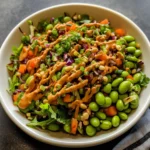
Edamame Salad with Peanut Sauce Recipe
Ingredients
For the Edamame Salad:
- Shelled Edamame (Frozen): 2 cups (approximately 340g). You can use fresh if available, but frozen is convenient and works perfectly.
- Red Bell Pepper: 1 large, cored, seeded, and thinly julienned. The sweetness and vibrant color are essential.
- Yellow or Orange Bell Pepper: 1 large, cored, seeded, and thinly julienned. Adds another layer of sweetness and visual appeal.
- Carrots: 2 medium (about 1.5 cups), peeled and julienned or shredded. A julienne peeler works wonders here, or use the shredding disc of a food processor.
- Red Onion: 1/4 cup, very thinly sliced or minced. If you find raw red onion too pungent, you can soak it in cold water for 10 minutes, then drain well.
- Fresh Cilantro: 1/2 cup loosely packed, roughly chopped (leaves and tender stems). This adds a burst of freshness.
- Scallions (Green Onions): 3-4 stalks, thinly sliced (both white and green parts).
- Toasted Peanuts: 1/4 cup, roughly chopped (for garnish and extra crunch).
- Toasted Sesame Seeds: 1 tablespoon (for garnish). A mix of black and white sesame seeds looks particularly appealing.
For the Creamy Peanut Sauce:
- Creamy Peanut Butter: 1/2 cup (128g). Use a good quality natural peanut butter where the only ingredients are peanuts and maybe salt.
- Low-Sodium Soy Sauce: 1/4 cup (60ml). Use Tamari for a gluten-free option.
- Rice Vinegar: 2 tablespoons (30ml). Unseasoned rice vinegar is preferred.
- Fresh Lime Juice: 2 tablespoons (30ml) – from about 1 lime. Freshly squeezed makes a huge difference.
- Honey or Maple Syrup: 1-2 tablespoons (15-30ml), adjust to your preferred sweetness. Maple syrup makes it vegan.
- Toasted Sesame Oil: 1 tablespoon (15ml). This has a strong, nutty flavor, so a little goes a long way.
- Fresh Ginger: 1 tablespoon, finely minced or grated (about a 1-inch piece).
- Fresh Garlic: 2 cloves, finely minced or grated.
- Red Pepper Flakes: 1/4 – 1/2 teaspoon, or to taste. Adjust based on your spice preference.
- Warm Water: 2-4 tablespoons (30-60ml), or as needed to reach desired consistency.
Instructions
Step 1: Cook the Edamame
- Bring a small pot of water to a boil. If using salted water, add about 1/2 teaspoon of salt.
- Add the 2 cups of frozen shelled edamame to the boiling water.
- Cook for 4-5 minutes, or until tender-crisp. Be careful not to overcook; they should still have a slight bite and vibrant green color.
- Once cooked, immediately drain the edamame and rinse under cold running water (or plunge into an ice bath) to stop the cooking process and help them retain their bright color.
- Drain thoroughly and set aside to cool completely. Pat them dry with a paper towel if they seem excessively wet.
Step 2: Prepare the Vegetables
- While the edamame is cooking or cooling, prepare the rest of your salad vegetables.
- Bell Peppers: Core, seed, and thinly julienne the 1 large red bell pepper and 1 large yellow/orange bell pepper. Aim for matchstick-sized pieces.
- Carrots: Peel the 2 medium carrots. Julienne them thinly using a sharp knife, a mandoline (with caution!), or a julienne peeler. Alternatively, you can shred them using a box grater or the shredding attachment of a food processor.
- Red Onion: Thinly slice or finely mince the 1/4 cup of red onion. If desired, soak the sliced/minced onion in a small bowl of cold water for 10-15 minutes to mellow its flavor, then drain well.
- Herbs: Roughly chop the 1/2 cup of fresh cilantro. Thinly slice the 3-4 scallions.
Step 3: Make the Peanut Sauce
- In a medium-sized bowl, combine the 1/2 cup creamy peanut butter, 1/4 cup low-sodium soy sauce (or tamari), 2 tablespoons rice vinegar, 2 tablespoons fresh lime juice, 1-2 tablespoons honey (or maple syrup), 1 tablespoon toasted sesame oil, 1 tablespoon minced fresh ginger, 2 minced fresh garlic cloves, and 1/4 – 1/2 teaspoon red pepper flakes.
- Whisk vigorously until all the ingredients are well combined. The mixture will likely be quite thick at this point.
- Gradually add 2-4 tablespoons of warm water, one tablespoon at a time, whisking continuously after each addition, until the sauce reaches your desired consistency. It should be smooth, creamy, and pourable but still thick enough to coat the salad ingredients nicely.
- Taste the sauce and adjust seasonings if necessary. You might want more sweetness (add a bit more honey/maple), tanginess (a splash more lime juice or vinegar), saltiness (a tiny bit more soy sauce, carefully), or spice (more red pepper flakes).
Step 4: Combine the Salad
- In a large mixing bowl, add the cooled and drained edamame, julienned red bell pepper, julienned yellow/orange bell pepper, julienned/shredded carrots, and thinly sliced/minced red onion.
- Add most of the chopped cilantro and sliced scallions, reserving a small amount for garnish.
Step 5: Dress and Toss
- Pour about two-thirds of the prepared peanut sauce over the salad ingredients in the large bowl.
- Gently toss everything together until all the vegetables and edamame are evenly coated with the sauce. Be gentle to avoid mashing the edamame.
- Taste the salad. If you feel it needs more sauce, add the remaining sauce and toss again. It’s better to start with less sauce and add more as needed.
Step 6: Garnish and Serve
- Transfer the Edamame Salad to a serving platter or individual bowls.
- Garnish generously with the 1/4 cup chopped toasted peanuts, 1 tablespoon toasted sesame seeds, and the reserved chopped cilantro and sliced scallions.
- Serve immediately for the best texture, or chill for at least 15-30 minutes to allow the flavors to meld. If chilling for longer, you might want to toss it again gently before serving as the sauce can thicken.
Nutrition
- Serving Size: One Normal Portion
- Calories: 50-450