
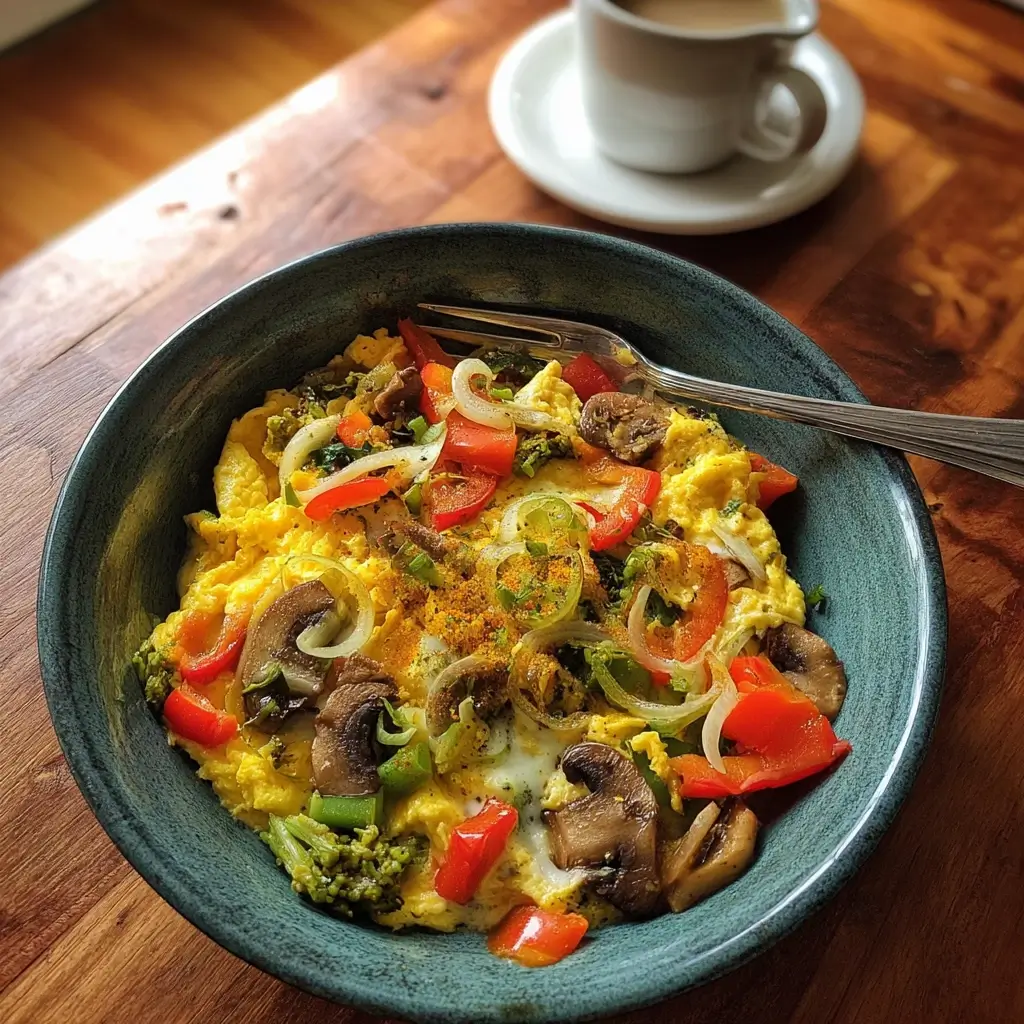

Of all the recipes that have become a staple in our household, none are as versatile, forgiving, or universally loved as the humble Egg and Veggie Scramble. I remember the first time I truly appreciated its magic. It was a chaotic Tuesday morning, the kind where everyone is running late and the fridge looks disappointingly bare. But tucked away in the crisper drawer were a lone bell pepper, a handful of spinach, and half an onion. In less than 15 minutes, I transformed those forgotten veggies and a few eggs into a vibrant, protein-packed breakfast that fueled my entire family. My kids, who normally protest anything green, devoured their plates without a single complaint. My husband, a notorious breakfast-skipper, even asked for seconds. That morning, the Egg and Veggie Scramble cemented its place not just as a recipe, but as our go-to solution for busy mornings, a delicious way to combat food waste, and a guaranteed path to a satisfying and healthy start to the day. It’s more than just food; it’s a small, daily victory.
The Ultimate Egg and Veggie Scramble Recipe
This recipe serves as a perfect foundation. The beauty of it lies in its adaptability. Feel free to substitute the vegetables listed below with whatever you have on hand. Consider this your blueprint for breakfast perfection.
Yields: 2 servings
Prep time: 10 minutes
Cook time: 10-12 minutes
Ingredients
- Eggs: 4-6 large, high-quality eggs (use 4 for denser scrambles, 6 for fluffier, larger portions)
- Fat for Cooking: 1 tablespoon olive oil or unsalted butter
- Aromatics: 1/4 cup yellow onion, finely chopped
- Hearty Vegetables: 1/2 cup mixed bell peppers (red, green, or yellow), chopped
- Mushrooms: 1/2 cup cremini or white button mushrooms, sliced
- Leafy Greens: 1 large handful of fresh spinach (about 1.5-2 cups, packed)
- Liquid (Optional, for creaminess): 2 tablespoons milk, half-and-half, or unsweetened almond milk
- Seasoning: 1/4 teaspoon sea salt (or to taste)
- Seasoning: 1/8 teaspoon black pepper, freshly ground
- Optional Garnish: 1 tablespoon fresh chives or parsley, chopped
- Optional for Serving: 2 tablespoons shredded cheddar, feta, or goat cheese
Step-by-Step Instructions
Follow these detailed instructions to ensure a perfect scramble every time, where the vegetables are tender-crisp and the eggs are cooked to creamy, fluffy perfection.
- Prepare Your Ingredients (Mise en Place): Begin by washing and chopping all your vegetables. Finely chop the onion, dice the bell peppers, and slice the mushrooms. Having everything ready before you start cooking is the key to a stress-free experience.
- Whisk the Eggs: In a medium-sized bowl, crack your eggs. Add the optional milk or cream if you’re using it. Whisk the eggs vigorously with a fork or a whisk for about 30-45 seconds. You want to incorporate plenty of air to make them light and fluffy. The mixture should be a uniform, pale yellow color with no visible streaks of yolk or white. Season the whisked eggs with salt and pepper and set aside.
- Sauté the Vegetables: Place a 10-inch non-stick skillet over medium heat. Add the olive oil or butter. Once the butter is melted or the oil shimmers, add the chopped onions. Sauté for 2-3 minutes until they become translucent and fragrant.
- Cook the Heartier Veggies: Add the chopped bell peppers and sliced mushrooms to the skillet with the onions. Continue to cook, stirring occasionally, for 4-5 minutes. You want the vegetables to soften but still retain a slight bite. Cooking them first ensures they release their moisture before the eggs are added, preventing a watery scramble.
- Wilt the Spinach: Add the large handful of spinach to the skillet. It will look like a lot, but it will wilt down significantly. Stir constantly for about 1-2 minutes until all the spinach has wilted into the vegetable mixture.
- Cook the Eggs: Turn the heat down to medium-low. This is a crucial step to prevent tough, rubbery eggs. Pour the whisked egg mixture evenly over the vegetables in the skillet.
- The “Scramble” Technique: Let the eggs sit undisturbed for about 20-30 seconds, until you see the edges just beginning to set. Then, using a silicone or rubber spatula, gently push the eggs from the edge of the pan toward the center. Tilt the pan to allow the uncooked egg to flow into the empty space. Continue this gentle push-and-fold motion. This method creates large, soft curds. Avoid stirring constantly, which results in small, dry curds.
- Final Touches: Continue cooking for 2-4 minutes, or until the eggs are mostly set but still have a slight moist sheen. Remember that the eggs will continue to cook from the residual heat of the pan (carryover cooking), so it’s best to pull them off the heat when they are slightly underdone to your preference.
- Add Cheese and Herbs: If you’re using cheese, sprinkle it over the eggs during the last 30 seconds of cooking and gently fold it in to melt. Remove the skillet from the heat.
- Serve Immediately: Garnish with fresh chives or parsley and serve right away for the best texture and flavor.
Nutrition Facts
Please note that these values are an approximation and can vary based on the exact ingredients, portion sizes, and optional additions like cheese or the type of milk used.
- Servings: 2
- Calories per serving (approximate): 310-350 kcal (based on 5 eggs, olive oil, and no cheese)
This scramble is a nutritional powerhouse. It’s rich in high-quality protein from the eggs, packed with vitamins and minerals (Vitamin A, Vitamin C, Iron, and Potassium) from the diverse vegetables, and provides healthy fiber to keep you full and satisfied.
Preparation and Cooking Time
A key advantage of this recipe is its speed, making it an ideal choice for any meal of the day.
- Total Preparation Time: 10 Minutes (for washing and chopping vegetables)
- Total Cook Time: 10-12 Minutes
- Total Time: 20-22 Minutes
How to Serve Your Egg and Veggie Scramble
While delicious on its own, this scramble can be the centerpiece of a more elaborate meal. Here are some creative and tasty ways to serve it:
- Classic and Simple:
- Serve alongside a slice of whole-grain or sourdough toast.
- Add a side of fresh fruit like sliced avocado, berries, or a citrus salad.
- Breakfast Burrito or Tacos:
- Spoon the scramble into a warm whole-wheat or corn tortilla.
- Top with salsa, a dollop of Greek yogurt or sour cream, and a few slices of avocado.
- Add a sprinkle of cotija cheese for a Mexican-inspired twist.
- The Power Bowl:
- Create a hearty breakfast bowl by serving the scramble over a bed of cooked quinoa, brown rice, or even roasted sweet potato cubes.
- Drizzle with your favorite hot sauce or a sprinkle of everything bagel seasoning.
- On Top of Avocado Toast:
- Toast a thick slice of your favorite bread.
- Mash half an avocado onto the toast, seasoning it with salt, pepper, and red pepper flakes.
- Pile the warm egg and veggie scramble on top for the ultimate open-faced breakfast sandwich.
- With Savory Sides:
- Pair it with a side of crispy breakfast potatoes or hash browns.
- Serve with a link of chicken or turkey sausage, or a few strips of crispy bacon for extra protein.
The Art of the Perfect Scramble: Beyond the Basics
Mastering scrambled eggs is a culinary skill that elevates a simple dish to a sublime experience. It’s all about technique and understanding the science of cooking eggs.
Heat Management is Everything
The number one mistake people make with scrambled eggs is cooking them over heat that is too high. High heat causes the proteins in the eggs to seize up and squeeze out water, resulting in a tough, dry, and often rubbery texture.
- Low and Slow: For incredibly creamy, custardy eggs with small, delicate curds, use low heat. This method takes longer, requiring constant, gentle stirring, but the result is luxurious.
- Medium-Low and Fold: This is the method described in our recipe and is the perfect middle ground. It produces soft, fluffy eggs with larger curds and is relatively quick. It offers the best of both worlds: great texture without a long wait.
The Great Dairy Debate: To Add or Not to Add?
Adding a liquid like milk or cream is a common practice, but what does it actually do?
- Milk or Cream: Adds moisture and richness. The extra fat and water create steam as the eggs cook, which helps to puff them up and results in a more tender, creamy, and forgiving scramble. A little goes a long way—too much liquid will make your eggs watery.
- No Liquid: Purists argue that eggs need nothing more than salt, pepper, and butter. Cooking them without added liquid results in a more intensely “eggy” flavor and a denser texture. If you choose this route, be extra careful with your heat management to avoid overcooking.
When to Salt Your Eggs
There’s an ongoing debate in the culinary world about when to salt eggs.
- Salting Before Cooking: Salting the eggs in the bowl before whisking helps to break down the proteins. This results in a more tender and uniformly seasoned final product. It can slightly change the color, but the textural benefit is worth it. This is the method we recommend.
- Salting After Cooking: Some chefs prefer to salt at the very end to prevent the salt from drawing out moisture prematurely. This method works well too, but you may not get as even a distribution of seasoning throughout the curds.
Customizing Your Scramble: A World of Vegetables
The provided recipe is just a starting point. The true joy of an egg and veggie scramble is its “kitchen sink” nature. You can use it to clean out your refrigerator’s crisper drawer. Here’s a guide to incorporating other vegetables.
The Classics (Hard & Hearty)
These vegetables need a bit more cooking time to become tender. Always add them to the pan first, right after the aromatics like onions and garlic.
- Broccoli or Cauliflower: Chop into small florets. They need a good 5-7 minutes to soften.
- Asparagus: Snap off the woody ends and chop into 1-inch pieces.
- Zucchini or Yellow Squash: Dice them up. They release a lot of water, so cook them until some of that moisture has evaporated.
- Carrots: Shred or finely dice them, as they take the longest to cook.
The Quick Cookers (Soft & Delicate)
These vegetables cook very quickly and should be added toward the end of the cooking process to prevent them from turning to mush.
- Tomatoes: Cherry tomatoes can be halved and added with the spinach. Diced larger tomatoes should also be added near the end.
- Scallions (Green Onions): Slice them and stir them in during the last minute of cooking for a fresh, mild onion flavor.
- Kale: If using kale instead of spinach, chop it finely and add it with the heartier vegetables, as it takes a few more minutes to wilt and soften than spinach does.
Using Leftovers
Don’t forget about cooked leftovers! This is a fantastic way to give them a second life.
- Roasted Vegetables: Leftover roasted broccoli, Brussels sprouts, or potatoes are phenomenal. Since they’re already cooked, just toss them in the pan for a minute to warm through before adding the eggs.
- Grilled Corn: Kernels of grilled corn add a sweet, smoky pop of flavor.
Additional Tips for Scramble Success
- Meal Prep for Speed: The biggest time-saver is prepping your vegetables in advance. At the beginning of the week, chop a container of onions, bell peppers, and mushrooms. When you’re ready to cook, you can just grab a scoop and toss it in the pan, cutting your morning prep time down to almost nothing.
- The Cheese Timing Trick: For the best texture, always add cheese at the very end of the cooking process. If you add it too early, the cheese can become greasy and oily as it overcooks. Sprinkling it on during the last 30 seconds and gently folding it in allows it to melt perfectly into the soft egg curds.
- Harness the Power of Herbs: Fresh herbs elevate the flavor immensely. While the recipe calls for chives or parsley, don’t be afraid to experiment. Fresh dill pairs beautifully with eggs and spinach, while a little fresh cilantro can lend a brighter, zestier note, especially if you’re making a breakfast burrito. If using dried herbs, add them with the vegetables to allow their flavor to bloom in the oil.
- Don’t Overcrowd the Pan: Use a skillet that is large enough for your ingredients. If you overcrowd the pan, the vegetables will steam instead of sauté, and the eggs will cook unevenly. A 10-inch non-stick skillet is perfect for a 2-person (4-6 egg) scramble. If you’re doubling the recipe, use a 12-inch skillet or cook in two batches.
- Achieve Ultimate Creaminess: For an incredibly rich and decadent scramble, try this chef’s secret: remove the pan from the heat when the eggs are about 90% done. Add a tablespoon of cold butter or a dollop of cream cheese and stir it in. The cold fat will stop the cooking process and melt into the eggs, creating an unbelievably creamy sauce and velvety texture.
Frequently Asked Questions (FAQ)
1. Can I make Egg and Veggie Scrambles ahead of time for meal prep?
While you technically can, eggs are best enjoyed fresh. When reheated, scrambled eggs can become rubbery and release water. A better meal prep strategy is to pre-chop all your vegetables. This way, the morning-of cooking process takes only 5-7 minutes. If you must pre-cook, slightly undercook the eggs and store them in an airtight container. Reheat gently in the microwave in 20-second intervals, stirring in between, or on the stovetop over low heat.
2. Can I use frozen vegetables in this recipe?
Yes, you can, but with a crucial extra step. Frozen vegetables hold a lot of water. To avoid a soggy scramble, do not thaw them first. Add the frozen vegetables directly to the hot, oiled pan and cook them until all the excess water has cooked off and evaporated before adding the eggs. This might take a few minutes longer than using fresh vegetables.
3. What’s the secret to making the eggs extra fluffy?
Fluffiness comes from air and steam. The first secret is to whisk the eggs vigorously before they hit the pan to incorporate air. The second secret is adding a small amount of liquid like milk or cream; the water content creates steam as it cooks, puffing up the eggs. Finally, use the medium-low heat and gentle “push-and-fold” method with a spatula. This creates large, airy curds instead of small, dense ones.
4. Is this recipe low-carb and keto-friendly?
Absolutely! This recipe is naturally low in carbohydrates and high in protein and healthy fats, making it an excellent choice for those following a low-carb or ketogenic diet. To keep it strictly keto, use non-starchy vegetables like bell peppers, spinach, mushrooms, and zucchini. Cook with a healthy fat like butter, olive oil, or coconut oil, and feel free to add full-fat cheese.
5. What other proteins can I add to make it even more filling?
This scramble is a fantastic vehicle for extra protein. You can easily add cooked meats or plant-based proteins. Some great options include:
- Meats: Crumbled cooked sausage, diced ham, or chopped crispy bacon. Cook the meat first, remove it from the pan, cook your veggies and eggs, and then stir the cooked meat back in at the end.
- Plant-Based: Crumbled firm tofu or tempeh can be sautéed along with the vegetables. Canned beans, like black beans (rinsed and drained), can be stirred in with the spinach for a boost of fiber and plant-based protein.
Egg and Veggie Scramble Recipe
Ingredients
- Eggs: 4-6 large, high-quality eggs (use 4 for denser scrambles, 6 for fluffier, larger portions)
- Fat for Cooking: 1 tablespoon olive oil or unsalted butter
- Aromatics: 1/4 cup yellow onion, finely chopped
- Hearty Vegetables: 1/2 cup mixed bell peppers (red, green, or yellow), chopped
- Mushrooms: 1/2 cup cremini or white button mushrooms, sliced
- Leafy Greens: 1 large handful of fresh spinach (about 1.5-2 cups, packed)
- Liquid (Optional, for creaminess): 2 tablespoons milk, half-and-half, or unsweetened almond milk
- Seasoning: 1/4 teaspoon sea salt (or to taste)
- Seasoning: 1/8 teaspoon black pepper, freshly ground
- Optional Garnish: 1 tablespoon fresh chives or parsley, chopped
- Optional for Serving: 2 tablespoons shredded cheddar, feta, or goat cheese
Instructions
- Prepare Your Ingredients (Mise en Place): Begin by washing and chopping all your vegetables. Finely chop the onion, dice the bell peppers, and slice the mushrooms. Having everything ready before you start cooking is the key to a stress-free experience.
- Whisk the Eggs: In a medium-sized bowl, crack your eggs. Add the optional milk or cream if you’re using it. Whisk the eggs vigorously with a fork or a whisk for about 30-45 seconds. You want to incorporate plenty of air to make them light and fluffy. The mixture should be a uniform, pale yellow color with no visible streaks of yolk or white. Season the whisked eggs with salt and pepper and set aside.
- Sauté the Vegetables: Place a 10-inch non-stick skillet over medium heat. Add the olive oil or butter. Once the butter is melted or the oil shimmers, add the chopped onions. Sauté for 2-3 minutes until they become translucent and fragrant.
- Cook the Heartier Veggies: Add the chopped bell peppers and sliced mushrooms to the skillet with the onions. Continue to cook, stirring occasionally, for 4-5 minutes. You want the vegetables to soften but still retain a slight bite. Cooking them first ensures they release their moisture before the eggs are added, preventing a watery scramble.
- Wilt the Spinach: Add the large handful of spinach to the skillet. It will look like a lot, but it will wilt down significantly. Stir constantly for about 1-2 minutes until all the spinach has wilted into the vegetable mixture.
- Cook the Eggs: Turn the heat down to medium-low. This is a crucial step to prevent tough, rubbery eggs. Pour the whisked egg mixture evenly over the vegetables in the skillet.
- The “Scramble” Technique: Let the eggs sit undisturbed for about 20-30 seconds, until you see the edges just beginning to set. Then, using a silicone or rubber spatula, gently push the eggs from the edge of the pan toward the center. Tilt the pan to allow the uncooked egg to flow into the empty space. Continue this gentle push-and-fold motion. This method creates large, soft curds. Avoid stirring constantly, which results in small, dry curds.
- Final Touches: Continue cooking for 2-4 minutes, or until the eggs are mostly set but still have a slight moist sheen. Remember that the eggs will continue to cook from the residual heat of the pan (carryover cooking), so it’s best to pull them off the heat when they are slightly underdone to your preference.
- Add Cheese and Herbs: If you’re using cheese, sprinkle it over the eggs during the last 30 seconds of cooking and gently fold it in to melt. Remove the skillet from the heat.
- Serve Immediately: Garnish with fresh chives or parsley and serve right away for the best texture and flavor.
Nutrition
- Serving Size: One Normal Portion
- Calories: 310-350 kcal