
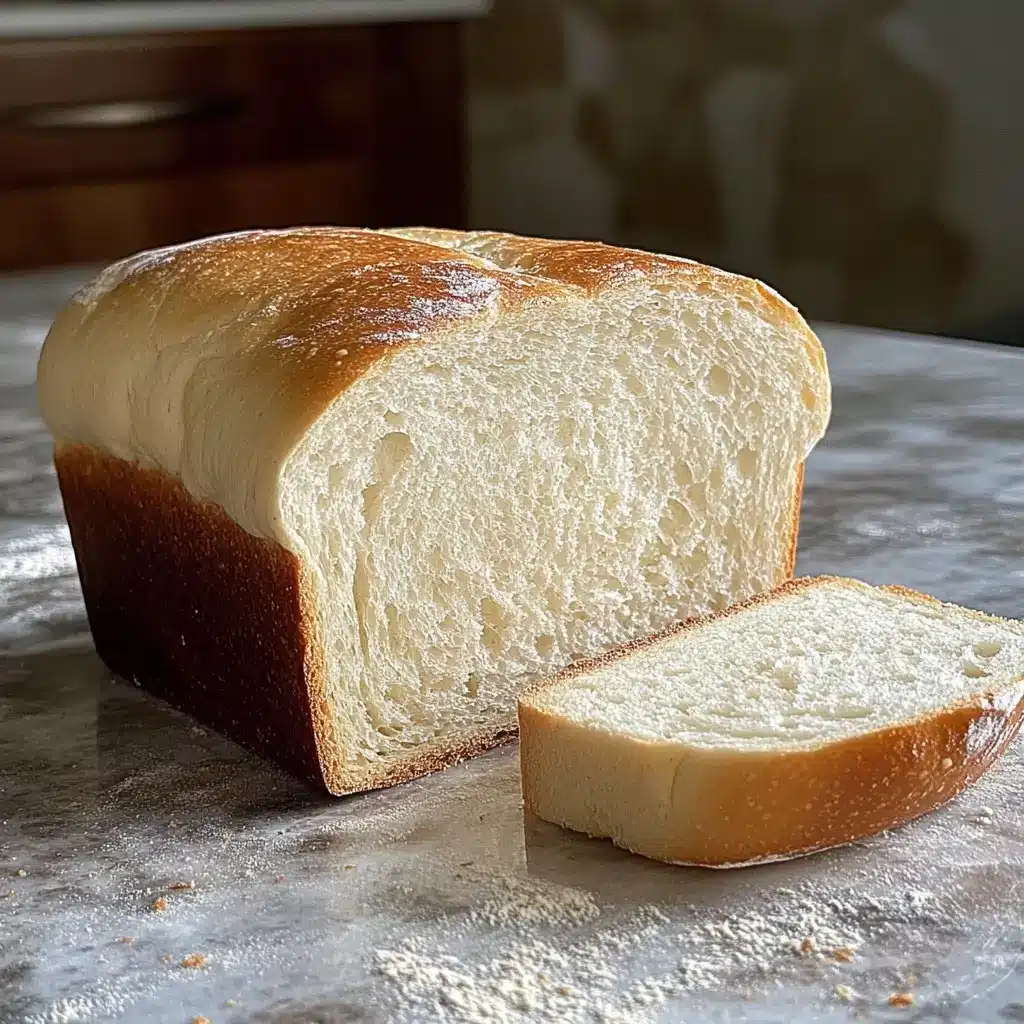

There’s something truly magical about the aroma of freshly baked bread wafting through the house. It’s a scent that evokes feelings of warmth, comfort, and home. For years, I’ve relied on store-bought loaves, convenient as they are, but they always seemed to lack that certain something – that soulfulness that only homemade can provide. That’s why I embarked on a quest to perfect my own white sandwich bread recipe, and after countless trials and tweaks, I’ve landed on a winner: this Farmhouse White Sandwich Bread. The first time I pulled a loaf of this bread from the oven, golden brown and gloriously puffed, I knew I had struck gold. The crust is perfectly thin and slightly chewy, giving way to an interior that is unbelievably soft, tender, and airy. My family, usually quite discerning bread critics, devoured the first loaf in record time, slathering slices with butter, turning it into grilled cheese sandwiches, and even just tearing off chunks to enjoy on their own. Since then, this recipe has become a staple in our kitchen, a comforting constant that we look forward to week after week. It’s surprisingly easy to make, requiring minimal effort for maximum reward. If you’ve ever dreamt of baking your own perfect sandwich bread, look no further. This Farmhouse White Sandwich Bread recipe is your ticket to homemade bread bliss.
Ingredients
The beauty of farmhouse white sandwich bread lies in its simplicity. You don’t need a pantry full of exotic ingredients, just a handful of staples that you likely already have on hand. Each ingredient plays a crucial role in creating the perfect texture and flavor of this classic loaf. Let’s delve into each component and understand its purpose:
- 3 ½ cups (420g) Bread Flour: Bread flour is the star of the show here. Its high protein content (typically 12-14%) is essential for developing strong gluten, which gives the bread its structure, chewiness, and wonderful rise. Using all-purpose flour will still yield bread, but the texture will be noticeably different – less chewy and potentially denser. For the best results in sandwich bread, bread flour is highly recommended. When measuring flour, it’s crucial to do it accurately. Spoon the flour into your measuring cup and level it off with a straight edge. Avoid scooping directly from the bag, as this can compact the flour and lead to using too much, resulting in a dry loaf.
- 1 ½ cups (360ml) Lukewarm Milk: Milk contributes to a softer crumb and richer flavor compared to using water alone. The milkfat tenderizes the dough, and the lactose adds a subtle sweetness and aids in browning. It’s important that the milk is lukewarm, ideally between 105-115°F (40-46°C). This temperature range is optimal for activating the yeast without overheating and potentially killing it. You can use whole milk, 2%, or even skim milk, although whole or 2% milk will contribute to a richer flavor and slightly softer texture. If you don’t have milk, you can substitute water, but the bread may be slightly less tender.
- 2 tablespoons (25g) Granulated Sugar: Sugar serves multiple purposes in this recipe. Firstly, it provides food for the yeast, encouraging it to become active and produce carbon dioxide, which is essential for the bread to rise. Secondly, sugar adds a touch of sweetness to the bread, balancing the savory notes and enhancing the overall flavor. Finally, sugar also contributes to the browning of the crust during baking, giving the loaf its beautiful golden color. You can use regular granulated sugar or caster sugar. Avoid using brown sugar or powdered sugar as they will alter the flavor and texture.
- 2 teaspoons (12g) Salt: Salt is a critical ingredient in bread making, and it’s not just for flavor. Salt controls the yeast activity, slowing it down and preventing the dough from rising too quickly, which can lead to a weak gluten structure and a bread that collapses. Salt also strengthens the gluten network, contributing to the dough’s elasticity and the bread’s overall texture. It also enhances the flavor of all the other ingredients, bringing them into balance. Use regular table salt or fine sea salt. Avoid using coarse salt, as it may not dissolve properly in the dough.
- 2 tablespoons (28g) Unsalted Butter, melted: Melted unsalted butter adds richness, flavor, and tenderness to the bread. The fat in the butter coats the flour particles, inhibiting gluten development slightly, which results in a softer and more tender crumb. It also contributes to a more moist loaf and helps to extend its shelf life. Unsalted butter is preferred so that you can control the salt content in the recipe. Make sure the butter is melted and slightly cooled before adding it to the dough, as hot butter can potentially harm the yeast. You can substitute with vegetable oil or olive oil if you prefer, but butter will provide the best flavor and texture for this farmhouse style bread.
- 2 ¼ teaspoons (7g) Active Dry Yeast or Instant Yeast: Yeast is the leavening agent that makes the bread rise. Active dry yeast needs to be proofed in lukewarm liquid before being added to the dry ingredients, while instant yeast can be added directly to the dry ingredients. For this recipe, either type of yeast will work. Ensure your yeast is fresh and active. Expired yeast will not effectively leaven the bread. If using active dry yeast, proof it in the lukewarm milk along with the sugar for about 5-10 minutes until it becomes foamy. This indicates that the yeast is alive and active. If using instant yeast, you can skip the proofing step and add it directly to the dry ingredients.
Instructions
Baking bread from scratch might seem daunting, but this Farmhouse White Sandwich Bread recipe is designed to be approachable even for beginner bakers. Follow these step-by-step instructions carefully, and you’ll be rewarded with a beautifully fragrant and delicious loaf.
Step 1: Activate the Yeast (if using Active Dry Yeast)
If you are using active dry yeast, this step is crucial to ensure your yeast is alive and ready to work its magic. In a large mixing bowl, warm the milk to lukewarm temperature (105-115°F or 40-46°C). The milk should feel comfortably warm to the touch, not hot. Add the sugar to the warm milk and stir to dissolve. Sprinkle the active dry yeast over the milk-sugar mixture. Let it stand for 5-10 minutes, or until the yeast becomes foamy and bubbly. This indicates that the yeast is active and ready to leaven the dough. If using instant yeast, you can skip this step and proceed directly to Step 2, adding the instant yeast to the dry ingredients.
Step 2: Combine Dry Ingredients
In a separate large mixing bowl (if not using the same bowl from step 1, ensure it’s clean and dry), whisk together the bread flour and salt. Whisking helps to aerate the flour and evenly distribute the salt throughout, ensuring consistent results in your dough. Creating a well-mixed base of dry ingredients is essential for even gluten development and flavor distribution.
Step 3: Combine Wet and Dry Ingredients and Form Dough
Make a well in the center of the dry ingredients. Pour the melted and slightly cooled butter and the milk-yeast mixture (whether proofed active dry yeast or lukewarm milk with instant yeast added directly) into the well. Using a wooden spoon or spatula, gradually mix the wet ingredients into the dry ingredients, starting from the center and working outwards. Continue mixing until a shaggy dough forms. At this stage, the dough will be quite sticky and appear uneven, but don’t worry, it will come together during kneading.
Step 4: Knead the Dough
Turn the dough out onto a lightly floured surface. Kneading is the process of developing gluten, the protein in flour that gives bread its structure and chewiness. To knead, use the heel of your hand to push the dough away from you, then fold it back over itself. Rotate the dough a quarter turn and repeat the process. Continue kneading for 8-10 minutes if kneading by hand, or 6-8 minutes if using a stand mixer with a dough hook. The dough will start out sticky, but as you knead, it will become smoother, more elastic, and less sticky. You’ll know the dough is sufficiently kneaded when it is smooth, springy to the touch, and passes the “windowpane test.” To perform the windowpane test, take a small piece of dough and gently stretch it between your fingers. If you can stretch it thin enough to see light through it without tearing, like a windowpane, then the gluten is well-developed, and the dough is ready. If it tears easily, continue kneading for a few more minutes and test again. If using a stand mixer, knead on medium-low speed with the dough hook until the dough pulls away from the sides of the bowl and forms a smooth ball.
Step 5: First Rise (Bulk Fermentation)
Place the kneaded dough in a lightly oiled large bowl. Turn the dough to coat it lightly with oil, which will prevent it from drying out during rising. Cover the bowl tightly with plastic wrap or a clean kitchen towel. Place the bowl in a warm, draft-free place to rise. A warm oven (turned off), a slightly warm room, or even a microwave (turned off) are good options. Let the dough rise for 1-1 ½ hours, or until it has doubled in size. The rising time will vary depending on the temperature of your environment; warmer temperatures will lead to faster rising. To check if the dough has doubled, gently poke it with two fingers. If the indentations remain, the dough has risen sufficiently.
Step 6: Punch Down the Dough
Once the dough has doubled in size, gently punch it down in the bowl. This releases the trapped carbon dioxide and redistributes the yeast, preparing the dough for its second rise and shaping. Turn the dough out onto a lightly floured surface.
Step 7: Shape the Dough
Gently shape the dough into a loaf. Pat the dough into a rectangle, approximately 8×12 inches. Starting from the short end, tightly roll the dough up like a jelly roll. Pinch the seam closed along the bottom and tuck the ends under to create a neat loaf shape. This tight shaping is important for creating a loaf with good structure and even texture.
Step 8: Second Rise (Proofing)
Grease a standard 9×5 inch loaf pan with butter or cooking spray. Place the shaped loaf seam-down into the prepared loaf pan. Cover loosely with plastic wrap or a clean kitchen towel. Let the dough rise again in a warm, draft-free place for 45-60 minutes, or until it has almost doubled in size and is domed slightly above the rim of the pan. This second rise, known as proofing, is crucial for achieving a light and airy texture in the final bread. Do not over-proof the dough, as it can collapse during baking. The dough is ready when it springs back slowly when gently poked.
Step 9: Bake the Bread
Preheat oven to 375°F (190°C). Once the oven is preheated and the dough has proofed, bake the bread for 30-35 minutes, or until the crust is golden brown and the internal temperature reaches 200-210°F (93-99°C). You can use an instant-read thermometer inserted into the center of the loaf to check the internal temperature. If the crust is browning too quickly, you can tent the loaf loosely with aluminum foil for the last 10-15 minutes of baking.
Step 10: Cool and Slice
Once baked, remove the loaf pan from the oven and let it cool in the pan for 5-10 minutes. Then, carefully invert the loaf onto a wire rack to cool completely before slicing. Cooling the bread completely is essential before slicing, as slicing warm bread can result in a gummy texture and a squashed loaf. Resist the temptation to cut into it while it’s hot; patience will be rewarded with perfectly sliced, beautifully textured bread. Once cooled, slice and enjoy!
Nutrition Facts
(Please note: Nutritional information is an estimate and can vary based on specific ingredients and serving sizes.)
Serving Size: 1 slice (approximately 1/16th of the loaf)
Servings Per Loaf: 16
Approximate Nutrition Facts Per Serving:
- Calories: 150-180 kcal
- Protein: 4-5g
- Carbohydrates: 25-30g
- Fiber: 1-2g
- Sugar: 2-3g
- Fat: 3-4g
- Saturated Fat: 1-2g
- Sodium: 150-200mg
Disclaimer: These values are estimates and for informational purposes only. For precise nutritional information, use a nutrition calculator with the specific brands and quantities of ingredients used. Homemade bread is generally lower in preservatives and additives compared to commercially produced bread, and you have control over the ingredients used.
Preparation Time
The total time to make this Farmhouse White Sandwich Bread, from start to finish, is approximately 3-4 hours, including rising and baking time. While it may seem like a lengthy process, much of it is hands-off time while the dough is rising. Active preparation time is relatively short.
- Prep Time: 20-30 minutes (measuring ingredients, mixing dough, kneading)
- First Rise: 1-1 ½ hours
- Shaping & Second Rise (Proofing): 1 hour – 1 hour 15 minutes
- Baking Time: 30-35 minutes
- Cooling Time: 1-2 hours (recommended before slicing)
Total Time (Approximate): 3 hours 30 minutes – 4 hours 30 minutes
How to Serve
Farmhouse White Sandwich Bread is incredibly versatile and can be enjoyed in countless ways. Its mild flavor and soft texture make it the perfect base for both sweet and savory dishes. Here are some delicious serving suggestions:
- Classic Sandwiches:
- Deli Sandwiches: Pair with your favorite deli meats like ham, turkey, roast beef, or salami. Add cheese, lettuce, tomato, and your preferred condiments for a satisfying lunch.
- Peanut Butter and Jelly: A timeless classic that is always a hit. Use smooth or crunchy peanut butter and your favorite jelly or jam.
- Grilled Cheese: The soft texture and slight chew of this bread make it ideal for grilled cheese. Experiment with different cheeses for variety.
- BLT: Crispy bacon, lettuce, and tomato with mayonnaise on toasted slices of farmhouse white bread is a summertime favorite.
- Egg Salad Sandwich: Creamy egg salad nestled between slices of this soft bread is a perfect light lunch or snack.
- Toast and Toppings:
- Butter and Jam/Jelly: Simple yet satisfying. Enjoy toasted slices with butter and your favorite fruit preserves.
- Avocado Toast: Top toasted slices with mashed avocado, a sprinkle of salt and pepper, and red pepper flakes for a trendy and healthy breakfast or snack.
- Cinnamon Toast: Spread butter on toasted slices, sprinkle with cinnamon and sugar, and bake briefly for a warm and comforting treat.
- Cream Cheese and Smoked Salmon: A sophisticated and flavorful topping for breakfast or brunch.
- Ricotta and Honey: Spread creamy ricotta cheese on toasted slices and drizzle with honey for a sweet and savory combination.
- Breakfast Dishes:
- French Toast: Farmhouse white bread soaks up the custard beautifully, creating incredibly delicious and fluffy French toast.
- Bread Pudding: Use day-old bread to make a comforting and flavorful bread pudding, perfect for dessert or brunch.
- Breakfast Casseroles: Cubed farmhouse white bread can be used as a base for breakfast casseroles, adding texture and substance.
- Accompaniments to Meals:
- Soup and Stews: Serve slices of fresh farmhouse white bread alongside hearty soups and stews for dipping and soaking up flavorful broth.
- Salads: Toasted bread cubes can be used to make croutons for salads, adding crunch and flavor.
- Pasta Dishes: Serve slices of bread with pasta dishes to mop up delicious sauces.
- Other Creative Uses:
- Breadcrumbs: Stale bread can be dried and turned into homemade breadcrumbs for coating chicken, fish, or topping casseroles.
- Panzanella Salad: Use slightly stale bread in a traditional Italian bread salad with tomatoes, cucumbers, and onions.
Additional Tips for Perfect Farmhouse White Sandwich Bread
Baking bread is a rewarding process, and with a few key tips, you can consistently bake perfect loaves of farmhouse white sandwich bread. Here are five essential tips to ensure baking success:
- Use Fresh and Active Yeast: Yeast is the heart of bread making. Ensure your yeast is fresh and active for proper leavening. Check the expiration date on the yeast package. If you are unsure about your yeast’s activity, proof it as described in Step 1 of the instructions, even if using instant yeast. If it doesn’t become foamy, your yeast may be expired and needs to be replaced. Storing yeast in an airtight container in the refrigerator or freezer can help extend its shelf life.
- Measure Ingredients Accurately: Baking is a science, and precise measurements are crucial, especially when it comes to flour and yeast. Use measuring cups and spoons specifically designed for baking. For flour, spoon it into the measuring cup and level it off with a straight edge, rather than scooping directly from the bag, which can compact the flour. Using a kitchen scale to weigh ingredients is even more accurate, particularly for flour. Gram measurements are included in the ingredient list for greater precision.
- Knead the Dough Adequately: Kneading is essential for developing gluten, which gives bread its structure and chewiness. Knead the dough for the recommended time (8-10 minutes by hand, 6-8 minutes in a stand mixer) until it is smooth, elastic, and passes the windowpane test. Under-kneading can result in a dense, flat loaf, while over-kneading is less common with hand kneading but possible with a stand mixer, leading to tougher bread.
- Control the Proofing Environment: A warm, draft-free environment is ideal for dough rising. The optimal temperature for yeast activity is around 75-80°F (24-27°C). If your kitchen is cold, you can create a warmer environment by placing the bowl of dough in a slightly warm oven (turned off), a microwave (turned off), or near a warm spot in your house. Avoid overly warm temperatures, as they can cause the yeast to rise too quickly and potentially collapse. Monitor the dough during rising and proofing; don’t rely solely on time.
- Don’t Overbake: Overbaking can lead to dry, tough bread. Bake the loaf for the recommended time and check for doneness using an instant-read thermometer. The internal temperature should reach 200-210°F (93-99°C). The crust should be golden brown, and the loaf should sound hollow when tapped on the bottom. If the crust is browning too quickly, tent it loosely with aluminum foil. Remove the bread from the oven as soon as it’s done to prevent overbaking.
Frequently Asked Questions (FAQ)
Here are some common questions bakers often have when making farmhouse white sandwich bread:
Q1: My dough is too sticky, what should I do?
A: A slightly sticky dough is normal for this recipe, especially initially. However, if your dough is excessively sticky and unmanageable, it could be due to a few reasons. You may have added too much liquid, or the flour may not have absorbed all the moisture yet. During kneading, try adding a tablespoon of flour at a time, kneading it in until the dough becomes more manageable but still slightly tacky. Avoid adding too much flour, as this can make the bread dry. Also, ensure you are kneading on a lightly floured surface, and keep your hands lightly floured as well to prevent sticking.
Q2: Why did my bread not rise properly?
A: There are several potential reasons for bread not rising adequately. The most common culprit is inactive or expired yeast. Ensure your yeast is fresh and active. Another reason could be the temperature of the liquid used to activate the yeast. If the milk was too hot, it could have killed the yeast. If it was too cold, the yeast may not have activated properly. Lukewarm milk (105-115°F or 40-46°C) is ideal. Additionally, a cold proofing environment can significantly slow down or prevent rising. Ensure you place the dough in a warm, draft-free location for both the first and second rise.
Q3: Can I use all-purpose flour instead of bread flour?
A: While you can use all-purpose flour, bread flour is highly recommended for this recipe to achieve the best texture. Bread flour has a higher protein content, which is essential for developing strong gluten and creating a chewy, well-structured sandwich bread. Using all-purpose flour will result in a softer, less chewy, and potentially denser loaf. If you must use all-purpose flour, you can try adding 1-2 teaspoons of vital wheat gluten per cup of all-purpose flour to help improve the gluten development.
Q4: How do I store leftover farmhouse white sandwich bread?
A: To keep your farmhouse white sandwich bread fresh, store it at room temperature in an airtight bag or container for up to 3-4 days. For longer storage, you can freeze the bread. Slice the bread before freezing for easier thawing. Wrap the slices tightly in plastic wrap and then place them in a freezer-safe bag or container. Frozen bread can last for up to 2-3 months. Thaw frozen bread at room temperature or toast directly from frozen.
Q5: Can I make this recipe in a bread machine?
A: Yes, you can adapt this recipe for a bread machine. Consult your bread machine’s manual for instructions on using the dough cycle or the basic white bread cycle. Generally, you would add the ingredients to the bread machine in the order recommended by your machine’s manufacturer (usually liquids first, then dry ingredients, with yeast last). Use the dough cycle to knead and rise the dough, then shape it into a loaf and bake in the oven as instructed in the recipe for a better crust and shape. Alternatively, some bread machines can bake the entire loaf. Follow your bread machine’s instructions for loaf size and crust settings.
Enjoy the delightful experience of baking and savoring your own homemade Farmhouse White Sandwich Bread!
Print
Farmhouse White Sandwich Bread Recipe
Ingredients
- 3 ½ cups (420g) Bread Flour: Bread flour is the star of the show here. Its high protein content (typically 12-14%) is essential for developing strong gluten, which gives the bread its structure, chewiness, and wonderful rise. Using all-purpose flour will still yield bread, but the texture will be noticeably different – less chewy and potentially denser. For the best results in sandwich bread, bread flour is highly recommended. When measuring flour, it’s crucial to do it accurately. Spoon the flour into your measuring cup and level it off with a straight edge. Avoid scooping directly from the bag, as this can compact the flour and lead to using too much, resulting in a dry loaf.
- 1 ½ cups (360ml) Lukewarm Milk: Milk contributes to a softer crumb and richer flavor compared to using water alone. The milkfat tenderizes the dough, and the lactose adds a subtle sweetness and aids in browning. It’s important that the milk is lukewarm, ideally between 105-115°F (40-46°C). This temperature range is optimal for activating the yeast without overheating and potentially killing it. You can use whole milk, 2%, or even skim milk, although whole or 2% milk will contribute to a richer flavor and slightly softer texture. If you don’t have milk, you can substitute water, but the bread may be slightly less tender.
- 2 tablespoons (25g) Granulated Sugar: Sugar serves multiple purposes in this recipe. Firstly, it provides food for the yeast, encouraging it to become active and produce carbon dioxide, which is essential for the bread to rise. Secondly, sugar adds a touch of sweetness to the bread, balancing the savory notes and enhancing the overall flavor. Finally, sugar also contributes to the browning of the crust during baking, giving the loaf its beautiful golden color. You can use regular granulated sugar or caster sugar. Avoid using brown sugar or powdered sugar as they will alter the flavor and texture.
- 2 teaspoons (12g) Salt: Salt is a critical ingredient in bread making, and it’s not just for flavor. Salt controls the yeast activity, slowing it down and preventing the dough from rising too quickly, which can lead to a weak gluten structure and a bread that collapses. Salt also strengthens the gluten network, contributing to the dough’s elasticity and the bread’s overall texture. It also enhances the flavor of all the other ingredients, bringing them into balance. Use regular table salt or fine sea salt. Avoid using coarse salt, as it may not dissolve properly in the dough.
- 2 tablespoons (28g) Unsalted Butter, melted: Melted unsalted butter adds richness, flavor, and tenderness to the bread. The fat in the butter coats the flour particles, inhibiting gluten development slightly, which results in a softer and more tender crumb. It also contributes to a more moist loaf and helps to extend its shelf life. Unsalted butter is preferred so that you can control the salt content in the recipe. Make sure the butter is melted and slightly cooled before adding it to the dough, as hot butter can potentially harm the yeast. You can substitute with vegetable oil or olive oil if you prefer, but butter will provide the best flavor and texture for this farmhouse style bread.
- 2 ¼ teaspoons (7g) Active Dry Yeast or Instant Yeast: Yeast is the leavening agent that makes the bread rise. Active dry yeast needs to be proofed in lukewarm liquid before being added to the dry ingredients, while instant yeast can be added directly to the dry ingredients. For this recipe, either type of yeast will work. Ensure your yeast is fresh and active. Expired yeast will not effectively leaven the bread. If using active dry yeast, proof it in the lukewarm milk along with the sugar for about 5-10 minutes until it becomes foamy. This indicates that the yeast is alive and active. If using instant yeast, you can skip the proofing step and add it directly to the dry ingredients.
Instructions
Step 1: Activate the Yeast (if using Active Dry Yeast)
If you are using active dry yeast, this step is crucial to ensure your yeast is alive and ready to work its magic. In a large mixing bowl, warm the milk to lukewarm temperature (105-115°F or 40-46°C). The milk should feel comfortably warm to the touch, not hot. Add the sugar to the warm milk and stir to dissolve. Sprinkle the active dry yeast over the milk-sugar mixture. Let it stand for 5-10 minutes, or until the yeast becomes foamy and bubbly. This indicates that the yeast is active and ready to leaven the dough. If using instant yeast, you can skip this step and proceed directly to Step 2, adding the instant yeast to the dry ingredients.
Step 2: Combine Dry Ingredients
In a separate large mixing bowl (if not using the same bowl from step 1, ensure it’s clean and dry), whisk together the bread flour and salt. Whisking helps to aerate the flour and evenly distribute the salt throughout, ensuring consistent results in your dough. Creating a well-mixed base of dry ingredients is essential for even gluten development and flavor distribution.
Step 3: Combine Wet and Dry Ingredients and Form Dough
Make a well in the center of the dry ingredients. Pour the melted and slightly cooled butter and the milk-yeast mixture (whether proofed active dry yeast or lukewarm milk with instant yeast added directly) into the well. Using a wooden spoon or spatula, gradually mix the wet ingredients into the dry ingredients, starting from the center and working outwards. Continue mixing until a shaggy dough forms. At this stage, the dough will be quite sticky and appear uneven, but don’t worry, it will come together during kneading.
Step 4: Knead the Dough
Turn the dough out onto a lightly floured surface. Kneading is the process of developing gluten, the protein in flour that gives bread its structure and chewiness. To knead, use the heel of your hand to push the dough away from you, then fold it back over itself. Rotate the dough a quarter turn and repeat the process. Continue kneading for 8-10 minutes if kneading by hand, or 6-8 minutes if using a stand mixer with a dough hook. The dough will start out sticky, but as you knead, it will become smoother, more elastic, and less sticky. You’ll know the dough is sufficiently kneaded when it is smooth, springy to the touch, and passes the “windowpane test.” To perform the windowpane test, take a small piece of dough and gently stretch it between your fingers. If you can stretch it thin enough to see light through it without tearing, like a windowpane, then the gluten is well-developed, and the dough is ready. If it tears easily, continue kneading for a few more minutes and test again. If using a stand mixer, knead on medium-low speed with the dough hook until the dough pulls away from the sides of the bowl and forms a smooth ball.
Step 5: First Rise (Bulk Fermentation)
Place the kneaded dough in a lightly oiled large bowl. Turn the dough to coat it lightly with oil, which will prevent it from drying out during rising. Cover the bowl tightly with plastic wrap or a clean kitchen towel. Place the bowl in a warm, draft-free place to rise. A warm oven (turned off), a slightly warm room, or even a microwave (turned off) are good options. Let the dough rise for 1-1 ½ hours, or until it has doubled in size. The rising time will vary depending on the temperature of your environment; warmer temperatures will lead to faster rising. To check if the dough has doubled, gently poke it with two fingers. If the indentations remain, the dough has risen sufficiently.
Step 6: Punch Down the Dough
Once the dough has doubled in size, gently punch it down in the bowl. This releases the trapped carbon dioxide and redistributes the yeast, preparing the dough for its second rise and shaping. Turn the dough out onto a lightly floured surface.
Step 7: Shape the Dough
Gently shape the dough into a loaf. Pat the dough into a rectangle, approximately 8×12 inches. Starting from the short end, tightly roll the dough up like a jelly roll. Pinch the seam closed along the bottom and tuck the ends under to create a neat loaf shape. This tight shaping is important for creating a loaf with good structure and even texture.
Step 8: Second Rise (Proofing)
Grease a standard 9×5 inch loaf pan with butter or cooking spray. Place the shaped loaf seam-down into the prepared loaf pan. Cover loosely with plastic wrap or a clean kitchen towel. Let the dough rise again in a warm, draft-free place for 45-60 minutes, or until it has almost doubled in size and is domed slightly above the rim of the pan. This second rise, known as proofing, is crucial for achieving a light and airy texture in the final bread. Do not over-proof the dough, as it can collapse during baking. The dough is ready when it springs back slowly when gently poked.
Step 9: Bake the Bread
Preheat oven to 375°F (190°C). Once the oven is preheated and the dough has proofed, bake the bread for 30-35 minutes, or until the crust is golden brown and the internal temperature reaches 200-210°F (93-99°C). You can use an instant-read thermometer inserted into the center of the loaf to check the internal temperature. If the crust is browning too quickly, you can tent the loaf loosely with aluminum foil for the last 10-15 minutes of baking.
Step 10: Cool and Slice
Once baked, remove the loaf pan from the oven and let it cool in the pan for 5-10 minutes. Then, carefully invert the loaf onto a wire rack to cool completely before slicing. Cooling the bread completely is essential before slicing, as slicing warm bread can result in a gummy texture and a squashed loaf. Resist the temptation to cut into it while it’s hot; patience will be rewarded with perfectly sliced, beautifully textured bread. Once cooled, slice and enjoy!
Nutrition
- Serving Size: One Normal Portion
- Calories: 150-180 kcal
- Sugar: 2-3g
- Sodium: 150-200mg
- Fat: 3-4g
- Saturated Fat: 1-2g
- Carbohydrates: 25-30g
- Fiber: 1-2g
- Protein: 4-5g