
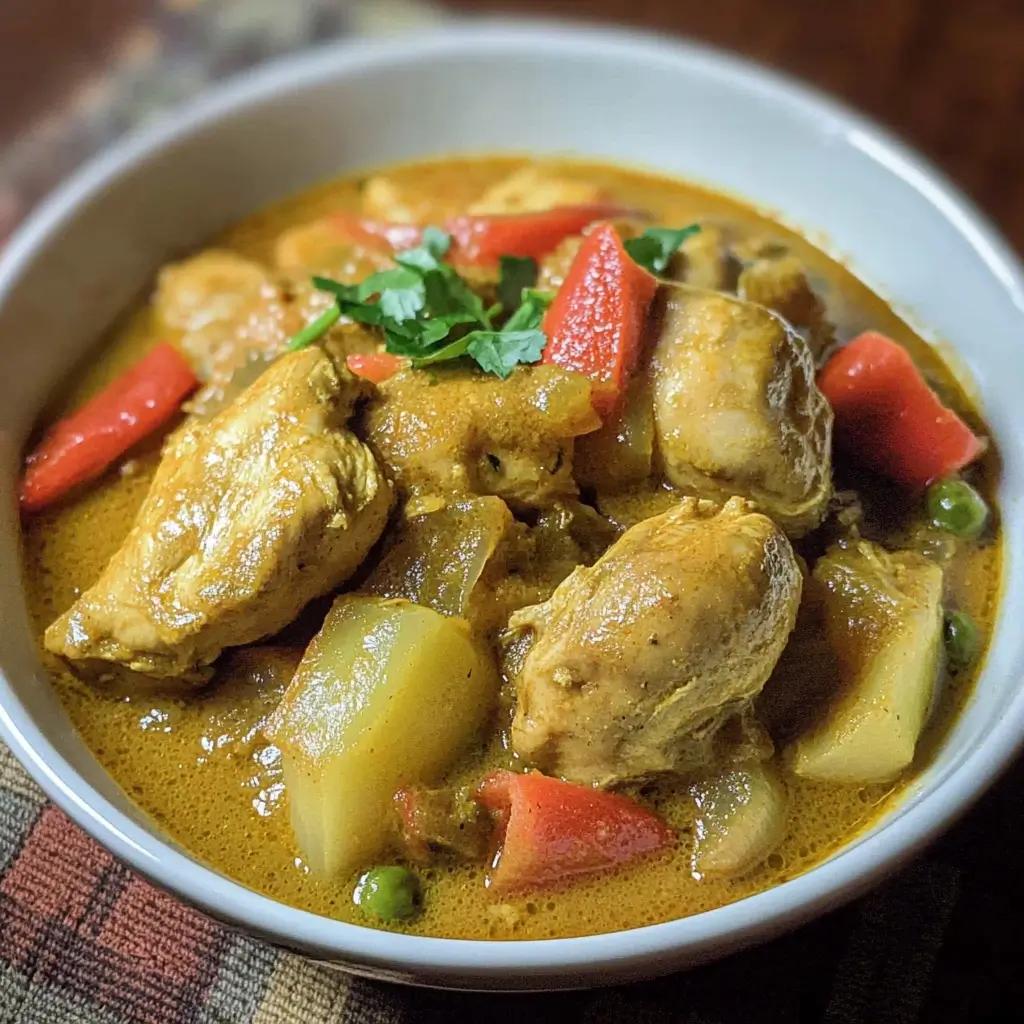

There’s a certain magic that happens when the aroma of Filipino Chicken Curry starts to fill the kitchen. For me, it’s not just a dish; it’s a warm hug, a reminder of boisterous family gatherings and the simple joy of sharing a home-cooked meal. I remember the first time I truly perfected this recipe, tweaking it until the sauce was just the right consistency – creamy but not too heavy, rich with coconut milk, and fragrant with a gentle, warming curry spice that’s uniquely Filipino. My kids, who can be picky eaters, absolutely devour it, especially when spooned generously over a mound of fluffy steamed rice. The potatoes and carrots absorb the flavorful sauce beautifully, becoming tender jewels in a golden sea. It’s a dish that’s both comforting and subtly exotic, a testament to the beautiful fusion of flavors that characterizes Filipino cuisine. This particular version has become a staple in our home, requested for birthdays, rainy days, or whenever we need a taste of home.
The Ultimate Filipino Chicken Curry: A Taste of Home
Filipino Chicken Curry, or Kare-Kareng Manok as some might loosely refer to its curry nature (though distinct from the peanut-based Kare-Kare), stands out with its milder, sweeter, and creamier profile compared to its South Asian or Thai counterparts. It often features a vibrant yellow hue from turmeric-rich curry powder and relies heavily on the creaminess of coconut milk, often enhanced with evaporated milk for extra richness. This recipe balances those signature Filipino tastes – a touch of umami from fish sauce, the gentle heat of ginger, and the sweetness of carrots and bell peppers, all enveloped in a luscious, aromatic sauce.
Gather Your Treasures: Complete Ingredients List
To embark on this culinary journey, you’ll need a selection of fresh ingredients that come together to create a symphony of flavors and textures. Precision is key, but feel free to adjust seasonings to your personal preference.
- For the Chicken & Marinade (Optional but Recommended):
- Chicken: 2.5 lbs (approx. 1.15 kg) bone-in, skin-on chicken pieces (thighs and drumsticks work best for flavor and moisture)
- Fish Sauce (Patis): 2 tablespoons (for marinade)
- Ground Black Pepper: 1/2 teaspoon (for marinade)
- Garlic Powder: 1 teaspoon (for marinade, optional)
- Aromatics & Base:
- Cooking Oil: 3 tablespoons (vegetable, canola, or coconut oil)
- Yellow Onion: 1 large, chopped (about 1.5 cups)
- Garlic: 6-8 cloves, minced (about 2 tablespoons)
- Ginger: 2-inch piece, peeled and julienned or minced (about 2 tablespoons)
- Filipino-style Yellow Curry Powder: 3-4 tablespoons (adjust to taste; use a milder blend)
- Fish Sauce (Patis): 2-3 tablespoons (for sautéing, adjust to taste)
- Vegetables:
- Potatoes: 2-3 medium (about 1 lb or 450g), peeled and cut into 1.5-inch cubes (Yukon Gold or red potatoes are good choices)
- Carrots: 2 large (about 1/2 lb or 225g), peeled and sliced into 1/2-inch thick rounds or chunks
- Red Bell Pepper: 1 large, deseeded and cut into 1-inch strips or squares
- Green Bell Pepper: 1 large, deseeded and cut into 1-inch strips or squares
- Celery Stalks (Optional): 2 stalks, sliced diagonally (adds a nice subtle freshness)
- Green Peas (Optional): 1/2 cup, fresh or frozen
- The Creamy Sauce:
- Full-Fat Coconut Milk: 1 can (13.5 oz / 400ml) – ensure it’s good quality for best results
- Evaporated Milk (Optional but traditional for extra creaminess): 1/2 cup (120ml)
- Chicken Broth or Water: 1 to 1.5 cups (240-360ml), as needed to reach desired consistency
- Bay Leaves: 2 pieces
- Seasoning & Garnish:
- Salt: To taste (be mindful of the fish sauce)
- Freshly Ground Black Pepper: To taste
- Sugar (Optional): 1/2 to 1 teaspoon, to balance flavors
- Fresh Cilantro or Green Onions: Chopped, for garnish (optional)
- Thai Chilies or Siling Labuyo (Optional): Sliced, for those who like extra heat
Crafting the Curry: Step-by-Step Instructions
Follow these detailed instructions to create a Filipino Chicken Curry that will transport you straight to the islands. Mise en place (having all your ingredients prepped and ready) is highly recommended before you begin cooking.
- Prepare the Chicken (Optional Marination):
- If you choose to marinate, combine the chicken pieces in a bowl with 2 tablespoons of fish sauce, 1/2 teaspoon of ground black pepper, and 1 teaspoon of garlic powder (if using). Mix well, cover, and refrigerate for at least 30 minutes, or up to 4 hours. This step enhances the flavor of the chicken itself. If skipping, simply season the chicken with salt and pepper.
- Sauté Aromatics – Building the Flavor Base:
- Heat the cooking oil in a large, heavy-bottomed pot or Dutch oven over medium heat.
- Add the chopped onions and cook until softened and translucent, about 5-7 minutes. Stir occasionally to prevent burning.
- Add the minced garlic and julienned ginger. Sauté for another 2-3 minutes until fragrant. Be careful not to burn the garlic.
- Bloom the Curry Powder & Brown the Chicken:
- Add the curry powder to the pot with the aromatics. Stir continuously for about 1-2 minutes until the curry powder becomes fragrant and slightly darkens. This “blooming” process intensifies its flavor.
- Add the chicken pieces to the pot (if marinated, drain any excess liquid). Increase the heat slightly to medium-high. Brown the chicken on all sides, about 2-3 minutes per side. This searing locks in juices and adds depth of flavor. You may need to do this in batches to avoid overcrowding the pot.
- Once browned, add 2-3 tablespoons of fish sauce and stir to coat the chicken. Cook for another minute.
- Simmering the Foundation:
- Pour in the chicken broth (or water) and add the bay leaves. Ensure the chicken is mostly submerged. If not, add a little more liquid.
- Bring the liquid to a gentle simmer. Then, reduce the heat to low, cover the pot, and let it simmer for 15-20 minutes, or until the chicken is partially tender. This initial simmer allows the chicken to cook through gently and absorb the aromatic flavors.
- Adding the Vegetables – First Round:
- Add the cubed potatoes and sliced carrots to the pot. If using celery, add it now too.
- Stir gently to submerge them in the sauce. If the liquid level seems too low, you can add a little more broth or water.
- Cover the pot again and continue to simmer for another 10-15 minutes, or until the potatoes and carrots are almost tender when pierced with a fork.
- Introducing Creaminess & Final Vegetables:
- Pour in the full-fat coconut milk and the evaporated milk (if using). Stir gently to combine everything.
- Add the red and green bell pepper strips (and green peas, if using).
- Bring the curry back to a gentle simmer (do not bring to a rolling boil, as this can cause the coconut milk to curdle or separate).
- Cook uncovered for another 5-7 minutes, or until the bell peppers are tender-crisp and the sauce has thickened slightly to your desired consistency.
- Final Seasoning and Rest:
- Taste the sauce. Adjust seasoning with salt, freshly ground black pepper, and a pinch of sugar (if desired, to balance the flavors). If you want more umami, add a little more fish sauce, a teaspoon at a time. If you prefer more curry flavor, you can carefully stir in a bit more curry powder (mix it with a little hot liquid from the pot first to avoid clumps).
- Remove the bay leaves.
- Turn off the heat, cover the pot, and let the curry rest for at least 10-15 minutes before serving. This allows the flavors to meld together beautifully, and the sauce will continue to thicken slightly.
- Serve and Garnish:
- Ladle the Filipino Chicken Curry generously into bowls.
- Garnish with chopped fresh cilantro or green onions, and sliced Thai chilies if you like a bit of extra spice.
- Serve hot with steamed white rice.
Nutrition Facts (Approximate)
Understanding the nutritional aspect of what we eat is increasingly important. Here’s an estimated breakdown for this Filipino Chicken Curry:
- Servings: This recipe generously serves 6-8 people.
- Calories per serving (approximate, based on 6 servings): 550-650 kcal.
Disclaimer: The exact nutritional values can vary significantly based on specific ingredient brands, a particular cut of chicken used (e.g., skin on/off, exact fat content), the precise amount of oil, and whether evaporated milk is included. This is a general estimate for informational purposes.
Key contributors to the calorie count are the chicken (especially if skin-on), coconut milk, and oil. However, it’s also packed with protein from the chicken and vitamins and minerals from the array of vegetables.
Time Commitment: Preparation and Cooking
Good food often takes time, but this Filipino Chicken Curry is well worth the effort and is quite manageable for a weeknight if you prep ahead.
- Preparation Time: 25-35 minutes (includes chopping vegetables and marinating chicken if you opt for it). If you buy pre-cut vegetables or are very efficient with your knife skills, this can be reduced.
- Cooking Time: 50-65 minutes (includes browning, simmering, and finishing).
- Total Time: Approximately 1 hour 15 minutes to 1 hour 40 minutes.
The resting time of 10-15 minutes post-cooking is crucial for flavor development and is not included in the active cooking time but should be factored into your meal planning.
How to Serve Your Masterpiece
Serving Filipino Chicken Curry is an experience in itself. The vibrant colors and enticing aroma make it a feast for the senses. Here’s how to present and enjoy it:
- The Classic Companion:
- Steamed White Rice: This is non-negotiable for many. Fluffy, slightly sticky jasmine rice or any long-grain white rice is perfect for soaking up the delicious curry sauce. Serve a generous mound alongside or underneath the curry.
- Garnishes for Flair and Freshness:
- Fresh Herbs: A sprinkle of chopped fresh cilantro (wansoy) or thinly sliced green onions (scallions) adds a burst of freshness and color.
- Extra Heat (Optional): For those who love spice, offer a small bowl of sliced siling labuyo (Filipino bird’s eye chilies) or other fresh red chilies on the side.
- A Squeeze of Citrus: A small wedge of calamansi or lime served on the side can add a bright, tangy counterpoint if desired, though not strictly traditional for this curry.
- On the Side (Optional additions to round out the meal):
- Simple Green Salad: A light salad with a vinaigrette can offer a refreshing contrast.
- Acharang Papaya (Pickled Green Papaya): This traditional Filipino relish provides a tangy, sweet, and sour crunch that beautifully complements rich dishes like curry.
- Fried Garlic Bits: For an extra layer of flavor and texture, sprinkle some crispy fried garlic on top just before serving.
- Presentation Pointers:
- Serve in a large, deep serving bowl to showcase the colorful ingredients and ample sauce.
- Ensure each serving gets a good mix of chicken, vegetables, and plenty of that luscious sauce.
- For individual servings, ladle the curry over rice in wide, shallow bowls.
Additional Tips for Curry Perfection
Elevate your Filipino Chicken Curry from great to unforgettable with these expert tips:
- Invest in Quality Coconut Milk: The creaminess of your curry heavily depends on the coconut milk. Opt for full-fat, unsweetened coconut milk. Shake the can well before opening. For an even richer sauce, you can skim the thick cream from the top of the can and add it towards the end of cooking. Some traditional recipes even call for making fresh coconut milk if you’re feeling adventurous!
- Don’t Skip Browning the Chicken: Taking the time to properly brown the chicken pieces before simmering might seem like an extra step, but it’s crucial for developing deep, savory flavors (thanks to the Maillard reaction) and a more appealing color. Don’t overcrowd the pan when browning; do it in batches if necessary.
- Control the “Heat” (Spice Level): Filipino curry powder is generally milder than Indian or Thai versions. The “heat” in this dish often comes more from the ginger. If you want a spicier curry, you can add a pinch of cayenne pepper along with the curry powder, or incorporate fresh, chopped chilies (like siling haba or siling labuyo) when sautéing the aromatics or serve them on the side.
- Vegetable Timing is Key: Add vegetables in stages based on their cooking time. Potatoes and carrots go in earlier as they take longer to soften. Bell peppers and peas (if using) are added towards the end to retain some of their crispness and vibrant color. Overcooked, mushy vegetables are a common pitfall.
- Taste and Adjust Seasoning Generously: The given amounts for fish sauce, salt, and sugar are guidelines. Always taste your curry towards the end of cooking and adjust seasonings as needed. Fish sauce adds umami and saltiness, sugar can balance the flavors and cut through richness, and a touch more curry powder (bloomed in a little oil or hot liquid first) can intensify the curry flavor if desired. The final taste test is what makes the dish yours.
Frequently Asked Questions (FAQ) – Your Curry Queries Answered
Here are answers to some common questions about making Filipino Chicken Curry:
Q1: Can I use chicken breast instead of bone-in, skin-on pieces?
- A: Yes, you can use boneless, skinless chicken breast. Cut it into 1.5 to 2-inch cubes. However, be mindful that chicken breast cooks faster and can dry out more easily than bone-in, skin-on thighs or drumsticks. Reduce the initial simmering time for the chicken (step 4) and consider adding the chicken breast pieces a bit later, perhaps along with the potatoes and carrots, or even after they’ve partially cooked, to prevent overcooking. Thigh meat (boneless, skinless) is also a great alternative that stays more tender.
Q2: My curry sauce is too thin. How can I thicken it?
- A: There are a few ways:
- Simmer longer: Allow the curry to simmer uncovered for an additional 5-10 minutes; the excess liquid will evaporate, and the sauce will naturally reduce and thicken.
- Cornstarch Slurry: Mix 1 tablespoon of cornstarch with 2 tablespoons of cold water until smooth. Slowly whisk this slurry into the simmering curry and cook for a few minutes until it thickens. Use sparingly to avoid a gluey texture.
- Mash some potatoes: If your potatoes are very tender, you can gently mash a few pieces against the side of the pot to release their starch, which will help thicken the sauce naturally.
- Add more coconut cream: The solid cream from the top of a can of coconut milk can also help thicken and enrich the sauce when stirred in near the end.
Q3: Can I make Filipino Chicken Curry ahead of time? How do I store leftovers?
- A: Absolutely! Filipino Chicken Curry often tastes even better the next day as the flavors have more time to meld.
- To Make Ahead: Cook the curry as directed, let it cool completely, then store it in an airtight container in the refrigerator for up to 3-4 days.
- Storing Leftovers: Cool completely and refrigerate in an airtight container.
- Reheating: Reheat gently on the stovetop over low to medium heat, stirring occasionally, until warmed through. You might need to add a splash of water or chicken broth if the sauce has thickened too much upon refrigeration. Avoid boiling vigorously. Microwave reheating also works, but stovetop is preferred for even heating.
Q4: What kind of curry powder is best for Filipino Chicken Curry?
- A: The best curry powder for Filipino style is typically a mild, yellow curry powder. These blends often have a higher proportion of turmeric (which gives the characteristic yellow color) and are less pungent or spicy than some Indian (like garam masala) or Thai curry pastes/powders. Look for brands specifically marketed as “yellow curry powder” or “Madras curry powder” (which can be mild). Avoid overly spicy or dark-roasted curry powders unless you are intentionally aiming for a fusion flavor. Some Filipino markets may even carry curry powder blends specifically for this style of dish.
Q5: Can I make this dish vegetarian or vegan?
- A: Yes, you can adapt it!
- For Vegetarian: Substitute the chicken with firm or extra-firm tofu (cubed and pan-fried or baked until golden), chickpeas, or a medley of heartier vegetables like cauliflower florets, sweet potatoes, and green beans. Use vegetable broth instead of chicken broth. Ensure your fish sauce substitute is vegetarian (many vegan “fish sauces” made from seaweed are available, or use soy sauce/tamari with a pinch of MSG or mushroom powder for umami).
- For Vegan: Follow the vegetarian modifications. Crucially, ensure your coconut milk and evaporated milk substitute (like unsweetened plant-based evaporated milk, or simply more coconut milk/cream) are vegan. Double-check that your curry powder doesn’t contain any non-vegan ingredients (though most are plant-based). Omit the optional sugar or ensure it’s vegan-certified if that’s a concern.
This Filipino Chicken Curry is more than just a recipe; it’s an invitation to experience the warmth and hospitality of the Philippines in your own kitchen. Enjoy the process, savor the flavors, and share the love!
Print
Filipino Chicken Curry Recipe
Description
- For the Chicken & Marinade (Optional but Recommended):
- Chicken: 2.5 lbs (approx. 1.15 kg) bone-in, skin-on chicken pieces (thighs and drumsticks work best for flavor and moisture)
- Fish Sauce (Patis): 2 tablespoons (for marinade)
- Ground Black Pepper: 1/2 teaspoon (for marinade)
- Garlic Powder: 1 teaspoon (for marinade, optional)
- Aromatics & Base:
- Cooking Oil: 3 tablespoons (vegetable, canola, or coconut oil)
- Yellow Onion: 1 large, chopped (about 1.5 cups)
- Garlic: 6-8 cloves, minced (about 2 tablespoons)
- Ginger: 2-inch piece, peeled and julienned or minced (about 2 tablespoons)
- Filipino-style Yellow Curry Powder: 3-4 tablespoons (adjust to taste; use a milder blend)
- Fish Sauce (Patis): 2-3 tablespoons (for sautéing, adjust to taste)
- Vegetables:
- Potatoes: 2-3 medium (about 1 lb or 450g), peeled and cut into 1.5-inch cubes (Yukon Gold or red potatoes are good choices)
- Carrots: 2 large (about 1/2 lb or 225g), peeled and sliced into 1/2-inch thick rounds or chunks
- Red Bell Pepper: 1 large, deseeded and cut into 1-inch strips or squares
- Green Bell Pepper: 1 large, deseeded and cut into 1-inch strips or squares
- Celery Stalks (Optional): 2 stalks, sliced diagonally (adds a nice subtle freshness)
- Green Peas (Optional): 1/2 cup, fresh or frozen
- The Creamy Sauce:
- Full-Fat Coconut Milk: 1 can (13.5 oz / 400ml) – ensure it’s good quality for best results
- Evaporated Milk (Optional but traditional for extra creaminess): 1/2 cup (120ml)
- Chicken Broth or Water: 1 to 1.5 cups (240-360ml), as needed to reach desired consistency
- Bay Leaves: 2 pieces
- Seasoning & Garnish:
- Salt: To taste (be mindful of the fish sauce)
- Freshly Ground Black Pepper: To taste
- Sugar (Optional): 1/2 to 1 teaspoon, to balance flavors
- Fresh Cilantro or Green Onions: Chopped, for garnish (optional)
- Thai Chilies or Siling Labuyo (Optional): Sliced, for those who like extra heat
Ingredients
- Prepare the Chicken (Optional Marination):
- If you choose to marinate, combine the chicken pieces in a bowl with 2 tablespoons of fish sauce, 1/2 teaspoon of ground black pepper, and 1 teaspoon of garlic powder (if using). Mix well, cover, and refrigerate for at least 30 minutes, or up to 4 hours. This step enhances the flavor of the chicken itself. If skipping, simply season the chicken with salt and pepper.
- Sauté Aromatics – Building the Flavor Base:
- Heat the cooking oil in a large, heavy-bottomed pot or Dutch oven over medium heat.
- Add the chopped onions and cook until softened and translucent, about 5-7 minutes. Stir occasionally to prevent burning.
- Add the minced garlic and julienned ginger. Sauté for another 2-3 minutes until fragrant. Be careful not to burn the garlic.
- Bloom the Curry Powder & Brown the Chicken:
- Add the curry powder to the pot with the aromatics. Stir continuously for about 1-2 minutes until the curry powder becomes fragrant and slightly darkens. This “blooming” process intensifies its flavor.
- Add the chicken pieces to the pot (if marinated, drain any excess liquid). Increase the heat slightly to medium-high. Brown the chicken on all sides, about 2-3 minutes per side. This searing locks in juices and adds depth of flavor. You may need to do this in batches to avoid overcrowding the pot.
- Once browned, add 2-3 tablespoons of fish sauce and stir to coat the chicken. Cook for another minute.
- Simmering the Foundation:
- Pour in the chicken broth (or water) and add the bay leaves. Ensure the chicken is mostly submerged. If not, add a little more liquid.
- Bring the liquid to a gentle simmer. Then, reduce the heat to low, cover the pot, and let it simmer for 15-20 minutes, or until the chicken is partially tender. This initial simmer allows the chicken to cook through gently and absorb the aromatic flavors.
- Adding the Vegetables – First Round:
- Add the cubed potatoes and sliced carrots to the pot. If using celery, add it now too.
- Stir gently to submerge them in the sauce. If the liquid level seems too low, you can add a little more broth or water.
- Cover the pot again and continue to simmer for another 10-15 minutes, or until the potatoes and carrots are almost tender when pierced with a fork.
- Introducing Creaminess & Final Vegetables:
- Pour in the full-fat coconut milk and the evaporated milk (if using). Stir gently to combine everything.
- Add the red and green bell pepper strips (and green peas, if using).
- Bring the curry back to a gentle simmer (do not bring to a rolling boil, as this can cause the coconut milk to curdle or separate).
- Cook uncovered for another 5-7 minutes, or until the bell peppers are tender-crisp and the sauce has thickened slightly to your desired consistency.
- Final Seasoning and Rest:
- Taste the sauce. Adjust seasoning with salt, freshly ground black pepper, and a pinch of sugar (if desired, to balance the flavors). If you want more umami, add a little more fish sauce, a teaspoon at a time. If you prefer more curry flavor, you can carefully stir in a bit more curry powder (mix it with a little hot liquid from the pot first to avoid clumps).
- Remove the bay leaves.
- Turn off the heat, cover the pot, and let the curry rest for at least 10-15 minutes before serving. This allows the flavors to meld together beautifully, and the sauce will continue to thicken slightly.
- Serve and Garnish:
- Ladle the Filipino Chicken Curry generously into bowls.
- Garnish with chopped fresh cilantro or green onions, and sliced Thai chilies if you like a bit of extra spice.
- Serve hot with steamed white rice.
Nutrition
- Serving Size: One Normal Portion
- Calories: 550-650