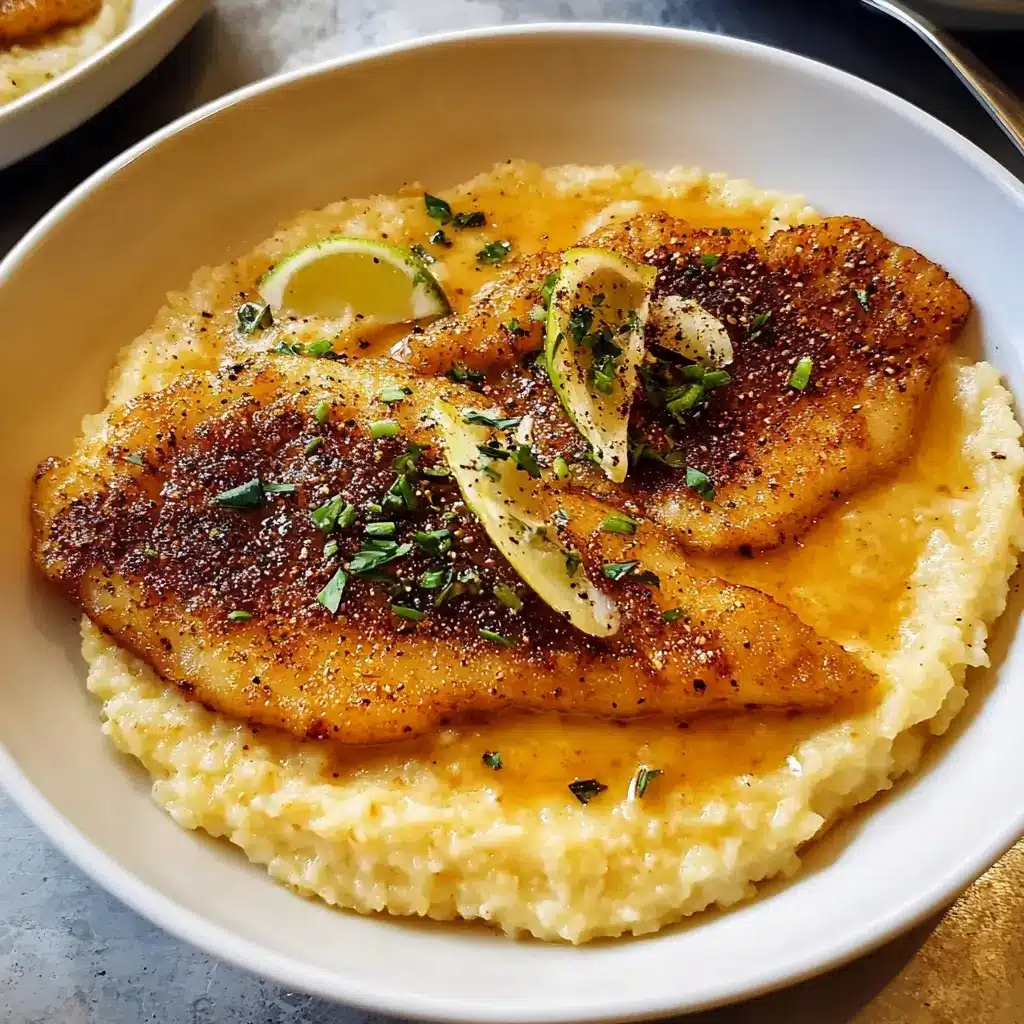

Fish and grits. The very name conjures images of sun-drenched mornings on the porch, the smell of coffee brewing, and the comforting aroma of Southern home cooking. For me, it’s a dish that instantly transports me back to my grandmother’s kitchen, where weekend breakfasts were a sacred ritual. While her version was undeniably delicious, I’ve spent years perfecting my own take – one that retains the soul of the classic while incorporating modern techniques and fresh flavors. My family, initially skeptical of straying from Grandma’s recipe, are now ardent converts. They love the creamy, cheesy grits, the perfectly seasoned and crisped fish, and the overall harmony of textures and tastes. This isn’t just breakfast; it’s an experience. It’s a dish that’s versatile enough for a casual brunch, a comforting dinner, or even a sophisticated supper. If you’re looking for a recipe that’s both deeply satisfying and surprisingly elegant, look no further. This Fish and Grits recipe is destined to become a new favorite in your home, too.
Ingredients
This recipe is designed to serve 4 people generously. Adjust quantities as needed based on your number of servings.
For the Grits:
- 1 cup Stone-Ground Grits (or Quick Grits, see notes below)
- 4 cups Water or Chicken Broth (for richer flavor, use broth)
- 1/2 cup Heavy Cream or Half-and-Half (for extra creaminess)
- 4 tablespoons Unsalted Butter
- 1 cup Sharp Cheddar Cheese, grated (or a blend of cheddar and Gruyere for a more complex flavor)
- 1/2 cup Parmesan Cheese, grated
- 1 teaspoon Garlic Powder
- 1/2 teaspoon Onion Powder
- 1/4 teaspoon Cayenne Pepper (optional, for a subtle kick)
- Salt and Freshly Ground Black Pepper to taste
For the Fish:
- 1.5 lbs Firm White Fish Fillets (Catfish, Cod, Tilapia, Snapper, or Grouper work well), cut into 4-6 portions
- 1 cup Buttermilk (for soaking and tenderizing the fish)
- 1 cup All-Purpose Flour
- 1/2 cup Yellow Cornmeal (for extra crispness)
- 2 tablespoons Cajun or Creole Seasoning (adjust to your spice preference)
- 1 tablespoon Paprika
- 1 teaspoon Garlic Powder
- 1 teaspoon Onion Powder
- 1 teaspoon Dried Thyme
- 1/2 teaspoon Dried Oregano
- Salt and Freshly Ground Black Pepper to taste
- Vegetable Oil or Canola Oil, for frying (approximately 1-2 inches deep in your pan)
- Lemon Wedges, for serving
- Hot Sauce, for serving (optional)
- Fresh Parsley or Green Onions, chopped, for garnish (optional)
Ingredient Notes and Substitutions:
- Grits: Stone-ground grits offer a superior texture and flavor compared to quick grits. However, if time is a constraint, quick grits will work. Adjust cooking time according to package directions, and you may need to use slightly less liquid. For truly authentic Southern grits, look for Antebellum or heirloom varieties if available.
- Liquid for Grits: Using chicken broth instead of water adds a significant depth of flavor to the grits. You can also use vegetable broth for a vegetarian option. A combination of half water and half broth works well too.
- Dairy in Grits: Heavy cream or half-and-half contributes to the luxurious creaminess of the grits. Whole milk can be substituted for a slightly lighter version, but the texture will be less rich. For a dairy-free option, consider using unsweetened almond milk or oat milk, but be aware the flavor profile will change slightly. Nutritional yeast can be added to dairy-free versions for a cheesy flavor.
- Cheese in Grits: Sharp cheddar provides a classic flavor, but feel free to experiment with other cheeses. Gruyere, Gouda, Monterey Jack, or even pepper jack can add interesting nuances. A blend of cheeses often creates the most complex and satisfying flavor.
- Fish: Choose a firm white fish that holds its shape well during frying. Catfish is traditional for Fish and Grits in the South. Cod, tilapia, snapper, grouper, or even shrimp are excellent alternatives. Ensure your fish is fresh and skinless, boneless fillets for the best experience.
- Buttermilk: Buttermilk tenderizes the fish and helps the breading adhere. If you don’t have buttermilk, you can make a quick substitute by adding 1 tablespoon of lemon juice or white vinegar to 1 cup of milk and letting it sit for 5 minutes until slightly thickened.
- Cornmeal: Yellow cornmeal adds a delightful crispness and slightly nutty flavor to the fish coating. You can use fine or medium-grind cornmeal.
- Seasoning: The Cajun or Creole seasoning blend provides a robust and spicy flavor. Adjust the amount to your heat preference. If you don’t have a pre-made blend, you can create your own using paprika, cayenne pepper, garlic powder, onion powder, black pepper, white pepper, and dried herbs like thyme and oregano.
- Oil for Frying: Vegetable oil, canola oil, or peanut oil are all good choices for frying due to their high smoke points. Avoid olive oil, as it has a lower smoke point and can impart an unwanted flavor when heated to frying temperatures.
Instructions
Follow these step-by-step instructions to create perfectly cooked Fish and Grits.
Step 1: Prepare the Grits
- Bring Liquid to a Boil: In a medium-sized saucepan, combine the water or chicken broth and salt to taste (about 1 teaspoon). Bring to a rolling boil over medium-high heat.
- Whisk in Grits Gradually: Slowly whisk in the grits in a steady stream, whisking constantly to prevent lumps from forming.
- Reduce Heat and Simmer: Reduce the heat to low, cover the saucepan, and simmer for 20-25 minutes for stone-ground grits (or according to package directions for quick grits), stirring occasionally to prevent sticking. The grits should thicken and become creamy.
- Stir in Dairy and Butter: Once the grits are cooked and tender, remove the saucepan from the heat. Stir in the heavy cream (or half-and-half) and butter until melted and incorporated.
- Add Cheese and Seasonings: Add the grated cheddar cheese, Parmesan cheese, garlic powder, onion powder, and cayenne pepper (if using). Stir until the cheese is melted and the grits are smooth and creamy.
- Season to Taste: Taste the grits and season with additional salt and freshly ground black pepper as needed. Keep warm while you prepare the fish. You can keep them warm in a double boiler or on the lowest setting on your stovetop, stirring occasionally and adding a splash of milk or broth if they become too thick.
Step 2: Prepare the Fish
- Soak Fish in Buttermilk: Place the fish fillets in a shallow dish and pour the buttermilk over them, ensuring they are fully submerged. Let the fish soak in the buttermilk for at least 30 minutes, or up to 2 hours in the refrigerator. This tenderizes the fish and helps the breading adhere.
- Prepare Breading Mixture: In a separate shallow dish, combine the all-purpose flour, yellow cornmeal, Cajun or Creole seasoning, paprika, garlic powder, onion powder, dried thyme, dried oregano, salt (about 1 teaspoon), and freshly ground black pepper (about 1/2 teaspoon). Whisk together to ensure all ingredients are evenly distributed.
- Dredge Fish: Remove the fish fillets from the buttermilk, letting any excess buttermilk drip off. Dredge each fillet in the breading mixture, pressing gently to ensure the coating adheres to all sides. Shake off any excess breading.
Step 3: Fry the Fish
- Heat Oil: Pour vegetable oil or canola oil into a large, heavy-bottomed skillet or Dutch oven until it is about 1-2 inches deep. Heat the oil over medium-high heat until it reaches a temperature of 350-375°F (175-190°C). You can use a deep-fry thermometer to monitor the temperature, or test the oil by dropping a small pinch of breading into it – it should sizzle and brown lightly in about 15-20 seconds.
- Fry Fish in Batches: Carefully place the breaded fish fillets into the hot oil, being careful not to overcrowd the pan. Fry in batches to maintain the oil temperature and ensure even cooking. Overcrowding will lower the oil temperature and result in soggy fish.
- Cook Until Golden Brown and Cooked Through: Fry the fish for 3-5 minutes per side, or until golden brown and cooked through. The internal temperature of the fish should reach 145°F (63°C). The fish should flake easily with a fork when done.
- Drain Excess Oil: Remove the fried fish fillets from the skillet with a slotted spoon or tongs and place them on a wire rack lined with paper towels to drain excess oil and maintain crispiness.
Step 4: Assemble and Serve
- Portion Grits: Spoon a generous portion of the creamy grits into bowls.
- Top with Fish: Place a piece of fried fish on top of the grits in each bowl.
- Garnish and Serve Immediately: Garnish with fresh parsley or green onions, if desired. Serve immediately with lemon wedges and hot sauce on the side. Encourage guests to squeeze lemon juice over the fish and grits for added brightness and flavor.
Nutrition Facts (Estimated)
(Note: Nutritional information is an estimate and can vary based on specific ingredients, portion sizes, and cooking methods used.)
Servings: 4
Approximate Calories per Serving: 700-850 calories
Per Serving (Approximate Values):
- Protein: 40-50g
- Fat: 40-50g (primarily from frying oil, butter, and cream)
- Saturated Fat: 20-25g
- Cholesterol: 200-250mg
- Sodium: 800-1200mg (depending on seasoning and broth used)
- Carbohydrates: 50-60g
- Fiber: 3-5g
Important Considerations:
- This recipe is relatively high in fat and calories due to the frying and use of dairy and cheese. To reduce fat content, consider baking or grilling the fish instead of frying and using lower-fat dairy options.
- Sodium content can be reduced by using low-sodium broth and carefully controlling added salt.
- This dish is a good source of protein and calcium.
- Adjust portion sizes to manage calorie intake.
Preparation Time
- Prep Time: 30-40 minutes (includes fish soaking time)
- Cook Time: 30-40 minutes
- Total Time: 1 hour – 1 hour 20 minutes
- Active Cooking Time: Approximately 45 minutes (most of the prep time is passive soaking time).
How to Serve
Fish and Grits is a versatile dish that can be served for breakfast, brunch, lunch, or dinner. Here are some serving suggestions:
- Classic Southern Brunch: Serve Fish and Grits as the centerpiece of a Southern brunch spread. Accompany it with:
- Sides: Collard greens, sautéed spinach, roasted asparagus, or green beans.
- Breakfast Meats: Crispy bacon, sausage patties, or smoked ham.
- Eggs: Scrambled eggs, poached eggs, or a simple frittata.
- Biscuits or Cornbread: Warm, buttery biscuits or crumbly cornbread for soaking up the delicious grits.
- Fresh Fruit Salad: A light and refreshing fruit salad to balance the richness of the dish.
- Comforting Dinner: Fish and Grits makes a satisfying and cozy dinner, especially on a cooler evening. Enhance the dinner experience by serving it with:
- Salad: A simple green salad with a vinaigrette dressing to cut through the richness.
- Roasted Vegetables: Roasted root vegetables like carrots, sweet potatoes, or parsnips complement the flavors.
- Garlic Bread: Crusty garlic bread for dipping into the grits.
- Elevated Supper: For a slightly more sophisticated presentation, consider these serving ideas:
- Gourmet Grits: Use high-quality stone-ground grits and experiment with infused oils or flavored butters in the grits.
- Pan-Seared or Grilled Fish: Instead of frying, pan-sear or grill a premium fish like snapper or grouper for a healthier and more elegant option.
- Sauce Drizzle: Drizzle a flavorful sauce over the fish and grits, such as:
- Lemon-Butter Sauce: A classic and bright sauce that complements the fish.
- Creole Cream Sauce: A creamy and spicy sauce for a richer flavor profile.
- Roasted Red Pepper Coulis: A vibrant and slightly sweet sauce for visual appeal and flavor contrast.
- Microgreens or Herb Garnish: Use microgreens or fresh herbs like chives, dill, or cilantro for an elegant garnish.
- Garnish Options: Enhance the presentation and flavor with various garnishes:
- Lemon Wedges: Essential for squeezing over the fish and grits to brighten the flavors.
- Hot Sauce: Offer a variety of hot sauces for those who like extra heat.
- Chopped Green Onions or Parsley: Adds freshness and visual appeal.
- Crispy Bacon Crumbles: For extra flavor and texture (especially good with breakfast or brunch).
- Shrimp or Crawfish: Add grilled or sautéed shrimp or crawfish to the grits for a seafood-centric variation.
Additional Tips for Perfect Fish and Grits
- Don’t Rush the Grits: Cooking grits properly takes time and patience. Simmer them slowly over low heat, stirring frequently to prevent sticking and ensure a creamy texture. Rushing the process will result in gritty grits.
- Season Every Layer: Season the grits with salt, pepper, and aromatics like garlic and onion powder at each stage of cooking – when you add the liquid, while simmering, and again after adding the cheese. Similarly, season the fish generously, both in the buttermilk and in the breading mixture. Layering flavors is key to a delicious final dish.
- Maintain Oil Temperature for Crispy Fish: Ensure the oil is hot enough (350-375°F) before adding the fish and maintain the temperature throughout frying. Use a thermometer if possible. Fry in batches to prevent overcrowding the pan and lowering the oil temperature, which can lead to soggy fish.
- Keep Grits Warm and Creamy: Grits can thicken as they cool. If you are preparing the fish while the grits sit, keep them warm in a double boiler or on the lowest setting on your stovetop. Stir occasionally and add a splash of milk or broth if needed to maintain the desired creamy consistency.
- Experiment with Fish and Seasonings: While this recipe provides a classic framework, feel free to experiment! Try different types of fish, adjust the spice level of the Cajun seasoning, or add other herbs and spices to the breading and grits to create your own signature Fish and Grits. Consider adding smoked paprika for a smoky flavor, or Old Bay seasoning for a Chesapeake Bay-inspired twist.
FAQ Section
Q1: Can I make Fish and Grits ahead of time?
A: While Fish and Grits is best served fresh, you can prepare certain components in advance. The grits can be made ahead of time and reheated gently with a little extra liquid (milk or broth) to restore their creamy texture. The fish is best fried fresh for optimal crispiness, but you can bread the fish fillets ahead of time and store them in the refrigerator for a few hours before frying. Reheating fried fish is generally not recommended as it can become soggy.
Q2: What kind of grits should I use for the best results?
A: Stone-ground grits are highly recommended for their superior texture and flavor. They have a slightly coarser grind and retain more of the corn’s natural flavor and nutrients. Quick grits are a faster alternative, but they lack the depth of flavor and texture of stone-ground grits. Avoid instant grits, as they tend to be bland and mushy.
Q3: Can I bake or grill the fish instead of frying?
A: Yes, you can definitely bake or grill the fish for a healthier option. For baking, preheat your oven to 400°F (200°C). Place the breaded fish fillets on a baking sheet lined with parchment paper and bake for 15-20 minutes, or until cooked through and golden brown. For grilling, preheat your grill to medium-high heat. Grill the breaded fish fillets for 3-4 minutes per side, or until cooked through and grill marks appear. Baking and grilling will result in a less crispy texture than frying, but they are healthier alternatives.
Q4: How do I prevent my grits from becoming lumpy?
A: The key to lump-free grits is to whisk them in gradually to boiling liquid and whisk constantly as you add them. Whisking prevents the grits from clumping together as they hydrate. Once the grits are added, reduce the heat to low and simmer, stirring occasionally to prevent sticking to the bottom of the pan.
Q5: What are some vegetarian variations of Fish and Grits?
A: To make a vegetarian version of Fish and Grits, you can substitute the fish with:
- Grilled or Pan-Seared Halloumi Cheese: Halloumi has a firm texture and can be grilled or pan-seared to a golden brown, offering a similar savory element to fish.
- Breaded and Fried Portobello Mushroom Steaks: Large portobello mushroom caps, breaded and fried using the same method as the fish, provide a meaty and flavorful vegetarian alternative.
- Spicy Black Bean Cakes or Patties: Homemade or store-bought black bean cakes or patties can be pan-fried or baked and served over grits for a hearty and flavorful vegetarian meal.
- Roasted or Grilled Tofu: Firm or extra-firm tofu, pressed and marinated, then roasted or grilled, can be a protein-rich vegetarian option.
Remember to use vegetable broth and consider adding nutritional yeast to the grits for a cheesy flavor in vegetarian versions.
Print
Fish and Grits Recipe
Ingredients
For the Grits:
- 1 cup Stone-Ground Grits (or Quick Grits, see notes below)
- 4 cups Water or Chicken Broth (for richer flavor, use broth)
- 1/2 cup Heavy Cream or Half-and-Half (for extra creaminess)
- 4 tablespoons Unsalted Butter
- 1 cup Sharp Cheddar Cheese, grated (or a blend of cheddar and Gruyere for a more complex flavor)
- 1/2 cup Parmesan Cheese, grated
- 1 teaspoon Garlic Powder
- 1/2 teaspoon Onion Powder
- 1/4 teaspoon Cayenne Pepper (optional, for a subtle kick)
- Salt and Freshly Ground Black Pepper to taste
For the Fish:
- 1.5 lbs Firm White Fish Fillets (Catfish, Cod, Tilapia, Snapper, or Grouper work well), cut into 4-6 portions
- 1 cup Buttermilk (for soaking and tenderizing the fish)
- 1 cup All-Purpose Flour
- 1/2 cup Yellow Cornmeal (for extra crispness)
- 2 tablespoons Cajun or Creole Seasoning (adjust to your spice preference)
- 1 tablespoon Paprika
- 1 teaspoon Garlic Powder
- 1 teaspoon Onion Powder
- 1 teaspoon Dried Thyme
- 1/2 teaspoon Dried Oregano
- Salt and Freshly Ground Black Pepper to taste
- Vegetable Oil or Canola Oil, for frying (approximately 1-2 inches deep in your pan)
- Lemon Wedges, for serving
- Hot Sauce, for serving (optional)
- Fresh Parsley or Green Onions, chopped, for garnish (optional)
Instructions
Step 1: Prepare the Grits
- Bring Liquid to a Boil: In a medium-sized saucepan, combine the water or chicken broth and salt to taste (about 1 teaspoon). Bring to a rolling boil over medium-high heat.
- Whisk in Grits Gradually: Slowly whisk in the grits in a steady stream, whisking constantly to prevent lumps from forming.
- Reduce Heat and Simmer: Reduce the heat to low, cover the saucepan, and simmer for 20-25 minutes for stone-ground grits (or according to package directions for quick grits), stirring occasionally to prevent sticking. The grits should thicken and become creamy.
- Stir in Dairy and Butter: Once the grits are cooked and tender, remove the saucepan from the heat. Stir in the heavy cream (or half-and-half) and butter until melted and incorporated.
- Add Cheese and Seasonings: Add the grated cheddar cheese, Parmesan cheese, garlic powder, onion powder, and cayenne pepper (if using). Stir until the cheese is melted and the grits are smooth and creamy.
- Season to Taste: Taste the grits and season with additional salt and freshly ground black pepper as needed. Keep warm while you prepare the fish. You can keep them warm in a double boiler or on the lowest setting on your stovetop, stirring occasionally and adding a splash of milk or broth if they become too thick.
Step 2: Prepare the Fish
- Soak Fish in Buttermilk: Place the fish fillets in a shallow dish and pour the buttermilk over them, ensuring they are fully submerged. Let the fish soak in the buttermilk for at least 30 minutes, or up to 2 hours in the refrigerator. This tenderizes the fish and helps the breading adhere.
- Prepare Breading Mixture: In a separate shallow dish, combine the all-purpose flour, yellow cornmeal, Cajun or Creole seasoning, paprika, garlic powder, onion powder, dried thyme, dried oregano, salt (about 1 teaspoon), and freshly ground black pepper (about 1/2 teaspoon). Whisk together to ensure all ingredients are evenly distributed.
- Dredge Fish: Remove the fish fillets from the buttermilk, letting any excess buttermilk drip off. Dredge each fillet in the breading mixture, pressing gently to ensure the coating adheres to all sides. Shake off any excess breading.
Step 3: Fry the Fish
- Heat Oil: Pour vegetable oil or canola oil into a large, heavy-bottomed skillet or Dutch oven until it is about 1-2 inches deep. Heat the oil over medium-high heat until it reaches a temperature of 350-375°F (175-190°C). You can use a deep-fry thermometer to monitor the temperature, or test the oil by dropping a small pinch of breading into it – it should sizzle and brown lightly in about 15-20 seconds.
- Fry Fish in Batches: Carefully place the breaded fish fillets into the hot oil, being careful not to overcrowd the pan. Fry in batches to maintain the oil temperature and ensure even cooking. Overcrowding will lower the oil temperature and result in soggy fish.
- Cook Until Golden Brown and Cooked Through: Fry the fish for 3-5 minutes per side, or until golden brown and cooked through. The internal temperature of the fish should reach 145°F (63°C). The fish should flake easily with a fork when done.
- Drain Excess Oil: Remove the fried fish fillets from the skillet with a slotted spoon or tongs and place them on a wire rack lined with paper towels to drain excess oil and maintain crispiness.
Step 4: Assemble and Serve
- Portion Grits: Spoon a generous portion of the creamy grits into bowls.
- Top with Fish: Place a piece of fried fish on top of the grits in each bowl.
- Garnish and Serve Immediately: Garnish with fresh parsley or green onions, if desired. Serve immediately with lemon wedges and hot sauce on the side. Encourage guests to squeeze lemon juice over the fish and grits for added brightness and flavor.
Nutrition
- Serving Size: one normal portion
- Calories: 700-850
- Sodium: 800-1200mg
- Fat: 40-50g
- Saturated Fat: 20-25g
- Carbohydrates: 50-60g
- Fiber: 3-5g
- Protein: 40-50g
- Cholesterol: 200-250mg