
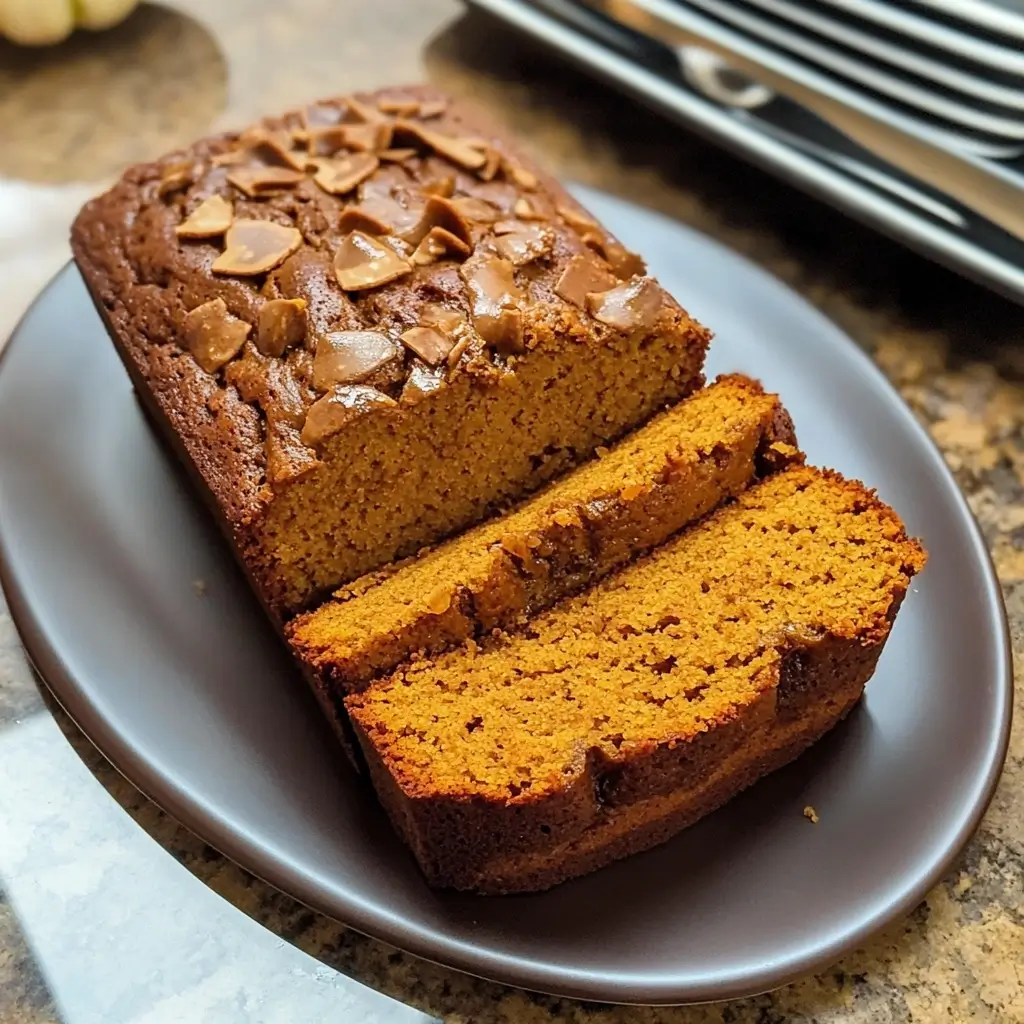
There’s something undeniably comforting about the aroma of pumpkin spice wafting through the kitchen, especially as the leaves begin to turn and a crispness fills the air. For years, I’ve been on the hunt for the perfect pumpkin bread recipe – one that captures that quintessential autumnal flavor without being overly complicated or laden with unnecessary ingredients. And let me tell you, this flourless pumpkin bread recipe? It’s a game-changer. My family, who are usually staunch critics of anything “healthy-ish,” devoured this loaf in record time. The moist, tender crumb, the warm spices, and the subtle sweetness – it’s pure pumpkin bread perfection, and the fact that it’s naturally gluten-free and incredibly easy to make in a blender is just the cherry on top. Honestly, from pantry to oven in under 10 minutes? That’s my kind of baking! If you’re looking for a simple, delicious, and wholesome treat to celebrate the season, or just a comforting breakfast or snack any time of year, you absolutely must try this flourless pumpkin bread. Prepare to be amazed at how effortlessly delicious gluten-free baking can be!
Ingredients
This recipe boasts a surprisingly short and sweet ingredient list, highlighting the beauty of simplicity. Each component plays a crucial role in creating the perfect texture and flavor profile for this flourless pumpkin bread. Let’s delve into each ingredient and understand why they are essential:
- 1 cup Creamy Almond Butter (see note below): Almond butter forms the backbone of this flourless bread, providing structure, moisture, and a rich, nutty flavor that beautifully complements the pumpkin spice. It acts as a binder, replacing traditional flour and creating a wonderfully dense yet tender crumb. Opt for a natural, creamy almond butter with just almonds and salt listed as ingredients for the best flavor and texture. Avoid almond butters with added sugars or oils, as these can alter the recipe’s outcome. The creamy texture is key for a smooth batter, so ensure your almond butter is well-stirred and easily spreadable. Note on Almond Butter: While creamy almond butter is preferred for its smooth texture, you can experiment with other nut butters like peanut butter, cashew butter, or sunflower seed butter (for nut-free options). Keep in mind that each nut butter will impart a slightly different flavor profile to the bread. Peanut butter will result in a richer, more pronounced peanut flavor, while cashew butter offers a milder, sweeter taste. Sunflower seed butter is a great allergy-friendly alternative, but its flavor can be a bit more assertive, so you might want to adjust the spices slightly to balance it. Regardless of the nut butter you choose, ensure it is unsweetened and creamy for optimal results. If your almond butter is on the thicker side, you can gently warm it in the microwave for a few seconds to make it easier to blend. However, be careful not to overheat it, as this can make it oily and affect the bread’s texture.
- 2/3 cup Canned Pumpkin Puree: The star of the show! Pumpkin puree not only provides the signature pumpkin flavor but also contributes to the bread’s moisture and vibrant orange hue. Make sure you are using pumpkin puree and not pumpkin pie filling. Pumpkin puree is simply cooked and pureed pumpkin, while pumpkin pie filling contains added sugars and spices, which would throw off the balance of this recipe. Canned pumpkin puree is a convenient and readily available option, ensuring consistent results every time. If you’re feeling ambitious, you can certainly make your own pumpkin puree from scratch by roasting or steaming pumpkin and then pureeing it. However, canned pumpkin puree works perfectly and saves considerable time. The moisture content of pumpkin puree can vary slightly between brands, so if your batter seems a bit too thick, you can add a tablespoon or two of water or almond milk to reach the desired consistency.
- 1/2 cup Granulated White Sugar: Sugar provides sweetness and also contributes to the bread’s tender texture and browning. Granulated white sugar is used in this recipe for its clean sweetness and ability to dissolve easily. If you prefer a less refined sugar, you can substitute with coconut sugar or maple sugar, but be aware that these will impart a slightly different flavor and color to the bread. Coconut sugar will give a caramel-like note and a slightly darker color, while maple sugar will add a subtle maple flavor. You can also reduce the amount of sugar slightly if you prefer a less sweet bread. Starting with ½ cup provides a balanced sweetness, but you can adjust it to your personal preference. For those looking to minimize refined sugar intake, you could experiment with sugar alternatives like stevia or erythritol, but these may require adjustments to the recipe and could affect the texture and browning of the bread.
- 2 Large Eggs: Eggs are essential for binding the ingredients together and providing structure to the bread. They add richness, moisture, and help the bread rise during baking. Large eggs are specified in this recipe for consistency, but if you only have medium or extra-large eggs, you can use them with minimal impact on the outcome. Eggs should be at room temperature for optimal blending and incorporation into the batter. If you forgot to take your eggs out of the refrigerator ahead of time, you can quickly warm them by placing them in a bowl of warm water for a few minutes. For those with egg allergies or dietary restrictions, you could try using flax eggs or chia eggs as a substitute. To make a flax egg, combine 1 tablespoon of ground flaxseed meal with 3 tablespoons of water and let it sit for 5 minutes to thicken. For a chia egg, combine 1 tablespoon of chia seeds with 3 tablespoons of water and let it sit for 10-15 minutes. While these substitutes can work, they may slightly alter the texture and rise of the bread, and the flavor will be subtly different.
- 1 tsp Baking Powder: Baking powder is the leavening agent in this recipe, responsible for creating the bread’s light and airy texture. It reacts with moisture and heat to produce carbon dioxide, which causes the batter to rise during baking. Ensure your baking powder is fresh for optimal leavening power. To test its freshness, you can add a teaspoon of baking powder to a cup of hot water. If it fizzes vigorously, it is still active. If it doesn’t fizz much, it’s time to replace it. Using too much baking powder can result in a bitter taste, while not using enough will lead to a dense and heavy bread. One teaspoon is the perfect amount for this recipe to achieve a balanced rise.
- 1/2 tsp Ground Cinnamon: Cinnamon is a classic pumpkin spice ingredient, adding warmth and sweetness to the bread. Ground cinnamon is readily available and provides a familiar and comforting flavor. You can adjust the amount of cinnamon to your liking. If you are a big cinnamon fan, you can increase it to ¾ teaspoon or even 1 teaspoon. For a more intense cinnamon flavor, you can use freshly ground cinnamon sticks. Cinnamon pairs beautifully with pumpkin and enhances the overall spice profile of the bread.
- 1/2 tsp Ground Nutmeg: Nutmeg adds a warm, slightly nutty, and subtly pungent flavor that complements cinnamon and pumpkin perfectly. Ground nutmeg is commonly used in baking and is readily available. Freshly grated nutmeg from whole nutmeg kernels offers a more intense and aromatic flavor, but ground nutmeg works perfectly well for this recipe. Nutmeg adds depth and complexity to the spice blend, rounding out the flavors and preventing the bread from being overly sweet.
- 1/8 tsp Ground Ginger: Ginger provides a subtle spicy kick and warmth that balances the sweetness of the pumpkin and other spices. Ground ginger is readily available and adds a distinct flavor dimension to the bread. A little goes a long way with ginger, so 1/8 teaspoon is sufficient to add a hint of spice without overpowering the other flavors. If you enjoy a stronger ginger flavor, you can increase it slightly, but start with 1/8 teaspoon and adjust to taste in future batches.
- 1/8 tsp Ground Cloves: Cloves are a potent spice with a warm, pungent, and slightly sweet flavor. Ground cloves add depth and complexity to the spice blend, contributing to the characteristic pumpkin spice flavor profile. Like ginger, cloves are quite strong, so only a small amount is needed – 1/8 teaspoon is perfect for adding a subtle warmth without being overwhelming. Too much clove can make the bread taste medicinal, so it’s best to err on the side of caution.
Instructions
Making this flourless pumpkin bread is incredibly straightforward, especially with the blender method. Follow these simple steps for a perfectly baked loaf every time:
- Preheat Oven and Prepare Pan: Begin by preheating your oven to 350°F (175°C). This ensures that the oven is at the correct temperature when you place the bread in, promoting even baking. While the oven preheats, prepare your 9 x 5 inch loaf pan. Greasing the pan is crucial to prevent the bread from sticking and ensure easy removal after baking. You can use cooking spray, butter, or oil to grease the pan. For an extra layer of non-stick insurance, you can also line the bottom of the pan with parchment paper, leaving some overhang on the sides to use as handles for lifting the baked bread out. This step is quick but essential for a hassle-free baking experience.
- Combine Ingredients in Blender (or Mixer/Whisk): This is where the magic happens! The beauty of this recipe lies in its simplicity – just toss all the ingredients into a blender. Start with the wet ingredients first: almond butter, pumpkin puree, eggs, and sugar. Then, add the dry ingredients: baking powder, cinnamon, nutmeg, ginger, and cloves. This order helps the blender incorporate everything smoothly. Secure the blender lid tightly and blend on high speed until all ingredients are completely combined and the batter is smooth and homogenous. This should only take about 1-2 minutes. Scrape down the sides of the blender jar with a spatula if needed to ensure everything is fully incorporated. Alternative Mixing Methods: If you don’t have a blender, don’t worry! You can easily make this bread using a stand mixer, hand mixer, or even just a whisk. If using a mixer, cream together the almond butter and sugar until smooth. Then, beat in the eggs one at a time, followed by the pumpkin puree. In a separate bowl, whisk together the dry ingredients. Gradually add the dry ingredients to the wet ingredients, mixing until just combined. Be careful not to overmix. If using a whisk, ensure your almond butter is very soft. In a large bowl, whisk together the almond butter and sugar until smooth (this may take some elbow grease!). Whisk in the eggs one at a time, followed by the pumpkin puree. In a separate bowl, whisk together the dry ingredients. Gradually whisk the dry ingredients into the wet ingredients until just combined. Again, avoid overmixing. Overmixing can develop gluten (even in gluten-free baking, it can affect texture) and lead to a tougher bread.
- Pour Batter into Prepared Pan: Once the batter is smooth and well-mixed, carefully pour it into the prepared loaf pan. Use a spatula to scrape out every last bit of batter from the blender or bowl. Spread the batter evenly in the pan. You can gently tap the pan on the countertop a few times to release any air bubbles and ensure an even surface. This step is quick and simple but important for ensuring a uniformly baked loaf.
- Bake Until Done: Place the loaf pan in the preheated oven and bake for approximately 40-45 minutes. Baking time can vary slightly depending on your oven and the pan you use. Start checking for doneness around 40 minutes. The bread is done when a toothpick inserted into the center comes out clean, meaning no wet batter clings to it. Another way to check for doneness is to gently press the surface of the bread. It should slowly bounce back rather than stay sunken in. The top of the bread should be golden brown and slightly cracked. If the top is browning too quickly before the center is cooked through, you can loosely tent the loaf pan with aluminum foil for the remaining baking time. This will prevent the top from burning while allowing the inside to finish baking.
- Cool Before Slicing and Serving: Once the bread is baked, remove it from the oven and let it cool in the loaf pan for at least 10-15 minutes. This allows the bread to set slightly and makes it easier to remove from the pan. After cooling in the pan, carefully invert the bread onto a wire rack to cool completely. Allowing the bread to cool completely before slicing is crucial for achieving the best texture and preventing it from crumbling. While the bread cools, it will sink down slightly, which is perfectly normal for flourless breads. Once completely cooled, slice and serve. The aroma of freshly baked pumpkin bread filling your kitchen during this cooling time is simply irresistible!
Nutrition Facts
(Note: Nutritional information is an estimate and can vary based on specific ingredients used and serving sizes.)
Servings: 10
Approximate Calories per Serving: 220-250 calories
- Breakdown (approximate per serving):
- Fat: 16-18g (primarily from almond butter, mostly healthy fats)
- Saturated Fat: 1-2g
- Cholesterol: 40-50mg (from eggs)
- Sodium: 100-150mg (depending on salt content in almond butter and baking powder)
- Carbohydrates: 15-18g (from pumpkin, sugar, and almond butter)
- Fiber: 2-3g (from pumpkin and almond butter)
- Sugar: 8-10g (added sugar and natural sugars from pumpkin)
- Protein: 5-7g (from almond butter and eggs)
Important Considerations:
- This flourless pumpkin bread is naturally gluten-free, making it a great option for those with gluten sensitivities or celiac disease.
- It is also a good source of healthy fats and protein, thanks to the almond butter and eggs.
- The sugar content is moderate, but you can adjust it to your preference.
- The calorie count per serving is moderate, making it a satisfying breakfast, snack, or dessert option.
- Always check the nutrition labels of your specific ingredients for the most accurate nutritional information.
Preparation Time
- Prep Time: 10 minutes (This includes gathering ingredients, greasing the pan, and blending the batter)
- Cook Time: 40-45 minutes (Baking time in the oven)
- Total Time: 50-55 minutes (From start to finish, including prep and baking)
This recipe is truly a winner when it comes to speed and ease. In under an hour, you can have a warm, freshly baked loaf of delicious and healthy flourless pumpkin bread ready to enjoy! The quick prep time makes it perfect for busy week mornings, last-minute gatherings, or whenever you crave a comforting homemade treat without spending hours in the kitchen.
How to Serve
This flourless pumpkin bread is incredibly versatile and can be enjoyed in countless ways. Here are some delicious serving suggestions:
- Breakfast Bliss:
- Simply Sliced: Enjoy a slice straight out of the oven (slightly cooled, of course!) or at room temperature for a satisfying and wholesome breakfast.
- Toasted with Butter: Toast a slice and spread with butter, ghee, or coconut oil for a warm and comforting breakfast.
- With Cream Cheese: A classic pairing! Spread a slice with cream cheese, plain or flavored (pumpkin spice cream cheese would be divine!).
- Peanut Butter and Banana: Add a layer of peanut butter and sliced banana for a protein-packed and energizing breakfast.
- Yogurt Parfait: Crumble a slice of pumpkin bread into a yogurt parfait with granola and fresh fruit for a decadent breakfast bowl.
- Snack Time Savior:
- Afternoon Treat: A slice of flourless pumpkin bread makes a perfect afternoon pick-me-up with a cup of coffee or tea.
- Lunchbox Addition: Pack a slice in lunchboxes for a healthy and satisfying snack at school or work.
- Pre- or Post-Workout Fuel: The combination of carbs and protein makes it a great snack to fuel your workouts or replenish energy afterwards.
- Dessert Delight:
- Warm with Ice Cream: Serve warm slices with a scoop of vanilla ice cream, cinnamon ice cream, or even pumpkin spice ice cream for a cozy dessert.
- Whipped Cream Topping: Top slices with a dollop of whipped cream or coconut whipped cream for a simple yet elegant dessert.
- Caramel Drizzle: Drizzle with caramel sauce or homemade salted caramel for an extra touch of indulgence.
- Chocolate Chips (Added to Batter or Topping): For chocolate lovers, add chocolate chips to the batter before baking or sprinkle them on top of warm slices.
- Pumpkin Bread Pudding: Use leftover pumpkin bread to make a delicious and comforting pumpkin bread pudding.
- Holiday Gatherings:
- Thanksgiving or Christmas Brunch: Flourless pumpkin bread is a perfect addition to holiday brunch spreads.
- Fall Harvest Parties: Serve slices at fall-themed parties or gatherings.
- Gift Giving: Bake a loaf and wrap it up as a thoughtful homemade gift for friends, family, or neighbors.
Additional Tips for Flourless Pumpkin Bread Perfection
Want to take your flourless pumpkin bread to the next level? Here are five additional tips to ensure baking success and maximize flavor:
- Use High-Quality Almond Butter: The quality of your almond butter significantly impacts the flavor and texture of the bread. Opt for a natural, creamy almond butter made with just almonds and salt. Avoid brands with added sugars, oils, or stabilizers. Freshly ground almond butter from a health food store or even homemade almond butter will provide the most intense almond flavor and best texture. The smoother and creamier the almond butter, the smoother your batter and the more tender your bread will be.
- Don’t Overmix the Batter: Whether you’re using a blender, mixer, or whisk, be mindful not to overmix the batter. Overmixing can develop the almond butter and create a denser, tougher bread. Blend or mix just until the ingredients are combined and smooth. A few streaks of almond butter are okay, but avoid prolonged mixing once everything is incorporated. For hand mixing, be particularly gentle and fold in the dry ingredients until just combined.
- Properly Measure Spices: Spices are crucial for the signature pumpkin spice flavor, but too much or too little can throw off the balance. Use measuring spoons to accurately measure the spices. If you’re unsure about the intensity of a particular spice, start with the recommended amount and adjust to taste in future batches. Freshly ground spices will always offer a more potent and aromatic flavor compared to pre-ground spices that have been sitting in your pantry for a while.
- Cool Completely Before Slicing: Patience is key! Resist the urge to slice into the bread while it’s still warm. Allowing the bread to cool completely on a wire rack is essential for achieving the best texture and preventing it from crumbling. Warm bread is more fragile and prone to falling apart when sliced. Cooling allows the bread to set and firm up, resulting in cleaner slices and a more enjoyable eating experience.
- Store Properly to Maintain Freshness: Flourless pumpkin bread, like most gluten-free baked goods, can dry out slightly faster than traditional wheat-based breads. To keep your bread moist and fresh, store it properly. Once completely cooled, wrap the loaf tightly in plastic wrap or store it in an airtight container at room temperature for up to 3-4 days. For longer storage, you can freeze slices or the whole loaf wrapped tightly in plastic wrap and then placed in a freezer-safe bag for up to 2-3 months. Thaw frozen bread at room temperature or gently warm in the oven or microwave before serving.
Frequently Asked Questions (FAQ)
Here are some common questions people ask about flourless pumpkin bread:
Q1: Can I substitute the almond butter with another nut butter or seed butter?
A: Yes, you can definitely substitute almond butter with other nut butters like peanut butter, cashew butter, or even sunflower seed butter for a nut-free option. Peanut butter will impart a stronger peanut flavor, while cashew butter is milder and sweeter. Sunflower seed butter is a good allergy-friendly alternative, but its flavor is more assertive, so you might want to adjust the spices slightly. Ensure you use creamy, unsweetened nut or seed butter for the best results. The texture and flavor of the bread will vary slightly depending on the substitution, but it will still be delicious.
Q2: Can I reduce the sugar in this recipe?
A: Yes, you can reduce the sugar if you prefer a less sweet bread. You can start by reducing it to 1/3 cup instead of 1/2 cup. Keep in mind that sugar not only adds sweetness but also contributes to the bread’s texture and browning. Reducing the sugar significantly might slightly alter the texture and make the bread less moist and tender. If you want to use sugar alternatives, you can experiment with stevia or erythritol, but these may require adjustments and could affect the final outcome. Start with a small reduction and adjust to your taste preference in subsequent batches.
Q3: My pumpkin bread sank in the middle after baking. What did I do wrong?
A: A slight sinking in the middle is normal for flourless breads as they cool. However, significant sinking could be due to a few factors. Overmixing the batter can sometimes cause sinking. Ensure you are mixing just until combined. Another common cause is underbaking. Make sure you are baking the bread for the full 40-45 minutes and that a toothpick inserted into the center comes out clean. Oven temperature variations can also play a role. If your oven runs cooler, you may need to bake the bread for a bit longer. Finally, using too much leavening agent (baking powder) can also cause sinking. Make sure you are using the correct amount of baking powder (1 teaspoon).
Q4: How do I store leftover flourless pumpkin bread?
A: To store leftover flourless pumpkin bread and maintain its freshness, allow it to cool completely after baking. Once cooled, wrap the loaf tightly in plastic wrap or store it in an airtight container at room temperature for up to 3-4 days. For longer storage, you can freeze slices or the whole loaf. Wrap tightly in plastic wrap, then place in a freezer-safe bag and freeze for up to 2-3 months. Thaw frozen bread at room temperature or gently warm in the oven or microwave before serving.
Q5: Can I add mix-ins to this flourless pumpkin bread?
A: Absolutely! Mix-ins are a great way to customize your flourless pumpkin bread. You can add up to 1/2 cup of mix-ins without significantly altering the recipe. Some delicious options include: chocolate chips (semi-sweet, dark, or white), chopped nuts (walnuts, pecans, or almonds), dried cranberries or raisins, pumpkin seeds (pepitas), or even a swirl of cream cheese batter before baking. Fold in your chosen mix-ins gently into the batter just before pouring it into the loaf pan. Enjoy experimenting with different combinations to create your perfect flourless pumpkin bread!
Print
Flourless Pumpkin Bread Recipe
Ingredients
- 1 cup Creamy Almond Butter (see note below): Almond butter forms the backbone of this flourless bread, providing structure, moisture, and a rich, nutty flavor that beautifully complements the pumpkin spice. It acts as a binder, replacing traditional flour and creating a wonderfully dense yet tender crumb. Opt for a natural, creamy almond butter with just almonds and salt listed as ingredients for the best flavor and texture. Avoid almond butters with added sugars or oils, as these can alter the recipe’s outcome. The creamy texture is key for a smooth batter, so ensure your almond butter is well-stirred and easily spreadable. Note on Almond Butter: While creamy almond butter is preferred for its smooth texture, you can experiment with other nut butters like peanut butter, cashew butter, or sunflower seed butter (for nut-free options). Keep in mind that each nut butter will impart a slightly different flavor profile to the bread. Peanut butter will result in a richer, more pronounced peanut flavor, while cashew butter offers a milder, sweeter taste. Sunflower seed butter is a great allergy-friendly alternative, but its flavor can be a bit more assertive, so you might want to adjust the spices slightly to balance it. Regardless of the nut butter you choose, ensure it is unsweetened and creamy for optimal results. If your almond butter is on the thicker side, you can gently warm it in the microwave for a few seconds to make it easier to blend. However, be careful not to overheat it, as this can make it oily and affect the bread’s texture.
- 2/3 cup Canned Pumpkin Puree: The star of the show! Pumpkin puree not only provides the signature pumpkin flavor but also contributes to the bread’s moisture and vibrant orange hue. Make sure you are using pumpkin puree and not pumpkin pie filling. Pumpkin puree is simply cooked and pureed pumpkin, while pumpkin pie filling contains added sugars and spices, which would throw off the balance of this recipe. Canned pumpkin puree is a convenient and readily available option, ensuring consistent results every time. If you’re feeling ambitious, you can certainly make your own pumpkin puree from scratch by roasting or steaming pumpkin and then pureeing it. However, canned pumpkin puree works perfectly and saves considerable time. The moisture content of pumpkin puree can vary slightly between brands, so if your batter seems a bit too thick, you can add a tablespoon or two of water or almond milk to reach the desired consistency.
- 1/2 cup Granulated White Sugar: Sugar provides sweetness and also contributes to the bread’s tender texture and browning. Granulated white sugar is used in this recipe for its clean sweetness and ability to dissolve easily. If you prefer a less refined sugar, you can substitute with coconut sugar or maple sugar, but be aware that these will impart a slightly different flavor and color to the bread. Coconut sugar will give a caramel-like note and a slightly darker color, while maple sugar will add a subtle maple flavor. You can also reduce the amount of sugar slightly if you prefer a less sweet bread. Starting with ½ cup provides a balanced sweetness, but you can adjust it to your personal preference. For those looking to minimize refined sugar intake, you could experiment with sugar alternatives like stevia or erythritol, but these may require adjustments to the recipe and could affect the texture and browning of the bread.
- 2 Large Eggs: Eggs are essential for binding the ingredients together and providing structure to the bread. They add richness, moisture, and help the bread rise during baking. Large eggs are specified in this recipe for consistency, but if you only have medium or extra-large eggs, you can use them with minimal impact on the outcome. Eggs should be at room temperature for optimal blending and incorporation into the batter. If you forgot to take your eggs out of the refrigerator ahead of time, you can quickly warm them by placing them in a bowl of warm water for a few minutes. For those with egg allergies or dietary restrictions, you could try using flax eggs or chia eggs as a substitute. To make a flax egg, combine 1 tablespoon of ground flaxseed meal with 3 tablespoons of water and let it sit for 5 minutes to thicken. For a chia egg, combine 1 tablespoon of chia seeds with 3 tablespoons of water and let it sit for 10–15 minutes. While these substitutes can work, they may slightly alter the texture and rise of the bread, and the flavor will be subtly different.
- 1 tsp Baking Powder: Baking powder is the leavening agent in this recipe, responsible for creating the bread’s light and airy texture. It reacts with moisture and heat to produce carbon dioxide, which causes the batter to rise during baking. Ensure your baking powder is fresh for optimal leavening power. To test its freshness, you can add a teaspoon of baking powder to a cup of hot water. If it fizzes vigorously, it is still active. If it doesn’t fizz much, it’s time to replace it. Using too much baking powder can result in a bitter taste, while not using enough will lead to a dense and heavy bread. One teaspoon is the perfect amount for this recipe to achieve a balanced rise.
- 1/2 tsp Ground Cinnamon: Cinnamon is a classic pumpkin spice ingredient, adding warmth and sweetness to the bread. Ground cinnamon is readily available and provides a familiar and comforting flavor. You can adjust the amount of cinnamon to your liking. If you are a big cinnamon fan, you can increase it to ¾ teaspoon or even 1 teaspoon. For a more intense cinnamon flavor, you can use freshly ground cinnamon sticks. Cinnamon pairs beautifully with pumpkin and enhances the overall spice profile of the bread.
- 1/2 tsp Ground Nutmeg: Nutmeg adds a warm, slightly nutty, and subtly pungent flavor that complements cinnamon and pumpkin perfectly. Ground nutmeg is commonly used in baking and is readily available. Freshly grated nutmeg from whole nutmeg kernels offers a more intense and aromatic flavor, but ground nutmeg works perfectly well for this recipe. Nutmeg adds depth and complexity to the spice blend, rounding out the flavors and preventing the bread from being overly sweet.
- 1/8 tsp Ground Ginger: Ginger provides a subtle spicy kick and warmth that balances the sweetness of the pumpkin and other spices. Ground ginger is readily available and adds a distinct flavor dimension to the bread. A little goes a long way with ginger, so 1/8 teaspoon is sufficient to add a hint of spice without overpowering the other flavors. If you enjoy a stronger ginger flavor, you can increase it slightly, but start with 1/8 teaspoon and adjust to taste in future batches.
- 1/8 tsp Ground Cloves: Cloves are a potent spice with a warm, pungent, and slightly sweet flavor. Ground cloves add depth and complexity to the spice blend, contributing to the characteristic pumpkin spice flavor profile. Like ginger, cloves are quite strong, so only a small amount is needed – 1/8 teaspoon is perfect for adding a subtle warmth without being overwhelming. Too much clove can make the bread taste medicinal, so it’s best to err on the side of caution.
Instructions
- Preheat Oven and Prepare Pan: Begin by preheating your oven to 350°F (175°C). This ensures that the oven is at the correct temperature when you place the bread in, promoting even baking. While the oven preheats, prepare your 9 x 5 inch loaf pan. Greasing the pan is crucial to prevent the bread from sticking and ensure easy removal after baking. You can use cooking spray, butter, or oil to grease the pan. For an extra layer of non-stick insurance, you can also line the bottom of the pan with parchment paper, leaving some overhang on the sides to use as handles for lifting the baked bread out. This step is quick but essential for a hassle-free baking experience.
- Combine Ingredients in Blender (or Mixer/Whisk): This is where the magic happens! The beauty of this recipe lies in its simplicity – just toss all the ingredients into a blender. Start with the wet ingredients first: almond butter, pumpkin puree, eggs, and sugar. Then, add the dry ingredients: baking powder, cinnamon, nutmeg, ginger, and cloves. This order helps the blender incorporate everything smoothly. Secure the blender lid tightly and blend on high speed until all ingredients are completely combined and the batter is smooth and homogenous. This should only take about 1-2 minutes. Scrape down the sides of the blender jar with a spatula if needed to ensure everything is fully incorporated. Alternative Mixing Methods: If you don’t have a blender, don’t worry! You can easily make this bread using a stand mixer, hand mixer, or even just a whisk. If using a mixer, cream together the almond butter and sugar until smooth. Then, beat in the eggs one at a time, followed by the pumpkin puree. In a separate bowl, whisk together the dry ingredients. Gradually add the dry ingredients to the wet ingredients, mixing until just combined. Be careful not to overmix. If using a whisk, ensure your almond butter is very soft. In a large bowl, whisk together the almond butter and sugar until smooth (this may take some elbow grease!). Whisk in the eggs one at a time, followed by the pumpkin puree. In a separate bowl, whisk together the dry ingredients. Gradually whisk the dry ingredients into the wet ingredients until just combined. Again, avoid overmixing. Overmixing can develop gluten (even in gluten-free baking, it can affect texture) and lead to a tougher bread.
- Pour Batter into Prepared Pan: Once the batter is smooth and well-mixed, carefully pour it into the prepared loaf pan. Use a spatula to scrape out every last bit of batter from the blender or bowl. Spread the batter evenly in the pan. You can gently tap the pan on the countertop a few times to release any air bubbles and ensure an even surface. This step is quick and simple but important for ensuring a uniformly baked loaf.
- Bake Until Done: Place the loaf pan in the preheated oven and bake for approximately 40-45 minutes. Baking time can vary slightly depending on your oven and the pan you use. Start checking for doneness around 40 minutes. The bread is done when a toothpick inserted into the center comes out clean, meaning no wet batter clings to it. Another way to check for doneness is to gently press the surface of the bread. It should slowly bounce back rather than stay sunken in. The top of the bread should be golden brown and slightly cracked. If the top is browning too quickly before the center is cooked through, you can loosely tent the loaf pan with aluminum foil for the remaining baking time. This will prevent the top from burning while allowing the inside to finish baking.
- Cool Before Slicing and Serving: Once the bread is baked, remove it from the oven and let it cool in the loaf pan for at least 10-15 minutes. This allows the bread to set slightly and makes it easier to remove from the pan. After cooling in the pan, carefully invert the bread onto a wire rack to cool completely. Allowing the bread to cool completely before slicing is crucial for achieving the best texture and preventing it from crumbling. While the bread cools, it will sink down slightly, which is perfectly normal for flourless breads. Once completely cooled, slice and serve. The aroma of freshly baked pumpkin bread filling your kitchen during this cooling time is simply irresistible!
Nutrition
- Serving Size: One Normal Portion
- Calories: 220-250
- Sugar: 8-10g
- Sodium: 100-150mg
- Fat: 16-18g
- Saturated Fat: 1-2g
- Carbohydrates: 15-18g
- Fiber: 2-3g
- Protein: 5-7g
- Cholesterol: 40-50mg