

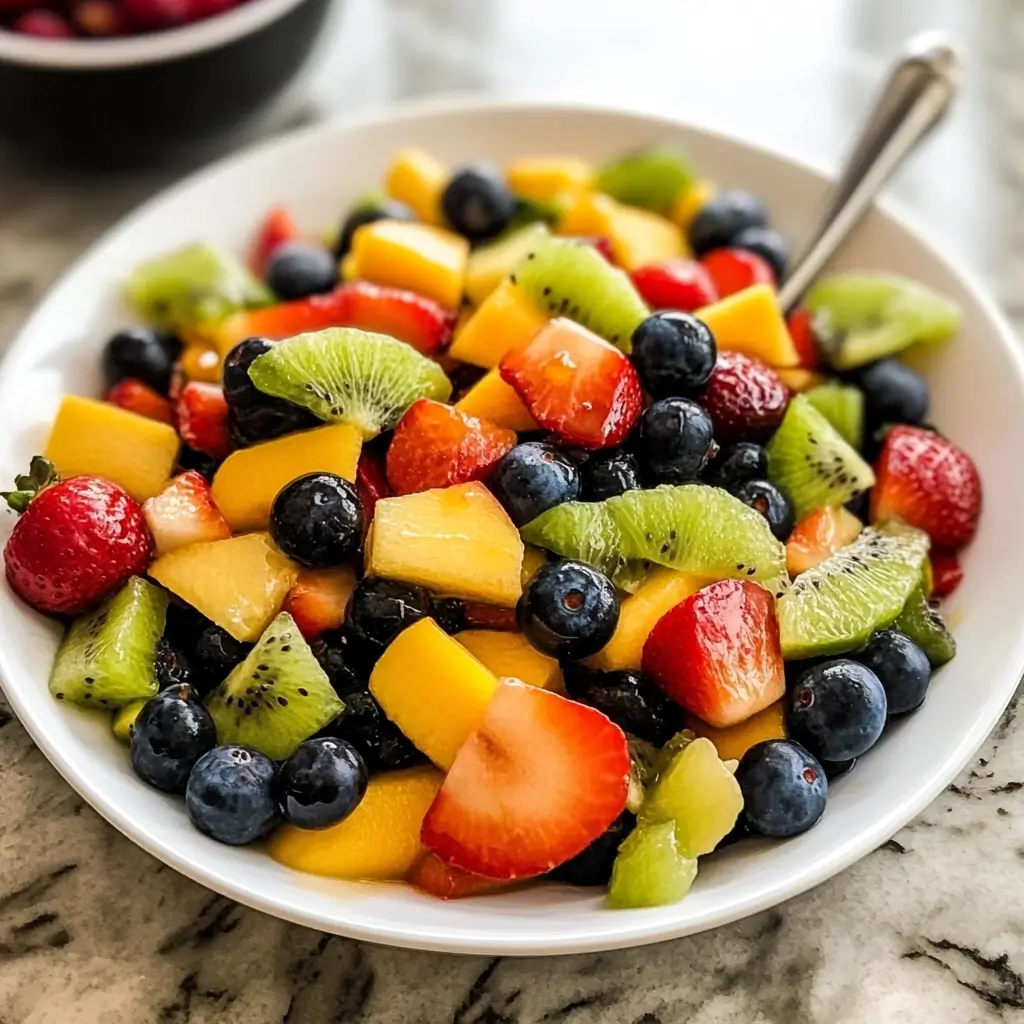
It was a sweltering summer afternoon when the idea of a fruit salad first sparked in my mind. The heat was relentless, and the thought of anything heavy or cooked felt utterly unappealing. I craved something vibrant, refreshing, and bursting with natural sweetness. That’s when I stumbled upon the concept of a Fruit Salad with Honey Lime Dressing. Initially, I was a bit skeptical; could such a simple combination really deliver the flavor punch I was seeking? Boy, was I wrong! From the first bite, my family and I were completely hooked. The symphony of textures and tastes – the juicy sweetness of the fruits, the zesty tang of the lime, and the subtle warmth of the honey – was absolutely divine. It was like sunshine in a bowl, a perfect antidote to the summer heat. This wasn’t just a fruit salad; it was an experience. The kids, who are usually picky eaters, devoured it with gusto, and even my husband, a self-proclaimed dessert connoisseur, declared it a winner. Since then, this Fruit Salad with Honey Lime Dressing has become a staple in our household, gracing our tables at picnics, barbecues, and even as a simple yet elegant dessert after dinner. It’s incredibly versatile, effortlessly customizable, and undeniably delicious. If you’re searching for a recipe that’s both healthy and incredibly satisfying, look no further. This fruit salad is a guaranteed crowd-pleaser that will brighten any day and tantalize your taste buds. Trust me, once you try this, you’ll understand why it’s become our go-to recipe for a taste of pure, unadulterated summer bliss.
Ingredients
Creating the perfect Fruit Salad with Honey Lime Dressing starts with selecting the freshest, most vibrant ingredients. The quality of your fruits directly impacts the overall taste and enjoyment of the salad, so choose wisely! This recipe is wonderfully flexible, allowing you to adapt it based on seasonal availability and your personal preferences. However, for the best balance of flavors and textures, I highly recommend incorporating a variety of fruits from different color families and with varying degrees of sweetness and tartness. Let’s break down each component of this refreshing masterpiece:
- Fresh Fruits: This is the heart and soul of our salad. Aim for a colorful mix of approximately 6-8 cups of chopped fresh fruits. Variety is key here! Consider including a combination of the following:
- Berries (2 cups total): Berries add a burst of juicy sweetness and vibrant color. A mix of strawberries, blueberries, raspberries, and blackberries works wonderfully. Strawberries, with their classic sweetness and slightly tart edge, are a must-have. Blueberries offer a subtle sweetness and a delightful pop. Raspberries bring a delicate tartness and a beautiful soft texture. Blackberries, with their deep, rich flavor, add complexity. When selecting berries, look for plump, brightly colored fruits without any signs of bruising or mold. Organic berries, while often pricier, tend to be sweeter and more flavorful, especially during their peak season. Remember to gently rinse and pat dry your berries before adding them to the salad. For larger strawberries, consider halving or quartering them to ensure even distribution and easier eating.
- Melons (2 cups total): Melons provide a refreshing, hydrating element and a delightful sweetness. Watermelon, cantaloupe, and honeydew are excellent choices. Watermelon, with its high water content and mild sweetness, is incredibly refreshing, especially on a hot day. Cantaloupe offers a richer sweetness and a slightly musky aroma. Honeydew provides a delicate sweetness and a smooth texture. When choosing melons, look for firm, heavy fruits with a pleasant aroma. For watermelon, a deep, hollow sound when tapped indicates ripeness. For cantaloupe and honeydew, look for a slight give at the blossom end (opposite the stem end) and a fragrant aroma. Cut the melons into bite-sized cubes, removing any seeds and rind.
- Citrus Fruits (1 cup total): Citrus fruits add a crucial element of tanginess and brightness that balances the sweetness of the other fruits. Oranges and mandarin oranges are fantastic options. Oranges, especially navel or Valencia oranges, offer a classic citrus flavor and juicy segments. Mandarin oranges, with their sweeter, less acidic taste and easy-to-peel segments, are another great choice, particularly popular with children. Grapefruit can also be added for a more pronounced tartness, but use it sparingly as it can overpower other flavors if overused. Peel the citrus fruits thoroughly, removing all the white pith, as it can be bitter. Segment the oranges or mandarin oranges to make them easier to eat in the salad.
- Tropical Fruits (1 cup total): Tropical fruits bring an exotic touch and unique flavors to the salad. Pineapple and mango are excellent choices and add a wonderful chewy texture. Pineapple, with its sweet and tangy flavor and slightly fibrous texture, adds a tropical punch. Mango, with its creamy texture and rich, sweet flavor, provides a luxurious element. Kiwi, with its vibrant green color and slightly tart, refreshing taste, is another excellent tropical addition. When selecting pineapple, look for a fragrant aroma and a slight give when gently squeezed. For mangoes, choose fruits that are slightly soft to the touch and fragrant. Peel and chop the tropical fruits into bite-sized pieces, removing the core of the pineapple and the pit of the mango.
- Other Fruits (Optional, ½ – 1 cup): Feel free to experiment with other fruits to customize your salad further! Grapes (red or green, halved), peaches, nectarines, plums, cherries (pitted and halved), or even apples (crisp varieties like Fuji or Honeycrisp, diced and tossed with a little lemon juice to prevent browning) can be wonderful additions. Consider adding a crisp apple like Fuji or Honeycrisp for a contrasting texture and a subtle tartness. Peaches, nectarines, and plums, when in season, offer a delicate sweetness and juicy texture. Cherries, pitted and halved, add a burst of sweetness and a beautiful ruby red color. Grapes, halved, provide a juicy pop and a different textural element. Remember to adjust the overall quantity of fruits to maintain a balanced ratio and avoid overcrowding your salad bowl.
- For the Honey Lime Dressing: The dressing is what truly elevates this fruit salad from ordinary to extraordinary. It’s a simple yet incredibly flavorful combination of honey, lime juice, and fresh mint.
- Lime Juice (¼ cup, freshly squeezed): Freshly squeezed lime juice is absolutely essential for this dressing. Bottled lime juice lacks the vibrant, zesty flavor that fresh lime juice provides. Lime juice adds a crucial tartness that balances the sweetness of the honey and the fruits, creating a refreshing and invigorating dressing. You’ll need approximately 2-3 limes to yield ¼ cup of juice. Zest one of the limes before juicing to add an extra layer of lime flavor to the dressing (optional, but highly recommended!). Roll the limes firmly on the countertop before juicing to release more juice.
- Honey (3 tablespoons): Honey provides the perfect touch of natural sweetness and a beautiful floral aroma to the dressing. The type of honey you use can subtly influence the flavor profile. A mild wildflower honey or clover honey works well, allowing the lime and fruit flavors to shine through. For a richer, more complex flavor, consider using a darker honey like buckwheat or chestnut honey, but be mindful that these can be stronger in flavor and may slightly alter the overall taste balance. Adjust the amount of honey to your preference. If you prefer a less sweet dressing, start with 2 tablespoons and add more to taste.
- Fresh Mint (2 tablespoons, finely chopped): Fresh mint is the secret ingredient that takes this dressing to the next level. It adds a refreshing, cooling element and a bright, herbaceous note that complements the citrus and honey beautifully. Peppermint or spearmint both work well. Finely chop the mint leaves and gently bruise them with the back of your knife or spoon to release their fragrant oils before adding them to the dressing. Fresh mint is crucial; dried mint will not provide the same vibrant flavor.
- Optional additions to the dressing: For extra depth of flavor, you can consider adding a tiny pinch of sea salt to enhance the sweetness and balance the tartness. A dash of vanilla extract (about ¼ teaspoon) can also add a subtle warmth and complexity. For a touch of spice, a tiny pinch of chili flakes or a few drops of your favorite hot sauce can add an unexpected kick, especially if using tropical fruits like mango and pineapple.
Ingredient Quality is Key: Remember, the best fruit salad starts with the best ingredients. Choose ripe, flavorful fruits in season whenever possible. Opt for high-quality honey and fresh limes. The small details, like using fresh mint and freshly squeezed lime juice, make a significant difference in the final flavor of your Fruit Salad with Honey Lime Dressing.
Instructions
Creating this delightful Fruit Salad with Honey Lime Dressing is incredibly straightforward, making it a perfect recipe for busy days or when you need a quick and impressive dish. The key is to prepare your ingredients efficiently and combine them gently to maintain the freshness and integrity of the fruits. Follow these simple steps to create your own bowl of sunshine:
- Prepare the Fruits: This is the most time-consuming step, but it’s also where the magic begins! Start by thoroughly washing all your chosen fruits under cool running water. This removes any dirt or residue. Pat them dry gently with a clean kitchen towel or paper towels. Drying the fruits helps the dressing adhere better and prevents the salad from becoming watery.
- Berries: For strawberries, hull them (remove the green tops) and slice them in half or quarters, depending on their size. Leave smaller berries like blueberries, raspberries, and blackberries whole. If using very large raspberries or blackberries, you can halve them.
- Melons: Cut your melons (watermelon, cantaloupe, honeydew) in half, scoop out the seeds, and remove the rind. Cut the melon flesh into bite-sized cubes, approximately ½ to 1 inch in size. Uniformly sized pieces are not only aesthetically pleasing but also ensure even distribution of flavors in the salad.
- Citrus Fruits: For oranges or mandarin oranges, peel them completely, removing all the white pith. Segment the oranges by cutting along the membranes to release individual segments. This makes them easier to eat and prevents bitterness from the pith.
- Tropical Fruits: Peel the pineapple and mango. Remove the core from the pineapple and the pit from the mango. Cut both fruits into bite-sized cubes, similar in size to the melon pieces. For kiwi, peel and slice or dice it.
- Other Fruits (Optional): Prepare any other fruits you are using. For grapes, wash and halve them. For peaches, nectarines, or plums, wash, pit, and slice or dice them. For apples, wash, core, and dice them. If using apples, toss them immediately with a squeeze of lemon juice to prevent browning.
- Combine the Fruits: In a large serving bowl, gently combine all the prepared fruits. Be careful not to overcrowd the bowl, as this can bruise the delicate fruits. A large, wide bowl is ideal for tossing and serving fruit salad. Handle the fruits with care to avoid crushing them. If you are preparing the salad in advance, you can combine the less delicate fruits like melons, pineapple, and grapes first and add the more delicate berries and citrus fruits closer to serving time to maintain their freshness and texture.
- Prepare the Honey Lime Dressing: In a small bowl or a jar, whisk together the freshly squeezed lime juice, honey, and finely chopped fresh mint. If you zested a lime, add the zest to the dressing as well. Whisk vigorously until the honey is fully dissolved and the dressing is well combined. Taste the dressing and adjust the sweetness or tartness to your liking by adding a little more honey or lime juice. If using salt or vanilla extract, add them now and whisk to combine. If you prefer a thinner dressing, you can add a teaspoon or two of water.
- Dress the Salad: Just before serving, pour the honey lime dressing over the fruit salad. Gently toss the fruits with the dressing to ensure that all pieces are lightly coated. Avoid over-mixing, as this can make the fruits mushy. You want just enough dressing to enhance the natural flavors of the fruits, not to drown them. If you are not serving the salad immediately, you can keep the dressing separate and add it just before serving to prevent the fruits from becoming soggy.
- Chill (Optional but Recommended): While you can serve the fruit salad immediately, chilling it in the refrigerator for at least 30 minutes to an hour allows the flavors to meld together beautifully and enhances the refreshing quality of the salad. Cover the bowl tightly with plastic wrap or a lid to prevent the fruits from drying out and absorbing any refrigerator odors. Chilling the salad also helps to firm up the fruits slightly, making them even more enjoyable.
- Garnish (Optional): Before serving, you can garnish the fruit salad to add a final touch of visual appeal and flavor. A sprinkle of extra fresh mint leaves, a few lime wedges, or a dusting of shredded coconut can be lovely additions. You can also add a dollop of Greek yogurt or a scoop of vanilla ice cream for a richer dessert option.
Tips for Success:
- Freshness is paramount: Use the freshest, ripest fruits you can find for the best flavor and texture.
- Don’t overdress: Start with a smaller amount of dressing and add more to taste. You want the dressing to complement, not overpower, the fruit flavors.
- Dress just before serving: To prevent the fruits from becoming soggy, add the dressing shortly before you plan to serve the salad.
- Taste and adjust: Taste the dressing and the final salad, and adjust the sweetness or tartness to your preference.
- Get creative with fruits: Feel free to experiment with different fruits based on your preferences and seasonal availability.
Following these simple instructions will reward you with a vibrant, refreshing, and incredibly delicious Fruit Salad with Honey Lime Dressing that is perfect for any occasion. Enjoy the burst of flavors and the simple elegance of this healthy and delightful dish!
Nutrition Facts
Understanding the nutritional profile of your Fruit Salad with Honey Lime Dressing can help you appreciate its health benefits and make informed choices about portion sizes. Fruit salad is naturally packed with vitamins, minerals, and fiber, making it a nutritious and delicious choice. However, the addition of honey in the dressing does contribute to the sugar content, so moderation is always key. Please note that the nutrition facts provided below are approximate and can vary depending on the specific fruits used and the exact quantities of ingredients.
Serving Size: Approximately 1 cup (about 240 grams)
Servings per Recipe: This recipe typically yields about 8 servings, assuming you use the ingredient quantities specified.
Approximate Nutrition Facts per Serving:
- Calories: 120-150 calories
- This range is an estimate and can vary based on the types and proportions of fruits used, as well as the amount of honey in the dressing. Fruits like mango and grapes are naturally higher in calories and sugar compared to berries and melons. Using less honey or substituting with a sugar alternative can slightly reduce the calorie count.
- Total Fat: Less than 1 gram
- Fruit salad is naturally very low in fat. The dressing also contributes minimal fat.
- Saturated Fat: 0 grams
- Fruit salad is naturally free of saturated fat.
- Cholesterol: 0 milligrams
- Fruit salad is cholesterol-free.
- Sodium: 5-10 milligrams
- Fruit salad is very low in sodium. The sodium content will primarily come from any trace amounts naturally present in the fruits and dressing ingredients.
- Total Carbohydrates: 30-35 grams
- The majority of carbohydrates in fruit salad come from the natural sugars in fruits (fructose, glucose, sucrose) and the honey in the dressing.
- Dietary Fiber: 3-5 grams
- Fruits are excellent sources of dietary fiber, which is essential for digestive health, helps regulate blood sugar levels, and promotes feelings of fullness. Berries, in particular, are high in fiber.
- Sugars: 25-30 grams
- This includes natural sugars from the fruits and added sugars from the honey. While these are natural sugars, it’s still important to consume them in moderation, especially for individuals monitoring their sugar intake.
- Protein: 1-2 grams
- Fruit salad is not a significant source of protein.
Vitamins and Minerals (Approximate, will vary based on fruits):
- Vitamin C: Excellent source (significantly more than 100% of the Daily Value)
- Citrus fruits, strawberries, and kiwi are particularly rich in Vitamin C, a powerful antioxidant that supports immune function, collagen production, and iron absorption.
- Vitamin A: Good source (10-20% of the Daily Value)
- Melons, mangoes, and oranges contribute to Vitamin A content, important for vision, immune function, and cell growth.
- Potassium: Good source (5-10% of the Daily Value)
- Bananas (if added), melons, and oranges are good sources of potassium, an electrolyte important for maintaining healthy blood pressure and nerve function.
- Folate: Moderate source (5-10% of the Daily Value)
- Fruits like strawberries and oranges contribute to folate intake, a B vitamin essential for cell growth and development.
- Antioxidants: Rich in antioxidants
- Fruits are packed with various antioxidants, including vitamins, flavonoids, and carotenoids, which help protect cells from damage caused by free radicals. Berries, in particular, are known for their high antioxidant content.
Health Benefits:
- Hydrating: Fruit salad is naturally hydrating due to the high water content of many fruits, especially melons and citrus fruits.
- Rich in Vitamins and Minerals: Provides a wide array of essential vitamins and minerals that support overall health and well-being.
- High in Fiber: Promotes digestive health, helps regulate blood sugar, and aids in weight management.
- Antioxidant Powerhouse: Offers protection against cell damage and chronic diseases due to its rich antioxidant content.
- Naturally Sweet and Satisfying: Provides a healthy way to satisfy sweet cravings without relying on processed sugars or unhealthy fats.
Considerations:
- Sugar Content: Be mindful of the sugar content, especially if you are watching your sugar intake. Adjust the amount of honey in the dressing or choose fruits lower in sugar if needed.
- Portion Control: While fruit salad is healthy, portion control is still important to manage calorie and sugar intake. Stick to a 1-cup serving size.
- Individual Dietary Needs: Individuals with specific dietary restrictions or health conditions (e.g., diabetes, allergies) should consider their individual needs and adjust the recipe or fruit choices accordingly.
This Fruit Salad with Honey Lime Dressing is not just a delicious treat; it’s a nutritious powerhouse that can contribute to a healthy and balanced diet. Enjoy it as a refreshing snack, a light dessert, or a vibrant addition to any meal!
Preparation Time
One of the greatest advantages of this Fruit Salad with Honey Lime Dressing is its quick and easy preparation. It’s a recipe that’s perfect for busy weeknights, spontaneous gatherings, or anytime you need a healthy and delicious dish in a hurry. Here’s a breakdown of the preparation time:
- Prep Time: 20-25 minutes
- This includes the time required for washing, peeling (if necessary), and chopping all the fruits. The exact prep time will depend on your knife skills and the variety and quantity of fruits you choose. If you are using pre-cut fruits, the prep time will be significantly reduced. The most time-consuming part is typically chopping the melons and tropical fruits. Preparing the dressing itself is very quick, taking only about 5 minutes.
- Chill Time (Optional): 30 minutes – 1 hour (or longer)
- While chilling is optional, it is highly recommended to enhance the flavors and refreshing quality of the salad. The chilling time allows the dressing to meld with the fruits and for the salad to become nicely cooled. You can chill the salad for as little as 30 minutes or up to a few hours, depending on your preference and time constraints. If you are short on time, even a 15-20 minute chill can make a difference.
- Total Time (Including Optional Chill Time): 50 minutes – 1 hour 25 minutes
- This is the total time from start to finish, including both the active preparation time and the optional chilling time. Without chilling, the total time is just 20-25 minutes.
Time-Saving Tips:
- Use Pre-Cut Fruits (When Appropriate): If you are really pressed for time, you can purchase pre-cut fruits from the grocery store, such as melon chunks or pineapple pieces. However, keep in mind that freshly cut fruits will always taste best and have the best texture. If using pre-cut fruits, choose those that look fresh and have been recently prepared.
- Prepare Fruits in Advance (Partially): You can wash and chop the less delicate fruits like melons and pineapple a few hours ahead of time and store them separately in airtight containers in the refrigerator. Add the more delicate berries and citrus fruits closer to serving time to maintain their freshness.
- Make the Dressing Ahead: The honey lime dressing can be made up to a day in advance and stored in an airtight container in the refrigerator. This can save you a few minutes of prep time on the day you plan to serve the salad. Just give it a quick whisk before using.
- Enlist Help: If you are preparing the salad for a larger group, enlist the help of family members or friends to wash and chop the fruits. Many hands make light work!
- Simplify Fruit Choices: Choose fewer varieties of fruits to reduce the chopping time. For example, you could make a delicious salad with just berries, melon, and oranges, which are relatively quick to prepare.
Perfect for Last-Minute Dishes:
The short preparation time makes this Fruit Salad with Honey Lime Dressing an ideal choice for:
- Quick Desserts: When you need a healthy and satisfying dessert in minutes.
- Potlucks and Picnics: Easy to prepare and transport, making it perfect for bringing to gatherings.
- Weekday Meals: A healthy and refreshing side dish or snack for busy weeknights.
- Summer Celebrations: A light and refreshing option for barbecues, pool parties, and summer holidays.
In conclusion, the minimal preparation time of this recipe is a significant advantage, making it a go-to dish for anyone who values both healthy eating and efficiency in the kitchen. You can enjoy a vibrant and delicious fruit salad without spending hours in preparation!
How to Serve
The versatility of Fruit Salad with Honey Lime Dressing extends beyond its ingredients and preparation; it shines in its serving options as well. This refreshing salad can be adapted to suit various occasions and culinary needs, from casual breakfasts to elegant desserts. Here are some delightful ways to serve and enjoy this vibrant dish:
- As a Refreshing Dessert:
- Simple and Elegant: Serve chilled fruit salad in individual bowls or elegant dessert glasses for a light and healthy dessert after any meal. The natural sweetness of the fruits and the tangy dressing provide a satisfyingly sweet finish without being heavy.
- With Yogurt or Whipped Cream: Top each serving with a dollop of Greek yogurt, vanilla yogurt, or lightly sweetened whipped cream for added creaminess and richness. This elevates the salad to a more decadent dessert experience.
- With Ice Cream or Sorbet: Pair the fruit salad with a scoop of vanilla ice cream, coconut ice cream, or a refreshing fruit sorbet (like mango or raspberry sorbet) for a delightful contrast in temperatures and textures.
- Grilled Fruit Salad Dessert: For a unique twist, lightly grill some of the fruit pieces (like pineapple, peaches, or watermelon) to caramelize their natural sugars and add a smoky flavor. Serve the grilled fruit warm alongside the fresh fruit salad and a drizzle of honey lime dressing.
- Fruit Salad Parfaits: Layer fruit salad with yogurt or whipped cream and granola in parfait glasses for a visually appealing and satisfying dessert parfait.
- As a Healthy Breakfast or Brunch Option:
- Standalone Breakfast: Enjoy a generous bowl of fruit salad as a light, refreshing, and vitamin-packed breakfast, especially on warm mornings. It’s a great way to start your day with natural energy and hydration.
- Alongside Yogurt and Granola: Serve fruit salad alongside a bowl of plain Greek yogurt and granola for a more substantial and balanced breakfast or brunch. The yogurt provides protein, and the granola adds satisfying crunch.
- With Oatmeal or Overnight Oats: Top your morning oatmeal or overnight oats with a scoop of fruit salad for added flavor, sweetness, and nutritional boost.
- Part of a Brunch Buffet: Include fruit salad as a refreshing and colorful element in a brunch buffet spread, alongside savory dishes like quiches, frittatas, and breakfast pastries.
- As a Vibrant Side Dish:
- Complement to Grilled Dishes: Serve fruit salad as a refreshing side dish alongside grilled chicken, fish, pork, or tofu. The sweetness and acidity of the salad cut through the richness of grilled meats and provide a balanced meal.
- Pairing with Salads: Serve fruit salad alongside a green salad or a grain salad for a light and healthy lunch or dinner. The fruit salad adds a touch of sweetness and vibrancy to a savory meal.
- Accompanying Sandwiches or Wraps: Offer fruit salad as a healthy and refreshing side option with sandwiches, wraps, or paninis for a balanced and satisfying lunch.
- For Barbecues and Picnics: Fruit salad is the perfect portable and crowd-pleasing side dish for barbecues, picnics, and outdoor gatherings. It’s light, refreshing, and requires no heating.
- As a Snack or Appetizer:
- Healthy Snack: Enjoy a small bowl of fruit salad as a healthy and satisfying snack between meals to curb sweet cravings and boost your energy levels.
- Appetizer at Parties: Serve fruit salad in small cups or on skewers as a light and refreshing appetizer at parties or gatherings. Fruit skewers are especially fun and easy to eat.
- Fruit Salad Salsa: Finely dice the fruits and mix with the honey lime dressing to create a fruit salsa. Serve with cinnamon pita chips or tortilla chips for a unique and flavorful appetizer.
Serving Presentation Ideas:
- Individual Bowls or Glasses: For elegant servings, use individual dessert bowls, wine glasses, or mason jars.
- Large Serving Bowl: For casual gatherings, present the fruit salad in a large, beautiful serving bowl.
- Fruit Skewers: Thread chunks of fruit onto skewers for a fun and portable serving option, especially for kids’ parties or picnics.
- Fruit Salad Boats: Use hollowed-out melon halves or pineapple halves as natural bowls to serve the fruit salad for a visually appealing and festive presentation.
- Garnishes: Enhance the presentation with garnishes like fresh mint sprigs, lime wedges, shredded coconut, or edible flowers.
No matter how you choose to serve it, Fruit Salad with Honey Lime Dressing is a guaranteed crowd-pleaser. Its versatility and refreshing flavors make it a welcome addition to any table, any time of day. Get creative and enjoy the endless possibilities!
Additional Tips
To truly master the art of making the perfect Fruit Salad with Honey Lime Dressing, consider these five additional tips that can elevate your recipe from good to outstanding:
- Fruit Ripeness is Crucial: The sweetness and flavor of your fruit salad are heavily dependent on the ripeness of your fruits. Choose fruits that are ripe but not overripe. Ripe fruits will be at their peak sweetness and juiciness, while overripe fruits can be mushy and less flavorful.
- Berries: Look for plump, brightly colored berries without any signs of mold or bruising. They should be fragrant and slightly soft to the touch.
- Melons: Choose melons that are heavy for their size and have a fragrant aroma. For cantaloupe and honeydew, check for a slight give at the blossom end. For watermelon, a deep, hollow sound when tapped indicates ripeness.
- Citrus: Select citrus fruits that are firm and heavy for their size. They should have a bright, fragrant aroma and a smooth, unblemished skin.
- Tropical Fruits: Pineapples should have a fragrant aroma and a slight give when gently squeezed. Mangoes should be slightly soft to the touch and fragrant. Kiwis should be firm but yield slightly to gentle pressure.
- Other Fruits: Peaches, nectarines, and plums should be slightly soft to the touch and fragrant. Grapes should be plump and firmly attached to the stem. Apples should be firm and crisp.
- Consider Texture Variety: A truly satisfying fruit salad offers a delightful mix of textures. Think beyond just sweetness and consider how different fruits feel in your mouth.
- Soft Fruits: Berries, ripe peaches, mangoes, and kiwi provide soft and juicy textures.
- Crisp Fruits: Apples (like Fuji or Honeycrisp), grapes, and firm pears offer a pleasant crispness.
- Chewy Fruits: Pineapple and some varieties of mango can add a slightly chewy texture.
- Juicy Fruits: Melons and citrus fruits contribute to the overall juiciness of the salad.
- Creamy Fruits (Optional): If you desire a creamier element, consider adding slices of ripe avocado (though this will slightly alter the flavor profile) or serving the salad with yogurt.
- Don’t Forget the Zest! While the lime juice is essential for the dressing, don’t underestimate the power of lime zest. Lime zest is packed with concentrated lime flavor and aromatic oils that add an extra layer of brightness and zestiness to the dressing.
- Zest Before Juicing: Always zest your limes before juicing them. Use a microplane or fine grater to remove just the outer green layer of the lime peel, avoiding the bitter white pith underneath.
- Add Zest to Dressing: Incorporate the lime zest into the honey lime dressing for a more intense and nuanced lime flavor.
- Zest as Garnish (Optional): You can also sprinkle a little extra lime zest over the finished fruit salad as a garnish for added visual appeal and a final burst of lime aroma.
- Customize Your Dressing: The honey lime dressing is a fantastic base, but feel free to customize it to your personal taste preferences.
- Adjust Sweetness: If you prefer a less sweet dressing, reduce the amount of honey. If you like it sweeter, add a little more honey. You can also experiment with other sweeteners like maple syrup or agave nectar, but honey provides a unique floral flavor that complements the fruits beautifully.
- Spice it Up: For a touch of heat, add a pinch of red pepper flakes or a few drops of your favorite hot sauce to the dressing, especially if using tropical fruits like mango and pineapple.
- Herb Variations: While mint is classic, you can experiment with other fresh herbs like basil or cilantro for a different flavor profile. Basil pairs particularly well with strawberries and peaches, while cilantro can complement tropical fruits.
- Ginger Zing: Add a small amount of grated fresh ginger to the dressing for a warm and spicy kick.
- Prevent Browning (For Certain Fruits): Some fruits, like apples, bananas, and peaches, are prone to browning when exposed to air due to oxidation. To prevent this and keep your fruit salad looking fresh and appealing, consider these tips:
- Acidic Dip: Toss diced apples, peaches, or bananas immediately with a little lemon juice, lime juice, or pineapple juice. The acidity helps slow down oxidation.
- Add Browning-Prone Fruits Last: Add fruits that brown easily, like bananas and apples, just before serving to minimize browning.
- Store Properly: If making the salad ahead of time, store it in an airtight container in the refrigerator. The airtight environment helps slow down oxidation.
- Layer Fruits Strategically: When layering fruits in a bowl, place browning-prone fruits underneath layers of other fruits to minimize air exposure.
By implementing these additional tips, you’ll be well on your way to creating a truly exceptional Fruit Salad with Honey Lime Dressing that is both delicious and visually stunning. Enjoy experimenting and perfecting your own signature version of this classic recipe!
FAQ Section
Here are five frequently asked questions about Fruit Salad with Honey Lime Dressing, along with helpful answers to ensure you make the perfect salad every time:
Q1: Can I make fruit salad ahead of time?
A: Yes, you can prepare the fruit salad components in advance, but it’s best to assemble and dress it closer to serving time for optimal freshness and texture.
- Prepare Fruits in Advance: You can wash and chop the less delicate fruits (melons, pineapple, grapes, oranges) up to a day ahead and store them separately in airtight containers in the refrigerator. Wait to chop more delicate fruits like berries, bananas, and apples until closer to serving time to prevent them from becoming mushy or browning.
- Make Dressing Ahead: The honey lime dressing can be made up to 2-3 days in advance and stored in an airtight container in the refrigerator. The flavors often meld together even better after sitting for a while.
- Assemble Just Before Serving: For the best results, combine the fruits and dress the salad just 15-30 minutes before serving. This prevents the fruits from becoming soggy from the dressing and ensures they retain their crispness and vibrant colors.
- If Making Far in Advance: If you need to make the entire salad several hours ahead of time, choose fruits that hold up well, such as melons, grapes, pineapple, and oranges. Add berries and other delicate fruits closer to serving time. You can lightly toss the more robust fruits with a touch of lime juice to help prevent browning and then add the dressing just before serving.
Q2: How do I store leftover fruit salad?
A: Store leftover fruit salad in an airtight container in the refrigerator. It’s best consumed within 1-2 days for optimal quality.
- Airtight Container: Transfer any leftover fruit salad to an airtight container as soon as possible after serving. This helps prevent it from drying out and absorbing refrigerator odors.
- Refrigerate Promptly: Refrigerate the fruit salad within 2 hours of preparation to maintain its freshness and prevent bacterial growth.
- Quality Degradation: While fruit salad can be safely stored for a couple of days, the texture and appearance may degrade over time. The fruits may soften and release more juices, making the salad slightly watery. The dressing may also become less vibrant.
- Best Used Sooner: For the best taste and texture, aim to consume leftover fruit salad within 24 hours. It’s still safe to eat for up to 2 days, but the quality will diminish.
- Draining Excess Liquid: If your leftover fruit salad becomes watery, you can gently drain off some of the excess liquid before serving to improve the texture.
Q3: Can I use frozen fruit in this recipe?
A: While fresh fruit is highly recommended for the best flavor and texture, you can use frozen fruit in a pinch, but with some considerations.
- Texture Change: Frozen fruit, once thawed, will be softer and less firm than fresh fruit. This can affect the overall texture of the salad, making it less crisp.
- Water Content: Thawed frozen fruit releases more water than fresh fruit, which can make the salad watery and dilute the dressing.
- Best Frozen Fruit Options: If using frozen fruit, berries (strawberries, blueberries, raspberries) and mango chunks tend to hold up relatively better than other fruits. Avoid using frozen bananas or melons, as they become very mushy when thawed.
- Thaw Properly: If using frozen fruit, thaw it partially in the refrigerator before adding it to the salad. Do not fully thaw it, as this will make it too soft. You can even add slightly frozen fruit to help keep the salad chilled.
- Adjust Dressing: You may need to adjust the dressing slightly if using frozen fruit, as the extra water released might dilute the flavor. Consider adding a bit more honey or lime zest to compensate.
- Best for Smoothies or Compotes: Frozen fruit is generally better suited for smoothies, compotes, or baked goods where texture is less critical. For fruit salad, fresh fruit is always the preferred choice.
Q4: Can I substitute the honey in the dressing?
A: Yes, you can substitute honey in the dressing if needed, but it will slightly alter the flavor profile.
- Maple Syrup: Maple syrup is a good alternative for a vegan option and provides a similar sweetness and a slightly caramel-like flavor. Use the same amount as honey (3 tablespoons) and adjust to taste.
- Agave Nectar: Agave nectar is another vegan option and is sweeter than honey, so you may need to use slightly less (start with 2 tablespoons and adjust to taste). It has a more neutral flavor compared to honey and maple syrup.
- Sugar Alternatives: You can use sugar alternatives like stevia or erythritol for a lower-sugar option. Follow the package instructions for conversion ratios, as sugar substitutes vary in sweetness compared to honey.
- Brown Sugar or Coconut Sugar: For a richer, more molasses-like flavor, you can use a small amount of brown sugar or coconut sugar. Dissolve it well in the lime juice before adding other dressing ingredients.
- Flavor Change: Keep in mind that each substitution will slightly change the flavor of the dressing. Honey provides a unique floral sweetness that complements the lime and fruit beautifully. Maple syrup adds a caramel note, agave is more neutral, and sugar substitutes will have a different sweetness profile. Choose the substitution that best suits your taste preferences and dietary needs.
Q5: Can I add other ingredients to the fruit salad?
A: Absolutely! Fruit salad is incredibly versatile, and you can definitely add other ingredients to customize it to your liking.
- Nuts and Seeds: Add toasted nuts like almonds, pecans, walnuts, or shredded coconut for crunch and healthy fats. Seeds like chia seeds, flax seeds, or pumpkin seeds can also be added for texture and nutritional boost.
- Fresh Herbs: Experiment with different fresh herbs beyond mint. Basil, cilantro, or even a touch of rosemary can complement certain fruit combinations.
- Spices: A pinch of cinnamon, nutmeg, or ginger can add warmth and depth of flavor, especially in fall or winter-inspired fruit salads.
- Edible Flowers: Garnish with edible flowers like pansies or violets for a beautiful and elegant presentation.
- Cheese (Feta or Goat Cheese): For a savory-sweet twist, crumble a small amount of feta cheese or goat cheese over the fruit salad. This combination works particularly well with watermelon, berries, and melon.
- Yogurt or Cottage Cheese: Layer fruit salad with yogurt or cottage cheese for added protein and creaminess, creating a more substantial snack or breakfast.
- Granola: Sprinkle granola over the fruit salad for added crunch and texture, especially when serving it for breakfast or brunch.
- Citrus Zest Variations: Use zest from other citrus fruits like orange, grapefruit, or lemon to add different citrusy notes to the salad.
Feel free to get creative and experiment with different additions to make this Fruit Salad with Honey Lime Dressing your own signature dish!
Print
Fruit Salad with Honey Lime Dressing Recipe
Ingredients
- Fresh Fruits: This is the heart and soul of our salad. Aim for a colorful mix of approximately 6-8 cups of chopped fresh fruits. Variety is key here! Consider including a combination of the following:
- Berries (2 cups total): Berries add a burst of juicy sweetness and vibrant color. A mix of strawberries, blueberries, raspberries, and blackberries works wonderfully. Strawberries, with their classic sweetness and slightly tart edge, are a must-have. Blueberries offer a subtle sweetness and a delightful pop. Raspberries bring a delicate tartness and a beautiful soft texture. Blackberries, with their deep, rich flavor, add complexity. When selecting berries, look for plump, brightly colored fruits without any signs of bruising or mold. Organic berries, while often pricier, tend to be sweeter and more flavorful, especially during their peak season. Remember to gently rinse and pat dry your berries before adding them to the salad. For larger strawberries, consider halving or quartering them to ensure even distribution and easier eating.
- Melons (2 cups total): Melons provide a refreshing, hydrating element and a delightful sweetness. Watermelon, cantaloupe, and honeydew are excellent choices. Watermelon, with its high water content and mild sweetness, is incredibly refreshing, especially on a hot day. Cantaloupe offers a richer sweetness and a slightly musky aroma. Honeydew provides a delicate sweetness and a smooth texture. When choosing melons, look for firm, heavy fruits with a pleasant aroma. For watermelon, a deep, hollow sound when tapped indicates ripeness. For cantaloupe and honeydew, look for a slight give at the blossom end (opposite the stem end) and a fragrant aroma. Cut the melons into bite-sized cubes, removing any seeds and rind.
- Citrus Fruits (1 cup total): Citrus fruits add a crucial element of tanginess and brightness that balances the sweetness of the other fruits. Oranges and mandarin oranges are fantastic options. Oranges, especially navel or Valencia oranges, offer a classic citrus flavor and juicy segments. Mandarin oranges, with their sweeter, less acidic taste and easy-to-peel segments, are another great choice, particularly popular with children. Grapefruit can also be added for a more pronounced tartness, but use it sparingly as it can overpower other flavors if overused. Peel the citrus fruits thoroughly, removing all the white pith, as it can be bitter. Segment the oranges or mandarin oranges to make them easier to eat in the salad.
- Tropical Fruits (1 cup total): Tropical fruits bring an exotic touch and unique flavors to the salad. Pineapple and mango are excellent choices and add a wonderful chewy texture. Pineapple, with its sweet and tangy flavor and slightly fibrous texture, adds a tropical punch. Mango, with its creamy texture and rich, sweet flavor, provides a luxurious element. Kiwi, with its vibrant green color and slightly tart, refreshing taste, is another excellent tropical addition. When selecting pineapple, look for a fragrant aroma and a slight give when gently squeezed. For mangoes, choose fruits that are slightly soft to the touch and fragrant. Peel and chop the tropical fruits into bite-sized pieces, removing the core of the pineapple and the pit of the mango.
- Other Fruits (Optional, ½ – 1 cup): Feel free to experiment with other fruits to customize your salad further! Grapes (red or green, halved), peaches, nectarines, plums, cherries (pitted and halved), or even apples (crisp varieties like Fuji or Honeycrisp, diced and tossed with a little lemon juice to prevent browning) can be wonderful additions. Consider adding a crisp apple like Fuji or Honeycrisp for a contrasting texture and a subtle tartness. Peaches, nectarines, and plums, when in season, offer a delicate sweetness and juicy texture. Cherries, pitted and halved, add a burst of sweetness and a beautiful ruby red color. Grapes, halved, provide a juicy pop and a different textural element. Remember to adjust the overall quantity of fruits to maintain a balanced ratio and avoid overcrowding your salad bowl.
- For the Honey Lime Dressing: The dressing is what truly elevates this fruit salad from ordinary to extraordinary. It’s a simple yet incredibly flavorful combination of honey, lime juice, and fresh mint.
- Lime Juice (¼ cup, freshly squeezed): Freshly squeezed lime juice is absolutely essential for this dressing. Bottled lime juice lacks the vibrant, zesty flavor that fresh lime juice provides. Lime juice adds a crucial tartness that balances the sweetness of the honey and the fruits, creating a refreshing and invigorating dressing. You’ll need approximately 2-3 limes to yield ¼ cup of juice. Zest one of the limes before juicing to add an extra layer of lime flavor to the dressing (optional, but highly recommended!). Roll the limes firmly on the countertop before juicing to release more juice.
- Honey (3 tablespoons): Honey provides the perfect touch of natural sweetness and a beautiful floral aroma to the dressing. The type of honey you use can subtly influence the flavor profile. A mild wildflower honey or clover honey works well, allowing the lime and fruit flavors to shine through. For a richer, more complex flavor, consider using a darker honey like buckwheat or chestnut honey, but be mindful that these can be stronger in flavor and may slightly alter the overall taste balance. Adjust the amount of honey to your preference. If you prefer a less sweet dressing, start with 2 tablespoons and add more to taste.
- Fresh Mint (2 tablespoons, finely chopped): Fresh mint is the secret ingredient that takes this dressing to the next level. It adds a refreshing, cooling element and a bright, herbaceous note that complements the citrus and honey beautifully. Peppermint or spearmint both work well. Finely chop the mint leaves and gently bruise them with the back of your knife or spoon to release their fragrant oils before adding them to the dressing. Fresh mint is crucial; dried mint will not provide the same vibrant flavor.
- Optional additions to the dressing: For extra depth of flavor, you can consider adding a tiny pinch of sea salt to enhance the sweetness and balance the tartness. A dash of vanilla extract (about ¼ teaspoon) can also add a subtle warmth and complexity. For a touch of spice, a tiny pinch of chili flakes or a few drops of your favorite hot sauce can add an unexpected kick, especially if using tropical fruits like mango and pineapple.
Instructions
Prepare the Fruits: This is the most time-consuming step, but it’s also where the magic begins! Start by thoroughly washing all your chosen fruits under cool running water. This removes any dirt or residue. Pat them dry gently with a clean kitchen towel or paper towels. Drying the fruits helps the dressing adhere better and prevents the salad from becoming watery.
Berries: For strawberries, hull them (remove the green tops) and slice them in half or quarters, depending on their size. Leave smaller berries like blueberries, raspberries, and blackberries whole. If using very large raspberries or blackberries, you can halve them.
Melons: Cut your melons (watermelon, cantaloupe, honeydew) in half, scoop out the seeds, and remove the rind. Cut the melon flesh into bite-sized cubes, approximately ½ to 1 inch in size. Uniformly sized pieces are not only aesthetically pleasing but also ensure even distribution of flavors in the salad.
Citrus Fruits: For oranges or mandarin oranges, peel them completely, removing all the white pith. Segment the oranges by cutting along the membranes to release individual segments. This makes them easier to eat and prevents bitterness from the pith.
Tropical Fruits: Peel the pineapple and mango. Remove the core from the pineapple and the pit from the mango. Cut both fruits into bite-sized cubes, similar in size to the melon pieces. For kiwi, peel and slice or dice it.
Other Fruits (Optional): Prepare any other fruits you are using. For grapes, wash and halve them. For peaches, nectarines, or plums, wash, pit, and slice or dice them. For apples, wash, core, and dice them. If using apples, toss them immediately with a squeeze of lemon juice to prevent browning.
Combine the Fruits: In a large serving bowl, gently combine all the prepared fruits. Be careful not to overcrowd the bowl, as this can bruise the delicate fruits. A large, wide bowl is ideal for tossing and serving fruit salad. Handle the fruits with care to avoid crushing them. If you are preparing the salad in advance, you can combine the less delicate fruits like melons, pineapple, and grapes first and add the more delicate berries and citrus fruits closer to serving time to maintain their freshness and texture.
Prepare the Honey Lime Dressing: In a small bowl or a jar, whisk together the freshly squeezed lime juice, honey, and finely chopped fresh mint. If you zested a lime, add the zest to the dressing as well. Whisk vigorously until the honey is fully dissolved and the dressing is well combined. Taste the dressing and adjust the sweetness or tartness to your liking by adding a little more honey or lime juice. If using salt or vanilla extract, add them now and whisk to combine. If you prefer a thinner dressing, you can add a teaspoon or two of water.
Dress the Salad: Just before serving, pour the honey lime dressing over the fruit salad. Gently toss the fruits with the dressing to ensure that all pieces are lightly coated. Avoid over-mixing, as this can make the fruits mushy. You want just enough dressing to enhance the natural flavors of the fruits, not to drown them. If you are not serving the salad immediately, you can keep the dressing separate and add it just before serving to prevent the fruits from becoming soggy.
Chill (Optional but Recommended): While you can serve the fruit salad immediately, chilling it in the refrigerator for at least 30 minutes to an hour allows the flavors to meld together beautifully and enhances the refreshing quality of the salad. Cover the bowl tightly with plastic wrap or a lid to prevent the fruits from drying out and absorbing any refrigerator odors. Chilling the salad also helps to firm up the fruits slightly, making them even more enjoyable.
Garnish (Optional): Before serving, you can garnish the fruit salad to add a final touch of visual appeal and flavor. A sprinkle of extra fresh mint leaves, a few lime wedges, or a dusting of shredded coconut can be lovely additions. You can also add a dollop of Greek yogurt or a scoop of vanilla ice cream for a richer dessert option.
Nutrition
- Serving Size: one normal portion
- Calories: 120-150
- Sugar: 25-30 grams
- Sodium: 5-10 mg
- Fat: 1 gram
- Saturated Fat: 0 grams
- Carbohydrates: 30-35 grams
- Fiber: 3-5 grams
- Protein: 1-2 grams
- Cholesterol: 0 mg