
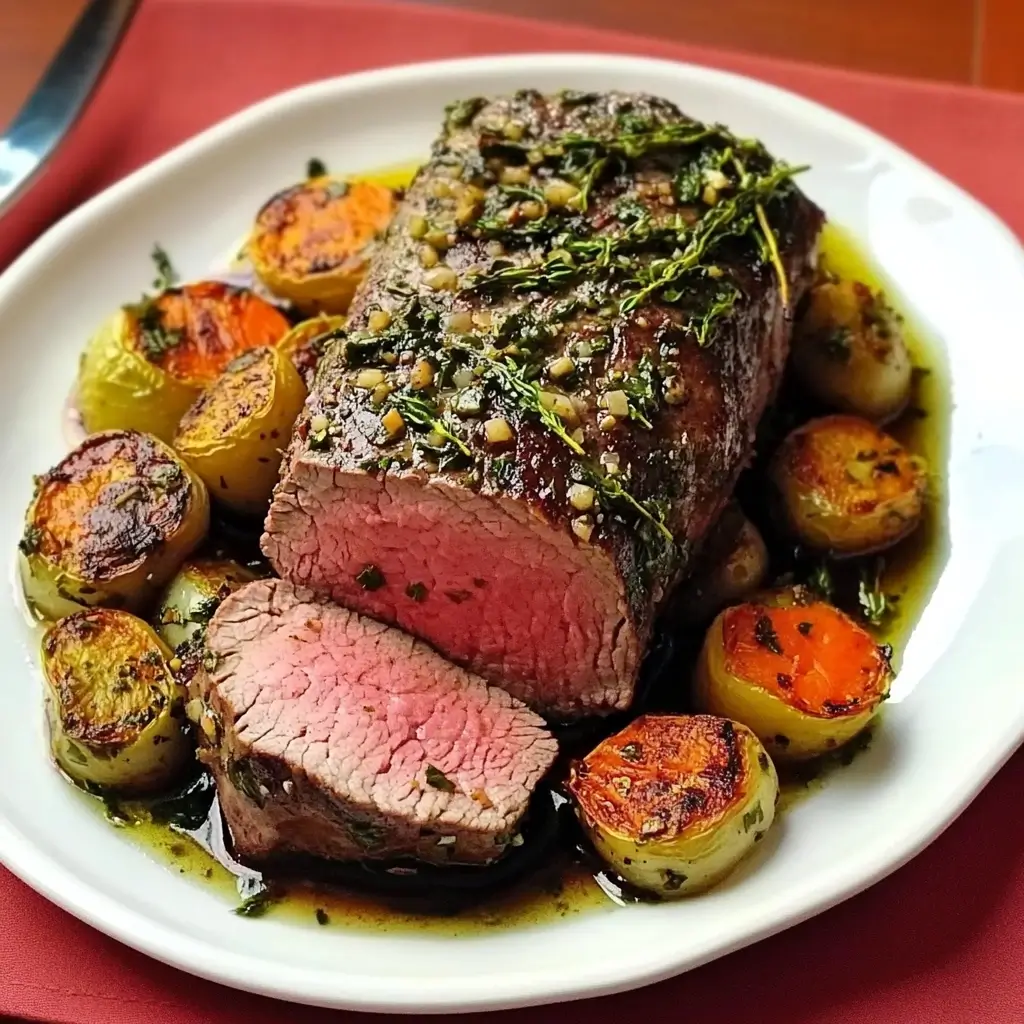

The aroma wafting from the oven that evening was simply divine. A rich, savory scent, infused with garlic and fragrant herbs, filled our home, promising a meal that was both comforting and celebratory. It was the first time I had attempted a beef tenderloin roast, and honestly, I was a little intimidated. Beef tenderloin always seemed like a dish reserved for special occasions and expert chefs. However, after stumbling upon this Garlic Herbed Beef Tenderloin recipe, I was surprised by how incredibly straightforward it was. Following the simple instructions, even a novice cook like myself could achieve restaurant-quality results. The tenderloin emerged from the oven beautifully browned, juicy, and infused with the robust flavors of garlic, basil, and rosemary. Slicing into it revealed a perfectly cooked, rosy pink center, exactly as we prefer it. My family was absolutely thrilled. Even my usually picky kids devoured every last bite, proclaiming it the best beef they had ever tasted. The compliments kept coming, and I basked in the glow of a successful and surprisingly easy gourmet meal. This recipe has since become a staple for special occasions and even for those weeknights when we crave something a little more special without spending hours in the kitchen. Trust me, if you are looking for a show-stopping dish that is both impressive and effortless to prepare, this Garlic Herbed Beef Tenderloin is your answer. Get ready to impress your family and friends with this foolproof recipe that delivers incredible flavor and tenderness every single time.
Ingredients
To embark on this culinary journey and create your own Garlic Herbed Beef Tenderloin masterpiece, you will need a selection of fresh and flavorful ingredients. The beauty of this recipe lies in its simplicity – a few high-quality components come together to create an explosion of taste. Let’s delve into each ingredient and understand its role in achieving the perfect roast.
- 1 beef tenderloin roast (3 pounds): The star of the show, the beef tenderloin, is known for its exceptional tenderness and lean nature. When selecting your tenderloin, opt for a center-cut roast, which is generally more uniform in thickness and cooks more evenly. A 3-pound roast is ideal for serving approximately 12 people, making it perfect for gatherings or family dinners with leftovers for delightful sandwiches or salads the next day. Look for a tenderloin that is well-trimmed, meaning excess fat and silverskin have been removed. This will reduce prep time and ensure a more tender final product. The quality of your beef will significantly impact the overall taste, so consider choosing a reputable butcher or a good quality cut from your local grocery store. If possible, select a tenderloin that is uniform in thickness throughout its length. This will ensure even cooking and prevent some parts from becoming overcooked while others remain undercooked. If your tenderloin is uneven, you can butterfly the thicker end slightly or tuck the thinner end under to create a more uniform shape. Remember, the tenderloin is a prized cut of beef, and its inherent tenderness and mild flavor make it a wonderful canvas for the garlic and herb infusion we will be creating.
- 2 teaspoons olive oil: Olive oil acts as a crucial component in this recipe, serving multiple purposes. Firstly, it provides a base for the garlic to adhere to the beef, ensuring even distribution of flavor. Secondly, it helps to create a beautiful, golden-brown crust on the exterior of the tenderloin during roasting. Thirdly, olive oil adds a subtle richness and moisture to the meat, preventing it from drying out during the cooking process. Extra virgin olive oil is recommended for its superior flavor and health benefits, but regular olive oil will also work perfectly well. When brushing the olive oil over the tenderloin, ensure you coat all surfaces evenly, creating a uniform base for the garlic and herb mixture to cling to. The olive oil also aids in heat transfer, promoting even cooking and a beautifully browned exterior. Don’t underestimate the simple yet vital role of olive oil in elevating the taste and texture of this dish.
- 2 garlic cloves, minced: Garlic is the aromatic powerhouse in this recipe, infusing the beef tenderloin with its pungent and savory notes. Fresh garlic cloves are always preferred over pre-minced garlic for their brighter and more intense flavor. Mincing the garlic finely releases its aromatic oils and allows it to meld seamlessly with the olive oil and herbs. Two cloves provide a balanced garlic flavor that complements the beef without overpowering it. However, if you are a garlic enthusiast, feel free to add an extra clove or two to amplify the garlicky goodness. When mincing the garlic, aim for a fine consistency to ensure even distribution and prevent any large pieces from burning during roasting. The combination of garlic and olive oil is a classic pairing that not only enhances the flavor of the beef but also creates a delightful aroma that fills your kitchen as the tenderloin roasts.
- 1 teaspoon salt: Salt is a fundamental seasoning that is essential for bringing out the natural flavors of the beef and enhancing the overall taste of the dish. It acts as a flavor enhancer and also helps to tenderize the meat by drawing out moisture, which is then reabsorbed during cooking, resulting in a juicier and more flavorful roast. Kosher salt or sea salt is recommended for its pure flavor and coarser texture, which makes it easier to distribute evenly. One teaspoon of salt provides a balanced seasoning for a 3-pound tenderloin. However, always adjust seasoning to your personal preference. Remember, it’s always easier to add more salt later than to remove it once it’s been added. Seasoning the beef generously before roasting is crucial for developing a flavorful crust and ensuring that the inside of the tenderloin is also well-seasoned.
- 1 teaspoon pepper: Black pepper adds a subtle warmth and spice to the Garlic Herbed Beef Tenderloin, complementing the garlic and herbs beautifully. Freshly ground black pepper is always preferred for its more robust and aromatic flavor compared to pre-ground pepper. One teaspoon of pepper provides a balanced level of spice, but you can adjust the amount to your liking. Similar to salt, pepper enhances the overall flavor profile of the dish and adds a layer of complexity. When combining the salt and pepper with the dried herbs, ensure they are well mixed to create a uniform seasoning blend. The subtle heat of the pepper balances the richness of the beef and the aromatic herbs, creating a harmonious flavor profile.
- 1 teaspoon dried basil: Dried basil contributes a sweet and slightly peppery herbal note to the tenderloin. Basil is a classic herb that pairs exceptionally well with beef and garlic, adding a touch of Mediterranean flair to the dish. Dried basil is convenient and readily available, and its concentrated flavor intensifies during roasting. One teaspoon of dried basil provides a noticeable yet balanced herbal flavor. If you prefer fresh basil, you can use about 1 tablespoon of chopped fresh basil instead. However, dried basil holds up better during the roasting process and infuses the beef with its aroma more effectively. Basil not only adds flavor but also a touch of visual appeal to the herb crust, creating flecks of green against the browned beef.
- 3/4 teaspoon dried rosemary, crushed: Rosemary is a robust and fragrant herb that adds a distinctive piney and slightly woody aroma to the beef tenderloin. Its strong flavor stands up well to the richness of the beef and complements the garlic and basil beautifully. Dried rosemary, crushed, is recommended as crushing it releases its essential oils and intensifies its flavor. 3/4 teaspoon provides a balanced rosemary flavor that is noticeable without being overpowering. Fresh rosemary can also be used, about 1 tablespoon of chopped fresh rosemary, but dried rosemary tends to be more potent in this application. Rosemary is a quintessential herb for roasting meats, and its earthy notes add depth and complexity to the Garlic Herbed Beef Tenderloin, creating a truly memorable culinary experience.
By carefully selecting and combining these simple yet impactful ingredients, you are setting the stage for a truly exceptional Garlic Herbed Beef Tenderloin. The quality of each ingredient contributes to the overall success of the dish, so choose the best you can find and get ready to create a roast that will impress everyone at your table.
Instructions
Now that we have gathered our high-quality ingredients, let’s move on to the step-by-step instructions for creating this delectable Garlic Herbed Beef Tenderloin. The beauty of this recipe lies not only in its flavor but also in its simplicity. Even novice cooks can achieve restaurant-quality results by following these straightforward directions. Let’s break down each step to ensure your success.
- Tie tenderloin at 2-in. intervals with kitchen string: This seemingly simple step is crucial for ensuring even cooking and a beautiful, uniform shape for your beef tenderloin. Tying the tenderloin helps to create a more compact and cylindrical shape, preventing the thinner tail end from overcooking before the thicker center is done. Use kitchen twine or butcher’s string for this purpose. Cut several pieces of string, each about 12 inches long. Starting at one end of the tenderloin, wrap a piece of string tightly around the meat at approximately 2-inch intervals. Tie each string securely in a knot, ensuring it is snug but not digging into the meat too deeply. Continue tying the tenderloin along its length, maintaining the 2-inch spacing. Tying the tenderloin also helps it to retain its juices during cooking, resulting in a more succulent and tender roast. Don’t skip this step, as it significantly contributes to the overall quality and presentation of your Garlic Herbed Beef Tenderloin.
- Combine oil and garlic; brush over meat: This step initiates the flavor infusion process. In a small bowl, combine the 2 teaspoons of olive oil and the 2 minced garlic cloves. Stir to ensure the garlic is evenly dispersed in the oil. Using a pastry brush or your fingers, generously brush this garlic-infused oil mixture all over the surface of the tied beef tenderloin. Ensure you coat all sides and crevices, allowing the garlic flavor to penetrate the meat. The olive oil acts as a carrier for the garlic, helping it to adhere to the tenderloin and create a flavorful base for the herb rub. This step not only adds flavor but also helps to create a beautiful, golden-brown crust during roasting. Take your time and ensure even coverage to maximize the garlic flavor throughout the roast.
- Combine the salt, pepper, basil, and rosemary; sprinkle evenly over meat: Now it’s time to create the aromatic herb crust that will elevate this dish to gourmet status. In a separate small bowl, combine the 1 teaspoon of salt, 1 teaspoon of pepper, 1 teaspoon of dried basil, and 3/4 teaspoon of dried rosemary, crushed. Mix these dry seasonings together thoroughly to ensure they are evenly combined. Sprinkle this herb mixture generously and evenly over the garlic-oil coated beef tenderloin. Use your hands to gently press the herbs into the meat, ensuring they adhere well to all surfaces. This herb rub creates a flavorful crust that not only enhances the taste but also adds a delightful textural contrast to the tender meat inside. Make sure to distribute the herb mixture uniformly for consistent flavor in every slice.
- Place on a rack in a shallow roasting pan: Proper roasting technique is essential for achieving a perfectly cooked beef tenderloin. Place a roasting rack inside a shallow roasting pan. The rack elevates the tenderloin, allowing hot air to circulate evenly around it, promoting even cooking and preventing the bottom from becoming soggy. If you don’t have a roasting rack, you can use crumpled aluminum foil balls to elevate the tenderloin slightly. Carefully place the seasoned beef tenderloin onto the rack in the roasting pan. Ensure the tenderloin is positioned in the center of the rack for optimal heat distribution. A shallow roasting pan is preferred as it allows for better air circulation compared to a deep pan.
- Bake, uncovered, at 425° until meat reaches desired doneness (for medium-rare, a thermometer should read 135°; medium, 140°; medium-well, 145°), 40-50 minutes: Preheat your oven to 425°F (220°C). Once the oven is preheated, place the roasting pan with the beef tenderloin in the center rack of the oven. Roast uncovered for approximately 40-50 minutes, or until the internal temperature of the meat reaches your desired level of doneness. The cooking time will vary depending on the thickness of your tenderloin and your oven. It is crucial to use a meat thermometer to accurately determine the doneness. Insert the meat thermometer into the thickest part of the tenderloin, avoiding bone (as there is no bone in tenderloin, just ensure you are in the center). Refer to the temperature guidelines provided in the recipe: for medium-rare, aim for 135°F (57°C); for medium, 140°F (60°C); and for medium-well, 145°F (63°C). Remember that the internal temperature will continue to rise slightly during the resting period, so it is best to remove the tenderloin from the oven when it is a few degrees below your target temperature. Roasting at a high temperature helps to create a flavorful crust while keeping the inside juicy and tender.
- Let stand for 10 minutes before slicing: This final step, often overlooked, is just as important as the cooking process itself. Once the beef tenderloin has reached your desired internal temperature, remove it from the oven and carefully transfer it to a cutting board. Loosely tent the tenderloin with aluminum foil. Let it rest for at least 10 minutes before slicing. During this resting period, the juices redistribute throughout the meat, resulting in a more tender and flavorful roast. If you slice the tenderloin immediately after removing it from the oven, the juices will run out, and the meat will be drier. The resting time allows the muscle fibers to relax and reabsorb the juices, ensuring a perfectly moist and tender Garlic Herbed Beef Tenderloin. After resting for 10 minutes, remove the kitchen string and slice the tenderloin against the grain into approximately 1/2-inch thick slices. Serve immediately and enjoy the incredible flavor and tenderness of your homemade Garlic Herbed Beef Tenderloin.
By following these detailed instructions carefully, you will be well on your way to creating a restaurant-quality Garlic Herbed Beef Tenderloin that is sure to impress. The key is to pay attention to each step, from tying the tenderloin to allowing it to rest, to ensure optimal flavor, tenderness, and presentation.
Nutrition Facts
Understanding the nutritional profile of your meals is important, especially when considering dietary needs and preferences. While the exact nutrition facts can vary depending on the specific cut of beef tenderloin and portion sizes, here is an estimated nutritional breakdown for one serving of Garlic Herbed Beef Tenderloin (based on 12 servings from a 3-pound roast).
- Servings: 12
- Calories per serving (estimated): Approximately 350-450 calories
Please note: This is an estimated calorie count and can vary based on factors such as the fat content of the beef tenderloin, the amount of olive oil absorbed, and serving size. For more precise nutritional information, you can use online nutrition calculators or consult with a registered dietitian.
Beef tenderloin is a lean cut of meat, making it a relatively healthy protein source. It is rich in:
- Protein: Essential for muscle building, repair, and overall bodily functions.
- Iron: Important for red blood cell production and preventing anemia.
- Vitamin B12: Crucial for nerve function and DNA synthesis.
- Zinc: Supports immune function and wound healing.
However, beef tenderloin also contains saturated fat and cholesterol, so moderation is key, especially for individuals watching their fat intake. This recipe uses a minimal amount of olive oil, which is a healthier fat source, and is flavored primarily with herbs and garlic, minimizing the need for heavy sauces or added fats.
To further enhance the nutritional value of your meal, serve the Garlic Herbed Beef Tenderloin with a variety of colorful vegetables and whole grains. This will create a balanced and satisfying meal that provides a wide range of nutrients.
Preparation Time
One of the great advantages of this Garlic Herbed Beef Tenderloin recipe is its minimal preparation time. Perfect for busy weeknights or when you want to impress without spending hours in the kitchen.
- Prep Time: 5 minutes
- Cook Time: 40-50 minutes
- Total Time (including resting): Approximately 55-65 minutes
As you can see, the active preparation time is incredibly short – just 5 minutes! This mainly involves mincing the garlic, combining the oil and herbs, and tying the tenderloin. The oven does most of the work, allowing you to focus on other tasks or relax while the delicious aroma fills your home. The cook time is also relatively quick, ranging from 40 to 50 minutes depending on your desired level of doneness. Remember to factor in the 10-minute resting time after cooking, which is crucial for achieving optimal tenderness and juiciness.
Overall, from start to finish, you can have a restaurant-quality Garlic Herbed Beef Tenderloin on your table in just about an hour. This makes it an ideal choice for both special occasions and weeknight dinners when you crave something impressive yet easy to prepare.
How to Serve
The Garlic Herbed Beef Tenderloin is a versatile dish that pairs beautifully with a wide array of side dishes. Its rich flavor and tender texture make it a perfect centerpiece for any meal. Here are some delicious serving suggestions to create a complete and satisfying dining experience:
- Classic Sides:
- Roasted Potatoes: Toss baby potatoes with olive oil, rosemary, and garlic and roast alongside the tenderloin for a harmonious flavor combination.
- Mashed Potatoes: Creamy mashed potatoes provide a comforting and classic accompaniment that soaks up the delicious juices from the beef. Consider adding garlic or herbs to your mashed potatoes for extra flavor.
- Steamed Asparagus: Lightly steamed asparagus, drizzled with lemon juice and olive oil, offers a fresh and vibrant contrast to the richness of the beef.
- Green Beans Almondine: Sautéed green beans with toasted almonds and a touch of butter create a sophisticated and flavorful side dish.
- Yorkshire Pudding: For a truly indulgent and traditional British touch, serve Yorkshire pudding alongside your beef tenderloin.
- Vegetable Medleys:
- Roasted Root Vegetables: A medley of roasted carrots, parsnips, and sweet potatoes provides a colorful and nutritious side dish that complements the beef beautifully.
- Grilled Vegetables: Grilled bell peppers, zucchini, and eggplant offer a smoky and flavorful option, especially during warmer months.
- Sautéed Spinach with Garlic: Simple sautéed spinach with garlic and a touch of red pepper flakes adds a healthy and flavorful green element to the meal.
- Salads:
- Arugula Salad with Balsamic Vinaigrette: The peppery bite of arugula and the tangy balsamic vinaigrette cut through the richness of the beef, creating a refreshing balance.
- Caprese Salad: Fresh mozzarella, ripe tomatoes, and basil, drizzled with olive oil and balsamic glaze, offer a light and vibrant salad option.
- Caesar Salad: A classic Caesar salad provides a satisfying and creamy contrast to the tenderloin.
- Sauces (Optional): While the Garlic Herbed Beef Tenderloin is delicious on its own, you can enhance its flavor further with a complementary sauce.
- Red Wine Reduction: A classic red wine reduction sauce adds richness and depth of flavor.
- Mushroom Sauce: A creamy mushroom sauce provides an earthy and savory accompaniment.
- Horseradish Cream Sauce: For a zesty and slightly spicy kick, serve with a horseradish cream sauce.
When choosing your side dishes, consider the occasion and your personal preferences. The Garlic Herbed Beef Tenderloin is versatile enough to pair with both casual and elegant sides, allowing you to create a meal that is perfect for any gathering.
Additional Tips
To ensure your Garlic Herbed Beef Tenderloin is a resounding success every time, here are five additional tips to elevate your cooking game:
- Bring the Tenderloin to Room Temperature: Before seasoning and roasting, allow the beef tenderloin to sit at room temperature for about 30-60 minutes. This helps the meat cook more evenly throughout, preventing the outside from overcooking while the inside remains cold. Room temperature meat cooks faster and more uniformly, resulting in a more tender and juicy roast.
- Don’t Overcook It: Beef tenderloin is best enjoyed when cooked to medium-rare or medium. Overcooking will result in dry and tough meat. Use a reliable meat thermometer and follow the temperature guidelines closely. Remember that the internal temperature will continue to rise a few degrees during resting, so remove it from the oven slightly before reaching your target temperature.
- Rest is Key: As mentioned earlier, the resting period is crucial for a tender and juicy roast. Do not skip the 10-minute resting time after cooking. Tent the tenderloin loosely with foil and allow the juices to redistribute throughout the meat. This simple step makes a significant difference in the final texture and flavor.
- Experiment with Herbs: While basil and rosemary are classic choices, feel free to experiment with other herbs to create your own signature flavor profile. Thyme, oregano, parsley, or even a blend of Italian herbs would also work beautifully. Consider adding a pinch of red pepper flakes for a touch of heat or lemon zest for brightness.
- Make a Pan Sauce: Don’t let those flavorful pan drippings go to waste! After removing the tenderloin from the roasting pan, place the pan over medium heat on the stovetop. Add a splash of red wine or beef broth to deglaze the pan, scraping up any browned bits from the bottom. Simmer for a few minutes until the sauce slightly reduces and thickens. Strain the sauce if desired and drizzle it over the sliced tenderloin for an extra layer of flavor and moisture.
By incorporating these additional tips into your cooking process, you can further enhance the flavor, tenderness, and overall success of your Garlic Herbed Beef Tenderloin. These simple techniques will help you achieve restaurant-quality results every time you prepare this impressive dish.
FAQ Section
Here are five frequently asked questions about Garlic Herbed Beef Tenderloin, along with comprehensive answers to guide you in your culinary endeavors:
Q1: Can I prepare the Garlic Herbed Beef Tenderloin ahead of time?
A: Yes, you can definitely prep the Garlic Herbed Beef Tenderloin in advance to save time on the day of cooking. You can tie the tenderloin, brush it with the garlic oil mixture, and apply the herb rub up to 24 hours ahead of time. Store the prepared tenderloin, tightly wrapped in plastic wrap, in the refrigerator. When you are ready to cook, simply remove it from the refrigerator about 30-60 minutes before roasting to allow it to come to room temperature. This make-ahead option is perfect for busy schedules and entertaining guests. However, it is best to roast the tenderloin just before serving for optimal flavor and tenderness.
Q2: What is the best way to check the doneness of the beef tenderloin?
A: The most accurate way to check the doneness of beef tenderloin is to use a meat thermometer. Insert the thermometer into the thickest part of the tenderloin, making sure not to touch any string or the roasting rack. For medium-rare, aim for an internal temperature of 135°F (57°C); for medium, 140°F (60°C); and for medium-well, 145°F (63°C). Remember to remove the tenderloin from the oven when it is a few degrees below your target temperature, as the internal temperature will continue to rise during the resting period. Visual cues, such as the juices running clear when pierced with a fork, are less reliable for tenderloin, so relying on a meat thermometer is highly recommended for consistent and accurate results.
Q3: Can I grill the Garlic Herbed Beef Tenderloin instead of roasting it?
A: Absolutely! Grilling is an excellent alternative cooking method for Garlic Herbed Beef Tenderloin, imparting a wonderful smoky flavor. Preheat your grill to medium-high heat. Place the seasoned tenderloin on the grill grates and grill for approximately 15-20 minutes, turning occasionally to ensure even cooking and prevent burning. Use a meat thermometer to check the internal temperature and remove from the grill when it reaches your desired level of doneness. Let the grilled tenderloin rest for 10 minutes before slicing and serving. Grilling provides a slightly different flavor profile compared to roasting, but both methods yield delicious results.
Q4: What if I don’t have dried basil and rosemary? Can I use fresh herbs instead?
A: Yes, you can definitely substitute fresh herbs for dried herbs in this recipe. When substituting fresh herbs for dried, generally use about three times the amount. So, for this recipe, you would use approximately 1 tablespoon of chopped fresh basil and 1 tablespoon of chopped fresh rosemary. Fresh herbs will provide a brighter and more delicate flavor compared to dried herbs. Add the fresh herbs along with the garlic oil mixture and rub them evenly over the tenderloin. Both fresh and dried herbs work well in this recipe, so use whichever you have readily available or prefer for their flavor profile.
Q5: How should I store leftover Garlic Herbed Beef Tenderloin?
A: Leftover Garlic Herbed Beef Tenderloin should be stored in an airtight container in the refrigerator within two hours of cooking. It will keep well in the refrigerator for 3-4 days. To reheat, you can gently warm the sliced tenderloin in a skillet over low heat or in a microwave. Be careful not to overheat it, as this can dry out the meat. Leftover beef tenderloin is also delicious served cold in sandwiches, salads, or thinly sliced over pasta. It is a versatile ingredient that can be enjoyed in various ways beyond the initial meal.
These FAQs should address common questions and concerns about preparing Garlic Herbed Beef Tenderloin, empowering you with the knowledge and confidence to create this delicious dish successfully. Enjoy your culinary adventure!
Print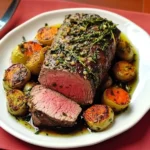
Garlic Herbed Beef Tenderloin Recipe
Ingredients
- 1 beef tenderloin roast (3 pounds): The star of the show, the beef tenderloin, is known for its exceptional tenderness and lean nature. When selecting your tenderloin, opt for a center-cut roast, which is generally more uniform in thickness and cooks more evenly. A 3-pound roast is ideal for serving approximately 12 people, making it perfect for gatherings or family dinners with leftovers for delightful sandwiches or salads the next day. Look for a tenderloin that is well-trimmed, meaning excess fat and silverskin have been removed. This will reduce prep time and ensure a more tender final product. The quality of your beef will significantly impact the overall taste, so consider choosing a reputable butcher or a good quality cut from your local grocery store. If possible, select a tenderloin that is uniform in thickness throughout its length. This will ensure even cooking and prevent some parts from becoming overcooked while others remain undercooked. If your tenderloin is uneven, you can butterfly the thicker end slightly or tuck the thinner end under to create a more uniform shape. Remember, the tenderloin is a prized cut of beef, and its inherent tenderness and mild flavor make it a wonderful canvas for the garlic and herb infusion we will be creating.
- 2 teaspoons olive oil: Olive oil acts as a crucial component in this recipe, serving multiple purposes. Firstly, it provides a base for the garlic to adhere to the beef, ensuring even distribution of flavor. Secondly, it helps to create a beautiful, golden-brown crust on the exterior of the tenderloin during roasting. Thirdly, olive oil adds a subtle richness and moisture to the meat, preventing it from drying out during the cooking process. Extra virgin olive oil is recommended for its superior flavor and health benefits, but regular olive oil will also work perfectly well. When brushing the olive oil over the tenderloin, ensure you coat all surfaces evenly, creating a uniform base for the garlic and herb mixture to cling to. The olive oil also aids in heat transfer, promoting even cooking and a beautifully browned exterior. Don’t underestimate the simple yet vital role of olive oil in elevating the taste and texture of this dish.
- 2 garlic cloves, minced: Garlic is the aromatic powerhouse in this recipe, infusing the beef tenderloin with its pungent and savory notes. Fresh garlic cloves are always preferred over pre-minced garlic for their brighter and more intense flavor. Mincing the garlic finely releases its aromatic oils and allows it to meld seamlessly with the olive oil and herbs. Two cloves provide a balanced garlic flavor that complements the beef without overpowering it. However, if you are a garlic enthusiast, feel free to add an extra clove or two to amplify the garlicky goodness. When mincing the garlic, aim for a fine consistency to ensure even distribution and prevent any large pieces from burning during roasting. The combination of garlic and olive oil is a classic pairing that not only enhances the flavor of the beef but also creates a delightful aroma that fills your kitchen as the tenderloin roasts.
- 1 teaspoon salt: Salt is a fundamental seasoning that is essential for bringing out the natural flavors of the beef and enhancing the overall taste of the dish. It acts as a flavor enhancer and also helps to tenderize the meat by drawing out moisture, which is then reabsorbed during cooking, resulting in a juicier and more flavorful roast. Kosher salt or sea salt is recommended for its pure flavor and coarser texture, which makes it easier to distribute evenly. One teaspoon of salt provides a balanced seasoning for a 3-pound tenderloin. However, always adjust seasoning to your personal preference. Remember, it’s always easier to add more salt later than to remove it once it’s been added. Seasoning the beef generously before roasting is crucial for developing a flavorful crust and ensuring that the inside of the tenderloin is also well-seasoned.
- 1 teaspoon pepper: Black pepper adds a subtle warmth and spice to the Garlic Herbed Beef Tenderloin, complementing the garlic and herbs beautifully. Freshly ground black pepper is always preferred for its more robust and aromatic flavor compared to pre-ground pepper. One teaspoon of pepper provides a balanced level of spice, but you can adjust the amount to your liking. Similar to salt, pepper enhances the overall flavor profile of the dish and adds a layer of complexity. When combining the salt and pepper with the dried herbs, ensure they are well mixed to create a uniform seasoning blend. The subtle heat of the pepper balances the richness of the beef and the aromatic herbs, creating a harmonious flavor profile.
- 1 teaspoon dried basil: Dried basil contributes a sweet and slightly peppery herbal note to the tenderloin. Basil is a classic herb that pairs exceptionally well with beef and garlic, adding a touch of Mediterranean flair to the dish. Dried basil is convenient and readily available, and its concentrated flavor intensifies during roasting. One teaspoon of dried basil provides a noticeable yet balanced herbal flavor. If you prefer fresh basil, you can use about 1 tablespoon of chopped fresh basil instead. However, dried basil holds up better during the roasting process and infuses the beef with its aroma more effectively. Basil not only adds flavor but also a touch of visual appeal to the herb crust, creating flecks of green against the browned beef.
- 3/4 teaspoon dried rosemary, crushed: Rosemary is a robust and fragrant herb that adds a distinctive piney and slightly woody aroma to the beef tenderloin. Its strong flavor stands up well to the richness of the beef and complements the garlic and basil beautifully. Dried rosemary, crushed, is recommended as crushing it releases its essential oils and intensifies its flavor. 3/4 teaspoon provides a balanced rosemary flavor that is noticeable without being overpowering. Fresh rosemary can also be used, about 1 tablespoon of chopped fresh rosemary, but dried rosemary tends to be more potent in this application. Rosemary is a quintessential herb for roasting meats, and its earthy notes add depth and complexity to the Garlic Herbed Beef Tenderloin, creating a truly memorable culinary experience.
Instructions
- Tie tenderloin at 2-in. intervals with kitchen string: This seemingly simple step is crucial for ensuring even cooking and a beautiful, uniform shape for your beef tenderloin. Tying the tenderloin helps to create a more compact and cylindrical shape, preventing the thinner tail end from overcooking before the thicker center is done. Use kitchen twine or butcher’s string for this purpose. Cut several pieces of string, each about 12 inches long. Starting at one end of the tenderloin, wrap a piece of string tightly around the meat at approximately 2-inch intervals. Tie each string securely in a knot, ensuring it is snug but not digging into the meat too deeply. Continue tying the tenderloin along its length, maintaining the 2-inch spacing. Tying the tenderloin also helps it to retain its juices during cooking, resulting in a more succulent and tender roast. Don’t skip this step, as it significantly contributes to the overall quality and presentation of your Garlic Herbed Beef Tenderloin.
- Combine oil and garlic; brush over meat: This step initiates the flavor infusion process. In a small bowl, combine the 2 teaspoons of olive oil and the 2 minced garlic cloves. Stir to ensure the garlic is evenly dispersed in the oil. Using a pastry brush or your fingers, generously brush this garlic-infused oil mixture all over the surface of the tied beef tenderloin. Ensure you coat all sides and crevices, allowing the garlic flavor to penetrate the meat. The olive oil acts as a carrier for the garlic, helping it to adhere to the tenderloin and create a flavorful base for the herb rub. This step not only adds flavor but also helps to create a beautiful, golden-brown crust during roasting. Take your time and ensure even coverage to maximize the garlic flavor throughout the roast.
- Combine the salt, pepper, basil, and rosemary; sprinkle evenly over meat: Now it’s time to create the aromatic herb crust that will elevate this dish to gourmet status. In a separate small bowl, combine the 1 teaspoon of salt, 1 teaspoon of pepper, 1 teaspoon of dried basil, and 3/4 teaspoon of dried rosemary, crushed. Mix these dry seasonings together thoroughly to ensure they are evenly combined. Sprinkle this herb mixture generously and evenly over the garlic-oil coated beef tenderloin. Use your hands to gently press the herbs into the meat, ensuring they adhere well to all surfaces. This herb rub creates a flavorful crust that not only enhances the taste but also adds a delightful textural contrast to the tender meat inside. Make sure to distribute the herb mixture uniformly for consistent flavor in every slice.
- Place on a rack in a shallow roasting pan: Proper roasting technique is essential for achieving a perfectly cooked beef tenderloin. Place a roasting rack inside a shallow roasting pan. The rack elevates the tenderloin, allowing hot air to circulate evenly around it, promoting even cooking and preventing the bottom from becoming soggy. If you don’t have a roasting rack, you can use crumpled aluminum foil balls to elevate the tenderloin slightly. Carefully place the seasoned beef tenderloin onto the rack in the roasting pan. Ensure the tenderloin is positioned in the center of the rack for optimal heat distribution. A shallow roasting pan is preferred as it allows for better air circulation compared to a deep pan.
- Bake, uncovered, at 425° until meat reaches desired doneness (for medium-rare, a thermometer should read 135°; medium, 140°; medium-well, 145°), 40-50 minutes: Preheat your oven to 425°F (220°C). Once the oven is preheated, place the roasting pan with the beef tenderloin in the center rack of the oven. Roast uncovered for approximately 40-50 minutes, or until the internal temperature of the meat reaches your desired level of doneness. The cooking time will vary depending on the thickness of your tenderloin and your oven. It is crucial to use a meat thermometer to accurately determine the doneness. Insert the meat thermometer into the thickest part of the tenderloin, avoiding bone (as there is no bone in tenderloin, just ensure you are in the center). Refer to the temperature guidelines provided in the recipe: for medium-rare, aim for 135°F (57°C); for medium, 140°F (60°C); and for medium-well, 145°F (63°C). Remember that the internal temperature will continue to rise slightly during the resting period, so it is best to remove the tenderloin from the oven when it is a few degrees below your target temperature. Roasting at a high temperature helps to create a flavorful crust while keeping the inside juicy and tender.
- Let stand for 10 minutes before slicing: This final step, often overlooked, is just as important as the cooking process itself. Once the beef tenderloin has reached your desired internal temperature, remove it from the oven and carefully transfer it to a cutting board. Loosely tent the tenderloin with aluminum foil. Let it rest for at least 10 minutes before slicing. During this resting period, the juices redistribute throughout the meat, resulting in a more tender and flavorful roast. If you slice the tenderloin immediately after removing it from the oven, the juices will run out, and the meat will be drier. The resting time allows the muscle fibers to relax and reabsorb the juices, ensuring a perfectly moist and tender Garlic Herbed Beef Tenderloin. After resting for 10 minutes, remove the kitchen string and slice the tenderloin against the grain into approximately 1/2-inch thick slices. Serve immediately and enjoy the incredible flavor and tenderness of your homemade Garlic Herbed Beef Tenderloin.
Nutrition
- Serving Size: one normal portion
- Calories: 350-450