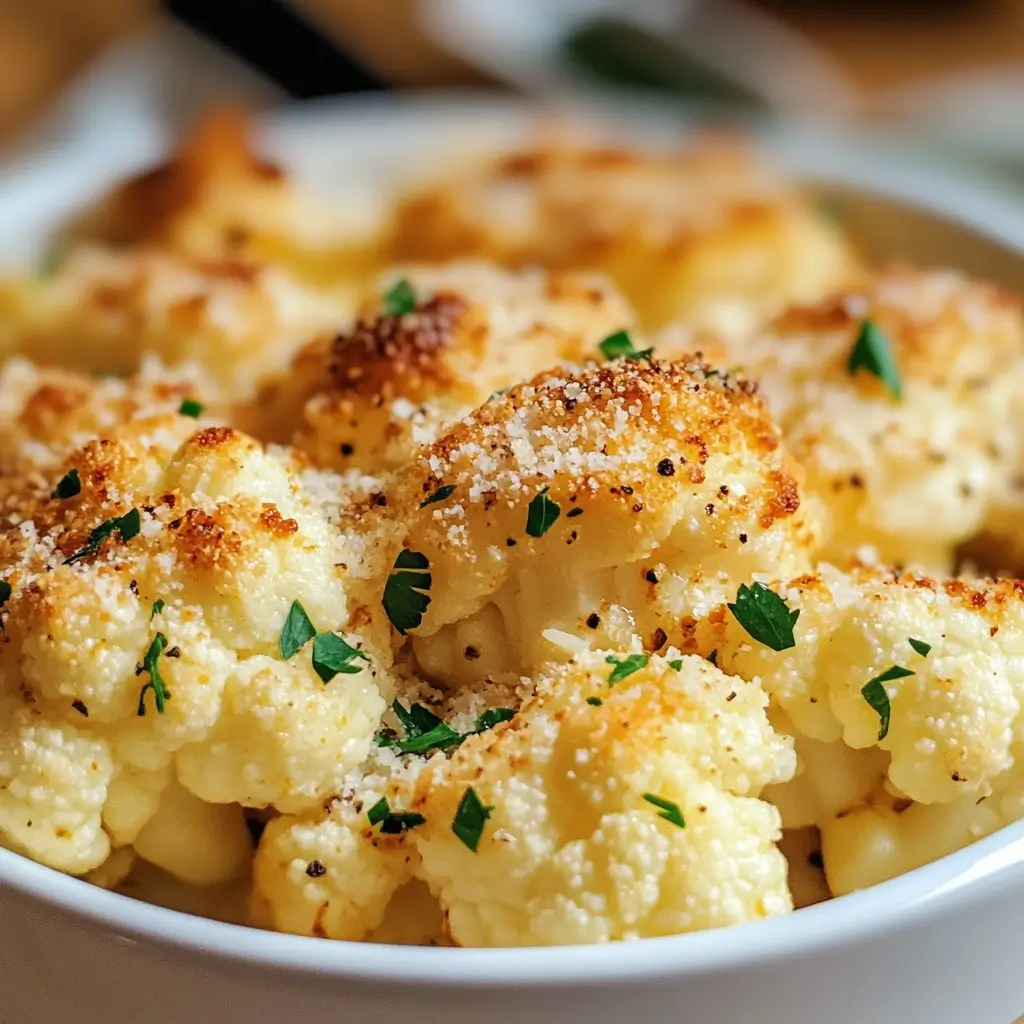
Garlic Parmesan Roasted Cauliflower has become a staple in our household, and honestly, I can’t imagine dinner without it anymore. Initially, I was a bit skeptical – could cauliflower, often relegated to the bland side of vegetables, truly become something crave-worthy? The answer, unequivocally, is YES! The first time I made this, the aroma filling the kitchen was intoxicating – garlicky, cheesy, and utterly comforting. Even my kids, who are usually vegetable-averse, devoured it. The crispy edges, the tender florets, and that rich parmesan and garlic flavor… it’s simply irresistible. This recipe is not just easy to make; it’s a guaranteed crowd-pleaser, whether you’re serving it as a simple weeknight side or as part of a more elaborate weekend meal. It’s quickly become our go-to vegetable dish, and I’m thrilled to share this incredibly simple yet utterly delicious recipe with you. Prepare to be amazed at how something so humble can transform into a culinary star!
Ingredients
Creating the perfect Garlic Parmesan Roasted Cauliflower is all about quality ingredients and understanding how each component contributes to the final dish. Let’s break down each ingredient to ensure you have everything you need to achieve that golden, crispy, and flavorful cauliflower perfection.
- 1 large head of cauliflower (about 2-2.5 lbs): The star of our show! When selecting your cauliflower, look for a head that is firm, heavy for its size, and has tightly closed florets. Avoid cauliflower with brown spots or soft patches, as this indicates it’s past its prime. Fresh, vibrant cauliflower will yield the best texture and flavor when roasted. You can use either white or slightly off-white cauliflower – both work equally well in this recipe. If you’re buying pre-cut florets, aim for about 6-8 cups to equal a large head. However, buying a whole head is generally more economical and often fresher.
- 1/4 cup extra virgin olive oil: Olive oil is crucial for roasting vegetables. It not only prevents sticking but also helps to promote browning and crisping. Extra virgin olive oil is preferred for its superior flavor and health benefits, but you can also use avocado oil or another neutral-flavored oil with a high smoke point if you prefer. The oil coats the cauliflower florets, ensuring even roasting and helping the seasonings to adhere properly. Don’t skimp on the oil; it’s key to achieving that desirable crispy texture.
- 4 cloves garlic, minced: Garlic is the aromatic backbone of this recipe, lending a pungent and savory depth of flavor. Freshly minced garlic is highly recommended for the most intense and authentic garlic taste. Pre-minced garlic can be used in a pinch, but it often lacks the same vibrant flavor as freshly minced. For a milder garlic flavor, you can use roasted garlic cloves instead. If you’re a true garlic lover, feel free to add an extra clove or two! Mince the garlic finely to ensure it distributes evenly over the cauliflower and cooks through without burning.
- 1/2 cup grated Parmesan cheese: Parmesan cheese is the salty, umami-rich ingredient that takes this roasted cauliflower to the next level. Freshly grated Parmesan is always superior in flavor and texture to pre-shredded Parmesan, which often contains cellulose to prevent clumping and can melt less smoothly. For the best results, use a block of good quality Parmesan Reggiano and grate it yourself using a microplane or a fine grater. If you are in a pinch, you can use pre-grated parmesan, but be mindful of the quality. The Parmesan cheese will melt and create a beautiful golden crust on the cauliflower, contributing to both flavor and texture.
- 1 teaspoon dried Italian seasoning: Italian seasoning is a blend of dried herbs, typically including oregano, basil, rosemary, thyme, and marjoram. It adds a layer of herbaceous complexity and complements the garlic and Parmesan beautifully. If you don’t have Italian seasoning, you can create your own blend by combining equal parts of dried oregano, basil, and thyme. A good quality Italian seasoning blend will enhance the overall savory profile of the dish.
- 1/2 teaspoon salt: Salt is essential for enhancing the flavors of all the ingredients and balancing the dish. Use kosher salt or sea salt for the best flavor. The salt helps to draw out moisture from the cauliflower, which in turn promotes better browning and crisping during roasting. Adjust the amount of salt to your preference, keeping in mind that Parmesan cheese is also naturally salty.
- 1/4 teaspoon black pepper: Freshly ground black pepper adds a touch of spice and enhances the overall flavor profile. Use freshly ground black pepper for the best flavor. Black pepper complements the garlic and Parmesan and adds a subtle warmth to the dish.
- Optional: Red pepper flakes (for a touch of heat): If you enjoy a little bit of heat, a pinch of red pepper flakes can add a pleasant kick to the roasted cauliflower. Start with a small pinch and adjust to your preference. Red pepper flakes complement the savory flavors and add an extra dimension to the dish.
Ingredient Quality Matters:
While this recipe is incredibly simple, using high-quality ingredients will truly elevate the final dish. Fresh, firm cauliflower, good quality olive oil, freshly minced garlic, and freshly grated Parmesan cheese will make a noticeable difference in flavor and texture. Don’t underestimate the impact of using good ingredients, especially in a recipe with so few components.
Ingredient Variations and Substitutions:
- Cheese: If you don’t have Parmesan cheese, you can substitute Pecorino Romano for a similar salty and sharp flavor. For a milder flavor, you could use Asiago cheese or even a blend of Parmesan and mozzarella. Nutritional yeast can be used for a vegan parmesan alternative.
- Herbs: Feel free to experiment with different herbs. Dried thyme, rosemary, or oregano can be used individually instead of Italian seasoning. Fresh herbs like chopped parsley or chives can be sprinkled over the finished dish for added freshness and visual appeal.
- Spice: Beyond red pepper flakes, you can add other spices like smoked paprika for a smoky flavor, or garlic powder or onion powder for a deeper garlic or onion note.
- Oil: Avocado oil, grapeseed oil, or coconut oil (refined, for neutral flavor) can be used in place of olive oil.
By understanding the role of each ingredient and using quality components, you’re well on your way to creating a truly exceptional Garlic Parmesan Roasted Cauliflower that will impress your family and friends.
Instructions
Roasting cauliflower to golden-brown perfection with a delicious garlic parmesan crust is simpler than you might think! Follow these step-by-step instructions to create a restaurant-quality side dish right in your own kitchen.
Step 1: Preheat Your Oven and Prepare the Cauliflower (10 minutes)
- Preheat oven to 400°F (200°C): Starting with a hot oven is crucial for achieving beautifully roasted cauliflower. Preheating ensures that the cauliflower begins to caramelize and crisp up immediately upon entering the oven, rather than steaming. Make sure your oven is fully preheated before proceeding to the next steps.
- Wash and Dry the Cauliflower: Rinse the cauliflower head under cold water to remove any dirt or debris. Thoroughly dry the cauliflower with paper towels or a clean kitchen towel. Excess moisture can hinder browning and result in steamed rather than roasted cauliflower. Drying is a key step for crispy results.
- Cut the Cauliflower into Florets: Remove the core and leaves from the cauliflower head. Cut the cauliflower into bite-sized florets, roughly 1-2 inches in size. Uniformly sized florets will cook more evenly. You can cut them into smaller or larger pieces depending on your preference, but keep in mind that smaller florets will roast faster and become crispier, while larger florets will remain slightly more tender inside. You want them large enough to have some substance but small enough to roast through in a reasonable time.
Step 2: Toss the Cauliflower with Oil and Seasonings (5 minutes)
- In a large bowl, combine cauliflower florets, olive oil, minced garlic, Italian seasoning, salt, and pepper: Place the prepared cauliflower florets in a large bowl. Drizzle the olive oil over the florets. Add the minced garlic, Italian seasoning, salt, and pepper.
- Toss to coat evenly: Use your hands or a large spoon to toss the cauliflower florets until they are evenly coated with the olive oil and seasonings. Ensure that every floret is lightly coated, as this will help them roast properly and develop flavor. Massaging the seasonings into the cauliflower can further enhance the flavor penetration.
Step 3: Roast the Cauliflower (20-25 minutes)
- Spread cauliflower in a single layer on a baking sheet: Arrange the seasoned cauliflower florets in a single layer on a large baking sheet. Avoid overcrowding the baking sheet, as this will cause the cauliflower to steam instead of roast. If necessary, use two baking sheets to ensure a single layer. Using parchment paper on the baking sheet can make cleanup easier, but it’s not essential. A dark baking sheet can promote better browning.
- Roast for 20-25 minutes, flipping halfway through: Place the baking sheet in the preheated oven and roast for 20-25 minutes, or until the cauliflower is tender-crisp and lightly browned. After about 10-12 minutes, flip the florets using tongs or a spatula to ensure even browning on all sides. Keep an eye on the cauliflower and adjust the roasting time as needed depending on your oven and the size of the florets. You want the cauliflower to be tender when pierced with a fork but still have a slight bite.
Step 4: Add Parmesan Cheese and Continue Roasting (5-7 minutes)
- Remove baking sheet from the oven and sprinkle grated Parmesan cheese evenly over the cauliflower: Once the cauliflower is tender-crisp and lightly browned, remove the baking sheet from the oven. Sprinkle the grated Parmesan cheese evenly over the roasted florets.
- Return to oven and roast for another 5-7 minutes, or until cheese is melted and golden brown: Return the baking sheet to the oven and continue roasting for another 5-7 minutes, or until the Parmesan cheese is melted, bubbly, and golden brown. Keep a close watch during this stage to prevent the cheese from burning. The cheese should form a delicious, crispy crust over the cauliflower.
Step 5: Serve Immediately (Enjoy!)
- Remove from oven and serve immediately: Once the Parmesan cheese is melted and golden brown, remove the baking sheet from the oven. Serve the Garlic Parmesan Roasted Cauliflower immediately while it’s hot and crispy. Garnish with a sprinkle of fresh parsley or red pepper flakes (optional) if desired. The cauliflower is best enjoyed fresh out of the oven when it’s at its peak crispiness and flavor.
Tips for Roasting Perfection:
- Don’t overcrowd the pan: As mentioned earlier, overcrowding the baking sheet will lead to steamed cauliflower. Use a large enough baking sheet or two if necessary to ensure a single layer.
- High heat is key: Roasting at 400°F (200°C) is essential for achieving browning and crispiness. Lower temperatures will result in softer, less flavorful cauliflower.
- Flip halfway through: Flipping the florets halfway through roasting ensures even browning and prevents one side from becoming overly browned while the other remains pale.
- Watch the cheese: Parmesan cheese can burn quickly under high heat. Keep a close eye on it during the final roasting stage and remove from the oven as soon as it is melted and golden brown.
- Serve immediately: Roasted cauliflower is best served immediately while it’s hot and crispy. While it can be reheated, it will lose some of its crispness.
By following these detailed instructions and tips, you’ll be able to consistently create perfectly roasted Garlic Parmesan Cauliflower that’s crispy on the outside, tender on the inside, and bursting with flavor. Get ready to impress yourself and your guests with this simple yet incredibly satisfying dish!
Nutrition Facts
This Garlic Parmesan Roasted Cauliflower recipe is not only delicious but also a relatively healthy and nutritious side dish option. Here’s a breakdown of the approximate nutrition facts per serving:
Servings: 6
Serving Size: Approximately 1 cup
Approximate Nutrition Facts Per Serving:
- Calories: 150-180 kcal
- Total Fat: 10-12g
- Saturated Fat: 3-4g
- Monounsaturated Fat: 6-7g
- Polyunsaturated Fat: 1-2g
- Cholesterol: 10-15mg
- Sodium: 250-350mg (depending on salt added and Parmesan cheese salt content)
- Total Carbohydrates: 8-10g
- Dietary Fiber: 3-4g
- Sugars: 3-4g
- Protein: 5-6g
Key Nutritional Highlights:
- Good Source of Fiber: Cauliflower is a good source of dietary fiber, which aids in digestion, promotes satiety, and helps regulate blood sugar levels. Fiber is essential for maintaining a healthy digestive system and can contribute to weight management.
- Rich in Vitamins and Minerals: Cauliflower is packed with essential vitamins and minerals, including Vitamin C, Vitamin K, Vitamin B6, and folate. It also contains antioxidants that help protect against cell damage. Vitamin C is crucial for immune function, while Vitamin K is important for blood clotting and bone health.
- Relatively Low in Calories: Compared to many other side dishes, Garlic Parmesan Roasted Cauliflower is relatively low in calories, making it a healthier option for those watching their calorie intake. It provides significant volume and flavor without being excessively high in calories.
- Healthy Fats: The olive oil in this recipe provides healthy monounsaturated fats, which are beneficial for heart health. These fats can help lower bad cholesterol levels and reduce the risk of heart disease.
- Protein Content: While not exceptionally high in protein, this dish does contribute a decent amount of protein per serving, thanks to the cauliflower and Parmesan cheese. Protein is essential for building and repairing tissues and plays a role in satiety.
- Lower Carb Option: For those following a lower-carbohydrate diet, cauliflower is an excellent vegetable choice. It’s lower in carbs compared to potatoes or grains, making it a suitable side dish for low-carb meal plans.
Important Notes:
- Variations Affect Nutrition: The exact nutritional values can vary slightly depending on the specific ingredients used, such as the type of Parmesan cheese (Parmesan Reggiano will have slightly different nutritional values than domestic Parmesan) and the amount of olive oil.
- Portion Control: While this dish is healthy, portion control is still important. Consuming excessive amounts of any food, even healthy ones, can contribute to weight gain. Stick to recommended serving sizes.
- Sodium Content: The sodium content can be adjusted by using low-sodium Parmesan cheese or reducing the amount of added salt. If you are watching your sodium intake, be mindful of the amount of salt you add and the sodium content of your Parmesan cheese.
Overall, Garlic Parmesan Roasted Cauliflower is a nutritious and delicious way to enjoy your vegetables. It provides a good balance of fiber, vitamins, minerals, and healthy fats, making it a smart and flavorful addition to a balanced diet.
Preparation Time
One of the many advantages of this Garlic Parmesan Roasted Cauliflower recipe is its quick and easy preparation. Here’s a breakdown of the time involved:
Prep Time: 15 minutes
- Washing and Cutting Cauliflower: 5 minutes
- Minced Garlic: 2 minutes
- Measuring Ingredients: 3 minutes
- Tossing with Oil and Seasonings: 5 minutes
Cook Time: 30-35 minutes
- Roasting (First Stage): 20-25 minutes
- Roasting with Parmesan Cheese (Second Stage): 5-7 minutes
- Resting Time (Optional, but recommended): 2-3 minutes (allows the cheese to set slightly)
Total Time: 45-50 minutes
From start to finish, you can have a delicious and healthy side dish of Garlic Parmesan Roasted Cauliflower on the table in under an hour. The active preparation time is minimal, making it perfect for busy weeknights or when you need a flavorful vegetable side dish without spending hours in the kitchen. Most of the cooking process is hands-off, as the oven does most of the work.
Time-Saving Tips:
- Pre-cut Florets: If you are really pressed for time, you can purchase pre-cut cauliflower florets. This will save you about 5 minutes of prep time. However, keep in mind that pre-cut florets may not be as fresh as a whole head of cauliflower.
- Garlic Press: Using a garlic press can speed up the mincing garlic process slightly.
- Efficient Workflow: Organize your ingredients and equipment before you start. This will make the prep process smoother and faster. Have your baking sheet ready, your bowl for tossing, and all your ingredients measured out before you begin cutting the cauliflower.
Make-Ahead Options:
- Prep Ahead: You can wash and cut the cauliflower florets up to a day in advance and store them in an airtight container in the refrigerator. You can also mince the garlic ahead of time.
- Seasoning Mix: You can pre-mix the Italian seasoning, salt, and pepper in a small container for even quicker seasoning during the active prep.
- Partial Roasting (Not Recommended for Crispiness): While you can partially roast the cauliflower ahead of time, it’s not recommended if you want to maintain maximum crispiness. Roasted cauliflower is best enjoyed fresh out of the oven. If you do need to partially roast ahead, undercook it slightly and then finish roasting just before serving.
Despite the quick preparation time, the flavor and quality of this Garlic Parmesan Roasted Cauliflower are not compromised. It’s a testament to how simple ingredients and straightforward cooking techniques can create incredibly satisfying and delicious meals in a relatively short amount of time.
How to Serve
Garlic Parmesan Roasted Cauliflower is incredibly versatile and can be served in a multitude of ways, making it a fantastic addition to almost any meal. Here are some delicious serving suggestions:
As a Side Dish:
- Classic Dinner Side: Serve alongside your favorite protein dishes such as roasted chicken, grilled steak, baked salmon, or pork chops. The savory flavors of the cauliflower complement a wide variety of main courses.
- Holiday Side Dish: Elevate your holiday meals by including this roasted cauliflower as a flavorful and healthy side. It’s a welcome alternative to heavier, cream-based vegetable dishes. Perfect for Thanksgiving, Christmas, or Easter.
- Weeknight Dinner Staple: Its ease of preparation and delicious taste make it an ideal side dish for quick and easy weeknight dinners. Pair it with simple pasta dishes, sheet pan meals, or skillet dinners.
- Vegetarian Main Course Accompaniment: Serve alongside vegetarian main courses such as lentil loaf, vegetarian lasagna, or stuffed bell peppers to add a flavorful and nutritious vegetable component to the meal.
As a Main Course (Vegetarian/Vegan Options):
- Cauliflower Steaks: Cut the cauliflower into thick “steaks” instead of florets, roast them using this recipe, and serve as a vegetarian main course. Drizzle with a balsamic glaze or a lemon-herb sauce for added flavor.
- Grain Bowls: Incorporate roasted cauliflower into grain bowls with quinoa, farro, or brown rice. Add other vegetables like chickpeas, roasted sweet potatoes, and a tahini dressing for a complete and satisfying vegetarian meal.
- Pasta Dishes: Toss roasted cauliflower with pasta (like penne, orecchiette, or rotini), olive oil, garlic, and a sprinkle of red pepper flakes for a simple yet flavorful vegetarian pasta dish. Add some toasted pine nuts or breadcrumbs for texture.
- Tacos or Wraps: Use roasted cauliflower as a filling for vegetarian tacos or wraps. Combine with black beans, salsa, avocado, and a sprinkle of cilantro for a delicious and healthy vegetarian option.
As an Appetizer or Snack:
- Party Appetizer: Serve roasted cauliflower florets as a flavorful and healthy appetizer at parties or gatherings. Provide a dipping sauce like ranch dressing, aioli, or a spicy sriracha mayo.
- Snack Attack: Enjoy leftover roasted cauliflower as a satisfying and nutritious snack between meals. It’s a much healthier alternative to chips or processed snacks.
- Charcuterie Board Addition: Add roasted cauliflower florets to a charcuterie board for a unique and unexpected vegetable element. It pairs well with cheeses, cured meats, and olives.
Topping and Garnish Ideas:
- Fresh Herbs: Sprinkle with fresh chopped parsley, chives, or thyme for added freshness and visual appeal.
- Lemon Zest or Juice: A squeeze of fresh lemon juice or a sprinkle of lemon zest brightens the flavors and adds a touch of acidity.
- Red Pepper Flakes: Add a pinch of red pepper flakes for a touch of heat and visual interest.
- Toasted Breadcrumbs: Sprinkle with toasted breadcrumbs for added texture and crunch.
- Balsamic Glaze: Drizzle with balsamic glaze for a touch of sweetness and tanginess.
- Dipping Sauces: Serve with a variety of dipping sauces, such as ranch dressing, garlic aioli, honey mustard, or a spicy sriracha mayo.
No matter how you choose to serve it, Garlic Parmesan Roasted Cauliflower is sure to be a hit. Its versatility, delicious flavor, and ease of preparation make it a valuable recipe to have in your repertoire. Get creative and enjoy experimenting with different serving suggestions to find your favorite ways to savor this fantastic dish!
Additional Tips for Perfect Garlic Parmesan Roasted Cauliflower
To consistently achieve the best possible Garlic Parmesan Roasted Cauliflower, consider these additional tips and tricks that can elevate your dish from good to absolutely amazing:
- Ensure Cauliflower is Bone Dry: Moisture is the enemy of crispy roasted vegetables. After washing your cauliflower florets, take the extra time to thoroughly dry them. Use paper towels or a clean kitchen towel to pat them dry, removing as much surface moisture as possible. This step is crucial because excess water will steam the cauliflower in the oven instead of allowing it to roast and caramelize properly. Dry cauliflower will brown and crisp up beautifully, resulting in a much more appealing texture and flavor.
- Don’t Skimp on the Olive Oil (But Don’t Drench it Either): Olive oil is essential for roasting vegetables, but it’s a balancing act. You need enough oil to coat the cauliflower florets evenly, promote browning, and prevent sticking, but you don’t want to drench them in oil. The ¼ cup of olive oil in the recipe is a good starting point for a large head of cauliflower. Ensure each floret is lightly coated but not swimming in oil. Too much oil can make the cauliflower greasy, while too little can lead to dry and unevenly roasted results. Tossing the cauliflower thoroughly in the oil will ensure even distribution.
- Roast at the Right Temperature and Don’t Underbake: 400°F (200°C) is the ideal temperature for roasting cauliflower in this recipe. This high heat allows the cauliflower to caramelize and develop those desirable crispy edges while remaining tender on the inside. Underbaking is a common mistake that results in soggy or undercooked cauliflower. Roast for the full 20-25 minutes in the first stage, and then the additional 5-7 minutes with Parmesan cheese. Test for doneness by piercing a floret with a fork – it should be tender but still have a slight bite. If it’s still too firm, continue roasting for a few more minutes.
- Maximize Surface Area for Crispiness: The more surface area of the cauliflower florets that is exposed to the heat, the crispier they will become. Cut the cauliflower into florets of a relatively uniform size to ensure even cooking. Arrange the florets cut-side down on the baking sheet if you want to maximize browning on the flat surface. Avoid piling the florets on top of each other; a single layer is key to crispy roasted cauliflower. If necessary, use two baking sheets to ensure ample space for each floret to roast properly.
- Add Parmesan Cheese at the End for Best Texture: While the Parmesan cheese is a crucial flavor component, adding it too early in the roasting process can lead to it burning before the cauliflower is fully cooked. For the best texture and to prevent burning, add the grated Parmesan cheese during the last 5-7 minutes of roasting. This allows the cheese to melt beautifully, become golden brown and bubbly, and create a delicious crispy crust without burning. If you prefer a more deeply browned cheese crust, you can even broil for the last minute or two, but watch it very carefully to prevent burning.
By implementing these additional tips, you’ll be well-equipped to consistently create Garlic Parmesan Roasted Cauliflower that is perfectly crispy, flavorful, and a guaranteed crowd-pleaser every time you make it. These small adjustments in technique can make a significant difference in the final outcome.
Frequently Asked Questions (FAQ) about Garlic Parmesan Roasted Cauliflower
Here are some frequently asked questions about making Garlic Parmesan Roasted Cauliflower to help you troubleshoot, customize, and perfect this delicious recipe:
Q1: My roasted cauliflower is not crispy, what did I do wrong?
A: Several factors can contribute to roasted cauliflower that isn’t crispy. The most common reasons are:
- Too much moisture: Did you thoroughly dry the cauliflower florets after washing? Excess moisture steams the cauliflower instead of roasting it.
- Overcrowding the baking sheet: If the florets are packed too tightly on the baking sheet, they will steam instead of roast. Use a large enough baking sheet or two baking sheets to ensure a single layer.
- Oven temperature too low: Make sure your oven is preheated to 400°F (200°C). Lower temperatures will result in softer, less crispy cauliflower.
- Not enough oil: Olive oil helps promote browning and crisping. Ensure the florets are evenly coated with oil, but not drenched.
To fix it next time: Thoroughly dry the cauliflower, spread it in a single layer on the baking sheet, ensure your oven is hot enough, and use enough olive oil to lightly coat the florets.
Q2: Can I use pre-shredded Parmesan cheese instead of freshly grated?
A: While you can use pre-shredded Parmesan cheese, freshly grated Parmesan is highly recommended for the best flavor and texture. Pre-shredded Parmesan often contains cellulose to prevent clumping, which can affect its melting and browning properties. Freshly grated Parmesan melts more smoothly and has a richer, more pronounced flavor.
If you must use pre-shredded: Look for a good quality brand and be mindful that it might not melt and brown as evenly as freshly grated.
Q3: Can I make this recipe ahead of time?
A: Roasted cauliflower is best served immediately for optimal crispness. However, you can prep certain components ahead of time:
- Cut cauliflower: You can wash and cut the cauliflower florets up to a day in advance and store them in an airtight container in the refrigerator.
- Mince garlic: Mince the garlic ahead of time and store it in an airtight container in the refrigerator.
- Seasoning mix: Pre-mix the Italian seasoning, salt, and pepper.
Reheating: If you have leftovers, you can reheat them in the oven at 350°F (175°C) for about 10-15 minutes, but they will lose some of their original crispness. Air frying reheated cauliflower can help restore some crispness.
Q4: Can I add other vegetables to roast with the cauliflower?
A: Yes, you can definitely roast other vegetables alongside the cauliflower! Good options that roast at a similar rate include:
- Broccoli: Broccoli florets roast beautifully with cauliflower.
- Brussels sprouts: Halved or quartered Brussels sprouts are a great addition.
- Carrots: Chopped carrots add sweetness and color.
- Bell peppers: Diced bell peppers provide sweetness and a different texture.
- Onions: Wedges of red or yellow onion caramelize nicely.
Adjustments: If adding other vegetables, you may need to increase the amount of olive oil and seasonings to ensure everything is well coated. Consider the cooking times of different vegetables; denser vegetables like carrots may take slightly longer to roast than cauliflower.
Q5: Can I make this recipe vegan?
A: Yes, you can easily make this recipe vegan by making a few substitutions:
- Parmesan Cheese: Substitute nutritional yeast for Parmesan cheese. Nutritional yeast has a cheesy, nutty flavor and is a popular vegan Parmesan alternative. You can use about ¼ cup of nutritional yeast in place of the ½ cup of Parmesan cheese. You can also find vegan Parmesan cheese alternatives in many grocery stores.
- Check Italian Seasoning: While most Italian seasoning blends are vegan, double-check the ingredient list to ensure there are no hidden animal-derived ingredients.

Garlic Parmesan Roasted Cauliflower Recipe
Ingredients
- 1 large head of cauliflower (about 2–2.5 lbs): The star of our show! When selecting your cauliflower, look for a head that is firm, heavy for its size, and has tightly closed florets. Avoid cauliflower with brown spots or soft patches, as this indicates it’s past its prime. Fresh, vibrant cauliflower will yield the best texture and flavor when roasted. You can use either white or slightly off-white cauliflower – both work equally well in this recipe. If you’re buying pre-cut florets, aim for about 6-8 cups to equal a large head. However, buying a whole head is generally more economical and often fresher.
- 1/4 cup extra virgin olive oil: Olive oil is crucial for roasting vegetables. It not only prevents sticking but also helps to promote browning and crisping. Extra virgin olive oil is preferred for its superior flavor and health benefits, but you can also use avocado oil or another neutral-flavored oil with a high smoke point if you prefer. The oil coats the cauliflower florets, ensuring even roasting and helping the seasonings to adhere properly. Don’t skimp on the oil; it’s key to achieving that desirable crispy texture.
- 4 cloves garlic, minced: Garlic is the aromatic backbone of this recipe, lending a pungent and savory depth of flavor. Freshly minced garlic is highly recommended for the most intense and authentic garlic taste. Pre-minced garlic can be used in a pinch, but it often lacks the same vibrant flavor as freshly minced. For a milder garlic flavor, you can use roasted garlic cloves instead. If you’re a true garlic lover, feel free to add an extra clove or two! Mince the garlic finely to ensure it distributes evenly over the cauliflower and cooks through without burning.
- 1/2 cup grated Parmesan cheese: Parmesan cheese is the salty, umami-rich ingredient that takes this roasted cauliflower to the next level. Freshly grated Parmesan is always superior in flavor and texture to pre-shredded Parmesan, which often contains cellulose to prevent clumping and can melt less smoothly. For the best results, use a block of good quality Parmesan Reggiano and grate it yourself using a microplane or a fine grater. If you are in a pinch, you can use pre-grated parmesan, but be mindful of the quality. The Parmesan cheese will melt and create a beautiful golden crust on the cauliflower, contributing to both flavor and texture.
- 1 teaspoon dried Italian seasoning: Italian seasoning is a blend of dried herbs, typically including oregano, basil, rosemary, thyme, and marjoram. It adds a layer of herbaceous complexity and complements the garlic and Parmesan beautifully. If you don’t have Italian seasoning, you can create your own blend by combining equal parts of dried oregano, basil, and thyme. A good quality Italian seasoning blend will enhance the overall savory profile of the dish.
- 1/2 teaspoon salt: Salt is essential for enhancing the flavors of all the ingredients and balancing the dish. Use kosher salt or sea salt for the best flavor. The salt helps to draw out moisture from the cauliflower, which in turn promotes better browning and crisping during roasting. Adjust the amount of salt to your preference, keeping in mind that Parmesan cheese is also naturally salty.
- 1/4 teaspoon black pepper: Freshly ground black pepper adds a touch of spice and enhances the overall flavor profile. Use freshly ground black pepper for the best flavor. Black pepper complements the garlic and Parmesan and adds a subtle warmth to the dish.
- Optional: Red pepper flakes (for a touch of heat): If you enjoy a little bit of heat, a pinch of red pepper flakes can add a pleasant kick to the roasted cauliflower. Start with a small pinch and adjust to your preference. Red pepper flakes complement the savory flavors and add an extra dimension to the dish.
Instructions
Step 1: Preheat Your Oven and Prepare the Cauliflower (10 minutes)
- Preheat oven to 400°F (200°C): Starting with a hot oven is crucial for achieving beautifully roasted cauliflower. Preheating ensures that the cauliflower begins to caramelize and crisp up immediately upon entering the oven, rather than steaming. Make sure your oven is fully preheated before proceeding to the next steps.
- Wash and Dry the Cauliflower: Rinse the cauliflower head under cold water to remove any dirt or debris. Thoroughly dry the cauliflower with paper towels or a clean kitchen towel. Excess moisture can hinder browning and result in steamed rather than roasted cauliflower. Drying is a key step for crispy results.
- Cut the Cauliflower into Florets: Remove the core and leaves from the cauliflower head. Cut the cauliflower into bite-sized florets, roughly 1-2 inches in size. Uniformly sized florets will cook more evenly. You can cut them into smaller or larger pieces depending on your preference, but keep in mind that smaller florets will roast faster and become crispier, while larger florets will remain slightly more tender inside. You want them large enough to have some substance but small enough to roast through in a reasonable time.
Step 2: Toss the Cauliflower with Oil and Seasonings (5 minutes)
- In a large bowl, combine cauliflower florets, olive oil, minced garlic, Italian seasoning, salt, and pepper: Place the prepared cauliflower florets in a large bowl. Drizzle the olive oil over the florets. Add the minced garlic, Italian seasoning, salt, and pepper.
- Toss to coat evenly: Use your hands or a large spoon to toss the cauliflower florets until they are evenly coated with the olive oil and seasonings. Ensure that every floret is lightly coated, as this will help them roast properly and develop flavor. Massaging the seasonings into the cauliflower can further enhance the flavor penetration.
Step 3: Roast the Cauliflower (20-25 minutes)
- Spread cauliflower in a single layer on a baking sheet: Arrange the seasoned cauliflower florets in a single layer on a large baking sheet. Avoid overcrowding the baking sheet, as this will cause the cauliflower to steam instead of roast. If necessary, use two baking sheets to ensure a single layer. Using parchment paper on the baking sheet can make cleanup easier, but it’s not essential. A dark baking sheet can promote better browning.
- Roast for 20-25 minutes, flipping halfway through: Place the baking sheet in the preheated oven and roast for 20-25 minutes, or until the cauliflower is tender-crisp and lightly browned. After about 10-12 minutes, flip the florets using tongs or a spatula to ensure even browning on all sides. Keep an eye on the cauliflower and adjust the roasting time as needed depending on your oven and the size of the florets. You want the cauliflower to be tender when pierced with a fork but still have a slight bite.
Step 4: Add Parmesan Cheese and Continue Roasting (5-7 minutes)
- Remove baking sheet from the oven and sprinkle grated Parmesan cheese evenly over the cauliflower: Once the cauliflower is tender-crisp and lightly browned, remove the baking sheet from the oven. Sprinkle the grated Parmesan cheese evenly over the roasted florets.
- Return to oven and roast for another 5-7 minutes, or until cheese is melted and golden brown: Return the baking sheet to the oven and continue roasting for another 5-7 minutes, or until the Parmesan cheese is melted, bubbly, and golden brown. Keep a close watch during this stage to prevent the cheese from burning. The cheese should form a delicious, crispy crust over the cauliflower.
Step 5: Serve Immediately (Enjoy!)
- Remove from oven and serve immediately: Once the Parmesan cheese is melted and golden brown, remove the baking sheet from the oven. Serve the Garlic Parmesan Roasted Cauliflower immediately while it’s hot and crispy. Garnish with a sprinkle of fresh parsley or red pepper flakes (optional) if desired. The cauliflower is best enjoyed fresh out of the oven when it’s at its peak crispiness and flavor.
Tips for Roasting Perfection:
- Don’t overcrowd the pan: As mentioned earlier, overcrowding the baking sheet will lead to steamed cauliflower. Use a large enough baking sheet or two if necessary to ensure a single layer.
- High heat is key: Roasting at 400°F (200°C) is essential for achieving browning and crispiness. Lower temperatures will result in softer, less flavorful cauliflower.
- Flip halfway through: Flipping the florets halfway through roasting ensures even browning and prevents one side from becoming overly browned while the other remains pale.
- Watch the cheese: Parmesan cheese can burn quickly under high heat. Keep a close eye on it during the final roasting stage and remove from the oven as soon as it is melted and golden brown.
- Serve immediately: Roasted cauliflower is best served immediately while it’s hot and crispy. While it can be reheated, it will lose some of its crispness.
Nutrition
- Serving Size: one normal portion
- Calories: 150-180
- Sugar: 3-4g
- Sodium: 250-350mg
- Fat: 10-12g
- Saturated Fat: 3-4g
- Carbohydrates: 8-10g
- Fiber: 3-4g
- Protein: 5-6g
- Cholesterol: 10-15mg