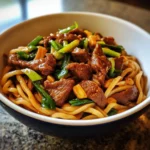


There are some dishes that just instantly transport you to a place of comfort and warmth, and for my family, this Ginger Garlic Noodle Soup with Bok Choy is exactly that. The first time I made it was on a particularly blustery autumn evening. The kids were a bit under the weather, and I was craving something that felt both nourishing and incredibly flavorful. The aroma that filled the kitchen as the ginger and garlic simmered in the broth was simply divine – an instant mood-lifter. When I finally ladled the steaming soup into bowls, topped with vibrant green bok choy and perfectly cooked noodles, everyone went silent, slurping happily. My eldest, usually a picky eater, asked for seconds! Since then, it’s become a regular in our meal rotation, especially when we need a bit of a pick-me-up or a quick, satisfying dinner. It’s wonderfully versatile, and the combination of zesty ginger, pungent garlic, savory broth, and tender-crisp bok choy is a symphony of flavors and textures that never fails to delight. It’s more than just a soup; it’s a hug in a bowl.
A Symphony of Flavors: Crafting Your Ginger Garlic Noodle Soup with Bok Choy
This recipe is designed to be a deeply aromatic and satisfying meal, perfect for any season but particularly comforting during cooler weather. The beauty of this soup lies in its simplicity and the fresh, vibrant flavors of its core ingredients. We’re building layers of flavor, starting with a robust aromatic base, creating a nourishing broth, and then adding perfectly cooked noodles and crisp vegetables. This isn’t just about sustenance; it’s about creating an experience – a moment of culinary bliss that you can easily achieve in your own kitchen. The quantities provided below are for a generous serving, but feel free to adjust based on your preferences and the number of people you’re serving. We’ll explore variations and customizations later, allowing you to truly make this recipe your own.
Ingredients: The Heart of Your Noodle Soup
Gathering high-quality ingredients is the first step towards a truly exceptional soup. Freshness is key, especially for the aromatics and vegetables.
- For the Aromatic Base & Broth:
- 1 tablespoon sesame oil (toasted or regular)
- 1 tablespoon neutral cooking oil (like avocado, canola, or grapeseed)
- 2-inch piece of fresh ginger, peeled and finely minced (about 2-3 tablespoons)
- 6-8 cloves garlic, finely minced (about 2-3 tablespoons)
- 1 medium shallot or 1/2 small yellow onion, finely chopped
- 8 cups (2 quarts) low-sodium chicken broth or vegetable broth (high-quality store-bought or homemade)
- 3 tablespoons low-sodium soy sauce (or tamari for gluten-free)
- 1 tablespoon rice vinegar
- 1 teaspoon Sriracha or chili garlic sauce (optional, adjust to taste)
- 1 star anise (optional, for added depth)
- Salt and freshly ground black pepper to taste
- For the Noodles & Vegetables:
- 8-10 oz dried noodles (ramen, udon, soba, or rice noodles all work well)
- 4-6 heads of baby bok choy, halved or quartered lengthwise (depending on size), thoroughly washed
- 1 large carrot, peeled and julienned or thinly sliced
- 4-6 shiitake mushrooms, stemmed and thinly sliced (or cremini mushrooms)
- Optional Protein (choose one or combine):
- 2 boneless, skinless chicken breasts or thighs, thinly sliced (about 1 lb)
- 8 oz firm or extra-firm tofu, pressed and cubed
- 1 lb shrimp, peeled and deveined
- 2-4 soft-boiled or ramen eggs (Ajitsuke Tamago), halved
- For Garnish (choose your favorites):
- 2-3 green onions, thinly sliced (both white and green parts)
- 1 tablespoon toasted sesame seeds
- Fresh cilantro leaves, roughly chopped
- A drizzle of chili oil
- Lime wedges, for serving
Instructions: Bringing Your Soup to Life, Step-by-Step
Follow these steps carefully to achieve a perfectly balanced and flavorful noodle soup. The process involves preparing your components, building the broth, cooking the additions, and finally assembling your masterpiece.
- Prepare Your Ingredients (Mise en Place):
- Wash, peel, and chop/mince all your vegetables and aromatics as indicated in the ingredients list. This includes mincing the ginger and garlic, chopping the shallot/onion, slicing the mushrooms, julienning/slicing the carrot, and halving/quartering the bok choy.
- If using chicken, slice it thinly against the grain. If using tofu, press it to remove excess water and then cube it. If using shrimp, ensure it’s peeled and deveined.
- If making soft-boiled eggs, prepare them according to your preferred method and set aside.
- Build the Aromatic Broth Base:
- In a large pot or Dutch oven, heat the sesame oil and neutral cooking oil over medium heat.
- Add the minced ginger, garlic, and chopped shallot/onion. Sauté for 3-5 minutes until fragrant and softened, stirring frequently to prevent the garlic from burning. The aroma at this stage is incredible and forms the soul of your soup.
- If using chicken, add the thinly sliced chicken to the pot now. Cook, stirring occasionally, until it’s mostly cooked through and lightly browned, about 5-7 minutes. If using tofu, you can lightly pan-fry it separately for better texture and add it later, or add it directly to the broth in the next step to simmer. Shrimp should be added much later as it cooks quickly.
- Create the Savory Broth:
- Pour in the chicken or vegetable broth. Add the soy sauce, rice vinegar, optional Sriracha/chili garlic sauce, and star anise (if using).
- Bring the broth to a gentle simmer. Reduce the heat to low, cover, and let it simmer for at least 15-20 minutes to allow the flavors to meld beautifully. The longer it simmers (up to 30-40 minutes), the more developed the flavor will be. If you didn’t add chicken in the previous step, and you’re using it, you can add it now to poach in the simmering broth until cooked through.
- Cook the Noodles:
- While the broth is simmering, cook your chosen noodles according to the package directions in a separate pot of boiling water. Aim for al dente, as they will continue to soften slightly in the hot soup.
- Once cooked, drain the noodles well and rinse with cold water to stop the cooking process and prevent them from sticking. You can toss them with a tiny drizzle of sesame oil to further prevent sticking if desired. Set aside. Alternatively, for some types of noodles like fresh ramen, you can cook them directly in the broth in the last few minutes of cooking, but be mindful not to overcook them or make the broth too starchy.
- Add Vegetables (and Quick-Cooking Protein):
- Once the broth has simmered and developed its flavor, taste and adjust seasonings if necessary. Add more soy sauce for saltiness, rice vinegar for tang, or Sriracha for heat. Remove the star anise pod if you used one.
- Add the julienned/sliced carrots and sliced shiitake mushrooms to the simmering broth. Cook for 3-5 minutes until the carrots are tender-crisp and the mushrooms are softened.
- Add the prepared bok choy to the pot. Cook for another 2-4 minutes, just until the stems are tender-crisp and the leaves are wilted but still vibrant green. Be careful not to overcook the bok choy; it’s best when it retains a slight crunch.
- If using shrimp, add them during the last 2-3 minutes of cooking the vegetables, or until they turn pink and opaque.
- Assemble Your Soup Bowls:
- Divide the cooked noodles among individual serving bowls.
- Ladle the hot, aromatic broth generously over the noodles, ensuring each bowl gets a good distribution of chicken (or other protein), bok choy, carrots, and mushrooms.
- If you prepared soft-boiled eggs, add half an egg to each bowl.
- Garnish and Serve:
- Sprinkle generously with your chosen garnishes: sliced green onions, toasted sesame seeds, fresh cilantro.
- Offer a drizzle of chili oil and lime wedges on the side for those who want an extra kick of spice or brightness.
- Serve immediately while piping hot and enjoy the symphony of flavors!
Nutrition Facts (Approximate)
- Servings: 4 large bowls
- Calories per serving: Approximately 450-600 kcal (This is an estimate and can vary significantly based on the type and amount of noodles, protein choice, and specific brands of ingredients used. For instance, using udon noodles or more chicken will increase the calorie count, while using shirataki noodles or only vegetables will decrease it.)
Disclaimer: The nutritional information provided is an estimate and should not be considered a substitute for a professional nutritionist’s advice. Actual values may vary based on specific ingredients and portion sizes.
Preparation Time: From Kitchen Counter to Comforting Bowl
Understanding the time commitment can help you plan your meal preparation effectively.
- Prep Time: 20-25 minutes (This includes washing and chopping vegetables, mincing aromatics, and preparing protein. If you’re efficient with your knife skills, you might do this faster.)
- Cook Time: 30-45 minutes (This includes sautéing aromatics, simmering the broth, and cooking the vegetables and noodles. The longer simmering time for the broth contributes to a richer flavor.)
- Total Time: Approximately 50-70 minutes
This timeframe makes the soup achievable for a weeknight dinner if you plan accordingly, perhaps prepping some ingredients in advance. For a more relaxed weekend cooking session, you can take your time and truly enjoy the process.
How to Serve: Elevating Your Noodle Soup Experience
Serving this Ginger Garlic Noodle Soup with Bok Choy is an art in itself. Presentation can enhance the dining experience, making it even more appealing.
- Bowl Selection:
- Use large, deep bowls to comfortably hold a generous portion of noodles, broth, and toppings without spillage. Traditional ramen bowls are ideal.
- Layering for Visual Appeal:
- Start with a neat nest of noodles at the bottom of the bowl.
- Carefully arrange the bok choy, carrots, mushrooms, and protein (like chicken slices or tofu cubes) on top of or around the noodles. Try to showcase the different colors and textures.
- Ladle the hot broth over everything, ensuring the ingredients are well-submerged but still visible.
- The Power of Garnishes: Garnishes are not just for show; they add crucial final layers of flavor and texture.
- Freshness & Crunch: Generously sprinkle with thinly sliced green onions (scallions) – use both the white and green parts for varied flavor. Toasted sesame seeds add a nutty crunch.
- Herbaceous Notes: Fresh cilantro leaves offer a burst of bright, herbal flavor. If you’re not a cilantro fan, thinly sliced Thai basil or even a bit of fresh parsley could work.
- The Perfect Egg: A perfectly cooked soft-boiled egg (Ajitsuke Tamago, if you’re feeling ambitious, or a simple 6-7 minute boiled egg) with its runny yolk adds richness and visual appeal. Place it halved, yolk-side up.
- Aromatic Oils: A drizzle of high-quality toasted sesame oil or chili oil right before serving can elevate the aroma and add a layer of rich flavor or heat.
- Citrus Zest: A small wedge of lime served on the side allows diners to squeeze fresh lime juice into their soup for a bright, zesty finish.
- Accompaniments:
- Serve with chopsticks and a soup spoon for the authentic experience.
- Offer small dishes of extra chili sauce (Sriracha, gochujang, chili garlic sauce), soy sauce, or rice vinegar on the table so individuals can customize their soup to their liking.
- Consider a small side of kimchi or pickled ginger for an additional tangy, spicy counterpoint.
Additional Tips for Noodle Soup Perfection (5 Tips)
These extra pointers can help you refine your soup-making skills and adapt the recipe to your preferences.
- Don’t Overcook the Noodles or Bok Choy: This is crucial. Noodles should be cooked al dente as they will continue to cook slightly in the hot broth. Bok choy is best when tender-crisp, retaining its vibrant green color and a slight bite. Add it towards the very end of the cooking process. Overcooked, mushy components can detract from the soup’s overall texture.
- Taste and Adjust Broth Seasoning: The broth is the soul of the soup. After it has simmered and the initial seasonings (soy sauce, rice vinegar, etc.) have been added, taste it critically. Does it need more saltiness (soy sauce)? More umami (a dash more soy or a tiny bit of mushroom powder)? More acidity (rice vinegar)? A touch more heat (Sriracha)? Adjust accordingly before adding the final vegetables.
- Protein Power-Up & Variations: Don’t be afraid to experiment with protein.
- For richer chicken flavor: Poach bone-in, skin-on chicken thighs in the broth, then remove, shred the meat, and return it to the soup.
- Tofu Texture: For crispier tofu, pan-fry or bake the pressed cubes separately before adding them to the individual bowls or briefly into the soup at the end.
- Seafood: Shrimp cooks very quickly. Add it in the last 2-3 minutes. Sliced fish fillets (like cod or snapper) can also be gently poached in the broth.
- Make-Ahead Strategy: To save time on busy days:
- The broth can be made a day or two in advance and stored in the refrigerator. Reheat it gently on the stove.
- Vegetables can be chopped and stored in airtight containers.
- Cook noodles just before serving for the best texture. If you must cook them ahead, rinse well with cold water and toss with a tiny bit of oil to prevent sticking, then store refrigerated. Reheat by briefly dipping in hot water or adding directly to the very hot broth.
- Boost the Umami: For an even deeper, more complex savory flavor in your broth:
- Add a piece of dried kombu (kelp) to the broth while it simmers (remove before serving).
- A tablespoon of white or yellow miso paste (stirred into a little warm broth before adding to the main pot to prevent clumping) at the end of cooking can add incredible depth, though it will change the flavor profile slightly towards a miso soup.
- A splash of fish sauce (use sparingly) can also enhance umami, especially if not using chicken broth.
FAQ Section: Your Noodle Soup Questions Answered
Here are answers to some commonly asked questions about making this Ginger Garlic Noodle Soup.
- Q: Can I make this soup vegetarian or vegan?
- A: Absolutely! To make it vegetarian, simply use a high-quality vegetable broth instead of chicken broth. Ensure your soy sauce and any other condiments are vegetarian. For a vegan version, follow the vegetarian guidelines and ensure your noodles are egg-free (many ramen, udon, soba, and rice noodles are). Use tofu or add more mushrooms and vegetables like edamame or chickpeas for protein. Skip the optional soft-boiled egg.
- Q: How can I make this soup gluten-free?
- A: This is easily adaptable for a gluten-free diet.
- Noodles: Choose gluten-free noodles such as rice noodles (vermicelli, pho noodles, or wider rice sticks), soba noodles made from 100% buckwheat (check packaging, as some contain wheat), or specific gluten-free ramen varieties.
- Soy Sauce: Use tamari, which is typically gluten-free, or a certified gluten-free soy sauce.
- Other Condiments: Double-check labels on any other sauces like Sriracha or chili garlic sauce to ensure they are gluten-free. Most other core ingredients are naturally gluten-free.
- A: This is easily adaptable for a gluten-free diet.
- Q: What other vegetables can I add to this soup?
- A: This soup is very versatile! Feel free to incorporate other vegetables based on your preference or what you have on hand. Good additions include:
- Bell peppers (thinly sliced, any color)
- Broccoli or broccolini florets
- Snap peas or snow peas
- Spinach or kale (add at the very end, as they wilt quickly)
- Bean sprouts (add fresh as a garnish for crunch)
- Corn kernels (fresh or frozen)
- Water chestnuts for crunch
Adjust cooking times based on the vegetable’s hardiness.
- A: This soup is very versatile! Feel free to incorporate other vegetables based on your preference or what you have on hand. Good additions include:
- Q: The recipe calls for Sriracha/chili garlic sauce, but I’m sensitive to spice. Can I omit it or substitute it?
- A: Yes, the Sriracha or chili garlic sauce is optional and primarily for heat. You can omit it entirely if you prefer a non-spicy soup. If you want a hint of chili flavor without much heat, you could try a tiny pinch of gochugaru (Korean chili flakes, choose a mild one) or a very small amount of paprika (sweet or smoked). Alternatively, serve chili sauce on the side so individuals can add it to their own bowls.
- Q: How do I store and reheat leftovers?
- A: For best results, store the broth and noodles separately in airtight containers in the refrigerator. Noodles stored in broth tend to become mushy. The broth (with vegetables and protein) will keep well for 3-4 days. Noodles are best eaten fresh but can be stored for 1-2 days.
- To reheat: Gently reheat the broth mixture on the stovetop until simmering. You can briefly dip the cold noodles in hot water to warm them or add them directly to the hot broth for a minute before serving. Assemble with fresh garnishes. Avoid microwaving the noodles if possible, as it can affect their texture.
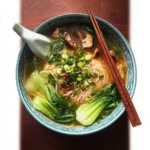
Ginger Garlic Noodle Soup with Bok Choy Recipe
Ingredients
- For the Aromatic Base & Broth:
- 1 tablespoon sesame oil (toasted or regular)
- 1 tablespoon neutral cooking oil (like avocado, canola, or grapeseed)
- 2-inch piece of fresh ginger, peeled and finely minced (about 2–3 tablespoons)
- 6–8 cloves garlic, finely minced (about 2–3 tablespoons)
- 1 medium shallot or 1/2 small yellow onion, finely chopped
- 8 cups (2 quarts) low-sodium chicken broth or vegetable broth (high-quality store-bought or homemade)
- 3 tablespoons low-sodium soy sauce (or tamari for gluten-free)
- 1 tablespoon rice vinegar
- 1 teaspoon Sriracha or chili garlic sauce (optional, adjust to taste)
- 1 star anise (optional, for added depth)
- Salt and freshly ground black pepper to taste
- For the Noodles & Vegetables:
- 8–10 oz dried noodles (ramen, udon, soba, or rice noodles all work well)
- 4–6 heads of baby bok choy, halved or quartered lengthwise (depending on size), thoroughly washed
- 1 large carrot, peeled and julienned or thinly sliced
- 4–6 shiitake mushrooms, stemmed and thinly sliced (or cremini mushrooms)
- Optional Protein (choose one or combine):
- 2 boneless, skinless chicken breasts or thighs, thinly sliced (about 1 lb)
- 8 oz firm or extra-firm tofu, pressed and cubed
- 1 lb shrimp, peeled and deveined
- 2–4 soft-boiled or ramen eggs (Ajitsuke Tamago), halved
- For Garnish (choose your favorites):
- 2–3 green onions, thinly sliced (both white and green parts)
- 1 tablespoon toasted sesame seeds
- Fresh cilantro leaves, roughly chopped
- A drizzle of chili oil
- Lime wedges, for serving
Instructions
- Prepare Your Ingredients (Mise en Place):
- Wash, peel, and chop/mince all your vegetables and aromatics as indicated in the ingredients list. This includes mincing the ginger and garlic, chopping the shallot/onion, slicing the mushrooms, julienning/slicing the carrot, and halving/quartering the bok choy.
- If using chicken, slice it thinly against the grain. If using tofu, press it to remove excess water and then cube it. If using shrimp, ensure it’s peeled and deveined.
- If making soft-boiled eggs, prepare them according to your preferred method and set aside.
- Build the Aromatic Broth Base:
- In a large pot or Dutch oven, heat the sesame oil and neutral cooking oil over medium heat.
- Add the minced ginger, garlic, and chopped shallot/onion. Sauté for 3-5 minutes until fragrant and softened, stirring frequently to prevent the garlic from burning. The aroma at this stage is incredible and forms the soul of your soup.
- If using chicken, add the thinly sliced chicken to the pot now. Cook, stirring occasionally, until it’s mostly cooked through and lightly browned, about 5-7 minutes. If using tofu, you can lightly pan-fry it separately for better texture and add it later, or add it directly to the broth in the next step to simmer. Shrimp should be added much later as it cooks quickly.
- Create the Savory Broth:
- Pour in the chicken or vegetable broth. Add the soy sauce, rice vinegar, optional Sriracha/chili garlic sauce, and star anise (if using).
- Bring the broth to a gentle simmer. Reduce the heat to low, cover, and let it simmer for at least 15-20 minutes to allow the flavors to meld beautifully. The longer it simmers (up to 30-40 minutes), the more developed the flavor will be. If you didn’t add chicken in the previous step, and you’re using it, you can add it now to poach in the simmering broth until cooked through.
- Cook the Noodles:
- While the broth is simmering, cook your chosen noodles according to the package directions in a separate pot of boiling water. Aim for al dente, as they will continue to soften slightly in the hot soup.
- Once cooked, drain the noodles well and rinse with cold water to stop the cooking process and prevent them from sticking. You can toss them with a tiny drizzle of sesame oil to further prevent sticking if desired. Set aside. Alternatively, for some types of noodles like fresh ramen, you can cook them directly in the broth in the last few minutes of cooking, but be mindful not to overcook them or make the broth too starchy.
- Add Vegetables (and Quick-Cooking Protein):
- Once the broth has simmered and developed its flavor, taste and adjust seasonings if necessary. Add more soy sauce for saltiness, rice vinegar for tang, or Sriracha for heat. Remove the star anise pod if you used one.
- Add the julienned/sliced carrots and sliced shiitake mushrooms to the simmering broth. Cook for 3-5 minutes until the carrots are tender-crisp and the mushrooms are softened.
- Add the prepared bok choy to the pot. Cook for another 2-4 minutes, just until the stems are tender-crisp and the leaves are wilted but still vibrant green. Be careful not to overcook the bok choy; it’s best when it retains a slight crunch.
- If using shrimp, add them during the last 2-3 minutes of cooking the vegetables, or until they turn pink and opaque.
- Assemble Your Soup Bowls:
- Divide the cooked noodles among individual serving bowls.
- Ladle the hot, aromatic broth generously over the noodles, ensuring each bowl gets a good distribution of chicken (or other protein), bok choy, carrots, and mushrooms.
- If you prepared soft-boiled eggs, add half an egg to each bowl.
- Garnish and Serve:
- Sprinkle generously with your chosen garnishes: sliced green onions, toasted sesame seeds, fresh cilantro.
- Offer a drizzle of chili oil and lime wedges on the side for those who want an extra kick of spice or brightness.
- Serve immediately while piping hot and enjoy the symphony of flavors!
Nutrition
- Serving Size: One Normal Portion
- Calories: 450-600