
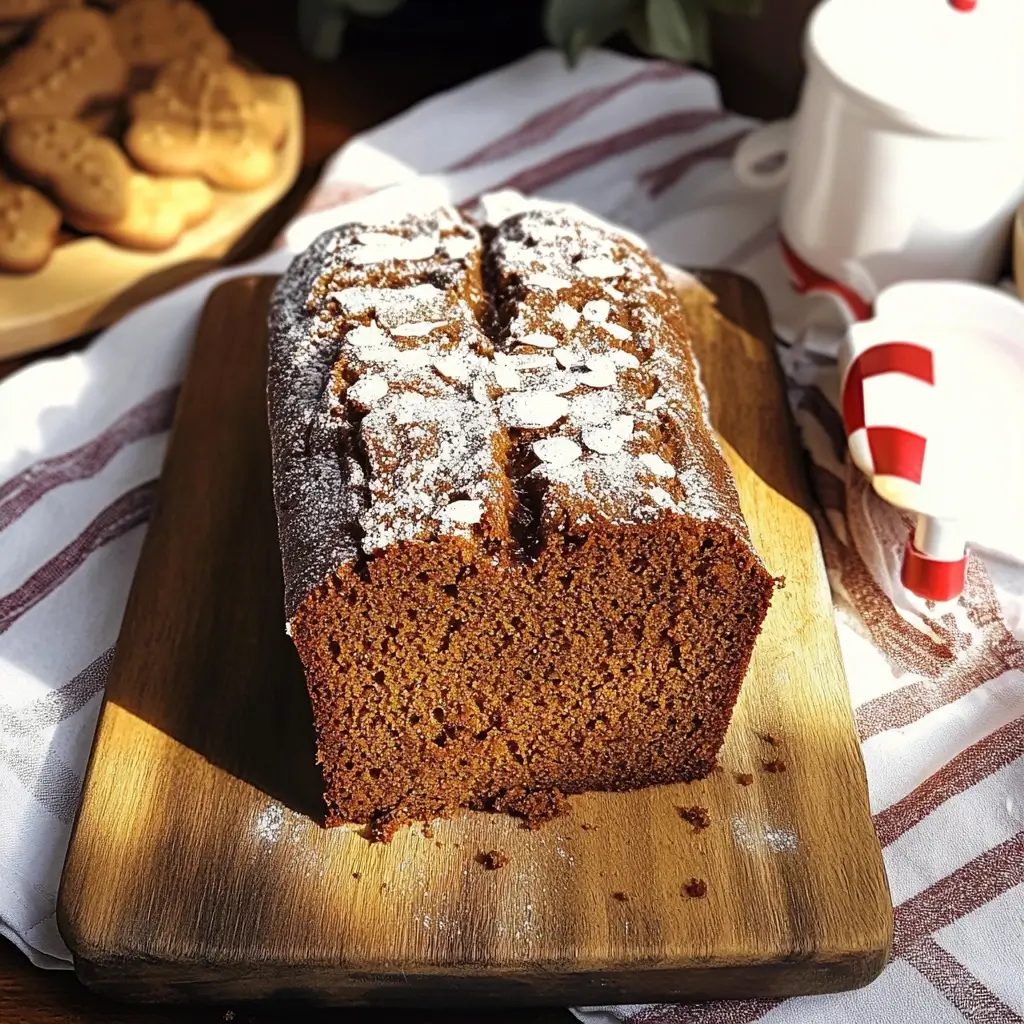
Homemade gingerbread loaf has become a staple in our home, especially as the days get shorter and a cozy warmth is needed. There’s something truly magical about the aroma that fills the kitchen as this loaf bakes – a symphony of ginger, cinnamon, and cloves that instantly evokes feelings of holiday cheer and comforting nostalgia. My family absolutely adores this recipe. It’s not just the taste, which is a perfect balance of sweet, spicy, and deeply flavorful molasses, but also the texture. It’s incredibly soft and moist, never dry or crumbly, making each slice an absolute delight. Whether we’re enjoying it with a steaming cup of coffee in the morning, savoring a slice as a delightful dessert after dinner, or wrapping it up beautifully to gift to friends and neighbors, this gingerbread loaf is always a hit. It’s a recipe that brings smiles, warms hearts, and fills the house with the most wonderful, inviting scent. Trust me, once you try this homemade gingerbread loaf, you’ll understand why it’s become such a cherished tradition in our home, and why I’m so excited to share it with you.
Ingredients for the Perfect Gingerbread Loaf
The secret to an exceptional gingerbread loaf lies in the quality and balance of its ingredients. Each component plays a vital role in creating the signature flavor, texture, and moistness we all crave. Let’s delve into each ingredient and understand why they are essential for this delightful recipe:
- ½ cup (100 g) Vegetable Oil: Vegetable oil contributes significantly to the loaf’s incredibly moist texture. Unlike butter, which solidifies when cooled and can sometimes lead to a drier crumb in baked goods, oil remains liquid at room temperature, ensuring a tender and moist loaf even days after baking. The neutral flavor of vegetable oil also allows the spices and molasses to truly shine through, without any competing buttery notes. If you’re looking for alternatives, you could use canola oil, sunflower oil, or even melted coconut oil (though this might impart a subtle coconut flavor). For best results, ensure your vegetable oil is fresh and odorless, as this will directly impact the overall flavor profile of your gingerbread. Using a high-quality oil can make a noticeable difference in the final product’s texture and taste.
- ½ cup (106 g) Brown Sugar: Brown sugar is more than just a sweetener in this recipe; it adds depth of flavor and contributes to the loaf’s moistness. The molasses content in brown sugar is hygroscopic, meaning it attracts and retains moisture, resulting in a softer, chewier texture compared to using granulated sugar alone. Furthermore, the caramel-like notes of brown sugar beautifully complement the warm spices and molasses, enhancing the overall richness of the gingerbread. You can use either light or dark brown sugar for this recipe. Light brown sugar will yield a slightly milder flavor, while dark brown sugar will provide a more intense molasses flavor and a darker color. If you only have granulated sugar on hand, you can make a quick substitute for brown sugar by mixing granulated sugar with molasses (approximately 1 tablespoon of molasses per cup of granulated sugar). However, using actual brown sugar is highly recommended for the best flavor and texture in your gingerbread loaf.
- 2 Large Eggs, Room Temperature: Eggs are crucial for structure, richness, and binding in baking. In this gingerbread loaf, eggs provide the necessary protein to hold the loaf together, preventing it from crumbling. The yolks contribute fat, adding richness and tenderness to the crumb, while the whites provide structure and lift. Using room temperature eggs is important because they emulsify more readily with the other ingredients, creating a smoother batter and a more uniform texture in the final loaf. Room temperature eggs also incorporate air more easily when beaten, leading to a lighter and fluffier crumb. If you forget to take your eggs out of the refrigerator ahead of time, you can quickly bring them to room temperature by placing them in a bowl of warm (not hot) water for about 5-10 minutes.
- 1 teaspoon Vanilla Extract: Vanilla extract, though seemingly a small ingredient, plays a significant role in enhancing the overall flavor profile of the gingerbread loaf. It adds a touch of warmth and complexity, rounding out the spices and molasses. High-quality vanilla extract will make a noticeable difference; pure vanilla extract is always preferable to imitation vanilla. You can also experiment with other flavor enhancers, such as almond extract for a slightly nutty note, or even a hint of citrus zest (orange or lemon) to brighten the flavors. However, vanilla extract is the classic and most recommended choice for a traditional gingerbread loaf.
- ½ cup (170 g) Molasses: Molasses is the heart and soul of gingerbread, giving it its distinctive dark color, deep flavor, and characteristic chewiness. Molasses is a byproduct of sugar refining and comes in various grades, each with a different level of sweetness and intensity. For this recipe, unsulphured molasses is recommended, as it has a cleaner, less bitter flavor compared to sulphured molasses. You can choose between light, dark, or blackstrap molasses. Light molasses is the sweetest and mildest, dark molasses has a more robust flavor, and blackstrap molasses is the least sweet and most intense, with a slightly bitter edge. For a classic gingerbread flavor, dark molasses is often preferred. If you want a milder gingerbread, you can use light molasses. Blackstrap molasses can be used for a very intense, almost bitter gingerbread flavor, but it’s generally best used in combination with lighter molasses or brown sugar to balance its intensity.
- ½ cup (113 g) Hot Water: Hot water is a somewhat unconventional ingredient in baking, but it’s essential in this gingerbread loaf for several reasons. First, it helps to dissolve the molasses, making it easier to incorporate into the batter and ensuring it’s evenly distributed. Second, hot water helps to activate the baking soda, which is the leavening agent in this recipe, leading to a better rise and a lighter texture. Finally, hot water contributes to the moistness of the loaf. It helps to hydrate the flour and create steam during baking, which prevents the loaf from drying out. Make sure the water is hot, but not boiling, as boiling water could potentially cook the eggs slightly if added directly to the wet ingredients. Using freshly boiled water that has cooled slightly for a minute or two is ideal.
- 2 cups (240 g) All-Purpose Flour: All-purpose flour provides the structure for the gingerbread loaf. It contains gluten, which develops when mixed with liquid, creating the framework of the loaf. It’s important to measure your flour correctly; using too much flour can result in a dry and dense loaf, while using too little can lead to a loaf that is too wet and may collapse. The best way to measure flour is using the “spoon and level” method: spoon the flour into your measuring cup until it’s overflowing, then level it off with a straight edge (like the back of a knife). Avoid scooping directly from the flour bag, as this can compact the flour and lead to using too much. If you want to make a slightly lighter and more tender loaf, you can substitute a portion of the all-purpose flour with cake flour (about ¼ to ½ cup). However, all-purpose flour alone works perfectly well for a classic gingerbread loaf.
- 1 teaspoon Baking Soda: Baking soda is the leavening agent in this recipe. It reacts with the acidity of the molasses and brown sugar, producing carbon dioxide gas that causes the loaf to rise. It’s crucial to use fresh baking soda; old baking soda may lose its potency and result in a loaf that doesn’t rise properly. To test if your baking soda is still active, you can mix a small amount (about ¼ teaspoon) with a few tablespoons of vinegar or lemon juice. If it fizzes vigorously, it’s still good to use. Baking soda also contributes to the characteristic texture of gingerbread, giving it a slightly open crumb and a tender bite.
- 2 teaspoons Ground Ginger: Ground ginger is a key spice in gingerbread, providing its signature warm, pungent, and slightly spicy flavor. Use good quality ground ginger for the best flavor. Freshly ground ginger, if you have the time and inclination, will have an even more vibrant and intense flavor. If you want to increase the ginger flavor further, you can add a small amount of finely grated fresh ginger in addition to the ground ginger. Ground ginger pairs perfectly with cinnamon and cloves, creating the classic gingerbread spice blend.
- 2 teaspoons Ground Cinnamon: Cinnamon adds warmth, sweetness, and a comforting aroma to gingerbread. Like ginger, use high-quality ground cinnamon for the best flavor. There are different types of cinnamon available, such as Ceylon cinnamon (also known as “true cinnamon”), which is milder and sweeter, and Cassia cinnamon, which is more common and has a stronger, spicier flavor. Either type will work well in this recipe; choose based on your personal preference. Cinnamon is an essential component of the gingerbread spice blend, complementing ginger and cloves beautifully.
- ½ teaspoon Ground Cloves: Ground cloves provide a warm, pungent, and slightly sweet spice that adds depth and complexity to the gingerbread flavor. Cloves are a very potent spice, so a little goes a long way. Using too much cloves can overpower the other spices and make the gingerbread taste bitter or medicinal. ½ teaspoon is the perfect amount to complement the ginger and cinnamon without being overwhelming. Freshly ground cloves will have a more intense flavor than pre-ground cloves, so if you’re grinding your own, you may want to start with a slightly smaller amount and adjust to taste.
- ½ teaspoon Salt: Salt is a crucial ingredient in baking, even in sweet recipes. It doesn’t make the gingerbread salty; instead, it enhances the flavors of all the other ingredients, especially the spices and molasses. Salt balances the sweetness and brings out the complexity of the flavors, making the gingerbread taste more well-rounded and delicious. Use regular table salt or fine sea salt for this recipe. If using coarse sea salt or kosher salt, make sure to use a slightly larger amount, as they are less dense than table salt.
Step-by-Step Instructions for Baking Your Gingerbread Loaf
Baking this homemade gingerbread loaf is a straightforward process, even for beginner bakers. Follow these detailed instructions to create a perfectly spiced, moist, and delicious loaf every time:
- Preheat Oven and Prepare Loaf Pan: Begin by preheating your oven to 350°F (175°C). This ensures that your oven is at the correct temperature when you place the loaf in, promoting even baking. While the oven is preheating, prepare your 9×5 inch loaf pan. The best way to prevent sticking and ensure easy removal of the loaf is to line the pan with parchment paper. Cut a piece of parchment paper long enough to overhang on the long sides of the pan. Press it into the pan, allowing the overhang to act as handles for lifting the baked loaf out later. Alternatively, if you don’t have parchment paper, you can grease the bottom and sides of the loaf pan thoroughly with butter or cooking spray, and then dust it with flour. This method also helps prevent sticking. Set the prepared loaf pan aside.
- Combine Wet Ingredients (Part 1): In a large mixing bowl, combine the vegetable oil, brown sugar, eggs, and vanilla extract. Use a whisk or a hand mixer to stir these ingredients together until they are well combined and the mixture is smooth. Make sure to break up any lumps of brown sugar. Mixing these ingredients first creates a base for the batter and ensures that the sugar and eggs are properly incorporated before adding the other wet and dry components.
- Combine Wet Ingredients (Part 2): In a separate small bowl, combine the molasses and hot water. Stir vigorously until the molasses is completely dissolved in the hot water. The hot water helps to thin out the thick molasses, making it easier to incorporate into the batter and ensuring it distributes evenly. Once the molasses mixture is smooth, pour it into the large bowl with the oil, sugar, and egg mixture. Stir again until everything is well combined and the batter is a uniform color.
- Whisk Dry Ingredients: In a third bowl, whisk together all the dry ingredients: all-purpose flour, baking soda, ground ginger, ground cinnamon, ground cloves, and salt. Whisking is crucial here to ensure that the baking soda and spices are evenly distributed throughout the flour. This prevents clumps of baking soda or spices in the final loaf and ensures consistent flavor and leavening. If you prefer, you can sift the dry ingredients instead of whisking, especially if your flour tends to be lumpy. Sifting aerates the flour and further ensures even distribution of the dry ingredients.
- Combine Wet and Dry Ingredients: Make a well in the center of the dry ingredients in the bowl. Pour the wet ingredients (the molasses mixture) into the well. Using a spatula or a wooden spoon, gently stir the wet and dry ingredients together until just combined. It’s important not to overmix the batter at this stage. Overmixing can develop the gluten in the flour, resulting in a tough and dense loaf. Mix just until the flour is incorporated and no streaks of dry flour remain. The batter will be relatively thin and smooth.
- Pour Batter into Loaf Pan and Tent with Foil: Pour the gingerbread batter evenly into the prepared loaf pan. Smooth the top of the batter with a spatula if necessary. To prevent the top of the gingerbread loaf from browning too quickly or even burning before the inside is fully cooked, tent the loaf pan loosely with aluminum foil. Crimp the foil around the edges of the pan to create a dome shape over the loaf, allowing heat to circulate while protecting the top.
- Bake the Gingerbread Loaf: Place the loaf pan in the preheated oven and bake for 50-60 minutes. After about 25-30 minutes of baking, carefully remove the foil tent. This allows the top of the loaf to develop a beautiful golden-brown color during the remaining baking time. Continue baking until the gingerbread loaf is done.
- Check for Doneness: To check if the gingerbread loaf is fully baked, insert a wooden skewer or a toothpick into the center of the loaf. If it comes out clean, or with only a few moist crumbs attached (but no wet batter), the loaf is done. Another reliable method is to gently press the top of the loaf. If it springs back when lightly pressed, it’s likely done. If an indent remains, it needs more baking time. For the most accurate method, use an instant-read thermometer to check the internal temperature of the loaf. It should reach 200°F (93°C) in the center when fully cooked. If the loaf is browning too quickly but is not yet cooked through, you can loosely tent it with foil again for the remaining baking time.
- Cool the Gingerbread Loaf: Once the gingerbread loaf is baked, remove it from the oven and transfer the loaf pan to a wire cooling rack. Allow the loaf to cool in the pan for at least 15-20 minutes before attempting to remove it. This cooling time allows the loaf to set slightly and makes it easier to handle without breaking. After the initial cooling period, carefully lift the gingerbread loaf out of the pan using the parchment paper overhang (if used) or by inverting it gently onto the cooling rack. Allow the gingerbread loaf to cool completely on the wire rack before slicing and serving. Cooling completely is important for achieving the best texture and flavor. Warm gingerbread is delicious, but it slices much cleaner and has a more developed flavor once fully cooled.
- Optional Garnishes: Once the gingerbread loaf is completely cool, you can optionally dust it with confectioner’s sugar for a simple and elegant finish. Alternatively, you can serve it with a dollop of whipped cream, a scoop of vanilla ice cream, or a drizzle of lemon glaze for added richness and flavor. The gingerbread loaf is also delicious plain, showcasing its warm spices and moist texture.
Nutrition Facts
Serving Size: 1 slice
Servings Per Loaf: 10
Approximate Nutritional Information Per Serving:
- Calories: 283 kcal
Note:* Nutritional information is an estimate and may vary based on specific ingredients and serving sizes.
Preparation Time
- Prep Time: 15 minutes
- Cook Time: 50 minutes
- Total Time: 1 hour 5 minutes
How to Serve Your Delicious Gingerbread Loaf
This versatile gingerbread loaf is wonderful in so many ways. Here are some delightful serving suggestions to enhance your enjoyment:
- With a Hot Beverage: The classic pairing! Enjoy a slice of gingerbread loaf alongside a steaming cup of coffee, tea, or hot chocolate. The warm spices of the gingerbread complement the comforting warmth of these drinks perfectly, making it an ideal treat for breakfast, brunch, or an afternoon pick-me-up.
- As a Dessert: Gingerbread loaf makes a wonderful and satisfying dessert. Serve it slightly warmed with a scoop of vanilla ice cream or a dollop of whipped cream. The contrast between the warm, spiced bread and the cool, creamy topping is simply divine. You can also drizzle it with caramel sauce or a simple lemon glaze for added sweetness and flavor.
- Holiday Treat: Gingerbread is synonymous with the holidays. This loaf is perfect for holiday gatherings, potlucks, or as a homemade gift. Wrap slices individually or present a whole loaf beautifully wrapped with ribbon. It’s a thoughtful and delicious gesture that everyone will appreciate.
- Brunch Staple: Add a touch of spice and warmth to your brunch spread with gingerbread loaf. Slice it and arrange it on a platter alongside other brunch favorites like fruit, yogurt, and eggs. Its unique flavor will add a delightful twist to your brunch menu.
- Snack on the Go: Gingerbread loaf is also a great snack to take with you. It’s portable, satisfying, and provides a lovely energy boost. Pack a slice in your lunch bag for a midday treat or enjoy it as a snack during hikes or outings.
- With Fruit Compote: Elevate your gingerbread experience by serving it with a warm fruit compote. Apple, pear, or cranberry compote pairs exceptionally well with the spices in gingerbread. The tartness of the fruit balances the sweetness of the loaf, creating a harmonious and flavorful combination.
- Toasted with Butter: For a simple yet satisfying treat, toast a slice of gingerbread loaf and spread it with butter. The toasting process enhances the spices and creates a slightly crispy exterior while keeping the inside moist and tender.
Additional Tips for Baking the Best Gingerbread Loaf
To ensure your gingerbread loaf turns out perfectly every time, here are five essential tips to keep in mind:
- Don’t Overmix the Batter: Overmixing is a common mistake in baking that can lead to a tough and dense loaf. Once you add the wet ingredients to the dry ingredients, mix just until everything is combined and no streaks of dry flour remain. A few lumps in the batter are perfectly fine and will disappear during baking. Overmixing develops the gluten in the flour, which can make the loaf chewy and less tender. Gentle mixing is key for a soft and moist gingerbread loaf.
- Measure Ingredients Accurately: Baking is a science, and precise measurements are crucial for success. Especially when it comes to flour, using too much or too little can significantly impact the texture of your gingerbread loaf. Use measuring cups and spoons specifically designed for baking. For dry ingredients like flour, use the spoon and level method mentioned earlier. For liquid ingredients, use liquid measuring cups and measure at eye level. Accurate measurements will ensure the correct ratio of ingredients, resulting in the desired texture and rise.
- Use Fresh Spices: Spices lose their potency over time, so using fresh spices will make a noticeable difference in the flavor of your gingerbread loaf. Check the expiration dates on your spices and replace them if they are old. If possible, buy whole spices and grind them yourself just before using for the most intense flavor. Storing spices in airtight containers in a cool, dark place will help to prolong their freshness. Fresh spices will impart a more vibrant and aromatic flavor to your gingerbread.
- Cool Completely Before Slicing: Patience is key when it comes to cooling baked goods. Allow the gingerbread loaf to cool completely on a wire rack before slicing. Cutting into a warm loaf can result in a crumbly texture and a gummy interior. Cooling allows the loaf to set properly, making it easier to slice cleanly and improving its overall texture. While warm gingerbread is tempting, resist the urge to slice it too soon for the best results.
- Adjust Baking Time as Needed: Oven temperatures can vary, and the baking time given in a recipe is just an estimate. Pay attention to your gingerbread loaf as it bakes and adjust the baking time as needed. Start checking for doneness around 50 minutes using a toothpick or skewer. If it’s not done, continue baking in 5-10 minute increments, checking again each time, until it’s fully baked. If the top is browning too quickly, you can tent it loosely with foil again. Using an oven thermometer can help ensure your oven is accurately calibrated, but visual cues and the toothpick test are still essential for determining doneness.
Frequently Asked Questions (FAQ) About Gingerbread Loaf
Here are some common questions bakers often have about making gingerbread loaf:
Q1: Can I make this gingerbread loaf ahead of time?
A: Absolutely! Gingerbread loaf is a fantastic make-ahead dessert or treat. In fact, many people find that the flavor of gingerbread actually improves after a day or two as the spices meld and deepen. Once cooled completely, wrap the loaf tightly in plastic wrap and then in aluminum foil, or store it in an airtight container at room temperature for up to 3-4 days. You can also freeze gingerbread loaf for longer storage. Wrap it tightly in plastic wrap and then in foil, and freeze for up to 2-3 months. Thaw overnight at room temperature before serving.
Q2: Can I add nuts or dried fruit to this gingerbread loaf?
A: Yes, you definitely can! Adding nuts or dried fruit can enhance the texture and flavor of your gingerbread loaf. Walnuts, pecans, or chopped almonds would all be delicious additions. For dried fruit, consider raisins, cranberries, chopped dates, or candied ginger. Add about ½ to 1 cup of chopped nuts or dried fruit to the batter just before pouring it into the loaf pan. Gently fold them in to distribute evenly. Be mindful that adding extra ingredients might slightly increase the baking time, so check for doneness as usual.
Q3: Can I make gingerbread muffins instead of a loaf?
A: Yes, you can easily adapt this recipe to make gingerbread muffins. Simply prepare the batter as directed and then divide it evenly among muffin cups lined with paper liners or greased muffin tins. Reduce the baking time significantly; muffins will typically bake much faster than a loaf. Start checking for doneness around 18-20 minutes. They are done when a toothpick inserted into the center comes out clean. Gingerbread muffins are perfect for individual servings and are great for breakfast or snacks.
Q4: What can I use if I don’t have molasses?
A: Molasses is a key ingredient in gingerbread and is essential for its characteristic flavor and texture. However, if you absolutely cannot find molasses, you can try substituting dark corn syrup or brown sugar syrup as a less ideal alternative. These substitutes will provide sweetness and some moisture but will lack the deep, complex flavor and dark color that molasses imparts. The gingerbread will still be tasty, but it won’t have the authentic gingerbread flavor profile. It’s highly recommended to use molasses for the best results.
Q5: My gingerbread loaf sank in the middle, what did I do wrong?
A: There are a few potential reasons why your gingerbread loaf might have sunk in the middle:
* Oven Temperature Too Low: If your oven temperature is too low, the loaf may not set properly before the center collapses. Ensure your oven is preheated to the correct temperature (350°F/175°C) and consider using an oven thermometer to verify accuracy.
* Overmixing the Batter: Overmixing can develop gluten and weaken the structure of the loaf, leading to sinking. Mix the batter just until combined, as mentioned in the tips.
* Too Much Leavening Agent: While baking soda is crucial for rise, using too much can cause the loaf to rise too quickly and then collapse. Make sure you are using the correct amount of baking soda (1 teaspoon) as specified in the recipe and that your baking soda is fresh.
* Underbaking: If the loaf is not baked long enough, the center may not be fully set and can sink after cooling. Ensure you bake the gingerbread loaf for the full recommended time and check for doneness using a toothpick or thermometer. If necessary, bake it for a bit longer until it’s fully cooked through.
By following this comprehensive guide and these helpful tips, you’re well on your way to baking a truly exceptional homemade gingerbread loaf that will be a delightful treat for any occasion. Enjoy the process and the delicious results!
Print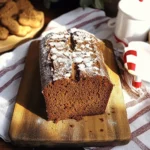
Gingerbread Loaf Recipe
Ingredients
- ½ cup (100 g) Vegetable Oil: Vegetable oil contributes significantly to the loaf’s incredibly moist texture. Unlike butter, which solidifies when cooled and can sometimes lead to a drier crumb in baked goods, oil remains liquid at room temperature, ensuring a tender and moist loaf even days after baking. The neutral flavor of vegetable oil also allows the spices and molasses to truly shine through, without any competing buttery notes. If you’re looking for alternatives, you could use canola oil, sunflower oil, or even melted coconut oil (though this might impart a subtle coconut flavor). For best results, ensure your vegetable oil is fresh and odorless, as this will directly impact the overall flavor profile of your gingerbread. Using a high-quality oil can make a noticeable difference in the final product’s texture and taste.
- ½ cup (106 g) Brown Sugar: Brown sugar is more than just a sweetener in this recipe; it adds depth of flavor and contributes to the loaf’s moistness. The molasses content in brown sugar is hygroscopic, meaning it attracts and retains moisture, resulting in a softer, chewier texture compared to using granulated sugar alone. Furthermore, the caramel-like notes of brown sugar beautifully complement the warm spices and molasses, enhancing the overall richness of the gingerbread. You can use either light or dark brown sugar for this recipe. Light brown sugar will yield a slightly milder flavor, while dark brown sugar will provide a more intense molasses flavor and a darker color. If you only have granulated sugar on hand, you can make a quick substitute for brown sugar by mixing granulated sugar with molasses (approximately 1 tablespoon of molasses per cup of granulated sugar). However, using actual brown sugar is highly recommended for the best flavor and texture in your gingerbread loaf.
- 2 Large Eggs, Room Temperature: Eggs are crucial for structure, richness, and binding in baking. In this gingerbread loaf, eggs provide the necessary protein to hold the loaf together, preventing it from crumbling. The yolks contribute fat, adding richness and tenderness to the crumb, while the whites provide structure and lift. Using room temperature eggs is important because they emulsify more readily with the other ingredients, creating a smoother batter and a more uniform texture in the final loaf. Room temperature eggs also incorporate air more easily when beaten, leading to a lighter and fluffier crumb. If you forget to take your eggs out of the refrigerator ahead of time, you can quickly bring them to room temperature by placing them in a bowl of warm (not hot) water for about 5-10 minutes.
- 1 teaspoon Vanilla Extract: Vanilla extract, though seemingly a small ingredient, plays a significant role in enhancing the overall flavor profile of the gingerbread loaf. It adds a touch of warmth and complexity, rounding out the spices and molasses. High-quality vanilla extract will make a noticeable difference; pure vanilla extract is always preferable to imitation vanilla. You can also experiment with other flavor enhancers, such as almond extract for a slightly nutty note, or even a hint of citrus zest (orange or lemon) to brighten the flavors. However, vanilla extract is the classic and most recommended choice for a traditional gingerbread loaf.
- ½ cup (170 g) Molasses: Molasses is the heart and soul of gingerbread, giving it its distinctive dark color, deep flavor, and characteristic chewiness. Molasses is a byproduct of sugar refining and comes in various grades, each with a different level of sweetness and intensity. For this recipe, unsulphured molasses is recommended, as it has a cleaner, less bitter flavor compared to sulphured molasses. You can choose between light, dark, or blackstrap molasses. Light molasses is the sweetest and mildest, dark molasses has a more robust flavor, and blackstrap molasses is the least sweet and most intense, with a slightly bitter edge. For a classic gingerbread flavor, dark molasses is often preferred. If you want a milder gingerbread, you can use light molasses. Blackstrap molasses can be used for a very intense, almost bitter gingerbread flavor, but it’s generally best used in combination with lighter molasses or brown sugar to balance its intensity.
- ½ cup (113 g) Hot Water: Hot water is a somewhat unconventional ingredient in baking, but it’s essential in this gingerbread loaf for several reasons. First, it helps to dissolve the molasses, making it easier to incorporate into the batter and ensuring it’s evenly distributed. Second, hot water helps to activate the baking soda, which is the leavening agent in this recipe, leading to a better rise and a lighter texture. Finally, hot water contributes to the moistness of the loaf. It helps to hydrate the flour and create steam during baking, which prevents the loaf from drying out. Make sure the water is hot, but not boiling, as boiling water could potentially cook the eggs slightly if added directly to the wet ingredients. Using freshly boiled water that has cooled slightly for a minute or two is ideal.
- 2 cups (240 g) All-Purpose Flour: All-purpose flour provides the structure for the gingerbread loaf. It contains gluten, which develops when mixed with liquid, creating the framework of the loaf. It’s important to measure your flour correctly; using too much flour can result in a dry and dense loaf, while using too little can lead to a loaf that is too wet and may collapse. The best way to measure flour is using the “spoon and level” method: spoon the flour into your measuring cup until it’s overflowing, then level it off with a straight edge (like the back of a knife). Avoid scooping directly from the flour bag, as this can compact the flour and lead to using too much. If you want to make a slightly lighter and more tender loaf, you can substitute a portion of the all-purpose flour with cake flour (about ¼ to ½ cup). However, all-purpose flour alone works perfectly well for a classic gingerbread loaf.
- 1 teaspoon Baking Soda: Baking soda is the leavening agent in this recipe. It reacts with the acidity of the molasses and brown sugar, producing carbon dioxide gas that causes the loaf to rise. It’s crucial to use fresh baking soda; old baking soda may lose its potency and result in a loaf that doesn’t rise properly. To test if your baking soda is still active, you can mix a small amount (about ¼ teaspoon) with a few tablespoons of vinegar or lemon juice. If it fizzes vigorously, it’s still good to use. Baking soda also contributes to the characteristic texture of gingerbread, giving it a slightly open crumb and a tender bite.
- 2 teaspoons Ground Ginger: Ground ginger is a key spice in gingerbread, providing its signature warm, pungent, and slightly spicy flavor. Use good quality ground ginger for the best flavor. Freshly ground ginger, if you have the time and inclination, will have an even more vibrant and intense flavor. If you want to increase the ginger flavor further, you can add a small amount of finely grated fresh ginger in addition to the ground ginger. Ground ginger pairs perfectly with cinnamon and cloves, creating the classic gingerbread spice blend.
- 2 teaspoons Ground Cinnamon: Cinnamon adds warmth, sweetness, and a comforting aroma to gingerbread. Like ginger, use high-quality ground cinnamon for the best flavor. There are different types of cinnamon available, such as Ceylon cinnamon (also known as “true cinnamon”), which is milder and sweeter, and Cassia cinnamon, which is more common and has a stronger, spicier flavor. Either type will work well in this recipe; choose based on your personal preference. Cinnamon is an essential component of the gingerbread spice blend, complementing ginger and cloves beautifully.
- ½ teaspoon Ground Cloves: Ground cloves provide a warm, pungent, and slightly sweet spice that adds depth and complexity to the gingerbread flavor. Cloves are a very potent spice, so a little goes a long way. Using too much cloves can overpower the other spices and make the gingerbread taste bitter or medicinal. ½ teaspoon is the perfect amount to complement the ginger and cinnamon without being overwhelming. Freshly ground cloves will have a more intense flavor than pre-ground cloves, so if you’re grinding your own, you may want to start with a slightly smaller amount and adjust to taste.
- ½ teaspoon Salt: Salt is a crucial ingredient in baking, even in sweet recipes. It doesn’t make the gingerbread salty; instead, it enhances the flavors of all the other ingredients, especially the spices and molasses. Salt balances the sweetness and brings out the complexity of the flavors, making the gingerbread taste more well-rounded and delicious. Use regular table salt or fine sea salt for this recipe. If using coarse sea salt or kosher salt, make sure to use a slightly larger amount, as they are less dense than table salt.
Instructions
- Preheat Oven and Prepare Loaf Pan: Begin by preheating your oven to 350°F (175°C). This ensures that your oven is at the correct temperature when you place the loaf in, promoting even baking. While the oven is preheating, prepare your 9×5 inch loaf pan. The best way to prevent sticking and ensure easy removal of the loaf is to line the pan with parchment paper. Cut a piece of parchment paper long enough to overhang on the long sides of the pan. Press it into the pan, allowing the overhang to act as handles for lifting the baked loaf out later. Alternatively, if you don’t have parchment paper, you can grease the bottom and sides of the loaf pan thoroughly with butter or cooking spray, and then dust it with flour. This method also helps prevent sticking. Set the prepared loaf pan aside.
- Combine Wet Ingredients (Part 1): In a large mixing bowl, combine the vegetable oil, brown sugar, eggs, and vanilla extract. Use a whisk or a hand mixer to stir these ingredients together until they are well combined and the mixture is smooth. Make sure to break up any lumps of brown sugar. Mixing these ingredients first creates a base for the batter and ensures that the sugar and eggs are properly incorporated before adding the other wet and dry components.
- Combine Wet Ingredients (Part 2): In a separate small bowl, combine the molasses and hot water. Stir vigorously until the molasses is completely dissolved in the hot water. The hot water helps to thin out the thick molasses, making it easier to incorporate into the batter and ensuring it distributes evenly. Once the molasses mixture is smooth, pour it into the large bowl with the oil, sugar, and egg mixture. Stir again until everything is well combined and the batter is a uniform color.
- Whisk Dry Ingredients: In a third bowl, whisk together all the dry ingredients: all-purpose flour, baking soda, ground ginger, ground cinnamon, ground cloves, and salt. Whisking is crucial here to ensure that the baking soda and spices are evenly distributed throughout the flour. This prevents clumps of baking soda or spices in the final loaf and ensures consistent flavor and leavening. If you prefer, you can sift the dry ingredients instead of whisking, especially if your flour tends to be lumpy. Sifting aerates the flour and further ensures even distribution of the dry ingredients.
- Combine Wet and Dry Ingredients: Make a well in the center of the dry ingredients in the bowl. Pour the wet ingredients (the molasses mixture) into the well. Using a spatula or a wooden spoon, gently stir the wet and dry ingredients together until just combined. It’s important not to overmix the batter at this stage. Overmixing can develop the gluten in the flour, resulting in a tough and dense loaf. Mix just until the flour is incorporated and no streaks of dry flour remain. The batter will be relatively thin and smooth.
- Pour Batter into Loaf Pan and Tent with Foil: Pour the gingerbread batter evenly into the prepared loaf pan. Smooth the top of the batter with a spatula if necessary. To prevent the top of the gingerbread loaf from browning too quickly or even burning before the inside is fully cooked, tent the loaf pan loosely with aluminum foil. Crimp the foil around the edges of the pan to create a dome shape over the loaf, allowing heat to circulate while protecting the top.
- Bake the Gingerbread Loaf: Place the loaf pan in the preheated oven and bake for 50-60 minutes. After about 25-30 minutes of baking, carefully remove the foil tent. This allows the top of the loaf to develop a beautiful golden-brown color during the remaining baking time. Continue baking until the gingerbread loaf is done.
- Check for Doneness: To check if the gingerbread loaf is fully baked, insert a wooden skewer or a toothpick into the center of the loaf. If it comes out clean, or with only a few moist crumbs attached (but no wet batter), the loaf is done. Another reliable method is to gently press the top of the loaf. If it springs back when lightly pressed, it’s likely done. If an indent remains, it needs more baking time. For the most accurate method, use an instant-read thermometer to check the internal temperature of the loaf. It should reach 200°F (93°C) in the center when fully cooked. If the loaf is browning too quickly but is not yet cooked through, you can loosely tent it with foil again for the remaining baking time.
- Cool the Gingerbread Loaf: Once the gingerbread loaf is baked, remove it from the oven and transfer the loaf pan to a wire cooling rack. Allow the loaf to cool in the pan for at least 15-20 minutes before attempting to remove it. This cooling time allows the loaf to set slightly and makes it easier to handle without breaking. After the initial cooling period, carefully lift the gingerbread loaf out of the pan using the parchment paper overhang (if used) or by inverting it gently onto the cooling rack. Allow the gingerbread loaf to cool completely on the wire rack before slicing and serving. Cooling completely is important for achieving the best texture and flavor. Warm gingerbread is delicious, but it slices much cleaner and has a more developed flavor once fully cooled.
- Optional Garnishes: Once the gingerbread loaf is completely cool, you can optionally dust it with confectioner’s sugar for a simple and elegant finish. Alternatively, you can serve it with a dollop of whipped cream, a scoop of vanilla ice cream, or a drizzle of lemon glaze for added richness and flavor. The gingerbread loaf is also delicious plain, showcasing its warm spices and moist texture.
Nutrition
- Serving Size: One Normal Portion
- Calories: 283 kcal