

Introduction
Ramen, a beloved staple in Japanese cuisine, has garnered international acclaim for its savory broth, tender noodles, and satisfying toppings. However, for those adhering to a gluten-free diet, traditional ramen can be off-limits due to the wheat-based noodles typically used. Thankfully, gluten-free ramen options are now widely available, allowing everyone to indulge in this comforting dish without compromising their dietary needs.
In this article, we’ll explore a simple yet flavorful recipe for gluten-free ramen that’s sure to satisfy your cravings. With wholesome ingredients and a quick cooking time, this dish is perfect for any meal. Whether you’re new to gluten-free cooking or a seasoned pro, this guide will help you create a delicious ramen bowl that’s both nutritious and satisfying.
Ingredients
To create this gluten-free ramen, you’ll need the following ingredients:
- 4 cups gluten-free vegetable broth: This serves as the base of your ramen, providing a rich and savory flavor.
- 2 packs gluten-free ramen noodles: These are essential for creating the authentic noodle texture without gluten.
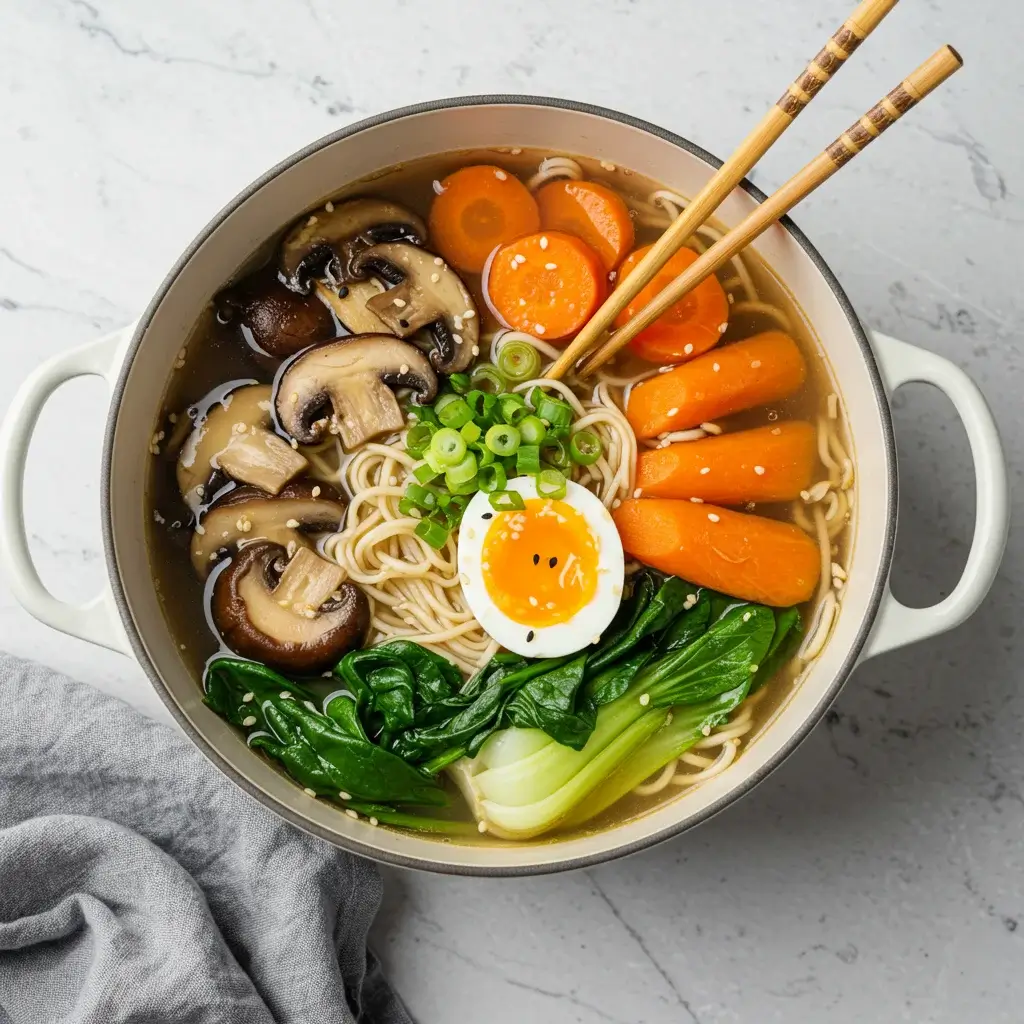
- 1 cup sliced mushrooms (shiitake or button): Adds earthy flavors and a meaty texture.
- 1 cup chopped spinach or bok choy: Offers a boost of vitamins and a pop of color.
- 1 carrot, julienned: Provides sweetness and crunch.
- 2 green onions, sliced: Used for garnish and an added layer of flavor.
- 2 cloves garlic, minced: Enhances the overall aroma and taste.
- 1 tbsp soy sauce or tamari: Adds umami flavor; use tamari for a gluten-free option.
- 1 tsp sesame oil: Provides a nutty aroma and depth of flavor.
- Optional toppings: Soft-boiled egg, sesame seeds, nori for additional taste and texture.
Instructions
Follow these simple steps to prepare your gluten-free ramen:
- Heat the sesame oil: In a large pot, heat the sesame oil over medium heat. Add the minced garlic and sauté until fragrant, about 1 minute.
- Prepare the broth: Pour in the gluten-free vegetable broth and bring it to a boil.
- Add vegetables and seasonings: Add the sliced mushrooms, julienned carrots, and soy sauce. Cook for approximately 5 minutes, or until the vegetables start to soften.
- Cook the noodles: Add the gluten-free ramen noodles to the pot and cook according to the package instructions, usually about 4–5 minutes.
- Incorporate greens: Stir in the chopped spinach or bok choy until wilted, which should take about 1–2 minutes.
- Serve: Ladle the hot ramen into bowls. Top with sliced green onions and your choice of optional toppings such as a soft-boiled egg, sesame seeds, or nori.
Nutrition Facts
This gluten-free ramen is not only delicious but also packed with nutrients. Here’s a breakdown of the nutritional content per serving:
- Calories: 350
- Protein: 9g
- Fat: 5g
- Carbohydrates: 62g
- Fiber: 3g
- Sugar: 4g
This balance of macronutrients ensures that the meal is both energizing and satisfying, making it a perfect option for lunch or dinner.
How to Serve
Serving ramen can be as creative as it is delicious, transforming a simple bowl into a culinary masterpiece that tantalizes the taste buds and delights the senses. Here are some detailed ideas to enhance your gluten-free ramen experience:
Garnish with Flair
Garnishing your ramen is an art form that can elevate the dish aesthetically and flavor-wise. Beyond the usual green onions and sesame seeds, consider these creative options:
- Fresh Herbs: Adding fresh herbs such as cilantro, basil, or mint can introduce a fragrant and vibrant element to your ramen. Cilantro pairs wonderfully with Asian flavors, while basil adds a sweet, aromatic touch. Mint can bring a refreshing note, especially in a spicy broth.
- Edible Flowers: For a visually stunning presentation, consider garnishing with edible flowers such as nasturtiums or violets. Not only do they add color, but they can also provide subtle flavors that enhance the overall dining experience.
- Citrus Zest: A sprinkle of lemon or lime zest can provide a bright, zesty contrast to the rich flavors of the broth. This touch can invigorate the palate, making each sip more refreshing.
Pair with a Side Dish
To transform your ramen from a simple meal into a complete dining experience, consider pairing it with complementary side dishes. Here are a few ideas:
- Gluten-Free Gyoza: These dumplings can be made with gluten-free wrappers and filled with a variety of ingredients, such as vegetables, shrimp, or chicken. They serve as an excellent contrast to the broth and add a delightful crunch when pan-fried.
- Fresh Salad: A light, refreshing salad can balance the richness of the ramen. Consider a salad with mixed greens, shredded carrots, cucumber slices, and a sesame dressing for a Japanese-inspired touch. Adding avocado can provide creaminess that complements the noodles.
- Pickled Vegetables: Serve your ramen with a side of pickled vegetables like daikon, cucumbers, or kimchi. The tangy flavors of pickles can cut through the richness of the broth and introduce a crunchy texture.
Customize the Heat
For those who enjoy a bit of spice, customizing the heat level of your ramen can add an exciting kick. Here are some ways to do it:
- Sriracha or Chili Oil: A drizzle of sriracha can add a sweet and spicy flavor, while chili oil can provide a deeper, more complex heat. Consider offering both on the side so diners can adjust to their liking.
- Red Pepper Flakes: Sprinkling red pepper flakes over the top just before serving allows each guest to control their spice level. This not only enhances the flavor but also adds a pop of color to the presentation.
- Spicy Broth Enhancements: Consider infusing your broth with spicy ingredients such as ginger, garlic, or even a splash of hot sauce during the cooking process. This method allows the heat to meld beautifully with the other flavors.
Incorporate Protein
Adding protein to your ramen not only enhances its nutritional value but also contributes to a heartier, more satisfying meal. Here are some protein options to consider:
- Grilled Chicken: Marinated and grilled chicken can add smoky flavors and a juicy texture to your ramen. Consider using a marinade that includes gluten-free soy sauce, ginger, and garlic for a cohesive flavor profile.
- Tofu: For a vegetarian option, tofu is an excellent choice. Firm tofu can be cubed and pan-fried for a crispy texture, while silken tofu can be gently added to the broth for a soft, velvety touch.
- Tempeh: This fermented soybean product is packed with protein and has a nutty flavor that can complement the savory broth. Marinate and grill or sauté tempeh for a delicious addition that enhances both texture and taste.
- Eggs: A soft-boiled egg, with a slightly runny yolk, can be a luxurious addition to your ramen. The richness of the yolk adds depth to the broth, and the visual appeal is hard to beat.
By incorporating these creative serving ideas, you can elevate your gluten-free ramen experience from ordinary to extraordinary. Each suggestion adds a layer of flavor, texture, or visual appeal, making your ramen not just a meal, but a delightful culinary adventure.
Additional Tips
Creating the perfect bowl of gluten-free ramen is all about achieving a harmonious balance of flavors and textures. To elevate your dish from good to unforgettable, consider these comprehensive tips that dive deeper into the art of crafting an exceptional ramen experience:
Experiment with Broth
The broth is the heart of ramen, and while vegetable broth provides a solid foundation for a gluten-free option, there are numerous avenues to explore for a richer, deeper flavor.
- Broth Base Variations:
- Chicken Broth: Opt for a homemade chicken broth made by simmering bones, vegetables, and herbs. This not only enhances the flavor but also provides a hearty, comforting essence. Make sure to choose gluten-free soy sauce or tamari when seasoning the broth.
- Beef Broth: For a more robust and savory profile, consider using beef broth. A slow-simmered broth made from beef bones can add depth, but ensure the ingredients used are gluten-free.
- Seafood Broth: For an umami punch, a seafood broth made with dried fish, seaweed, or shellfish can introduce a refreshing taste that complements ramen beautifully.
- Add Aromatics: Enhance your broth with aromatics such as garlic, ginger, and scallions. Sautéing these ingredients before adding your liquid can intensify their flavors.
- Infuse with Flavor: Consider adding ingredients like miso paste or kombu (dried seaweed) to your broth for an extra layer of umami. Just be sure to check that these ingredients are gluten-free.
Adjust the Seasoning
Seasoning is crucial in achieving the right flavor balance in your ramen:
- Taste as You Go: Always taste your broth before serving. This allows you to adjust the seasoning to your liking. A dash of salt or a splash of rice vinegar can elevate the flavors.
- Use Gluten-Free Soy Sauce or Tamari: Traditional soy sauce contains gluten, so substitute it with a high-quality gluten-free soy sauce or tamari. Start with a small amount and increase gradually until you reach your desired saltiness and flavor.
- Explore Other Seasonings: Don’t be afraid to experiment with different seasonings such as sesame oil, chili oil, or even a touch of fish sauce. These can add complexity and depth, making your ramen uniquely yours.
Use Fresh Ingredients
Fresh ingredients are vital in ramen preparation, as they not only enhance flavor but also improve the nutritional profile of your dish:
- Vegetables: Incorporate a variety of fresh vegetables like bok choy, spinach, mushrooms, and carrots. These add color, texture, and essential nutrients. For an added crunch, consider topping your ramen with fresh bean sprouts or thinly sliced radishes.
- Herbs: Fresh herbs like cilantro, basil, or green onions can brighten your dish and introduce fresh flavors. Garnishing your ramen with these herbs just before serving can provide a delightful aromatic experience.
- Proteins: Choose high-quality proteins such as grilled chicken, sliced pork, or tofu. If you’re using tofu, opt for firm varieties and consider marinating it in gluten-free soy sauce for added flavor.
Perfect the Egg
The soft-boiled egg is a hallmark of a classic ramen dish, and mastering its preparation can elevate your bowl:
- Cooking Technique: To achieve the perfect soft-boiled egg, start by bringing a pot of water to a rolling boil. Gently lower your eggs into the water and boil them for 6-7 minutes.
- Ice Bath: Once the time is up, immediately transfer the eggs to an ice bath to halt the cooking process. This step is crucial for achieving that ideal, creamy yolk.
- Marinate for Extra Flavor: For an authentic touch, consider marinating your soft-boiled eggs in a mixture of gluten-free soy sauce, mirin, and a bit of sugar for a few hours or overnight. This adds a savory sweetness that perfectly complements the ramen.
Final Touches
- Noodles: Select gluten-free ramen noodles made from rice, buckwheat, or other gluten-free grains. Follow package instructions for cooking times, and rinse them under cold water after boiling to stop the cooking process and prevent clumping.
- Presentation: Take the time to present your ramen beautifully. Arrange your noodles, broth, vegetables, and proteins artfully in a bowl. A sprinkle of sesame seeds or a drizzle of chili oil can add visual appeal and extra flavor.
- Serve Immediately: Ramen is best enjoyed fresh. Serve your bowl immediately after assembling it to ensure the noodles remain al dente and the broth is hot.
By following these detailed tips, you can create a gluten-free ramen bowl that not only satisfies your hunger but also delights your taste buds. The beauty of ramen lies in its versatility, so feel free to experiment and make it your own!
FAQs
Q: Can I use other types of mushrooms?
A: Absolutely! Feel free to substitute with your favorite mushrooms, such as oyster or enoki, for a different texture and taste.
Q: What can I use instead of soy sauce?
A: Tamari is a great gluten-free alternative to soy sauce. Coconut aminos can also be used for a soy-free option.
Q: How can I make this ramen spicier?
A: Add chili paste, sriracha, or freshly sliced chili peppers to the broth for an extra kick.
Q: Can this recipe be made vegan?
A: Yes, simply omit the egg and ensure your toppings are plant-based.
Conclusion
Gluten-free ramen is a versatile and delightful dish, perfect for those who love the classic flavors of ramen but need to adhere to a gluten-free diet. This recipe offers a quick and easy way to enjoy a comforting bowl of ramen, packed with nutrients and full of flavor. By following these simple steps and tips, you can customize your ramen to suit your taste and dietary preferences, ensuring a satisfying and delicious meal every time.
Whether you’re a ramen aficionado or trying it for the first time, this gluten-free version is bound to become a favorite in your culinary repertoire. Enjoy the savory goodness and let your creativity shine as you experiment with different toppings and flavors. Happy cooking!
Print
Gluten-Free Ramen Recipe
Ingredients
- 4 cups gluten-free vegetable broth: This serves as the base of your ramen, providing a rich and savory flavor.
- 2 packs gluten-free ramen noodles: These are essential for creating the authentic noodle texture without gluten.
- 1 cup sliced mushrooms (shiitake or button): Adds earthy flavors and a meaty texture.
- 1 cup chopped spinach or bok choy: Offers a boost of vitamins and a pop of color.
- 1 carrot, julienned: Provides sweetness and crunch.
- 2 green onions, sliced: Used for garnish and an added layer of flavor.
- 2 cloves garlic, minced: Enhances the overall aroma and taste.
- 1 tbsp soy sauce or tamari: Adds umami flavor; use tamari for a gluten-free option.
- 1 tsp sesame oil: Provides a nutty aroma and depth of flavor.
- Optional toppings: Soft-boiled egg, sesame seeds, nori for additional taste and texture.
Instructions
- Heat the sesame oil: In a large pot, heat the sesame oil over medium heat. Add the minced garlic and sauté until fragrant, about 1 minute.
- Prepare the broth: Pour in the gluten-free vegetable broth and bring it to a boil.
- Add vegetables and seasonings: Add the sliced mushrooms, julienned carrots, and soy sauce. Cook for approximately 5 minutes, or until the vegetables start to soften.
- Cook the noodles: Add the gluten-free ramen noodles to the pot and cook according to the package instructions, usually about 4–5 minutes.
- Incorporate greens: Stir in the chopped spinach or bok choy until wilted, which should take about 1–2 minutes.
- Serve: Ladle the hot ramen into bowls. Top with sliced green onions and your choice of optional toppings such as a soft-boiled egg, sesame seeds, or nori.
Nutrition
- Serving Size: one normal portion
- Calories: 350
- Sugar: 4g
- Fat: 5g
- Carbohydrates: 62g
- Fiber: 3g
- Protein: 9g