
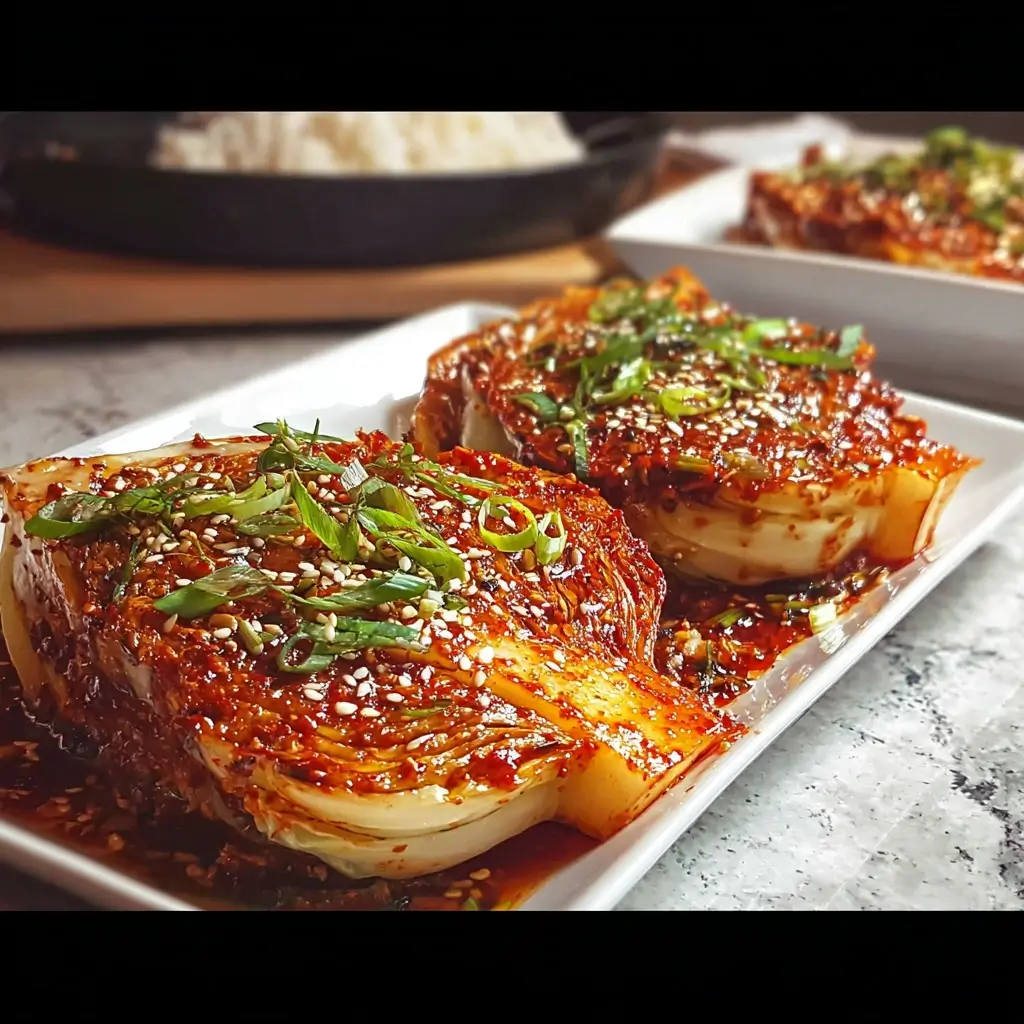
I’ll be honest, the first time I heard “cabbage steaks,” I was skeptical. Cabbage, to me, was always the humble, often overlooked, component of coleslaw or a hearty stew. The idea of it taking center stage as a “steak” seemed a bit far-fetched. But then, Gochujang entered the picture. That vibrant, spicy, umami-packed Korean chili paste has a magical way of transforming a_nything_ it touches. So, with a mix of curiosity and a little doubt, I decided to give Gochujang Cabbage Steaks a try. The result? Utterly mind-blowing. My family, initially raising eyebrows at the concept, were converted from the very first bite. The cabbage, seared to tender-crisp perfection with beautifully caramelized edges, became a succulent canvas for the fiery, sweet, and savory gochujang glaze. It was an explosion of flavor and texture that was both deeply satisfying and surprisingly light. Now, Gochujang Cabbage Steaks are a regular in our dinner rotation – a testament to how simple ingredients, when treated with a little creativity and a bold sauce, can create something truly extraordinary. It’s a dish that proves that vegetarian meals can be incredibly exciting and robust, and it’s one I’m thrilled to share with you.
Ingredients for Irresistible Gochujang Cabbage Steaks
This recipe focuses on creating a balance of spicy, sweet, savory, and tangy notes that perfectly complement the natural sweetness of roasted cabbage. The quantities below are designed for approximately 4 servings, but feel free to adjust based on your needs and the size of your cabbage.
For the Cabbage Steaks:
- 1 large head of green cabbage (about 2.5 – 3 lbs): Look for a firm, heavy cabbage with tightly packed leaves. This will yield about 4-6 substantial “steaks.”
- 3 tablespoons neutral cooking oil: Avocado oil, grapeseed oil, or even a light olive oil work well. This is for brushing the cabbage before roasting to help with caramelization and prevent sticking.
For the Gochujang Glaze:
- 1/4 cup (60ml) Gochujang (Korean chili paste): This is the star ingredient. The heat level can vary by brand, so adjust if you’re sensitive to spice.
- 3 tablespoons soy sauce (or tamari for gluten-free): Adds saltiness and a deep umami flavor. Low-sodium soy sauce can also be used if preferred.
- 2 tablespoons rice vinegar: Provides a crucial tangy counterpoint to the sweetness and spice.
- 2 tablespoons toasted sesame oil: Lends a distinctive nutty aroma and flavor.
- 2 tablespoons honey (or maple syrup for a vegan option, or brown sugar): Balances the heat of the gochujang and helps the glaze caramelize. Adjust to your preferred sweetness.
- 3 cloves garlic, minced (about 1 tablespoon): Fresh garlic adds a pungent, aromatic kick.
- 1 tablespoon fresh ginger, grated (about a 1-inch piece): Adds warmth and a zesty spice that complements the gochujang.
- 1-2 tablespoons water or vegetable broth (optional): To thin the glaze to your desired consistency if it’s too thick.
For Garnish (Optional but Recommended):
- 1 tablespoon toasted sesame seeds: Adds a nutty crunch and visual appeal.
- 2-3 scallions (green onions), thinly sliced: Provides a fresh, mild oniony bite and a pop of color.
- A sprinkle of red pepper flakes (Gochugaru preferably): For an extra kick of heat, if desired.
- Fresh cilantro leaves, chopped: Adds a bright, herbaceous note.
Step-by-Step Instructions for Perfect Gochujang Cabbage Steaks
Follow these instructions carefully to achieve perfectly cooked cabbage steaks with a luscious, caramelized glaze. The key is to get a good sear on the cabbage while ensuring it cooks through to tender-crispness.
1. Prepare the Cabbage:
* Preheat your oven to 400°F (200°C). Line a large baking sheet with parchment paper for easy cleanup, or lightly grease it.
* Carefully remove any loose or damaged outer leaves from the cabbage.
* Place the cabbage on a cutting board, stem-side down. Using a large, sharp chef’s knife, cut the cabbage in half from top to bottom, right through the core.
* Place each half cut-side down. Slice each half into 1 to 1.5-inch thick “steaks.” Try to keep a portion of the core intact in each steak, as this will help hold the leaves together during cooking. You should get 2-3 steaks per half, depending on the cabbage size. Don’t worry if some outer leaves fall off; you can roast those alongside the steaks.
2. Prepare the Gochujang Glaze:
* In a small bowl, whisk together the gochujang, soy sauce (or tamari), rice vinegar, toasted sesame oil, honey (or maple syrup/brown sugar), minced garlic, and grated ginger.
* Whisk until the mixture is smooth and well combined. If the glaze seems too thick to spread easily, add 1 tablespoon of water or vegetable broth at a time until it reaches a brushable consistency. Taste and adjust seasonings if necessary – more honey for sweetness, a touch more vinegar for tang, or a tiny bit more gochujang for heat (be cautious!).
3. Season and Sear (or Initial Roast) the Cabbage:
* Arrange the cabbage steaks in a single layer on the prepared baking sheet. Ensure they are not overlapping, as this will cause them to steam rather than roast and caramelize. Use two baking sheets if necessary.
* Lightly brush both sides of each cabbage steak with the neutral cooking oil. This helps them to brown beautifully and prevents sticking. You can also lightly season with salt and pepper at this stage, but remember the glaze is quite flavorful.
4. Apply the Glaze and Roast:
* Generously brush one side of each cabbage steak with about half of the prepared gochujang glaze, ensuring it gets into some of the crevices.
* Place the baking sheet in the preheated oven and roast for 10-12 minutes. The edges should start to soften and slightly char.
* Carefully remove the baking sheet from the oven. Using a spatula, flip each cabbage steak.
* Brush the remaining gochujang glaze generously over the newly exposed side of the cabbage steaks.
* Return the baking sheet to the oven and continue roasting for another 10-15 minutes, or until the cabbage is tender-crisp (a knife should insert easily but there should still be some bite) and the glaze is bubbly and caramelized. Keep a close eye on them during the last few minutes to prevent the glaze from burning, as the sugars can char quickly.
5. Rest and Garnish:
* Once cooked to your liking, remove the cabbage steaks from the oven. Let them rest on the baking sheet for a couple of minutes. This allows the internal temperature to even out and the glaze to set slightly.
* Carefully transfer the Gochujang Cabbage Steaks to a serving platter or individual plates.
* Sprinkle generously with toasted sesame seeds, sliced scallions, and any other desired garnishes like red pepper flakes or fresh cilantro.
Alternative Pan-Frying Method:
If you prefer, or don’t want to turn on the oven:
* Heat 1-2 tablespoons of neutral oil in a large skillet (cast iron works wonderfully) over medium-high heat.
* Place 2-3 cabbage steaks in the hot skillet (don’t overcrowd). Sear for 4-5 minutes per side, until nicely browned and slightly softened.
* Reduce heat to medium-low. Brush one side with gochujang glaze, flip, and cook for 2-3 minutes. Brush the other side, flip, and cook for another 2-3 minutes, or until the glaze is caramelized and the cabbage is tender. You might need to add a splash of water and cover the pan briefly to help steam the cabbage through if it’s browning too quickly on the outside. Repeat with remaining steaks.
Nutritional Snapshot: Gochujang Cabbage Steaks
Understanding the nutritional profile of your meals can be helpful for various dietary goals. Please note that these values are approximate and can vary based on the specific brands of ingredients used, the exact size of the cabbage, and any modifications made to the recipe.
- Servings: This recipe typically yields 4 servings (assuming 1 large cabbage steak per person). If your cabbage is smaller or you cut thinner steaks, you might get 5-6 servings.
- Calories per serving (approximate): 180-250 calories.
Breakdown of Nutritional Contributions:
- Cabbage: The primary ingredient, cabbage, is very low in calories and rich in vitamins (especially Vitamin K and Vitamin C), minerals, and dietary fiber. Fiber aids in digestion and promotes satiety.
- Gochujang Glaze: This is where most of the calories, sodium, and sugars come from.
- Gochujang: Contains carbohydrates, some protein, and sodium. Its fermented nature may also offer some probiotic benefits.
- Soy Sauce: A significant source of sodium.
- Sesame Oil & Neutral Oil: Contribute healthy fats, but also calories. Toasted sesame oil is rich in antioxidants.
- Honey/Maple Syrup: Adds sugars (carbohydrates) and sweetness.
- Garlic & Ginger: Offer minimal calories but are packed with beneficial plant compounds and antioxidants.
Considerations for Dietary Needs:
- Low-Calorie: This dish is relatively low in calories, especially for a “main course” style vegetable dish.
- Vegetarian/Vegan: As written with honey, it’s vegetarian. To make it vegan, simply substitute maple syrup or brown sugar for the honey in the glaze.
- Gluten-Free: Ensure you use tamari instead of regular soy sauce, and verify that your gochujang brand is gluten-free (many are, but some may contain wheat).
- Low-Sodium: To reduce sodium, use low-sodium soy sauce or tamari, and be mindful of the gochujang brand, as sodium content can vary. You might slightly reduce the amount of soy sauce and compensate with a little more rice vinegar or a pinch of salt if needed.
- Low-Carb/Keto: While cabbage itself is relatively low-carb, the gochujang and sweetener in the glaze contribute carbohydrates and sugars. For a stricter low-carb version, you would need to find a sugar-free gochujang (or make a keto-friendly alternative) and use a keto-approved sweetener. This would significantly alter the traditional flavor profile.
This dish is a fantastic way to enjoy a hearty, flavorful vegetable-centric meal. Paired with a lean protein or whole grains, it can be part of a well-balanced and nutritious diet.
Time Commitment: Preparation and Cooking
Knowing the time investment upfront helps in planning your meal. Here’s a breakdown of how long it will take to get these delicious Gochujang Cabbage Steaks on your table:
- Preparation Time: Approximately 15-20 minutes
- Washing and cutting the cabbage: 5-7 minutes
- Mincing garlic, grating ginger: 3-5 minutes
- Whisking together the glaze ingredients: 3-5 minutes
- Preheating oven and preparing baking sheet: 2-3 minutes (can be done concurrently)
- Cooking Time: Approximately 20-27 minutes (for roasting method)
- Initial roast (first side): 10-12 minutes
- Roasting after flipping and glazing second side: 10-15 minutes
- Resting Time: 2-3 minutes (optional, but recommended)
- Total Estimated Time: Approximately 35-50 minutes
Factors that can influence time:
- Your knife skills: Faster chopping means less prep time.
- Oven efficiency: Some ovens preheat faster or cook more intensely than others. Always good to know your oven.
- Cabbage steak thickness: Thicker steaks might require a few extra minutes of cooking time to become tender all the way through.
- Desired tenderness: If you prefer your cabbage very soft, you might extend the cooking time slightly. If you like it with more crunch, you can reduce it a bit.
- Pan-frying vs. Roasting: Pan-frying might be slightly quicker per batch, but if you have many steaks, doing them in batches could take longer overall than roasting them all at once on one or two baking sheets.
This recipe is well-suited for a weeknight meal as it comes together relatively quickly, with much of the cooking time being hands-off while the cabbage roasts in the oven. The active preparation is minimal, making it an efficient way to get a powerfully flavored dish on the table.
Serving Suggestions: Elevate Your Gochujang Cabbage Steaks
Gochujang Cabbage Steaks are wonderfully versatile. They can shine as a main course, a hearty side, or a component in a more elaborate spread. Here are some ideas to inspire you:
As a Vegetarian/Vegan Main Course:
- With Grains:
- Serve over a bed of fluffy steamed white or brown rice. The rice soaks up any extra delicious glaze.
- Pair with quinoa for a protein and fiber boost.
- Nestle alongside barley or farro for a chewier, heartier grain base.
- With Noodles:
- Serve with simple soba noodles or udon noodles tossed in a light sesame-ginger dressing.
- Accompany with rice vermicelli noodles for a lighter pairing.
- In a Bowl:
- Make it the star of a Korean-inspired grain bowl. Add rice or quinoa, pickled vegetables (like kimchi or quick-pickled cucumbers/carrots), edamame, and perhaps a fried or soft-boiled egg (if not vegan).
- With Tofu or Tempeh:
- Serve alongside crispy pan-fried or baked tofu or marinated tempeh for added plant-based protein.
As a Substantial Side Dish:
- With Grilled or Roasted Meats:
- A fantastic accompaniment to grilled chicken thighs, pork tenderloin, or even beef short ribs. The spicy-sweet glaze cuts through the richness of the meat.
- With Fish:
- Pairs beautifully with pan-seared salmon, cod, or a flaky baked white fish.
- At a BBQ:
- A surprising and welcome addition to a barbecue spread, offering a flavorful vegetarian option.
Enhancing the Presentation and Flavor:
- Toppings Galore:
- Toasted sesame seeds (black or white) for crunch and nuttiness.
- Thinly sliced scallions (green onions) for a fresh, sharp bite.
- A sprinkle of Gochugaru (Korean chili flakes) for extra heat and authentic flavor.
- Freshly chopped cilantro for a bright, herbaceous note.
- A drizzle of extra toasted sesame oil right before serving for enhanced aroma.
- A dollop of plain yogurt or vegan sour cream on the side can offer a cooling contrast to the spice.
- Flavor Boosters:
- Serve with a small bowl of kimchi on the side for an extra layer of fermented funk and spice.
- A wedge of lime to squeeze over just before eating can brighten all the flavors.
Meal Prep:
- Roast the cabbage steaks and store them separately from the glaze (or lightly glazed). Reheat and add more fresh glaze before serving. This helps maintain the texture.
No matter how you choose to serve them, these Gochujang Cabbage Steaks are sure to impress with their bold flavors and satisfying textures. Experiment and find your favorite combination!
Pro Tips for Gochujang Cabbage Steak Perfection
Take your Gochujang Cabbage Steaks from great to absolutely exceptional with these insider tips:
- Embrace the Core for Structure: When slicing your cabbage, make sure each “steak” retains a piece of the core. The core is denser and acts like a backbone, helping to keep the leaves attached and the steak intact during cooking and flipping. If you cut too far away from the core, your steaks might fall apart more easily.
- Don’t Overcrowd the Pan: Whether you’re roasting in the oven or pan-frying, giving the cabbage steaks adequate space is crucial. Overcrowding traps steam, leading to soggy cabbage rather than beautifully caramelized, slightly crispy edges. Use two baking sheets if necessary when roasting, or cook in batches if pan-frying. That Maillard reaction needs air circulation!
- Taste and Adjust Your Glaze: Gochujang brands vary in spiciness, saltiness, and even sweetness. Before you slather it all over your cabbage, taste the glaze. Is it fiery enough? Too fiery? Does it need a touch more sweetness (honey/maple) to balance the heat, or a bit more rice vinegar for acidity? Customizing the glaze to your preference is key to loving the final dish. You can always add a pinch more of something, but it’s harder to take it away.
- High Heat for Char, Moderate for Tenderness: For roasting, starting at a relatively high heat like 400°F (200°C) helps to get that initial browning and char on the outside. If you find your steaks are browning too quickly before the inside is tender, you can slightly reduce the oven temperature for the second half of cooking. For pan-frying, get a good sear on medium-high, then reduce the heat to medium-low and consider covering the pan for a few minutes with a splash of water to steam the cabbage through without burning the glaze.
- Save Some Glaze for Serving: While you want to generously coat the cabbage during cooking, consider reserving a small amount of the gochujang glaze (or whipping up a little extra). Drizzling a bit of fresh glaze over the steaks just before serving can intensify the flavor, add a beautiful sheen, and make them look even more appetizing. Alternatively, serve extra glaze on the side for dipping.
By keeping these tips in mind, you’ll be well on your way to creating Gochujang Cabbage Steaks that are consistently delicious, perfectly textured, and packed with flavor.
Frequently Asked Questions (FAQ) about Gochujang Cabbage Steaks
Here are answers to some common questions you might have about making and enjoying Gochujang Cabbage Steaks:
Q1: What exactly is Gochujang, and where can I find it?
A: Gochujang is a staple Korean fermented condiment made from red chili powder (gochugaru), glutinous rice, fermented soybeans (meju powder), and salt. It has a unique flavor profile that is savory, sweet, and spicy, with a deep umami richness. You can typically find gochujang in red plastic tubs or tubes in the international aisle of most larger supermarkets, at Asian grocery stores, or online. Brands vary in heat level, so check the packaging or start with a smaller amount if you’re unsure.
Q2: Can I make this recipe vegan?
A: Absolutely! The recipe is easily made vegan. The only non-vegan ingredient in the standard glaze is honey. Simply substitute the honey with an equal amount of maple syrup, agave nectar, or even brown sugar. Ensure your chosen gochujang brand is also vegan (most are, but it’s always good to check the ingredients list).
Q3: How can I adjust the spiciness level?
A: The spiciness primarily comes from the gochujang. To make it less spicy:
* Reduce the amount of gochujang: You can cut it down by a tablespoon or two and slightly increase other flavorful ingredients like soy sauce or sweetener to maintain glaze volume.
* Choose a milder gochujang brand: Some brands offer “mild” versions.
* Increase the sweetener: Adding a bit more honey, maple syrup, or sugar can help balance the heat.
* Add a creamy element when serving: A dollop of plain yogurt, vegan sour cream, or a tahini-based sauce can temper the spice.
To make it spicier, simply add more gochujang or a pinch of gochugaru (Korean chili flakes) or other red pepper flakes to the glaze.
Q4: What’s the best type of cabbage to use for cabbage steaks?
A: Standard green cabbage is generally the best choice for cabbage steaks. It’s sturdy, holds its shape well when sliced and cooked, and has a mild, slightly sweet flavor that pairs perfectly with the bold gochujang glaze. Savoy cabbage can also work, though its leaves are more crinkled and might not hold together as neatly. Red cabbage can be used, but it will have a slightly different flavor and will, of course, change the color dramatically. Napa cabbage is generally too tender and watery for the “steak” treatment.
Q5: Can I grill these Gochujang Cabbage Steaks?
A: Yes, grilling is a fantastic option and adds a wonderful smoky flavor! Here’s how:
* Preheat your grill to medium-high heat.
* Prepare the cabbage steaks and glaze as directed in the recipe.
* Brush the cabbage steaks with oil. Grill for 4-6 minutes per side, directly on the grates, until they have nice char marks and are starting to soften.
* Then, brush generously with the gochujang glaze. Continue to grill for another 2-4 minutes per side, or until the glaze is caramelized and the cabbage is tender-crisp. Be careful as the glaze can burn quickly on a direct flame; you might want to move them to a cooler part of the grill after applying the glaze or reduce the heat. Using a grill basket can also be helpful to prevent smaller pieces from falling through.
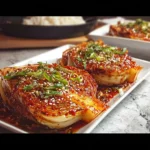
Gochujang Cabbage Steaks Recipe
Ingredients
For the Cabbage Steaks:
- 1 large head of green cabbage (about 2.5 – 3 lbs): Look for a firm, heavy cabbage with tightly packed leaves. This will yield about 4-6 substantial “steaks.”
- 3 tablespoons neutral cooking oil: Avocado oil, grapeseed oil, or even a light olive oil work well. This is for brushing the cabbage before roasting to help with caramelization and prevent sticking.
For the Gochujang Glaze:
- 1/4 cup (60ml) Gochujang (Korean chili paste): This is the star ingredient. The heat level can vary by brand, so adjust if you’re sensitive to spice.
- 3 tablespoons soy sauce (or tamari for gluten-free): Adds saltiness and a deep umami flavor. Low-sodium soy sauce can also be used if preferred.
- 2 tablespoons rice vinegar: Provides a crucial tangy counterpoint to the sweetness and spice.
- 2 tablespoons toasted sesame oil: Lends a distinctive nutty aroma and flavor.
- 2 tablespoons honey (or maple syrup for a vegan option, or brown sugar): Balances the heat of the gochujang and helps the glaze caramelize. Adjust to your preferred sweetness.
- 3 cloves garlic, minced (about 1 tablespoon): Fresh garlic adds a pungent, aromatic kick.
- 1 tablespoon fresh ginger, grated (about a 1-inch piece): Adds warmth and a zesty spice that complements the gochujang.
- 1–2 tablespoons water or vegetable broth (optional): To thin the glaze to your desired consistency if it’s too thick.
Instructions
For the Cabbage Steaks:
- 1 large head of green cabbage (about 2.5 – 3 lbs): Look for a firm, heavy cabbage with tightly packed leaves. This will yield about 4-6 substantial “steaks.”
- 3 tablespoons neutral cooking oil: Avocado oil, grapeseed oil, or even a light olive oil work well. This is for brushing the cabbage before roasting to help with caramelization and prevent sticking.
For the Gochujang Glaze:
- 1/4 cup (60ml) Gochujang (Korean chili paste): This is the star ingredient. The heat level can vary by brand, so adjust if you’re sensitive to spice.
- 3 tablespoons soy sauce (or tamari for gluten-free): Adds saltiness and a deep umami flavor. Low-sodium soy sauce can also be used if preferred.
- 2 tablespoons rice vinegar: Provides a crucial tangy counterpoint to the sweetness and spice.
- 2 tablespoons toasted sesame oil: Lends a distinctive nutty aroma and flavor.
- 2 tablespoons honey (or maple syrup for a vegan option, or brown sugar): Balances the heat of the gochujang and helps the glaze caramelize. Adjust to your preferred sweetness.
- 3 cloves garlic, minced (about 1 tablespoon): Fresh garlic adds a pungent, aromatic kick.
- 1 tablespoon fresh ginger, grated (about a 1-inch piece): Adds warmth and a zesty spice that complements the gochujang.
- 1-2 tablespoons water or vegetable broth (optional): To thin the glaze to your desired consistency if it’s too thick.
Nutrition
- Serving Size: One Normal Portion
- Calories: 180-250