

For years, breakfast in our house was a predictable rotation: cereals, toast, the occasional pancake splurge on weekends. Don’t get me wrong, these are all perfectly fine, but they lacked a certain… spark. Then, one sleepy Sunday morning, rummaging through the fridge, I stumbled upon some feta cheese lingering from a Greek salad night, a handful of spinach threatening to wilt, and a pint of cherry tomatoes begging to be used. Inspiration struck, and instead of my usual plain scrambled eggs, I decided to give them a Mediterranean twist.
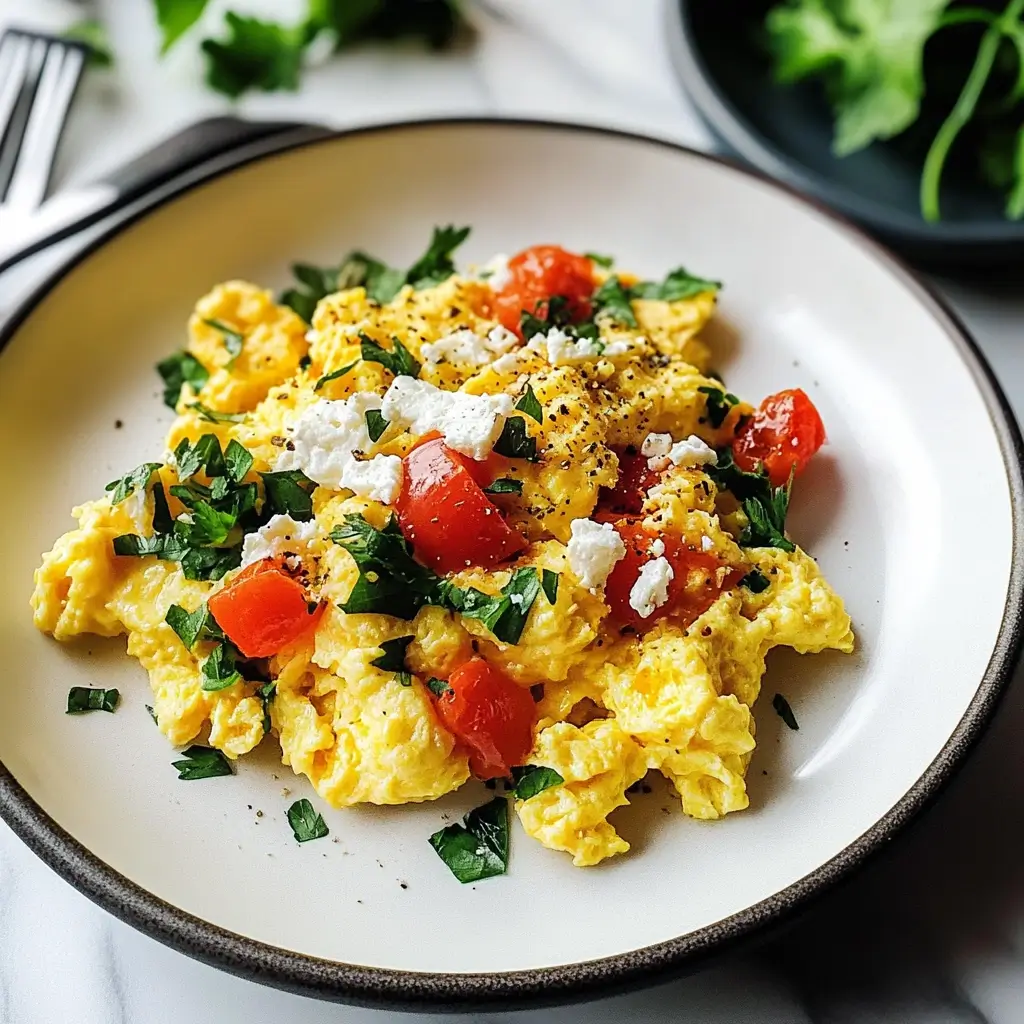
The result? A breakfast epiphany! These weren’t just scrambled eggs; they were Greek Scrambled Eggs, bursting with fresh, vibrant flavors that instantly transported us to a sun-drenched taverna overlooking the Aegean Sea. The creamy feta melted into salty pockets, the sweet burst of tomatoes balanced the earthy spinach, and the hint of garlic and green onion added a subtle zest that woke up our taste buds. Even my notoriously picky kids devoured them, proclaiming them “the best eggs ever!”
Since that day, Greek Scrambled Eggs have become a breakfast staple in our home. They’re quick enough for busy weekday mornings, impressive enough for weekend brunch guests, and healthy enough to feel good about starting the day. Plus, they’re incredibly versatile – you can adapt them to whatever vegetables you have on hand, making them a fantastic way to reduce food waste. If you’re looking for a breakfast that’s both exciting and nourishing, look no further. These Greek Scrambled Eggs are about to become your new favorite too!
Ingredients
The beauty of Greek Scrambled Eggs lies in its simplicity and the harmonious blend of fresh, flavorful ingredients. Each component plays a crucial role in creating the dish’s signature taste and texture. Let’s break down each ingredient and explore why it’s essential:
- 4 Large Eggs: The foundation of any scrambled egg dish, eggs provide protein, richness, and that satisfyingly fluffy texture we all crave. Large eggs are recommended for this recipe as they offer a good balance of yolk and white, contributing to both flavor and structure. For the best results, use fresh, high-quality eggs. Consider pasture-raised or organic eggs for richer flavor and enhanced nutritional value. If you are catering to a larger crowd or simply want to meal prep for the week ahead, you can easily scale up the recipe by adding more eggs, keeping the ratio of other ingredients balanced.
- Kosher Salt and Freshly Ground Black Pepper, to Taste: Seasoning is paramount in any dish, and scrambled eggs are no exception. Salt enhances the natural flavors of the eggs and other ingredients, while pepper adds a subtle warmth and complexity. Kosher salt is preferred by many chefs for its clean taste and ease of use. Freshly ground black pepper offers a more aromatic and robust flavor compared to pre-ground pepper. Season generously, but taste as you go, especially considering the saltiness of feta cheese, to avoid over-salting the dish. A pinch of red pepper flakes can be added for a touch of heat if desired.
- 1 Tablespoon Extra Virgin Olive Oil: Olive oil is the heart of Mediterranean cuisine, and extra virgin olive oil, with its rich flavor and health benefits, is the gold standard. It’s used to sauté the vegetables, adding a fruity, peppery note that complements the other ingredients beautifully. Extra virgin olive oil is also a source of healthy monounsaturated fats and antioxidants. When choosing olive oil, opt for a good quality extra virgin olive oil for the best flavor and nutritional value. If you prefer a lighter flavor, you can use regular olive oil, but extra virgin will impart a more authentic Greek taste.
- 10 Grape Tomatoes, Halved: Grape tomatoes, with their sweet and slightly tangy flavor, provide a juicy burst of freshness to the scrambled eggs. Halving them allows their flavors to release during cooking and ensures they soften nicely in the pan. You can also use cherry tomatoes, Roma tomatoes (diced), or even sun-dried tomatoes (oil-packed, drained and chopped) for a more intense flavor. If using larger tomatoes, make sure to remove the seeds and excess moisture to prevent the scrambled eggs from becoming watery. The acidity of the tomatoes also helps to balance the richness of the eggs and feta.
- 1 Cup Baby Spinach: Spinach adds a healthy dose of greens, vitamins, and minerals to the dish, along with a slightly earthy and delicate flavor. Baby spinach is tender and cooks quickly, making it ideal for scrambled eggs. You can substitute with other leafy greens like kale (finely chopped and sautéed a bit longer), arugula (added at the very end for a peppery kick), or even Swiss chard. Make sure to wash the spinach thoroughly and remove any tough stems. Spinach wilts down significantly when cooked, so don’t be afraid of the seemingly large amount in the ingredients list.
- 1 Green Onion, Thinly Sliced (Green and White Parts Separated): Green onions, also known as scallions, contribute a mild oniony flavor with a touch of freshness. Separating the white and green parts is key: the white parts are sautéed with the other vegetables to build a flavorful base, while the green parts are added towards the end to retain their bright color and fresh, slightly pungent taste. If you don’t have green onions, you can substitute with a shallot (finely minced) or a small piece of yellow onion (finely diced).
- 1 Garlic Clove, Minced: Garlic is a staple in Greek cuisine, and a single minced clove adds a subtle aromatic depth to the scrambled eggs. Freshly minced garlic is always preferred for its superior flavor. If you are sensitive to garlic, you can reduce the amount or omit it altogether, but it does contribute significantly to the overall flavor profile. Garlic should be added towards the end of sautéing the vegetables to prevent it from burning and becoming bitter.
- 2 Ounces Feta Cheese: Feta cheese is the star of this Greek-inspired dish, providing a salty, tangy, and creamy element that elevates scrambled eggs to a whole new level. Use a good quality feta cheese, preferably sheep’s milk feta for the most authentic flavor. You can crumble the feta or dice it into small cubes. Feta is naturally salty, so be mindful of the amount of salt you add to the egg mixture. For a milder flavor, you can use goat cheese or ricotta salata, but feta is truly what makes this recipe distinctively Greek.
- Chopped Fresh Parsley, for Garnish: Fresh parsley adds a vibrant green color and a fresh, slightly peppery flavor that brightens up the dish and provides a beautiful finishing touch. Flat-leaf parsley (Italian parsley) is recommended for its robust flavor, but curly parsley can also be used. Other fresh herbs that would complement Greek Scrambled Eggs include dill, oregano, or chives. Garnish just before serving to maintain the herb’s freshness and vibrant color.
Instructions
Creating these delectable Greek Scrambled Eggs is a breeze, requiring just a few simple steps and minimal cooking time. Follow these detailed instructions to achieve breakfast perfection:
- Make Egg Mixture: Begin by cracking the four large eggs into a medium-sized mixing bowl. Ensure no eggshells sneak in! Add a generous pinch of kosher salt and freshly ground black pepper to taste. Remember to be mindful of the feta’s saltiness, so you might want to start with a slightly smaller amount of salt and adjust later. Using a whisk, vigorously whisk the eggs, salt, and pepper together until they are well combined and slightly frothy. This whisking action incorporates air into the eggs, resulting in fluffier scrambled eggs. Whisk for about 30 seconds to a minute until the yolks and whites are fully blended and the mixture is a uniform yellow color. Set the egg mixture aside while you prepare the vegetables.
- Cook Vegetables: Place a non-stick skillet or cast iron pan over medium heat. Allow the pan to heat up for a minute or two before adding 1 tablespoon of extra virgin olive oil. Once the oil is shimmering and heated through (but not smoking), add the halved grape tomatoes, baby spinach, and the white parts of the thinly sliced green onion to the pan. Sauté the vegetables for 2 to 3 minutes, stirring occasionally, until the tomatoes have softened slightly and the spinach has wilted down. The tomatoes should become slightly wrinkled and release some of their juices, and the spinach should shrink in volume considerably. At this point, add the minced garlic clove to the pan and sauté for another 30 seconds, or until the garlic becomes fragrant. Be careful not to burn the garlic, as it can turn bitter quickly. The aroma of the sautéing vegetables and garlic will fill your kitchen, signaling that you’re on the right track!
- Cook Eggs: Reduce the heat to medium-low. Pour the whisked egg mixture into the pan with the sautéed vegetables. Let the eggs settle in the pan for about a minute without stirring. This allows the bottom layer of eggs to begin to set. After a minute, use a spatula (preferably a silicone spatula for non-stick pans) to gently pull the cooked egg across the bottom of the pan, creating long, soft curds of scrambled eggs. Continue to gently push and fold the eggs, tilting the pan as needed to allow the uncooked egg to flow underneath and cook evenly. Avoid stirring too vigorously, as this will result in smaller, drier scrambled eggs. The goal is to create large, moist, and tender curds.
- Finish Scramble: As the eggs are mostly set but still appear slightly soft and moist (don’t overcook them!), add the green parts of the green onion and the crumbled or diced feta cheese to the pan. Remove the pan from the heat immediately. The residual heat from the pan will continue to cook the eggs and gently melt the feta cheese. Continue to stir the mixture gently until the eggs are cooked through to your desired consistency and the feta is softened and distributed throughout the eggs. Some people prefer their scrambled eggs very soft and slightly runny, while others prefer them more firmly cooked. Adjust the cooking time accordingly, but be mindful not to overcook, as this will make the eggs dry and rubbery.
- Garnish: Transfer the Greek Scrambled Eggs to plates or bowls. Garnish generously with freshly chopped parsley or other fresh herbs of your choice, such as dill, oregano, or chives. A sprinkle of extra freshly ground black pepper can also be added for visual appeal and a final touch of flavor. Serve immediately and enjoy the delicious Mediterranean flavors of your homemade Greek Scrambled Eggs!
Nutrition Facts
(Per Serving, approximate)
- Servings: 2
- Calories: Approximately 350-400 calories (This is an estimate and can vary based on ingredient brands and specific quantities used. For precise nutritional information, use a nutrition calculator with the specific brands you use.)
Breakdown of approximate macronutrients (per serving):
- Protein: 25-30 grams
- Fat: 25-30 grams
- Carbohydrates: 5-7 grams
Key Nutritional Highlights:
- High in Protein: Eggs and feta cheese are excellent sources of protein, essential for muscle building, satiety, and overall health.
- Rich in Healthy Fats: Olive oil and egg yolks provide healthy fats, including monounsaturated fats and omega-3 fatty acids, which are beneficial for heart health and brain function.
- Good Source of Vitamins and Minerals: Eggs are packed with vitamins like vitamin D, vitamin B12, and choline, while spinach and tomatoes provide vitamins A, C, and K, as well as potassium and folate. Feta cheese contributes calcium and vitamin B2.
- Relatively Low in Carbohydrates: This recipe is naturally low in carbohydrates, making it a suitable option for those following low-carb or ketogenic diets.
Important Note: These are estimated nutritional values. For accurate nutritional information, especially if you have specific dietary needs or restrictions, it is always best to use a nutrition calculator with the exact brands and quantities of ingredients you use. Also, consider the sodium content from the feta cheese if you are watching your sodium intake.
Preparation Time
- Prep Time: 5 minutes
- Cook Time: 10 minutes
- Total Time: 15 minutes
Greek Scrambled Eggs are truly a champion of quick and easy meals! The minimal prep time mainly involves whisking the eggs, chopping a few vegetables, and mincing garlic. The cooking process is equally swift, taking only about 10 minutes from heating the pan to plating the finished dish. This makes it an ideal breakfast option for busy weekdays when time is of the essence, or a perfect light lunch or dinner when you want something delicious and satisfying without spending hours in the kitchen. The speed and simplicity are part of what makes this recipe so appealing and a regular in many households.
How to Serve
Greek Scrambled Eggs are incredibly versatile and can be enjoyed in various ways. Here are some delicious serving suggestions:
- Classic Breakfast Plate:
- Serve the scrambled eggs immediately on plates or in bowls.
- Accompany with a slice of whole-wheat toast, sourdough bread, or pita bread for dipping and scooping up the flavorful eggs.
- Add a side of fresh fruit, such as berries, melon, or sliced peaches, for a balanced and refreshing breakfast.
- Mediterranean Brunch Spread:
- Include Greek Scrambled Eggs as part of a larger brunch spread alongside other Mediterranean-inspired dishes.
- Offer a platter of olives, marinated artichoke hearts, roasted red peppers, and hummus.
- Serve with crusty bread for dipping and enjoying the various flavors.
- A simple Greek salad with cucumbers, tomatoes, olives, and feta cheese would be a perfect complement.
- Breakfast or Brunch Bowls:
- Create nourishing and visually appealing breakfast bowls by layering ingredients.
- Place a bed of quinoa or brown rice in a bowl.
- Top with a generous serving of Greek Scrambled Eggs.
- Add extra vegetables like sliced avocado, cucumber, or bell peppers.
- Drizzle with a light lemon vinaigrette or a dollop of plain Greek yogurt for added creaminess and tang.
- Light Lunch or Dinner:
- Greek Scrambled Eggs are not just for breakfast! They make a satisfying and healthy light lunch or dinner option.
- Serve alongside a green salad with a lemon-herb vinaigrette.
- Pair with a side of grilled asparagus or roasted vegetables for a more substantial meal.
- Stuffed in Pita Pockets or Wraps:
- For a portable and fun meal, stuff Greek Scrambled Eggs into warm pita pockets or wraps.
- Add a dollop of tzatziki sauce or hummus for extra flavor and moisture.
- Include shredded lettuce or sprouts for added texture and freshness.
- Garnish Enhancements:
- Beyond parsley, consider other garnishes to elevate the presentation and flavor:
- Fresh dill sprigs: Add a delicate, slightly anise-like flavor.
- Crumbled Kalamata olives: For an extra salty and briny kick.
- A drizzle of balsamic glaze: For sweetness and acidity.
- A sprinkle of red pepper flakes: For a touch of heat.
- Lemon wedges: To squeeze over the eggs for brightness.
- Beyond parsley, consider other garnishes to elevate the presentation and flavor:
Additional Tips for Perfect Greek Scrambled Eggs
To ensure your Greek Scrambled Eggs are consistently delicious and impressive, here are five additional tips to keep in mind:
- Don’t Overcrowd the Pan: Use a pan that is appropriately sized for the amount of eggs you are cooking. Overcrowding the pan will lower the temperature and cause the eggs to steam instead of scramble properly, resulting in watery eggs. For 4 eggs, a 10-inch skillet is ideal. If making a larger batch, use a larger pan or cook in batches.
- Low and Slow is Key: While it might be tempting to crank up the heat to speed things up, cooking scrambled eggs over medium-low heat is crucial for achieving tender and moist results. High heat will cook the eggs too quickly, making them dry and rubbery. Patience is rewarded with perfectly cooked, creamy scrambled eggs.
- Don’t Overmix the Eggs: Whisk the eggs just until the yolks and whites are combined. Over-whisking can incorporate too much air and lead to tougher eggs. A gentle whisk for about 30 seconds to a minute is sufficient.
- Remove from Heat Before Fully Cooked: Scrambled eggs continue to cook from residual heat even after you remove them from the pan. To prevent overcooking, take the pan off the heat when the eggs are mostly set but still slightly moist and glossy. They will finish cooking to perfection as you stir in the feta and green onions and serve.
- Experiment with Variations: Once you master the basic Greek Scrambled Eggs recipe, feel free to experiment with variations to suit your taste and what you have on hand.
- Add other vegetables: Bell peppers, zucchini, mushrooms, or sun-dried tomatoes can be added to the sautéed vegetables.
- Use different cheeses: Try goat cheese, halloumi (grilled or pan-fried and crumbled), or ricotta salata in place of or in addition to feta.
- Spice it up: Add a pinch of red pepper flakes, a dash of hot sauce, or a sprinkle of dried oregano or thyme for extra flavor.
- Make it heartier: Add cooked sausage, crumbled bacon, or chickpeas for a more substantial meal.
FAQ Section: Ingredients for Greek Scrambled Eggs
Q1: Can I use frozen spinach instead of fresh baby spinach?
A1: Yes, you can use frozen spinach. However, be sure to thaw it completely and squeeze out as much excess moisture as possible before adding it to the pan. Frozen spinach can sometimes release a lot of water, which can make your scrambled eggs watery if not properly drained. Fresh baby spinach is preferred for its texture and ease of use, but frozen spinach is a perfectly acceptable substitute in a pinch.
Q2: I don’t have feta cheese. Can I substitute another type of cheese?
A2: Absolutely! While feta is the most authentic and traditional choice for Greek Scrambled Eggs, you can definitely substitute with other cheeses. Good alternatives include goat cheese (for a similar tangy flavor), halloumi (fry or grill it separately and crumble it in for a saltier, firmer cheese), ricotta salata (a salty, crumbly Italian cheese), or even a mild cheddar or mozzarella if you prefer a less pronounced flavor. Keep in mind that the flavor profile will change slightly depending on the cheese you choose, but it will still be delicious!
Q3: Can I use dried herbs instead of fresh parsley for garnish?
A3: While fresh parsley is ideal for its vibrant color and fresh flavor, you can use dried parsley if that’s what you have on hand. However, dried herbs have a more concentrated flavor, so use about one-third of the amount called for fresh (e.g., if the recipe calls for 2 tablespoons of fresh parsley, use about 2 teaspoons of dried parsley). Dried oregano or dill would also be good substitutes in this recipe. For the best flavor and visual appeal, fresh herbs are always recommended when possible.
Q4: Can I omit the garlic if I don’t like garlic?
A4: Yes, you can definitely omit the garlic if you are not a fan or have an allergy. While garlic adds a subtle aromatic depth to the dish, it’s not essential to the overall success of the recipe. The Greek Scrambled Eggs will still be flavorful and delicious without it. You can also experiment with other aromatics, like a pinch of dried oregano or a small shallot instead of garlic, if you want to add a bit more flavor complexity.
Q5: Can I use regular onions instead of green onions?
A5: Yes, you can use regular onions, but green onions (scallions) are preferred for their milder flavor and quicker cooking time. If using regular onions, choose a mild variety like yellow onion or white onion. Finely dice about ¼ of a small onion and sauté it with the tomatoes and spinach. Regular onions will take a bit longer to soften than green onions, so sauté them for a few minutes longer before adding the spinach. Remember to use only the white and light green parts of the green onions if you are substituting, as the darker green parts are best used as a fresh garnish.
Print
Greek Scrambled Eggs Recipe
Ingredients
- 4 Large Eggs: The foundation of any scrambled egg dish, eggs provide protein, richness, and that satisfyingly fluffy texture we all crave. Large eggs are recommended for this recipe as they offer a good balance of yolk and white, contributing to both flavor and structure. For the best results, use fresh, high-quality eggs. Consider pasture-raised or organic eggs for richer flavor and enhanced nutritional value. If you are catering to a larger crowd or simply want to meal prep for the week ahead, you can easily scale up the recipe by adding more eggs, keeping the ratio of other ingredients balanced.
- Kosher Salt and Freshly Ground Black Pepper, to Taste: Seasoning is paramount in any dish, and scrambled eggs are no exception. Salt enhances the natural flavors of the eggs and other ingredients, while pepper adds a subtle warmth and complexity. Kosher salt is preferred by many chefs for its clean taste and ease of use. Freshly ground black pepper offers a more aromatic and robust flavor compared to pre-ground pepper. Season generously, but taste as you go, especially considering the saltiness of feta cheese, to avoid over-salting the dish. A pinch of red pepper flakes can be added for a touch of heat if desired.
- 1 Tablespoon Extra Virgin Olive Oil: Olive oil is the heart of Mediterranean cuisine, and extra virgin olive oil, with its rich flavor and health benefits, is the gold standard. It’s used to sauté the vegetables, adding a fruity, peppery note that complements the other ingredients beautifully. Extra virgin olive oil is also a source of healthy monounsaturated fats and antioxidants. When choosing olive oil, opt for a good quality extra virgin olive oil for the best flavor and nutritional value. If you prefer a lighter flavor, you can use regular olive oil, but extra virgin will impart a more authentic Greek taste.
- 10 Grape Tomatoes, Halved: Grape tomatoes, with their sweet and slightly tangy flavor, provide a juicy burst of freshness to the scrambled eggs. Halving them allows their flavors to release during cooking and ensures they soften nicely in the pan. You can also use cherry tomatoes, Roma tomatoes (diced), or even sun-dried tomatoes (oil-packed, drained and chopped) for a more intense flavor. If using larger tomatoes, make sure to remove the seeds and excess moisture to prevent the scrambled eggs from becoming watery. The acidity of the tomatoes also helps to balance the richness of the eggs and feta.
- 1 Cup Baby Spinach: Spinach adds a healthy dose of greens, vitamins, and minerals to the dish, along with a slightly earthy and delicate flavor. Baby spinach is tender and cooks quickly, making it ideal for scrambled eggs. You can substitute with other leafy greens like kale (finely chopped and sautéed a bit longer), arugula (added at the very end for a peppery kick), or even Swiss chard. Make sure to wash the spinach thoroughly and remove any tough stems. Spinach wilts down significantly when cooked, so don’t be afraid of the seemingly large amount in the ingredients list.
- 1 Green Onion, Thinly Sliced (Green and White Parts Separated): Green onions, also known as scallions, contribute a mild oniony flavor with a touch of freshness. Separating the white and green parts is key: the white parts are sautéed with the other vegetables to build a flavorful base, while the green parts are added towards the end to retain their bright color and fresh, slightly pungent taste. If you don’t have green onions, you can substitute with a shallot (finely minced) or a small piece of yellow onion (finely diced).
- 1 Garlic Clove, Minced: Garlic is a staple in Greek cuisine, and a single minced clove adds a subtle aromatic depth to the scrambled eggs. Freshly minced garlic is always preferred for its superior flavor. If you are sensitive to garlic, you can reduce the amount or omit it altogether, but it does contribute significantly to the overall flavor profile. Garlic should be added towards the end of sautéing the vegetables to prevent it from burning and becoming bitter.
- 2 Ounces Feta Cheese: Feta cheese is the star of this Greek-inspired dish, providing a salty, tangy, and creamy element that elevates scrambled eggs to a whole new level. Use a good quality feta cheese, preferably sheep’s milk feta for the most authentic flavor. You can crumble the feta or dice it into small cubes. Feta is naturally salty, so be mindful of the amount of salt you add to the egg mixture. For a milder flavor, you can use goat cheese or ricotta salata, but feta is truly what makes this recipe distinctively Greek.
- Chopped Fresh Parsley, for Garnish: Fresh parsley adds a vibrant green color and a fresh, slightly peppery flavor that brightens up the dish and provides a beautiful finishing touch. Flat-leaf parsley (Italian parsley) is recommended for its robust flavor, but curly parsley can also be used. Other fresh herbs that would complement Greek Scrambled Eggs include dill, oregano, or chives. Garnish just before serving to maintain the herb’s freshness and vibrant color.
Instructions
- Make Egg Mixture: Begin by cracking the four large eggs into a medium-sized mixing bowl. Ensure no eggshells sneak in! Add a generous pinch of kosher salt and freshly ground black pepper to taste. Remember to be mindful of the feta’s saltiness, so you might want to start with a slightly smaller amount of salt and adjust later. Using a whisk, vigorously whisk the eggs, salt, and pepper together until they are well combined and slightly frothy. This whisking action incorporates air into the eggs, resulting in fluffier scrambled eggs. Whisk for about 30 seconds to a minute until the yolks and whites are fully blended and the mixture is a uniform yellow color. Set the egg mixture aside while you prepare the vegetables.
- Cook Vegetables: Place a non-stick skillet or cast iron pan over medium heat. Allow the pan to heat up for a minute or two before adding 1 tablespoon of extra virgin olive oil. Once the oil is shimmering and heated through (but not smoking), add the halved grape tomatoes, baby spinach, and the white parts of the thinly sliced green onion to the pan. Sauté the vegetables for 2 to 3 minutes, stirring occasionally, until the tomatoes have softened slightly and the spinach has wilted down. The tomatoes should become slightly wrinkled and release some of their juices, and the spinach should shrink in volume considerably. At this point, add the minced garlic clove to the pan and sauté for another 30 seconds, or until the garlic becomes fragrant. Be careful not to burn the garlic, as it can turn bitter quickly. The aroma of the sautéing vegetables and garlic will fill your kitchen, signaling that you’re on the right track!
- Cook Eggs: Reduce the heat to medium-low. Pour the whisked egg mixture into the pan with the sautéed vegetables. Let the eggs settle in the pan for about a minute without stirring. This allows the bottom layer of eggs to begin to set. After a minute, use a spatula (preferably a silicone spatula for non-stick pans) to gently pull the cooked egg across the bottom of the pan, creating long, soft curds of scrambled eggs. Continue to gently push and fold the eggs, tilting the pan as needed to allow the uncooked egg to flow underneath and cook evenly. Avoid stirring too vigorously, as this will result in smaller, drier scrambled eggs. The goal is to create large, moist, and tender curds.
- Finish Scramble: As the eggs are mostly set but still appear slightly soft and moist (don’t overcook them!), add the green parts of the green onion and the crumbled or diced feta cheese to the pan. Remove the pan from the heat immediately. The residual heat from the pan will continue to cook the eggs and gently melt the feta cheese. Continue to stir the mixture gently until the eggs are cooked through to your desired consistency and the feta is softened and distributed throughout the eggs. Some people prefer their scrambled eggs very soft and slightly runny, while others prefer them more firmly cooked. Adjust the cooking time accordingly, but be mindful not to overcook, as this will make the eggs dry and rubbery.
- Garnish: Transfer the Greek Scrambled Eggs to plates or bowls. Garnish generously with freshly chopped parsley or other fresh herbs of your choice, such as dill, oregano, or chives. A sprinkle of extra freshly ground black pepper can also be added for visual appeal and a final touch of flavor. Serve immediately and enjoy the delicious Mediterranean flavors of your homemade Greek Scrambled Eggs!
Nutrition
- Serving Size: One Normal Portion
- Calories: 350-400
- Fat: 25-30 grams
- Carbohydrates: 5-7 grams
- Protein: 25-30 grams