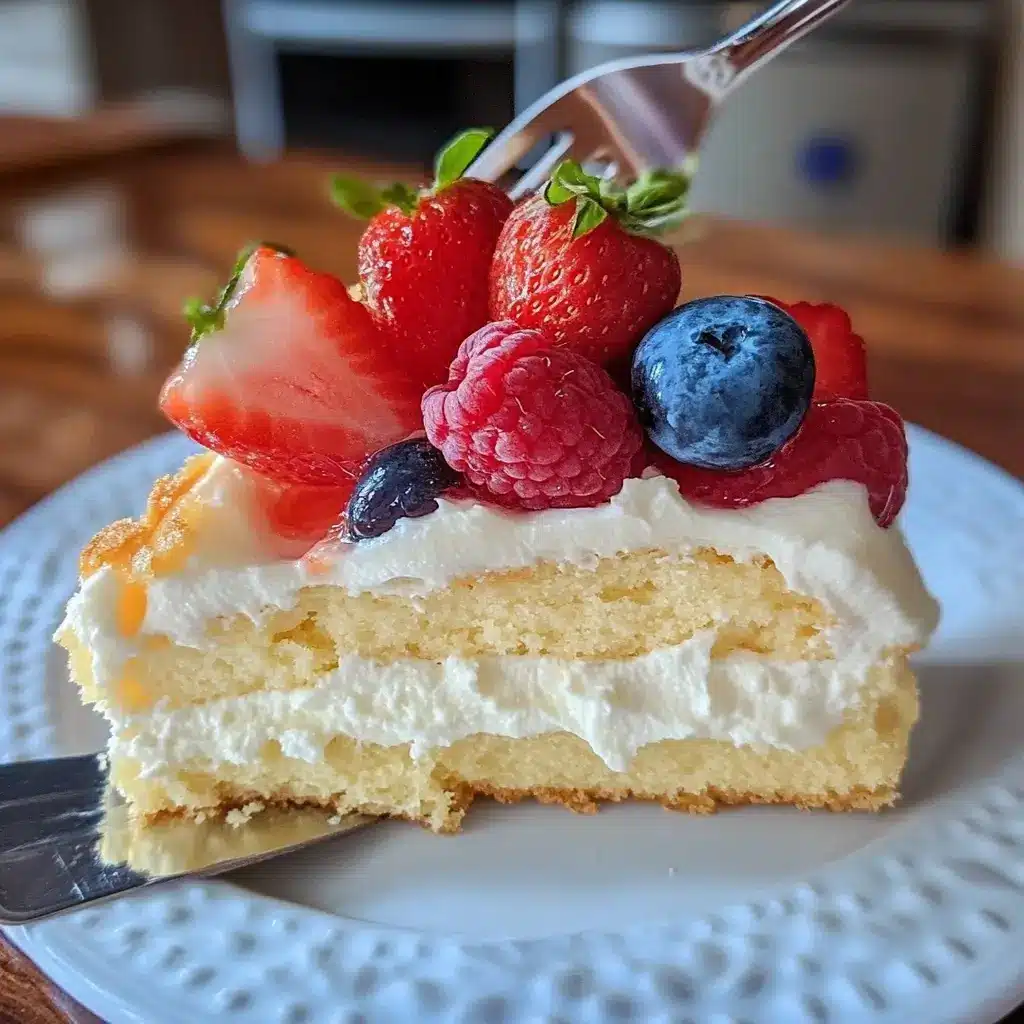
In a world saturated with elaborate recipes and lengthy ingredient lists, sometimes the most delightful discoveries are born from simplicity. And that’s precisely how I stumbled upon this absolute gem: the 3-Ingredient Greek Yogurt Cake. Initially, I was skeptical. Could a cake with just three ingredients – Greek yogurt, eggs, and tapioca flour – actually taste good? Let alone resemble anything remotely cake-like? My curiosity, and a desperate craving for a healthier dessert option, got the better of me.
Let me tell you, the results were nothing short of astonishing. From the moment it emerged from the oven, puffed up and golden brown, I knew this was something special. The aroma was subtly sweet and inviting, a far cry from the sugar-laden desserts I was used to. And the taste? Oh, the taste! It was light, airy, and surprisingly satisfying, with a delicate tang from the Greek yogurt that kept it from being bland.
My family, notorious dessert critics, were equally impressed. My kids, usually demanding sugary treats, devoured slices without a peep of complaint, happily accepting the fresh berries I piled on top. My partner, who is always conscious of healthy eating, appreciated the no-sugar-added and gluten-free nature of this cake. It was a unanimous hit!
Since that first experiment, this 3-Ingredient Greek Yogurt Cake has become a staple in our household. It’s the perfect guilt-free treat for weeknights, a delightful addition to brunch gatherings, and a fantastic option for anyone looking to indulge without the sugar rush or gluten overload. It’s incredibly versatile, begging for creative toppings and flavor variations, and the sheer ease of making it is simply unbeatable. If you’re looking for a healthy, delicious, and unbelievably simple dessert, look no further. This recipe is about to become your new best friend.
Ingredients: The Power of Three
The beauty of this Greek Yogurt Cake lies in its minimalist ingredient list. Each component plays a crucial role in creating the final texture and flavor, and understanding their individual contributions will help you achieve baking success. Let’s delve into each ingredient and explore why they are so essential:
- 1 ½ cups Greek Yogurt: Greek yogurt is the star of this show, providing the cake’s structure, moisture, and signature tangy flavor. But not just any yogurt will do. For the best results, opt for plain, full-fat Greek yogurt. The higher fat content contributes to a richer, more tender cake. While you can use low-fat or non-fat Greek yogurt, the texture may be slightly drier and less decadent. Avoid flavored yogurts as they often contain added sugars and artificial ingredients that will alter the intended flavor profile of this recipe. The tanginess of Greek yogurt is what gives this cake its unique character, balancing the richness of the eggs and the slight dryness of the tapioca flour. Furthermore, Greek yogurt is packed with protein, making this cake a surprisingly nutritious dessert option compared to traditional sugary cakes. It also contributes to the cake’s wonderfully moist crumb, preventing it from becoming dry or crumbly even without added fats like butter or oil. When selecting your Greek yogurt, check the ingredient list to ensure it contains only milk and live active cultures. Steer clear of yogurts with added thickeners, stabilizers, or sweeteners. For those who are lactose-sensitive, you might consider using a lactose-free Greek yogurt alternative, although the texture and flavor might be subtly different. Experimenting with different brands of Greek yogurt can also lead to slightly varied outcomes in terms of tanginess and moisture content, so feel free to find your personal favorite. Ultimately, high-quality, plain, full-fat Greek yogurt is the key to unlocking the full potential of this simple cake.
- 4 Eggs: Eggs are the binding agent and leavening powerhouse in this recipe. They provide structure, richness, and lift, contributing to the cake’s airy texture and golden-brown crust. Using large eggs at room temperature is recommended for optimal results. Room temperature eggs emulsify more easily, creating a smoother batter and a more uniform cake texture. Eggs are packed with protein and fat, both of which are essential for creating a tender and moist cake. The proteins in eggs coagulate during baking, setting the structure of the cake, while the fats contribute to richness and prevent dryness. The yolks are particularly important for adding moisture and flavor, while the egg whites provide lift and volume. When whisking the eggs into the Greek yogurt, ensure they are thoroughly incorporated to create a smooth and homogenous batter. This step is crucial for achieving a consistent texture throughout the cake. If you are concerned about egg safety, you can use pasteurized eggs, although this is generally not necessary for baked goods that reach a safe internal temperature during cooking. For those with egg allergies, unfortunately, there is no direct substitute that will replicate the unique properties of eggs in this recipe. The eggs are fundamental to the structure and texture of this 3-ingredient cake.
- 5 tablespoons Tapioca Flour (or Corn Starch): Tapioca flour (also known as tapioca starch) or cornstarch is the gluten-free thickening agent in this recipe. It provides structure and helps to absorb excess moisture from the yogurt and eggs, resulting in a cake that is light, airy, and holds its shape without being dense or gummy. Both tapioca flour and cornstarch work equally well in this recipe, so you can use whichever you have readily available. It’s important to sift the tapioca flour or cornstarch before adding it to the wet ingredients. Sifting helps to remove any lumps and ensures that the starch is evenly distributed throughout the batter, preventing clumps and creating a smoother texture. If you don’t have a sifter, you can whisk the starch vigorously before adding it to break up any clumps. Tapioca flour and cornstarch are both pure starches and are gluten-free, making this cake suitable for those with gluten sensitivities or celiac disease. They have a neutral flavor, allowing the tanginess of the Greek yogurt to shine through. While other gluten-free flours might be tempting to use, tapioca flour or cornstarch are specifically chosen for their light texture and ability to create a delicate crumb in this particular recipe. Using heavier gluten-free flours could result in a denser and less airy cake. Therefore, sticking to tapioca flour or cornstarch is highly recommended for achieving the desired texture of this 3-Ingredient Greek Yogurt Cake.
Instructions: Baking Simplicity at its Finest
This 3-Ingredient Greek Yogurt Cake is not only delicious and healthy but also incredibly easy to make. The instructions are straightforward and require minimal steps, making it perfect for beginner bakers or anyone looking for a quick and effortless dessert. Let’s break down each step in detail:
- Preheat your oven to 350°F (175°C). Preheating the oven is crucial for ensuring even baking and proper rising of the cake. Make sure your oven reaches the correct temperature before you place the cake inside. Using an oven thermometer can help to ensure accurate temperature readings, as oven temperatures can sometimes fluctuate. Setting the oven to 350°F provides a moderate heat that allows the cake to bake through evenly without burning the top.
- Spray your 6-inch round springform pan with coconut oil and then line it with parchment paper. Preparing the pan properly is essential for preventing the cake from sticking and ensuring easy removal once it’s baked and cooled. Using a 6-inch round springform pan is recommended for this recipe as it provides the ideal size and shape for the amount of batter. A springform pan has removable sides, making it easy to release the cake without damaging it. Spraying the pan with coconut oil (or any cooking spray) creates a non-stick surface and further prevents sticking. Lining the pan with parchment paper provides an extra layer of protection and makes it even easier to lift the cake out. As the instructions suggest, scrunching the parchment paper first makes it more pliable and easier to shape to the pan. This prevents creases and ensures a smoother cake surface. Cut a circle of parchment paper to fit the bottom of the pan and strips to line the sides, ensuring they slightly overhang for easy lifting.
- To a large bowl add the yogurt and then whisk in your eggs. Using a large bowl provides ample space for mixing the ingredients without making a mess. Start by adding the Greek yogurt to the bowl, then crack in the eggs. Whisk the yogurt and eggs together until the batter is smooth and homogenous. This step is important for ensuring that the eggs are fully incorporated into the yogurt and that there are no streaks or lumps. A smooth batter will result in a smoother and more evenly textured cake. You can use a hand whisk or a stand mixer with a whisk attachment for this step. Avoid over-whisking at this stage, as it’s not necessary to incorporate air into the batter. Just whisk until the mixture is well combined.
- Once that batter is smooth, next sift in your cornstarch (or tapioca flour) and whisk until incorporated and the batter is smooth. Sifting the cornstarch or tapioca flour is a crucial step for preventing lumps and ensuring a smooth cake texture. Use a fine-mesh sieve or sifter to sift the starch directly into the wet ingredients. Whisk the starch into the batter until it is fully incorporated and the batter is smooth again. Continue whisking until you no longer see any streaks of starch and the batter is homogenous. Again, avoid over-whisking; just whisk until everything is well combined. The batter will be relatively thin at this stage, which is normal.
- Transfer the batter to your prepped pan and bake for 1 hour or until the top is puffed up and is golden brown. Pour the prepared batter into the parchment-lined springform pan, ensuring it’s evenly distributed. Place the pan in the preheated oven and bake for 1 hour. After 1 hour, check for doneness. The cake should be puffed up and golden brown on top. A toothpick inserted into the center may still come out slightly moist, but it shouldn’t have wet batter clinging to it. The cake will continue to set as it cools. Baking time can vary slightly depending on your oven, so it’s essential to check for visual cues of doneness.
- Remove from oven and within a minute the top will deflate – that’s what we want. Once the cake is baked, carefully remove it from the oven. Don’t be alarmed when the top of the cake deflates slightly after removing it from the oven. This is a normal reaction for this type of cake and is actually a sign of a successful bake. The deflation contributes to the cake’s dense yet airy texture.
- Let it cool for 30 minutes and then transfer the cake to the fridge. Don’t remove it from the pan during this process. Cool in the fridge for at least 2 hours to set. Allow the cake to cool in the springform pan at room temperature for 30 minutes. This initial cooling period allows the cake to stabilize slightly before being refrigerated. After 30 minutes, transfer the pan to the refrigerator and chill for at least 2 hours, or preferably longer, to allow the cake to fully set. Chilling is crucial for achieving the desired texture of this cake. It firms up the cake and makes it easier to slice and serve. Do not remove the cake from the springform pan during the chilling process. Removing it prematurely could cause it to break or crumble.
- Remove the cake from the fridge 15 minutes prior to serving. Take the cake out of the refrigerator about 15 minutes before you plan to serve it. This allows it to come to a slightly warmer temperature, enhancing its flavor and texture. Before serving, carefully remove the sides of the springform pan and gently peel off the parchment paper. The cake is now ready to be topped and enjoyed!
Nutrition Facts: Guilt-Free Indulgence
While this 3-Ingredient Greek Yogurt Cake is undeniably delicious, it also boasts a surprisingly healthy nutritional profile, especially considering it’s a dessert. Let’s take a closer look at the approximate nutrition facts per serving:
(Please note: These are approximate values and can vary slightly based on the specific brands and types of ingredients used. These calculations are based on using full-fat Greek yogurt and dividing the cake into 8 servings.)
Servings: 8
Calories per serving: Approximately 120-150 calories
- Protein: 10-12 grams
- Fat: 7-9 grams (primarily from Greek yogurt and egg yolks, including healthy fats)
- Carbohydrates: 8-10 grams (primarily from lactose in yogurt and starch)
- Sugar: Naturally occurring sugars from Greek yogurt (no added sugar)
- Fiber: Minimal
Key Nutritional Highlights:
- High in Protein: Thanks to the Greek yogurt and eggs, this cake is a good source of protein, which is essential for satiety and muscle building. This makes it a more satisfying dessert option compared to sugary, low-protein cakes.
- No Added Sugar: This recipe is naturally sweetened only by the subtle sweetness of the Greek yogurt and the toppings you choose to add. This makes it a fantastic option for those watching their sugar intake, following a low-sugar diet, or simply wanting to reduce their sugar consumption.
- Gluten-Free: Using tapioca flour or cornstarch makes this cake naturally gluten-free, suitable for individuals with celiac disease or gluten sensitivities.
- Relatively Low in Calories: Compared to traditional cakes loaded with sugar, butter, and flour, this Greek Yogurt Cake is significantly lower in calories, making it a lighter and healthier dessert choice.
- Source of Calcium: Greek yogurt is a good source of calcium, an essential mineral for bone health.
Important Considerations:
- The nutritional values will change depending on the toppings you add. Fresh fruit will add vitamins, minerals, and fiber with minimal calories. Powdered sugar, shaved chocolate, or fruit compote will add calories and sugar. Be mindful of your topping choices if you are aiming for a lower-calorie or lower-sugar dessert.
- While this cake is healthier than many traditional desserts, it is still a treat to be enjoyed in moderation as part of a balanced diet.
Overall, this 3-Ingredient Greek Yogurt Cake provides a healthier way to satisfy your sweet cravings without compromising on taste or texture. It’s a guilt-free indulgence you can feel good about enjoying!
Preparation Time: Quick and Convenient
One of the many advantages of this 3-Ingredient Greek Yogurt Cake is its remarkably short preparation time. From start to finish, you’ll be amazed at how quickly this delicious dessert comes together. Here’s a breakdown of the preparation time:
- Prep Time: 5 minutes This includes gathering your ingredients, preheating the oven, preparing the springform pan (spraying and lining with parchment paper), and whisking together the yogurt, eggs, and tapioca flour/cornstarch. The simple ingredient list and straightforward instructions make the prep process incredibly fast and efficient.
- Cook Time: 1 hour The cake bakes in the oven for approximately 1 hour at 350°F (175°C). During this time, you can relax or focus on other tasks while the oven works its magic.
- Chill Time: 2 hours (minimum) The cake requires a minimum of 2 hours of chilling in the refrigerator to fully set and achieve its desired texture. While this is the longest part of the process, it’s passive time, meaning you don’t need to actively do anything. You can even chill it overnight for convenience.
- Total Time: 3 hours 5 minutes (minimum) Adding up the prep time, cook time, and chill time, the total time from start to finish is approximately 3 hours and 5 minutes. However, the active cooking and preparation time is only about 1 hour and 5 minutes, making it a remarkably quick dessert to make, especially considering the delicious and healthy results.
Time-Saving Tips:
- Measure ingredients in advance: If you want to speed up the prep process even further, you can measure out the Greek yogurt and tapioca flour/cornstarch ahead of time.
- Use room temperature eggs: Room temperature eggs whisk together more easily, saving you a few seconds during mixing.
- Chill overnight: Chilling the cake overnight is not only convenient but also allows the flavors to meld together even more, resulting in an even more delicious cake.
Despite the chill time, the active preparation and cooking time for this 3-Ingredient Greek Yogurt Cake are minimal, making it a perfect choice for busy weeknights or whenever you crave a quick and healthy dessert without spending hours in the kitchen.
How to Serve: Endless Topping Possibilities
While this 3-Ingredient Greek Yogurt Cake is delightful on its own with its subtle tang and airy texture, it truly shines when paired with a variety of toppings. Since there is no added sugar in the cake itself, toppings provide an opportunity to add sweetness, flavor, and visual appeal. Here are some delicious and versatile ways to serve this cake:
- Fresh Fruit: This is perhaps the most classic and healthy topping option, and for good reason! The natural sweetness and vibrant colors of fresh fruit complement the cake beautifully.
- Berries: Strawberries, blueberries, raspberries, blackberries – any combination of berries works wonderfully. Their slight tartness balances the richness of the cake.
- Sliced Peaches, Nectarines, or Plums: These stone fruits add a juicy sweetness and a lovely summery flavor.
- Mango or Pineapple: For a tropical twist, try diced mango or grilled pineapple.
- Banana Slices: Simple and always a crowd-pleaser, banana slices add sweetness and creaminess.
- Powdered Sugar: A light dusting of powdered sugar adds a touch of sweetness and elegance without being overpowering. Sift it over the cake just before serving for the best presentation.
- Shaved Chocolate: Dark, milk, or white chocolate – shaved chocolate adds a decadent touch and a satisfying textural contrast to the soft cake. Use a vegetable peeler or a sharp knife to create chocolate shavings.
- Fruit Compote or Sauce: Homemade or store-bought fruit compotes or sauces add moisture and intense fruit flavor.
- Berry Compote: A simple berry compote made with mixed berries, a touch of lemon juice, and a sweetener of your choice (if desired) is a fantastic accompaniment.
- Apple or Pear Sauce: Warm apple or pear sauce adds a comforting and autumnal flavor.
- Caramel Sauce (Sugar-Free Option): For a richer indulgence, a sugar-free caramel sauce can be drizzled over the cake.
- Greek Yogurt or Whipped Cream: A dollop of plain Greek yogurt or lightly sweetened whipped cream adds extra creaminess and tanginess.
- Honey or Maple Syrup (Sugar-Free Options Available): A drizzle of honey or maple syrup (or sugar-free alternatives) adds natural sweetness and a touch of flavor.
- Nuts and Seeds: Toasted nuts like almonds, pecans, walnuts, or seeds like chia seeds or flax seeds add crunch, healthy fats, and nutritional value.
- Citrus Zest: Lemon, orange, or lime zest adds a bright and refreshing citrusy note.
Serving Suggestions for Different Occasions:
- Casual Weeknight Dessert: Serve slices plain or with a simple topping of fresh berries or a dusting of powdered sugar.
- Brunch or Special Occasion: Elevate the presentation with a combination of toppings like fresh fruit, whipped cream, shaved chocolate, and a drizzle of fruit compote.
- Healthy Snack or Breakfast: Enjoy a slice with plain Greek yogurt and a sprinkle of nuts and seeds for a protein-packed and satisfying snack or breakfast option.
The beauty of this 3-Ingredient Greek Yogurt Cake is its versatility. Feel free to get creative and experiment with different toppings to find your favorite combinations and suit your personal preferences and the occasion.
Additional Tips for Baking Success
While this recipe is incredibly simple, keeping a few key tips in mind will help you achieve perfect results every time. Here are five additional tips for baking success with this 3-Ingredient Greek Yogurt Cake:
- Use High-Quality Greek Yogurt: As mentioned earlier, the quality of your Greek yogurt significantly impacts the flavor and texture of the cake. Opt for plain, full-fat Greek yogurt for the best results. Good quality yogurt will be thicker, creamier, and have a richer flavor, leading to a more delicious and moist cake.
- Don’t Overmix the Batter: While it’s important to ensure that the ingredients are well combined, avoid overmixing the batter once you add the tapioca flour or cornstarch. Overmixing can develop gluten (even in gluten-free flours to some extent), which can result in a tougher cake. Whisk just until the starch is incorporated and the batter is smooth.
- Ensure Accurate Oven Temperature: Oven temperatures can fluctuate, and an inaccurate oven temperature can affect the baking time and outcome of the cake. Use an oven thermometer to verify that your oven is heating to the correct temperature of 350°F (175°C). If your oven tends to run hot or cold, adjust the temperature accordingly.
- Chill for the Recommended Time (or Longer): Chilling the cake for at least 2 hours is crucial for it to fully set and develop its signature texture. Resist the temptation to cut into it too soon. In fact, chilling it for even longer, such as overnight, can further improve the texture and flavor. The cold temperature firms up the cake and makes it easier to slice and serve.
- Experiment with Flavor Variations (Subtly): While this recipe is designed for simplicity, you can subtly enhance the flavor by adding a touch of vanilla extract (about ½ teaspoon) to the batter. You could also incorporate a pinch of cinnamon or nutmeg for a warmer spice note. However, keep in mind that the focus is on the pure and simple flavor of the three main ingredients, so avoid adding too many flavorings that might overpower the delicate balance. Toppings are the best way to add more pronounced flavor variations.
By following these additional tips, you can confidently bake this 3-Ingredient Greek Yogurt Cake and enjoy consistent, delicious results every time.
FAQ Section: Your Burning Questions Answered
You might have some questions about this intriguing 3-Ingredient Greek Yogurt Cake recipe. Let’s address some frequently asked questions to ensure you have all the information you need for baking success:
Q1: Can I use low-fat or non-fat Greek yogurt?
A: Yes, you can use low-fat or non-fat Greek yogurt, but the texture of the cake may be slightly drier and less rich compared to using full-fat Greek yogurt. Full-fat yogurt contributes to a more tender and moist crumb. If using low-fat or non-fat yogurt, you might consider adding a tablespoon of melted coconut oil or applesauce to the batter to help maintain moisture.
Q2: Can I substitute tapioca flour or cornstarch with another gluten-free flour?
A: While tapioca flour and cornstarch are the recommended starches for this recipe due to their light texture, you could potentially experiment with other gluten-free starches like arrowroot starch or potato starch. However, using heavier gluten-free flours like almond flour, coconut flour, or oat flour is not recommended as they will likely result in a denser and less airy cake. Tapioca flour and cornstarch are chosen specifically for their ability to create a delicate crumb in this recipe.
Q3: My cake deflated quite a bit after baking. Is this normal?
A: Yes, it is completely normal and expected for this cake to deflate slightly after being removed from the oven. This deflation is actually a sign of a successful bake and contributes to the cake’s dense yet airy texture. Don’t be alarmed; it’s part of the recipe’s charm!
Q4: How long does this cake last, and how should I store it?
A: This 3-Ingredient Greek Yogurt Cake will last for 3-4 days when stored properly in the refrigerator. Store it in an airtight container to prevent it from drying out. It is best to store it plain without toppings and add toppings just before serving to maintain freshness.
Q5: Regarding Ingredients, can I use flavored Greek yogurt to add sweetness?
A: While you could technically use flavored Greek yogurt, it is not recommended for this recipe. Flavored yogurts typically contain added sugars, artificial sweeteners, and flavorings, which will alter the intended flavor profile of this no-sugar-added cake. Using flavored yogurt will also make it difficult to control the sweetness level and may not be suitable for those specifically seeking a low-sugar or no-sugar-added dessert. It’s best to stick to plain Greek yogurt and add sweetness through toppings like fresh fruit, powdered sugar, or sugar-free alternatives. Using plain Greek yogurt allows the natural tanginess to shine and provides a blank canvas for versatile toppings.
Print
Greek Yogurt Cake Recipe
Ingredients
- 1 ½ cups Greek Yogurt: Greek yogurt is the star of this show, providing the cake’s structure, moisture, and signature tangy flavor. But not just any yogurt will do. For the best results, opt for plain, full-fat Greek yogurt. The higher fat content contributes to a richer, more tender cake. While you can use low-fat or non-fat Greek yogurt, the texture may be slightly drier and less decadent. Avoid flavored yogurts as they often contain added sugars and artificial ingredients that will alter the intended flavor profile of this recipe. The tanginess of Greek yogurt is what gives this cake its unique character, balancing the richness of the eggs and the slight dryness of the tapioca flour. Furthermore, Greek yogurt is packed with protein, making this cake a surprisingly nutritious dessert option compared to traditional sugary cakes. It also contributes to the cake’s wonderfully moist crumb, preventing it from becoming dry or crumbly even without added fats like butter or oil. When selecting your Greek yogurt, check the ingredient list to ensure it contains only milk and live active cultures. Steer clear of yogurts with added thickeners, stabilizers, or sweeteners. For those who are lactose-sensitive, you might consider using a lactose-free Greek yogurt alternative, although the texture and flavor might be subtly different. Experimenting with different brands of Greek yogurt can also lead to slightly varied outcomes in terms of tanginess and moisture content, so feel free to find your personal favorite. Ultimately, high-quality, plain, full-fat Greek yogurt is the key to unlocking the full potential of this simple cake.
- 4 Eggs: Eggs are the binding agent and leavening powerhouse in this recipe. They provide structure, richness, and lift, contributing to the cake’s airy texture and golden-brown crust. Using large eggs at room temperature is recommended for optimal results. Room temperature eggs emulsify more easily, creating a smoother batter and a more uniform cake texture. Eggs are packed with protein and fat, both of which are essential for creating a tender and moist cake. The proteins in eggs coagulate during baking, setting the structure of the cake, while the fats contribute to richness and prevent dryness. The yolks are particularly important for adding moisture and flavor, while the egg whites provide lift and volume. When whisking the eggs into the Greek yogurt, ensure they are thoroughly incorporated to create a smooth and homogenous batter. This step is crucial for achieving a consistent texture throughout the cake. If you are concerned about egg safety, you can use pasteurized eggs, although this is generally not necessary for baked goods that reach a safe internal temperature during cooking. For those with egg allergies, unfortunately, there is no direct substitute that will replicate the unique properties of eggs in this recipe. The eggs are fundamental to the structure and texture of this 3-ingredient cake.
- 5 tablespoons Tapioca Flour (or Corn Starch): Tapioca flour (also known as tapioca starch) or cornstarch is the gluten-free thickening agent in this recipe. It provides structure and helps to absorb excess moisture from the yogurt and eggs, resulting in a cake that is light, airy, and holds its shape without being dense or gummy. Both tapioca flour and cornstarch work equally well in this recipe, so you can use whichever you have readily available. It’s important to sift the tapioca flour or cornstarch before adding it to the wet ingredients. Sifting helps to remove any lumps and ensures that the starch is evenly distributed throughout the batter, preventing clumps and creating a smoother texture. If you don’t have a sifter, you can whisk the starch vigorously before adding it to break up any clumps. Tapioca flour and cornstarch are both pure starches and are gluten-free, making this cake suitable for those with gluten sensitivities or celiac disease. They have a neutral flavor, allowing the tanginess of the Greek yogurt to shine through. While other gluten-free flours might be tempting to use, tapioca flour or cornstarch are specifically chosen for their light texture and ability to create a delicate crumb in this particular recipe. Using heavier gluten-free flours could result in a denser and less airy cake. Therefore, sticking to tapioca flour or cornstarch is highly recommended for achieving the desired texture of this 3-Ingredient Greek Yogurt Cake.
Instructions
- Preheat your oven to 350°F (175°C). Preheating the oven is crucial for ensuring even baking and proper rising of the cake. Make sure your oven reaches the correct temperature before you place the cake inside. Using an oven thermometer can help to ensure accurate temperature readings, as oven temperatures can sometimes fluctuate. Setting the oven to 350°F provides a moderate heat that allows the cake to bake through evenly without burning the top.
- Spray your 6-inch round springform pan with coconut oil and then line it with parchment paper. Preparing the pan properly is essential for preventing the cake from sticking and ensuring easy removal once it’s baked and cooled. Using a 6-inch round springform pan is recommended for this recipe as it provides the ideal size and shape for the amount of batter. A springform pan has removable sides, making it easy to release the cake without damaging it. Spraying the pan with coconut oil (or any cooking spray) creates a non-stick surface and further prevents sticking. Lining the pan with parchment paper provides an extra layer of protection and makes it even easier to lift the cake out. As the instructions suggest, scrunching the parchment paper first makes it more pliable and easier to shape to the pan. This prevents creases and ensures a smoother cake surface. Cut a circle of parchment paper to fit the bottom of the pan and strips to line the sides, ensuring they slightly overhang for easy lifting.
- To a large bowl add the yogurt and then whisk in your eggs. Using a large bowl provides ample space for mixing the ingredients without making a mess. Start by adding the Greek yogurt to the bowl, then crack in the eggs. Whisk the yogurt and eggs together until the batter is smooth and homogenous. This step is important for ensuring that the eggs are fully incorporated into the yogurt and that there are no streaks or lumps. A smooth batter will result in a smoother and more evenly textured cake. You can use a hand whisk or a stand mixer with a whisk attachment for this step. Avoid over-whisking at this stage, as it’s not necessary to incorporate air into the batter. Just whisk until the mixture is well combined.
- Once that batter is smooth, next sift in your cornstarch (or tapioca flour) and whisk until incorporated and the batter is smooth. Sifting the cornstarch or tapioca flour is a crucial step for preventing lumps and ensuring a smooth cake texture. Use a fine-mesh sieve or sifter to sift the starch directly into the wet ingredients. Whisk the starch into the batter until it is fully incorporated and the batter is smooth again. Continue whisking until you no longer see any streaks of starch and the batter is homogenous. Again, avoid over-whisking; just whisk until everything is well combined. The batter will be relatively thin at this stage, which is normal.
- Transfer the batter to your prepped pan and bake for 1 hour or until the top is puffed up and is golden brown. Pour the prepared batter into the parchment-lined springform pan, ensuring it’s evenly distributed. Place the pan in the preheated oven and bake for 1 hour. After 1 hour, check for doneness. The cake should be puffed up and golden brown on top. A toothpick inserted into the center may still come out slightly moist, but it shouldn’t have wet batter clinging to it. The cake will continue to set as it cools. Baking time can vary slightly depending on your oven, so it’s essential to check for visual cues of doneness.
- Remove from oven and within a minute the top will deflate – that’s what we want. Once the cake is baked, carefully remove it from the oven. Don’t be alarmed when the top of the cake deflates slightly after removing it from the oven. This is a normal reaction for this type of cake and is actually a sign of a successful bake. The deflation contributes to the cake’s dense yet airy texture.
- Let it cool for 30 minutes and then transfer the cake to the fridge. Don’t remove it from the pan during this process. Cool in the fridge for at least 2 hours to set. Allow the cake to cool in the springform pan at room temperature for 30 minutes. This initial cooling period allows the cake to stabilize slightly before being refrigerated. After 30 minutes, transfer the pan to the refrigerator and chill for at least 2 hours, or preferably longer, to allow the cake to fully set. Chilling is crucial for achieving the desired texture of this cake. It firms up the cake and makes it easier to slice and serve. Do not remove the cake from the springform pan during the chilling process. Removing it prematurely could cause it to break or crumble.
- Remove the cake from the fridge 15 minutes prior to serving. Take the cake out of the refrigerator about 15 minutes before you plan to serve it. This allows it to come to a slightly warmer temperature, enhancing its flavor and texture. Before serving, carefully remove the sides of the springform pan and gently peel off the parchment paper. The cake is now ready to be topped and enjoyed!
Nutrition
- Serving Size: One Normal Portion
- Calories: 120-150
- Fat: 7-9 grams
- Carbohydrates: 8-10 grams
- Protein: 10-12 grams