

Introduction
Grilled veggie kabobs are not just a colorful addition to your summer barbecue but also a healthy, delicious meal option that can be enjoyed all year round. Bursting with flavor and nutrients, these skewered delights bring together the best of the produce aisle. Whether you are a seasoned griller or a novice in the kitchen, grilled veggie kabobs offer a simple yet satisfying way to enjoy fresh vegetables. This article will guide you through everything you need to know about making perfect grilled veggie kabobs, from ingredients to serving tips. Let’s fire up the grill and dive into this nutritious feast!
Ingredients
To create mouthwatering grilled veggie kabobs, you’ll need a variety of vegetables and a few additional ingredients to enhance their natural flavors. Here is a list of ingredients you will need:
- Bell Peppers (red, yellow, green) – 2 of each
- Zucchini – 2 medium-sized
- Cherry Tomatoes – 1 pint
- Red Onion – 1 large
- Mushrooms (button or cremini) – 8-10 pieces
- Olive Oil – 1/4 cup
- Garlic – 2 cloves, minced
- Balsamic Vinegar – 2 tablespoons
- Salt – 1 teaspoon
- Black Pepper – 1/2 teaspoon
- Fresh Herbs (such as rosemary, thyme, or basil) – 2 tablespoons, chopped
- Wooden or Metal Skewers – 10-12
Instructions
Follow these simple steps to prepare and grill your veggie kabobs to perfection:
- Prepare the Skewers:
- If you are using wooden skewers, soak them in water for at least 30 minutes to prevent them from burning on the grill.
- Chop the Vegetables:
- Cut the bell peppers into 1-inch squares.
- Slice the zucchini into 1/2-inch thick rounds.
- Peel and cut the red onion into wedges.
- Leave the mushrooms whole or halve them if they are large.
- Marinate the Vegetables:
- In a large bowl, combine olive oil, minced garlic, balsamic vinegar, salt, black pepper, and fresh herbs.
- Add the chopped vegetables to the bowl and toss them until they are well-coated with the marinade.
- Allow the vegetables to marinate for at least 30 minutes to absorb the flavors.
- Assemble the Kabobs:
- Thread the marinated vegetables onto the skewers, alternating between different types of veggies for a colorful presentation.
- Preheat the Grill:
- Preheat your grill to medium-high heat (around 375°F to 400°F).
- Grill the Kabobs:
- Place the veggie kabobs on the preheated grill.
- Cook each side for about 5-7 minutes or until the vegetables are tender and slightly charred.
- Serve:
- Remove the kabobs from the grill and let them cool slightly before serving.
Nutrition Facts
Grilled veggie kabobs are not only delicious but also packed with nutrients. Here is a general nutritional breakdown per serving (approximately 2 kabobs):
- Calories: 150
- Total Fat: 7g
- Saturated Fat: 1g
- Cholesterol: 0mg
- Sodium: 300mg
- Total Carbohydrates: 20g
- Dietary Fiber: 6g
- Sugars: 8g
- Protein: 4g
- Vitamin A: 35% of the Daily Value (DV)
- Vitamin C: 150% of the DV
- Calcium: 4% of the DV
- Iron: 8% of the DV
These values will vary based on the specific vegetables and quantities used, as well as any additional ingredients added to your kabobs.
How to Serve
Grilled veggie kabobs are not only vibrant and flavorful but also incredibly versatile, making them an excellent addition to any meal. Here are several creative and delicious ways to serve these delightful skewers, ensuring that they complement a variety of culinary preferences and occasions.
As a Main Dish
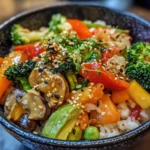
For a wholesome and filling meal, consider serving your grilled veggie kabobs over a bed of grains. Quinoa, couscous, or rice act as a nutritious foundation that absorbs the flavors of the grilled vegetables.
- Quinoa: This protein-packed grain offers a nutty flavor and fluffy texture, making it an ideal pairing with kabobs. To enhance the dish, cook the quinoa in vegetable broth and stir in fresh herbs like parsley or cilantro before serving.
- Couscous: Light and quick to prepare, couscous can be flavored with spices such as cumin or turmeric. Toss in some dried fruits like raisins or apricots for a Mediterranean twist, adding both sweetness and texture that beautifully complement the savory kabobs.
- Rice: Choose from a variety of rice types, such as jasmine, basmati, or brown rice, to suit your preference. A coconut rice preparation can add a tropical flair, while a pilaf with nuts and raisins introduces additional layers of flavor.
By serving the kabobs over these grains, you create a complete meal that’s not only satisfying but also visually appealing.
As a Side Dish
Grilled veggie kabobs make a fantastic side dish, bringing color and nutrition to any plate.
- With Grilled Meats: Pair your kabobs with grilled chicken, steak, or pork for a hearty barbecue spread. The smokiness of the grilled meats complements the charred flavors of the vegetables, creating a harmonious balance on the plate.
- With Fish: For a lighter option, serve the kabobs alongside grilled fish such as salmon or tilapia. The freshness of the veggies enhances the delicate flavors of the fish, making for a wholesome and health-conscious meal.
- With Tofu or Tempeh: For a plant-based option, grilled or marinated tofu or tempeh can be an excellent protein source. The kabobs can be enjoyed with a side of peanut sauce or soy glaze to tie the meal together, providing a satisfying vegetarian experience.
In a Wrap
Transform your grilled veggie kabobs into a delicious wrap for a portable meal option.
- Whole Wheat Tortilla: Start with a whole wheat tortilla, which adds fiber and a nutty flavor. Remove the veggies from the skewers and layer them onto the tortilla.
- Spread Options: Enhance your wrap with a generous spread of hummus or tzatziki sauce. Hummus, with its creamy texture and chickpea base, adds protein and a rich taste, while tzatziki offers a refreshing and tangy contrast with its cucumber and yogurt base.
- Additions: Feel free to include additional ingredients such as fresh spinach, arugula, or sliced avocado for extra nutrition. You can also sprinkle in some feta cheese or a handful of sprouts for added flavor and crunch, making this wrap a delightful meal on the go.
Over a Salad
Elevate your salad by topping it with grilled veggie kabobs, creating a dish that’s both visually stunning and packed with flavor.
- Leafy Greens: Start with a base of fresh leafy greens like mixed greens, spinach, or romaine. The crispness of the greens provides a refreshing contrast to the warm, smoky kabobs.
- Dressings: Drizzle your salad with a light vinaigrette or a creamy dressing, like balsamic or lemon-tahini, to complement the grilled flavors. The dressing will help to marry the flavors together and add a zesty kick.
- Additional Toppings: Consider adding nuts or seeds for crunch, dried cranberries or fresh berries for sweetness, and cheese such as goat cheese or Parmesan for a savory touch. The grilled veggies will infuse the salad with their smoky flavor, enhancing the overall taste experience.
Conclusion
Grilled veggie kabobs are a delightful and flexible addition to any meal, whether served as a main dish, side, wrap, or salad topping. Their colorful presentation and rich flavors not only tantalize the taste buds but also provide an array of nutritional benefits. With these serving suggestions, you can create a variety of meals that cater to different tastes and dietary needs, ensuring that your grilled kabobs are always a hit at the table.
Additional Tips
Grilled veggie kabobs are a delightful and versatile dish that can be enjoyed by everyone, whether as a main course or a side. To ensure that your kabobs turn out perfectly every time, consider the following comprehensive tips that will enhance your grilling experience and the flavors of your dish.
Choose Fresh Vegetables
The foundation of any great kabob is the quality of the vegetables used. When selecting vegetables, look for fresh, firm produce that is free from blemishes or soft spots. Fresh vegetables not only taste better, but they also provide a satisfying crunch and vibrant colors that make your kabobs visually appealing. Seasonal vegetables often have the best flavor, so check local farmers’ markets or grocery stores for what’s in season. Some ideal choices for kabobs include bell peppers, zucchini, cherry tomatoes, and mushrooms.
Experiment with Different Veggies
Don’t be afraid to get creative when it comes to the vegetables you choose for your kabobs. While traditional options like bell peppers and onions are popular, you can elevate your dish by incorporating a variety of textures and flavors. Consider adding:
- Eggplant: Cut into thick slices or cubes, eggplant adds a creamy texture when grilled.
- Asparagus: These tender spears provide a nice crunch and can be grilled whole for a rustic touch.
- Corn: Cut fresh corn off the cob for a sweet, juicy burst of flavor, or use whole mini corn cobs for a fun presentation.
- Zucchini and Yellow Squash: These soft vegetables are perfect for absorbing marinades and grill to a lovely char.
- Mushrooms: Portobello or button mushrooms add an earthy flavor and meaty texture to the kabobs.
- Chili Peppers: For those who enjoy a kick, include some sliced jalapeños or other chili varieties for added heat.
By mixing and matching different vegetables, you can create a colorful and flavorful kabob that excites the palate.
Use High-Quality Olive Oil
The marinade is crucial for imparting flavor to your kabobs, and using high-quality olive oil as a base can make a significant difference. Extra virgin olive oil is recommended because it is cold-pressed and retains more of its natural flavors and nutrients. It acts as a great carrier for seasonings, allowing the flavors of herbs and spices to infuse into the vegetables. When marinating, aim to let your veggies soak in the olive oil and seasonings for at least 30 minutes to an hour. This will enhance their flavor and ensure they are well-seasoned before grilling.
Keep the Sizes Uniform
Uniformity in vegetable size is key to achieving perfectly cooked kabobs. When cutting your vegetables, aim for pieces that are roughly the same size—this ensures that they will cook evenly and be ready at the same time. For instance, if you’re using bell peppers, cut them into 1 to 1.5-inch pieces. Similarly, if you’re using cherry tomatoes, they can often be skewered whole, while larger items like zucchini may need to be sliced into rounds or half-moons of similar thickness. Consistency in size not only helps with cooking but also makes for a more aesthetically pleasing presentation.
Don’t Overcrowd the Skewers
While it may be tempting to pack as many vegetables as possible onto each skewer, overcrowding can lead to uneven cooking and steaming rather than grilling. To achieve that desirable char and grill marks, leave a little space between each vegetable piece. This allows heat to circulate freely around each piece, ensuring they cook evenly and develop a delicious crust. Additionally, if using wooden skewers, remember to soak them in water for about 30 minutes beforehand to prevent burning on the grill. Metal skewers are another excellent option, as they can withstand higher temperatures without the risk of charring.
Bonus Tip: Enhance with Herbs and Spices
To elevate the flavor profile of your grilled veggie kabobs even further, consider adding fresh herbs or dried spices to your marinade. Herbs such as rosemary, thyme, or basil can provide aromatic notes that complement the sweetness of the grilled vegetables. Dried spices like paprika, cumin, or garlic powder can also add depth and complexity. A sprinkle of sea salt and freshly cracked black pepper just before grilling can also enhance the overall taste, bringing out the natural flavors of the veggies.
By following these additional tips, you can create grilled veggie kabobs that are not only delicious but also visually stunning and full of flavor. So fire up the grill, gather your ingredients, and enjoy the process of creating this mouthwatering dish!
FAQs
Q: Can I prepare the kabobs in advance?
A: Yes, you can prepare and marinate the vegetables up to a day in advance. Keep them covered in the refrigerator until you’re ready to grill.
Q: What if I don’t have a grill?
A: If you don’t have a grill, you can use an oven broiler or a stovetop grill pan to cook the kabobs. Adjust the cooking time accordingly.
Q: Are grilled veggie kabobs suitable for vegans and vegetarians?
A: Absolutely! Grilled veggie kabobs are plant-based, making them perfect for vegans and vegetarians.
Q: Can I add protein to the kabobs?
A: Yes, you can add tofu or tempeh for a plant-based protein option. Simply marinate and thread them along with the veggies.
Q: How do I store leftover kabobs?
A: Store leftover kabobs in an airtight container in the refrigerator for up to 3 days. Reheat them on the grill or in the oven before serving.
Conclusion
Grilled veggie kabobs are a delightful and nutritious addition to any meal. With a vibrant mix of vegetables and a simple marinade, these kabobs offer a burst of flavors that are sure to please everyone. Whether you’re hosting a summer barbecue or looking for a healthy dinner option, grilled veggie kabobs are a versatile and satisfying choice. Keep experimenting with different vegetables and marinades to find your perfect combination. Happy grilling!
Print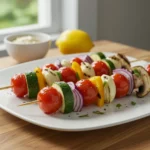
Grilled Veggie Kabobs Recipe
Ingredients
- Bell Peppers (red, yellow, green) – 2 of each
- Zucchini – 2 medium-sized
- Cherry Tomatoes – 1 pint
- Red Onion – 1 large
- Mushrooms (button or cremini) – 8-10 pieces
- Olive Oil – 1/4 cup
- Garlic – 2 cloves, minced
- Balsamic Vinegar – 2 tablespoons
- Salt – 1 teaspoon
- Black Pepper – 1/2 teaspoon
- Fresh Herbs (such as rosemary, thyme, or basil) – 2 tablespoons, chopped
- Wooden or Metal Skewers – 10-12
Instructions
- Prepare the Skewers:
- If you are using wooden skewers, soak them in water for at least 30 minutes to prevent them from burning on the grill.
- Chop the Vegetables:
- Cut the bell peppers into 1-inch squares.
- Slice the zucchini into 1/2-inch thick rounds.
- Peel and cut the red onion into wedges.
- Leave the mushrooms whole or halve them if they are large.
- Marinate the Vegetables:
- In a large bowl, combine olive oil, minced garlic, balsamic vinegar, salt, black pepper, and fresh herbs.
- Add the chopped vegetables to the bowl and toss them until they are well-coated with the marinade.
- Allow the vegetables to marinate for at least 30 minutes to absorb the flavors.
- Assemble the Kabobs:
- Thread the marinated vegetables onto the skewers, alternating between different types of veggies for a colorful presentation.
- Preheat the Grill:
- Preheat your grill to medium-high heat (around 375°F to 400°F).
- Grill the Kabobs:
- Place the veggie kabobs on the preheated grill.
- Cook each side for about 5-7 minutes or until the vegetables are tender and slightly charred.
- Serve:
- Remove the kabobs from the grill and let them cool slightly before serving.
Nutrition
- Serving Size: one normal portion
- Calories: 150
- Sugar: 8g
- Sodium: 300mg
- Fat: 7g
- Saturated Fat: 1g
- Carbohydrates: 20g
- Fiber: 6g
- Protein: 4g
- Cholesterol: 0mg