

Introduction
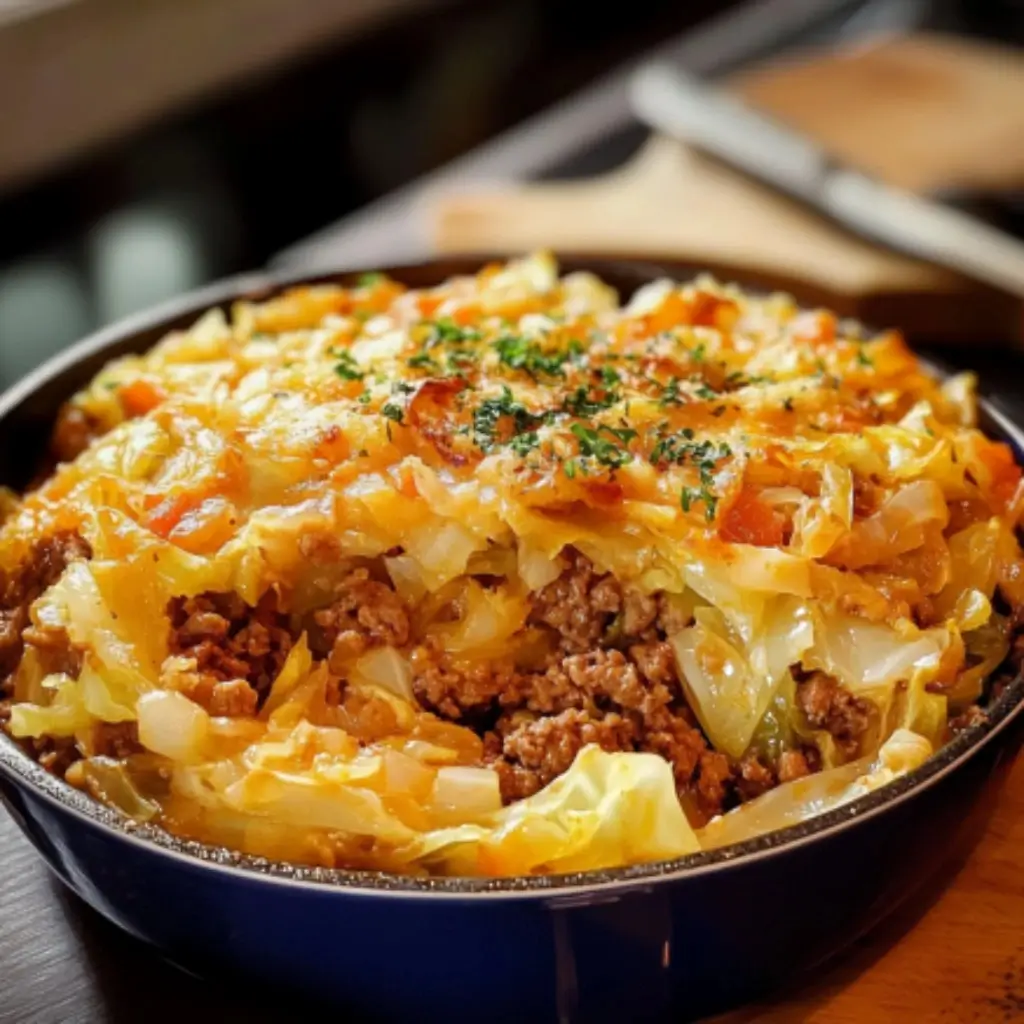
Hey there, food lovers! Emily here, and let me tell you about a dish that has become an absolute staple in our home – the Ground Beef and Cabbage Casserole. Honestly, sometimes weeknight dinners can feel like a chore, but this recipe? This is pure comfort food magic, without any of the fuss. My family devoured it – even my picky eaters went back for seconds! The savory ground beef and tender cabbage are perfectly balanced by a creamy, almost pancake-like batter that bakes up golden and delicious. It’s hearty, satisfying, and surprisingly simple to throw together. If you’re looking for a meal that’s both budget-friendly and guaranteed to please a crowd, you’ve absolutely landed on the right recipe. Trust me, this Ground Beef and Cabbage Casserole is about to become your new go-to for cozy dinners and easy meal prepping!
Ingredients You’ll Need for Delicious Ground Beef and Cabbage Casserole
Let’s gather everything we need to create this comforting casserole. The beauty of this recipe lies in its simplicity – you likely have many of these ingredients already in your pantry and refrigerator. We’ll break down the ingredients into categories for easy shopping and preparation.
For the Savory Ground Beef and Cabbage Filling:
- Olive Oil: 1 tablespoon – We’ll start our flavor base with olive oil. It’s a healthy fat that helps to sauté our onions and brown the ground beef beautifully. Extra virgin olive oil is my go-to for its rich flavor, but regular olive oil or even vegetable oil will work just fine. If you are watching your fat intake, you can even use a cooking spray, though a tablespoon of oil really adds to the richness of the filling.
- Sweet Onion: 1, chopped – Onions are the aromatic foundation of so many great dishes, and this casserole is no exception. A sweet onion, like Vidalia or Walla Walla, adds a touch of sweetness that complements the savory beef and cabbage. Chopping it into small pieces ensures it cooks evenly and blends seamlessly into the filling. If you don’t have sweet onions, a yellow or white onion will also work perfectly; just sauté them a bit longer to mellow their sharper flavor.
- Ground Beef: 1 lb (450 g) – The star protein of our casserole! Ground beef provides that hearty, satisfying element we crave in comfort food. I usually opt for lean ground beef (around 85% lean) to minimize excess grease, but any ground beef will work. If you prefer a richer flavor, you can use ground chuck. For a leaner option, ground turkey or even ground chicken could be substituted, though the flavor profile will be slightly different. Remember to drain off any excess fat after browning the beef to keep the casserole from becoming greasy.
- Salt and Black Pepper: To Taste – Seasoning is absolutely crucial to bring out the flavors of all our ingredients. Salt enhances the natural flavors, and black pepper adds a touch of warmth and spice. Don’t be shy with seasoning! Start with about ½ teaspoon of salt and ¼ teaspoon of black pepper, and then adjust to your taste as you cook. Taste the filling before assembling the casserole and add more salt and pepper if needed.
- Garlic Powder: 1/2 teaspoon – Garlic powder provides a convenient way to add that essential garlic flavor to our filling. It disperses evenly and adds a lovely savory note. If you prefer fresh garlic, you can substitute 2 cloves of minced garlic, added to the skillet along with the onions. Garlic granules can also be used as a substitute for garlic powder.
- Carrot: 1, grated – A grated carrot adds a touch of sweetness and subtle texture to the filling, as well as a boost of nutrients and vibrant color. Grating the carrot ensures it cooks quickly and blends seamlessly into the mixture. You can use a box grater or a food processor with a grating attachment. If you don’t have carrots on hand, you can skip it, but it does add a nice dimension to the flavor.
- Small Cabbage: 1/2, finely shredded – Cabbage is the unsung hero of this casserole! It adds a wonderful slightly sweet and earthy flavor, along with a satisfying texture that isn’t too overpowering. Finely shredding the cabbage ensures it cooks through evenly and becomes tender in the casserole. Green cabbage is the classic choice, but you could also use Savoy cabbage for a slightly milder flavor or even a mix of green and red cabbage for added color. Make sure to remove the tough core of the cabbage before shredding.
For the Creamy and Delicious Batter:
- Eggs: 2 – Eggs are the binding agent for our batter, holding everything together and providing structure. They also add richness and moisture to the casserole. Large eggs are typically used in recipes, but medium eggs will also work – you might just want to add a tablespoon of milk to the batter if using medium eggs to ensure it’s not too thick.
- Sour Cream: 5 tablespoons – Sour cream is the secret ingredient for creating that creamy and tangy batter that sets this casserole apart. It adds richness, moisture, and a subtle tang that balances the savory filling beautifully. Full-fat sour cream will give the best flavor and texture, but you can use light sour cream to reduce the fat content, though the texture might be slightly less rich. If you don’t have sour cream, plain Greek yogurt (full-fat or 2%) can be used as a substitute, though it will be tangier.
- Mayonnaise: 1 tablespoon – Mayonnaise might seem like an unusual ingredient in a casserole batter, but it adds moisture, richness, and a subtle savory flavor that enhances the overall taste. Just a tablespoon is enough to make a difference. Full-fat mayonnaise is recommended for the best flavor, but light mayonnaise can also be used.
- All-Purpose Flour: 7 tablespoons (about 55 g) – Flour provides structure to the batter, helping it to set and create a cohesive layer over the filling. All-purpose flour is the standard choice for baking and casseroles. Make sure to measure the flour correctly – spoon it into the measuring cup and level it off with a knife, rather than scooping directly from the bag, which can pack the flour and result in too much flour in the batter.
- Baking Powder: 1 teaspoon – Baking powder is the leavening agent that gives our batter a light and slightly airy texture. It helps the casserole to rise slightly and become tender. Make sure your baking powder is fresh for optimal results – old baking powder may lose its potency.
- Salt: 1 teaspoon – We need salt in the batter as well to season it and balance the flavors. Salt is essential for bringing out the best in all the ingredients.
- Sugar: 1 teaspoon – A touch of sugar might seem surprising in a savory casserole, but it actually enhances the other flavors and balances the acidity of the sour cream and tang of the mayonnaise. It doesn’t make the casserole sweet, but rather adds depth and complexity. Granulated sugar is perfect for this recipe.
For Greasing the Pan:
- Butter or Vegetable Oil: 1 tablespoon – Greasing the casserole dish is essential to prevent the casserole from sticking and ensure easy serving. Butter adds a subtle richness and flavor, while vegetable oil is a neutral option. You can also use cooking spray for a lower-fat alternative.
Step-by-Step Instructions for Making Ground Beef and Cabbage Casserole
Now that we have all our ingredients ready, let’s walk through the simple steps to create this delicious Ground Beef and Cabbage Casserole. Don’t worry, it’s easier than you might think!
Preparing the Savory Filling:
- Heat the Olive Oil: Place a large skillet over medium heat. Once the skillet is hot, add 1 tablespoon of olive oil. Let the oil heat up for a few seconds until it shimmers. This ensures even cooking and prevents sticking.
- Sauté the Onions: Add the chopped sweet onion to the hot skillet. Sauté for about 3-4 minutes, stirring occasionally, until the onions become translucent and golden. Sautéing the onions first brings out their natural sweetness and creates a flavorful base for the filling. Avoid browning them too much, as we want them to be tender and sweet.
- Brown the Ground Beef: Add the ground beef to the skillet with the sautéed onions. Break up the beef with a spoon or spatula as it cooks. Season generously with salt, black pepper, and garlic powder. Cook until the beef is browned and no longer pink, usually about 5-7 minutes. Make sure to crumble the beef well so it cooks evenly.
- Drain Excess Fat (If Necessary): If your ground beef released a lot of fat during cooking, carefully drain off the excess fat from the skillet. This will prevent the casserole from becoming greasy. You can tilt the skillet and use a spoon to scoop out the fat, or carefully pour off the fat while holding back the beef and onion mixture with a spatula.
- Add Carrot and Cabbage: Stir in the grated carrot and shredded cabbage to the skillet with the browned beef and onions. Mix everything together well to combine.
- Cook the Vegetables: Cover the skillet with a lid and reduce the heat to low. Cook for 6-7 minutes, or until the cabbage and carrots have softened. Covering the skillet helps to steam the vegetables and allows them to soften quickly. Stir occasionally to ensure even cooking. You want the cabbage to be tender but still have a little bit of texture – don’t overcook it until it becomes mushy.
- Remove from Heat: Once the vegetables are softened, remove the skillet from the heat and set the filling aside.
Preparing the Creamy Batter:
- Whisk Wet Ingredients: In a medium mixing bowl, whisk together the eggs, sour cream, and mayonnaise until smooth and well combined. Whisking ensures that the batter is lump-free and the ingredients are evenly incorporated.
- Add Dry Ingredients: In the same bowl, add the all-purpose flour, baking powder, salt, and sugar.
- Mix the Batter: Mix the dry ingredients into the wet ingredients until just combined and the batter is smooth and lump-free. Be careful not to overmix the batter, as this can develop the gluten in the flour and make the batter tough. A few lumps are okay, but ensure there are no large clumps of flour.
Assembling and Baking the Casserole:
- Preheat the Oven: Preheat your oven to 360°F (180°C). Make sure your oven is properly preheated to ensure even baking.
- Grease the Casserole Dish: Grease a casserole dish (about 9×13 inch or similar size) with butter or vegetable oil. Make sure to grease the bottom and sides of the dish thoroughly to prevent sticking.
- Pour Half of the Batter: Pour half of the prepared batter into the greased casserole dish. Spread it evenly over the bottom of the dish using a spatula or spoon. This creates the bottom layer of our casserole.
- Add the Filling: Spoon the cabbage-beef mixture evenly over the batter layer in the casserole dish. Distribute the filling in an even layer, ensuring it covers the batter completely.
- Pour Remaining Batter: Pour the remaining batter over the cabbage-beef filling. Spread it evenly to cover the filling completely. This creates the top layer of our casserole.
- Bake the Casserole: Place the casserole dish in the preheated oven and bake for 35 minutes, or until the top is golden brown and set. The batter should be cooked through and the top should be nicely browned. You can insert a toothpick into the center of the casserole to check for doneness – it should come out clean.
- Let it Cool and Serve: Once baked, remove the casserole from the oven and let it cool for a few minutes before slicing and serving. This allows the casserole to set slightly and makes it easier to slice and serve. Serving it warm is best!
Nutrition Facts for Ground Beef and Cabbage Casserole
(Please note: Nutritional information is an estimate and can vary based on specific ingredients and portion sizes.)
Serving Size: Approximately 1/6 of the casserole
Calories per Serving: Approximately 350-400 calories
Approximate Nutritional Breakdown per Serving:
- Protein: 20-25g
- Fat: 20-25g
- Carbohydrates: 15-20g
This casserole is a good source of protein and provides a moderate amount of carbohydrates and fats. It also contains vitamins and minerals from the cabbage, carrots, and beef. For a more precise nutritional breakdown, you can use online nutrition calculators and input the specific brands and quantities of ingredients you use.
Preparation Time Breakdown
Let’s look at the time commitment for making this delicious casserole:
- Preparation Time: 20 minutes (This includes chopping vegetables, browning beef, and mixing the batter)
- Cooking Time: 35 minutes (This is the baking time in the oven)
- Total Time: 55 minutes (From start to finish, ready to serve!)
This recipe is perfect for a weeknight meal because it comes together in under an hour. Most of the time is hands-off baking time, allowing you to prepare a side dish or relax while the casserole bakes.
How to Serve Your Ground Beef and Cabbage Casserole
This casserole is hearty and satisfying on its own, but here are some delicious ways to serve it and make it a complete meal:
- Classic Side Salad: A simple green salad with a vinaigrette dressing provides a refreshing contrast to the richness of the casserole.
- Steamed Green Vegetables: Steamed broccoli, green beans, or asparagus are excellent healthy side dishes that complement the casserole without being too heavy.
- Crusty Bread: Serve with a side of crusty bread or rolls for soaking up any delicious juices from the casserole.
- Topped with Fresh Herbs: Garnish with fresh parsley, dill, or chives for added flavor and visual appeal.
- Dollop of Sour Cream or Greek Yogurt: A dollop of sour cream or Greek yogurt on top adds extra creaminess and tang.
- Make it a Complete Meal: The casserole itself contains protein, vegetables, and carbohydrates, making it a fairly balanced meal on its own.
Additional Tips for the Best Ground Beef and Cabbage Casserole
Want to take your Ground Beef and Cabbage Casserole to the next level? Here are five helpful tips:
- Add Cheese for Extra Flavor: For a cheesy twist, sprinkle shredded cheese over the top of the casserole during the last 10 minutes of baking. Cheddar, mozzarella, or a blend of cheeses would all work wonderfully. The cheese will melt and create a delicious golden crust.
- Spice it Up: If you like a little heat, add a pinch of red pepper flakes to the ground beef mixture while browning, or stir in a tablespoon of your favorite hot sauce. You could also add a diced jalapeño to the onion mixture for a more pronounced spicy flavor.
- Customize Your Vegetables: Feel free to add other vegetables to the filling! Diced bell peppers, mushrooms, or zucchini would all be delicious additions. Just sauté them along with the onions and carrots.
- Make it Ahead of Time: You can assemble the casserole ahead of time and store it in the refrigerator, covered, for up to 24 hours. Bake it according to the recipe instructions when you’re ready to serve, adding about 10-15 minutes to the baking time if baking directly from the fridge.
- Freeze for Future Meals: Ground Beef and Cabbage Casserole freezes beautifully! Let it cool completely, then cut it into portions and wrap them individually in plastic wrap and then foil, or freeze the whole casserole in a freezer-safe dish. It will keep in the freezer for up to 3 months. Thaw overnight in the refrigerator before reheating in the oven at 350°F (175°C) until heated through.
Frequently Asked Questions About Ground Beef and Cabbage Casserole
Let’s answer some common questions you might have about making this recipe:
Q1: Can I use different types of cabbage?
A: Yes, absolutely! While green cabbage is the classic choice, you can experiment with other types of cabbage. Savoy cabbage offers a milder flavor and more tender texture. Red cabbage will add a beautiful color but may take slightly longer to cook. Napa cabbage is also an option, but it’s more delicate and will cook down quickly.
Q2: Can I substitute the sour cream in the batter?
A: If you don’t have sour cream, you can substitute plain Greek yogurt (full-fat or 2%). Greek yogurt will be tangier than sour cream, so the flavor profile will be slightly different, but it will still work well and provide a similar creamy texture.
Q3: Can I make this casserole vegetarian?
A: To make this casserole vegetarian, you can substitute the ground beef with lentils or crumbled vegetarian ground beef substitute. Brown the vegetarian substitute or cook the lentils according to package directions and then proceed with the recipe as written, using vegetable broth if needed for moisture when cooking the lentils.
Q4: How long does leftover Ground Beef and Cabbage Casserole last in the refrigerator?
A: Leftover Ground Beef and Cabbage Casserole will keep well in the refrigerator for 3-4 days when stored in an airtight container. Make sure to cool the casserole completely before refrigerating it.
Q5: Can I reheat this casserole in the microwave?
A: Yes, you can reheat individual portions of Ground Beef and Cabbage Casserole in the microwave. Place a portion on a microwave-safe plate and microwave on medium power for 1-2 minutes, or until heated through, stirring halfway through. For best results, oven reheating is recommended to maintain the texture of the batter.
I hope you enjoy making and sharing this Ground Beef and Cabbage Casserole as much as my family and I do! It’s a truly comforting and satisfying dish that’s perfect for any occasion. Happy cooking! – Emily
Print
Ground Beef and Cabbage Casserole Recipe
Ingredients
For the Savory Ground Beef and Cabbage Filling:
- Olive Oil: 1 tablespoon – We’ll start our flavor base with olive oil. It’s a healthy fat that helps to sauté our onions and brown the ground beef beautifully. Extra virgin olive oil is my go-to for its rich flavor, but regular olive oil or even vegetable oil will work just fine. If you are watching your fat intake, you can even use a cooking spray, though a tablespoon of oil really adds to the richness of the filling.
- Sweet Onion: 1, chopped – Onions are the aromatic foundation of so many great dishes, and this casserole is no exception. A sweet onion, like Vidalia or Walla Walla, adds a touch of sweetness that complements the savory beef and cabbage. Chopping it into small pieces ensures it cooks evenly and blends seamlessly into the filling. If you don’t have sweet onions, a yellow or white onion will also work perfectly; just sauté them a bit longer to mellow their sharper flavor.
- Ground Beef: 1 lb (450 g) – The star protein of our casserole! Ground beef provides that hearty, satisfying element we crave in comfort food. I usually opt for lean ground beef (around 85% lean) to minimize excess grease, but any ground beef will work. If you prefer a richer flavor, you can use ground chuck. For a leaner option, ground turkey or even ground chicken could be substituted, though the flavor profile will be slightly different. Remember to drain off any excess fat after browning the beef to keep the casserole from becoming greasy.
- Salt and Black Pepper: To Taste – Seasoning is absolutely crucial to bring out the flavors of all our ingredients. Salt enhances the natural flavors, and black pepper adds a touch of warmth and spice. Don’t be shy with seasoning! Start with about ½ teaspoon of salt and ¼ teaspoon of black pepper, and then adjust to your taste as you cook. Taste the filling before assembling the casserole and add more salt and pepper if needed.
- Garlic Powder: 1/2 teaspoon – Garlic powder provides a convenient way to add that essential garlic flavor to our filling. It disperses evenly and adds a lovely savory note. If you prefer fresh garlic, you can substitute 2 cloves of minced garlic, added to the skillet along with the onions. Garlic granules can also be used as a substitute for garlic powder.
- Carrot: 1, grated – A grated carrot adds a touch of sweetness and subtle texture to the filling, as well as a boost of nutrients and vibrant color. Grating the carrot ensures it cooks quickly and blends seamlessly into the mixture. You can use a box grater or a food processor with a grating attachment. If you don’t have carrots on hand, you can skip it, but it does add a nice dimension to the flavor.
- Small Cabbage: 1/2, finely shredded – Cabbage is the unsung hero of this casserole! It adds a wonderful slightly sweet and earthy flavor, along with a satisfying texture that isn’t too overpowering. Finely shredding the cabbage ensures it cooks through evenly and becomes tender in the casserole. Green cabbage is the classic choice, but you could also use Savoy cabbage for a slightly milder flavor or even a mix of green and red cabbage for added color. Make sure to remove the tough core of the cabbage before shredding.
For the Creamy and Delicious Batter:
- Eggs: 2 – Eggs are the binding agent for our batter, holding everything together and providing structure. They also add richness and moisture to the casserole. Large eggs are typically used in recipes, but medium eggs will also work – you might just want to add a tablespoon of milk to the batter if using medium eggs to ensure it’s not too thick.
- Sour Cream: 5 tablespoons – Sour cream is the secret ingredient for creating that creamy and tangy batter that sets this casserole apart. It adds richness, moisture, and a subtle tang that balances the savory filling beautifully. Full-fat sour cream will give the best flavor and texture, but you can use light sour cream to reduce the fat content, though the texture might be slightly less rich. If you don’t have sour cream, plain Greek yogurt (full-fat or 2%) can be used as a substitute, though it will be tangier.
- Mayonnaise: 1 tablespoon – Mayonnaise might seem like an unusual ingredient in a casserole batter, but it adds moisture, richness, and a subtle savory flavor that enhances the overall taste. Just a tablespoon is enough to make a difference. Full-fat mayonnaise is recommended for the best flavor, but light mayonnaise can also be used.
- All-Purpose Flour: 7 tablespoons (about 55 g) – Flour provides structure to the batter, helping it to set and create a cohesive layer over the filling. All-purpose flour is the standard choice for baking and casseroles. Make sure to measure the flour correctly – spoon it into the measuring cup and level it off with a knife, rather than scooping directly from the bag, which can pack the flour and result in too much flour in the batter.
- Baking Powder: 1 teaspoon – Baking powder is the leavening agent that gives our batter a light and slightly airy texture. It helps the casserole to rise slightly and become tender. Make sure your baking powder is fresh for optimal results – old baking powder may lose its potency.
- Salt: 1 teaspoon – We need salt in the batter as well to season it and balance the flavors. Salt is essential for bringing out the best in all the ingredients.
- Sugar: 1 teaspoon – A touch of sugar might seem surprising in a savory casserole, but it actually enhances the other flavors and balances the acidity of the sour cream and tang of the mayonnaise. It doesn’t make the casserole sweet, but rather adds depth and complexity. Granulated sugar is perfect for this recipe.
For Greasing the Pan:
- Butter or Vegetable Oil: 1 tablespoon – Greasing the casserole dish is essential to prevent the casserole from sticking and ensure easy serving. Butter adds a subtle richness and flavor, while vegetable oil is a neutral option. You can also use cooking spray for a lower-fat alternative.
Instructions
Preparing the Savory Filling:
- Heat the Olive Oil: Place a large skillet over medium heat. Once the skillet is hot, add 1 tablespoon of olive oil. Let the oil heat up for a few seconds until it shimmers. This ensures even cooking and prevents sticking.
- Sauté the Onions: Add the chopped sweet onion to the hot skillet. Sauté for about 3-4 minutes, stirring occasionally, until the onions become translucent and golden. Sautéing the onions first brings out their natural sweetness and creates a flavorful base for the filling. Avoid browning them too much, as we want them to be tender and sweet.
- Brown the Ground Beef: Add the ground beef to the skillet with the sautéed onions. Break up the beef with a spoon or spatula as it cooks. Season generously with salt, black pepper, and garlic powder. Cook until the beef is browned and no longer pink, usually about 5-7 minutes. Make sure to crumble the beef well so it cooks evenly.
- Drain Excess Fat (If Necessary): If your ground beef released a lot of fat during cooking, carefully drain off the excess fat from the skillet. This will prevent the casserole from becoming greasy. You can tilt the skillet and use a spoon to scoop out the fat, or carefully pour off the fat while holding back the beef and onion mixture with a spatula.
- Add Carrot and Cabbage: Stir in the grated carrot and shredded cabbage to the skillet with the browned beef and onions. Mix everything together well to combine.
- Cook the Vegetables: Cover the skillet with a lid and reduce the heat to low. Cook for 6-7 minutes, or until the cabbage and carrots have softened. Covering the skillet helps to steam the vegetables and allows them to soften quickly. Stir occasionally to ensure even cooking. You want the cabbage to be tender but still have a little bit of texture – don’t overcook it until it becomes mushy.
- Remove from Heat: Once the vegetables are softened, remove the skillet from the heat and set the filling aside.
Preparing the Creamy Batter:
- Whisk Wet Ingredients: In a medium mixing bowl, whisk together the eggs, sour cream, and mayonnaise until smooth and well combined. Whisking ensures that the batter is lump-free and the ingredients are evenly incorporated.
- Add Dry Ingredients: In the same bowl, add the all-purpose flour, baking powder, salt, and sugar.
- Mix the Batter: Mix the dry ingredients into the wet ingredients until just combined and the batter is smooth and lump-free. Be careful not to overmix the batter, as this can develop the gluten in the flour and make the batter tough. A few lumps are okay, but ensure there are no large clumps of flour.
Assembling and Baking the Casserole:
- Preheat the Oven: Preheat your oven to 360°F (180°C). Make sure your oven is properly preheated to ensure even baking.
- Grease the Casserole Dish: Grease a casserole dish (about 9×13 inch or similar size) with butter or vegetable oil. Make sure to grease the bottom and sides of the dish thoroughly to prevent sticking.
- Pour Half of the Batter: Pour half of the prepared batter into the greased casserole dish. Spread it evenly over the bottom of the dish using a spatula or spoon. This creates the bottom layer of our casserole.
- Add the Filling: Spoon the cabbage-beef mixture evenly over the batter layer in the casserole dish. Distribute the filling in an even layer, ensuring it covers the batter completely.
- Pour Remaining Batter: Pour the remaining batter over the cabbage-beef filling. Spread it evenly to cover the filling completely. This creates the top layer of our casserole.
- Bake the Casserole: Place the casserole dish in the preheated oven and bake for 35 minutes, or until the top is golden brown and set. The batter should be cooked through and the top should be nicely browned. You can insert a toothpick into the center of the casserole to check for doneness – it should come out clean.
- Let it Cool and Serve: Once baked, remove the casserole from the oven and let it cool for a few minutes before slicing and serving. This allows the casserole to set slightly and makes it easier to slice and serve. Serving it warm is best!
Nutrition
- Serving Size: One Normal Portion
- Calories: 350-400
- Fat: 20-25g
- Carbohydrates: 15-20g
- Protein: 20-25g