
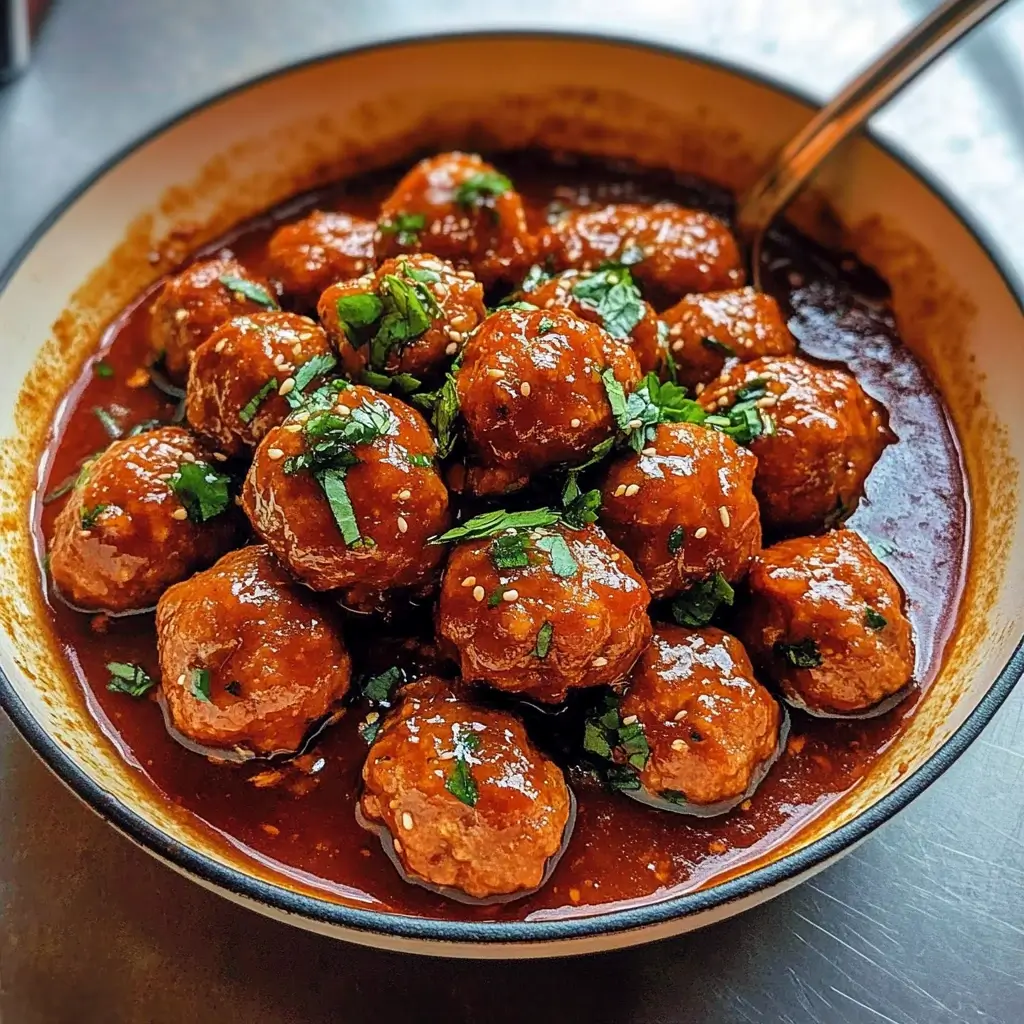

There’s something undeniably comforting about a plate of tender meatballs simmered in a rich, savory sauce. For years, I’ve been on the hunt for a meatball recipe that’s not only incredibly flavorful but also leans towards the healthier side. Let me tell you, these Ground Chicken Meatballs in Sauce have absolutely nailed it! From the moment the aroma of garlic and Italian herbs began to fill my kitchen, I knew we were in for a treat. My family, always eager taste testers, devoured these meatballs, proclaiming them some of the best they’ve ever had. What truly impressed me was how incredibly tender and juicy they remained, despite being made with lean ground chicken. No dry, crumbly meatballs here! The secret, I believe, lies in the perfect balance of ingredients and the gentle simmering in sauce. Whether you’re looking for a satisfying weeknight dinner or a crowd-pleasing dish for a gathering, these ground chicken meatballs are a guaranteed winner. They’re remarkably easy to prepare, surprisingly healthy, and incredibly versatile – perfect served over a bed of pasta, nestled in a warm, crusty sub roll, or simply enjoyed on their own as a protein-packed main course. Get ready to experience meatball perfection!
Ingredients: The Building Blocks of Flavorful Meatballs
The beauty of these Ground Chicken Meatballs in Sauce lies in the simplicity of its ingredients, each playing a crucial role in creating a symphony of flavors and textures. Let’s break down each component and explore why they are essential for achieving meatball nirvana:
- 1 TBSP Olive Oil: Olive oil, the cornerstone of Mediterranean cuisine, is our starting point. It’s used in two key stages of the recipe. First, a touch of olive oil is used to lightly coat the pan for searing the meatballs, preventing them from sticking and promoting beautiful browning. Later, a bit of olive oil (though not explicitly listed for the meatball mixture, it’s helpful to oil hands for shaping) is used to lightly oil your hands, making it easier to shape the delicate meatball mixture without it sticking to your fingers. Choosing a good quality extra virgin olive oil not only adds a subtle fruity note but also contributes healthy fats to the dish. For a richer flavor, you could even experiment with infused olive oils, like garlic or chili oil, to add an extra layer of complexity.
- 1 lb Ground Chicken: The star of the show! Ground chicken is a fantastic lean protein source, making these meatballs a healthier alternative to traditional beef or pork meatballs. When selecting ground chicken, opt for a package that looks fresh and pink, avoiding any that appear gray or discolored. The fat content of your ground chicken will also influence the final texture of the meatballs. While leaner ground chicken is healthier, a little bit of fat (around 90-93% lean) will contribute to more tender and juicy meatballs. If you’re using very lean ground chicken (99% lean), you might consider adding a tablespoon of olive oil or even a touch of ricotta cheese to the meatball mixture to ensure they remain moist. For those seeking organic or pasture-raised options, these will often boast even richer flavor profiles.
- 1 tsp Sea Salt: Salt is the fundamental flavor enhancer in any recipe, and these meatballs are no exception. Sea salt, with its slightly coarser texture and mineral content, is a great choice for seasoning. It distributes flavor more evenly and offers a cleaner taste compared to iodized table salt. Don’t be shy with the salt – it’s crucial for bringing out the savory notes of the chicken and other aromatics. However, always taste and adjust seasoning to your preference, especially if your sauce is already salted.
- 1/4 tsp Cracked Black Pepper: Freshly cracked black pepper adds a subtle warmth and a pleasant bite to the meatballs. The aromatic compounds in freshly cracked pepper are much more pronounced than in pre-ground pepper, making a noticeable difference in flavor. Invest in a pepper grinder and you’ll instantly elevate your cooking. If you prefer a spicier kick, you can increase the amount of black pepper or even add a pinch of red pepper flakes to the meatball mixture.
- 1 tsp Onion Powder: Onion powder provides a concentrated onion flavor that permeates the meatballs throughout. It’s a convenient way to add that essential allium note without the moisture or texture of fresh onions in the meatball itself (fresh onions are added separately). Ensure your onion powder is fresh and fragrant for the best results. If you’re out of onion powder, you could substitute it with a teaspoon of granulated onion or even a tablespoon of very finely minced or grated onion, just be mindful of the added moisture.
- 2 Cloves of Garlic, Grated to a Paste or Minced: Garlic is another powerhouse of flavor, and these meatballs wouldn’t be the same without it! Fresh garlic, grated to a paste or finely minced, releases its pungent aroma and savory notes, infusing the meatballs with that classic Italian flavor. Grating the garlic to a paste ensures it distributes evenly throughout the mixture and prevents any large chunks of garlic in the finished meatballs. If you’re short on time, pre-minced garlic from a jar can work in a pinch, but fresh garlic is always superior in flavor. For garlic lovers, feel free to add an extra clove or two!
- 1 tsp Italian Seasoning: Italian seasoning is a blend of dried herbs that captures the essence of Italian cuisine. Typically, it includes oregano, basil, rosemary, thyme, and marjoram. This pre-mixed blend simplifies the process of adding a complex herbal flavor to the meatballs. As the recipe suggests, homemade Italian seasoning is even better! You can control the proportions of each herb and ensure freshness. Experiment with different ratios of your favorite Italian herbs to create your signature blend. If you don’t have Italian seasoning on hand, you can use a combination of dried oregano, basil, and thyme as a substitute.
- 1/2 cup Finely Chopped Onion: While onion powder provides a base onion flavor, finely chopped fresh onion adds texture, moisture, and a slightly sweeter note to the meatballs. Finely chopping the onion ensures it cooks through evenly within the meatballs and doesn’t create any large, crunchy pieces. Yellow or white onions are both suitable choices. For a milder onion flavor, you can use shallots instead. Sautéing the onion lightly before adding it to the meatball mixture can also enhance its sweetness and soften its texture further, but for ease and speed, raw finely chopped onion works perfectly well.
- 1 TBSP Worcestershire Sauce: Worcestershire sauce is a secret ingredient that adds a depth of savory umami flavor to the meatballs. Its complex blend of vinegar, molasses, tamarind, anchovies, and spices creates a nuanced taste that elevates the overall flavor profile. Don’t skip this ingredient! It might seem unexpected in meatballs, but it makes a significant difference. If you don’t have Worcestershire sauce, you could try a dash of soy sauce or balsamic vinegar as a very loose substitute, but neither will quite replicate the unique flavor.
- 1 Egg: The egg acts as a binder in the meatball mixture, helping to hold all the ingredients together and preventing the meatballs from crumbling during cooking. It also adds moisture and richness. Use a large egg for this recipe. If you are egg-free, you could try using a flax egg (1 tablespoon of flaxseed meal mixed with 3 tablespoons of water, let sit for 5 minutes to thicken) as a binder, though the texture might be slightly different.
- 1/4 cup Panko Breadcrumbs: Panko breadcrumbs are Japanese-style breadcrumbs that are lighter and flakier than traditional breadcrumbs. They absorb moisture well and help to create tender meatballs without making them dense or gummy. Panko breadcrumbs contribute to a lighter, more delicate texture compared to regular breadcrumbs. If you don’t have panko, you can use regular breadcrumbs, but the texture might be slightly denser. For a gluten-free option, use gluten-free panko breadcrumbs or almond flour, but be mindful that almond flour can absorb more moisture, so you might need to adjust the liquid in the recipe slightly.
Instructions: Crafting Perfect Ground Chicken Meatballs, Step-by-Step
Now that we’ve explored the ingredients, let’s dive into the step-by-step instructions for creating these delectable Ground Chicken Meatballs in Sauce. Follow these directions carefully, and you’ll be rewarded with tender, flavorful meatballs every time:
- Sauce Preparation (Optional but Recommended): “If making a homemade marinara sauce, get that done first. When you’re done, leave it on a low simmer and move on to the meatballs.” While these meatballs are delicious with store-bought marinara sauce, homemade marinara truly elevates the dish to another level. Making your own sauce allows you to control the ingredients, flavors, and consistency. Start by sautéing onions and garlic in olive oil, then add crushed tomatoes, tomato paste, herbs like basil and oregano, a pinch of sugar (to balance acidity), and salt and pepper to taste. Simmer the sauce for at least 30 minutes, or even longer, to allow the flavors to meld and deepen. While the sauce simmers, you can move on to preparing the meatballs. If using store-bought sauce, simply warm it up in a saucepan while the meatballs cook. Having the sauce ready and simmering ensures that the meatballs can be added directly into the warm sauce once they are seared.
- Prepare the Baking Sheet: “Line a baking sheet with parchment paper; set it aside.” Lining a baking sheet with parchment paper is a simple yet crucial step for easy cleanup and to prevent the meatballs from sticking to the pan. Parchment paper creates a non-stick surface and makes transferring the meatballs to the skillet much easier. No one wants to spend time scrubbing a sticky baking sheet! Set the prepared baking sheet aside, ready to receive the formed meatballs.
- Combine Meatball Ingredients: “Put all of the ingredients for the meatballs into a large mixing bowl and blend the mixture thoroughly. The meatball mixture will seem wet and tricky to work with, but that’s normal.” This is where the magic begins! In a large mixing bowl, combine the ground chicken, sea salt, black pepper, onion powder, grated garlic, Italian seasoning, chopped onion, Worcestershire sauce, egg, and panko breadcrumbs. Use your hands to gently mix all the ingredients together until just combined. It’s important not to overmix the meatball mixture. Overmixing can lead to tough meatballs. The mixture will indeed be quite wet and loose – don’t be alarmed, this is exactly what we want! This wetness is key to achieving incredibly tender meatballs. The panko breadcrumbs will absorb some of the moisture as the mixture rests.
- Shape the Meatballs: “Lightly oil your hands with a bit of olive oil and start forming your meatballs into balls that’s measure about 1 x 1 inch, then carefully place the meatballs onto the parchment paper.” Lightly oiling your hands with olive oil will prevent the sticky meatball mixture from clinging to your fingers, making shaping much easier. Use a spoon or your hands to scoop out portions of the meatball mixture and gently roll them into approximately 1-inch meatballs. Don’t pack the meatballs too tightly; a looser ball will result in a more tender interior. Place each formed meatball onto the prepared parchment-lined baking sheet, leaving a little space between them.
- Chill the Meatballs: “Put the tray of meatballs into the fridge to set for at least 30 minutes.” Chilling the meatballs in the refrigerator for at least 30 minutes is a critical step that shouldn’t be skipped. Chilling firms up the meatballs, making them easier to handle and less likely to fall apart during searing. This chilling time also allows the flavors to meld together, further enhancing the overall taste. While the meatballs chill, you can prepare any side dishes or simply relax and let the flavors develop. If you have more time, you can even chill them for up to an hour for even firmer meatballs.
- Sear the Meatballs: “When it’s cook time, heat the olive oil in a cast iron skillet or non-stick pan. Gently place the meatballs into the pan one by one, and let them simmer for about 3-5 minutes or until golden brown. Carefully flip the meatballs with tongs and let them simmer for another 3-5 minutes or until the other side is golden in color.” Heat olive oil in a large cast iron skillet or non-stick pan over medium heat. Once the oil is hot, gently place the chilled meatballs into the pan in a single layer, being careful not to overcrowd the pan. Overcrowding can lower the pan temperature and prevent proper searing. Sear the meatballs for 3-5 minutes per side, or until they are nicely golden brown on all sides. Searing creates a flavorful crust on the outside of the meatballs, adding depth of flavor and texture. Use tongs to carefully flip the meatballs to ensure even browning. Don’t worry about cooking them through at this stage; the searing is primarily for flavor and texture.
- Simmer in Sauce: “Add the sauce to the pan, covering the meatballs, and simmer on medium-low, covered with a lid, for about 30 minutes or until cooked through to an internal temperature of 165º F.” Pour your prepared marinara sauce (homemade or store-bought) into the skillet, ensuring the meatballs are fully submerged in the sauce. If needed, add a little extra sauce or water to ensure they are covered. Bring the sauce to a gentle simmer, then reduce the heat to medium-low, cover the skillet with a lid, and simmer for 30 minutes, or until the meatballs are cooked through. The simmering process gently cooks the meatballs in the sauce, making them incredibly tender and allowing them to absorb the rich flavors of the sauce. To ensure the meatballs are cooked through, use a meat thermometer to check the internal temperature. The internal temperature should reach 165ºF (74ºC).
- Garnish and Serve: “When ready, garnish the meatballs with chopped fresh basil and serve them with pasta or on fresh hoagies with mozzarella or provolone cheese.” Once the meatballs are cooked through, remove them from the heat. Garnish generously with freshly chopped basil, which adds a vibrant freshness and aromatic touch. Now it’s time to serve and enjoy your delicious Ground Chicken Meatballs in Sauce! Serve them hot over your favorite pasta, nestled in warm hoagie rolls for meatball subs, or simply on their own with a side of crusty bread for dipping in the flavorful sauce.
Nutrition Facts (Per Serving)
(Please note: Nutritional information is an estimate and can vary based on specific ingredients and serving sizes.)
Servings: Approximately 12 meatballs (recipe makes 12 meatballs, consider 2-3 meatballs per serving)
Estimated Calories per Serving (2-3 meatballs): 250-350 calories (depending on serving size and sauce used)
Approximate Breakdown (per 2-3 meatballs, excluding pasta or bread):
- Protein: 20-25g (Excellent source of lean protein from ground chicken)
- Fat: 10-15g (Moderate fat content, primarily from olive oil and ground chicken)
- Carbohydrates: 10-15g (Carbohydrates from breadcrumbs and vegetables)
- Fiber: 2-3g (Fiber from vegetables and breadcrumbs)
These Ground Chicken Meatballs offer a healthier alternative to traditional beef meatballs, being lower in saturated fat while still delivering a satisfying and protein-rich meal. The use of lean ground chicken, olive oil, and vegetables contributes to a more balanced nutritional profile. Remember to factor in the nutritional content of your chosen sauce and serving accompaniments (pasta, bread, cheese) for a complete meal analysis.
Preparation Time Breakdown
Understanding the preparation time for this recipe can help you plan your cooking schedule effectively:
- Prep Time: 15 minutes
- This includes chopping the onion, grating the garlic, measuring out the spices, and combining all the meatball ingredients in a bowl. The prep time is relatively quick and straightforward, making this a great recipe for busy weeknights.
- Cook Time: 40 minutes
- This encompasses the time for searing the meatballs in the skillet (approximately 10-15 minutes total for all sides) and simmering them in the sauce (approximately 30 minutes). The majority of the cook time is hands-off simmering, allowing you to attend to other tasks while the meatballs cook.
- Setting Time (Chilling): 30 minutes
- This is the time the meatballs spend chilling in the refrigerator to firm up. While technically not active cooking time, it’s an essential step to factor into your overall preparation.
- Total Time: 1 hour 25 minutes
- This is the sum of prep time, cook time, and setting time. While the total time is over an hour, the active cooking time is considerably less, making it a manageable recipe for a weeknight meal. You can also shorten the total time slightly by preparing the sauce ahead of time or using store-bought sauce.
How to Serve Ground Chicken Meatballs
The versatility of these Ground Chicken Meatballs is truly remarkable. They are delicious in so many ways! Here are some creative and classic serving suggestions to inspire your next meal:
- Classic Pasta Dishes:
- Spaghetti and Meatballs: The quintessential pairing! Serve the meatballs and sauce over a generous bed of spaghetti for a comforting and satisfying meal.
- Penne with Meatball Ragu: Toss the meatballs and sauce with penne pasta for a hearty and flavorful ragu.
- Linguine with Meatballs and Pesto: For a twist, try serving the meatballs and sauce over linguine and topping it with a dollop of vibrant pesto.
- Baked Ziti with Meatballs: Layer the meatballs and sauce with cooked ziti pasta, ricotta cheese, and mozzarella, then bake until bubbly and golden for a delicious baked pasta dish.
- Meatball Sandwiches and Subs:
- Classic Meatball Sub: Nestle the meatballs in crusty hoagie rolls, top with extra sauce and melted mozzarella or provolone cheese, and broil until golden and cheesy for a mouthwatering meatball sub.
- Meatball Sliders: Use smaller rolls or slider buns to create mini meatball sandwiches, perfect for appetizers or a fun, casual meal.
- Open-Faced Meatball Sandwich: Serve the meatballs and sauce over toasted slices of Italian bread, topped with a sprinkle of Parmesan cheese for a simple yet elegant open-faced sandwich.
- Beyond Pasta and Bread:
- Meatballs with Polenta or Creamy Grits: Serve the meatballs and sauce over creamy polenta or grits for a comforting and gluten-free alternative to pasta.
- Meatballs with Roasted Vegetables: Pair the meatballs with a side of roasted vegetables like broccoli, bell peppers, or zucchini for a balanced and healthy meal.
- Meatball Bowls with Rice or Quinoa: Create a wholesome bowl by serving the meatballs and sauce over brown rice, quinoa, or another grain of your choice. Add some steamed or roasted vegetables for extra nutrients.
- Meatball Appetizers: Serve mini meatballs on skewers with toothpicks for easy appetizers. Offer dipping sauces like marinara, pesto, or a creamy garlic aioli.
- Meatball Pizza Topping: Slice or crumble the meatballs and use them as a delicious and protein-packed topping for homemade or store-bought pizza.
Additional Tips for Meatball Perfection
Want to take your Ground Chicken Meatballs to the next level? Here are five additional tips to ensure meatball success every time:
- Don’t Overmix the Meatball Mixture: Resist the urge to overmix the meatball ingredients. Overmixing develops the gluten in the breadcrumbs and can result in tough, dense meatballs. Mix just until all the ingredients are combined and evenly distributed. A slightly loose and wet mixture is actually preferable for tender meatballs.
- Use Wet Hands When Shaping: To prevent the meatball mixture from sticking to your hands and to create smoother meatballs, keep your hands slightly damp with water while shaping them. This will make the process much easier and less messy. Alternatively, as suggested in the recipe, lightly oiling your hands also works well.
- Chill the Meatballs Thoroughly: Don’t rush the chilling step! Chilling the meatballs for at least 30 minutes (or even longer) is crucial for firming them up and preventing them from falling apart during searing. Chilling also helps the flavors meld together, resulting in a more cohesive and flavorful meatball.
- Don’t Overcrowd the Pan When Searing: When searing the meatballs, make sure not to overcrowd the pan. Overcrowding lowers the pan temperature and prevents the meatballs from browning properly. Sear the meatballs in batches if necessary to ensure they have enough space to brown on all sides. Proper searing is key to developing deep flavor and a desirable texture.
- Simmer Gently in Sauce for Tenderness: After searing, simmer the meatballs gently in the sauce over medium-low heat. Avoid boiling the sauce vigorously, as this can make the meatballs tough. Low and slow simmering ensures the meatballs cook through evenly and become incredibly tender as they absorb the flavorful sauce.
Frequently Asked Questions (FAQ)
Have questions about making Ground Chicken Meatballs? Here are answers to some common queries:
Q1: Can I use ground turkey instead of ground chicken?
A: Yes, absolutely! Ground turkey is a great substitute for ground chicken in this recipe. The flavor and texture will be very similar. Just be sure to use ground turkey that is not too lean, as very lean ground turkey can sometimes result in slightly drier meatballs. Look for ground turkey that is around 93% lean for the best results. You might also need to adjust the cooking time slightly, ensuring the internal temperature reaches 165ºF (74ºC).
Q2: Can I make these meatballs ahead of time?
A: Yes, these meatballs are perfect for making ahead! You can prepare the meatball mixture and shape the meatballs up to a day in advance. Store the shaped meatballs, covered, in the refrigerator until you are ready to cook them. You can also cook the meatballs and store them in the sauce in the refrigerator for up to 3 days. Reheat gently on the stovetop or in the microwave before serving.
Q3: Can I freeze the cooked meatballs?
A: Yes, cooked Ground Chicken Meatballs freeze beautifully! Allow the cooked meatballs and sauce to cool completely. Then, transfer them to freezer-safe containers or freezer bags. For individual portions, freeze meatballs and sauce in separate bags or containers. Meatballs can be frozen for up to 3 months. To reheat, thaw overnight in the refrigerator or reheat directly from frozen in a saucepan over low heat until heated through.
Q4: What kind of sauce is best for these meatballs?
A: While the recipe suggests marinara sauce, you can get creative with your sauce choices! Classic marinara sauce is always a winner, but you can also use:
* Arrabbiata Sauce: For a spicy kick.
* Creamy Tomato Sauce: For a richer, more decadent flavor.
* Pesto Sauce: For a fresh and herbaceous twist.
* Mushroom Sauce: For an earthy and savory option.
* Alfredo Sauce: For an indulgent and creamy pairing (though less traditional for meatballs).
Feel free to experiment and find your favorite sauce combination!
Q5: Can I bake the meatballs instead of searing them?
A: Yes, you can bake the meatballs instead of searing them in a skillet. Baking is a healthier option as it requires less oil. To bake, preheat your oven to 400°F (200°C). Place the chilled meatballs on a parchment-lined baking sheet and bake for 20-25 minutes, or until cooked through and lightly browned. While baking is convenient, searing in a skillet does create a more flavorful crust and slightly better texture. If baking, you might consider broiling the meatballs for a few minutes at the end to enhance browning.
Print
Ground Chicken Meatballs in Sauce Recipe
Ingredients
- 1 TBSP Olive Oil: Olive oil, the cornerstone of Mediterranean cuisine, is our starting point. It’s used in two key stages of the recipe. First, a touch of olive oil is used to lightly coat the pan for searing the meatballs, preventing them from sticking and promoting beautiful browning. Later, a bit of olive oil (though not explicitly listed for the meatball mixture, it’s helpful to oil hands for shaping) is used to lightly oil your hands, making it easier to shape the delicate meatball mixture without it sticking to your fingers. Choosing a good quality extra virgin olive oil not only adds a subtle fruity note but also contributes healthy fats to the dish. For a richer flavor, you could even experiment with infused olive oils, like garlic or chili oil, to add an extra layer of complexity.
- 1 lb Ground Chicken: The star of the show! Ground chicken is a fantastic lean protein source, making these meatballs a healthier alternative to traditional beef or pork meatballs. When selecting ground chicken, opt for a package that looks fresh and pink, avoiding any that appear gray or discolored. The fat content of your ground chicken will also influence the final texture of the meatballs. While leaner ground chicken is healthier, a little bit of fat (around 90-93% lean) will contribute to more tender and juicy meatballs. If you’re using very lean ground chicken (99% lean), you might consider adding a tablespoon of olive oil or even a touch of ricotta cheese to the meatball mixture to ensure they remain moist. For those seeking organic or pasture-raised options, these will often boast even richer flavor profiles.
- 1 tsp Sea Salt: Salt is the fundamental flavor enhancer in any recipe, and these meatballs are no exception. Sea salt, with its slightly coarser texture and mineral content, is a great choice for seasoning. It distributes flavor more evenly and offers a cleaner taste compared to iodized table salt. Don’t be shy with the salt – it’s crucial for bringing out the savory notes of the chicken and other aromatics. However, always taste and adjust seasoning to your preference, especially if your sauce is already salted.
- 1/4 tsp Cracked Black Pepper: Freshly cracked black pepper adds a subtle warmth and a pleasant bite to the meatballs. The aromatic compounds in freshly cracked pepper are much more pronounced than in pre-ground pepper, making a noticeable difference in flavor. Invest in a pepper grinder and you’ll instantly elevate your cooking. If you prefer a spicier kick, you can increase the amount of black pepper or even add a pinch of red pepper flakes to the meatball mixture.
- 1 tsp Onion Powder: Onion powder provides a concentrated onion flavor that permeates the meatballs throughout. It’s a convenient way to add that essential allium note without the moisture or texture of fresh onions in the meatball itself (fresh onions are added separately). Ensure your onion powder is fresh and fragrant for the best results. If you’re out of onion powder, you could substitute it with a teaspoon of granulated onion or even a tablespoon of very finely minced or grated onion, just be mindful of the added moisture.
- 2 Cloves of Garlic, Grated to a Paste or Minced: Garlic is another powerhouse of flavor, and these meatballs wouldn’t be the same without it! Fresh garlic, grated to a paste or finely minced, releases its pungent aroma and savory notes, infusing the meatballs with that classic Italian flavor. Grating the garlic to a paste ensures it distributes evenly throughout the mixture and prevents any large chunks of garlic in the finished meatballs. If you’re short on time, pre-minced garlic from a jar can work in a pinch, but fresh garlic is always superior in flavor. For garlic lovers, feel free to add an extra clove or two!
- 1 tsp Italian Seasoning: Italian seasoning is a blend of dried herbs that captures the essence of Italian cuisine. Typically, it includes oregano, basil, rosemary, thyme, and marjoram. This pre-mixed blend simplifies the process of adding a complex herbal flavor to the meatballs. As the recipe suggests, homemade Italian seasoning is even better! You can control the proportions of each herb and ensure freshness. Experiment with different ratios of your favorite Italian herbs to create your signature blend. If you don’t have Italian seasoning on hand, you can use a combination of dried oregano, basil, and thyme as a substitute.
- 1/2 cup Finely Chopped Onion: While onion powder provides a base onion flavor, finely chopped fresh onion adds texture, moisture, and a slightly sweeter note to the meatballs. Finely chopping the onion ensures it cooks through evenly within the meatballs and doesn’t create any large, crunchy pieces. Yellow or white onions are both suitable choices. For a milder onion flavor, you can use shallots instead. Sautéing the onion lightly before adding it to the meatball mixture can also enhance its sweetness and soften its texture further, but for ease and speed, raw finely chopped onion works perfectly well.
- 1 TBSP Worcestershire Sauce: Worcestershire sauce is a secret ingredient that adds a depth of savory umami flavor to the meatballs. Its complex blend of vinegar, molasses, tamarind, anchovies, and spices creates a nuanced taste that elevates the overall flavor profile. Don’t skip this ingredient! It might seem unexpected in meatballs, but it makes a significant difference. If you don’t have Worcestershire sauce, you could try a dash of soy sauce or balsamic vinegar as a very loose substitute, but neither will quite replicate the unique flavor.
- 1 Egg: The egg acts as a binder in the meatball mixture, helping to hold all the ingredients together and preventing the meatballs from crumbling during cooking. It also adds moisture and richness. Use a large egg for this recipe. If you are egg-free, you could try using a flax egg (1 tablespoon of flaxseed meal mixed with 3 tablespoons of water, let sit for 5 minutes to thicken) as a binder, though the texture might be slightly different.
- 1/4 cup Panko Breadcrumbs: Panko breadcrumbs are Japanese-style breadcrumbs that are lighter and flakier than traditional breadcrumbs. They absorb moisture well and help to create tender meatballs without making them dense or gummy. Panko breadcrumbs contribute to a lighter, more delicate texture compared to regular breadcrumbs. If you don’t have panko, you can use regular breadcrumbs, but the texture might be slightly denser. For a gluten-free option, use gluten-free panko breadcrumbs or almond flour, but be mindful that almond flour can absorb more moisture, so you might need to adjust the liquid in the recipe slightly.
Instructions
- Sauce Preparation (Optional but Recommended): “If making a homemade marinara sauce, get that done first. When you’re done, leave it on a low simmer and move on to the meatballs.” While these meatballs are delicious with store-bought marinara sauce, homemade marinara truly elevates the dish to another level. Making your own sauce allows you to control the ingredients, flavors, and consistency. Start by sautéing onions and garlic in olive oil, then add crushed tomatoes, tomato paste, herbs like basil and oregano, a pinch of sugar (to balance acidity), and salt and pepper to taste. Simmer the sauce for at least 30 minutes, or even longer, to allow the flavors to meld and deepen. While the sauce simmers, you can move on to preparing the meatballs. If using store-bought sauce, simply warm it up in a saucepan while the meatballs cook. Having the sauce ready and simmering ensures that the meatballs can be added directly into the warm sauce once they are seared.
- Prepare the Baking Sheet: “Line a baking sheet with parchment paper; set it aside.” Lining a baking sheet with parchment paper is a simple yet crucial step for easy cleanup and to prevent the meatballs from sticking to the pan. Parchment paper creates a non-stick surface and makes transferring the meatballs to the skillet much easier. No one wants to spend time scrubbing a sticky baking sheet! Set the prepared baking sheet aside, ready to receive the formed meatballs.
- Combine Meatball Ingredients: “Put all of the ingredients for the meatballs into a large mixing bowl and blend the mixture thoroughly. The meatball mixture will seem wet and tricky to work with, but that’s normal.” This is where the magic begins! In a large mixing bowl, combine the ground chicken, sea salt, black pepper, onion powder, grated garlic, Italian seasoning, chopped onion, Worcestershire sauce, egg, and panko breadcrumbs. Use your hands to gently mix all the ingredients together until just combined. It’s important not to overmix the meatball mixture. Overmixing can lead to tough meatballs. The mixture will indeed be quite wet and loose – don’t be alarmed, this is exactly what we want! This wetness is key to achieving incredibly tender meatballs. The panko breadcrumbs will absorb some of the moisture as the mixture rests.
- Shape the Meatballs: “Lightly oil your hands with a bit of olive oil and start forming your meatballs into balls that’s measure about 1 x 1 inch, then carefully place the meatballs onto the parchment paper.” Lightly oiling your hands with olive oil will prevent the sticky meatball mixture from clinging to your fingers, making shaping much easier. Use a spoon or your hands to scoop out portions of the meatball mixture and gently roll them into approximately 1-inch meatballs. Don’t pack the meatballs too tightly; a looser ball will result in a more tender interior. Place each formed meatball onto the prepared parchment-lined baking sheet, leaving a little space between them.
- Chill the Meatballs: “Put the tray of meatballs into the fridge to set for at least 30 minutes.” Chilling the meatballs in the refrigerator for at least 30 minutes is a critical step that shouldn’t be skipped. Chilling firms up the meatballs, making them easier to handle and less likely to fall apart during searing. This chilling time also allows the flavors to meld together, further enhancing the overall taste. While the meatballs chill, you can prepare any side dishes or simply relax and let the flavors develop. If you have more time, you can even chill them for up to an hour for even firmer meatballs.
- Sear the Meatballs: “When it’s cook time, heat the olive oil in a cast iron skillet or non-stick pan. Gently place the meatballs into the pan one by one, and let them simmer for about 3-5 minutes or until golden brown. Carefully flip the meatballs with tongs and let them simmer for another 3-5 minutes or until the other side is golden in color.” Heat olive oil in a large cast iron skillet or non-stick pan over medium heat. Once the oil is hot, gently place the chilled meatballs into the pan in a single layer, being careful not to overcrowd the pan. Overcrowding can lower the pan temperature and prevent proper searing. Sear the meatballs for 3-5 minutes per side, or until they are nicely golden brown on all sides. Searing creates a flavorful crust on the outside of the meatballs, adding depth of flavor and texture. Use tongs to carefully flip the meatballs to ensure even browning. Don’t worry about cooking them through at this stage; the searing is primarily for flavor and texture.
- Simmer in Sauce: “Add the sauce to the pan, covering the meatballs, and simmer on medium-low, covered with a lid, for about 30 minutes or until cooked through to an internal temperature of 165º F.” Pour your prepared marinara sauce (homemade or store-bought) into the skillet, ensuring the meatballs are fully submerged in the sauce. If needed, add a little extra sauce or water to ensure they are covered. Bring the sauce to a gentle simmer, then reduce the heat to medium-low, cover the skillet with a lid, and simmer for 30 minutes, or until the meatballs are cooked through. The simmering process gently cooks the meatballs in the sauce, making them incredibly tender and allowing them to absorb the rich flavors of the sauce. To ensure the meatballs are cooked through, use a meat thermometer to check the internal temperature. The internal temperature should reach 165ºF (74ºC).
- Garnish and Serve: “When ready, garnish the meatballs with chopped fresh basil and serve them with pasta or on fresh hoagies with mozzarella or provolone cheese.” Once the meatballs are cooked through, remove them from the heat. Garnish generously with freshly chopped basil, which adds a vibrant freshness and aromatic touch. Now it’s time to serve and enjoy your delicious Ground Chicken Meatballs in Sauce! Serve them hot over your favorite pasta, nestled in warm hoagie rolls for meatball subs, or simply on their own with a side of crusty bread for dipping in the flavorful sauce.
Nutrition
- Serving Size: One Normal Portion
- Calories: 250-350
- Fat: 10-15g
- Carbohydrates: 10-15g
- Fiber: 2-3g
- Protein: 20-25g