
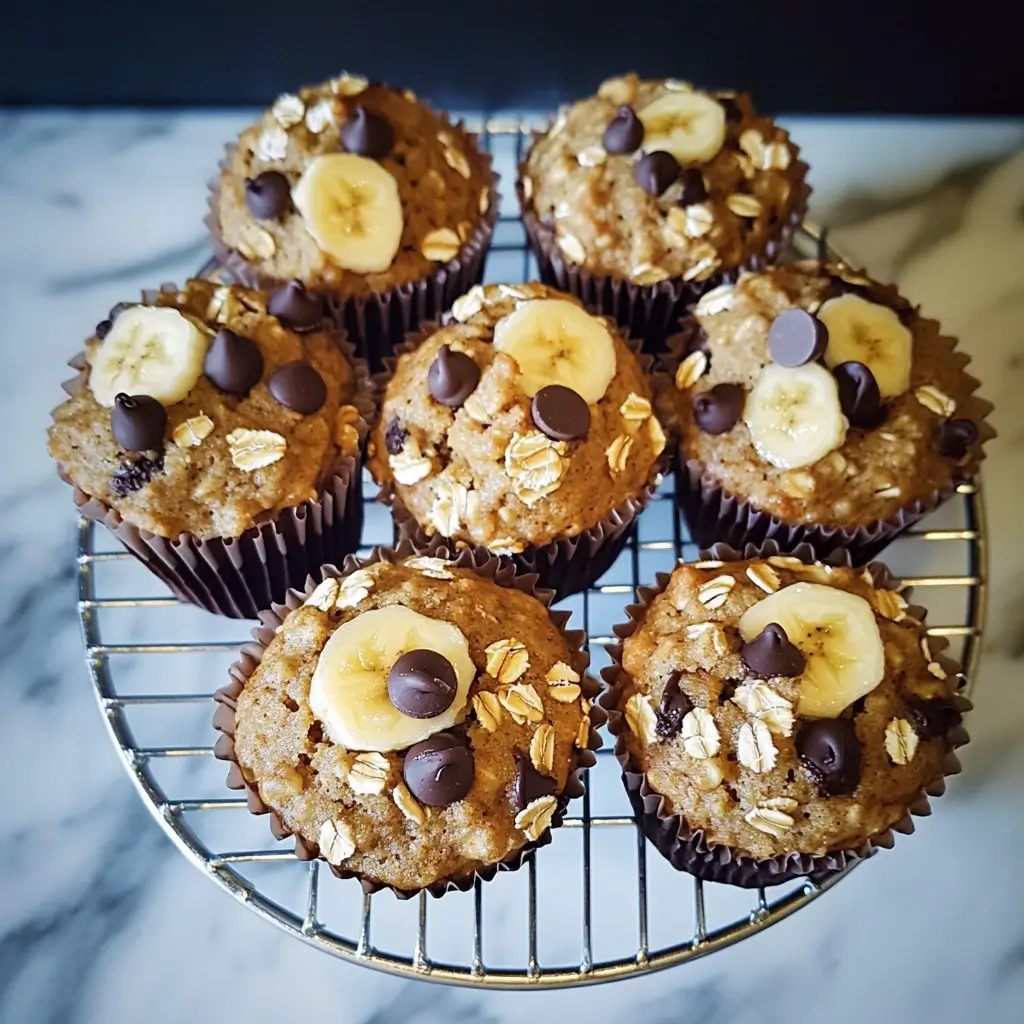

After a week filled with rushed breakfasts and less-than-stellar starts to the day, I decided our family needed a morning upgrade. Something wholesome, delicious, and – let’s be honest – enticing enough to get everyone out of bed with a smile. That’s when I stumbled upon this recipe for Healthy Banana Oatmeal Muffins with Chocolate Chips. The name itself was promising, hinting at both health and indulgence. And let me tell you, these muffins delivered in spades! From the moment the warm, comforting aroma of cinnamon and banana filled the kitchen, I knew we were onto a winner. The kids, usually picky eaters in the morning, were practically hovering as I pulled the first batch from the oven, their eyes wide with anticipation at the sight of those melty chocolate chips peeking out from the golden tops. And the taste? Oh my goodness, the taste! These muffins are unbelievably moist and fluffy, with the perfect balance of sweet banana, hearty oats, and rich chocolate. They’re not overly sugary, which is a huge plus for me, and you can genuinely taste the goodness of the whole grains. Even my husband, who usually prefers savory breakfasts, devoured two before I could even blink. These Healthy Banana Oatmeal Muffins have become a weekend staple in our house, and I’m so excited to share this fantastic recipe with you. Get ready to transform your mornings with these delightful treats!
Ingredients
This recipe for Healthy Banana Oatmeal Muffins is crafted with simple, wholesome ingredients that you likely already have in your pantry. Each ingredient plays a crucial role in creating the perfect texture and flavor, resulting in muffins that are both nutritious and incredibly delicious. Let’s break down each component and explore why they are essential:
- 1 1/2 cups Flour (We use this one for gluten-free): Flour forms the structural backbone of our muffins, providing the necessary framework for them to rise and hold their shape. The recipe calls for 1 ½ cups, offering a balance between structure and tenderness. The note about using gluten-free flour opens up this recipe to those with dietary restrictions, showcasing its versatility.
- All-Purpose Flour: For classic muffins, all-purpose flour works beautifully. It provides a good balance of protein and starch, resulting in muffins that are both fluffy and slightly chewy.
- Gluten-Free Flour Blend: If you’re gluten-free, using a high-quality gluten-free all-purpose flour blend is key. Look for blends that contain a mix of flours like rice flour, tapioca starch, and potato starch, and ideally include a binder like xanthan gum or guar gum to mimic the elasticity of gluten. Using a blend specifically designed for baking will yield the best results in terms of texture and rise.
- Whole Wheat Flour: For an even healthier twist and a nuttier flavor, you can substitute up to half of the all-purpose flour with whole wheat flour. Whole wheat flour is richer in fiber and nutrients. However, be aware that it can make the muffins slightly denser. If using whole wheat, you may need to add a tablespoon or two of extra liquid to maintain the desired moistness.
- 1 cup plus 2 tablespoons Rolled Oats: Rolled oats are the star ingredient that truly elevates these muffins from ordinary to extraordinary. They bring a wonderful chewy texture, a subtle nutty flavor, and a significant boost of fiber. The recipe specifically calls for rolled oats, and there’s a good reason for that.
- Rolled Oats (Old-Fashioned Oats): These are the ideal choice for this recipe. Rolled oats have been steamed and flattened, which helps them absorb moisture and soften during baking, contributing to the muffins’ moistness and pleasant chew. They also retain some of their texture, providing a delightful bite in each muffin.
- Quick-Cooking Oats: While you can use quick-cooking oats in a pinch, the texture will be slightly different. Quick-cooking oats are more finely processed and will break down more during baking, resulting in a less chewy and potentially slightly mushier muffin. If using quick-cooking oats, you might want to reduce the amount slightly (perhaps by a tablespoon or two) to avoid overly soft muffins.
- Steel-Cut Oats: Steel-cut oats are not recommended for this recipe. They are much less processed and require significantly longer cooking times. They won’t soften sufficiently during the muffin baking process and will likely remain hard and gritty.
- 2 teaspoons Baking Powder: Baking powder is a chemical leavening agent that is essential for creating light and fluffy muffins. It releases carbon dioxide gas when combined with liquid and heat, causing the batter to rise and creating air pockets that result in a tender crumb. Two teaspoons is the perfect amount to give these muffins a good lift without making them overly airy.
- Double-Acting Baking Powder: Most baking powder available today is double-acting, meaning it reacts in two stages: once when it’s mixed with liquid and again when it’s heated in the oven. This ensures a consistent rise and prevents the muffins from collapsing.
- Freshness is Key: Baking powder loses its potency over time, so it’s important to use fresh baking powder for the best results. If you’re unsure about its freshness, you can test it by adding a teaspoon to a half cup of hot water. If it fizzes vigorously, it’s still active.
- 1/2 teaspoon Baking Soda: Baking soda, another leavening agent, works in conjunction with baking powder to create the perfect muffin texture. Baking soda requires an acidic ingredient to activate, and in this recipe, the brown sugar and bananas provide that acidity. It helps to create a tender crumb and also contributes to browning.
- Balancing Acidity: Baking soda is a powerful leavening agent, so it’s crucial to use the correct amount. Too much baking soda can result in a metallic taste and a coarse texture. The ½ teaspoon in this recipe is perfectly balanced with the other ingredients.
- Don’t Overmix: Overmixing the batter after adding baking soda can cause it to react prematurely and lose its leavening power before baking. Mix just until combined.
- 1/2 teaspoon Salt: Salt is a flavor enhancer that is often overlooked in baking, but it plays a vital role in balancing sweetness and bringing out the other flavors in the muffins. It also helps to control the yeast activity (in recipes that use yeast, but indirectly influences leavening in baking powder recipes).
- Enhancing Flavors: Salt doesn’t just make things salty; it actually enhances sweetness and other flavors. In these muffins, it balances the sweetness of the brown sugar and bananas and complements the cinnamon and chocolate.
- Types of Salt: You can use regular table salt or fine sea salt in this recipe. If using kosher salt, which has larger crystals, you may want to use slightly more to achieve the same level of saltiness.
- 1/2 teaspoon Cinnamon: Cinnamon is a warm, aromatic spice that perfectly complements the flavors of banana and oats. It adds a touch of cozy warmth and enhances the overall deliciousness of the muffins.
- Spice Variations: While cinnamon is classic, you can experiment with other warm spices like nutmeg, cardamom, or ginger. A pinch of ground cloves would also be lovely. For a spicier kick, try a dash of cayenne pepper (especially delicious with dark chocolate).
- Freshness Matters: Spices lose their potency over time, so using fresh cinnamon will provide the best flavor. Store spices in airtight containers in a cool, dark place to maintain their freshness.
- 1/2 cup Brown Sugar: Brown sugar adds sweetness, moisture, and a subtle molasses flavor to the muffins. It also contributes to their tender texture and helps them to brown beautifully.
- Light vs. Dark Brown Sugar: You can use either light or dark brown sugar in this recipe. Dark brown sugar has more molasses and a richer flavor. Light brown sugar will result in slightly lighter-colored and less intensely flavored muffins.
- Packed vs. Loose: When measuring brown sugar, it’s important to pack it lightly into the measuring cup. This ensures accurate measurement.
- Sugar Substitutes: If you want to reduce the sugar content, you could experiment with sugar substitutes like coconut sugar, maple syrup, or honey. However, these substitutions may slightly alter the texture and flavor of the muffins. If using liquid sweeteners like maple syrup or honey, you may need to reduce the amount of milk slightly to maintain the right batter consistency.
- 2 Eggs: Eggs play multiple roles in these muffins. They provide structure, richness, moisture, and leavening. They bind the ingredients together and contribute to the muffins’ tender crumb.
- Binding and Structure: The proteins in eggs coagulate when heated, providing structure to the muffins and preventing them from being too crumbly.
- Moisture and Richness: The yolks in eggs add richness and moisture to the muffins, contributing to their tender texture.
- Leavening: Eggs also contribute to leavening, although to a lesser extent than baking powder and baking soda. Whisking the eggs slightly before adding them to the wet ingredients incorporates air, which helps with lift.
- Egg Substitutes: For vegan muffins, you can use flax eggs or applesauce as egg substitutes. To make a flax egg, combine 1 tablespoon of ground flaxseed meal with 3 tablespoons of water and let it sit for 5 minutes to thicken. Applesauce can be used in a 1:1 ratio to replace eggs. However, be aware that egg substitutes may slightly alter the texture and rise of the muffins.
- 3 Overripe Bananas Mashed (about 1 1/2 cups): Overripe bananas are the heart and soul of these muffins. They provide natural sweetness, moisture, and that quintessential banana flavor. Using overripe bananas is crucial as they are sweeter and easier to mash, resulting in the best flavor and texture.
- Ripeness is Key: The riper the bananas, the better! Bananas that are heavily speckled with brown spots are ideal. As bananas ripen, their starch converts to sugar, making them sweeter and more flavorful. They also become softer and easier to mash.
- Mashing Techniques: You can mash bananas with a fork, potato masher, or even an electric mixer on low speed. Slightly chunky bananas are perfectly fine and add a bit of texture to the muffins.
- Freezing Overripe Bananas: If you often have overripe bananas, you can freeze them for future baking. Simply peel them, place them in a freezer-safe bag, and freeze. When ready to use, thaw them completely and drain off any excess liquid before mashing. Frozen and thawed bananas will be even softer and easier to mash.
- 2 teaspoons Vanilla Extract: Vanilla extract enhances the overall flavor profile of the muffins, adding a touch of warmth and complexity. It complements the banana, cinnamon, and chocolate beautifully.
- Pure Vanilla Extract vs. Imitation: Pure vanilla extract is made from real vanilla beans and has a richer, more complex flavor than imitation vanilla. While imitation vanilla is less expensive, pure vanilla extract is worth the investment for its superior flavor.
- Vanilla Bean Paste: For an even more intense vanilla flavor, you can use vanilla bean paste. It contains vanilla bean seeds and provides a more pronounced vanilla flavor and visual appeal.
- Other Extracts: You can experiment with other extracts like almond extract (use sparingly as it’s strong) or banana extract to enhance the banana flavor.
- 5 tablespoons Butter or Coconut Oil Melted: Melted butter or coconut oil adds richness, moisture, and tenderness to the muffins. The choice between butter and coconut oil depends on your preference and dietary needs.
- Butter: Butter provides a classic rich flavor and tender texture. Using melted butter ensures that it’s evenly distributed throughout the batter. You can use unsalted or salted butter; if using salted butter, you may want to reduce the added salt slightly.
- Coconut Oil: Coconut oil is a vegan option that also adds moisture and a subtle coconut flavor. Refined coconut oil has a more neutral flavor, while unrefined (virgin) coconut oil has a more pronounced coconut taste. Make sure to melt the coconut oil completely before adding it to the batter.
- Other Oil Options: You can also use other neutral-flavored oils like vegetable oil, canola oil, or avocado oil. These oils will provide moisture but less flavor compared to butter or coconut oil.
- 1/2 cup Milk (Whole milk or your favorite dairy-free option): Milk adds moisture to the batter and helps to bring all the ingredients together. The recipe offers flexibility by suggesting whole milk or a dairy-free alternative, catering to different dietary preferences.
- Whole Milk: Whole milk provides richness and a creamy texture. It’s a classic choice for baking and contributes to the muffins’ moistness.
- Dairy-Free Milk Options: There are many excellent dairy-free milk options available, such as almond milk, soy milk, oat milk, and coconut milk (from a carton, not canned coconut milk). Oat milk and soy milk often have a creamier texture similar to whole milk and work well in baking. Almond milk is a lighter option, and coconut milk can add a subtle coconut flavor.
- Buttermilk: For extra tangy flavor and tenderness, you can substitute buttermilk for regular milk. Buttermilk is slightly acidic and reacts with baking soda to create a very tender crumb.
- 1 cup Dark Chocolate Chips: Dark chocolate chips add a delightful burst of rich, bittersweet chocolate to balance the sweetness of the banana and oats. The amount of chocolate chips can be adjusted to your preference.
- Dark Chocolate vs. Milk Chocolate: Dark chocolate provides a more intense chocolate flavor and is often considered healthier than milk chocolate due to its higher cocoa content and lower sugar content. Milk chocolate will result in sweeter muffins.
- Chocolate Chip Variations: You can use semi-sweet chocolate chips, milk chocolate chips, or even white chocolate chips depending on your taste. Chopped chocolate bars can also be used for a more rustic and melty chocolate experience.
- Add-ins: Feel free to get creative and add other mix-ins along with or instead of chocolate chips. Chopped nuts (walnuts, pecans), dried cranberries, raisins, or even shredded coconut would be delicious additions.
By understanding the role of each ingredient and exploring the suggested variations, you can customize this recipe to perfectly suit your taste and dietary needs, ensuring delicious and healthy banana oatmeal muffins every time!
Instructions
Creating these Healthy Banana Oatmeal Muffins is a breeze, even for beginner bakers. Follow these simple, step-by-step instructions to bake up a batch of moist, fluffy, and utterly irresistible muffins:
- Preheat the oven to 350°F (175°C). The first and most crucial step is to preheat your oven. This ensures that the oven is at the correct temperature when you place the muffins inside, allowing them to bake evenly and rise properly. Set the oven rack to the middle position for optimal heat distribution.
- Oven Thermometer: Ovens can sometimes be inaccurate, so using an oven thermometer to verify the temperature is a good idea, especially if you’re new to baking or having inconsistent results.
- Whisk together the flour, 1 cup of the oats, baking powder, baking soda, salt, and cinnamon in a small bowl and set aside. In a separate small bowl, combine all the dry ingredients. Whisking them together ensures that they are evenly distributed, which is important for consistent leavening and flavor throughout the muffins. Setting aside the dry ingredients separately prevents overmixing later.
- Sifting Dry Ingredients (Optional): If you want an even lighter texture, you can sift the dry ingredients together before whisking. Sifting helps to remove any lumps and aerates the flour. However, for this recipe, whisking is usually sufficient.
- Measure Accurately: Accurate measurements are crucial in baking. Use measuring cups and spoons specifically designed for baking. For flour, spoon it into the measuring cup and level it off with a straight edge (don’t scoop the flour directly from the bag, as this can pack it down and result in too much flour).
- In a large bowl, add the brown sugar, eggs, mashed bananas, butter or oil, milk, and vanilla and whisk or beat with an electric or stand mixer until fully combined. In a large bowl, combine all the wet ingredients. Using an electric mixer (handheld or stand mixer) or simply a whisk, mix the wet ingredients until they are well combined. The goal is to create a smooth and homogenous mixture.
- Room Temperature Ingredients: While not absolutely essential for this recipe, using room temperature eggs and milk can help the wet ingredients combine more easily and create a smoother batter.
- Don’t Overmix Wet Ingredients: Mix the wet ingredients just until combined. Overmixing at this stage isn’t as critical as overmixing after adding the dry ingredients, but it’s still good practice to avoid excessive mixing.
- Add the flour mixture to the egg mixture 1/2 cup at a time, beating continuously, until smooth, then stir in the chocolate chips. Gradually add the dry ingredient mixture to the wet ingredient mixture, about ½ cup at a time. Beat continuously on low speed (if using a mixer) or gently fold with a spatula until just combined. It’s important to add the dry ingredients gradually and mix gently to avoid developing too much gluten, which can result in tough muffins. Once the batter is smooth and just combined, gently fold in the chocolate chips.
- Gentle Mixing is Key: Overmixing the batter after adding the dry ingredients is the most common mistake in muffin baking. Overmixing develops gluten, which leads to tough, dense, and tunnelled muffins. Mix just until the dry ingredients are incorporated and no streaks of flour remain. A few lumps in the batter are okay.
- Folding vs. Beating: When adding the dry ingredients, you can either use a mixer on low speed or fold them in by hand with a spatula. Folding is a gentle technique where you use a spatula to cut down into the batter, across the bottom, and up the side of the bowl, turning the batter over on itself. This is the gentlest mixing method and is ideal for muffins.
- Line 15 muffin tins with parchment baking cups and fill 3/4 of the way with the muffin mixture, then top with the remaining 2 tablespoons of oats. Prepare your muffin tins by lining them with parchment paper liners or greasing them well with cooking spray. Parchment liners make for easy muffin removal and cleanup. Fill each muffin cup about ¾ full with the batter. This allows enough space for the muffins to rise without overflowing. Sprinkle the remaining 2 tablespoons of rolled oats evenly over the tops of the muffins for a decorative touch and added texture.
- Muffin Tin Preparation: Using muffin liners is highly recommended for easy removal and cleanup. If you don’t have liners, grease the muffin tins thoroughly with cooking spray or butter and flour.
- Even Filling: Try to fill the muffin cups evenly so that the muffins bake at the same rate. Using an ice cream scoop or measuring cup can help with even filling.
- Topping Variations: Instead of oats, you can top the muffins with chopped nuts, a sprinkle of brown sugar, or a streusel topping for added flavor and texture.
- Bake for 25 minutes at 350°F (175°C) until a toothpick comes out clean. Bake the muffins in the preheated oven for 20-25 minutes, or until a toothpick inserted into the center of a muffin comes out clean with just a few moist crumbs attached. The baking time may vary slightly depending on your oven and the size of your muffin tins.
- Doneness Test: The toothpick test is the best way to determine if the muffins are done. Insert a toothpick into the center of a muffin. If it comes out clean or with just a few moist crumbs, the muffins are done. If it comes out wet with batter, they need to bake for a few more minutes.
- Avoid Overbaking: Overbaking can make muffins dry and tough. Start checking for doneness around 20 minutes and check again every few minutes until they are done.
- Cooling in the Tin: Once baked, let the muffins cool in the muffin tin for a few minutes before transferring them to a wire rack to cool completely. This prevents them from sticking to the tin and allows them to finish baking gently.
By following these detailed instructions and tips, you’ll be well on your way to baking perfect Healthy Banana Oatmeal Muffins that are sure to impress!
Nutrition Facts
(Per serving, approximate – based on standard ingredients and 15 servings per recipe)
- Serving Size: 1 muffin (recipe makes 15 muffins)
- Calories: Approximately 220-250 calories
- Fat: 8-10g (primarily from butter/oil and chocolate chips)
- Saturated Fat: 4-6g (depending on butter/oil choice)
- Cholesterol: 30-40mg (from eggs)
- Sodium: 150-200mg
- Carbohydrates: 30-35g
- Fiber: 3-4g (from oats and whole grains)
- Sugar: 15-20g (from bananas, brown sugar, and chocolate chips)
- Protein: 4-5g
Important Notes:
- These nutrition facts are estimates and can vary based on specific ingredients used (e.g., type of flour, chocolate chip percentage, dairy-free milk choice).
- Using gluten-free flour or dairy-free milk will alter the nutritional profile slightly.
- These muffins are considered “healthy” due to the inclusion of whole grains (oats), fiber, and fruit (bananas). However, they are still muffins and contain sugar and fat. Enjoy in moderation as part of a balanced diet.
Preparation Time
- Prep Time: 15 minutes
- Cook Time: 25 minutes
- Total Time: 40 minutes
These muffins are wonderfully quick to prepare, making them perfect for busy mornings or last-minute baking cravings. The active prep time is minimal, mainly involving measuring ingredients and mixing the batter. The majority of the time is hands-off baking in the oven, allowing you to multitask while the muffins are baking.
How to Serve
These Healthy Banana Oatmeal Muffins are incredibly versatile and can be enjoyed in countless ways. Here are some delicious serving suggestions:
- Warm from the Oven: There’s nothing quite like enjoying a freshly baked muffin while it’s still warm. Let them cool slightly after baking and savor the melt-in-your-mouth texture and comforting warmth.
- Breakfast on the Go: These muffins are perfect for a quick and nutritious breakfast, especially when you’re short on time. Grab a muffin and a piece of fruit for a balanced and satisfying morning meal.
- Mid-Morning or Afternoon Snack: Keep a batch of these muffins on hand for healthy and delicious snacks throughout the day. They provide sustained energy thanks to the oats and fiber, making them a much better choice than processed snacks.
- Paired with Yogurt and Fruit: For a more substantial and balanced breakfast or brunch, serve a muffin alongside a bowl of Greek yogurt or regular yogurt and a medley of fresh berries or sliced fruit.
- With a Warm Beverage: Enjoy a muffin with a cup of coffee, tea, or hot chocolate for a cozy and comforting treat, especially on a chilly morning or evening.
- Dessert with a Scoop of Ice Cream: While these muffins are healthy enough for breakfast, they can also be enjoyed as a lighter dessert. Warm a muffin slightly and top it with a scoop of vanilla ice cream or frozen yogurt for a simple and satisfying sweet ending to a meal.
- Lunchbox Treat: Pack a muffin in your lunchbox or your kids’ lunchboxes for a wholesome and homemade treat that’s sure to be enjoyed.
- Potlucks and Gatherings: These muffins are always a crowd-pleaser and are easy to transport, making them a great option for potlucks, brunches, or casual gatherings.
Additional Tips for Perfect Banana Oatmeal Muffins
To ensure your Healthy Banana Oatmeal Muffins are always a success, here are five additional tips to keep in mind:
- Don’t Overmix the Batter: As mentioned earlier, overmixing is the biggest culprit for tough muffins. Mix the batter just until the dry ingredients are incorporated. A few lumps are perfectly fine. Gentle mixing is key to tender muffins.
- Use Ripe Bananas: Overripe bananas are essential for the best flavor and moisture. Look for bananas that are heavily speckled with brown spots. The riper they are, the sweeter and more flavorful your muffins will be. If you have ripe bananas you’re not ready to use, freeze them for later baking.
- Measure Ingredients Accurately: Baking is a science, and accurate measurements are crucial for consistent results. Use measuring cups and spoons specifically designed for baking and follow the measuring instructions (like packing brown sugar lightly).
- Don’t Overfill Muffin Cups: Fill muffin cups about ¾ full to allow space for the muffins to rise without overflowing. Overfilling can also lead to muffins that are domed and cracked.
- Cool Completely Before Storing: Allow the muffins to cool completely on a wire rack before storing them in an airtight container. Storing warm muffins can create condensation, which can make them soggy. Store at room temperature for 2-3 days or in the refrigerator for up to a week. For longer storage, freeze the muffins in an airtight container or freezer bag for up to 2-3 months.
FAQ Section (Ingredients)
Q1: Can I substitute quick-cooking oats for rolled oats in this recipe?
A: While rolled oats are recommended for their texture, you can use quick-cooking oats in a pinch. However, the texture will be slightly different. Quick-cooking oats are more finely processed and will result in a less chewy muffin, potentially a bit softer or mushier. If using quick-cooking oats, you might reduce the amount slightly (by a tablespoon or two).
Q2: Can I use a different type of flour, like whole wheat or almond flour?
A: Yes, you can experiment with different flours! For a healthier option, you can substitute up to half of the all-purpose flour with whole wheat flour. This will add a nuttier flavor and more fiber, but may make the muffins slightly denser. Almond flour is gluten-free and will result in a very moist and slightly denser muffin with a nutty flavor. However, almond flour absorbs more liquid, so you might need to adjust the liquid in the recipe. It’s best to start with replacing only a portion of the all-purpose flour with almond flour and experiment.
Q3: Can I use a sugar substitute instead of brown sugar?
A: Yes, you can use sugar substitutes. Coconut sugar, maple syrup, or honey are good alternatives. Coconut sugar is a 1:1 substitute for brown sugar and has a similar flavor profile. If using maple syrup or honey (liquid sweeteners), reduce the milk slightly to maintain the batter consistency. Artificial sweeteners like stevia or erythritol can also be used, but may alter the texture slightly and might not provide the same moistness as brown sugar.
Q4: Can I make these muffins vegan by replacing the eggs and milk?
A: Absolutely! To make vegan banana oatmeal muffins, replace the eggs with flax eggs (1 tablespoon ground flaxseed meal + 3 tablespoons water, let sit for 5 minutes) or applesauce (1/4 cup applesauce per egg). Substitute the milk with your favorite dairy-free milk option like almond milk, soy milk, or oat milk. Make sure to use coconut oil instead of butter to keep the recipe entirely plant-based.
Q5: What can I use instead of chocolate chips if I don’t have any?
A: There are many delicious alternatives to chocolate chips! You can use chopped nuts (walnuts, pecans, almonds), dried fruits (raisins, cranberries, chopped dates), seeds (sunflower seeds, pumpkin seeds), or even shredded coconut. For a chocolatey flavor without chips, you could add a tablespoon or two of cocoa powder to the dry ingredients (you might need to increase the liquid slightly if adding cocoa powder). You can also use other types of baking chips like butterscotch chips, peanut butter chips, or white chocolate chips for different flavor combinations.
Print
Healthy Banana Oatmeal Muffins Recipe
Ingredients
- 1 1/2 cups Flour (We use this one for gluten-free): Flour forms the structural backbone of our muffins, providing the necessary framework for them to rise and hold their shape. The recipe calls for 1 ½ cups, offering a balance between structure and tenderness. The note about using gluten-free flour opens up this recipe to those with dietary restrictions, showcasing its versatility.
- All-Purpose Flour: For classic muffins, all-purpose flour works beautifully. It provides a good balance of protein and starch, resulting in muffins that are both fluffy and slightly chewy.
- Gluten-Free Flour Blend: If you’re gluten-free, using a high-quality gluten-free all-purpose flour blend is key. Look for blends that contain a mix of flours like rice flour, tapioca starch, and potato starch, and ideally include a binder like xanthan gum or guar gum to mimic the elasticity of gluten. Using a blend specifically designed for baking will yield the best results in terms of texture and rise.
- Whole Wheat Flour: For an even healthier twist and a nuttier flavor, you can substitute up to half of the all-purpose flour with whole wheat flour. Whole wheat flour is richer in fiber and nutrients. However, be aware that it can make the muffins slightly denser. If using whole wheat, you may need to add a tablespoon or two of extra liquid to maintain the desired moistness.
- 1 cup plus 2 tablespoons Rolled Oats: Rolled oats are the star ingredient that truly elevates these muffins from ordinary to extraordinary. They bring a wonderful chewy texture, a subtle nutty flavor, and a significant boost of fiber. The recipe specifically calls for rolled oats, and there’s a good reason for that.
- Rolled Oats (Old-Fashioned Oats): These are the ideal choice for this recipe. Rolled oats have been steamed and flattened, which helps them absorb moisture and soften during baking, contributing to the muffins’ moistness and pleasant chew. They also retain some of their texture, providing a delightful bite in each muffin.
- Quick-Cooking Oats: While you can use quick-cooking oats in a pinch, the texture will be slightly different. Quick-cooking oats are more finely processed and will break down more during baking, resulting in a less chewy and potentially slightly mushier muffin. If using quick-cooking oats, you might want to reduce the amount slightly (perhaps by a tablespoon or two) to avoid overly soft muffins.
- Steel-Cut Oats: Steel-cut oats are not recommended for this recipe. They are much less processed and require significantly longer cooking times. They won’t soften sufficiently during the muffin baking process and will likely remain hard and gritty.
- 2 teaspoons Baking Powder: Baking powder is a chemical leavening agent that is essential for creating light and fluffy muffins. It releases carbon dioxide gas when combined with liquid and heat, causing the batter to rise and creating air pockets that result in a tender crumb. Two teaspoons is the perfect amount to give these muffins a good lift without making them overly airy.
- Double-Acting Baking Powder: Most baking powder available today is double-acting, meaning it reacts in two stages: once when it’s mixed with liquid and again when it’s heated in the oven. This ensures a consistent rise and prevents the muffins from collapsing.
- Freshness is Key: Baking powder loses its potency over time, so it’s important to use fresh baking powder for the best results. If you’re unsure about its freshness, you can test it by adding a teaspoon to a half cup of hot water. If it fizzes vigorously, it’s still active.
- 1/2 teaspoon Baking Soda: Baking soda, another leavening agent, works in conjunction with baking powder to create the perfect muffin texture. Baking soda requires an acidic ingredient to activate, and in this recipe, the brown sugar and bananas provide that acidity. It helps to create a tender crumb and also contributes to browning.
- Balancing Acidity: Baking soda is a powerful leavening agent, so it’s crucial to use the correct amount. Too much baking soda can result in a metallic taste and a coarse texture. The ½ teaspoon in this recipe is perfectly balanced with the other ingredients.
- Don’t Overmix: Overmixing the batter after adding baking soda can cause it to react prematurely and lose its leavening power before baking. Mix just until combined.
- 1/2 teaspoon Salt: Salt is a flavor enhancer that is often overlooked in baking, but it plays a vital role in balancing sweetness and bringing out the other flavors in the muffins. It also helps to control the yeast activity (in recipes that use yeast, but indirectly influences leavening in baking powder recipes).
- Enhancing Flavors: Salt doesn’t just make things salty; it actually enhances sweetness and other flavors. In these muffins, it balances the sweetness of the brown sugar and bananas and complements the cinnamon and chocolate.
- Types of Salt: You can use regular table salt or fine sea salt in this recipe. If using kosher salt, which has larger crystals, you may want to use slightly more to achieve the same level of saltiness.
- 1/2 teaspoon Cinnamon: Cinnamon is a warm, aromatic spice that perfectly complements the flavors of banana and oats. It adds a touch of cozy warmth and enhances the overall deliciousness of the muffins.
- Spice Variations: While cinnamon is classic, you can experiment with other warm spices like nutmeg, cardamom, or ginger. A pinch of ground cloves would also be lovely. For a spicier kick, try a dash of cayenne pepper (especially delicious with dark chocolate).
- Freshness Matters: Spices lose their potency over time, so using fresh cinnamon will provide the best flavor. Store spices in airtight containers in a cool, dark place to maintain their freshness.
- 1/2 cup Brown Sugar: Brown sugar adds sweetness, moisture, and a subtle molasses flavor to the muffins. It also contributes to their tender texture and helps them to brown beautifully.
- Light vs. Dark Brown Sugar: You can use either light or dark brown sugar in this recipe. Dark brown sugar has more molasses and a richer flavor. Light brown sugar will result in slightly lighter-colored and less intensely flavored muffins.
- Packed vs. Loose: When measuring brown sugar, it’s important to pack it lightly into the measuring cup. This ensures accurate measurement.
- Sugar Substitutes: If you want to reduce the sugar content, you could experiment with sugar substitutes like coconut sugar, maple syrup, or honey. However, these substitutions may slightly alter the texture and flavor of the muffins. If using liquid sweeteners like maple syrup or honey, you may need to reduce the amount of milk slightly to maintain the right batter consistency.
- 2 Eggs: Eggs play multiple roles in these muffins. They provide structure, richness, moisture, and leavening. They bind the ingredients together and contribute to the muffins’ tender crumb.
- Binding and Structure: The proteins in eggs coagulate when heated, providing structure to the muffins and preventing them from being too crumbly.
- Moisture and Richness: The yolks in eggs add richness and moisture to the muffins, contributing to their tender texture.
- Leavening: Eggs also contribute to leavening, although to a lesser extent than baking powder and baking soda. Whisking the eggs slightly before adding them to the wet ingredients incorporates air, which helps with lift.
- Egg Substitutes: For vegan muffins, you can use flax eggs or applesauce as egg substitutes. To make a flax egg, combine 1 tablespoon of ground flaxseed meal with 3 tablespoons of water and let it sit for 5 minutes to thicken. Applesauce can be used in a 1:1 ratio to replace eggs. However, be aware that egg substitutes may slightly alter the texture and rise of the muffins.
- 3 Overripe Bananas Mashed (about 1 1/2 cups): Overripe bananas are the heart and soul of these muffins. They provide natural sweetness, moisture, and that quintessential banana flavor. Using overripe bananas is crucial as they are sweeter and easier to mash, resulting in the best flavor and texture.
- Ripeness is Key: The riper the bananas, the better! Bananas that are heavily speckled with brown spots are ideal. As bananas ripen, their starch converts to sugar, making them sweeter and more flavorful. They also become softer and easier to mash.
- Mashing Techniques: You can mash bananas with a fork, potato masher, or even an electric mixer on low speed. Slightly chunky bananas are perfectly fine and add a bit of texture to the muffins.
- Freezing Overripe Bananas: If you often have overripe bananas, you can freeze them for future baking. Simply peel them, place them in a freezer-safe bag, and freeze. When ready to use, thaw them completely and drain off any excess liquid before mashing. Frozen and thawed bananas will be even softer and easier to mash.
- 2 teaspoons Vanilla Extract: Vanilla extract enhances the overall flavor profile of the muffins, adding a touch of warmth and complexity. It complements the banana, cinnamon, and chocolate beautifully.
- Pure Vanilla Extract vs. Imitation: Pure vanilla extract is made from real vanilla beans and has a richer, more complex flavor than imitation vanilla. While imitation vanilla is less expensive, pure vanilla extract is worth the investment for its superior flavor.
- Vanilla Bean Paste: For an even more intense vanilla flavor, you can use vanilla bean paste. It contains vanilla bean seeds and provides a more pronounced vanilla flavor and visual appeal.
- Other Extracts: You can experiment with other extracts like almond extract (use sparingly as it’s strong) or banana extract to enhance the banana flavor.
- 5 tablespoons Butter or Coconut Oil Melted: Melted butter or coconut oil adds richness, moisture, and tenderness to the muffins. The choice between butter and coconut oil depends on your preference and dietary needs.
- Butter: Butter provides a classic rich flavor and tender texture. Using melted butter ensures that it’s evenly distributed throughout the batter. You can use unsalted or salted butter; if using salted butter, you may want to reduce the added salt slightly.
- Coconut Oil: Coconut oil is a vegan option that also adds moisture and a subtle coconut flavor. Refined coconut oil has a more neutral flavor, while unrefined (virgin) coconut oil has a more pronounced coconut taste. Make sure to melt the coconut oil completely before adding it to the batter.
- Other Oil Options: You can also use other neutral-flavored oils like vegetable oil, canola oil, or avocado oil. These oils will provide moisture but less flavor compared to butter or coconut oil.
- 1/2 cup Milk (Whole milk or your favorite dairy-free option): Milk adds moisture to the batter and helps to bring all the ingredients together. The recipe offers flexibility by suggesting whole milk or a dairy-free alternative, catering to different dietary preferences.
- Whole Milk: Whole milk provides richness and a creamy texture. It’s a classic choice for baking and contributes to the muffins’ moistness.
- Dairy-Free Milk Options: There are many excellent dairy-free milk options available, such as almond milk, soy milk, oat milk, and coconut milk (from a carton, not canned coconut milk). Oat milk and soy milk often have a creamier texture similar to whole milk and work well in baking. Almond milk is a lighter option, and coconut milk can add a subtle coconut flavor.
- Buttermilk: For extra tangy flavor and tenderness, you can substitute buttermilk for regular milk. Buttermilk is slightly acidic and reacts with baking soda to create a very tender crumb.
- 1 cup Dark Chocolate Chips: Dark chocolate chips add a delightful burst of rich, bittersweet chocolate to balance the sweetness of the banana and oats. The amount of chocolate chips can be adjusted to your preference.
- Dark Chocolate vs. Milk Chocolate: Dark chocolate provides a more intense chocolate flavor and is often considered healthier than milk chocolate due to its higher cocoa content and lower sugar content. Milk chocolate will result in sweeter muffins.
- Chocolate Chip Variations: You can use semi-sweet chocolate chips, milk chocolate chips, or even white chocolate chips depending on your taste. Chopped chocolate bars can also be used for a more rustic and melty chocolate experience.
- Add-ins: Feel free to get creative and add other mix-ins along with or instead of chocolate chips. Chopped nuts (walnuts, pecans), dried cranberries, raisins, or even shredded coconut would be delicious additions.
Instructions
- Preheat the oven to 350°F (175°C). The first and most crucial step is to preheat your oven. This ensures that the oven is at the correct temperature when you place the muffins inside, allowing them to bake evenly and rise properly. Set the oven rack to the middle position for optimal heat distribution.
- Oven Thermometer: Ovens can sometimes be inaccurate, so using an oven thermometer to verify the temperature is a good idea, especially if you’re new to baking or having inconsistent results.
- Whisk together the flour, 1 cup of the oats, baking powder, baking soda, salt, and cinnamon in a small bowl and set aside. In a separate small bowl, combine all the dry ingredients. Whisking them together ensures that they are evenly distributed, which is important for consistent leavening and flavor throughout the muffins. Setting aside the dry ingredients separately prevents overmixing later.
- Sifting Dry Ingredients (Optional): If you want an even lighter texture, you can sift the dry ingredients together before whisking. Sifting helps to remove any lumps and aerates the flour. However, for this recipe, whisking is usually sufficient.
- Measure Accurately: Accurate measurements are crucial in baking. Use measuring cups and spoons specifically designed for baking. For flour, spoon it into the measuring cup and level it off with a straight edge (don’t scoop the flour directly from the bag, as this can pack it down and result in too much flour).
- In a large bowl, add the brown sugar, eggs, mashed bananas, butter or oil, milk, and vanilla and whisk or beat with an electric or stand mixer until fully combined. In a large bowl, combine all the wet ingredients. Using an electric mixer (handheld or stand mixer) or simply a whisk, mix the wet ingredients until they are well combined. The goal is to create a smooth and homogenous mixture.
- Room Temperature Ingredients: While not absolutely essential for this recipe, using room temperature eggs and milk can help the wet ingredients combine more easily and create a smoother batter.
- Don’t Overmix Wet Ingredients: Mix the wet ingredients just until combined. Overmixing at this stage isn’t as critical as overmixing after adding the dry ingredients, but it’s still good practice to avoid excessive mixing.
- Add the flour mixture to the egg mixture 1/2 cup at a time, beating continuously, until smooth, then stir in the chocolate chips. Gradually add the dry ingredient mixture to the wet ingredient mixture, about ½ cup at a time. Beat continuously on low speed (if using a mixer) or gently fold with a spatula until just combined. It’s important to add the dry ingredients gradually and mix gently to avoid developing too much gluten, which can result in tough muffins. Once the batter is smooth and just combined, gently fold in the chocolate chips.
- Gentle Mixing is Key: Overmixing the batter after adding the dry ingredients is the most common mistake in muffin baking. Overmixing develops gluten, which leads to tough, dense, and tunnelled muffins. Mix just until the dry ingredients are incorporated and no streaks of flour remain. A few lumps in the batter are okay.
- Folding vs. Beating: When adding the dry ingredients, you can either use a mixer on low speed or fold them in by hand with a spatula. Folding is a gentle technique where you use a spatula to cut down into the batter, across the bottom, and up the side of the bowl, turning the batter over on itself. This is the gentlest mixing method and is ideal for muffins.
- Line 15 muffin tins with parchment baking cups and fill 3/4 of the way with the muffin mixture, then top with the remaining 2 tablespoons of oats. Prepare your muffin tins by lining them with parchment paper liners or greasing them well with cooking spray. Parchment liners make for easy muffin removal and cleanup. Fill each muffin cup about ¾ full with the batter. This allows enough space for the muffins to rise without overflowing. Sprinkle the remaining 2 tablespoons of rolled oats evenly over the tops of the muffins for a decorative touch and added texture.
- Muffin Tin Preparation: Using muffin liners is highly recommended for easy removal and cleanup. If you don’t have liners, grease the muffin tins thoroughly with cooking spray or butter and flour.
- Even Filling: Try to fill the muffin cups evenly so that the muffins bake at the same rate. Using an ice cream scoop or measuring cup can help with even filling.
- Topping Variations: Instead of oats, you can top the muffins with chopped nuts, a sprinkle of brown sugar, or a streusel topping for added flavor and texture.
- Bake for 25 minutes at 350°F (175°C) until a toothpick comes out clean. Bake the muffins in the preheated oven for 20-25 minutes, or until a toothpick inserted into the center of a muffin comes out clean with just a few moist crumbs attached. The baking time may vary slightly depending on your oven and the size of your muffin tins.
- Doneness Test: The toothpick test is the best way to determine if the muffins are done. Insert a toothpick into the center of a muffin. If it comes out clean or with just a few moist crumbs, the muffins are done. If it comes out wet with batter, they need to bake for a few more minutes.
- Avoid Overbaking: Overbaking can make muffins dry and tough. Start checking for doneness around 20 minutes and check again every few minutes until they are done.
- Cooling in the Tin: Once baked, let the muffins cool in the muffin tin for a few minutes before transferring them to a wire rack to cool completely. This prevents them from sticking to the tin and allows them to finish baking gently.
Nutrition
- Serving Size: One Normal Portion
- Calories: 220-250
- Sugar: 15-20g
- Sodium: 150-200mg
- Fat: 8-10g
- Saturated Fat: 4-6g
- Carbohydrates: 30-35g
- Fiber: 3-4g
- Protein: 4-5g
- Cholesterol: 30-40mg