
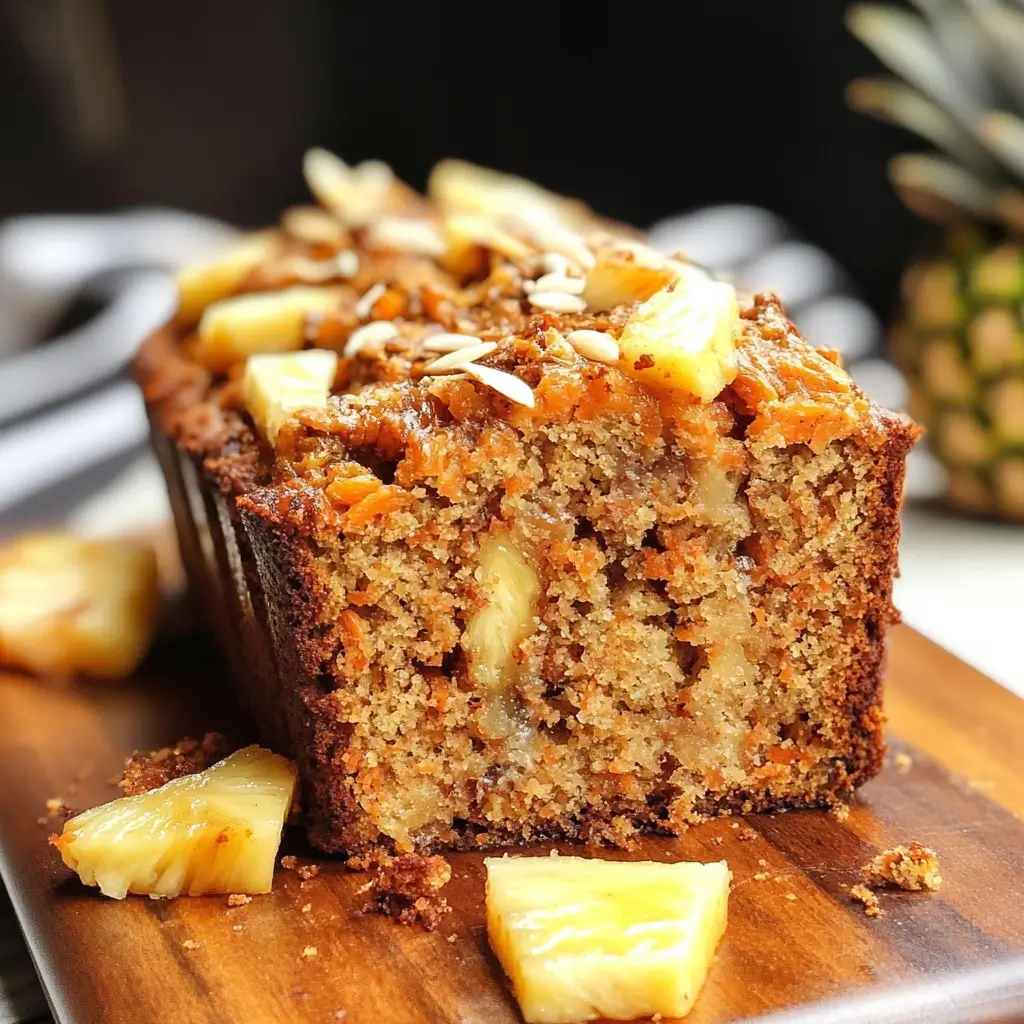
There are some smells that instantly transport you to a place of comfort, warmth, and pure, unadulterated joy. For me, the scent of cinnamon, nutmeg, and ginger mingling with the subtle sweetness of carrots baking in the oven is high on that list. This Healthy Carrot Cake Bread Loaf with Pineapple isn’t just another recipe in my collection; it’s become a beloved staple, a testament to the fact that “healthy” and “utterly delicious” can absolutely coexist. I remember the first time I tested this recipe, tweaking the ingredients to maximize flavor while keeping the nutritional profile in check. My goal was a moist, tender loaf packed with wholesome goodness, avoiding the excessive sugar and fat often found in traditional carrot cakes. The addition of pineapple was a game-changer, lending natural sweetness and incredible moisture that keeps the bread tender for days. When I finally pulled that first perfect loaf from the oven, golden brown and fragrant, I knew I had a winner. The real test, however, was the family. My kids, usually skeptical of anything overtly labelled “healthy,” devoured their slices, asking for seconds. My husband, a discerning carrot cake aficionado, declared it one of the best he’d tasted – praising its perfect crumb and balanced spice. It’s become our go-to for weekend breakfasts, afternoon snacks with tea, and even a guilt-free dessert. It freezes beautifully, making it perfect for busy weeks, and it fills the house with the most incredible aroma while baking. This recipe isn’t just about making a healthier choice; it’s about creating moments of delicious comfort and sharing something truly special, made with love and good-for-you ingredients. It’s proof that you can indulge your sweet cravings without compromising your wellness goals.
Ingredients You’ll Need for Healthy Carrot Cake Bread
Creating a truly healthy yet delicious carrot cake bread requires a thoughtful selection of ingredients. We’re aiming for moisture, natural sweetness, fiber, and those classic warm spices, all while keeping refined sugars and unhealthy fats to a minimum. Here’s what you’ll need to gather:
- Flours:
- 1 cup (120g) White Whole Wheat Flour (provides fiber and nutrients with a lighter taste than traditional whole wheat)
- ¾ cup (90g) All-Purpose Flour (helps maintain a tender crumb structure)
- Substitution Note: You can experiment with using entirely white whole wheat flour, but the loaf might be slightly denser. A gluten-free 1-to-1 baking blend can also be used for a GF version.
- Leavening Agents:
- 1 ½ teaspoons Baking Powder (ensure it’s fresh for optimal rise)
- ½ teaspoon Baking Soda
- Spices & Salt:
- 1 teaspoon Ground Cinnamon
- ½ teaspoon Ground Nutmeg
- ¼ teaspoon Ground Ginger
- ¼ teaspoon Ground Cloves (optional, but adds depth)
- ½ teaspoon Fine Sea Salt (enhances all the flavors)
- Wet Ingredients:
- 2 large Eggs (at room temperature for better incorporation)
- ⅓ cup (80ml) Pure Maple Syrup (provides natural sweetness; honey can also be used)
- ¼ cup (60ml) Light Olive Oil or Melted Coconut Oil (choose a neutral-flavored oil)
- ½ cup (120g) Unsweetened Applesauce (replaces some oil, adding moisture and reducing fat)
- ½ cup (115g) Plain Greek Yogurt (0% or 2% fat; adds protein, moisture, and tenderness – ensure it’s at room temperature)
- 1 teaspoon Pure Vanilla Extract
- The Stars of the Show:
- 1 ½ cups (about 180-200g) Finely Shredded Carrots (packed; about 2-3 medium carrots)
- ½ cup (110g) Crushed Pineapple, VERY well-drained (canned in juice, not syrup; press out excess liquid firmly)
- Optional Add-Ins:
- ½ cup (60g) Chopped Walnuts or Pecans (toasted lightly for extra flavor, if desired)
- ½ cup (75g) Raisins or Dried Cranberries (optional, for extra sweetness and chewiness)
- ¼ cup Unsweetened Shredded Coconut (optional, for texture and flavour)
Why These Ingredients Work for a Healthy Loaf:
- Whole Wheat Flour: Boosts fiber content compared to using only all-purpose flour.
- Maple Syrup: A less refined sweetener than white sugar, offering some minerals.
- Applesauce & Greek Yogurt: Significantly reduce the amount of oil needed, cutting down on fat and calories while providing exceptional moisture and a protein boost (from the yogurt).
- Carrots & Pineapple: Packed with vitamins, fiber, and natural sweetness, reducing the need for added sugars.
- Controlled Oil: Just enough healthy fat for richness and texture without being excessive.
Step-by-Step Instructions for Baking Perfection
Follow these instructions carefully for a perfectly moist, flavorful, and healthy carrot cake bread loaf every time. Preparation is key, especially ensuring ingredients are at the right temperature and the pineapple is well-drained.
- Preheat and Prepare: Preheat your oven to 350°F (175°C). Grease a standard 9×5 inch loaf pan thoroughly with cooking spray or butter. For easy removal, line the pan with parchment paper, leaving an overhang on the two longer sides to act as handles. Grease the parchment paper as well.
- Whisk Dry Ingredients: In a large mixing bowl, whisk together the white whole wheat flour, all-purpose flour, baking powder, baking soda, cinnamon, nutmeg, ginger, cloves (if using), and salt. Whisking well ensures the leavening agents and spices are evenly distributed, preventing pockets of bitterness or dense spots in the loaf.
- Whisk Wet Ingredients: In a separate medium-sized bowl, whisk together the room temperature large eggs until lightly beaten. Then, whisk in the maple syrup, light olive oil (or melted coconut oil), unsweetened applesauce, plain Greek yogurt, and pure vanilla extract until well combined and smooth. Ensure the Greek yogurt is fully incorporated without lumps. Using room temperature ingredients helps them combine more easily and creates a more uniform batter.
- Combine Wet and Dry: Pour the wet ingredient mixture into the large bowl containing the dry ingredients. Using a rubber spatula or wooden spoon, mix gently until just combined. Be careful not to overmix at this stage; a few streaks of flour remaining are okay. Overmixing develops the gluten in the flour, which can lead to a tough or dense loaf instead of a tender quick bread.
- Fold in the Good Stuff: Add the finely shredded carrots, the very well-drained crushed pineapple, and any optional add-ins you’re using (chopped nuts, raisins, coconut). Gently fold these ingredients into the batter using the spatula, scraping the bottom of the bowl to ensure everything is incorporated. Again, mix only until combined – stop as soon as you no longer see large pockets of dry ingredients or unincorporated add-ins. The batter will be thick.
- Transfer to Pan: Carefully scrape the batter into the prepared loaf pan. Use the back of your spatula to spread the batter evenly, ensuring it reaches the corners. If desired, you can sprinkle a few extra chopped nuts or a pinch of cinnamon on top for decoration.
- Bake: Place the loaf pan on the center rack of the preheated oven. Bake for 50 to 65 minutes. Baking times can vary depending on your oven, the pan material, and humidity.
- Check for Doneness: Start checking for doneness around the 50-minute mark. The bread is ready when:
- A wooden skewer or toothpick inserted into the center comes out clean, possibly with a few moist crumbs attached (but no wet batter).
- The top is golden brown and springs back lightly when gently pressed.
- The edges are pulling away slightly from the sides of the pan.
- If the top starts browning too quickly before the center is cooked, you can loosely tent the loaf pan with aluminum foil for the remaining baking time.
- Cool Completely: Once baked, remove the loaf pan from the oven and place it on a wire cooling rack. Let the bread cool in the pan for 15-20 minutes. This allows the structure to set, preventing it from falling apart.
- Remove and Finish Cooling: After the initial cooling period, use the parchment paper overhangs to carefully lift the loaf out of the pan. Place the loaf directly onto the wire rack and let it cool completely (at least 1-2 hours) before slicing and serving. Cooling completely is crucial for the best texture and easiest slicing. Slicing while warm can result in a crumbly texture.
Nutrition Facts (Estimated)
Understanding the nutritional profile helps appreciate why this is a healthier alternative to traditional carrot cake. Please note these are estimates and can vary based on specific ingredient brands, optional add-ins used, and the final slice size.
- Servings: This recipe typically yields 10-12 slices from a 9×5 inch loaf pan.
- Calories Per Serving (Approximate): Around 200-250 calories per slice (based on 12 slices).
- This is significantly lower than traditional carrot cake slices, which can easily exceed 400-500 calories, largely due to higher amounts of sugar, oil/butter, and cream cheese frosting.
- Key Healthy Highlights:
- Good Source of Fiber: Thanks to the whole wheat flour, carrots, pineapple, and optional nuts.
- Lower in Added Sugar: Primarily sweetened with maple syrup and the natural sugars from carrots and pineapple.
- Reduced Fat: Utilizes applesauce and Greek yogurt to replace a significant portion of the oil typically used.
- Contains Vitamins & Minerals: From carrots (Vitamin A), pineapple (Vitamin C, Manganese), eggs (Protein, Vitamin D), and whole wheat flour (B Vitamins, Magnesium).
- Includes Protein: Greek yogurt and eggs contribute protein, making the bread more satisfying.
Disclaimer: The nutritional information provided is an estimate calculated using standard nutrition databases. Actual values may vary.
Preparation Time Breakdown
Knowing the time commitment helps plan your baking session. This healthy carrot cake bread is relatively quick to mix up, with most of the time dedicated to baking.
- Preparation Time: Approximately 20-25 minutes.
- This includes gathering ingredients, measuring, shredding carrots (allow extra time if doing by hand), draining pineapple, mixing the batter, and preparing the loaf pan. Using a food processor for shredding carrots significantly speeds this up.
- Cook Time: Approximately 50-65 minutes.
- Oven time can vary, so start checking around the 50-minute mark.
- Cooling Time: At least 1 hour 15 minutes (15-20 minutes in the pan + 1 hour minimum on the rack). Crucially, allow for complete cooling before slicing for best results, ideally 2 hours.
- Total Time (Start to Sliceable): Approximately 2 hours 30 minutes to 3 hours (including full cooling). Active prep time is minimal.
How to Serve Your Healthy Carrot Cake Bread
This versatile loaf is delicious on its own but can also be dressed up in various healthy and delightful ways. Here are some serving suggestions:
- Simply Delicious:
- Enjoy a slice completely plain, either slightly warm or at room temperature. The natural moisture and flavor often need no accompaniment.
- Healthy Toppings:
- Greek Yogurt Schmear: Spread a thin layer of plain or vanilla Greek yogurt on top for extra protein and a tangy counterpoint, similar to cream cheese frosting but much healthier.
- Light Cream Cheese: If you crave that classic pairing, use a light or Neufchâtel cream cheese sparingly. You can also mix Greek yogurt with cream cheese to lighten it further.
- Nut Butter: A smear of almond butter, peanut butter, or cashew butter adds healthy fats and protein, making it a more substantial snack or breakfast.
- Honey or Maple Drizzle: For a touch of extra sweetness, a light drizzle of pure maple syrup or honey complements the existing flavors beautifully.
- Toasted Nuts: Sprinkle extra toasted walnuts or pecans on top of your chosen spread for added crunch.
- Fruit Compote: A spoonful of unsweetened or lightly sweetened berry compote adds freshness.
- As Part of a Meal:
- Breakfast Boost: Serve alongside scrambled eggs or a fruit salad for a balanced and satisfying start to your day.
- Afternoon Pick-Me-Up: Pair a slice with a cup of tea or coffee for a comforting and energizing snack.
- Light Dessert: While healthy, it’s sweet enough to serve as a dessert, perhaps with a small dollop of coconut whipped cream or a sprinkle of cinnamon.
- Presentation:
- For a slightly fancier look (while still keeping it healthy), lightly dust with powdered sugar alternative like powdered erythritol just before serving, or top with finely chopped pistachios for a pop of color.
Additional Tips for Carrot Cake Bread Success
Take your healthy carrot cake bread from great to absolutely fantastic with these five essential tips:
- Master the Moisture: Don’t Sabotage the Tenderness!
- Drain Pineapple THOROUGHLY: This is critical. Excess liquid from the pineapple is the most common culprit for a gummy or overly dense loaf. Place the crushed pineapple in a fine-mesh sieve and press down firmly with the back of a spoon or spatula to squeeze out as much juice as possible. Let it sit and drain while you prepare other ingredients, then press again.
- Measure Flour Correctly: Avoid scooping flour directly from the bag with your measuring cup. This compacts the flour, leading to too much flour in the batter and a dry loaf. Instead, use the “spoon and level” method: Fluff the flour in its container, spoon it lightly into the measuring cup until overflowing, then level off the top with the straight edge of a knife. Weighing your flour (using the gram measurements provided) is the most accurate method.
- Do NOT Overmix: As mentioned in the instructions, mix the wet and dry ingredients only until just combined. Mix the add-ins gently. Overmixing develops gluten, resulting in a tough, chewy texture instead of a tender crumb.
- Don’t Overbake: Start checking for doneness early. An overbaked quick bread will be dry. Use the toothpick test and look for moist crumbs, not wet batter. Remember that the loaf will continue to cook slightly from residual heat after being removed from the oven (carryover cooking).
- Ingredient Temperature Matters:
- Using room temperature eggs and Greek yogurt is important. Cold ingredients don’t emulsify or combine as smoothly with the other ingredients, potentially affecting the batter’s texture and rise. Take them out of the fridge about 30-60 minutes before you start baking. If you forget, you can place eggs in a bowl of warm (not hot) water for 5-10 minutes, and measure out the yogurt and let it sit on the counter while prepping other items.
- Carrot Preparation Perfection:
- Fine Shred is Key: Use the fine shredding side of a box grater or the fine shredding disc on your food processor. Finely shredded carrots incorporate better into the batter, distribute evenly, and release their moisture more effectively, contributing to a tender loaf without large chunks. Coarsely shredded carrots can sometimes create pockets or feel stringy.
- Fresh is Best (Usually): While pre-shredded carrots from the store save time, they are often thicker and drier than freshly shredded ones. If using pre-shredded, you might need to chop them a bit finer or be aware the texture could be slightly different. Freshly shredded carrots offer superior flavor and moisture.
- Storage Savvy for Lasting Freshness:
- Room Temperature: Once completely cooled, store the loaf in an airtight container at room temperature for up to 3-4 days. Due to the moisture from the pineapple, yogurt, and carrots, it stays fresh longer than many other quick breads. Avoid storing it in the refrigerator unless necessary, as this can actually dry it out faster.
- Freezing: This bread freezes exceptionally well! For best results, wrap the completely cooled loaf tightly in plastic wrap, followed by a layer of aluminum foil, or place the plastic-wrapped loaf in a freezer-safe zip-top bag, removing as much air as possible. You can freeze the whole loaf or individual slices (wrap slices individually before placing them in a bag). Frozen loaves last for up to 3 months. Thaw overnight at room temperature or gently reheat slices in a toaster oven or microwave.
- Embrace Variations & Customization:
- Spice Level: Adjust the spices to your preference. Love cinnamon? Add a little extra. Not keen on cloves? Leave them out. A pinch of cardamom also works beautifully.
- Flour Blends: Experiment with other flours like oat flour or spelt flour (replacing some or all of the all-purpose flour), keeping in mind they might alter the texture slightly. For gluten-free, use a reliable 1-to-1 GF baking blend containing xanthan gum.
- Sweeteners: While maple syrup is recommended, honey works well too. You could also try coconut sugar or brown sugar, potentially adjusting the liquid slightly if needed (though this moves away slightly from the “healthiest” profile).
- More Add-ins: Consider adding sunflower seeds, pumpkin seeds (pepitas), or dried cherries for different textures and flavors. A little orange zest (about 1 tsp) can brighten the flavor profile wonderfully.
Frequently Asked Questions (FAQ)
Here are answers to some common questions about making this Healthy Carrot Cake Bread Loaf:
- Q: Can I make this recipe gluten-free?
- A: Yes, you likely can! The best approach is to substitute the white whole wheat and all-purpose flours with a high-quality gluten-free all-purpose baking blend that is designed as a 1-to-1 replacement for conventional flour (these usually contain xanthan gum). Use the same total weight or volume called for in the recipe (1 ¾ cups total flour). Keep in mind that gluten-free baked goods can sometimes have a slightly different texture – they might be a bit denser or crumblier depending on the specific blend used. Ensure your other ingredients (like baking powder) are certified gluten-free if needed for dietary reasons. Baking time might also vary slightly, so keep a close eye on it.
- Q: Can I make this recipe vegan?
- A: Yes, with a few substitutions!
- Eggs: Replace the 2 large eggs with 2 “flax eggs.” To make one flax egg, mix 1 tablespoon of ground flaxseed meal with 3 tablespoons of water and let it sit for 5-10 minutes until it becomes gelatinous. Use two of these mixtures. Commercial egg replacers could also work.
- Greek Yogurt: Substitute the dairy Greek yogurt with a plain, unsweetened dairy-free yogurt alternative (like coconut, almond, soy, or oat-based yogurt). Choose one with a thicker consistency if possible.
- Oil: Ensure you are using a plant-based oil like light olive oil or melted coconut oil (not butter).
- Maple Syrup: Maple syrup is already vegan. Avoid honey if making it strictly vegan.
- All other ingredients (flours, spices, carrots, pineapple, nuts) are typically vegan, but always double-check labels if strict adherence is necessary. The texture might be slightly different, but it should still yield a delicious vegan loaf.
- A: Yes, with a few substitutions!
- Q: My bread came out dense or gummy in the middle. What went wrong?
- A: Several factors can cause density or gumminess in quick breads:
- Overmixing: This is the most common culprit. Mixing too much after combining wet and dry ingredients develops gluten, leading to a tough, dense texture instead of a tender one. Mix only until combined.
- Inaccurate Flour Measurement: Using too much flour (often from scooping directly from the bag) makes the batter too heavy and dense. Use the spoon and level method or weigh your flour.
- Insufficiently Drained Pineapple: Excess liquid from the pineapple adds too much moisture, preventing the center from baking properly and resulting in a gummy texture. Press it very well!
- Underbaking: If the center isn’t fully cooked, it will be dense and gummy. Ensure a skewer inserted into the very center comes out clean or with only dry crumbs.
- Oven Temperature Issues: An oven that runs too cool might not allow the bread to rise and set properly. An oven thermometer can verify accuracy. An oven that’s too hot might brown the outside before the inside cooks.
- Old Leavening Agents: Baking powder and baking soda lose their potency over time. Test them: Baking soda should fizz vigorously in vinegar; baking powder should bubble in hot water.
- A: Several factors can cause density or gumminess in quick breads:
- Q: Can I use fresh pineapple instead of canned crushed pineapple?
- A: Yes, you can use fresh pineapple, but it requires a bit more prep. You’ll need to chop the fresh pineapple very finely (aim for a texture similar to canned crushed pineapple – a food processor can help, pulse carefully). Crucially, fresh pineapple contains a lot of juice, so you must drain it extremely well after chopping, perhaps even pressing it between paper towels or in a fine-mesh sieve like the canned version. Fresh pineapple might also lend a slightly brighter, perhaps tarter flavor than canned. Use the same volume (½ cup) of finely chopped and thoroughly drained fresh pineapple.
- Q: Can I reduce the maple syrup further or use a sugar substitute?
- A: You can try reducing the maple syrup slightly (e.g., reducing to ¼ cup), but be aware that liquid sweeteners like maple syrup contribute more than just sweetness; they also add moisture and affect the browning and overall texture of the loaf. Reducing it too much might result in a drier, less tender bread. The carrots and pineapple already provide significant natural sweetness. If you choose to use a sugar substitute (like erythritol or a blend), research how it behaves in baking, as some don’t provide the same moisture or browning properties as sugar or maple syrup. Start with a partial substitution if experimenting. The natural sweetness from the fruit and the warmth from the spices are key flavor components here, making drastic sugar reduction less necessary for a delicious result than in some other recipes.
Healthy Carrot Cake Bread Loaf with Pineapple Recipe
Ingredients
- Flours:
- 1 cup (120g) White Whole Wheat Flour (provides fiber and nutrients with a lighter taste than traditional whole wheat)
- ¾ cup (90g) All-Purpose Flour (helps maintain a tender crumb structure)
- Substitution Note: You can experiment with using entirely white whole wheat flour, but the loaf might be slightly denser. A gluten-free 1-to-1 baking blend can also be used for a GF version.
- Leavening Agents:
- 1 ½ teaspoons Baking Powder (ensure it’s fresh for optimal rise)
- ½ teaspoon Baking Soda
- Spices & Salt:
- 1 teaspoon Ground Cinnamon
- ½ teaspoon Ground Nutmeg
- ¼ teaspoon Ground Ginger
- ¼ teaspoon Ground Cloves (optional, but adds depth)
- ½ teaspoon Fine Sea Salt (enhances all the flavors)
- Wet Ingredients:
- 2 large Eggs (at room temperature for better incorporation)
- ⅓ cup (80ml) Pure Maple Syrup (provides natural sweetness; honey can also be used)
- ¼ cup (60ml) Light Olive Oil or Melted Coconut Oil (choose a neutral-flavored oil)
- ½ cup (120g) Unsweetened Applesauce (replaces some oil, adding moisture and reducing fat)
- ½ cup (115g) Plain Greek Yogurt (0% or 2% fat; adds protein, moisture, and tenderness – ensure it’s at room temperature)
- 1 teaspoon Pure Vanilla Extract
- The Stars of the Show:
- 1 ½ cups (about 180-200g) Finely Shredded Carrots (packed; about 2–3 medium carrots)
- ½ cup (110g) Crushed Pineapple, VERY well-drained (canned in juice, not syrup; press out excess liquid firmly)
- Optional Add-Ins:
- ½ cup (60g) Chopped Walnuts or Pecans (toasted lightly for extra flavor, if desired)
- ½ cup (75g) Raisins or Dried Cranberries (optional, for extra sweetness and chewiness)
- ¼ cup Unsweetened Shredded Coconut (optional, for texture and flavour)
Instructions
- Preheat and Prepare: Preheat your oven to 350°F (175°C). Grease a standard 9×5 inch loaf pan thoroughly with cooking spray or butter. For easy removal, line the pan with parchment paper, leaving an overhang on the two longer sides to act as handles. Grease the parchment paper as well.
- Whisk Dry Ingredients: In a large mixing bowl, whisk together the white whole wheat flour, all-purpose flour, baking powder, baking soda, cinnamon, nutmeg, ginger, cloves (if using), and salt. Whisking well ensures the leavening agents and spices are evenly distributed, preventing pockets of bitterness or dense spots in the loaf.
- Whisk Wet Ingredients: In a separate medium-sized bowl, whisk together the room temperature large eggs until lightly beaten. Then, whisk in the maple syrup, light olive oil (or melted coconut oil), unsweetened applesauce, plain Greek yogurt, and pure vanilla extract until well combined and smooth. Ensure the Greek yogurt is fully incorporated without lumps. Using room temperature ingredients helps them combine more easily and creates a more uniform batter.
- Combine Wet and Dry: Pour the wet ingredient mixture into the large bowl containing the dry ingredients. Using a rubber spatula or wooden spoon, mix gently until just combined. Be careful not to overmix at this stage; a few streaks of flour remaining are okay. Overmixing develops the gluten in the flour, which can lead to a tough or dense loaf instead of a tender quick bread.
- Fold in the Good Stuff: Add the finely shredded carrots, the very well-drained crushed pineapple, and any optional add-ins you’re using (chopped nuts, raisins, coconut). Gently fold these ingredients into the batter using the spatula, scraping the bottom of the bowl to ensure everything is incorporated. Again, mix only until combined – stop as soon as you no longer see large pockets of dry ingredients or unincorporated add-ins. The batter will be thick.
- Transfer to Pan: Carefully scrape the batter into the prepared loaf pan. Use the back of your spatula to spread the batter evenly, ensuring it reaches the corners. If desired, you can sprinkle a few extra chopped nuts or a pinch of cinnamon on top for decoration.
- Bake: Place the loaf pan on the center rack of the preheated oven. Bake for 50 to 65 minutes. Baking times can vary depending on your oven, the pan material, and humidity.
- Check for Doneness: Start checking for doneness around the 50-minute mark. The bread is ready when:
- A wooden skewer or toothpick inserted into the center comes out clean, possibly with a few moist crumbs attached (but no wet batter).
- The top is golden brown and springs back lightly when gently pressed.
- The edges are pulling away slightly from the sides of the pan.
- If the top starts browning too quickly before the center is cooked, you can loosely tent the loaf pan with aluminum foil for the remaining baking time.
- Cool Completely: Once baked, remove the loaf pan from the oven and place it on a wire cooling rack. Let the bread cool in the pan for 15-20 minutes. This allows the structure to set, preventing it from falling apart.
- Remove and Finish Cooling: After the initial cooling period, use the parchment paper overhangs to carefully lift the loaf out of the pan. Place the loaf directly onto the wire rack and let it cool completely (at least 1-2 hours) before slicing and serving. Cooling completely is crucial for the best texture and easiest slicing. Slicing while warm can result in a crumbly texture.
Nutrition
- Serving Size: One Normal Portion
- Calories: 200-250