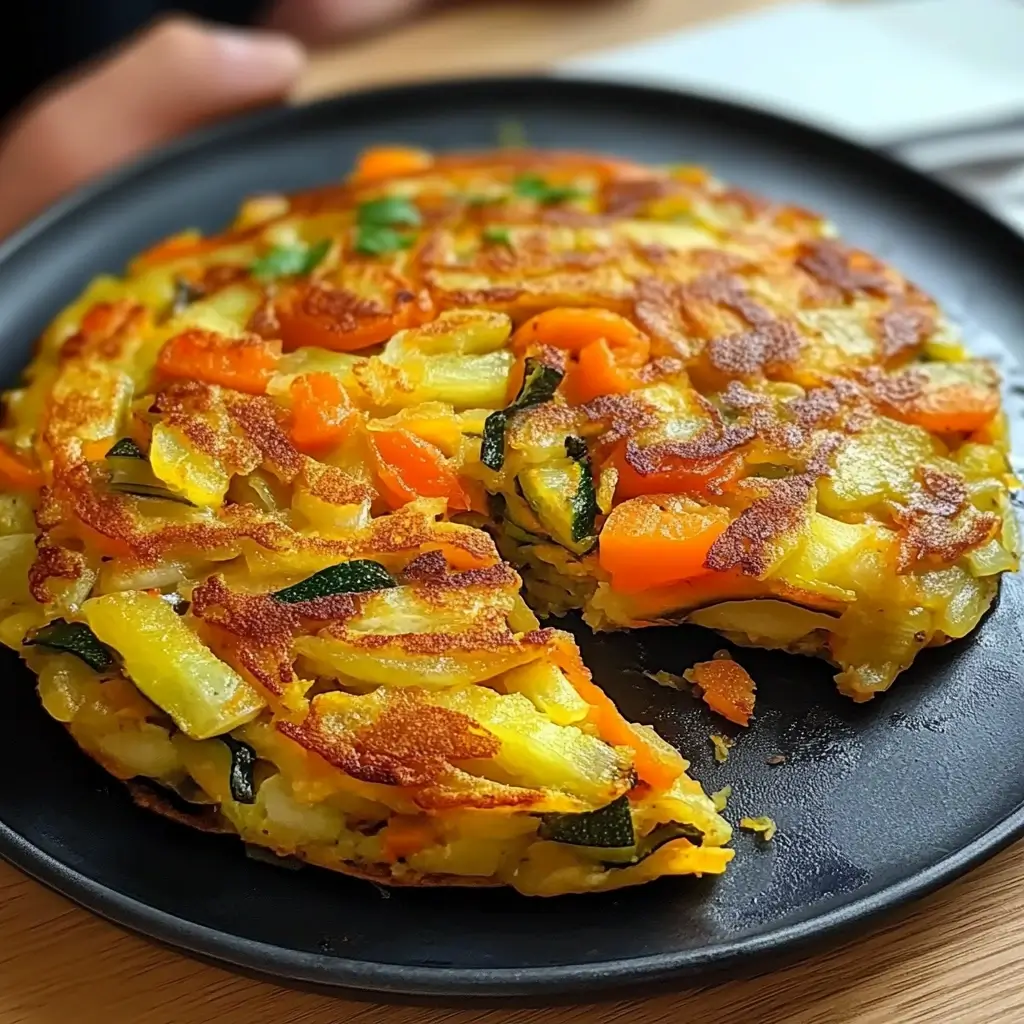
There are some recipes that just feel like a warm hug, and this Hearty Vegetable Pancake recipe has become exactly that in my household. I’ll admit, when I first stumbled upon the idea of a savory, vegetable-packed pancake, I was skeptical. Pancakes, in my mind, were firmly in the sweet breakfast category, destined for maple syrup and fruit. My kids definitely shared that sentiment. But wanting to sneak more vegetables into our meals, especially in a format that felt fun and approachable, I decided to give it a whirl. The first batch was… interesting. But with a few tweaks, focusing on getting the texture right and balancing the flavors, something magical happened. These pancakes emerged golden-brown, slightly crisp on the edges, tender within, and bursting with colorful veggies. The aroma alone was enough to pique curiosity. The real win? Seeing my entire family, even the pickiest eaters, devour them without a second thought, asking for seconds, and even thirds! They’ve become a versatile staple – perfect for a quick weeknight dinner, a satisfying lunch, or even a surprisingly robust brunch option. They are genuinely hearty, filling, and packed with goodness, proving that pancakes can be so much more than just a sweet treat. This recipe isn’t just about food; it’s about transforming simple ingredients into a nourishing, delicious, and family-approved meal that brings everyone happily to the table.
Ingredients
Crafting the perfect Hearty Vegetable Pancake requires a balance of wholesome ingredients. This recipe yields approximately 8 medium-sized pancakes, perfect for a family meal or meal prepping.
For the Pancake Batter:
- Flour: 1 ½ cups (approx. 180g) All-Purpose Flour (You can substitute half with whole wheat flour for extra fiber, or use a gluten-free blend if needed – see FAQ)
- Eggs: 2 large eggs (These act as a binder and add richness)
- Milk: 1 cup (240ml) Milk (Dairy or unsweetened plant-based milk like almond, soy, or oat milk work well)
- Baking Powder: 1 ½ teaspoons (Ensures a lighter, slightly fluffy texture)
- Salt: ¾ teaspoon (Enhances all the flavors)
- Black Pepper: ½ teaspoon freshly ground black pepper (Adjust to taste)
- Optional Spices: ½ teaspoon garlic powder, ½ teaspoon onion powder, or ¼ teaspoon paprika/smoked paprika for extra flavor dimensions.
For the Vegetable Mix:
- Zucchini: 1 medium zucchini (approx. 150g), grated and excess moisture squeezed out (This step is crucial to prevent soggy pancakes)
- Carrot: 1 medium carrot (approx. 100g), finely grated
- Onion: ½ medium onion (approx. 75g), very finely chopped or grated
- Bell Pepper: ½ cup (approx. 75g) finely chopped bell pepper (any color – red adds sweetness, green adds a slight bitterness)
- Leafy Greens: ½ cup tightly packed finely chopped spinach, kale (tough stems removed), or Swiss chard
- Fresh Herbs (Optional but Recommended): ¼ cup chopped fresh parsley, chives, or cilantro for brightness
For Cooking:
- Oil or Butter: 2-3 tablespoons of neutral cooking oil (like vegetable, canola, or light olive oil) or butter for frying. You’ll need about 1-2 teaspoons per batch of pancakes.
Ingredient Notes & Considerations:
- Flour Choice: The type of flour affects the texture. All-purpose gives a classic pancake feel. Whole wheat adds nuttiness and density. Gluten-free blends vary, so results might differ slightly. Buckwheat flour could also be an interesting, earthy substitution for part of the all-purpose flour.
- Vegetable Preparation: The key is finely grating or chopping the vegetables. Large chunks will prevent the pancakes from cooking evenly and holding together. Squeezing moisture from zucchini (and potentially grated onion if very watery) is non-negotiable for texture. A box grater or food processor grating attachment works best.
- Customization: Feel free to swap vegetables based on seasonality or preference! Finely chopped broccoli florets, corn kernels (fresh or frozen/thawed), peas, finely shredded cabbage, or sautéed mushrooms are excellent additions. Ensure harder vegetables are pre-cooked slightly or chopped very small.
- Spice Level: Add a pinch of cayenne pepper or red pepper flakes if you enjoy a bit of heat.
Instructions
Follow these steps carefully to achieve perfectly cooked, delicious Hearty Vegetable Pancakes every time. Preparation is key!
- Prepare the Vegetables (The Foundation):
- Wash and trim all your vegetables.
- Grate the zucchini using the medium holes of a box grater. Place the grated zucchini in a clean kitchen towel or several layers of paper towels and squeeze firmly over the sink to remove as much excess water as possible. This is critical for preventing soggy pancakes. You’ll be surprised how much water comes out! Set aside the squeezed zucchini.
- Finely grate the carrot.
- Very finely chop the onion and bell pepper. Aim for pieces no larger than a pea. Alternatively, you can grate the onion, but be mindful of its strong flavor and potential water content (squeeze if necessary).
- Finely chop the leafy greens (spinach, kale, etc.) and any fresh herbs you are using.
- Combine all prepared vegetables (squeezed zucchini, carrot, onion, bell pepper, greens, herbs) in a large mixing bowl. Toss them together gently to distribute evenly.
- Make the Pancake Batter (The Body):
- In a separate medium-sized mixing bowl, whisk together the dry ingredients: flour, baking powder, salt, black pepper, and any optional spices (garlic powder, onion powder, paprika). Whisking ensures the baking powder is evenly distributed for consistent rising.
- In another small bowl or measuring cup, lightly whisk the eggs. Then, whisk in the milk until combined.
- Combine Wet and Dry Ingredients (The Union):
- Pour the wet ingredients (egg and milk mixture) into the dry ingredients (flour mixture).
- Whisk gently until just combined. It’s okay if there are a few small lumps – do not overmix! Overmixing develops the gluten in the flour, which can lead to tough, rubbery pancakes instead of tender ones.
- Incorporate the Vegetables (The Heart):
- Pour the prepared pancake batter over the mixed vegetables in the large bowl.
- Using a spatula or large spoon, gently fold the batter into the vegetables until everything is evenly coated. Again, avoid overmixing. The batter should be thick and chunky, holding the vegetables together. If the batter seems excessively thick (like paste), add another tablespoon or two of milk. If it seems too thin, add a tablespoon of flour. The consistency should be scoopable but not runny.
- Cook the Pancakes (The Transformation):
- Place a large non-stick skillet or griddle over medium heat. Allow it to heat up properly – a drop of water should sizzle and evaporate quickly.
- Add about 1-2 teaspoons of oil or butter to the hot skillet, swirling to coat the bottom evenly.
- Once the oil is shimmering or the butter is melted and foamy, scoop about ¼ to ⅓ cup of the vegetable pancake batter per pancake onto the hot skillet. Use the back of the scoop or a spoon to gently spread the batter into a circular shape, about 3-4 inches in diameter and ½ inch thick. Don’t overcrowd the pan; cook in batches of 2-3 pancakes at a time.
- Cook for approximately 3-5 minutes on the first side. Look for bubbles forming on the surface and the edges starting to look set and golden brown. Resist the urge to flip too early.
- Carefully slide a spatula underneath a pancake. If it releases easily and the underside is golden brown and cooked, gently flip it over.
- Cook the second side for another 3-4 minutes, or until golden brown and cooked through. The center should feel firm when gently pressed. Adjust the heat if the pancakes are browning too quickly on the outside before cooking through on the inside (turn it down slightly). Conversely, if they aren’t browning, increase the heat slightly.
- Transfer the cooked pancakes to a plate. You can keep them warm in a low oven (around 200°F or 90°C) on a baking sheet lined with parchment paper while you cook the remaining batches.
- Add a little more oil or butter to the skillet for each new batch as needed.
- Serve and Enjoy:
- Serve the Hearty Vegetable Pancakes warm with your favorite toppings (see “How to Serve” section below).
Nutrition Facts
- Servings: This recipe makes approximately 8 medium-sized pancakes. A typical serving size is considered 2 pancakes.
- Calories Per Serving (Approximate): Around 350-450 kcal per serving (2 pancakes), depending on the specific vegetables used, the type of milk, and the amount of oil used for frying.
Disclaimer: Nutritional information is an estimate only, calculated using standard ingredient databases. Actual values may vary based on specific ingredients, measuring techniques, portion sizes, and cooking methods. These pancakes are a good source of vitamins (from vegetables), carbohydrates (from flour), and protein (from eggs and milk). Using whole wheat flour increases fiber content.
Preparation Time
Understanding the time commitment helps plan your meal effectively.
- Preparation Time: 20-25 minutes (This includes washing, chopping/grating vegetables, squeezing zucchini, and mixing the batter. Using a food processor for grating can speed this up).
- Cooking Time: 20-25 minutes (Cooking in batches, approximately 6-9 minutes per batch of 2-3 pancakes).
- Total Time: Approximately 40-50 minutes from start to finish.
How to Serve
These Hearty Vegetable Pancakes are incredibly versatile and can be dressed up or down for any meal. Here are some serving suggestions:
- Classic Savory Toppings:
- A dollop of cool sour cream or plain Greek yogurt (provides a lovely tangy contrast).
- A sprinkle of fresh chives, parsley, or dill.
- A spoonful of vibrant tomato salsa or pico de gallo.
- Creamy avocado slices or a simple guacamole.
- A smear of cream cheese or herbed Boursin-style cheese.
- Breakfast/Brunch Style:
- Top with a perfectly fried or poached egg – the runny yolk creates a delicious sauce.
- Serve alongside crispy bacon or sausage links.
- Add a side of sliced tomatoes or a simple green salad with vinaigrette.
- Lunch/Dinner Ideas:
- Serve as a main course with a hearty side salad (like a quinoa salad or a mixed greens salad with beans).
- Pair with a bowl of warm soup (tomato soup, lentil soup, or a light vegetable broth).
- Use them as a base instead of bread – top with chili, a creamy chicken or mushroom sauce, or even pulled pork.
- Offer a dipping sauce bar: Ranch dressing, spicy mayo (sriracha + mayonnaise), sweet chili sauce, or a tahini-lemon dressing.
- Kid-Friendly Presentation:
- Cut pancakes into fun shapes using cookie cutters after cooking.
- Serve with ketchup or a mild cheese sauce for dipping.
- Let kids “decorate” their pancakes with toppings like shredded cheese or peas.
Additional Tips
Maximize your Hearty Vegetable Pancake success with these handy tips:
- Don’t Skip Squeezing the Zucchini: This is arguably the most crucial step for texture. Excess moisture from zucchini (and potentially other watery vegetables like mushrooms if used) will make the batter too thin and result in soggy, difficult-to-flip pancakes. Use a clean kitchen towel for the best leverage.
- Master the Heat: Medium heat is generally ideal. Too high, and the outside will burn before the inside cooks through. Too low, and the pancakes will absorb too much oil and become greasy without getting nicely browned. Adjust as needed throughout the cooking process, especially if cooking on an electric stove where heat can fluctuate. Let the pan preheat fully before adding the batter.
- Finely Does It: Ensure all your vegetables are chopped or grated finely. This allows them to cook through evenly within the pancake batter and helps the pancakes hold their shape better. Large chunks can create weak spots and make flipping difficult. A food processor grating/shredding disc can be a huge time-saver here.
- Batch Cooking & Keeping Warm: Cook the pancakes in batches without overcrowding the pan. This ensures even cooking and makes flipping easier. To keep cooked pancakes warm while you finish the rest, place them in a single layer on a baking sheet lined with parchment paper in a preheated oven at around 200°F (90°C). Avoid stacking them, as this can create steam and make them lose crispness.
- Make-Ahead & Freezing: These pancakes reheat beautifully! Cook a full batch and let them cool completely. Store them in an airtight container in the refrigerator for up to 3-4 days. Reheat in a toaster oven, on a skillet, or briefly in the microwave. For longer storage, freeze them: place cooled pancakes in a single layer on a baking sheet until frozen solid, then transfer them to a freezer bag or container, separating layers with parchment paper if desired. They can be frozen for up to 2-3 months. Reheat from frozen in a toaster oven or skillet until heated through.
FAQ Section (Frequently Asked Questions)
Here are answers to some common questions about making Hearty Vegetable Pancakes:
- Q: Can I make these Hearty Vegetable Pancakes gluten-free?
- A: Yes, absolutely! Substitute the all-purpose flour with your favorite measure-for-measure gluten-free flour blend (one that contains xanthan gum is usually recommended for binding). The texture might be slightly different depending on the blend used (some can be a bit denser or grittier), but they will still be delicious. Ensure your baking powder is also certified gluten-free if required for strict dietary needs.
- Q: How can I make this recipe vegan?
- A: You can easily adapt this recipe for a vegan diet. Replace the 2 large eggs with a vegan egg replacer equivalent (such as a flax egg – mix 2 tablespoons of ground flaxseed with 6 tablespoons of water and let sit for 5 minutes to thicken) or a commercial egg replacer product. Use an unsweetened plant-based milk (almond, soy, oat) instead of dairy milk. Ensure you use oil instead of butter for cooking. The rest of the ingredients are typically vegan, but always double-check labels if needed.
- Q: Can I use different vegetables? What are the best substitutions?
- A: Definitely! This recipe is very forgiving and adaptable. Good substitutions or additions include: finely chopped broccoli or cauliflower florets (steam them briefly first if you prefer them softer), corn kernels (canned/drained or frozen/thawed), peas, finely shredded cabbage or Brussels sprouts, sautéed mushrooms (squeeze out excess moisture), or even pre-cooked and crumbled sweet potato or butternut squash. Remember the key principles: chop finely and remove excess moisture from watery vegetables. Aim for a similar total volume of vegetables as called for in the recipe.
- Q: My pancakes came out soggy or fell apart. What did I do wrong?
- A: Soggy or falling-apart pancakes are usually due to a few common issues:
- Excess Moisture: You likely didn’t squeeze enough water out of the zucchini or other watery vegetables.
- Batter Too Thin: The batter might have been too runny. Ensure you measured the flour and milk correctly. Add a touch more flour if needed.
- Overcrowding the Pan: Putting too many pancakes in the pan lowers the temperature and can cause steaming instead of frying, leading to sogginess.
- Flipping Too Soon: Ensure the first side is properly set and golden brown before attempting to flip.
- Vegetables Cut Too Large: Large vegetable pieces can prevent the batter from binding everything together properly.
- A: Soggy or falling-apart pancakes are usually due to a few common issues:
- Q: Can I prepare the batter ahead of time?
- A: It’s generally best to cook the pancake batter shortly after mixing. The baking powder starts reacting as soon as it gets wet, and letting the batter sit for too long can result in flatter, denser pancakes as the leavening power diminishes. Additionally, the vegetables will continue to release moisture into the batter over time, potentially making it too thin. However, you can prep the components ahead: chop/grate all the vegetables and store them in an airtight container in the fridge (squeeze zucchini just before mixing). You can also pre-mix the dry ingredients and store them separately. Then, when ready to cook, just combine the wet ingredients, mix the batter, fold in the veggies, and cook immediately. This significantly cuts down on the active prep time right before cooking.
Hearty Vegetable Pancake Recipe
Ingredients
For the Pancake Batter:
- Flour: 1 ½ cups (approx. 180g) All-Purpose Flour (You can substitute half with whole wheat flour for extra fiber, or use a gluten-free blend if needed – see FAQ)
- Eggs: 2 large eggs (These act as a binder and add richness)
- Milk: 1 cup (240ml) Milk (Dairy or unsweetened plant-based milk like almond, soy, or oat milk work well)
- Baking Powder: 1 ½ teaspoons (Ensures a lighter, slightly fluffy texture)
- Salt: ¾ teaspoon (Enhances all the flavors)
- Black Pepper: ½ teaspoon freshly ground black pepper (Adjust to taste)
- Optional Spices: ½ teaspoon garlic powder, ½ teaspoon onion powder, or ¼ teaspoon paprika/smoked paprika for extra flavor dimensions.
For the Vegetable Mix:
- Zucchini: 1 medium zucchini (approx. 150g), grated and excess moisture squeezed out (This step is crucial to prevent soggy pancakes)
- Carrot: 1 medium carrot (approx. 100g), finely grated
- Onion: ½ medium onion (approx. 75g), very finely chopped or grated
- Bell Pepper: ½ cup (approx. 75g) finely chopped bell pepper (any color – red adds sweetness, green adds a slight bitterness)
- Leafy Greens: ½ cup tightly packed finely chopped spinach, kale (tough stems removed), or Swiss chard
- Fresh Herbs (Optional but Recommended): ¼ cup chopped fresh parsley, chives, or cilantro for brightness
For Cooking:
- Oil or Butter: 2-3 tablespoons of neutral cooking oil (like vegetable, canola, or light olive oil) or butter for frying. You’ll need about 1-2 teaspoons per batch of pancakes.
Instructions
- Prepare the Vegetables (The Foundation):
- Wash and trim all your vegetables.
- Grate the zucchini using the medium holes of a box grater. Place the grated zucchini in a clean kitchen towel or several layers of paper towels and squeeze firmly over the sink to remove as much excess water as possible. This is critical for preventing soggy pancakes. You’ll be surprised how much water comes out! Set aside the squeezed zucchini.
- Finely grate the carrot.
- Very finely chop the onion and bell pepper. Aim for pieces no larger than a pea. Alternatively, you can grate the onion, but be mindful of its strong flavor and potential water content (squeeze if necessary).
- Finely chop the leafy greens (spinach, kale, etc.) and any fresh herbs you are using.
- Combine all prepared vegetables (squeezed zucchini, carrot, onion, bell pepper, greens, herbs) in a large mixing bowl. Toss them together gently to distribute evenly.
- Make the Pancake Batter (The Body):
- In a separate medium-sized mixing bowl, whisk together the dry ingredients: flour, baking powder, salt, black pepper, and any optional spices (garlic powder, onion powder, paprika). Whisking ensures the baking powder is evenly distributed for consistent rising.
- In another small bowl or measuring cup, lightly whisk the eggs. Then, whisk in the milk until combined.
- Combine Wet and Dry Ingredients (The Union):
- Pour the wet ingredients (egg and milk mixture) into the dry ingredients (flour mixture).
- Whisk gently until just combined. It’s okay if there are a few small lumps – do not overmix! Overmixing develops the gluten in the flour, which can lead to tough, rubbery pancakes instead of tender ones.
- Incorporate the Vegetables (The Heart):
- Pour the prepared pancake batter over the mixed vegetables in the large bowl.
- Using a spatula or large spoon, gently fold the batter into the vegetables until everything is evenly coated. Again, avoid overmixing. The batter should be thick and chunky, holding the vegetables together. If the batter seems excessively thick (like paste), add another tablespoon or two of milk. If it seems too thin, add a tablespoon of flour. The consistency should be scoopable but not runny.
- Cook the Pancakes (The Transformation):
- Place a large non-stick skillet or griddle over medium heat. Allow it to heat up properly – a drop of water should sizzle and evaporate quickly.
- Add about 1-2 teaspoons of oil or butter to the hot skillet, swirling to coat the bottom evenly.
- Once the oil is shimmering or the butter is melted and foamy, scoop about ¼ to ⅓ cup of the vegetable pancake batter per pancake onto the hot skillet. Use the back of the scoop or a spoon to gently spread the batter into a circular shape, about 3-4 inches in diameter and ½ inch thick. Don’t overcrowd the pan; cook in batches of 2-3 pancakes at a time.
- Cook for approximately 3-5 minutes on the first side. Look for bubbles forming on the surface and the edges starting to look set and golden brown. Resist the urge to flip too early.
- Carefully slide a spatula underneath a pancake. If it releases easily and the underside is golden brown and cooked, gently flip it over.
- Cook the second side for another 3-4 minutes, or until golden brown and cooked through. The center should feel firm when gently pressed. Adjust the heat if the pancakes are browning too quickly on the outside before cooking through on the inside (turn it down slightly). Conversely, if they aren’t browning, increase the heat slightly.
- Transfer the cooked pancakes to a plate. You can keep them warm in a low oven (around 200°F or 90°C) on a baking sheet lined with parchment paper while you cook the remaining batches.
- Add a little more oil or butter to the skillet for each new batch as needed.
- Serve and Enjoy:
- Serve the Hearty Vegetable Pancakes warm with your favorite toppings (see “How to Serve” section below).
Nutrition
- Serving Size: One Normal Portion
- Calories: 350-450