
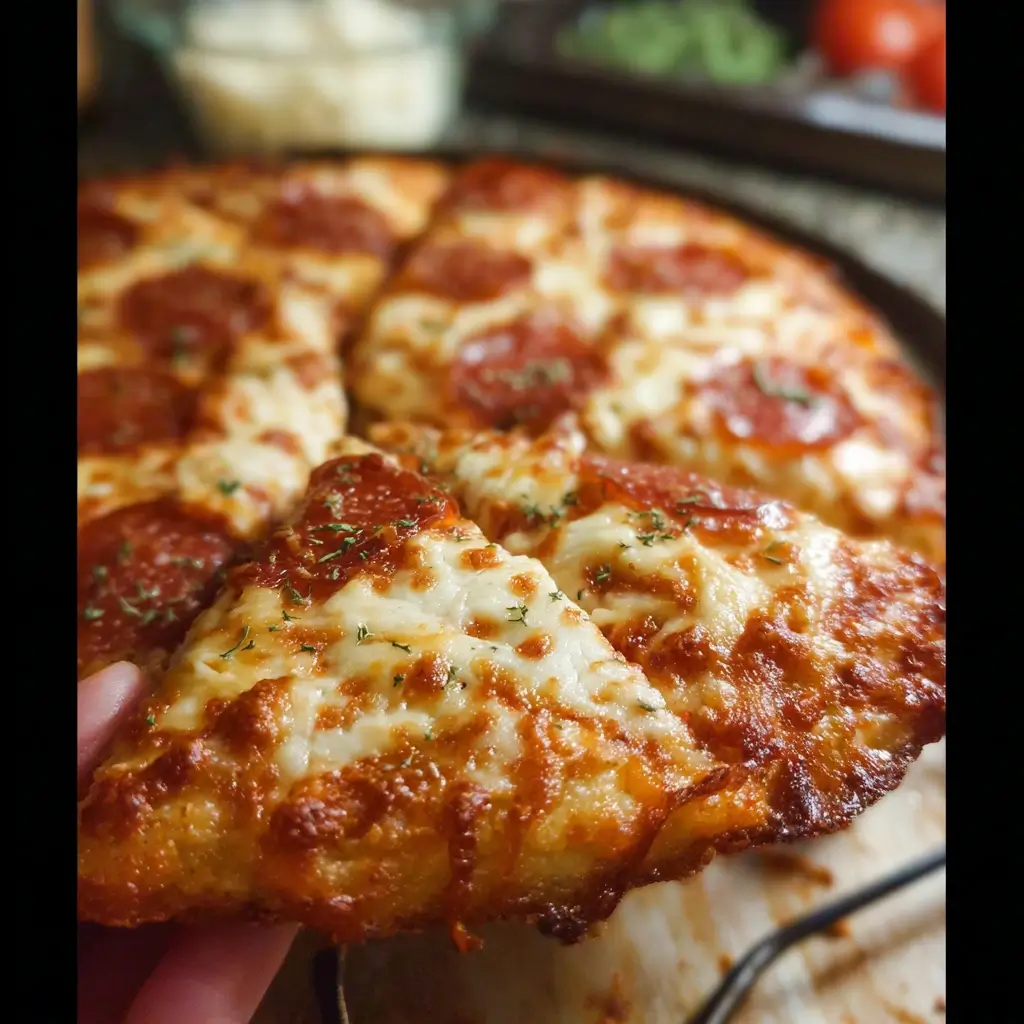
Of all the viral food trends that have graced my social media feeds, the cottage cheese pizza crust was the one I approached with the most skepticism. As a family of devoted pizza purists, the idea of replacing our beloved doughy, carb-laden base with… blended cheese? It seemed like culinary sacrilege. I envisioned a soggy, crumbly mess that tasted more like a sad, deconstructed lasagna than a pizza. But the promise of a high-protein, low-carb pizza night was too tempting to ignore. So, one Friday night, I took the plunge. I didn’t tell my husband or kids what the crust was made of. I blended, I baked, I topped, and I served. The verdict? Utter shock, followed by genuine delight. The crust was firm, slightly chewy, and held up beautifully to the toppings. The flavor was savory and cheesy, but in a way that complemented the sauce and pepperoni perfectly, rather than overpowering them. My kids devoured their slices without a single question, and my husband, the ultimate pizza critic, admitted it was “shockingly good.” This recipe didn’t just meet my expectations; it completely shattered them, earning a permanent spot in our meal rotation. It’s the guilt-free pizza solution I never knew I needed.
The Ultimate High-Protein Cottage Cheese Pizza Crust Recipe
Before we dive into the simple steps, let’s talk about why this recipe has taken the health-conscious world by storm. This isn’t just a substitute; it’s an upgrade for anyone looking to boost their protein intake, cut down on carbs and gluten, or simply try something new and delicious. The magic lies in the transformation of humble cottage cheese into a sturdy, flavorful foundation for all your favorite toppings. It’s a culinary game-changer that redefines what a “healthy” pizza can be.
Why You’ll Love This Cottage Cheese Pizza Crust
- Incredibly High in Protein: The star ingredient, cottage cheese, is a protein powerhouse. Combined with eggs, this crust delivers a significant protein punch in every slice, helping to keep you full and satisfied long after you’ve finished eating. It’s perfect for post-workout meals or for anyone looking to support muscle growth and repair.
- Low-Carb and Keto-Friendly: By swapping traditional flour for cottage cheese and a touch of almond flour, you drastically reduce the carbohydrate count. This makes it an excellent choice for those following a low-carb, ketogenic, or Atkins lifestyle, allowing you to enjoy pizza night without derailing your diet.
- Naturally Gluten-Free: Since this recipe contains no wheat flour, it’s a dream come true for individuals with Celiac disease, gluten sensitivity, or anyone choosing to avoid gluten. Now, everyone at the table can enjoy the same delicious pizza without worry.
- Surprisingly Simple: With just a handful of common ingredients and a blender, this recipe is remarkably easy to execute. There’s no yeast, no kneading, and no waiting for dough to rise. From blending to baking, you can have a ready-to-top crust in under 30 minutes.
- Deliciously Versatile: While it’s a fantastic pizza crust, don’t stop there! This recipe can be used to make savory flatbreads, cheesy breadsticks, or even a base for open-faced sandwiches. The savory, cheesy flavor profile is a blank canvas for your culinary creativity.
Ingredients
The beauty of this recipe lies in its simplicity. You only need a few key ingredients to create this revolutionary crust. For the best results, we highly recommend using full-fat cottage cheese, as it provides a richer flavor and a better texture, with less water content than its low-fat counterparts.
- Full-Fat Cottage Cheese: 2 cups (16 oz or 450g), small or large curd
- Large Eggs: 2
- Almond Flour: 1/3 cup (or oat flour)
- Grated Parmesan Cheese: 1/4 cup, finely grated
- Italian Seasoning: 1 tablespoon (a mix of dried oregano, basil, thyme, and rosemary)
- Garlic Powder: 1 teaspoon
- Onion Powder: 1/2 teaspoon
- Salt and Black Pepper: 1/2 teaspoon of each, or to taste
- Optional: A pinch of red pepper flakes for a little heat
A Closer Look at the Ingredients
- Cottage Cheese: This is the heart and soul of the crust. When blended, its curds transform into a smooth, protein-rich batter that bakes into a firm, yet tender base. The fat content helps ensure the crust doesn’t become dry. If you find your cottage cheese is particularly watery, you may want to strain it through a cheesecloth or fine-mesh sieve for a few minutes.
- Eggs: The eggs are the essential binder in this recipe. They provide structure, helping the cottage cheese and almond flour hold together as they bake. The protein in the eggs coagulates with heat, creating the sturdy framework that allows you to pick up a slice.
- Almond Flour: This is our gluten-free structural support. Almond flour absorbs some of the excess moisture from the cottage cheese and adds a lovely, subtle nutty flavor and a more “bread-like” texture to the final crust. If you have a nut allergy, finely ground oat flour is an excellent substitute.
- Parmesan Cheese: This isn’t just for flavor! The Parmesan adds another layer of salty, umami depth, but more importantly, it helps the crust brown and crisp up beautifully in the oven.
- Seasonings: While optional, the Italian seasoning, garlic powder, and onion powder are highly recommended. They infuse the crust itself with classic pizza flavors, ensuring every bite is delicious, not just the parts with toppings.
Instructions
Follow these steps carefully for a perfect, non-soggy, and utterly delicious cottage cheese pizza crust every time. The most critical step is the pre-bake, which ensures the crust is firm and dry enough to handle your sauce and toppings.
Step 1: Preparation and Blending
Preheat your oven to 400°F (200°C). Line a large baking sheet with parchment paper. Do not skip the parchment paper, as it is essential for preventing the crust from sticking. Lightly grease the parchment paper with a little olive oil or cooking spray for extra insurance.
In the container of a high-speed blender or a food processor, combine the cottage cheese, eggs, almond flour, grated Parmesan cheese, Italian seasoning, garlic powder, onion powder, salt, and pepper.
Step 2: Create the Smooth Batter
Blend the ingredients on high for about 60-90 seconds, or until the mixture is completely smooth and creamy. You should see no remaining cottage cheese curds. The consistency should be similar to a thick pancake batter. Scrape down the sides of the blender halfway through to ensure everything is well incorporated.
Step 3: Form the Crust
Pour the blended batter onto the center of your prepared parchment-lined baking sheet. Using a spatula or the back of a spoon, spread the batter evenly into a large circle or rectangle, about 1/4-inch thick. Aim for an even thickness across the entire surface to ensure it bakes uniformly.
Step 4: The Crucial Pre-Bake
Place the baking sheet in the preheated oven and bake for 20-25 minutes. The crust is done with its first bake when the edges are golden brown, and the center is set and feels dry to the touch. It should easily peel away from the parchment paper. This step is vital for driving off moisture and creating a stable base.
Step 5: Top and Final Bake
Remove the crust from the oven. Now, it’s time to be the pizza artist! Spread a thin layer of your favorite pizza sauce over the crust, leaving a small border around the edges. Sprinkle with shredded mozzarella cheese and add your desired toppings.
Step 6: Finish the Pizza
Return the topped pizza to the 400°F (200°C) oven. Bake for another 10-15 minutes, or until the cheese is melted, bubbly, and slightly golden, and your toppings are cooked through.
Step 7: Rest and Serve
Remove the pizza from the oven and let it rest on the baking sheet for at least 5 minutes. This allows the crust to set up further, making it easier to slice and handle. Transfer to a cutting board, slice, and serve immediately.
Nutrition Facts
Please note that these nutritional values are an estimate and can vary based on the specific brands of ingredients used and the toppings you add. This calculation is for the crust only.
- Servings: 4 (makes one 12-inch round crust)
- Calories per serving (crust only): Approximately 245 kcal
- Protein: 25g
- Fat: 15g
- Carbohydrates: 6g
- Fiber: 2g
- Net Carbs: 4g
This impressive nutritional profile highlights the crust’s biggest advantage: packing over 25 grams of protein and only 4 grams of net carbs per serving, making it a powerhouse for a healthy diet.
Preparation Time
This recipe is refreshingly quick compared to traditional pizza dough.
- Prep Time: 10 minutes
- Cook Time: 30-40 minutes (20-25 for the pre-bake, 10-15 for the final bake)
- Total Time: 40-50 minutes
How to Serve
This cottage cheese pizza crust is a blank canvas. Here are some classic and creative ways to top and serve your high-protein pizza:
Classic Pizza Topping Combinations
- The Margherita:
- Thin layer of San Marzano tomato sauce
- Slices of fresh mozzarella
- Fresh basil leaves (added after baking)
- A drizzle of extra virgin olive oil
- The Pepperoni Supreme:
- Classic pizza sauce
- Shredded low-moisture mozzarella
- A generous layer of pepperoni slices
- A sprinkle of dried oregano
- The Veggie Lover’s Dream:
- Pesto or tomato sauce
- Mozzarella cheese
- Sliced bell peppers, red onions, mushrooms, and black olives
- Pro Tip: Sautéing the vegetables beforehand removes excess water and prevents a soggy pizza.
- The Meat Feast:
- BBQ or tomato sauce
- Mozzarella and cheddar cheese blend
- Cooked Italian sausage, pepperoni, bacon bits, and ground beef.
- The White Pizza (Bianca):
- Skip the tomato sauce. Use a base of olive oil, minced garlic, and ricotta.
- Top with mozzarella and provolone cheese.
- Add spinach and dollops of ricotta.
- Finish with a sprinkle of red pepper flakes after baking.
Beyond the Pizza: Creative Uses
- Cheesy Garlic Breadsticks: Bake the crust as directed. In the final 5 minutes, brush with melted butter and garlic, and sprinkle with more Parmesan and mozzarella. Slice into strips and serve with marinara for dipping.
- Savory Flatbread: Bake the crust and top it with fresh ingredients that don’t need cooking. Try smoked salmon, dill, cream cheese, and capers, or prosciutto, arugula, and a balsamic glaze.
- Open-Faced Sandwiches: Cut the baked crust into squares. Top with your favorite sandwich fixings like tuna salad, egg salad, or sliced turkey and avocado for a high-protein, low-carb lunch.
- Dippable Crackers: Bake the crust until it’s extra crispy (you might need to add 5-10 minutes to the pre-bake time). Break it into pieces and serve with hummus, guacamole, or your favorite dip.
Additional Tips for a Perfect Crust
Master this recipe with five expert tips to guarantee success every single time.
- Moisture is the Enemy: The number one cause of a flimsy crust is excess water in the cottage cheese. If your brand seems particularly wet, strain it in a fine-mesh sieve for 10-15 minutes before blending. You can gently press on it with a spoon to release more liquid. This single step makes a huge difference.
- Parchment Paper is Non-Negotiable: Do not try to make this directly on a pizza stone or a greased metal pan. The batter is wet and will stick horribly. Parchment paper provides a non-stick surface that allows the crust to bake evenly and peel off cleanly.
- The Pre-Bake is Paramount: Do not get impatient and skip or shorten the pre-baking time. This step is essential for cooking the egg and driving moisture out of the crust, creating a firm, stable base that won’t turn to mush under your sauce. The top should be dry to the touch and the edges golden.
- Go Light on Wet Toppings: While the crust is surprisingly sturdy, it’s not invincible. Avoid overloading it with watery sauces or an excessive amount of fresh vegetables that release liquid as they cook (like fresh tomatoes or mushrooms). Pre-cooking your veggies is always a good idea.
- Let it Cool Slightly: After the final bake, resist the urge to slice into it immediately. Letting the pizza rest for 5 minutes allows the cheese to set and the crust to firm up just a little bit more. This will give you cleaner slices that hold together perfectly.
FAQ: Your Cottage Cheese Pizza Crust Questions Answered
Here are answers to some of the most common questions about this innovative recipe.
1. Can I make this with low-fat or fat-free cottage cheese?
You can, but the results may vary. Full-fat cottage cheese has a lower water content and a higher fat content, which contributes to a more flavorful, tender, and sturdy crust. Low-fat versions can sometimes result in a slightly gummier or wetter texture. If you use low-fat, definitely consider straining it first.
2. My crust came out soggy in the middle. What did I do wrong?
Sogginess is almost always due to one of three things:
- Excess moisture: Your cottage cheese was too wet. Strain it next time!
- Uneven spreading: The batter was likely thicker in the middle than on the edges, so it didn’t cook through. Aim for a very even 1/4-inch thickness.
- Insufficient pre-bake: The crust wasn’t baked long enough before adding toppings. It needs to be firm and dry to the touch across the entire surface. Don’t be afraid to give it an extra 5 minutes if it still feels soft in the center.
3. Can I use a different type of flour instead of almond flour?
Yes. Finely ground oat flour is an excellent 1:1 substitute and also keeps the recipe gluten-free (if using certified GF oats). Some people have success with a small amount of coconut flour, but it’s much more absorbent, so you would need to use less (try 2-3 tablespoons) and may need to add an extra egg or a splash of milk if the batter is too thick. We do not recommend using regular all-purpose flour as it will change the carb count and texture.
4. How do I store and reheat leftover pizza?
Store leftover pizza in an airtight container in the refrigerator for up to 3 days. The best way to reheat it is in an air fryer or a toaster oven set to 350°F (175°C) for 3-5 minutes. This will re-crisp the crust beautifully. Reheating in the microwave is possible but may result in a softer, chewier crust.
5. Can I prepare the crust ahead of time?
Absolutely! You have two great options for meal prep. You can pre-bake the crusts, let them cool completely, and then stack them between layers of parchment paper in a large zip-top bag. They can be refrigerated for up to 3 days or frozen for up to 3 months. When you’re ready for pizza, just pull one out, top it, and bake until the toppings are hot and bubbly. You do not need to thaw the frozen crust first.

High-Protein Cottage Cheese Pizza Crust Recipe
Ingredients
- Full-Fat Cottage Cheese: 2 cups (16 oz or 450g), small or large curd
- Large Eggs: 2
- Almond Flour: 1/3 cup (or oat flour)
- Grated Parmesan Cheese: 1/4 cup, finely grated
- Italian Seasoning: 1 tablespoon (a mix of dried oregano, basil, thyme, and rosemary)
- Garlic Powder: 1 teaspoon
- Onion Powder: 1/2 teaspoon
- Salt and Black Pepper: 1/2 teaspoon of each, or to taste
- Optional: A pinch of red pepper flakes for a little heat
Instructions
Step 1: Preparation and Blending
Preheat your oven to 400°F (200°C). Line a large baking sheet with parchment paper. Do not skip the parchment paper, as it is essential for preventing the crust from sticking. Lightly grease the parchment paper with a little olive oil or cooking spray for extra insurance.
In the container of a high-speed blender or a food processor, combine the cottage cheese, eggs, almond flour, grated Parmesan cheese, Italian seasoning, garlic powder, onion powder, salt, and pepper.
Step 2: Create the Smooth Batter
Blend the ingredients on high for about 60-90 seconds, or until the mixture is completely smooth and creamy. You should see no remaining cottage cheese curds. The consistency should be similar to a thick pancake batter. Scrape down the sides of the blender halfway through to ensure everything is well incorporated.
Step 3: Form the Crust
Pour the blended batter onto the center of your prepared parchment-lined baking sheet. Using a spatula or the back of a spoon, spread the batter evenly into a large circle or rectangle, about 1/4-inch thick. Aim for an even thickness across the entire surface to ensure it bakes uniformly.
Step 4: The Crucial Pre-Bake
Place the baking sheet in the preheated oven and bake for 20-25 minutes. The crust is done with its first bake when the edges are golden brown, and the center is set and feels dry to the touch. It should easily peel away from the parchment paper. This step is vital for driving off moisture and creating a stable base.
Step 5: Top and Final Bake
Remove the crust from the oven. Now, it’s time to be the pizza artist! Spread a thin layer of your favorite pizza sauce over the crust, leaving a small border around the edges. Sprinkle with shredded mozzarella cheese and add your desired toppings.
Step 6: Finish the Pizza
Return the topped pizza to the 400°F (200°C) oven. Bake for another 10-15 minutes, or until the cheese is melted, bubbly, and slightly golden, and your toppings are cooked through.
Step 7: Rest and Serve
Remove the pizza from the oven and let it rest on the baking sheet for at least 5 minutes. This allows the crust to set up further, making it easier to slice and handle. Transfer to a cutting board, slice, and serve immediately.
Nutrition
- Serving Size: One Normal Portion
- Calories: 245 kcal