
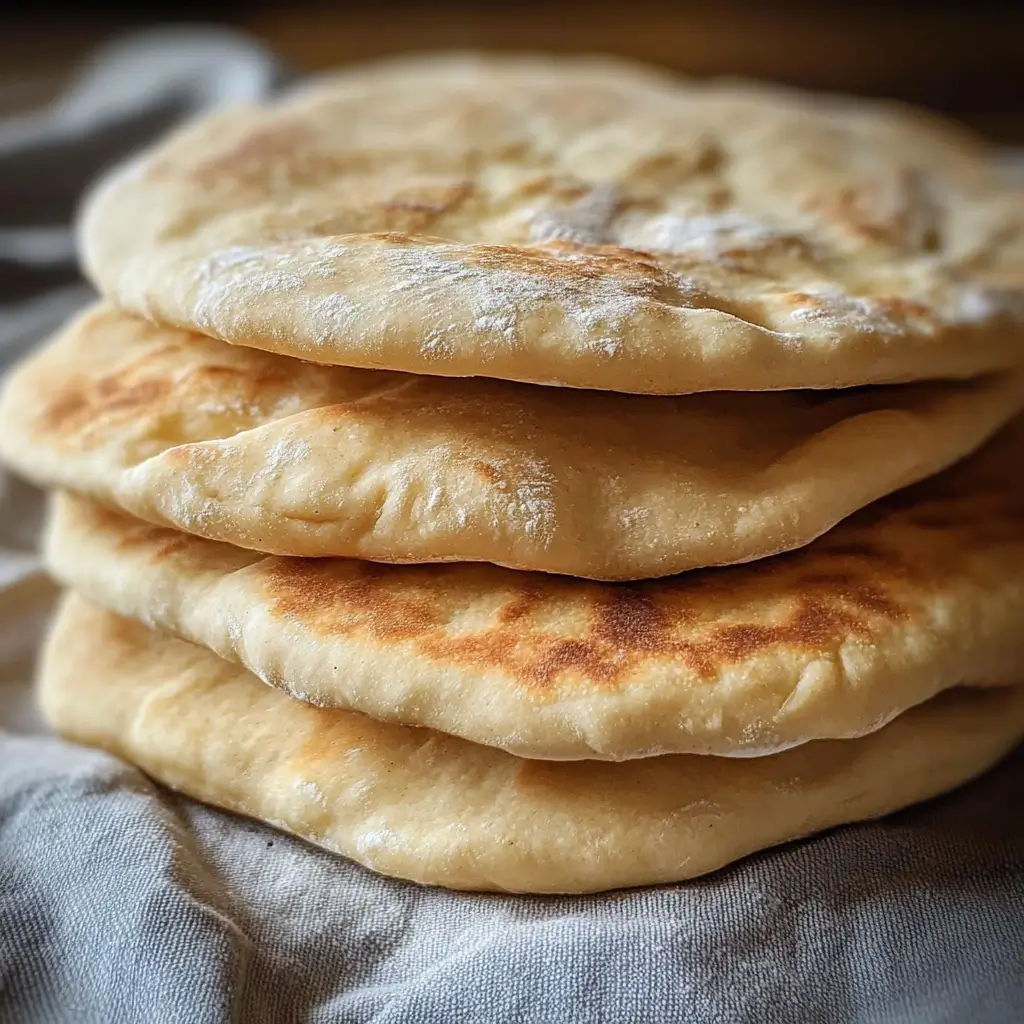
There’s something truly special about the aroma of freshly baked bread wafting through your home. It’s a scent that evokes warmth, comfort, and a sense of wholesome goodness. For me, that aroma recently transformed into the delightful scent of pita bread, thanks to this incredibly easy homemade pita bread recipe. Like many, I used to rely on store-bought pitas, often finding them dry, stiff, and lacking that authentic, fluffy texture. But after stumbling upon this recipe from Sweet Simple Vegan, I decided to take the plunge and try making them myself. Let me tell you, it was a game-changer! The process was surprisingly straightforward, even for a novice bread maker like myself. The dough came together beautifully, the rise was impressive, and the anticipation as they puffed up on the skillet was genuinely exciting. And the taste? Oh my goodness, the taste! Warm, soft, and slightly chewy, these homemade pitas were a revelation. My family devoured them, using them for everything from classic hummus and falafel wraps to simple sandwiches and even pizza-style toppings. The general consensus was unanimous: these were far superior to anything we’d ever bought from a store. If you’re looking to elevate your bread game and experience the pure joy of truly fresh, delicious pita bread, then look no further. This recipe is your ticket to pita perfection. Trust me, once you taste the difference, you’ll be hooked on making your own homemade pitas forever.
Ingredients
This recipe utilizes simple, pantry-staple ingredients, highlighting that you don’t need fancy or hard-to-find components to create exceptional pita bread. Here’s a breakdown of what you’ll need:
- 1 cup (8 oz.) Lukewarm Water (about 105–110°F): Water temperature is crucial for activating the yeast. Lukewarm water, within the specified range, creates the ideal environment for the yeast to thrive and begin the fermentation process. Too cold, and the yeast will be sluggish; too hot, and you risk killing it altogether. Using a kitchen thermometer is highly recommended to ensure accuracy, especially if you are new to baking with yeast. If you don’t have a thermometer, you should be able to comfortably keep your finger in the water without it feeling too hot.
- 1 tablespoon Sugar: Sugar serves a dual purpose in this recipe. Firstly, it acts as food for the yeast, providing the initial energy boost needed for them to become active and start producing carbon dioxide, which is essential for the dough to rise and become light and airy. Secondly, sugar contributes a subtle sweetness to the pita bread, balancing the savory flavors and enhancing the overall taste. While granulated sugar is commonly used, you could also experiment with other sweeteners like honey or maple syrup, though these might slightly alter the flavor profile.
- 2 1/4 teaspoons (1 package) Active Dry Yeast: Yeast is the heart and soul of any bread recipe, and pita bread is no exception. Active dry yeast is a readily available and reliable option. It’s important to ensure your yeast is fresh and active. Expired yeast may not rise properly, leading to flat and dense pitas. To test yeast activity, you can perform a simple proofing test: combine a teaspoon of yeast and a teaspoon of sugar with ¼ cup of lukewarm water. If it foams up within 5-10 minutes, the yeast is active and good to use. Storing yeast in the refrigerator or freezer in an airtight container will help prolong its shelf life.
- ~3 cups All-Purpose Flour (or enough to form a soft and slightly sticky dough): All-purpose flour is the workhorse of baking and works perfectly for pita bread. Its moderate protein content allows for a good balance of gluten development, resulting in pitas that are both chewy and tender. The recipe specifies “about 3 cups” as the exact amount of flour can vary depending on factors like humidity and the brand of flour. The key is to add flour gradually until you achieve a “soft and slightly sticky dough.” This type of dough will result in pitas that are soft and pliable. Over-flouring can lead to dry and tough pitas, so it’s always better to err on the side of slightly sticky rather than overly dry.
- 1 tablespoon Extra Virgin Olive Oil: Olive oil contributes to both the flavor and texture of the pita bread. It adds a subtle richness and depth of flavor, enhancing the overall taste. Olive oil also helps to tenderize the dough, making it more pliable and easier to roll out. Furthermore, the fat from the olive oil contributes to a softer crumb and helps to keep the pitas moist. While extra virgin olive oil is recommended for its superior flavor, you can also use regular olive oil or another neutral-flavored oil like vegetable or canola oil.
- 1 3/4 teaspoons Salt: Salt is an essential ingredient in bread making, and it’s not just about flavor! Salt plays a crucial role in controlling yeast activity, strengthening gluten structure, and enhancing the overall taste of the bread. It slows down the fermentation process, allowing for a more controlled rise and better flavor development. Salt also tightens the gluten strands, resulting in a stronger dough that can hold its shape better. Without salt, pita bread can taste bland and lack structure. Table salt is perfectly fine for this recipe; however, if you are using kosher salt, you may need to use slightly more as it is less dense than table salt.
Instructions: Your Step-by-Step Guide to Pita Perfection
Making homemade pita bread is a rewarding process, and following these detailed instructions will ensure your success. Let’s break down each step:
Step 1: Activating the Yeast – The Foundation of Flavor
- Combine Wet Ingredients and Yeast: In the bowl of your stand mixer (or a large mixing bowl if kneading by hand), pour in the 1 cup of lukewarm water. Make sure it’s within the 105–110°F range for optimal yeast activity. Add the 1 tablespoon of sugar and 2 1/4 teaspoons (1 package) of active dry yeast.
- Incorporate Initial Flour: Add 1 cup of all-purpose flour to the bowl.
- Whisk and Rest: Using a whisk, thoroughly combine all the ingredients until you have a uniform, slightly thin batter-like mixture. This step ensures that the yeast is well dispersed and has access to the sugar and water. Now, set the bowl aside for 15 minutes. This resting period is crucial for the yeast to activate. You’ll know the yeast is working its magic when you see bubbles and foam forming on the surface of the mixture. This is the “proofing” process, confirming that your yeast is alive and ready to leaven the dough.
Step 2: Dough Development – Kneading Your Way to Texture
- Add Remaining Ingredients: After the 15-minute resting period, add the 1 tablespoon of extra virgin olive oil and 1 3/4 teaspoons of salt to the bowl.
- Initial Mixing: Add 1 1/2 cups of all-purpose flour. If you are using a stand mixer, attach the dough hook attachment. Mix on low speed to begin incorporating the flour. If kneading by hand, use a spoon or spatula to stir until the dough starts to come together.
- Assess Dough Consistency and Adjust Flour: Continue mixing on low speed (or kneading by hand). The dough should begin to pull away from the sides of the bowl and come together into a soft mass. Pay close attention to the dough’s texture. It should be soft and slightly sticky. If the dough is still sticking excessively to the sides of the bowl, add additional flour, 1/4 cup at a time, mixing well after each addition. The recipe notes that they added an additional 1/2 cup of flour for a total of 2 cups beyond the initial cup in step 1. Remember, it’s better to have a slightly stickier dough than a dry one.
- Kneading – Building Gluten Strength: Once the dough has come together and is soft and slightly sticky, knead on low speed for 5 to 6 minutes using the dough hook. If kneading by hand, turn the dough out onto a lightly floured work surface and knead for 8-10 minutes. Kneading is essential for developing gluten, the protein in flour that gives bread its structure and chewiness. As you knead, the dough will become smoother and more elastic.
- Form a Ball: After kneading, remove the dough from the bowl (or work surface) and form it into a smooth ball.
Step 3: First Rise – Patience is Key
- Prepare a Bowl for Rising: Lightly oil a large bowl with olive oil or cooking spray. This prevents the dough from sticking to the bowl as it rises.
- Place Dough in Bowl and Coat: Place the dough ball inside the oiled bowl. Turn the dough over to ensure it’s coated with oil on all sides. This will prevent a skin from forming on the surface of the dough during rising.
- Cover and Rise in a Warm Place: Cover the bowl with a clean kitchen towel or plastic wrap. Place the bowl in a warm area to rise. A warm spot promotes yeast activity and speeds up the rising process. Ideal locations include a slightly warmed oven (turned off!), a sunny spot in your kitchen, or even the top of your refrigerator if it generates some warmth.
- Rise Time: Allow the dough to rise for 2 hours or until doubled in size. The rising time can vary depending on the temperature of your environment. In a warmer environment, it might rise faster; in a cooler environment, it might take longer. The key indicator is that the dough has doubled in volume.
Step 4: Shaping and Second Rise – Getting Ready to Bake
- Punch Down and Divide: After the first rise, gently remove the dough from the bowl and place it onto a lightly floured work surface. “Punch down” the dough gently to release any large air bubbles. This step helps to even out the dough’s texture.
- Form a Ball and Divide into Portions: Form the dough into a large ball again. Using a sharp knife or a bench scraper, cut the dough into 8 equal pieces. For perfectly even pitas, you can use a food scale to weigh out each piece, aiming for roughly equal weights.
- Shape into Small Balls: Take each piece of dough and form it into a small ball. To do this, gently pull the dough from the sides and tuck the ends underneath the bottom, creating a smooth, round ball.
- Rest and Second Rise: Place the dough balls about 1-inch apart on the floured work surface. Cover them loosely with a lightly oiled piece of plastic wrap. This prevents the dough from drying out while it rests and rises again. Allow the dough balls to rest for 30 minutes. This second rest, often referred to as proofing, allows the gluten to relax further, making the dough easier to roll out and resulting in more tender pitas.
Step 5: Rolling and Final Rest – Preparing for the Skillet
- Roll Out Pitas: After the 30-minute rest, take one dough ball at a time and roll it out into a flat and round pita, about 1/4-inch thick. Use a rolling pin on a lightly floured surface, rolling from the center outwards and rotating the dough as you go to maintain a round shape. If you don’t have a rolling pin, you can gently pat the dough flat with your hands, but rolling will generally yield more even and thinner pitas.
- Final Rest – The Key to Pockets: Once rolled out, place the pitas on a clean surface (you can use parchment paper to prevent sticking if desired). Allow the rolled-out pitas to rest for another 10-30 minutes. This final rest is crucial for pocket formation! The longer the dough rests, the more relaxed the gluten becomes, and the more likely the pitas are to puff up and create those desirable pockets when cooked.
Step 6: Cooking – The Magic of Puffing
- Heat Cast Iron Skillet: Place a cast-iron skillet (or a heavy-bottomed skillet) over medium-high heat. Cast iron is ideal because it distributes heat evenly and retains it well, which is essential for cooking pitas quickly and achieving that puff.
- Lightly Oil Skillet: Brush the hot skillet with a tiny bit of olive oil. You don’t need a lot, just a very light coating to prevent sticking and add a touch of flavor.
- Cook Pitas: Carefully place one or two pita dough rounds (depending on the size of your skillet) into the hot skillet. Cook until the bread begins to puff up and the bottom has browned, which should take about 2-3 minutes. You’ll see bubbles forming on the surface and the pita starting to inflate like a balloon.
- Flip and Cook Second Side: Flip the pita and cook for another 2 minutes or until the second side is also browned. Ideally, the pita will puff up dramatically in the skillet, creating a perfect pocket. However, as the recipe notes, even if they don’t fully puff up, they will still be delicious.
- Keep Warm: As you cook each pita, wrap it immediately in a clean dish towel to keep it warm and soft. This also helps to steam them slightly, further enhancing their texture.
- Repeat: Continue cooking the remaining pita dough rounds, one or two at a time, until all are cooked.
Step 7: Serving and Storing – Enjoying Your Homemade Pitas
- Serve Immediately: Homemade pita bread is best enjoyed warm and fresh, straight from the skillet. The texture is at its peak when freshly cooked.
- Storing Leftovers: If you have leftover pitas, allow them to cool completely and then store them in an airtight container at room temperature for about 5-7 days. To refresh day-old pitas, you can lightly toast them in a toaster or skillet or briefly warm them in the oven.
- Freezing: For longer storage, you can freeze pita bread. Let them cool completely, then wrap them individually in plastic wrap and place them in a freezer-safe bag. They can be frozen for up to 2-3 months. To thaw, simply let them sit at room temperature for about an hour or gently reheat them in a skillet or oven.
Nutrition Facts
(Please note: Nutritional information is an estimate and can vary based on specific ingredients and portion sizes.)
Yield: 8 pitas
Serving Size: 1 pita
Estimated Nutrition per Serving (1 pita):
- Calories: Approximately 180-220 kcal
- Protein: 5-6 grams
- Fat: 3-4 grams (primarily from olive oil)
- Saturated Fat: <1 gram
- Cholesterol: 0 mg
- Sodium: 300-400 mg (depending on salt used)
- Carbohydrates: 35-40 grams
- Fiber: 1-2 grams
- Sugar: 2-3 grams (primarily from added sugar)
These values are estimates and can fluctuate based on ingredient variations and flour density. For more precise nutritional information, you can use online nutrition calculators and input the exact brands and quantities of ingredients you use.
Preparation Time
- Prep time: 30 minutes (includes yeast activation, dough mixing, and shaping)
- Rise time: 2 hours 30 minutes (first rise: 2 hours, second rise: 30 minutes)
- Cook time: 20 minutes (approximately 2-3 minutes per pita)
- Total time: Approximately 3 hours 20 minutes
While the total time may seem lengthy, much of it is hands-off rise time. The active preparation and cooking time are relatively short, making this recipe manageable even on a weeknight if you plan ahead.
How to Serve Your Homemade Pita Bread
The versatility of pita bread is truly remarkable. Here are just a few delicious ways to enjoy your freshly baked homemade pitas:
- Classic Mediterranean Wraps:
- Hummus and Falafel: The quintessential pita pairing! Spread creamy hummus inside a warm pita, add crispy falafel balls, and top with fresh vegetables like cucumbers, tomatoes, lettuce, and pickled onions. Drizzle with tahini sauce or a lemon-herb dressing.
- Chicken or Lamb Shawarma: Fill pitas with thinly sliced, marinated and grilled chicken or lamb shawarma. Add toppings like shredded lettuce, diced tomatoes, onions, and a creamy garlic sauce (toum) or tzatziki.
- Greek Gyros: Stuff pitas with seasoned and grilled gyro meat (often lamb or beef), tzatziki sauce, tomatoes, onions, and sometimes french fries for a truly authentic Greek experience.
- Dips and Appetizers:
- Hummus, Baba Ghanoush, or Tzatziki: Serve warm pita bread triangles alongside bowls of your favorite Mediterranean dips. The soft and slightly chewy pita is perfect for scooping up these flavorful dips.
- Olive Oil and Za’atar: Simply drizzle high-quality olive oil over warm pita bread and sprinkle generously with za’atar, a Middle Eastern spice blend of sesame seeds, sumac, and thyme.
- Roasted Red Pepper Dip (Muhammara): Pair pita bread with a vibrant and slightly spicy roasted red pepper and walnut dip (muhammara) for a delightful appetizer.
- Pita Pizzas:
- Quick and Easy Pizzas: Use pita bread as a base for individual pizzas! Spread with tomato sauce, sprinkle with your favorite cheese (mozzarella, feta, provolone), and add toppings like vegetables, pepperoni, olives, or herbs. Bake or broil until the cheese is melted and bubbly.
- Sandwiches and Lunch Wraps:
- Simple Sandwiches: Use pita bread instead of sliced bread for sandwiches. They are perfect for tuna salad, egg salad, deli meats, or grilled vegetables.
- Breakfast Pitas: Fill pitas with scrambled eggs, cheese, sausage, or avocado for a hearty and portable breakfast.
- Soups and Stews:
- Side of Bread: Serve warm pita bread alongside hearty soups, stews, or chili for dipping and soaking up the flavorful broth.
- Grilled Pita Bread:
- Grilled Flavor: Brush pita bread with olive oil and grill it briefly over medium heat to add smoky flavor and grill marks. Serve as a side dish or use for grilled sandwiches.
Additional Tips for Pita Bread Success
Mastering homemade pita bread is easier than you might think, but these tips will help you achieve consistently perfect results:
- Water Temperature is Key: Don’t underestimate the importance of lukewarm water temperature (105-110°F) for yeast activation. Too cold, and the yeast will be sluggish; too hot, and you could kill the yeast. Use a kitchen thermometer for accuracy or test with your finger – it should feel comfortably warm, not hot.
- Don’t Over-Flour the Dough: The recipe calls for a “soft and slightly sticky dough” for a reason. Over-flouring will result in dry, dense, and tough pitas. Add flour gradually and stop when the dough is just barely tacky to the touch. It’s always better to err on the side of slightly stickier dough.
- Knead Adequately: Kneading is crucial for developing gluten, which gives pita bread its structure and chewiness. Knead for the recommended time (5-6 minutes in a stand mixer, 8-10 minutes by hand) until the dough is smooth and elastic.
- Allow Sufficient Rise Time: Don’t rush the rising process. Give the dough ample time to double in size during the first rise (about 2 hours) and to rest again after shaping (30 minutes and then 10-30 minutes after rolling). Proper rising is essential for light and airy pitas.
- Hot Skillet is Essential for Puffing: A hot cast iron skillet is your best friend for cooking pita bread. The high heat is what causes the pitas to puff up and create pockets. Make sure the skillet is preheated to medium-high heat before adding the dough. Don’t be afraid to adjust the heat slightly if the pitas are browning too quickly before puffing.
Frequently Asked Questions (FAQ) about Homemade Pita Bread
Q1: Why isn’t my pita bread puffing up?
A: Several factors can contribute to pitas not puffing up:
- Dough Too Dry: If you added too much flour, the dough might be too dense and not elastic enough to puff. Aim for a soft and slightly sticky dough.
- Insufficient Resting Time: The final rest after rolling out the pitas (10-30 minutes) is crucial. This allows the gluten to relax and the dough to become more pliable, making it more likely to puff up.
- Skillet Not Hot Enough: A hot skillet is essential for rapid cooking and puffing. Ensure your skillet is preheated to medium-high heat.
- Rolling Too Thin: Rolling the pitas too thin can sometimes prevent them from puffing properly. Aim for about 1/4-inch thickness.
- Yeast Inactive: Ensure your yeast is fresh and active. If it’s expired or not properly activated, the dough won’t rise or puff. Proof your yeast before starting if you are unsure of its activity.
Q2: Can I use whole wheat flour instead of all-purpose flour?
A: Yes, you can substitute part or all of the all-purpose flour with whole wheat flour for a healthier and nuttier-flavored pita bread. However, whole wheat flour can make the pitas denser and less likely to puff up as dramatically due to its higher fiber content and gluten structure. Start by substituting 1/2 to 1 cup of the all-purpose flour with whole wheat flour and adjust the hydration (water content) if needed, as whole wheat flour absorbs more liquid. You may need to knead slightly longer to develop the gluten in whole wheat flour.
Q3: Can I make pita bread without a stand mixer?
A: Absolutely! You can easily make pita bread by hand. Follow the recipe instructions, but instead of using a stand mixer, mix the ingredients in a large bowl using a spoon or spatula until the dough comes together. Then, turn the dough out onto a lightly floured work surface and knead by hand for 8-10 minutes until it’s smooth and elastic. The rest of the recipe steps remain the same.
Q4: How do I reheat pita bread?
A: There are several ways to reheat pita bread:
- Skillet: The best way to reheat pita bread and retain its soft texture is in a dry skillet over medium heat. Heat each pita for about 30 seconds to 1 minute per side, until warmed through and slightly softened.
- Toaster: You can lightly toast pita bread in a toaster or toaster oven. Be careful not to over-toast, as they can become dry quickly.
- Oven: Wrap pita bread in foil and reheat in a preheated oven at 350°F (175°C) for about 5-10 minutes, or until warmed through.
- Microwave: While not ideal for texture, you can microwave pita bread for a quick reheat. Wrap them in a damp paper towel and microwave in short intervals (10-15 seconds) until warmed. Be careful not to overheat, as they can become tough.
Q5: Can I make pita bread ahead of time?
A: Yes, you can prepare the dough ahead of time. After the first rise, you can punch down the dough, wrap it tightly in plastic wrap, and store it in the refrigerator for up to 24 hours. When ready to bake, remove the dough from the refrigerator and let it come to room temperature for about 1-2 hours before proceeding with shaping, resting, and cooking. Alternatively, you can bake the pita bread completely and store them as described in the recipe. They are best enjoyed fresh but can be reheated successfully.
Print
Homemade Pita Bread Recipe
Ingredients
- 1 cup (8 oz.) Lukewarm Water (about 105–110°F): Water temperature is crucial for activating the yeast. Lukewarm water, within the specified range, creates the ideal environment for the yeast to thrive and begin the fermentation process. Too cold, and the yeast will be sluggish; too hot, and you risk killing it altogether. Using a kitchen thermometer is highly recommended to ensure accuracy, especially if you are new to baking with yeast. If you don’t have a thermometer, you should be able to comfortably keep your finger in the water without it feeling too hot.
- 1 tablespoon Sugar: Sugar serves a dual purpose in this recipe. Firstly, it acts as food for the yeast, providing the initial energy boost needed for them to become active and start producing carbon dioxide, which is essential for the dough to rise and become light and airy. Secondly, sugar contributes a subtle sweetness to the pita bread, balancing the savory flavors and enhancing the overall taste. While granulated sugar is commonly used, you could also experiment with other sweeteners like honey or maple syrup, though these might slightly alter the flavor profile.
- 2 1/4 teaspoons (1 package) Active Dry Yeast: Yeast is the heart and soul of any bread recipe, and pita bread is no exception. Active dry yeast is a readily available and reliable option. It’s important to ensure your yeast is fresh and active. Expired yeast may not rise properly, leading to flat and dense pitas. To test yeast activity, you can perform a simple proofing test: combine a teaspoon of yeast and a teaspoon of sugar with ¼ cup of lukewarm water. If it foams up within 5-10 minutes, the yeast is active and good to use. Storing yeast in the refrigerator or freezer in an airtight container will help prolong its shelf life.
- ~3 cups All-Purpose Flour (or enough to form a soft and slightly sticky dough): All-purpose flour is the workhorse of baking and works perfectly for pita bread. Its moderate protein content allows for a good balance of gluten development, resulting in pitas that are both chewy and tender. The recipe specifies “about 3 cups” as the exact amount of flour can vary depending on factors like humidity and the brand of flour. The key is to add flour gradually until you achieve a “soft and slightly sticky dough.” This type of dough will result in pitas that are soft and pliable. Over-flouring can lead to dry and tough pitas, so it’s always better to err on the side of slightly sticky rather than overly dry.
- 1 tablespoon Extra Virgin Olive Oil: Olive oil contributes to both the flavor and texture of the pita bread. It adds a subtle richness and depth of flavor, enhancing the overall taste. Olive oil also helps to tenderize the dough, making it more pliable and easier to roll out. Furthermore, the fat from the olive oil contributes to a softer crumb and helps to keep the pitas moist. While extra virgin olive oil is recommended for its superior flavor, you can also use regular olive oil or another neutral-flavored oil like vegetable or canola oil.
- 1 3/4 teaspoons Salt: Salt is an essential ingredient in bread making, and it’s not just about flavor! Salt plays a crucial role in controlling yeast activity, strengthening gluten structure, and enhancing the overall taste of the bread. It slows down the fermentation process, allowing for a more controlled rise and better flavor development. Salt also tightens the gluten strands, resulting in a stronger dough that can hold its shape better. Without salt, pita bread can taste bland and lack structure. Table salt is perfectly fine for this recipe; however, if you are using kosher salt, you may need to use slightly more as it is less dense than table salt.
Instructions
Step 1: Activating the Yeast – The Foundation of Flavor
- Combine Wet Ingredients and Yeast: In the bowl of your stand mixer (or a large mixing bowl if kneading by hand), pour in the 1 cup of lukewarm water. Make sure it’s within the 105–110°F range for optimal yeast activity. Add the 1 tablespoon of sugar and 2 1/4 teaspoons (1 package) of active dry yeast.
- Incorporate Initial Flour: Add 1 cup of all-purpose flour to the bowl.
- Whisk and Rest: Using a whisk, thoroughly combine all the ingredients until you have a uniform, slightly thin batter-like mixture. This step ensures that the yeast is well dispersed and has access to the sugar and water. Now, set the bowl aside for 15 minutes. This resting period is crucial for the yeast to activate. You’ll know the yeast is working its magic when you see bubbles and foam forming on the surface of the mixture. This is the “proofing” process, confirming that your yeast is alive and ready to leaven the dough.
Step 2: Dough Development – Kneading Your Way to Texture
- Add Remaining Ingredients: After the 15-minute resting period, add the 1 tablespoon of extra virgin olive oil and 1 3/4 teaspoons of salt to the bowl.
- Initial Mixing: Add 1 1/2 cups of all-purpose flour. If you are using a stand mixer, attach the dough hook attachment. Mix on low speed to begin incorporating the flour. If kneading by hand, use a spoon or spatula to stir until the dough starts to come together.
- Assess Dough Consistency and Adjust Flour: Continue mixing on low speed (or kneading by hand). The dough should begin to pull away from the sides of the bowl and come together into a soft mass. Pay close attention to the dough’s texture. It should be soft and slightly sticky. If the dough is still sticking excessively to the sides of the bowl, add additional flour, 1/4 cup at a time, mixing well after each addition. The recipe notes that they added an additional 1/2 cup of flour for a total of 2 cups beyond the initial cup in step 1. Remember, it’s better to have a slightly stickier dough than a dry one.
- Kneading – Building Gluten Strength: Once the dough has come together and is soft and slightly sticky, knead on low speed for 5 to 6 minutes using the dough hook. If kneading by hand, turn the dough out onto a lightly floured work surface and knead for 8-10 minutes. Kneading is essential for developing gluten, the protein in flour that gives bread its structure and chewiness. As you knead, the dough will become smoother and more elastic.
- Form a Ball: After kneading, remove the dough from the bowl (or work surface) and form it into a smooth ball.
Step 3: First Rise – Patience is Key
- Prepare a Bowl for Rising: Lightly oil a large bowl with olive oil or cooking spray. This prevents the dough from sticking to the bowl as it rises.
- Place Dough in Bowl and Coat: Place the dough ball inside the oiled bowl. Turn the dough over to ensure it’s coated with oil on all sides. This will prevent a skin from forming on the surface of the dough during rising.
- Cover and Rise in a Warm Place: Cover the bowl with a clean kitchen towel or plastic wrap. Place the bowl in a warm area to rise. A warm spot promotes yeast activity and speeds up the rising process. Ideal locations include a slightly warmed oven (turned off!), a sunny spot in your kitchen, or even the top of your refrigerator if it generates some warmth.
- Rise Time: Allow the dough to rise for 2 hours or until doubled in size. The rising time can vary depending on the temperature of your environment. In a warmer environment, it might rise faster; in a cooler environment, it might take longer. The key indicator is that the dough has doubled in volume.
Step 4: Shaping and Second Rise – Getting Ready to Bake
- Punch Down and Divide: After the first rise, gently remove the dough from the bowl and place it onto a lightly floured work surface. “Punch down” the dough gently to release any large air bubbles. This step helps to even out the dough’s texture.
- Form a Ball and Divide into Portions: Form the dough into a large ball again. Using a sharp knife or a bench scraper, cut the dough into 8 equal pieces. For perfectly even pitas, you can use a food scale to weigh out each piece, aiming for roughly equal weights.
- Shape into Small Balls: Take each piece of dough and form it into a small ball. To do this, gently pull the dough from the sides and tuck the ends underneath the bottom, creating a smooth, round ball.
- Rest and Second Rise: Place the dough balls about 1-inch apart on the floured work surface. Cover them loosely with a lightly oiled piece of plastic wrap. This prevents the dough from drying out while it rests and rises again. Allow the dough balls to rest for 30 minutes. This second rest, often referred to as proofing, allows the gluten to relax further, making the dough easier to roll out and resulting in more tender pitas.
Step 5: Rolling and Final Rest – Preparing for the Skillet
- Roll Out Pitas: After the 30-minute rest, take one dough ball at a time and roll it out into a flat and round pita, about 1/4-inch thick. Use a rolling pin on a lightly floured surface, rolling from the center outwards and rotating the dough as you go to maintain a round shape. If you don’t have a rolling pin, you can gently pat the dough flat with your hands, but rolling will generally yield more even and thinner pitas.
- Final Rest – The Key to Pockets: Once rolled out, place the pitas on a clean surface (you can use parchment paper to prevent sticking if desired). Allow the rolled-out pitas to rest for another 10-30 minutes. This final rest is crucial for pocket formation! The longer the dough rests, the more relaxed the gluten becomes, and the more likely the pitas are to puff up and create those desirable pockets when cooked.
Step 6: Cooking – The Magic of Puffing
- Heat Cast Iron Skillet: Place a cast-iron skillet (or a heavy-bottomed skillet) over medium-high heat. Cast iron is ideal because it distributes heat evenly and retains it well, which is essential for cooking pitas quickly and achieving that puff.
- Lightly Oil Skillet: Brush the hot skillet with a tiny bit of olive oil. You don’t need a lot, just a very light coating to prevent sticking and add a touch of flavor.
- Cook Pitas: Carefully place one or two pita dough rounds (depending on the size of your skillet) into the hot skillet. Cook until the bread begins to puff up and the bottom has browned, which should take about 2-3 minutes. You’ll see bubbles forming on the surface and the pita starting to inflate like a balloon.
- Flip and Cook Second Side: Flip the pita and cook for another 2 minutes or until the second side is also browned. Ideally, the pita will puff up dramatically in the skillet, creating a perfect pocket. However, as the recipe notes, even if they don’t fully puff up, they will still be delicious.
- Keep Warm: As you cook each pita, wrap it immediately in a clean dish towel to keep it warm and soft. This also helps to steam them slightly, further enhancing their texture.
- Repeat: Continue cooking the remaining pita dough rounds, one or two at a time, until all are cooked.
Step 7: Serving and Storing – Enjoying Your Homemade Pitas
- Serve Immediately: Homemade pita bread is best enjoyed warm and fresh, straight from the skillet. The texture is at its peak when freshly cooked.
- Storing Leftovers: If you have leftover pitas, allow them to cool completely and then store them in an airtight container at room temperature for about 5-7 days. To refresh day-old pitas, you can lightly toast them in a toaster or skillet or briefly warm them in the oven.
- Freezing: For longer storage, you can freeze pita bread. Let them cool completely, then wrap them individually in plastic wrap and place them in a freezer-safe bag. They can be frozen for up to 2-3 months. To thaw, simply let them sit at room temperature for about an hour or gently reheat them in a skillet or oven.
Nutrition
- Serving Size: one normal portion
- Calories: 180-220 kcal
- Sugar: 2-3 grams
- Sodium: 300-400 mg
- Fat: 3-4 grams
- Saturated Fat: <1 gram
- Carbohydrates: 35-40 grams
- Fiber: 1-2 grams
- Protein: 5-6 grams
- Cholesterol: 0 mg