
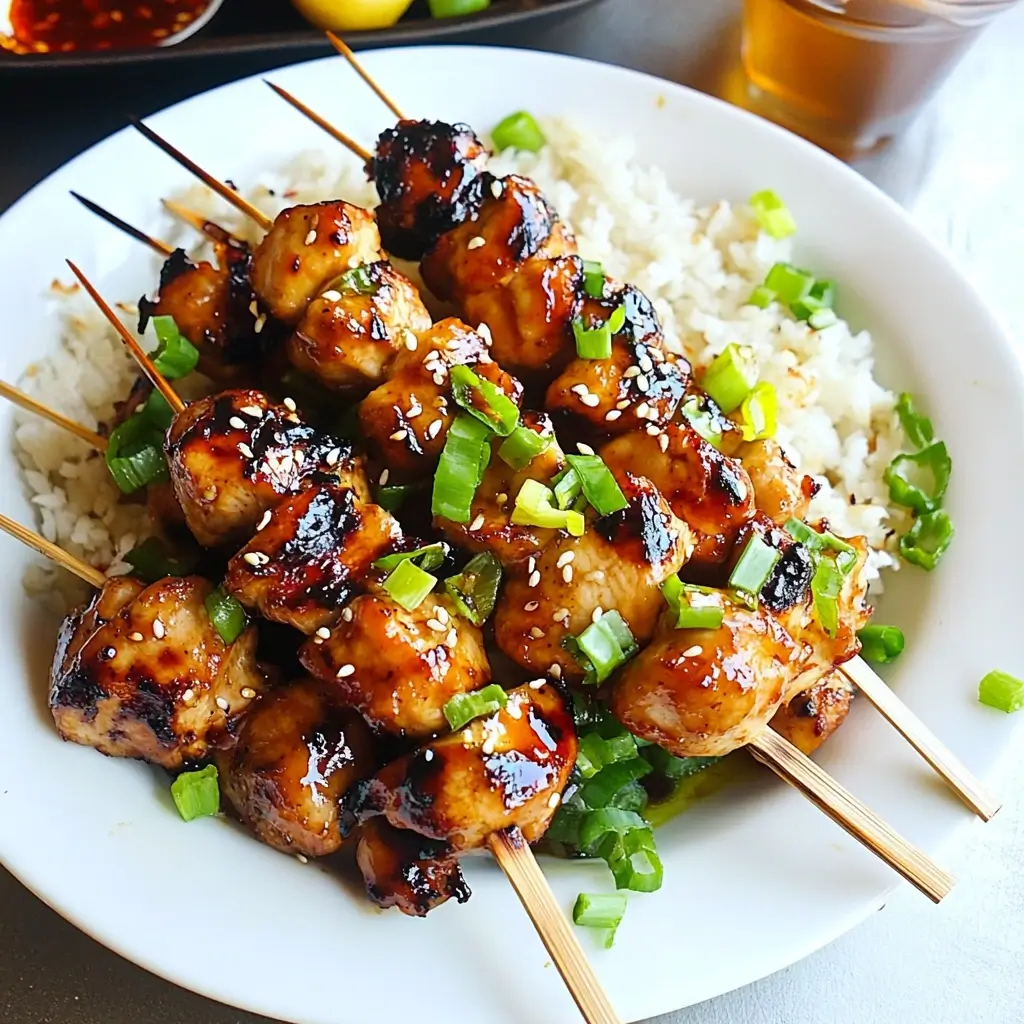

Honey Garlic Asian Chicken Kabobs have become a staple in our household, especially during the warmer months when grilling season is in full swing. There’s something undeniably magical about the combination of sweet honey, savory garlic, and the umami depth of Asian-inspired flavors coating tender, juicy chicken grilled to perfection. From the moment the marinade starts to work its magic, infusing the chicken with its irresistible aroma, to the satisfying sizzle as the kabobs hit the grill, this recipe is a sensory delight. Even my kids, who can sometimes be picky eaters, devour these kabobs without hesitation, often asking for seconds (and sometimes thirds!). They’re not just a hit with the family; these Honey Garlic Asian Chicken Kabobs have become a go-to dish for summer barbecues and casual get-togethers with friends. They are incredibly easy to prepare, bursting with flavor, and always a crowd-pleaser. If you’re looking for a recipe that will impress your guests and become a family favorite, look no further than these delectable Honey Garlic Asian Chicken Kabobs.
Ingredients
Creating the perfect Honey Garlic Asian Chicken Kabobs starts with selecting the right ingredients. Each component plays a vital role in building the complex and delicious flavor profile that makes this dish so irresistible. Let’s delve into each ingredient and understand its contribution to the overall success of the recipe.
- Chicken Thighs: For this recipe, boneless, skinless chicken thighs are the undisputed champion. While chicken breasts might seem like a leaner option, thighs offer superior flavor and remain incredibly moist and tender during grilling. Chicken thighs possess a higher fat content than breasts, which not only contributes to their richer taste but also helps prevent them from drying out on the grill. When you bite into a Honey Garlic Asian Chicken Kabob made with thighs, you’ll experience a succulent, juicy texture that is simply unmatched. You’ll need approximately 2 pounds of boneless, skinless chicken thighs, cut into 1-inch cubes. Ensure you trim any excess fat or connective tissue for the best results and even cooking. If you absolutely must substitute, chicken breasts can be used, but be extra vigilant not to overcook them, and consider brining them beforehand to help retain moisture.
- Soy Sauce (Low Sodium): Soy sauce is the foundational savory element in our marinade, lending a deep umami richness that perfectly complements the sweetness of honey and the pungent aroma of garlic. Opting for low sodium soy sauce is crucial to control the saltiness of the dish. Regular soy sauce can be quite salty, and when combined with other ingredients, it can easily become overpowering. Low sodium soy sauce allows the other flavors to shine through without being masked by excessive salt. About ½ cup of low sodium soy sauce will provide the perfect balance of savory depth without making the kabobs overly salty. If you only have regular soy sauce, you can reduce the amount to ⅓ cup and add a tablespoon or two of water to compensate for the volume and reduce the sodium concentration.
- Honey: Honey is the star of the “Honey Garlic” show, bringing a natural sweetness and a beautiful glaze to the chicken kabobs. Its floral notes and subtle complexity add layers of flavor beyond simple sugar. Use about ¼ cup of honey for a balanced sweetness that isn’t cloying. Different types of honey can impart slightly different flavor profiles. For a classic taste, clover honey or wildflower honey work wonderfully. For a bolder, more robust flavor, consider using buckwheat honey or chestnut honey, but be mindful that these can be quite strong and may require adjusting the amount. Avoid using processed honey substitutes, as they lack the natural flavor and beneficial properties of real honey.
- Garlic: Garlic is the pungent, aromatic backbone of this recipe. Its bold flavor cuts through the sweetness of honey and the richness of soy sauce, creating a harmonious and vibrant taste. Fresh garlic is absolutely essential for the best flavor. Pre-minced garlic from a jar simply cannot compare to the fresh, pungent aroma and taste of freshly minced garlic cloves. You’ll need about 4-5 cloves of garlic, minced finely. For a more intense garlic flavor, you can add an extra clove or two. Mincing the garlic releases its oils and allows it to infuse the marinade thoroughly. If you’re in a pinch, you can use a garlic press, but mincing with a knife generally yields better texture and flavor.
- Rice Vinegar: Rice vinegar provides a crucial element of acidity to the marinade, balancing the sweetness of the honey and the richness of the soy sauce. It also helps to tenderize the chicken and adds a subtle tang that brightens the overall flavor profile. Rice vinegar is milder and slightly sweeter than other types of vinegar, making it perfect for Asian-inspired marinades. Use about 2 tablespoons of rice vinegar. Avoid using white vinegar or balsamic vinegar as substitutes, as they have very different flavor profiles. If you can’t find rice vinegar, apple cider vinegar can be used as a substitute, but use it sparingly, starting with 1 tablespoon and tasting to adjust, as it has a stronger flavor.
- Sesame Oil (Toasted): Toasted sesame oil is a powerhouse of flavor in Asian cuisine. Just a small amount adds a deep, nutty, and incredibly aromatic dimension to the marinade. It’s important to use toasted sesame oil, as it has a much more pronounced flavor than regular sesame oil. A mere tablespoon of toasted sesame oil is enough to infuse the entire marinade with its signature nutty aroma and taste. A little goes a long way, so be careful not to add too much, as it can become overpowering.
- Ginger (Fresh): Fresh ginger adds a warm, spicy, and slightly citrusy note that complements the garlic and other Asian flavors beautifully. It also has enzymatic properties that help to tenderize the chicken. Fresh ginger is far superior to powdered ginger in this recipe. You’ll need about 1 tablespoon of fresh ginger, grated or finely minced. Peel the ginger before grating or mincing. A microplane zester is ideal for grating ginger finely. If you don’t have fresh ginger, you can use ground ginger as a last resort, but the flavor will be less vibrant and complex. Start with ½ teaspoon of ground ginger and adjust to taste.
- Red Pepper Flakes (Optional): For those who enjoy a touch of heat, red pepper flakes are an excellent addition. They provide a subtle kick that balances the sweetness and adds another layer of complexity to the flavor. Red pepper flakes are entirely optional and can be omitted if you prefer a milder flavor. Start with ¼ teaspoon of red pepper flakes and adjust to taste. If you are sensitive to spice, you can omit them altogether or use just a pinch. For those who love spice, you can increase the amount or even add a finely minced chili pepper like a bird’s eye chili for a more intense heat.
- Green Onions (For Garnish): Fresh green onions, also known as scallions, are used as a vibrant and flavorful garnish. They add a fresh, slightly oniony bite and a pop of color to the finished kabobs. You’ll need 2-3 green onions, thinly sliced. Use both the white and green parts of the green onions for garnish. Sprinkle them generously over the cooked kabobs just before serving. They not only add flavor but also make the dish visually appealing.
- Sesame Seeds (For Garnish): Sesame seeds, especially toasted sesame seeds, add a nutty flavor and a pleasant textural contrast to the soft chicken. They also enhance the visual appeal of the dish. Toasted sesame seeds have a more pronounced flavor than untoasted seeds. You can toast sesame seeds easily in a dry pan over medium heat, stirring constantly until they are lightly golden and fragrant. Sprinkle toasted sesame seeds over the cooked kabobs along with the green onions for a final touch of flavor and visual appeal.
Instructions
Creating these delectable Honey Garlic Asian Chicken Kabobs is a straightforward process, even for novice cooks. The key is to allow ample time for the chicken to marinate, ensuring it absorbs all the wonderful flavors. Follow these step-by-step instructions for perfectly grilled and flavorful kabobs every time.
- Prepare the Marinade: In a medium-sized mixing bowl, whisk together the low sodium soy sauce, honey, minced garlic, rice vinegar, toasted sesame oil, grated fresh ginger, and red pepper flakes (if using). Ensure all ingredients are well combined and the honey is fully dissolved into the soy sauce mixture. This creates a homogenous and flavorful marinade that will coat the chicken evenly. Taste the marinade at this stage and adjust seasonings as needed. You might want to add a touch more honey for sweetness, soy sauce for saltiness, or red pepper flakes for heat, depending on your preference. Remember that the flavors will intensify as the marinade infuses the chicken.
- Marinate the Chicken: Place the cubed chicken thighs into the bowl with the marinade. Toss to coat the chicken pieces thoroughly, ensuring every piece is generously covered in the marinade. For optimal flavor infusion, cover the bowl tightly with plastic wrap or transfer the chicken and marinade to a resealable plastic bag. Refrigerate for at least 4 hours, or preferably overnight. The longer the chicken marinates, the more flavorful and tender it will become. If you are short on time, marinating for a minimum of 2 hours will still yield good results, but overnight marination is highly recommended for the best flavor penetration. During the marinating process, occasionally stir or shake the bag to ensure even distribution of the marinade.
- Prepare the Skewers: If using wooden or bamboo skewers, soak them in water for at least 30 minutes before grilling. This prevents them from burning on the grill. While the skewers are soaking, prepare any vegetables you plan to add to your kabobs, such as bell peppers, onions, or pineapple chunks. Soaking the skewers is a crucial step if you are using wooden skewers, as dry wood can easily catch fire on a hot grill. If using metal skewers, this step is not necessary. Consider using flat metal skewers instead of round ones, as they prevent the food from spinning around while grilling, ensuring even cooking and grill marks.
- Assemble the Kabobs: Remove the chicken from the marinade, letting any excess marinade drip off. Thread the marinated chicken cubes onto the prepared skewers. If using vegetables, alternate chicken pieces with your choice of vegetables. Don’t overcrowd the skewers; leave a little space between each piece of chicken and vegetable to ensure even cooking. Overcrowding can steam the chicken instead of grilling it properly. You can arrange the chicken and vegetables in any pattern you like. Consider threading them in a way that allows for even cooking and visually appealing presentation.
- Preheat the Grill: Preheat your grill to medium-high heat. For a gas grill, preheat on medium-high for about 10-15 minutes. For a charcoal grill, light the charcoal and wait until it is covered with white ash and the grill is at medium-high heat. Ensure the grill grates are clean and lightly oiled to prevent sticking. A clean and oiled grill surface is essential for preventing the kabobs from sticking and ensuring beautiful grill marks. You can use a grill brush to clean the grates and then lightly brush them with oil using a paper towel dipped in oil and tongs.
- Grill the Kabobs: Place the assembled kabobs on the preheated grill. Grill for approximately 8-12 minutes, turning occasionally, until the chicken is cooked through and has beautiful grill marks. The exact grilling time will depend on the heat of your grill and the size of the chicken cubes. Use a meat thermometer to ensure the internal temperature of the chicken reaches 165°F (74°C). Turn the kabobs every 2-3 minutes to ensure even cooking and prevent burning. Baste the kabobs with any remaining marinade during the last few minutes of grilling for extra flavor and glaze. Be careful not to baste too early, as the marinade contains honey and can burn if exposed to direct heat for too long.
- Rest and Garnish: Once the chicken is cooked through, remove the kabobs from the grill and let them rest for 5 minutes before serving. Resting allows the juices to redistribute throughout the chicken, resulting in more tender and flavorful kabobs. Garnish with freshly sliced green onions and toasted sesame seeds. Serve immediately and enjoy! The aroma of freshly grilled Honey Garlic Asian Chicken Kabobs is incredibly enticing, so be prepared for everyone to dig in right away.
Nutrition Facts
Understanding the nutritional content of your meals is important for making informed dietary choices. Here’s a breakdown of the estimated nutrition facts for Honey Garlic Asian Chicken Kabobs. Please note that these are approximate values and can vary based on specific ingredients and serving sizes.
Servings: Approximately 6 servings
Serving Size: 2 kabobs (estimated, depending on skewer size and chicken portioning)
Approximate Nutrition Facts Per Serving:
- Calories: 350-450 kcal (This can vary based on honey content and chicken fat)
- Protein: 35-45g
- Fat: 15-25g (Varies depending on chicken thigh fat content and added oil)
- Saturated Fat: 4-7g
- Unsaturated Fat: 8-15g
- Cholesterol: 150-200mg
- Sodium: 500-700mg (Varies depending on soy sauce and added salt)
- Carbohydrates: 20-30g
- Sugar: 15-25g (Primarily from honey)
- Fiber: 1-2g
Important Considerations:
- These values are estimates. Actual nutrition may vary.
- Using leaner chicken or adjusting honey quantity will affect calorie and sugar content.
- Sodium content can be reduced further by using very low sodium soy sauce and being mindful of added salt in other components of the meal.
- Adding vegetables to the kabobs will increase fiber and micronutrient content while potentially reducing the overall calorie count per serving, depending on the vegetables used.
- This recipe provides a good source of protein and moderate amounts of healthy fats.
- It’s a flavorful and satisfying meal option that can be part of a balanced diet.
For more precise nutritional information, you can use online nutrition calculators or apps, inputting the specific brands and quantities of ingredients you use. Remember to consider portion sizes when calculating your daily intake.
Preparation Time
Efficient meal preparation is key, especially during busy weeknights or when entertaining guests. Honey Garlic Asian Chicken Kabobs are surprisingly easy to prepare, with most of the time dedicated to marinating and grilling. Here’s a breakdown of the preparation time:
- Prep Time (Marinade & Chicken Cubing): 20-25 minutes
- This includes gathering ingredients, mincing garlic and ginger, whisking the marinade, and cutting the chicken thighs into cubes. If you are well-organized, you can streamline this process. Using pre-minced garlic and ginger (though fresh is recommended for best flavor) can slightly reduce prep time.
- Marinating Time: Minimum 4 hours, ideally overnight (8-12 hours)
- This is passive time where the chicken sits in the marinade, absorbing flavors and becoming tender. While the chicken is marinating, you can attend to other tasks or relax. Longer marinating times result in more flavorful and tender chicken. If you are short on time, a minimum of 2 hours of marination will still provide noticeable flavor.
- Skewering Time: 10-15 minutes
- This involves threading the marinated chicken onto skewers, potentially alternating with vegetables. The time will depend on the number of kabobs you are making and whether you are adding vegetables. Having pre-soaked skewers ready will make this step smoother.
- Grilling Time: 8-12 minutes
- Grilling time depends on the heat of your grill and the size of the chicken cubes. It’s crucial to cook the chicken to an internal temperature of 165°F (74°C). Keep a close eye on the kabobs while grilling and turn them frequently for even cooking.
- Resting Time: 5 minutes
- Allowing the grilled kabobs to rest for 5 minutes before serving is important for optimal juiciness and flavor.
Total Active Prep Time: Approximately 35-45 minutes
Total Time (Including Marinating): Minimum 4 hours 40 minutes, ideally overnight + 40 minutes
Tips to Speed Up Preparation:
- Prepare the marinade in advance: You can make the marinade a day or two ahead and store it in the refrigerator.
- Cube the chicken ahead of time: Chicken can be cubed and stored in the refrigerator (separately from the marinade) a day ahead.
- Utilize pre-cut vegetables: If adding vegetables, purchase pre-cut vegetables to save time.
- Soak skewers in advance: Soak wooden skewers the day before and store them in a resealable bag.
While the marinating time is significant, the active preparation time for Honey Garlic Asian Chicken Kabobs is relatively short, making them a manageable and delicious meal for any occasion.
How to Serve
Honey Garlic Asian Chicken Kabobs are incredibly versatile and can be served in a multitude of ways. Their vibrant flavors pair well with a variety of side dishes and accompaniments, making them perfect for casual weeknight dinners or elegant summer gatherings. Here are some delightful serving suggestions:
- Classic Rice Bowls:
- Steamed White Rice: A simple bed of fluffy steamed white rice is a classic and comforting base for the flavorful kabobs. The rice soaks up the delicious honey garlic glaze that drips off the chicken.
- Brown Rice: For a healthier and nuttier option, serve the kabobs with brown rice. Brown rice offers more fiber and a slightly chewier texture.
- Coconut Rice: Enhance the Asian flavors by serving the kabobs with fragrant coconut rice. The subtle sweetness of coconut milk complements the honey garlic marinade beautifully.
- Jasmine Rice: Jasmine rice, with its delicate floral aroma, is another excellent choice that pairs wonderfully with Asian-inspired dishes.
- Fresh and Vibrant Salads:
- Asian Slaw: A crisp and refreshing Asian slaw with a light vinaigrette is a perfect counterpoint to the richness of the kabobs. Include ingredients like shredded cabbage, carrots, edamame, and a sesame ginger dressing.
- Cucumber Salad: A simple cucumber salad with rice vinegar, sesame oil, and a touch of sugar offers a cool and refreshing side that cleanses the palate.
- Edamame Salad: A vibrant edamame salad with corn, bell peppers, and a light citrus dressing adds color, texture, and nutrients to the meal.
- Seaweed Salad: For a more authentic Asian experience, serve with a seaweed salad. Its briny and slightly tangy flavor complements the sweet and savory kabobs.
- Grilled or Roasted Vegetables:
- Grilled Bell Peppers and Onions: Grill bell peppers and onions alongside the chicken kabobs for a complete and flavorful grilled meal. The smoky char of the grilled vegetables enhances the overall taste.
- Roasted Asparagus: Roasted asparagus, lightly seasoned with salt, pepper, and a drizzle of olive oil, is a simple and elegant side that pairs well with the kabobs.
- Grilled Corn on the Cob: During summer, grilled corn on the cob is a quintessential side dish. Its sweetness and smoky flavor complement the honey garlic chicken.
- Roasted Broccoli: Roasted broccoli florets, tossed with a touch of garlic powder and olive oil, offer a healthy and satisfying vegetable side.
- Noodle Dishes:
- Lo Mein Noodles: Serve the kabobs over a bed of stir-fried lo mein noodles with vegetables for a heartier and more substantial meal.
- Rice Noodles: Light and delicate rice noodles, tossed with a peanut sauce or a light soy sauce dressing, create a delicious and flavorful noodle bowl with the kabobs.
- Soba Noodles: Buckwheat soba noodles, served cold with a sesame ginger dressing, offer a refreshing and healthy noodle option.
- Appetizers and Dips:
- Spring Rolls: Serve the Honey Garlic Asian Chicken Kabobs alongside fresh spring rolls filled with vegetables and herbs for a complete Asian-inspired feast.
- Peanut Sauce: Offer a side of creamy peanut sauce for dipping the kabobs. The nutty and savory peanut sauce complements the honey garlic glaze beautifully.
- Sweet Chili Sauce: A sweet chili sauce provides a touch of extra sweetness and a mild kick of spice for dipping.
By offering a variety of sides and accompaniments, you can customize your Honey Garlic Asian Chicken Kabob meal to suit any occasion and palate, making it a truly versatile and crowd-pleasing dish.
Additional Tips
To elevate your Honey Garlic Asian Chicken Kabobs from delicious to absolutely exceptional, consider these helpful tips and tricks. These insights will help you maximize flavor, ensure perfect grilling, and impress your family and friends with your culinary skills.
- Pound Chicken Thighs for Even Cooking: Chicken thighs, while wonderfully flavorful, can sometimes be uneven in thickness. To ensure consistent cooking and prevent some pieces from drying out while others are still raw, lightly pound the thicker parts of the chicken thighs with a meat mallet before cubing. This evens out the thickness, allowing the chicken to cook uniformly on the grill. Pounding also tenderizes the chicken slightly, resulting in even more succulent kabobs. Don’t pound too forcefully; you just want to slightly flatten the thicker sections.
- Marinate in a Resealable Bag for Maximum Marinade Contact: Instead of marinating the chicken in a bowl, transfer the chicken and marinade to a resealable plastic bag. Squeeze out as much air as possible before sealing the bag. This ensures that the marinade is in constant contact with the chicken, maximizing flavor absorption. You can also easily flip and rotate the bag in the refrigerator to ensure even marination. Using a bag is also convenient for clean-up.
- Don’t Overcrowd the Skewers and Grill: Resist the urge to pack too much chicken onto each skewer or overcrowd the grill. Overcrowding skewers prevents even cooking, as the chicken pieces will steam rather than grill properly. Leave a small gap between each piece of chicken on the skewer to allow for heat circulation and even grilling. Similarly, avoid overcrowding the grill grates. Grilling in batches if necessary ensures that each kabob cooks perfectly and develops those desirable grill marks.
- Baste with Reserved Marinade (Before Chicken is Fully Cooked): While the chicken is grilling, you can baste it with some of the reserved marinade for extra flavor and a beautiful glaze. However, it’s crucial to do this before the chicken is fully cooked. Raw chicken marinade should not be used as a sauce after the chicken is cooked due to potential bacterial contamination. Reserve a portion of the marinade before adding the raw chicken specifically for basting. Basting during the last few minutes of grilling will enhance the glaze and intensify the honey garlic flavor.
- Let the Kabobs Rest After Grilling for Juiciness: Just like with steaks or roasts, allowing the Honey Garlic Asian Chicken Kabobs to rest for 5 minutes after grilling is essential for optimal juiciness. Resting allows the juices within the chicken to redistribute throughout the meat, resulting in more tender and flavorful kabobs. Cover the grilled kabobs loosely with foil and let them rest before serving. This simple step makes a noticeable difference in the texture and overall enjoyment of the dish.
By incorporating these additional tips into your preparation, you’ll be well on your way to creating Honey Garlic Asian Chicken Kabobs that are not only bursting with flavor but also perfectly cooked and incredibly juicy.
FAQ Section: Ingredients
Navigating ingredients and understanding substitutions is crucial for successful cooking, especially when you’re aiming for specific flavor profiles like in Honey Garlic Asian Chicken Kabobs. Here are some frequently asked questions about the ingredients used in this recipe:
Q1: Can I use chicken breasts instead of chicken thighs?
A: Yes, you can substitute chicken breasts for chicken thighs, but be aware that chicken breasts are leaner and tend to dry out more easily during grilling. If using chicken breasts, it’s highly recommended to brine them beforehand to help retain moisture. Reduce the grilling time slightly and monitor them closely to prevent overcooking. Chicken thighs are preferred for their superior flavor and juiciness, but chicken breasts can be a leaner alternative if prepared carefully. Cut chicken breasts into slightly larger cubes than thighs, as they tend to shrink more during cooking.
Q2: Can I use regular soy sauce instead of low sodium soy sauce?
A: While you can use regular soy sauce, it’s strongly recommended to use low sodium soy sauce. Regular soy sauce is significantly saltier, and using it in the full amount called for in the recipe can result in overly salty kabobs. If you only have regular soy sauce, reduce the amount to ⅓ cup and consider adding a tablespoon or two of water to dilute the saltiness and maintain the marinade volume. Taste the marinade and adjust accordingly.
Q3: What can I substitute for rice vinegar?
A: Rice vinegar is preferred for its mild and slightly sweet flavor, which complements Asian-inspired marinades. If you don’t have rice vinegar, apple cider vinegar can be used as a substitute. However, apple cider vinegar has a stronger flavor, so use it sparingly, starting with 1 tablespoon and tasting the marinade to adjust. White wine vinegar is another milder option, but avoid using balsamic vinegar or distilled white vinegar, as their flavor profiles are quite different and will significantly alter the taste of the marinade.
Q4: Can I use powdered ginger instead of fresh ginger?
A: Fresh ginger is highly recommended for its vibrant and complex flavor. Powdered ginger lacks the same freshness and aromatic qualities. If you must use powdered ginger, start with ½ teaspoon and taste the marinade, adding a little more if needed. However, the flavor will not be as pronounced or nuanced as with fresh ginger. For the best results, make an effort to use fresh ginger. It’s readily available in most grocery stores and adds a significant flavor boost to the kabobs.
Q5: I don’t have toasted sesame oil. Can I use regular sesame oil or another oil?
A: Toasted sesame oil is crucial for adding that characteristic nutty and aromatic flavor to the marinade. Regular sesame oil lacks the same depth of flavor. If you don’t have toasted sesame oil, you can try toasting regular sesame oil yourself by heating it gently in a pan over low heat until it becomes fragrant, being careful not to burn it. Alternatively, you can use another neutral oil like canola oil or vegetable oil, but the sesame flavor will be missing. For the best flavor experience, it’s worth seeking out toasted sesame oil, as it makes a significant difference in the overall taste of the Honey Garlic Asian Chicken Kabobs. It’s a staple ingredient in Asian cuisine and can be found in most grocery stores in the Asian foods section.
Print
Honey Garlic Asian Chicken Kabobs Recipe
Ingredients
- Chicken Thighs: For this recipe, boneless, skinless chicken thighs are the undisputed champion. While chicken breasts might seem like a leaner option, thighs offer superior flavor and remain incredibly moist and tender during grilling. Chicken thighs possess a higher fat content than breasts, which not only contributes to their richer taste but also helps prevent them from drying out on the grill. When you bite into a Honey Garlic Asian Chicken Kabob made with thighs, you’ll experience a succulent, juicy texture that is simply unmatched. You’ll need approximately 2 pounds of boneless, skinless chicken thighs, cut into 1-inch cubes. Ensure you trim any excess fat or connective tissue for the best results and even cooking. If you absolutely must substitute, chicken breasts can be used, but be extra vigilant not to overcook them, and consider brining them beforehand to help retain moisture.
- Soy Sauce (Low Sodium): Soy sauce is the foundational savory element in our marinade, lending a deep umami richness that perfectly complements the sweetness of honey and the pungent aroma of garlic. Opting for low sodium soy sauce is crucial to control the saltiness of the dish. Regular soy sauce can be quite salty, and when combined with other ingredients, it can easily become overpowering. Low sodium soy sauce allows the other flavors to shine through without being masked by excessive salt. About ½ cup of low sodium soy sauce will provide the perfect balance of savory depth without making the kabobs overly salty. If you only have regular soy sauce, you can reduce the amount to ⅓ cup and add a tablespoon or two of water to compensate for the volume and reduce the sodium concentration.
- Honey: Honey is the star of the “Honey Garlic” show, bringing a natural sweetness and a beautiful glaze to the chicken kabobs. Its floral notes and subtle complexity add layers of flavor beyond simple sugar. Use about ¼ cup of honey for a balanced sweetness that isn’t cloying. Different types of honey can impart slightly different flavor profiles. For a classic taste, clover honey or wildflower honey work wonderfully. For a bolder, more robust flavor, consider using buckwheat honey or chestnut honey, but be mindful that these can be quite strong and may require adjusting the amount. Avoid using processed honey substitutes, as they lack the natural flavor and beneficial properties of real honey.
- Garlic: Garlic is the pungent, aromatic backbone of this recipe. Its bold flavor cuts through the sweetness of honey and the richness of soy sauce, creating a harmonious and vibrant taste. Fresh garlic is absolutely essential for the best flavor. Pre-minced garlic from a jar simply cannot compare to the fresh, pungent aroma and taste of freshly minced garlic cloves. You’ll need about 4-5 cloves of garlic, minced finely. For a more intense garlic flavor, you can add an extra clove or two. Mincing the garlic releases its oils and allows it to infuse the marinade thoroughly. If you’re in a pinch, you can use a garlic press, but mincing with a knife generally yields better texture and flavor.
- Rice Vinegar: Rice vinegar provides a crucial element of acidity to the marinade, balancing the sweetness of the honey and the richness of the soy sauce. It also helps to tenderize the chicken and adds a subtle tang that brightens the overall flavor profile. Rice vinegar is milder and slightly sweeter than other types of vinegar, making it perfect for Asian-inspired marinades. Use about 2 tablespoons of rice vinegar. Avoid using white vinegar or balsamic vinegar as substitutes, as they have very different flavor profiles. If you can’t find rice vinegar, apple cider vinegar can be used as a substitute, but use it sparingly, starting with 1 tablespoon and tasting to adjust, as it has a stronger flavor.
- Sesame Oil (Toasted): Toasted sesame oil is a powerhouse of flavor in Asian cuisine. Just a small amount adds a deep, nutty, and incredibly aromatic dimension to the marinade. It’s important to use toasted sesame oil, as it has a much more pronounced flavor than regular sesame oil. A mere tablespoon of toasted sesame oil is enough to infuse the entire marinade with its signature nutty aroma and taste. A little goes a long way, so be careful not to add too much, as it can become overpowering.
- Ginger (Fresh): Fresh ginger adds a warm, spicy, and slightly citrusy note that complements the garlic and other Asian flavors beautifully. It also has enzymatic properties that help to tenderize the chicken. Fresh ginger is far superior to powdered ginger in this recipe. You’ll need about 1 tablespoon of fresh ginger, grated or finely minced. Peel the ginger before grating or mincing. A microplane zester is ideal for grating ginger finely. If you don’t have fresh ginger, you can use ground ginger as a last resort, but the flavor will be less vibrant and complex. Start with ½ teaspoon of ground ginger and adjust to taste.
- Red Pepper Flakes (Optional): For those who enjoy a touch of heat, red pepper flakes are an excellent addition. They provide a subtle kick that balances the sweetness and adds another layer of complexity to the flavor. Red pepper flakes are entirely optional and can be omitted if you prefer a milder flavor. Start with ¼ teaspoon of red pepper flakes and adjust to taste. If you are sensitive to spice, you can omit them altogether or use just a pinch. For those who love spice, you can increase the amount or even add a finely minced chili pepper like a bird’s eye chili for a more intense heat.
- Green Onions (For Garnish): Fresh green onions, also known as scallions, are used as a vibrant and flavorful garnish. They add a fresh, slightly oniony bite and a pop of color to the finished kabobs. You’ll need 2-3 green onions, thinly sliced. Use both the white and green parts of the green onions for garnish. Sprinkle them generously over the cooked kabobs just before serving. They not only add flavor but also make the dish visually appealing.
- Sesame Seeds (For Garnish): Sesame seeds, especially toasted sesame seeds, add a nutty flavor and a pleasant textural contrast to the soft chicken. They also enhance the visual appeal of the dish. Toasted sesame seeds have a more pronounced flavor than untoasted seeds. You can toast sesame seeds easily in a dry pan over medium heat, stirring constantly until they are lightly golden and fragrant. Sprinkle toasted sesame seeds over the cooked kabobs along with the green onions for a final touch of flavor and visual appeal.
Instructions
- Prepare the Marinade: In a medium-sized mixing bowl, whisk together the low sodium soy sauce, honey, minced garlic, rice vinegar, toasted sesame oil, grated fresh ginger, and red pepper flakes (if using). Ensure all ingredients are well combined and the honey is fully dissolved into the soy sauce mixture. This creates a homogenous and flavorful marinade that will coat the chicken evenly. Taste the marinade at this stage and adjust seasonings as needed. You might want to add a touch more honey for sweetness, soy sauce for saltiness, or red pepper flakes for heat, depending on your preference. Remember that the flavors will intensify as the marinade infuses the chicken.
- Marinate the Chicken: Place the cubed chicken thighs into the bowl with the marinade. Toss to coat the chicken pieces thoroughly, ensuring every piece is generously covered in the marinade. For optimal flavor infusion, cover the bowl tightly with plastic wrap or transfer the chicken and marinade to a resealable plastic bag. Refrigerate for at least 4 hours, or preferably overnight. The longer the chicken marinates, the more flavorful and tender it will become. If you are short on time, marinating for a minimum of 2 hours will still yield good results, but overnight marination is highly recommended for the best flavor penetration. During the marinating process, occasionally stir or shake the bag to ensure even distribution of the marinade.
- Prepare the Skewers: If using wooden or bamboo skewers, soak them in water for at least 30 minutes before grilling. This prevents them from burning on the grill. While the skewers are soaking, prepare any vegetables you plan to add to your kabobs, such as bell peppers, onions, or pineapple chunks. Soaking the skewers is a crucial step if you are using wooden skewers, as dry wood can easily catch fire on a hot grill. If using metal skewers, this step is not necessary. Consider using flat metal skewers instead of round ones, as they prevent the food from spinning around while grilling, ensuring even cooking and grill marks.
- Assemble the Kabobs: Remove the chicken from the marinade, letting any excess marinade drip off. Thread the marinated chicken cubes onto the prepared skewers. If using vegetables, alternate chicken pieces with your choice of vegetables. Don’t overcrowd the skewers; leave a little space between each piece of chicken and vegetable to ensure even cooking. Overcrowding can steam the chicken instead of grilling it properly. You can arrange the chicken and vegetables in any pattern you like. Consider threading them in a way that allows for even cooking and visually appealing presentation.
- Preheat the Grill: Preheat your grill to medium-high heat. For a gas grill, preheat on medium-high for about 10-15 minutes. For a charcoal grill, light the charcoal and wait until it is covered with white ash and the grill is at medium-high heat. Ensure the grill grates are clean and lightly oiled to prevent sticking. A clean and oiled grill surface is essential for preventing the kabobs from sticking and ensuring beautiful grill marks. You can use a grill brush to clean the grates and then lightly brush them with oil using a paper towel dipped in oil and tongs.
- Grill the Kabobs: Place the assembled kabobs on the preheated grill. Grill for approximately 8-12 minutes, turning occasionally, until the chicken is cooked through and has beautiful grill marks. The exact grilling time will depend on the heat of your grill and the size of the chicken cubes. Use a meat thermometer to ensure the internal temperature of the chicken reaches 165°F (74°C). Turn the kabobs every 2-3 minutes to ensure even cooking and prevent burning. Baste the kabobs with any remaining marinade during the last few minutes of grilling for extra flavor and glaze. Be careful not to baste too early, as the marinade contains honey and can burn if exposed to direct heat for too long.
- Rest and Garnish: Once the chicken is cooked through, remove the kabobs from the grill and let them rest for 5 minutes before serving. Resting allows the juices to redistribute throughout the chicken, resulting in more tender and flavorful kabobs. Garnish with freshly sliced green onions and toasted sesame seeds. Serve immediately and enjoy! The aroma of freshly grilled Honey Garlic Asian Chicken Kabobs is incredibly enticing, so be prepared for everyone to dig in right away.
Nutrition
- Serving Size: one normal portion
- Calories: 350-450
- Sugar: 15-25g
- Sodium: 500-700mg
- Fat: 15-25g
- Saturated Fat: 4-7g
- Unsaturated Fat: 8-15g
- Carbohydrates: 20-30g
- Fiber: 1-2g
- Protein: 35-45g
- Cholesterol: 150-200mg