
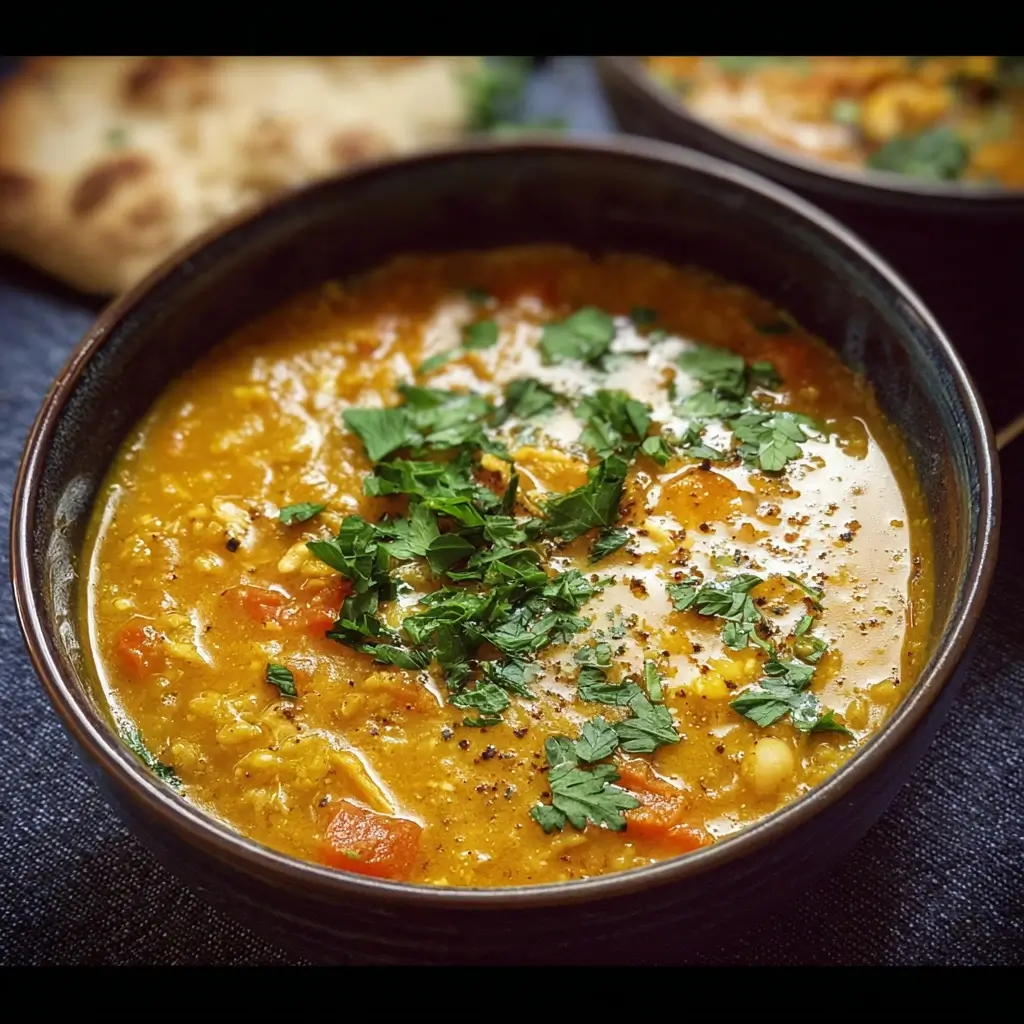
Of all the dishes that have graced my family’s dinner table, few have the transportive power of this Indian Mulligatawny Soup. I first made it on a whim during a particularly damp and chilly autumn week, craving something that was both deeply comforting and excitingly different. The moment the aroma of toasted spices, simmering lentils, and creamy coconut milk began to fill the kitchen, I knew I had stumbled upon something special. When I served it, a hush fell over the table, quickly replaced by spoons clinking against bowls and sighs of pure satisfaction. My husband, usually a man of few words when it comes to food, looked up and declared it “liquid gold.” My kids, who can be wary of anything new, asked for seconds. It has since become our go-to “hug in a bowl,” a recipe that warms you from the inside out, balancing a symphony of flavors—sweet, savory, tangy, and spicy—in every single spoonful. It’s more than just a soup; it’s a culinary journey that feels both exotic and as comforting as home.
A Taste of History: What is Mulligatawny Soup?
Before we dive into the pot, it’s worth taking a moment to appreciate the rich history behind this incredible dish. The name “Mulligatawny” is an anglicized version of the Tamil words milagu (pepper) and thanni (water). Its origins trace back to the time of the British Raj in India during the late 18th century.
Originally, milagu thanni was a simple, thin, and spicy broth, more akin to a South Indian rasam, served with rice. British colonialists, accustomed to the soup courses of European dining, fell in love with the flavor profile but desired something more substantial. Indian cooks, catering to the tastes of their employers, began adapting the recipe. They enriched the peppery water with chicken or lamb, added lentils for body, vegetables for texture, and coconut milk for a luxurious, creamy finish. The addition of ingredients like apples provided a touch of sweetness to balance the heat, creating a complex and layered dish.
Essentially, Mulligatawny soup is one of the earliest and most delicious examples of fusion cuisine. It is a dish born from a cultural crossroads, a beautiful culinary conversation between India and Britain. Over the centuries, it has evolved into countless variations, but the heart of the soup remains the same: a vibrant, aromatic, and deeply satisfying experience that tells a story in every bite. This recipe honors that tradition while being perfectly suited for the modern home kitchen.
The Symphony of Ingredients
The magic of Mulligatawny lies in the beautiful harmony of its components. Each ingredient plays a crucial role in building layers of flavor, texture, and aroma. Here is the complete list of what you’ll need to create this masterpiece.
For the Soup Base:
- Olive Oil or Ghee: 2 tablespoons (Ghee adds a wonderful nutty flavor, but olive oil works perfectly)
- Yellow Onions: 2 medium, finely chopped
- Carrots: 2 medium, finely chopped
- Celery Stalks: 2 medium, finely chopped
- Garlic: 4-5 cloves, minced
- Fresh Ginger: 1-inch piece, peeled and grated
- Boneless, Skinless Chicken Breasts or Thighs: 1.5 lbs (about 680g), cut into 1-inch cubes
- Granny Smith Apple: 1 large, peeled, cored, and chopped (The tartness is key for balance)
- Red Lentils (Masoor Dal): 1 cup, rinsed thoroughly
- Chicken or Vegetable Broth: 6 cups, low-sodium
- Full-Fat Canned Coconut Milk: 1 can (13.5 oz or 400ml)
- Fresh Lemon Juice: From 1 large lemon (about 3-4 tablespoons)
- Salt: 1.5 teaspoons, or to taste
- Black Pepper: ½ teaspoon, freshly ground
For the Spice Blend (The ‘Mulligatawny’ Magic):
- Curry Powder: 2 tablespoons (a good quality Madras curry powder is excellent here)
- Turmeric Powder: 1 teaspoon
- Ground Cumin: 1 teaspoon
- Ground Coriander: 1 teaspoon
- Smoked Paprika: ½ teaspoon (optional, for a subtle smoky depth)
- Cayenne Pepper or Red Chili Flakes: ¼ to ½ teaspoon (adjust to your heat preference)
For Garnish (Optional but Highly Recommended):
- Fresh Cilantro: A generous handful, chopped
- Cooked Basmati Rice: For serving
- Plain Yogurt or Coconut Cream: For drizzling
- Toasted Almond Slivers: For crunch
Step-by-Step Instructions for Perfect Mulligatawny Soup
Follow these detailed steps to build flavor methodically, ensuring your soup is nothing short of spectacular. The key is patience, allowing each set of ingredients to release its full potential before moving to the next.
Step 1: Build the Aromatic Foundation
In a large Dutch oven or heavy-bottomed pot, heat the ghee or olive oil over medium heat. Once it shimmers, add the chopped onions, carrots, and celery. This trio is known as a mirepoix and is the flavor base of countless classic dishes. Sauté for 8-10 minutes, stirring occasionally, until the vegetables are softened and the onions are translucent and slightly sweet. Do not rush this step; this is where the first layer of deep, savory flavor is developed.
Step 2: Awaken the Aromatics and Spices
Add the minced garlic and grated ginger to the pot. Stir continuously for about 1 minute until they become highly fragrant. Be careful not to let them burn. Now, it’s time to “bloom” the spices. Add the curry powder, turmeric, cumin, coriander, smoked paprika, and cayenne pepper directly into the pot with the vegetables. Stir constantly for another 60-90 seconds. Toasting the spices in the hot oil is a crucial technique that unlocks their essential oils, dramatically intensifying their flavor and aroma compared to just adding them to liquid. Your kitchen should now smell absolutely divine.
Step 3: Sear the Chicken and Add the Fruit
Increase the heat to medium-high. Add the cubed chicken to the pot, along with the salt and freshly ground black pepper. Cook for 5-7 minutes, stirring, until the chicken is lightly browned on all sides. It doesn’t need to be cooked through at this point. Add the chopped Granny Smith apple and cook for another 2 minutes, allowing it to soften slightly and mingle with the spices.
Step 4: Deglaze and Simmer
Pour in about a cup of the chicken or vegetable broth. Use a wooden spoon to scrape up any browned bits (fond) from the bottom of the pot. This fond is packed with concentrated flavor. Once the bottom is clean, add the rinsed red lentils and the remaining 5 cups of broth. Stir everything together well.
Step 5: The Simmering Magic
Bring the soup to a boil, then immediately reduce the heat to low. Cover the pot and let it simmer gently for 25-30 minutes. During this time, the chicken will become perfectly tender, and the red lentils will break down, naturally thickening the soup and giving it a wonderful, creamy consistency. Stir occasionally to prevent anything from sticking to the bottom.
Step 6: Create the Creamy Texture
After simmering, the soup is ready for its final transformation. You have two options for texture:
- For a partially creamy texture (recommended): Use an immersion blender and pulse it directly in the pot just 5-6 times. This will break down some of the lentils and vegetables, creating a creamy base while leaving plenty of delicious texture from the chicken and remaining veggies.
- For a fully smooth texture: Carefully transfer about half of the soup (avoiding large chunks of chicken) to a regular blender and blend until smooth. Return the puréed soup to the pot and stir to combine.
Step 7: The Finishing Touches
Turn the heat off. Slowly stir in the full can of coconut milk and the fresh lemon juice. The coconut milk adds a luxurious richness and creaminess that complements the spices beautifully, while the lemon juice brightens all the flavors and adds a necessary acidic lift. Do not let the soup boil after adding the coconut milk, as it can cause it to curdle.
Step 8: Taste and Adjust
This is the final and most important step. Taste the soup. Does it need more salt? A bit more of a spicy kick (add a pinch more cayenne)? More brightness (a squeeze more lemon juice)? Adjust the seasonings until the soup tastes absolutely perfect to you.
Nutrition Facts
Please note that these values are an approximation and can vary based on specific ingredients used (e.g., type of broth, fat content of coconut milk).
- Servings: 6-8 generous servings
- Calories per serving: Approximately 420-480 kcal
This soup is a nutritional powerhouse. It’s packed with lean protein from the chicken, fiber and plant-based protein from the lentils, and a wealth of vitamins and minerals from the vegetables and spices. The healthy fats from the coconut milk make it a well-rounded and satisfying meal.
Preparation Time
- Prep Time: 20 minutes (for chopping vegetables and measuring spices)
- Cook Time: 45 minutes
- Total Time: 1 hour and 5 minutes
How to Serve Your Indian Mulligatawny Soup
Serving Mulligatawny is an experience in itself. The garnishes aren’t just for looks; they add crucial layers of texture and flavor that complete the dish. Here’s how to create the perfect bowl:
- The Foundation: Ladle the hot, fragrant soup into warm bowls.
- Add a Starch: The traditional and most beloved accompaniment is a small mound of fluffy, steaming Basmati rice placed right in the center of the bowl. The rice soaks up the delicious broth and makes the soup a complete, hearty meal.
- Introduce Freshness and Creaminess:
- Sprinkle generously with freshly chopped cilantro. Its bright, herbaceous flavor cuts through the richness of the soup.
- Drizzle a swirl of plain yogurt, sour cream, or extra coconut cream on top. This adds a cool, tangy counterpoint to the warm spices.
- Bring the Crunch:
- Scatter a spoonful of toasted almond slivers or cashews over the top. This adds a fantastic textural contrast.
- For an extra savory crunch, top with a few store-bought or homemade crispy fried onions.
- Finish with Acidity:
- Serve each bowl with a lime or lemon wedge on the side, allowing each person to add an extra squeeze of brightness to their liking.
- For Dipping:
- Warm naan bread or a crusty baguette is an absolute must for dipping and sopping up every last drop of the delicious broth.
Additional Tips for Mulligatawny Mastery
- Don’t Skimp on the Coconut Milk: Use full-fat, canned coconut milk for the best results. The light version simply doesn’t provide the same level of creaminess and richness that is so characteristic of a great Mulligatawny. The fat is essential for carrying the flavor of the spices.
- The Apple Matters: While it may seem like an odd ingredient, the apple is a secret weapon. A tart apple like a Granny Smith provides a subtle sweetness and a tangy backbone that balances the earthy spices and the savory broth. Do not substitute with a sweet apple like a Red Delicious.
- Embrace the Immersion Blender: If you have an immersion (stick) blender, it’s the perfect tool for this soup. You can control the texture precisely without the hassle of transferring hot liquid to a traditional blender. A few quick pulses are all you need to achieve that perfect balance of creamy and chunky.
- Flavors Develop Over Time: Like many curries and stews, Mulligatawny soup is even better the next day. The flavors have more time to meld and deepen. This makes it an excellent recipe for meal prep. Make a big batch on the weekend to enjoy for easy lunches or dinners during the week.
- Make it Your Own: This recipe is a fantastic template. Feel free to customize it. You can add other vegetables like sweet potatoes or cauliflower. If you love heat, add a fresh chili along with the garlic and ginger. Don’t have chicken? Use leftover shredded turkey (perfect after a holiday) or make a vegetarian version.
Frequently Asked Questions (FAQ) about Mulligatawny Soup
1. Can I make this soup vegetarian or vegan?
Absolutely! This soup is incredibly versatile.
- For a vegetarian version: Simply omit the chicken and use a high-quality vegetable broth. To make it heartier, you can add a can of chickpeas (drained and rinsed) during the last 10 minutes of simmering or add cubed sweet potatoes along with the carrots and celery.
- For a vegan version: Follow the vegetarian instructions and be sure to use olive oil instead of ghee. Serve with a swirl of coconut cream instead of dairy yogurt.
2. What are the best lentils for Mulligatawny soup?
Red lentils (masoor dal) are the ideal choice. They cook very quickly and break down almost completely, which is what gives the soup its signature thick, creamy body without needing any flour or cornstarch. Brown or green lentils will work, but they hold their shape more and will result in a different, less creamy texture. You would also need to increase the simmering time by about 15-20 minutes.
3. How do I store and reheat leftovers?
Mulligatawny soup stores beautifully.
- In the Refrigerator: Let the soup cool completely, then store it in an airtight container in the fridge for up to 4-5 days.
- In the Freezer: The soup also freezes very well. Cool it completely and pour it into freezer-safe containers or bags, leaving a little room for expansion. It will keep for up to 3 months.
- To Reheat: Thaw frozen soup in the refrigerator overnight. Reheat gently on the stovetop over medium-low heat, stirring occasionally, until warmed through. You may need to add a splash of broth or water to thin it out, as it can thicken upon standing. Avoid boiling it.
4. Is Mulligatawny soup supposed to be very spicy?
It’s more “spiced” than “spicy.” A traditional Mulligatawny is deeply flavorful and aromatic from the blend of spices like curry, cumin, and coriander. The level of heat is entirely up to you. This recipe calls for ¼ to ½ teaspoon of cayenne, which provides a gentle warmth. If you prefer a milder soup, you can omit the cayenne entirely. If you are a fan of heat, feel free to increase the amount or add a finely chopped fresh chili pepper.
5. Can I make this in an Instant Pot or Slow Cooker?
Yes, this recipe adapts well to both appliances.
- Instant Pot: Use the ‘Sauté’ function for steps 1-3. Deglaze the pot, then add the lentils and broth. Secure the lid, set the valve to ‘Sealing,’ and cook on High Pressure for 10 minutes. Allow a 10-minute natural pressure release before quick-releasing the rest. Proceed with steps 6-8.
- Slow Cooker: Complete steps 1-3 in a skillet on the stovetop to build the best flavor. Transfer everything to the slow cooker. Add the lentils and broth. Cook on low for 6-8 hours or on high for 3-4 hours. About 30 minutes before serving, proceed with steps 6-8, stirring in the coconut milk and lemon juice.

Indian Mulligatawny Soup Recipe
Ingredients
For the Soup Base:
- Olive Oil or Ghee: 2 tablespoons (Ghee adds a wonderful nutty flavor, but olive oil works perfectly)
- Yellow Onions: 2 medium, finely chopped
- Carrots: 2 medium, finely chopped
- Celery Stalks: 2 medium, finely chopped
- Garlic: 4-5 cloves, minced
- Fresh Ginger: 1-inch piece, peeled and grated
- Boneless, Skinless Chicken Breasts or Thighs: 1.5 lbs (about 680g), cut into 1-inch cubes
- Granny Smith Apple: 1 large, peeled, cored, and chopped (The tartness is key for balance)
- Red Lentils (Masoor Dal): 1 cup, rinsed thoroughly
- Chicken or Vegetable Broth: 6 cups, low-sodium
- Full-Fat Canned Coconut Milk: 1 can (13.5 oz or 400ml)
- Fresh Lemon Juice: From 1 large lemon (about 3-4 tablespoons)
- Salt: 1.5 teaspoons, or to taste
- Black Pepper: ½ teaspoon, freshly ground
For the Spice Blend (The ‘Mulligatawny’ Magic):
- Curry Powder: 2 tablespoons (a good quality Madras curry powder is excellent here)
- Turmeric Powder: 1 teaspoon
- Ground Cumin: 1 teaspoon
- Ground Coriander: 1 teaspoon
- Smoked Paprika: ½ teaspoon (optional, for a subtle smoky depth)
- Cayenne Pepper or Red Chili Flakes: ¼ to ½ teaspoon (adjust to your heat preference)
Instructions
Step 1: Build the Aromatic Foundation
In a large Dutch oven or heavy-bottomed pot, heat the ghee or olive oil over medium heat. Once it shimmers, add the chopped onions, carrots, and celery. This trio is known as a mirepoix and is the flavor base of countless classic dishes. Sauté for 8-10 minutes, stirring occasionally, until the vegetables are softened and the onions are translucent and slightly sweet. Do not rush this step; this is where the first layer of deep, savory flavor is developed.
Step 2: Awaken the Aromatics and Spices
Add the minced garlic and grated ginger to the pot. Stir continuously for about 1 minute until they become highly fragrant. Be careful not to let them burn. Now, it’s time to “bloom” the spices. Add the curry powder, turmeric, cumin, coriander, smoked paprika, and cayenne pepper directly into the pot with the vegetables. Stir constantly for another 60-90 seconds. Toasting the spices in the hot oil is a crucial technique that unlocks their essential oils, dramatically intensifying their flavor and aroma compared to just adding them to liquid. Your kitchen should now smell absolutely divine.
Step 3: Sear the Chicken and Add the Fruit
Increase the heat to medium-high. Add the cubed chicken to the pot, along with the salt and freshly ground black pepper. Cook for 5-7 minutes, stirring, until the chicken is lightly browned on all sides. It doesn’t need to be cooked through at this point. Add the chopped Granny Smith apple and cook for another 2 minutes, allowing it to soften slightly and mingle with the spices.
Step 4: Deglaze and Simmer
Pour in about a cup of the chicken or vegetable broth. Use a wooden spoon to scrape up any browned bits (fond) from the bottom of the pot. This fond is packed with concentrated flavor. Once the bottom is clean, add the rinsed red lentils and the remaining 5 cups of broth. Stir everything together well.
Step 5: The Simmering Magic
Bring the soup to a boil, then immediately reduce the heat to low. Cover the pot and let it simmer gently for 25-30 minutes. During this time, the chicken will become perfectly tender, and the red lentils will break down, naturally thickening the soup and giving it a wonderful, creamy consistency. Stir occasionally to prevent anything from sticking to the bottom.
Step 6: Create the Creamy Texture
After simmering, the soup is ready for its final transformation. You have two options for texture:
- For a partially creamy texture (recommended): Use an immersion blender and pulse it directly in the pot just 5-6 times. This will break down some of the lentils and vegetables, creating a creamy base while leaving plenty of delicious texture from the chicken and remaining veggies.
- For a fully smooth texture: Carefully transfer about half of the soup (avoiding large chunks of chicken) to a regular blender and blend until smooth. Return the puréed soup to the pot and stir to combine.
Step 7: The Finishing Touches
Turn the heat off. Slowly stir in the full can of coconut milk and the fresh lemon juice. The coconut milk adds a luxurious richness and creaminess that complements the spices beautifully, while the lemon juice brightens all the flavors and adds a necessary acidic lift. Do not let the soup boil after adding the coconut milk, as it can cause it to curdle.
Step 8: Taste and Adjust
This is the final and most important step. Taste the soup. Does it need more salt? A bit more of a spicy kick (add a pinch more cayenne)? More brightness (a squeeze more lemon juice)? Adjust the seasonings until the soup tastes absolutely perfect to you.
Nutrition
- Serving Size: One Normal Portion
- Calories: 420-480