
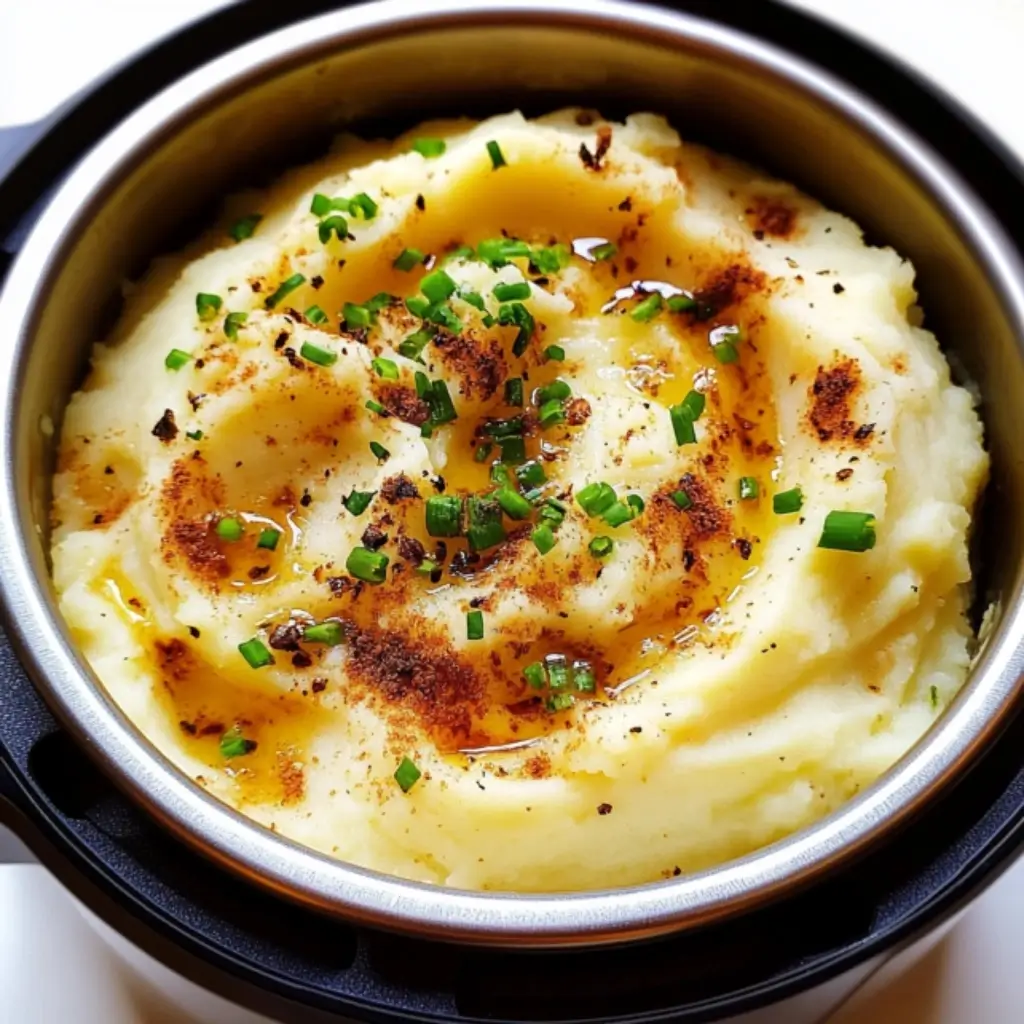
In my household, mashed potatoes are more than just a side dish; they’re a love language. There’s something inherently comforting about a fluffy, creamy mound of potatoes, especially when piled high next to a juicy roast or smothered in gravy. For years, I labored over stovetop versions, meticulously boiling, draining, and mashing, always hoping for that perfect texture. Then, the Instant Pot entered my kitchen, and everything changed. These Instant Pot Mashed Potatoes are a revelation – effortlessly smooth, incredibly flavorful, and ready in a fraction of the time. Even my pickiest eater, my son who once declared mashed potatoes “boring,” now asks for seconds (and sometimes thirds!). This recipe has truly become a staple, transforming weeknight dinners and holiday feasts alike into moments of pure, potato-powered bliss. If you’re looking for a foolproof, utterly delicious mashed potato recipe that will impress everyone at your table, look no further. This Instant Pot version is about to become your new go-to.
Ingredients
This recipe relies on simple, high-quality ingredients to create truly exceptional mashed potatoes. Let’s break down each component and explore why they are crucial for achieving that perfect creamy, flavorful outcome.
- 5 pounds potatoes (I use half Yukon Gold, half Russet potatoes): The foundation of any great mashed potato is, of course, the potato itself! The recipe wisely suggests a blend of Yukon Gold and Russet potatoes, and for good reason. This combination offers the best of both worlds.
- Yukon Gold Potatoes: These potatoes are known for their buttery flavor, creamy texture, and slightly waxy consistency. They hold their shape well during cooking, but also mash beautifully without becoming gluey. Their inherent richness contributes to a naturally flavorful mashed potato, minimizing the need for excessive butter or cream. The yellow flesh also adds a beautiful golden hue to the final dish.
- Russet Potatoes: Russets, on the other hand, are the classic baking potato. They are high in starch and low in moisture, resulting in a light and fluffy texture when cooked. When mashed, they become incredibly airy and absorb flavors readily. However, using only Russets can sometimes lead to slightly drier mashed potatoes if not handled carefully.
- The Perfect Pair: Combining Yukon Golds and Russets creates a harmonious balance. The Yukon Golds contribute creaminess and flavor, while the Russets provide fluffiness and lightness. This duo ensures a mashed potato that is both rich and airy, with a delightful texture that’s neither too dense nor too watery.
- Potato Variety Exploration: While the Yukon Gold and Russet combination is highly recommended, feel free to experiment with other potato varieties. Red potatoes, for instance, have a slightly firmer texture and a subtly sweet flavor, which can add a unique twist to your mashed potatoes. They are also lower in starch, resulting in a denser, less fluffy mash. Consider using them in combination with Yukon Golds for a different textural profile. For a truly luxurious experience, you could even incorporate fingerling potatoes, known for their delicate flavor and creamy texture.
- Choosing the Best Potatoes: Regardless of the variety you choose, select potatoes that are firm, smooth, and free from blemishes, sprouts, or green spots. Heavier potatoes generally contain more moisture and will yield better results. Store your potatoes in a cool, dark, and dry place to prevent them from sprouting or turning green.
- 2 large cloves garlic, peeled and minced: Garlic is a secret weapon in mashed potatoes, adding a subtle savory depth that elevates the flavor profile without being overpowering. Freshly minced garlic is always preferred for its vibrant aroma and pungent taste.
- Fresh Garlic is Key: While pre-minced garlic from a jar might seem convenient, it often lacks the fresh, robust flavor of freshly minced cloves. The volatile compounds that give garlic its characteristic aroma degrade over time, so for the best flavor, opt for fresh garlic cloves.
- Minced vs. Roasted Garlic: Minced garlic infuses the potatoes with a gentle garlic flavor during the pressure cooking process. For a richer, sweeter, and more mellow garlic flavor, consider using roasted garlic. You can roast a whole head of garlic in the oven or even in the Instant Pot before adding it to the potatoes. Simply cut off the top of a head of garlic, drizzle with olive oil, wrap in foil, and roast until soft and fragrant. Squeeze the roasted garlic cloves out of their skins and mash them into the potatoes along with the other ingredients.
- Garlic Variation: Experiment with different types of garlic for subtle flavor nuances. Elephant garlic, for example, has a milder, sweeter taste compared to standard garlic. Black garlic, with its fermented, balsamic-like flavor, can add a unique umami depth to your mashed potatoes.
- 4 ounces cream cheese, room temperature: Cream cheese is the magic ingredient that transforms ordinary mashed potatoes into incredibly creamy, decadent masterpieces. It adds a tanginess and richness that melts into the potatoes, creating a velvety smooth texture that is simply irresistible.
- Room Temperature is Crucial: Ensuring the cream cheese is at room temperature is essential for smooth incorporation. Cold cream cheese will clump and be difficult to blend evenly into the hot potatoes, resulting in lumps and an uneven texture. Allow the cream cheese to sit at room temperature for at least 30 minutes before using.
- Full-Fat for Maximum Creaminess: For the ultimate creamy indulgence, opt for full-fat cream cheese. Reduced-fat or fat-free cream cheese will not melt as smoothly and may result in a less rich and creamy texture.
- Cream Cheese Alternatives: If you don’t have cream cheese on hand or prefer a slightly lighter option, you can substitute with sour cream, Greek yogurt, or crème fraîche. These alternatives will still add a creamy tanginess, although the texture might be slightly less dense than with cream cheese. Start with half the amount of cream cheese and add more to taste, as these substitutes can be more liquid.
- 6 tablespoons butter, cut into 1-tablespoon pieces: Butter is another key ingredient for flavor and richness. It melts into the hot potatoes, adding a buttery flavor and contributing to the overall creamy texture.
- Unsalted vs. Salted Butter: Unsalted butter is generally preferred in baking and cooking as it gives you more control over the final salt level. However, if you only have salted butter on hand, you can use it, but be sure to adjust the amount of added salt accordingly.
- Butter Enhancements: For an extra layer of flavor, consider using brown butter. Brown butter is created by melting butter and cooking it until the milk solids turn brown and develop a nutty aroma. Brown butter adds a complex, caramelized flavor to mashed potatoes that is truly exceptional. Simply melt the butter in a saucepan over medium heat, stirring constantly, until it turns golden brown and smells nutty. Be careful not to burn it.
- Dairy-Free Butter Options: For a dairy-free version, you can use a high-quality plant-based butter alternative. Look for brands that are specifically designed for baking and cooking and have a high fat content for optimal richness and flavor.
- 1 cup whole milk, warmed: Warm milk is added to achieve the desired consistency and add moisture to the mashed potatoes. Warming the milk helps it incorporate smoothly into the hot potatoes and prevents them from cooling down too quickly.
- Whole Milk for Richness: Whole milk provides the richest flavor and creamiest texture. However, you can also use 2% milk or even half-and-half for an even richer result.
- Warming is Important: Warming the milk is a small but crucial step. Cold milk can lower the temperature of the potatoes and make it harder to achieve a smooth, creamy texture. Simply heat the milk in a microwave or saucepan until it is warm to the touch, but not boiling.
- Milk Alternatives: For a dairy-free version, you can use plant-based milk alternatives like almond milk, soy milk, oat milk, or cashew milk. Oat milk is particularly creamy and works well in mashed potatoes. Unsweetened varieties are recommended to avoid adding unwanted sweetness.
- Fine sea salt and freshly-cracked black pepper: Salt and pepper are essential seasonings that bring out the flavor of the potatoes and other ingredients. Sea salt and freshly cracked black pepper offer superior flavor compared to table salt and pre-ground pepper.
- Sea Salt vs. Table Salt: Sea salt has a cleaner, more nuanced flavor compared to table salt, which can sometimes taste harsh or metallic. Fine sea salt is recommended for mashed potatoes as it dissolves easily and seasons evenly.
- Freshly Cracked Black Pepper: Freshly cracked black pepper has a much more vibrant and aromatic flavor than pre-ground pepper, which loses its pungency over time. Grind your black pepper fresh just before adding it to the potatoes for the best flavor.
- Seasoning to Taste is Key: The amount of salt and pepper needed will vary depending on your personal preference and the saltiness of your butter. Start with the recommended amount and then taste and adjust as needed. It’s always better to under-season initially and add more salt and pepper gradually.
- Toppings: chopped fresh chives, green onions, and/or parsley: Fresh herbs add a pop of color, freshness, and flavor to the finished mashed potatoes. Chives, green onions, and parsley are classic choices that complement the creamy richness of the potatoes beautifully.
- Fresh Herbs for Brightness: Fresh herbs provide a vibrant, aromatic counterpoint to the rich, savory flavors of the mashed potatoes. They add a touch of freshness and visual appeal.
- Herb Variations: Feel free to experiment with other fresh herbs based on your preference and the overall flavor profile you are aiming for. Thyme, rosemary, dill, and sage are all excellent choices that can add unique dimensions to your mashed potatoes. Consider pairing thyme or rosemary with roasted garlic for a more rustic flavor, or dill with lemon zest for a brighter, more summery twist.
- Beyond Herbs: Toppings are a great way to customize your mashed potatoes and add extra flavor and texture. Consider adding crispy bacon bits, shredded cheese (cheddar, Gruyère, Parmesan), caramelized onions, roasted garlic cloves, a swirl of pesto, or a drizzle of truffle oil for a truly gourmet touch.
Instructions
Making Instant Pot Mashed Potatoes is incredibly straightforward, thanks to the efficiency of pressure cooking. Follow these step-by-step instructions for foolproof mashed potato perfection every time.
- Prep the potatoes. Cut the potatoes (peeled or unpeeled) into evenly-sized chunks, about an inch or so thick, and transfer them to the bowl of your Instant Pot. Add the garlic and 1 cup of cold water.
- Potato Prep Perfection: Consistent potato size is crucial for even cooking. Aim for chunks that are roughly 1-inch thick. This ensures that all the potatoes cook at the same rate, preventing some from being overcooked and mushy while others are still undercooked.
- Peel or Not to Peel? The choice to peel or not to peel your potatoes is entirely personal preference. Peeling results in a smoother, more refined mashed potato, while leaving the skins on adds texture, rustic charm, and extra nutrients. Yukon Gold potatoes have thin, delicate skins that mash well and add a subtle nutty flavor. Russet potato skins are slightly thicker and can be a bit more noticeable in the final mash. If you choose to leave the skins on, be sure to scrub the potatoes thoroughly before cutting.
- Cold Water Start: Starting the potatoes in cold water ensures they cook evenly from the inside out. If you add potatoes to boiling water, the outside can cook too quickly while the inside remains undercooked. The cold water gradually heats up along with the potatoes, allowing them to cook uniformly.
- Garlic Infusion: Adding the minced garlic directly to the Instant Pot with the potatoes allows it to infuse the potatoes with its savory aroma and flavor as they cook under pressure. This creates a more integrated garlic flavor throughout the mashed potatoes, rather than just adding garlic at the end.
- Pressure cook. Cover and set the lid to “Sealing.” Pressure cook on high heat for 6 minutes, followed by a quick release.
- Sealing is Essential: Ensure the Instant Pot lid is properly sealed and the valve is set to the “Sealing” position. This is crucial for pressure to build up and for the potatoes to cook properly.
- High Pressure Cooking: Cooking on high pressure is the key to quickly and efficiently cooking the potatoes until they are fork-tender. Six minutes is typically sufficient for 1-inch potato chunks, but cooking time may vary slightly depending on the size of your potato pieces and the specific Instant Pot model.
- Quick Release for Perfect Texture: A quick pressure release is recommended to prevent the potatoes from overcooking and becoming waterlogged. As soon as the 6-minute cooking cycle is complete, carefully switch the valve to the “Venting” position to release the pressure rapidly. Be cautious of the steam that will be released.
- Fork-Tender Test: Once the pressure is fully released and the safety valve has dropped, carefully open the lid. Test the potatoes for doneness by inserting a fork into a few pieces. They should be easily pierced with a fork and feel tender throughout. If they are still firm, you can pressure cook for another minute or two.
- Boil off the excess water. Once the pressure has released, carefully remove the lid. Press the “Sauté” button, and let the remaining water in the bottom of the pot boil off for about 3 minutes, until about half of the remaining water has evaporated. (You can push the potatoes to one side of the pot to keep an eye on the water level, and also to ensure that the potatoes on the bottom of the pot do not accidentally burn.) Press “Cancel” to stop the Instant Pot from cooking.
- Evaporating Excess Moisture: After pressure cooking, there will likely be some excess water remaining in the Instant Pot. It’s important to boil off this excess water before mashing the potatoes. Too much water will result in watery, less flavorful mashed potatoes.
- Sauté Function to the Rescue: The Instant Pot’s “Sauté” function is perfect for quickly evaporating the excess water. Press the “Sauté” button and let the water bubble and steam away.
- Monitoring Water Level: Keep a close eye on the water level as it boils off. You want to reduce the liquid by about half, leaving just a minimal amount of starchy cooking water behind. Pushing the potatoes to one side of the pot helps you monitor the water level more easily.
- Preventing Burning: While boiling off the water, be mindful of the potatoes at the bottom of the pot. If the water evaporates completely, they could potentially start to stick and burn to the bottom. Press “Cancel” as soon as you’ve reduced the water sufficiently to prevent any burning.
- Add remaining ingredients. Immediately add in the cream cheese, butter, warm milk, and 2 teaspoons salt. Use a potato masher to mash everything together until the potatoes reach your desired level of smoothness and the ingredients are evenly combined. If the potatoes seem too dry, add in extra milk until they reach your desired level of creaminess.
- Immediate Ingredient Incorporation: Adding the cream cheese, butter, warm milk, and salt immediately while the potatoes are still hot is crucial for them to melt and incorporate smoothly. The residual heat from the potatoes will melt the butter and cream cheese, making them easier to mash in.
- Room Temperature Cream Cheese and Butter Advantage: Using room-temperature cream cheese and butter further aids in smooth and effortless incorporation. They will melt and blend into the hot potatoes much more readily than cold ingredients, minimizing the need for excessive mashing and preventing lumps.
- Warm Milk for Creamy Texture: Adding warm milk helps maintain the temperature of the potatoes and ensures a smoother, creamier consistency. Cold milk can cool down the potatoes too quickly and make them slightly denser.
- Mashing to Perfection: Use a potato masher to mash the potatoes and incorporate the added ingredients. Mash until you reach your desired level of smoothness. Some people prefer chunkier mashed potatoes, while others prefer a completely smooth and creamy texture. Avoid over-mashing, as this can release too much starch and result in gummy mashed potatoes.
- Adjusting Consistency: If the mashed potatoes seem too thick or dry, add a splash more warm milk at a time until they reach your desired level of creaminess. Conversely, if they seem too thin, you can continue to sauté them briefly on low heat to evaporate some of the excess moisture, or add a bit more cream cheese or butter for added richness and thickness.
- Season. Taste the potatoes and season with extra salt (I usually add in quite a bit more) and black pepper as needed, to taste.
- Taste and Season is Key: Seasoning is crucial for bringing out the best flavor in your mashed potatoes. Taste them after mashing and adjust the salt and pepper to your liking. Don’t be afraid to be generous with the seasoning, as potatoes can absorb a surprising amount of salt.
- Salt and Pepper Balance: Aim for a balanced flavor profile where the salt enhances the natural sweetness of the potatoes and the savory notes of the garlic and butter, while the pepper adds a subtle warmth and complexity.
- Seasoning Enhancements: Beyond salt and pepper, consider adding other seasonings to customize your mashed potatoes. A pinch of nutmeg adds a warm, subtle spice that complements potatoes beautifully. Dried herbs like thyme, rosemary, or sage can also be added for a more savory flavor. A squeeze of lemon juice can brighten the flavors and add a touch of acidity.
- Serve. Serve warm, garnished with any toppings that sound good.
- Serving Temperature: Mashed potatoes are best served warm, ideally immediately after making them. They can be held warm for a short period in a slow cooker on the “Warm” setting or in a covered dish in a low oven (around 200°F).
- Garnish for Appeal: Garnishing mashed potatoes adds visual appeal and a final touch of flavor. Chopped fresh chives, green onions, and parsley are classic choices that provide a pop of color and freshness.
- Topping Bar Fun: For a fun and interactive serving experience, create a mashed potato topping bar. Offer a variety of toppings such as shredded cheese, bacon bits, sour cream, gravy, caramelized onions, roasted garlic cloves, chopped herbs, and hot sauce, allowing guests to customize their mashed potatoes to their liking.
Nutrition Facts
(Estimated, per serving, based on 12 servings)
- Serving Size: Approximately 1 cup
- Calories: 250-300 (This is an estimate and can vary based on potato type, milk fat content, and portion size)
Please note: These nutrition facts are estimates and can vary depending on the specific ingredients used and portion sizes. For accurate nutritional information, it is recommended to use a nutrition calculator with the specific brands and quantities of ingredients used.
Preparation Time
- Prep Time: 15 minutes
- Cook Time: 25 minutes
- Total Time: 40 minutes
How to Serve
Instant Pot Mashed Potatoes are incredibly versatile and can be served alongside a wide variety of dishes. Here are some serving suggestions to inspire your culinary creations:
- Classic Comfort Food Pairings:
- Roasted Chicken or Turkey: Mashed potatoes and roasted poultry are a timeless combination, especially perfect for Sunday dinners or holiday feasts.
- Meatloaf: A hearty and comforting pairing, mashed potatoes and meatloaf are a family-favorite classic.
- Steak or Pot Roast: Rich and creamy mashed potatoes are the ideal accompaniment to a juicy steak or tender pot roast.
- Sausages and Gravy: Serve mashed potatoes with grilled sausages and a generous ladle of savory gravy for a satisfying and flavorful meal.
- Fried Chicken: Crispy fried chicken and creamy mashed potatoes are a match made in comfort food heaven.
- Holiday Feast Essential:
- Thanksgiving or Christmas Dinner: Mashed potatoes are an indispensable part of any holiday spread, providing a comforting and crowd-pleasing side dish.
- Easter Ham or Lamb: Serve mashed potatoes alongside a glazed ham or roasted lamb for a festive and flavorful Easter meal.
- Vegetarian Delights:
- Vegetarian Gravy: Pair mashed potatoes with a rich and flavorful vegetarian gravy made from mushrooms, lentils, or vegetable broth.
- Roasted Vegetables: Serve mashed potatoes alongside roasted root vegetables like carrots, parsnips, and sweet potatoes for a colorful and nutritious vegetarian meal.
- Lentil Loaf or Vegetarian Meatloaf: Mashed potatoes are a perfect side dish for vegetarian lentil loaf or plant-based meatloaf, providing a comforting and satisfying vegetarian main course.
- Creative Serving Ideas:
- Mashed Potato Bowls: Create a mashed potato bowl bar with a variety of toppings like chili, cheese sauce, bacon bits, sour cream, and chopped vegetables for a fun and interactive meal.
- Shepherd’s Pie Topping: Use these creamy mashed potatoes as a topping for shepherd’s pie or cottage pie for an extra layer of comfort and flavor.
- Potato Pancakes or Fritters: Leftover mashed potatoes can be transformed into delicious potato pancakes or fritters for a brunch or side dish option.
Additional Tips for Perfect Instant Pot Mashed Potatoes
- Don’t Overcook the Potatoes: Overcooked potatoes can become waterlogged and gummy. Stick to the recommended cooking time of 6 minutes and perform a quick pressure release to prevent overcooking.
- Warm Your Milk and Cream Cheese: Warming the milk and using room-temperature cream cheese ensures they incorporate smoothly into the hot potatoes, resulting in a creamier texture and preventing lumps.
- Avoid Over-Mashing: Over-mashing can release too much starch from the potatoes, leading to a gluey or gummy texture. Mash just until the potatoes are smooth and the ingredients are combined.
- Season Generously: Potatoes can absorb a lot of salt, so don’t be shy with seasoning. Taste and adjust the salt and pepper to your liking after mashing.
- Customize with Flavor Variations: Get creative and experiment with different flavor variations. Add roasted garlic, caramelized onions, fresh herbs, cheese, or spices to personalize your mashed potatoes and create unique flavor profiles.
FAQ Section
Q1: Can I use only Russet or only Yukon Gold potatoes?
A: Yes, you can use just one type of potato. Using only Russet potatoes will result in fluffier mashed potatoes, while using only Yukon Gold potatoes will create creamier and slightly denser mashed potatoes. The combination of both provides a balanced texture.
Q2: Can I peel the potatoes ahead of time?
A: It’s best to peel and cut potatoes right before cooking to prevent them from oxidizing and turning brown. If you need to prep ahead, you can peel and cut the potatoes and store them submerged in cold water in the refrigerator for up to a few hours. Drain and rinse them thoroughly before cooking.
Q3: Can I make Instant Pot Mashed Potatoes ahead of time?
A: Yes, you can make mashed potatoes ahead of time. Store them in an airtight container in the refrigerator for up to 2-3 days. To reheat, gently warm them in a saucepan over low heat, adding a splash of milk or cream to loosen them up if needed. You can also reheat them in the microwave, stirring occasionally.
Q4: Can I use a different type of milk or cream?
A: Absolutely! You can substitute whole milk with 2% milk, half-and-half, heavy cream, or even plant-based milk alternatives like oat milk or almond milk. Using richer milk or cream will result in even creamier and more decadent mashed potatoes.
Q5: What if my mashed potatoes are too thick or too thin?
A: If your mashed potatoes are too thick, gradually add more warm milk or cream, a tablespoon at a time, until you reach your desired consistency. If they are too thin, you can sauté them briefly on the “Sauté” function of the Instant Pot to evaporate some of the excess moisture, or add a bit more room-temperature cream cheese or butter to thicken them up.
Print
Instant Pot Mashed Potatoes Recipe
Ingredients
- 5 pounds potatoes (I use half Yukon Gold, half Russet potatoes): The foundation of any great mashed potato is, of course, the potato itself! The recipe wisely suggests a blend of Yukon Gold and Russet potatoes, and for good reason. This combination offers the best of both worlds.
- Yukon Gold Potatoes: These potatoes are known for their buttery flavor, creamy texture, and slightly waxy consistency. They hold their shape well during cooking, but also mash beautifully without becoming gluey. Their inherent richness contributes to a naturally flavorful mashed potato, minimizing the need for excessive butter or cream. The yellow flesh also adds a beautiful golden hue to the final dish.
- Russet Potatoes: Russets, on the other hand, are the classic baking potato. They are high in starch and low in moisture, resulting in a light and fluffy texture when cooked. When mashed, they become incredibly airy and absorb flavors readily. However, using only Russets can sometimes lead to slightly drier mashed potatoes if not handled carefully.
- The Perfect Pair: Combining Yukon Golds and Russets creates a harmonious balance. The Yukon Golds contribute creaminess and flavor, while the Russets provide fluffiness and lightness. This duo ensures a mashed potato that is both rich and airy, with a delightful texture that’s neither too dense nor too watery.
- Potato Variety Exploration: While the Yukon Gold and Russet combination is highly recommended, feel free to experiment with other potato varieties. Red potatoes, for instance, have a slightly firmer texture and a subtly sweet flavor, which can add a unique twist to your mashed potatoes. They are also lower in starch, resulting in a denser, less fluffy mash. Consider using them in combination with Yukon Golds for a different textural profile. For a truly luxurious experience, you could even incorporate fingerling potatoes, known for their delicate flavor and creamy texture.
- Choosing the Best Potatoes: Regardless of the variety you choose, select potatoes that are firm, smooth, and free from blemishes, sprouts, or green spots. Heavier potatoes generally contain more moisture and will yield better results. Store your potatoes in a cool, dark, and dry place to prevent them from sprouting or turning green.
- 2 large cloves garlic, peeled and minced: Garlic is a secret weapon in mashed potatoes, adding a subtle savory depth that elevates the flavor profile without being overpowering. Freshly minced garlic is always preferred for its vibrant aroma and pungent taste.
- Fresh Garlic is Key: While pre-minced garlic from a jar might seem convenient, it often lacks the fresh, robust flavor of freshly minced cloves. The volatile compounds that give garlic its characteristic aroma degrade over time, so for the best flavor, opt for fresh garlic cloves.
- Minced vs. Roasted Garlic: Minced garlic infuses the potatoes with a gentle garlic flavor during the pressure cooking process. For a richer, sweeter, and more mellow garlic flavor, consider using roasted garlic. You can roast a whole head of garlic in the oven or even in the Instant Pot before adding it to the potatoes. Simply cut off the top of a head of garlic, drizzle with olive oil, wrap in foil, and roast until soft and fragrant. Squeeze the roasted garlic cloves out of their skins and mash them into the potatoes along with the other ingredients.
- Garlic Variation: Experiment with different types of garlic for subtle flavor nuances. Elephant garlic, for example, has a milder, sweeter taste compared to standard garlic. Black garlic, with its fermented, balsamic-like flavor, can add a unique umami depth to your mashed potatoes.
- 4 ounces cream cheese, room temperature: Cream cheese is the magic ingredient that transforms ordinary mashed potatoes into incredibly creamy, decadent masterpieces. It adds a tanginess and richness that melts into the potatoes, creating a velvety smooth texture that is simply irresistible.
- Room Temperature is Crucial: Ensuring the cream cheese is at room temperature is essential for smooth incorporation. Cold cream cheese will clump and be difficult to blend evenly into the hot potatoes, resulting in lumps and an uneven texture. Allow the cream cheese to sit at room temperature for at least 30 minutes before using.
- Full-Fat for Maximum Creaminess: For the ultimate creamy indulgence, opt for full-fat cream cheese. Reduced-fat or fat-free cream cheese will not melt as smoothly and may result in a less rich and creamy texture.
- Cream Cheese Alternatives: If you don’t have cream cheese on hand or prefer a slightly lighter option, you can substitute with sour cream, Greek yogurt, or crème fraîche. These alternatives will still add a creamy tanginess, although the texture might be slightly less dense than with cream cheese. Start with half the amount of cream cheese and add more to taste, as these substitutes can be more liquid.
- 6 tablespoons butter, cut into 1-tablespoon pieces: Butter is another key ingredient for flavor and richness. It melts into the hot potatoes, adding a buttery flavor and contributing to the overall creamy texture.
- Unsalted vs. Salted Butter: Unsalted butter is generally preferred in baking and cooking as it gives you more control over the final salt level. However, if you only have salted butter on hand, you can use it, but be sure to adjust the amount of added salt accordingly.
- Butter Enhancements: For an extra layer of flavor, consider using brown butter. Brown butter is created by melting butter and cooking it until the milk solids turn brown and develop a nutty aroma. Brown butter adds a complex, caramelized flavor to mashed potatoes that is truly exceptional. Simply melt the butter in a saucepan over medium heat, stirring constantly, until it turns golden brown and smells nutty. Be careful not to burn it.
- Dairy-Free Butter Options: For a dairy-free version, you can use a high-quality plant-based butter alternative. Look for brands that are specifically designed for baking and cooking and have a high fat content for optimal richness and flavor.
- 1 cup whole milk, warmed: Warm milk is added to achieve the desired consistency and add moisture to the mashed potatoes. Warming the milk helps it incorporate smoothly into the hot potatoes and prevents them from cooling down too quickly.
- Whole Milk for Richness: Whole milk provides the richest flavor and creamiest texture. However, you can also use 2% milk or even half-and-half for an even richer result.
- Warming is Important: Warming the milk is a small but crucial step. Cold milk can lower the temperature of the potatoes and make it harder to achieve a smooth, creamy texture. Simply heat the milk in a microwave or saucepan until it is warm to the touch, but not boiling.
- Milk Alternatives: For a dairy-free version, you can use plant-based milk alternatives like almond milk, soy milk, oat milk, or cashew milk. Oat milk is particularly creamy and works well in mashed potatoes. Unsweetened varieties are recommended to avoid adding unwanted sweetness.
- Fine sea salt and freshly-cracked black pepper: Salt and pepper are essential seasonings that bring out the flavor of the potatoes and other ingredients. Sea salt and freshly cracked black pepper offer superior flavor compared to table salt and pre-ground pepper.
- Sea Salt vs. Table Salt: Sea salt has a cleaner, more nuanced flavor compared to table salt, which can sometimes taste harsh or metallic. Fine sea salt is recommended for mashed potatoes as it dissolves easily and seasons evenly.
- Freshly Cracked Black Pepper: Freshly cracked black pepper has a much more vibrant and aromatic flavor than pre-ground pepper, which loses its pungency over time. Grind your black pepper fresh just before adding it to the potatoes for the best flavor.
- Seasoning to Taste is Key: The amount of salt and pepper needed will vary depending on your personal preference and the saltiness of your butter. Start with the recommended amount and then taste and adjust as needed. It’s always better to under-season initially and add more salt and pepper gradually.
- Toppings: chopped fresh chives, green onions, and/or parsley: Fresh herbs add a pop of color, freshness, and flavor to the finished mashed potatoes. Chives, green onions, and parsley are classic choices that complement the creamy richness of the potatoes beautifully.
- Fresh Herbs for Brightness: Fresh herbs provide a vibrant, aromatic counterpoint to the rich, savory flavors of the mashed potatoes. They add a touch of freshness and visual appeal.
- Herb Variations: Feel free to experiment with other fresh herbs based on your preference and the overall flavor profile you are aiming for. Thyme, rosemary, dill, and sage are all excellent choices that can add unique dimensions to your mashed potatoes. Consider pairing thyme or rosemary with roasted garlic for a more rustic flavor, or dill with lemon zest for a brighter, more summery twist.
- Beyond Herbs: Toppings are a great way to customize your mashed potatoes and add extra flavor and texture. Consider adding crispy bacon bits, shredded cheese (cheddar, Gruyère, Parmesan), caramelized onions, roasted garlic cloves, a swirl of pesto, or a drizzle of truffle oil for a truly gourmet touch.
Instructions
- Prep the potatoes. Cut the potatoes (peeled or unpeeled) into evenly-sized chunks, about an inch or so thick, and transfer them to the bowl of your Instant Pot. Add the garlic and 1 cup of cold water.
- Potato Prep Perfection: Consistent potato size is crucial for even cooking. Aim for chunks that are roughly 1-inch thick. This ensures that all the potatoes cook at the same rate, preventing some from being overcooked and mushy while others are still undercooked.
- Peel or Not to Peel? The choice to peel or not to peel your potatoes is entirely personal preference. Peeling results in a smoother, more refined mashed potato, while leaving the skins on adds texture, rustic charm, and extra nutrients. Yukon Gold potatoes have thin, delicate skins that mash well and add a subtle nutty flavor. Russet potato skins are slightly thicker and can be a bit more noticeable in the final mash. If you choose to leave the skins on, be sure to scrub the potatoes thoroughly before cutting.
- Cold Water Start: Starting the potatoes in cold water ensures they cook evenly from the inside out. If you add potatoes to boiling water, the outside can cook too quickly while the inside remains undercooked. The cold water gradually heats up along with the potatoes, allowing them to cook uniformly.
- Garlic Infusion: Adding the minced garlic directly to the Instant Pot with the potatoes allows it to infuse the potatoes with its savory aroma and flavor as they cook under pressure. This creates a more integrated garlic flavor throughout the mashed potatoes, rather than just adding garlic at the end.
- Pressure cook. Cover and set the lid to “Sealing.” Pressure cook on high heat for 6 minutes, followed by a quick release.
- Sealing is Essential: Ensure the Instant Pot lid is properly sealed and the valve is set to the “Sealing” position. This is crucial for pressure to build up and for the potatoes to cook properly.
- High Pressure Cooking: Cooking on high pressure is the key to quickly and efficiently cooking the potatoes until they are fork-tender. Six minutes is typically sufficient for 1-inch potato chunks, but cooking time may vary slightly depending on the size of your potato pieces and the specific Instant Pot model.
- Quick Release for Perfect Texture: A quick pressure release is recommended to prevent the potatoes from overcooking and becoming waterlogged. As soon as the 6-minute cooking cycle is complete, carefully switch the valve to the “Venting” position to release the pressure rapidly. Be cautious of the steam that will be released.
- Fork-Tender Test: Once the pressure is fully released and the safety valve has dropped, carefully open the lid. Test the potatoes for doneness by inserting a fork into a few pieces. They should be easily pierced with a fork and feel tender throughout. If they are still firm, you can pressure cook for another minute or two.
- Boil off the excess water. Once the pressure has released, carefully remove the lid. Press the “Sauté” button, and let the remaining water in the bottom of the pot boil off for about 3 minutes, until about half of the remaining water has evaporated. (You can push the potatoes to one side of the pot to keep an eye on the water level, and also to ensure that the potatoes on the bottom of the pot do not accidentally burn.) Press “Cancel” to stop the Instant Pot from cooking.
- Evaporating Excess Moisture: After pressure cooking, there will likely be some excess water remaining in the Instant Pot. It’s important to boil off this excess water before mashing the potatoes. Too much water will result in watery, less flavorful mashed potatoes.
- Sauté Function to the Rescue: The Instant Pot’s “Sauté” function is perfect for quickly evaporating the excess water. Press the “Sauté” button and let the water bubble and steam away.
- Monitoring Water Level: Keep a close eye on the water level as it boils off. You want to reduce the liquid by about half, leaving just a minimal amount of starchy cooking water behind. Pushing the potatoes to one side of the pot helps you monitor the water level more easily.
- Preventing Burning: While boiling off the water, be mindful of the potatoes at the bottom of the pot. If the water evaporates completely, they could potentially start to stick and burn to the bottom. Press “Cancel” as soon as you’ve reduced the water sufficiently to prevent any burning.
- Add remaining ingredients. Immediately add in the cream cheese, butter, warm milk, and 2 teaspoons salt. Use a potato masher to mash everything together until the potatoes reach your desired level of smoothness and the ingredients are evenly combined. If the potatoes seem too dry, add in extra milk until they reach your desired level of creaminess.
- Immediate Ingredient Incorporation: Adding the cream cheese, butter, warm milk, and salt immediately while the potatoes are still hot is crucial for them to melt and incorporate smoothly. The residual heat from the potatoes will melt the butter and cream cheese, making them easier to mash in.
- Room Temperature Cream Cheese and Butter Advantage: Using room-temperature cream cheese and butter further aids in smooth and effortless incorporation. They will melt and blend into the hot potatoes much more readily than cold ingredients, minimizing the need for excessive mashing and preventing lumps.
- Warm Milk for Creamy Texture: Adding warm milk helps maintain the temperature of the potatoes and ensures a smoother, creamier consistency. Cold milk can cool down the potatoes too quickly and make them slightly denser.
- Mashing to Perfection: Use a potato masher to mash the potatoes and incorporate the added ingredients. Mash until you reach your desired level of smoothness. Some people prefer chunkier mashed potatoes, while others prefer a completely smooth and creamy texture. Avoid over-mashing, as this can release too much starch and result in gummy mashed potatoes.
- Adjusting Consistency: If the mashed potatoes seem too thick or dry, add a splash more warm milk at a time until they reach your desired level of creaminess. Conversely, if they seem too thin, you can continue to sauté them briefly on low heat to evaporate some of the excess moisture, or add a bit more cream cheese or butter for added richness and thickness.
- Season. Taste the potatoes and season with extra salt (I usually add in quite a bit more) and black pepper as needed, to taste.
- Taste and Season is Key: Seasoning is crucial for bringing out the best flavor in your mashed potatoes. Taste them after mashing and adjust the salt and pepper to your liking. Don’t be afraid to be generous with the seasoning, as potatoes can absorb a surprising amount of salt.
- Salt and Pepper Balance: Aim for a balanced flavor profile where the salt enhances the natural sweetness of the potatoes and the savory notes of the garlic and butter, while the pepper adds a subtle warmth and complexity.
- Seasoning Enhancements: Beyond salt and pepper, consider adding other seasonings to customize your mashed potatoes. A pinch of nutmeg adds a warm, subtle spice that complements potatoes beautifully. Dried herbs like thyme, rosemary, or sage can also be added for a more savory flavor. A squeeze of lemon juice can brighten the flavors and add a touch of acidity.
- Serve. Serve warm, garnished with any toppings that sound good.
- Serving Temperature: Mashed potatoes are best served warm, ideally immediately after making them. They can be held warm for a short period in a slow cooker on the “Warm” setting or in a covered dish in a low oven (around 200°F).
- Garnish for Appeal: Garnishing mashed potatoes adds visual appeal and a final touch of flavor. Chopped fresh chives, green onions, and parsley are classic choices that provide a pop of color and freshness.
- Topping Bar Fun: For a fun and interactive serving experience, create a mashed potato topping bar. Offer a variety of toppings such as shredded cheese, bacon bits, sour cream, gravy, caramelized onions, roasted garlic cloves, chopped herbs, and hot sauce, allowing guests to customize their mashed potatoes to their liking.
Nutrition
- Serving Size: One Normal Portion
- Calories: 250-300