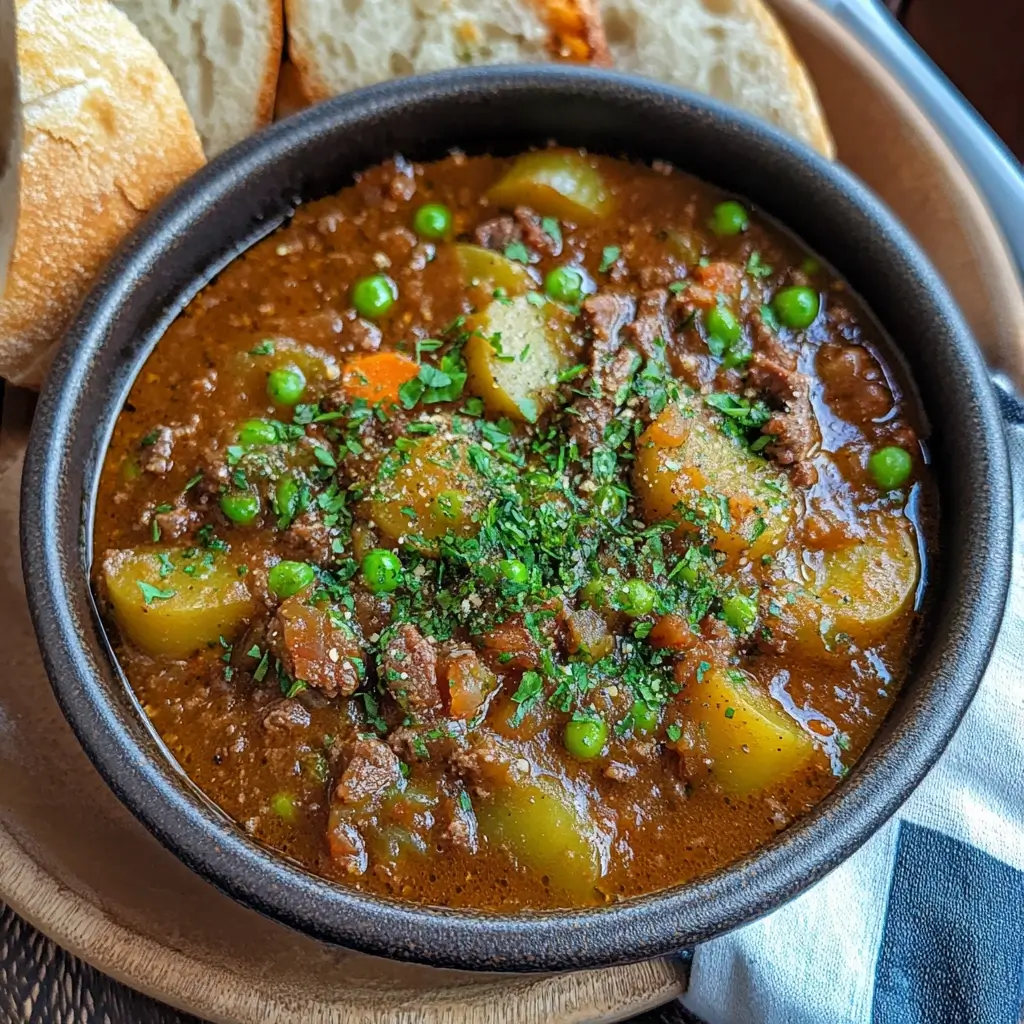

There are certain aromas that instantly transport you to a place of comfort, warmth, and nostalgia. For me, the scent of Spezzatino slowly simmering on the stove is exactly that. It’s more than just a beef stew; it’s a culinary hug, a taste of Italian tradition passed down through generations. I remember the first time I truly perfected this dish. It was a chilly Sunday afternoon, the kind that calls for something hearty and soul-satisfying. The rich, deep aroma filled the house for hours, building anticipation. When we finally sat down to eat, gathered around the table, the reaction was unanimous: silence, followed by murmurs of appreciation. The beef was incredibly tender, practically melting in the mouth, bathed in a luscious, savory sauce infused with vegetables, wine, and herbs. My family devoured it, mopping up every last drop of the sauce with crusty bread. Since then, Spezzatino has become a staple in our home, a go-to dish for family dinners, cozy nights in, and even for sharing with friends. It’s a recipe that embodies the heart of Italian home cooking – simple, high-quality ingredients transformed into something truly special through patience and love. This recipe is my rendition, honed over time, designed to bring that same warmth and deliciousness to your table. It’s a journey of flavors that rewards the slow simmer, creating a dish that’s both rustic and deeply satisfying.
Ingredients for Classic Spezzatino
This recipe yields approximately 6 generous servings.
- Beef: 1.2 kg (approx. 2.5 – 2.7 lbs) Boneless Beef Chuck Roast (or Beef Round or Brisket), trimmed of excess fat and cut into 1.5-inch (4 cm) cubes
- Olive Oil: 4 tablespoons Extra Virgin Olive Oil, divided
- Onions: 2 medium Yellow Onions, finely chopped (about 2 cups)
- Carrots: 3 medium Carrots, peeled and diced (about 1.5 cups)
- Celery: 3 Celery Stalks, trimmed and diced (about 1.5 cups)
- Garlic: 4-5 cloves Garlic, minced
- All-Purpose Flour: 1/4 cup (for dredging the beef)
- Salt: 1.5 teaspoons Sea Salt (or Kosher Salt), plus more to taste
- Black Pepper: 1 teaspoon Freshly Ground Black Pepper, plus more to taste
- Dry Red Wine: 1.5 cups (360 ml) Dry Red Wine (such as Chianti, Sangiovese, Merlot, or Cabernet Sauvignon)
- Canned Tomatoes: 1 can (28 oz / 800g) Crushed Tomatoes (preferably San Marzano) or Whole Peeled Tomatoes, crushed by hand
- Beef Broth: 2 cups (480 ml) Low-Sodium Beef Broth or Stock (plus more if needed)
- Tomato Paste: 2 tablespoons Tomato Paste
- Herbs:
- 2 sprigs Fresh Rosemary
- 3 sprigs Fresh Thyme
- 1-2 Bay Leaves
- Optional additions:
- 1 cup Frozen Peas (added during the last 20-30 minutes of cooking)
- 2 medium Potatoes, peeled and diced (added about 45-60 minutes before finishing)
- Fresh Parsley, chopped (for garnish)
Step-by-Step Instructions for Making Spezzatino
Follow these detailed steps to create a rich and flavorful Italian Beef Stew. Patience is key!
- Prepare the Beef: Pat the beef cubes completely dry with paper towels. This is crucial for achieving a good sear. Season the beef generously with about 1 teaspoon of salt and 1/2 teaspoon of black pepper. Place the 1/4 cup of flour in a shallow dish or on a plate. Lightly dredge the beef cubes in the flour, shaking off any excess. The flour helps to brown the meat and thicken the stew later. Set aside.
- Brown the Beef (Sear in Batches): Heat 2 tablespoons of olive oil in a large, heavy-bottomed pot or Dutch oven over medium-high heat. The pot needs to be hot enough to sear the meat properly. Once the oil shimmers, add about half of the floured beef cubes to the pot in a single layer. Crucially, do not overcrowd the pan. Overcrowding lowers the temperature, causing the meat to steam rather than sear. Brown the beef cubes deeply on all sides, turning occasionally, for about 5-7 minutes per batch. Use tongs to turn the pieces. Remove the browned beef with a slotted spoon and set aside on a clean plate. Add the remaining 1 tablespoon of olive oil if needed and repeat the browning process with the remaining beef cubes. Set all browned beef aside.
- Sauté the Soffritto (Vegetable Base): Reduce the heat to medium. Add the remaining 1 tablespoon of olive oil to the same pot (there should be browned bits, known as ‘fond’, stuck to the bottom – this is flavor!). Add the chopped onions, diced carrots, and diced celery (this combination is the Italian soffritto). Sauté the vegetables, stirring occasionally, for about 8-10 minutes, until they soften and the onions become translucent. Scrape the bottom of the pot gently with a wooden spoon to loosen some of the browned bits as the vegetables release moisture.
- Add Garlic and Tomato Paste: Add the minced garlic to the pot and cook for about 1 minute more, until fragrant. Be careful not to burn the garlic. Stir in the 2 tablespoons of tomato paste and cook, stirring constantly, for another 1-2 minutes. Cooking the tomato paste briefly helps to deepen its flavor and remove any raw taste.
- Deglaze with Wine: Pour the red wine into the pot. Increase the heat slightly and bring it to a simmer, scraping the bottom of the pot vigorously with a wooden spoon to dissolve all the flavorful browned bits (fond) stuck to the bottom. This process is called deglazing and is essential for capturing all the deep flavors developed during searing. Let the wine simmer and reduce by about half, which should take about 3-5 minutes. The alcohol aroma should mostly dissipate.
- Combine Ingredients: Return the browned beef cubes (and any accumulated juices from the plate) to the pot. Stir everything together. Add the crushed tomatoes, beef broth, the remaining 1/2 teaspoon of salt, the remaining 1/2 teaspoon of black pepper, the fresh rosemary sprigs, fresh thyme sprigs, and the bay leaves. Stir well to combine all the ingredients.
- Simmer Gently (The Slow Cook): Bring the mixture to a gentle simmer over medium heat. Once simmering, immediately reduce the heat to low, cover the pot tightly with a lid, and let it cook slowly for at least 2 to 2.5 hours, or until the beef is exceptionally tender and falling apart easily when prodded with a fork. The key is a very gentle simmer – you should see only occasional bubbles rising to the surface. Stir the stew occasionally (every 30-40 minutes) to prevent sticking and ensure even cooking. If the stew seems to be getting too thick during cooking, you can add a splash more beef broth or water.
- Optional Additions (Peas/Potatoes): If using potatoes, add the diced potatoes to the stew during the last 45-60 minutes of the simmering time. If using frozen peas, stir them in during the final 20-30 minutes of cooking, just long enough to heat through.
- Final Adjustments & Resting: Once the beef is perfectly tender, remove the pot from the heat. Carefully fish out and discard the rosemary sprigs, thyme stems (the leaves will likely have fallen off), and bay leaves. Taste the stew and adjust the seasoning with more salt and freshly ground black pepper if needed. For the best flavor, let the Spezzatino rest, covered, for about 10-15 minutes off the heat before serving. This allows the flavors to meld further. The sauce should be rich and slightly thickened; if it seems too thin for your liking, you can remove the lid and simmer gently for a few more minutes to reduce it slightly, or mash a few pieces of carrot or potato against the side of the pot to help thicken it naturally.
- Serve: Ladle the hot Spezzatino into warm bowls. Garnish with fresh chopped parsley, if desired. Serve immediately with your chosen accompaniment (see “How to Serve” section below).
Nutrition Facts
- Servings: Approximately 6 servings
- Calories per Serving: Approximately 480-580 kcal (This is an estimate and can vary based on the specific cut of beef, fat content, amount of oil used, and optional additions like potatoes).
Disclaimer: Nutritional information is provided as an estimate only and may vary based on specific ingredients and preparation methods.
Preparation Time
- Preparation Time: 30-40 minutes (chopping vegetables, trimming and cubing beef, dredging)
- Cooking Time: 2.5 – 3.5 hours (including searing and simmering)
- Total Time: Approximately 3 hours to 4 hours 10 minutes (includes resting time)
How to Serve Spezzatino
Spezzatino is incredibly versatile and pairs beautifully with various accompaniments that can soak up its rich, savory sauce. Here are some classic and delicious ways to serve it:
- Creamy Polenta: This is arguably the most traditional and beloved pairing. The soft, creamy texture of polenta is the perfect foil for the hearty stew.
- Tip: Make the polenta just before the stew finishes cooking. Serve the Spezzatino ladled generously over a bed of warm polenta.
- Crusty Italian Bread: Essential for fare la scarpetta – the delightful Italian practice of mopping up every last bit of sauce from the plate or bowl with bread.
- Options: Ciabatta, rustic sourdough, or any good-quality country loaf. Lightly toast or warm the bread before serving.
- Mashed Potatoes: A comforting classic that works wonderfully. Fluffy mashed potatoes absorb the sauce beautifully.
- Flavor Boost: Consider garlic mashed potatoes or adding a touch of Parmesan cheese to the mash.
- Pappardelle or Other Wide Pasta: Broad, flat pasta shapes like Pappardelle or Tagliatelle are excellent vehicles for the chunky stew and rich sauce.
- Preparation: Cook the pasta al dente according to package directions. You can either toss the pasta lightly with some of the stew sauce before topping with the meat and vegetables, or simply serve the stew over the plain cooked pasta.
- Roasted Potatoes: If you haven’t added potatoes directly to the stew, serving it alongside crispy roasted potatoes offers a lovely textural contrast.
- Seasoning: Toss potato wedges with olive oil, rosemary, salt, and pepper before roasting until golden and crisp.
- Simple Steamed Rice: While less traditional, plain steamed rice can also serve as a neutral base to absorb the flavorful sauce.
- Garnish: A sprinkle of fresh chopped flat-leaf parsley adds a touch of freshness and color just before serving. A grating of Parmesan cheese isn’t strictly traditional for beef stews in all regions, but many enjoy it.
Additional Tips for Perfect Spezzatino
Mastering Spezzatino is about technique and patience. Here are five tips to elevate your stew:
- Choose the Right Cut of Beef: Don’t use expensive, lean cuts like tenderloin. Spezzatino relies on tougher, collagen-rich cuts that become meltingly tender during slow cooking. Chuck roast (shoulder) is ideal, offering great flavor and texture. Beef round or brisket are also excellent choices. The connective tissue breaks down into gelatin, enriching the sauce and making the meat succulent. Cut the pieces uniformly, around 1.5 inches, for even cooking.
- Don’t Skip the Sear (or Rush It): Properly browning the beef is fundamental to building deep, complex flavor. Patting the meat dry and searing it in batches over medium-high heat creates the Maillard reaction, resulting in those desirable caramelized, savory notes. Don’t overcrowd the pan, as this will steam the meat. Take your time with this step; the dark brown crust is flavor gold.
- Embrace the Soffritto and Deglazing: The soffritto (diced onion, carrot, celery) is the aromatic foundation of many Italian dishes. Cook it slowly over medium heat until softened and slightly sweet – don’t rush this, as it builds a crucial flavor layer. Deglazing the pan with wine after cooking the soffritto and tomato paste is non-negotiable. Scraping up all those browned bits (fond) left from searing the meat incorporates intense flavor back into the stew.
- Low and Slow is the Way: Spezzatino cannot be rushed. The magic happens during the long, slow simmer over low heat. This gentle cooking allows the tough connective tissues in the beef to break down gradually, rendering the meat incredibly tender and allowing the flavors of the wine, tomatoes, broth, and herbs to meld beautifully. Ensure the pot is tightly covered and the heat is low enough for just a gentle bubble or two – a rolling boil will make the meat tough.
- Rest Before Serving: Just like a good steak or roast, allowing the Spezzatino to rest for 10-15 minutes after cooking, covered and off the heat, makes a difference. This lets the meat fibers relax and reabsorb some of the juices, making it even more tender and succulent. It also allows the flavors to meld and settle, resulting in a more cohesive and delicious final dish.
Frequently Asked Questions (FAQ) about Spezzatino
Here are answers to some common questions about making Italian Beef Stew:
- Q: What is the best cut of beef for Spezzatino?
- A: The best cuts are tougher, collagen-rich ones that benefit from slow cooking. Beef chuck (from the shoulder) is widely considered the top choice due to its excellent marbling and flavor, which breaks down beautifully into tender meat and a rich sauce. Other good options include beef round (top round or bottom round) or brisket. Avoid lean cuts like sirloin or tenderloin, as they will become dry and tough with long cooking.
- Q: Can I make Spezzatino without wine? What are substitutes?
- A: Yes, you can make Spezzatino without wine, although wine adds significant depth of flavor and helps tenderize the meat. If omitting wine, replace the volume (1.5 cups in this recipe) with an equal amount of extra beef broth. To replicate some complexity, you could add 1-2 tablespoons of balsamic vinegar or red wine vinegar along with the extra broth, or even a splash of unsweetened cranberry or pomegranate juice for acidity and color. The flavor profile will be slightly different but still delicious.
- Q: Can I make Spezzatino ahead of time? How do I store and reheat it?
- A: Absolutely! Spezzatino is one of those dishes that often tastes even better the next day as the flavors continue to meld. Prepare the stew completely, let it cool, and store it in an airtight container in the refrigerator for up to 3-4 days. To reheat, gently warm it over low heat on the stovetop, stirring occasionally, until heated through. You may need to add a splash of water or beef broth if the sauce has thickened too much upon cooling. Avoid boiling, which can toughen the meat.
- Q: Can Spezzatino be frozen?
- A: Yes, Spezzatino freezes very well. Allow the stew to cool completely before transferring it to freezer-safe airtight containers or heavy-duty freezer bags. Leave a little headspace for expansion. It can be frozen for up to 3 months. To use, thaw it overnight in the refrigerator and then reheat gently on the stovetop as described above. Note: If you included potatoes in the stew, their texture might become slightly grainy upon thawing, though still perfectly edible. Peas generally freeze and reheat well.
- Q: Are there common variations of Spezzatino?
- A: Yes, Spezzatino varies across Italy! Some common variations include:
- Spezzatino con Patate: Potatoes are added directly to the stew during the last hour of cooking, becoming tender and absorbing the sauce.
- Spezzatino con Piselli: Peas (usually frozen) are added near the end of cooking for a touch of sweetness and color.
- Regional Herb/Spice Differences: Some regions might use different herbs like sage or marjoram, or add a pinch of red pepper flakes for subtle heat.
- Different Liquids: While red wine is common, some versions might use white wine or only broth and tomatoes.
- Meat Variations: While beef is most common, Spezzatino can also be made with veal (Vitello), lamb (Agnello), or even pork (Maiale). The cooking time might need adjustment depending on the meat used.
- A: Yes, Spezzatino varies across Italy! Some common variations include:

Italian Beef Stew Recipe
Ingredients
- Beef: 1.2 kg (approx. 2.5 – 2.7 lbs) Boneless Beef Chuck Roast (or Beef Round or Brisket), trimmed of excess fat and cut into 1.5-inch (4 cm) cubes
- Olive Oil: 4 tablespoons Extra Virgin Olive Oil, divided
- Onions: 2 medium Yellow Onions, finely chopped (about 2 cups)
- Carrots: 3 medium Carrots, peeled and diced (about 1.5 cups)
- Celery: 3 Celery Stalks, trimmed and diced (about 1.5 cups)
- Garlic: 4-5 cloves Garlic, minced
- All-Purpose Flour: 1/4 cup (for dredging the beef)
- Salt: 1.5 teaspoons Sea Salt (or Kosher Salt), plus more to taste
- Black Pepper: 1 teaspoon Freshly Ground Black Pepper, plus more to taste
- Dry Red Wine: 1.5 cups (360 ml) Dry Red Wine (such as Chianti, Sangiovese, Merlot, or Cabernet Sauvignon)
- Canned Tomatoes: 1 can (28 oz / 800g) Crushed Tomatoes (preferably San Marzano) or Whole Peeled Tomatoes, crushed by hand
- Beef Broth: 2 cups (480 ml) Low-Sodium Beef Broth or Stock (plus more if needed)
- Tomato Paste: 2 tablespoons Tomato Paste
- Herbs:
- 2 sprigs Fresh Rosemary
- 3 sprigs Fresh Thyme
- 1–2 Bay Leaves
- Optional additions:
- 1 cup Frozen Peas (added during the last 20–30 minutes of cooking)
- 2 medium Potatoes, peeled and diced (added about 45–60 minutes before finishing)
- Fresh Parsley, chopped (for garnish)
Instructions
- Prepare the Beef: Pat the beef cubes completely dry with paper towels. This is crucial for achieving a good sear. Season the beef generously with about 1 teaspoon of salt and 1/2 teaspoon of black pepper. Place the 1/4 cup of flour in a shallow dish or on a plate. Lightly dredge the beef cubes in the flour, shaking off any excess. The flour helps to brown the meat and thicken the stew later. Set aside.
- Brown the Beef (Sear in Batches): Heat 2 tablespoons of olive oil in a large, heavy-bottomed pot or Dutch oven over medium-high heat. The pot needs to be hot enough to sear the meat properly. Once the oil shimmers, add about half of the floured beef cubes to the pot in a single layer. Crucially, do not overcrowd the pan. Overcrowding lowers the temperature, causing the meat to steam rather than sear. Brown the beef cubes deeply on all sides, turning occasionally, for about 5-7 minutes per batch. Use tongs to turn the pieces. Remove the browned beef with a slotted spoon and set aside on a clean plate. Add the remaining 1 tablespoon of olive oil if needed and repeat the browning process with the remaining beef cubes. Set all browned beef aside.
- Sauté the Soffritto (Vegetable Base): Reduce the heat to medium. Add the remaining 1 tablespoon of olive oil to the same pot (there should be browned bits, known as ‘fond’, stuck to the bottom – this is flavor!). Add the chopped onions, diced carrots, and diced celery (this combination is the Italian soffritto). Sauté the vegetables, stirring occasionally, for about 8-10 minutes, until they soften and the onions become translucent. Scrape the bottom of the pot gently with a wooden spoon to loosen some of the browned bits as the vegetables release moisture.
- Add Garlic and Tomato Paste: Add the minced garlic to the pot and cook for about 1 minute more, until fragrant. Be careful not to burn the garlic. Stir in the 2 tablespoons of tomato paste and cook, stirring constantly, for another 1-2 minutes. Cooking the tomato paste briefly helps to deepen its flavor and remove any raw taste.
- Deglaze with Wine: Pour the red wine into the pot. Increase the heat slightly and bring it to a simmer, scraping the bottom of the pot vigorously with a wooden spoon to dissolve all the flavorful browned bits (fond) stuck to the bottom. This process is called deglazing and is essential for capturing all the deep flavors developed during searing. Let the wine simmer and reduce by about half, which should take about 3-5 minutes. The alcohol aroma should mostly dissipate.
- Combine Ingredients: Return the browned beef cubes (and any accumulated juices from the plate) to the pot. Stir everything together. Add the crushed tomatoes, beef broth, the remaining 1/2 teaspoon of salt, the remaining 1/2 teaspoon of black pepper, the fresh rosemary sprigs, fresh thyme sprigs, and the bay leaves. Stir well to combine all the ingredients.
- Simmer Gently (The Slow Cook): Bring the mixture to a gentle simmer over medium heat. Once simmering, immediately reduce the heat to low, cover the pot tightly with a lid, and let it cook slowly for at least 2 to 2.5 hours, or until the beef is exceptionally tender and falling apart easily when prodded with a fork. The key is a very gentle simmer – you should see only occasional bubbles rising to the surface. Stir the stew occasionally (every 30-40 minutes) to prevent sticking and ensure even cooking. If the stew seems to be getting too thick during cooking, you can add a splash more beef broth or water.
- Optional Additions (Peas/Potatoes): If using potatoes, add the diced potatoes to the stew during the last 45-60 minutes of the simmering time. If using frozen peas, stir them in during the final 20-30 minutes of cooking, just long enough to heat through.
- Final Adjustments & Resting: Once the beef is perfectly tender, remove the pot from the heat. Carefully fish out and discard the rosemary sprigs, thyme stems (the leaves will likely have fallen off), and bay leaves. Taste the stew and adjust the seasoning with more salt and freshly ground black pepper if needed. For the best flavor, let the Spezzatino rest, covered, for about 10-15 minutes off the heat before serving. This allows the flavors to meld further. The sauce should be rich and slightly thickened; if it seems too thin for your liking, you can remove the lid and simmer gently for a few more minutes to reduce it slightly, or mash a few pieces of carrot or potato against the side of the pot to help thicken it naturally.
- Serve: Ladle the hot Spezzatino into warm bowls. Garnish with fresh chopped parsley, if desired. Serve immediately with your chosen accompaniment (see “How to Serve” section below).
Nutrition
- Serving Size: one normal portion
- Calories: 480-580