
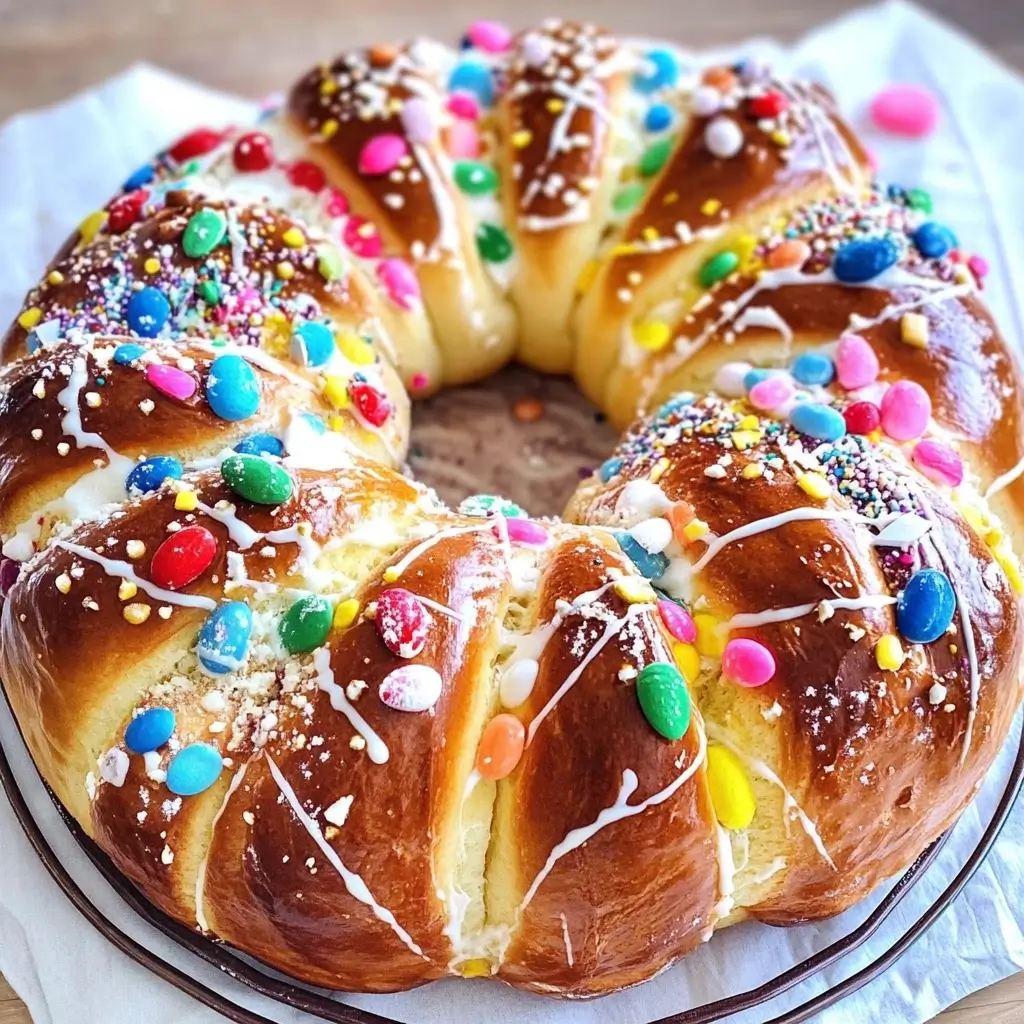
Easter in our home wouldn’t be complete without the aroma of freshly baked Italian Easter Bread, or Pane di Pasqua, wafting through the house. It’s more than just bread; it’s a symbol of renewal, family, and the joyous spirit of the season. I remember the first time I made this recipe, a bit intimidated by the yeast and the braiding. But the result? Absolutely magical. The soft, slightly sweet bread, infused with hints of citrus and anise, was devoured by my family. Even my pickiest eater, my son, couldn’t get enough. Since then, it’s become an annual tradition, a labor of love that fills our kitchen with warmth and our hearts with Easter cheer. This recipe isn’t just about following steps; it’s about creating a centerpiece for your Easter celebration, a bread that tastes as beautiful as it looks and brings everyone together. Prepare to be delighted by the simplicity and profound satisfaction of baking your own Pane di Pasqua – it’s a taste of Italy that will become a cherished tradition in your own home.
Ingredients: The Building Blocks of Pane di Pasqua Perfection
The beauty of Pane di Pasqua lies in its relatively simple yet flavorful ingredients. Each component plays a crucial role in creating the characteristic texture, taste, and aroma of this beloved Easter bread. Let’s break down what you’ll need:
- For the Dough:
- 4 ½ cups (540g) All-Purpose Flour: The foundation of our bread. All-purpose flour provides the gluten structure necessary for a soft and slightly chewy crumb. Ensure it’s measured correctly using the “spoon and level” method for accuracy. Bread flour can also be used for a slightly chewier texture, but all-purpose is traditional and works wonderfully.
- ¾ cup (150g) Granulated Sugar: Provides sweetness and also feeds the yeast, aiding in the rising process. Granulated sugar offers a clean sweetness that complements the other flavors.
- 2 ¼ teaspoons (7g) Active Dry Yeast: The magic ingredient that makes our bread rise! Active dry yeast needs to be proofed (activated) before being added to the dough. Ensure your yeast is fresh for optimal rising power.
- 1 cup (240ml) Whole Milk, warmed to lukewarm (105-115°F/40-46°C): Warm milk creates the perfect environment for yeast to thrive. Lukewarm temperature activates the yeast without killing it. Whole milk adds richness and moisture to the dough, contributing to a softer crumb.
- ½ cup (120ml) Vegetable Oil: Adds moisture and tenderness to the bread, preventing it from becoming dry. Vegetable oil has a neutral flavor that won’t overpower the other delicate notes in the bread.
- 2 Large Eggs, plus 1 large egg for egg wash: Eggs contribute richness, color, and structure to the dough. The additional egg for the egg wash provides a beautiful golden-brown crust and shine.
- 1 teaspoon Salt: Essential for flavor development and also controls the yeast activity, preventing the bread from rising too quickly. Salt balances the sweetness and enhances the overall taste.
- 1 teaspoon Anise Extract (or 1 tablespoon Anise Seeds, optional): The signature flavor of Italian Easter Bread! Anise provides a warm, licorice-like aroma and taste. Extract offers a more pronounced flavor, while anise seeds provide a subtle, rustic touch. If using seeds, lightly crush them to release their flavor. If you are not a fan of anise, you can substitute with vanilla extract or almond extract for a different flavor profile, although it will slightly deviate from the traditional Pane di Pasqua taste.
- Zest of 1 Orange: Adds a bright, citrusy note that complements the anise and sweetness. Use a microplane or fine grater to zest only the orange part of the peel, avoiding the bitter white pith. Lemon zest can also be used for a slightly different citrus flavor.
- For Decoration (Optional but Highly Recommended):
- 4-5 Raw Eggs, dyed (optional) or undyed: These are placed directly into the braided dough before baking, symbolizing new life and rebirth, central themes of Easter. You can use dyed eggs for a festive look or leave them undyed for a more classic appearance. Make sure to use raw eggs as they will cook inside the bread during baking.
- Sprinkles (optional): Rainbow sprinkles or colored sugar add a festive touch, especially if making this bread with children. They enhance the celebratory feel and visual appeal.
Instructions: Baking Your Pane di Pasqua Step-by-Step
Creating Pane di Pasqua is a rewarding process, broken down into manageable steps. Follow these instructions carefully to ensure a beautifully risen and flavorful bread:
- Proof the Yeast: In a small bowl, combine the lukewarm milk, sugar (taken from the ¾ cup), and active dry yeast. Stir gently and let it stand for 5-10 minutes, or until the mixture becomes foamy and bubbly. This indicates that the yeast is active and ready to use. If the yeast doesn’t foam, it might be old or inactive, and you’ll need to use fresh yeast.
- Combine Wet Ingredients: In a large bowl or the bowl of a stand mixer fitted with a dough hook, combine the proofed yeast mixture, remaining sugar, vegetable oil, eggs, anise extract (or seeds), orange zest, and salt. Mix well to combine all the wet ingredients.
- Gradually Add Flour: Gradually add the flour to the wet ingredients, one cup at a time, mixing on low speed (if using a stand mixer) or with a wooden spoon until a shaggy dough forms. As you add flour, the dough will start to come together.
- Knead the Dough: Turn the dough out onto a lightly floured surface. Knead for 8-10 minutes, or until the dough becomes smooth, elastic, and slightly tacky but not sticky. If using a stand mixer, knead with the dough hook on medium-low speed for about 6-8 minutes. Proper kneading is crucial for developing gluten, which gives the bread its structure and chewiness. The dough should spring back slowly when gently poked.
- First Rise (Bulk Fermentation): Place the kneaded dough in a lightly oiled large bowl, turning it to coat all sides. Cover the bowl with plastic wrap or a clean kitchen towel and let it rise in a warm place for 1-1.5 hours, or until doubled in size. A warm environment (around 75-80°F/24-27°C) is ideal for yeast activity. This first rise allows the yeast to ferment and develop flavor in the dough.
- Punch Down and Divide: Gently punch down the risen dough to release the air. Turn it out onto a lightly floured surface. Divide the dough into three equal portions for a traditional braid, or more portions if you want to create smaller loaves.
- Shape and Braid: Roll each portion of dough into a long rope, about 24-30 inches long. Place the three ropes side-by-side and pinch them together at one end. Braid the ropes together, just like braiding hair. Pinch the ends together to seal the braid. Alternatively, you can shape the dough into a round loaf or individual buns if you prefer.
- Second Rise (Proofing): Carefully transfer the braided loaf to a baking sheet lined with parchment paper. Gently press the raw eggs (dyed or undyed) into the top of the braided loaf, spacing them evenly. Lightly cover the loaf with plastic wrap or a clean kitchen towel and let it rise in a warm place for 30-45 minutes, or until it has noticeably puffed up but not doubled again. This second rise, called proofing, allows the dough to relax and become even lighter before baking.
- Preheat Oven and Egg Wash: Preheat your oven to 350°F (175°C). In a small bowl, whisk together the remaining egg with a tablespoon of water to make an egg wash. This will give the bread a beautiful golden color and shine.
- Egg Wash and Bake: Gently brush the egg wash over the entire surface of the braided loaf, being careful not to get egg wash on the raw eggs if you want them to remain visibly distinct. If using, sprinkle with colored sugar or sprinkles now.
- Bake: Bake for 30-35 minutes, or until the bread is golden brown and sounds hollow when tapped on the bottom. The internal temperature should reach 190-200°F (88-93°C). If the bread starts to brown too quickly, you can loosely tent it with foil.
- Cool: Remove the baked Pane di Pasqua from the oven and let it cool on the baking sheet for a few minutes before transferring it to a wire rack to cool completely. Allowing it to cool completely before slicing ensures the crumb sets properly and makes it easier to slice.
Nutrition Facts (Estimated per Serving)
- Servings: Approximately 12-16 slices (depending on slice thickness)
- Calories per Serving (estimated): 250-300 calories (This is an estimate and can vary based on slice size and specific ingredients used. It’s always best to use a nutrition calculator for precise values if needed.)
Preparation Time
- Prep Time: 30-40 minutes (includes proofing yeast, mixing dough, kneading)
- Rise Time (First Rise): 1-1.5 hours
- Rise Time (Second Rise): 30-45 minutes
- Bake Time: 30-35 minutes
- Total Time: Approximately 2.5 – 3 hours (mostly inactive time for rising)
How to Serve Pane di Pasqua: Celebrating the Flavors
Pane di Pasqua is incredibly versatile and can be enjoyed in numerous ways, making it perfect for Easter brunch, dessert, or a simple afternoon treat. Here are some serving suggestions:
- Classic Easter Brunch Centerpiece: Present the beautifully braided Pane di Pasqua as the star of your Easter brunch table. Its visual appeal and delicious aroma will impress your guests.
- With Sweet Spreads: Serve slices of Pane di Pasqua with:
- Butter: Simple and classic, allowing the bread’s flavor to shine.
- Jam or Preserves: Pair it with your favorite fruit jam, like strawberry, raspberry, or apricot, for a touch of sweetness.
- Ricotta Cheese and Honey: A traditional Italian pairing. The creamy ricotta and sweet honey complement the bread beautifully.
- Nutella or Chocolate Hazelnut Spread: For a decadent treat, especially enjoyable for kids (and adults!).
- Alongside Coffee or Tea: Enjoy a slice of Pane di Pasqua with a cup of hot coffee, cappuccino, or tea for a delightful breakfast or afternoon snack. The warm spices and citrus notes pair perfectly with these beverages.
- As a Light Dessert: Pane di Pasqua is sweet enough to be served as a light dessert after your Easter meal. It’s not overly rich, making it a satisfying yet not heavy ending to a festive meal.
- French Toast or Bread Pudding: If you have any leftover Pane di Pasqua (though it’s unlikely!), it makes incredible French toast or bread pudding. Its slightly sweet and flavorful nature elevates these dishes.
- Gift Giving: Pane di Pasqua makes a thoughtful and homemade Easter gift. Wrap a loaf in cellophane and tie with a ribbon to share the Easter spirit with friends and family.
Additional Tips for Baking Perfect Pane di Pasqua
To ensure your Pane di Pasqua turns out beautifully and deliciously every time, consider these helpful tips:
- Use Fresh Yeast: Yeast is a living organism, and its freshness is crucial for successful bread baking. Check the expiration date on your yeast package. If you’re unsure, proof a small amount of yeast in warm water with sugar to see if it bubbles and foams.
- Don’t Overheat the Milk: Lukewarm milk is essential for activating yeast, but overheating it can kill the yeast. Use a thermometer to ensure the milk is between 105-115°F (40-46°C). If you don’t have a thermometer, the milk should feel warm to the touch but not hot.
- Knead Properly: Kneading develops gluten, which gives the bread its structure and chewy texture. Knead the dough for the recommended time until it becomes smooth and elastic. If you’re kneading by hand, use a rhythmic push-turn-fold motion.
- Warm Place for Rising: Yeast thrives in warm environments. Find a warm spot in your kitchen for the dough to rise. A slightly warmed oven (turned off), a sunny spot, or even placing the bowl near a warm stove can work. Avoid drafts, as they can hinder rising.
- Don’t Over-Bake: Over-baking can result in dry bread. Bake until the bread is golden brown and sounds hollow when tapped on the bottom. Use a thermometer to check the internal temperature; it should be 190-200°F (88-93°C). Remove it from the oven as soon as it’s done.
FAQ Section: Your Pane di Pasqua Questions Answered
Q1: Can I use instant yeast instead of active dry yeast?
A: Yes, you can substitute instant yeast (also called rapid rise yeast) for active dry yeast. You can skip the proofing step and add the instant yeast directly to the dry ingredients. However, proofing active dry yeast is a good way to ensure it’s alive and active. If using instant yeast, use the same amount (2 ¼ teaspoons or 7g).
Q2: I don’t like anise. Can I substitute it with something else?
A: Absolutely! If you’re not a fan of anise, you can substitute it with vanilla extract (1-2 teaspoons) or almond extract (½ – 1 teaspoon). These extracts will provide a different flavor profile but still complement the citrus and sweetness of the bread. You can also simply omit the anise altogether for a more subtly flavored bread.
Q3: Can I make Pane di Pasqua ahead of time?
A: Yes, you can bake Pane di Pasqua a day ahead of serving. Once cooled completely, wrap it tightly in plastic wrap or store it in an airtight container at room temperature. To refresh it before serving, you can warm it slightly in a low oven (250°F/120°C) for about 10-15 minutes.
Q4: Can I freeze Pane di Pasqua?
A: Yes, Pane di Pasqua freezes well. Allow it to cool completely, then wrap it tightly in plastic wrap and then in foil or place it in a freezer-safe bag. Freeze for up to 2-3 months. Thaw overnight at room temperature or in the refrigerator. You can also reheat it gently in a low oven after thawing.
Q5: My dough is too sticky. What should I do?
A: Dough stickiness can vary depending on humidity and flour type. If your dough is too sticky to handle, gradually add a tablespoon of flour at a time while kneading, until it becomes manageable and slightly tacky but not overly sticky. Be careful not to add too much flour, as it can make the bread dry. A slightly sticky dough is better than a dry dough for a soft crumb. You can also lightly oil your hands and the work surface to help handle sticky dough.
Baking Pane di Pasqua is a beautiful way to celebrate Easter and create a delicious and meaningful tradition for your family. Enjoy the process, the aroma, and most importantly, the taste of this delightful Italian Easter bread! Buon Appetito e Buona Pasqua!
Print
Italian Easter Bread Recipe
Ingredients
- For the Dough:
- 4 ½ cups (540g) All-Purpose Flour: The foundation of our bread. All-purpose flour provides the gluten structure necessary for a soft and slightly chewy crumb. Ensure it’s measured correctly using the “spoon and level” method for accuracy. Bread flour can also be used for a slightly chewier texture, but all-purpose is traditional and works wonderfully.
- ¾ cup (150g) Granulated Sugar: Provides sweetness and also feeds the yeast, aiding in the rising process. Granulated sugar offers a clean sweetness that complements the other flavors.
- 2 ¼ teaspoons (7g) Active Dry Yeast: The magic ingredient that makes our bread rise! Active dry yeast needs to be proofed (activated) before being added to the dough. Ensure your yeast is fresh for optimal rising power.
- 1 cup (240ml) Whole Milk, warmed to lukewarm (105-115°F/40-46°C): Warm milk creates the perfect environment for yeast to thrive. Lukewarm temperature activates the yeast without killing it. Whole milk adds richness and moisture to the dough, contributing to a softer crumb.
- ½ cup (120ml) Vegetable Oil: Adds moisture and tenderness to the bread, preventing it from becoming dry. Vegetable oil has a neutral flavor that won’t overpower the other delicate notes in the bread.
- 2 Large Eggs, plus 1 large egg for egg wash: Eggs contribute richness, color, and structure to the dough. The additional egg for the egg wash provides a beautiful golden-brown crust and shine.
- 1 teaspoon Salt: Essential for flavor development and also controls the yeast activity, preventing the bread from rising too quickly. Salt balances the sweetness and enhances the overall taste.
- 1 teaspoon Anise Extract (or 1 tablespoon Anise Seeds, optional): The signature flavor of Italian Easter Bread! Anise provides a warm, licorice-like aroma and taste. Extract offers a more pronounced flavor, while anise seeds provide a subtle, rustic touch. If using seeds, lightly crush them to release their flavor. If you are not a fan of anise, you can substitute with vanilla extract or almond extract for a different flavor profile, although it will slightly deviate from the traditional Pane di Pasqua taste.
- Zest of 1 Orange: Adds a bright, citrusy note that complements the anise and sweetness. Use a microplane or fine grater to zest only the orange part of the peel, avoiding the bitter white pith. Lemon zest can also be used for a slightly different citrus flavor.
- For Decoration (Optional but Highly Recommended):
- 4–5 Raw Eggs, dyed (optional) or undyed: These are placed directly into the braided dough before baking, symbolizing new life and rebirth, central themes of Easter. You can use dyed eggs for a festive look or leave them undyed for a more classic appearance. Make sure to use raw eggs as they will cook inside the bread during baking.
- Sprinkles (optional): Rainbow sprinkles or colored sugar add a festive touch, especially if making this bread with children. They enhance the celebratory feel and visual appeal.
Instructions
- Proof the Yeast: In a small bowl, combine the lukewarm milk, sugar (taken from the ¾ cup), and active dry yeast. Stir gently and let it stand for 5-10 minutes, or until the mixture becomes foamy and bubbly. This indicates that the yeast is active and ready to use. If the yeast doesn’t foam, it might be old or inactive, and you’ll need to use fresh yeast.
- Combine Wet Ingredients: In a large bowl or the bowl of a stand mixer fitted with a dough hook, combine the proofed yeast mixture, remaining sugar, vegetable oil, eggs, anise extract (or seeds), orange zest, and salt. Mix well to combine all the wet ingredients.
- Gradually Add Flour: Gradually add the flour to the wet ingredients, one cup at a time, mixing on low speed (if using a stand mixer) or with a wooden spoon until a shaggy dough forms. As you add flour, the dough will start to come together.
- Knead the Dough: Turn the dough out onto a lightly floured surface. Knead for 8-10 minutes, or until the dough becomes smooth, elastic, and slightly tacky but not sticky. If using a stand mixer, knead with the dough hook on medium-low speed for about 6-8 minutes. Proper kneading is crucial for developing gluten, which gives the bread its structure and chewiness. The dough should spring back slowly when gently poked.
- First Rise (Bulk Fermentation): Place the kneaded dough in a lightly oiled large bowl, turning it to coat all sides. Cover the bowl with plastic wrap or a clean kitchen towel and let it rise in a warm place for 1-1.5 hours, or until doubled in size. A warm environment (around 75-80°F/24-27°C) is ideal for yeast activity. This first rise allows the yeast to ferment and develop flavor in the dough.
- Punch Down and Divide: Gently punch down the risen dough to release the air. Turn it out onto a lightly floured surface. Divide the dough into three equal portions for a traditional braid, or more portions if you want to create smaller loaves.
- Shape and Braid: Roll each portion of dough into a long rope, about 24-30 inches long. Place the three ropes side-by-side and pinch them together at one end. Braid the ropes together, just like braiding hair. Pinch the ends together to seal the braid. Alternatively, you can shape the dough into a round loaf or individual buns if you prefer.
- Second Rise (Proofing): Carefully transfer the braided loaf to a baking sheet lined with parchment paper. Gently press the raw eggs (dyed or undyed) into the top of the braided loaf, spacing them evenly. Lightly cover the loaf with plastic wrap or a clean kitchen towel and let it rise in a warm place for 30-45 minutes, or until it has noticeably puffed up but not doubled again. This second rise, called proofing, allows the dough to relax and become even lighter before baking.
- Preheat Oven and Egg Wash: Preheat your oven to 350°F (175°C). In a small bowl, whisk together the remaining egg with a tablespoon of water to make an egg wash. This will give the bread a beautiful golden color and shine.
- Egg Wash and Bake: Gently brush the egg wash over the entire surface of the braided loaf, being careful not to get egg wash on the raw eggs if you want them to remain visibly distinct. If using, sprinkle with colored sugar or sprinkles now.
- Bake: Bake for 30-35 minutes, or until the bread is golden brown and sounds hollow when tapped on the bottom. The internal temperature should reach 190-200°F (88-93°C). If the bread starts to brown too quickly, you can loosely tent it with foil.
- Cool: Remove the baked Pane di Pasqua from the oven and let it cool on the baking sheet for a few minutes before transferring it to a wire rack to cool completely. Allowing it to cool completely before slicing ensures the crumb sets properly and makes it easier to slice.
Nutrition
- Serving Size: one normal portion
- Calories: 250-300