
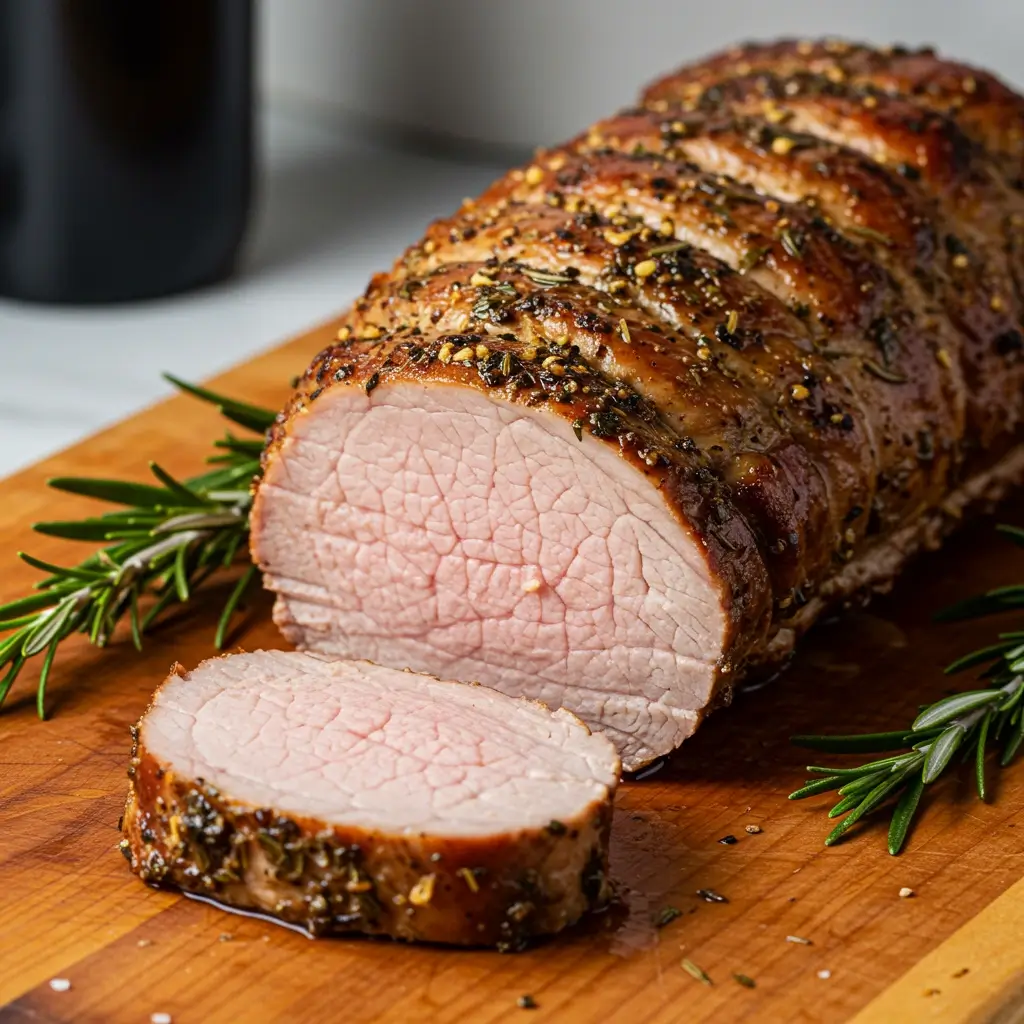

Discover the succulent world of pork tenderloin roast with our comprehensive guide to crafting a juicy and tender masterpiece. Whether you’re a seasoned chef or a home cook looking to impress, this dish promises to elevate your culinary repertoire. Follow along as we delve into the ingredients, preparation, and pro tips for achieving pork perfection.
Introduction
The pork tenderloin roast is a classic dish that’s beloved for its juicy texture and rich flavor. Its versatility makes it a staple in many kitchens, easily paired with various sides for a complete meal. With our detailed instructions, you’ll learn how to create a pork tenderloin that’s not only tender but also bursting with savory goodness. This dish is perfect for family dinners, holiday gatherings, or any occasion that calls for a hearty main course.
Ingredients
To achieve the perfect pork tenderloin roast, you’ll need a handful of simple yet flavorful ingredients. Here’s what you’ll need:
- 1.5 lbs pork tenderloin
- 2 tbsp olive oil
- 3 cloves garlic, minced
- 1 tsp dried thyme
- 1 tsp dried rosemary
- Salt and pepper, to taste
- 1 cup chicken broth
- 2 tbsp balsamic vinegar
These ingredients work harmoniously to create a mouthwatering roast that is savory, aromatic, and a little tangy from the balsamic vinegar.
Instructions
Creating a juicy pork tenderloin roast is a straightforward process. Follow these steps to ensure a perfectly cooked dish:
- Preheat your oven to 400°F (200°C).
- In a bowl, mix olive oil, garlic, thyme, rosemary, salt, and pepper until well combined.
- Rub the mixture all over the pork tenderloin, making sure it’s evenly coated.
- Heat a skillet over medium-high heat and sear the pork on all sides until golden, about 3-4 minutes per side.
- Pour chicken broth and balsamic vinegar into the skillet, making sure the liquid is well distributed.
- Transfer the skillet to the preheated oven and roast for 20-25 minutes or until the internal temperature reaches 145°F (63°C).
- Remove the pork from the oven and let it rest for 5-10 minutes before slicing.
The resting period is crucial as it allows the juices to redistribute, ensuring that each slice is moist and flavorful.
Nutrition Facts
Understanding the nutritional content of your meals is essential for maintaining a balanced diet. Here’s the breakdown per serving of this delectable pork tenderloin roast:
- Calories: 220
- Protein: 34g
- Fat: 9g
- Carbohydrates: 4g
- Fiber: 0g
- Sugar: 1g
Packed with protein and relatively low in carbohydrates, this dish is not only delicious but also a nutritious option.
How to Serve
The beauty of a pork tenderloin roast lies not only in its succulent flavor and tender texture but also in its remarkable versatility when it comes to serving options. Whether you’re hosting a fancy dinner party or enjoying a casual family meal, the right accompaniments can elevate your dish to new heights. Here are some detailed ideas to complement your pork tenderloin roast, ensuring a well-rounded and delicious dining experience.
Mashed Potatoes or Cauliflower Mash
Mashed Potatoes: The classic choice for a reason, creamy mashed potatoes offer a rich, buttery flavor that complements the savory notes of pork tenderloin. You can enhance the traditional recipe by incorporating roasted garlic or cream cheese for an extra layer of flavor. For added flair, consider garnishing with fresh chives or parsley for a pop of color.
Cauliflower Mash: For a lighter, lower-carb alternative, cauliflower mash is an excellent choice. It provides a similar creamy texture with a slightly nutty flavor that pairs wonderfully with pork. To prepare, steam or boil cauliflower florets until tender, then blend with butter, cream, or sour cream until smooth. Season with salt, pepper, and a hint of nutmeg for a delightful twist.
Roasted Vegetables
Seasonal Roasted Vegetables: Roasted vegetables not only add vibrant colors to your plate but also contribute a variety of textures and flavors. Consider using a mix of seasonal vegetables such as:
- Carrots: Their natural sweetness caramelizes beautifully when roasted, providing a lovely contrast to the savory pork.
- Brussels Sprouts: Halved and roasted until crispy on the outside, they bring a slight bitterness that balances the richness of the meat.
- Asparagus: Tender asparagus spears, lightly seasoned and roasted, add a fresh, earthy note to the meal.
To prepare, toss your chosen vegetables in olive oil, salt, and pepper, and roast them in a hot oven until they achieve a golden-brown finish. For added depth, you might include herbs like rosemary or thyme, or even a splash of balsamic vinegar just before serving.
Rice or Quinoa
Fluffy Rice: A classic side, rice—whether white, brown, or wild—acts as a perfect canvas for the flavorful juices from the pork. To elevate plain rice, consider cooking it in chicken broth instead of water, or adding aromatics like sautéed onions and garlic for extra flavor. You might also mix in fresh herbs, such as parsley or cilantro, just before serving for a refreshing touch.
Quinoa: This nutrient-dense grain is not only a great source of protein but also offers a delightful nutty flavor and slight crunch. Cook quinoa in vegetable or chicken broth to infuse it with flavor, and consider tossing in sautéed vegetables or nuts for added texture. A squeeze of lemon or lime juice can brighten the dish and complement the pork beautifully.
Salad
Fresh Green Salad: A crisp, refreshing salad is an ideal counterpoint to the richness of pork tenderloin. Opt for a base of mixed greens, such as arugula, spinach, or baby kale, and add a variety of colorful vegetables like cherry tomatoes, cucumbers, and bell peppers. To enhance the salad, include elements like:
- Nuts or Seeds: Adding toasted almonds, walnuts, or sunflower seeds can provide a satisfying crunch.
- Cheese: Crumbled feta or shaved Parmesan lends a creamy texture and salty flavor that pairs well with the pork.
- Fruits: Slices of apple, pear, or pomegranate seeds can add a sweet contrast that elevates the entire meal.
For the dressing, a light vinaigrette made with olive oil, balsamic vinegar, and a hint of Dijon mustard can bring all the flavors together without overpowering the dish.
Final Thoughts
When serving pork tenderloin roast, the key is to create a harmonious balance of flavors and textures. By thoughtfully pairing your roast with creamy mash, roasted vegetables, wholesome grains, and a fresh salad, you elevate the dining experience from ordinary to extraordinary. Experiment with different combinations to find what best suits your taste and enjoy the delightful versatility that pork tenderloin has to offer.
For a gourmet presentation, slice the pork tenderloin into medallions and arrange them on a platter with your chosen sides.
Additional Tips for Perfect Pork Tenderloin Roast
Cooking a pork tenderloin roast can be a delightful culinary experience, especially when you aim for that perfect combination of tenderness and flavor. To ensure your pork tenderloin roast turns out perfectly every time, keep these additional tips in mind:
Use a Meat Thermometer
One of the most valuable tools in your kitchen is a reliable meat thermometer. Using this device takes the guesswork out of cooking pork tenderloin. The USDA recommends cooking pork to an internal temperature of 145°F (63°C), followed by a three-minute rest period. By inserting the thermometer into the thickest part of the meat, you can accurately monitor the temperature as it cooks. This not only guarantees that your roast is safe to eat but also ensures it remains juicy and tender. Invest in a digital instant-read thermometer for the best results; they provide quick readings and can be used for various types of meat, making them a versatile addition to your kitchen.
Searing is Key
Searing your pork tenderloin before roasting is a crucial step that should not be overlooked. This initial high-heat cooking method creates a delicious golden-brown crust on the surface of the meat, which not only enhances the visual appeal of your dish but also locks in the juices. To achieve the perfect sear, preheat your skillet over medium-high heat and add a small amount of oil with a high smoke point, such as canola or avocado oil. Once the oil is shimmering, carefully place the pork tenderloin in the pan, allowing it to sear undisturbed for 2-3 minutes on each side until a rich, caramelized crust forms. After searing, you can transfer the tenderloin to the oven to finish cooking, ensuring that the flavors remain concentrated within the meat.
Resting Time is Crucial
Patience pays off when it comes to resting your pork tenderloin. After removing it from the oven, allow the meat to rest for about 5-10 minutes before slicing. This resting period is essential because it allows the juices, which have been driven to the center of the meat during cooking, to redistribute throughout the pork. If you slice into the roast immediately, you risk losing those flavorful juices, resulting in dry meat. To keep the pork warm while it rests, tent it loosely with aluminum foil; this helps maintain heat without trapping moisture that can lead to steaming and sogginess.
Experiment with Herbs
Pork tenderloin is a blank canvas that can take on a variety of flavors, making it an ideal dish for experimentation with herbs and spices. While traditional seasonings like rosemary and thyme are popular choices, don’t hesitate to explore other herbs such as sage, oregano, or even fresh parsley. For a more vibrant flavor profile, consider creating a marinade or rub that incorporates minced garlic, citrus zest, or a splash of balsamic vinegar alongside your chosen herbs. Allow the pork to marinate for at least 30 minutes, or ideally overnight in the refrigerator, to deepen the flavors. If you prefer a more subtle touch, sprinkle fresh herbs over the roast just before serving to enhance both the aroma and presentation.
Additional Considerations
- Brining for Moisture: If you want to take your pork tenderloin to the next level of juiciness, consider brining it before cooking. A simple brine made from water, salt, and sugar can infuse the pork with moisture and flavor, resulting in an incredibly tender roast. Aim for a brine time of 2-4 hours in the refrigerator, then rinse and pat the meat dry before seasoning and cooking.
- Choose the Right Cut: When selecting your pork tenderloin, look for a piece that is firm and has a bright pink color with a small amount of marbling. Avoid any cuts that appear dull or have excessive fat, as these can impact the flavor and cooking process.
- Pairing with Sides: To elevate your pork tenderloin roast, consider what sides will complement the dish. Roasted vegetables, creamy mashed potatoes, or a fresh salad can all enhance the overall dining experience. Additionally, think about a sauce or glaze that can tie the flavors together, such as a sweet and tangy apple chutney or a savory mushroom sauce.
By following these tips and embracing the versatility of pork tenderloin, you can consistently create a roast that will impress your family and friends. With practice and a willingness to experiment, you’ll find your own perfect way to prepare this delicious cut of meat.
FAQs
Q: Can I use fresh herbs instead of dried ones?
A: Absolutely! If you prefer fresh herbs, use about three times the amount of dried herbs.
Q: What if I don’t have balsamic vinegar?
A: You can substitute with apple cider vinegar or red wine vinegar, though the flavor profile will slightly differ.
Q: How can I store leftovers?
A: Store any leftovers in an airtight container in the refrigerator for up to three days. Reheat gently to retain moisture.
Q: Is it possible to prepare this dish in advance?
A: Yes, you can season the pork tenderloin and let it marinate in the refrigerator for several hours or overnight before cooking.
Conclusion
Mastering the art of a juicy and tender pork tenderloin roast is easier than you might think. With the right ingredients and techniques, you can create a dish that’s sure to impress your family and friends. Whether you’re hosting a dinner party or preparing a weeknight meal, this recipe will become a go-to favorite for its simplicity and robust flavor.
So, gather your ingredients, follow our expert tips, and enjoy a culinary experience that’s as rewarding to create as it is to savor. Happy cooking! 🥳
Print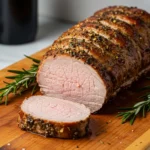
Juicy and Tender Pork Tenderloin Roast Recipe
Ingredients
- 1.5 lbs pork tenderloin
- 2 tbsp olive oil
- 3 cloves garlic, minced
- 1 tsp dried thyme
- 1 tsp dried rosemary
- Salt and pepper, to taste
- 1 cup chicken broth
- 2 tbsp balsamic vinegar
Instructions
-
- Preheat your oven to 400°F (200°C).
- In a bowl, mix olive oil, garlic, thyme, rosemary, salt, and pepper until well combined.
- Rub the mixture all over the pork tenderloin, making sure it’s evenly coated.
- Heat a skillet over medium-high heat and sear the pork on all sides until golden, about 3-4 minutes per side.
- Pour chicken broth and balsamic vinegar into the skillet, making sure the liquid is well distributed.
- Transfer the skillet to the preheated oven and roast for 20-25 minutes or until the internal temperature reaches 145°F (63°C).
- Remove the pork from the oven and let it rest for 5-10 minutes before slicing.
Nutrition
- Serving Size: one normal portion
- Calories: 220
- Sugar: 1g
- Fat: 9g
- Carbohydrates: 4g
- Fiber: 0g
- Protein: 34g