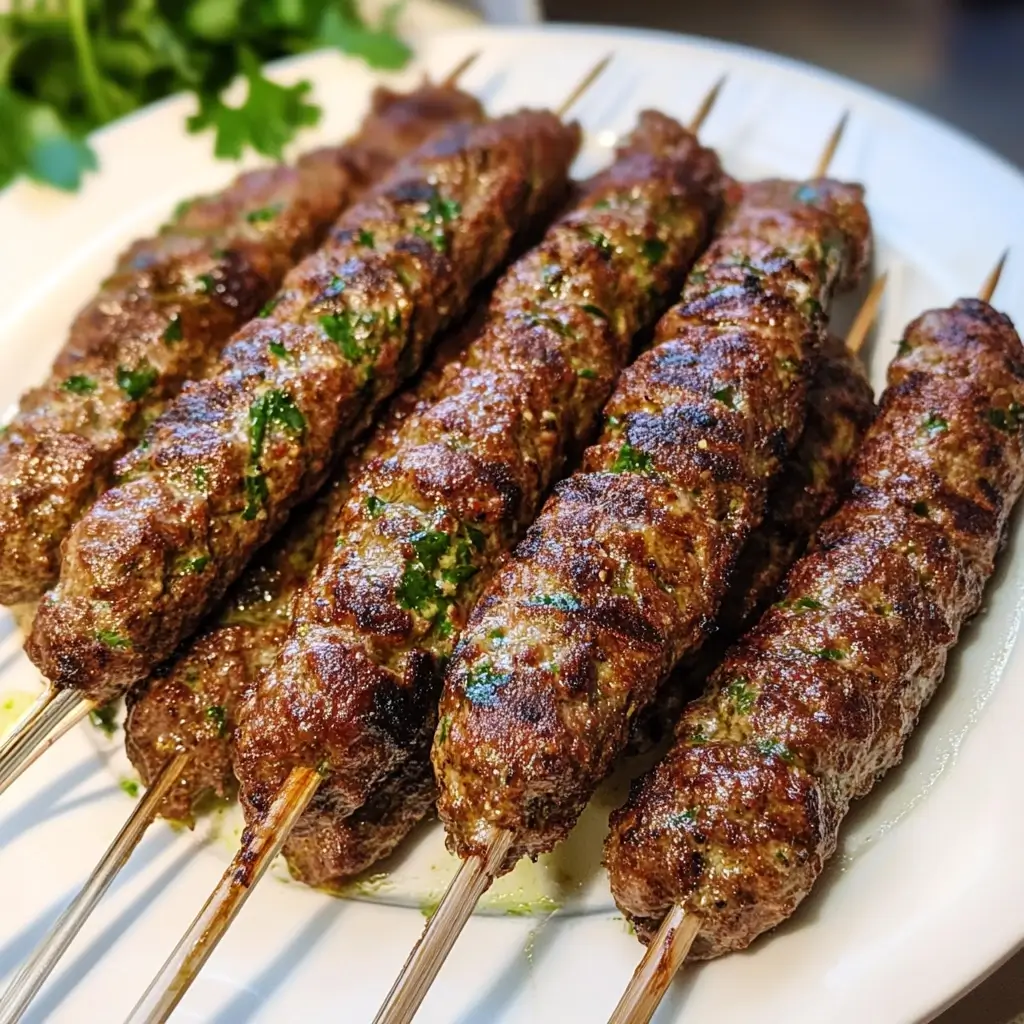
There are certain aromas that instantly transport you to cherished memories, and for me, the savory, spiced scent of kafta kebabs sizzling on the grill is undeniably one of them. From lively summer barbecues to cozy weeknight dinners, kafta kebabs have been a staple in our household for years. There’s something undeniably satisfying about the combination of perfectly seasoned ground meat, fragrant herbs, and the smoky char from the grill. I still remember the first time I attempted to make them myself, a slightly nervous cook trying to recreate the magic I’d tasted countless times. Let’s just say there was a bit of trial and error involved! But through those early experiments, and countless iterations since, I’ve honed a recipe that consistently delivers juicy, flavorful kafta kebabs that are always a crowd-pleaser. My family, especially my kids, absolutely devour them, often requesting them over takeout or restaurant meals. They are incredibly versatile – equally at home served with fluffy pita bread and creamy hummus for a casual lunch, or alongside a vibrant Mediterranean salad and roasted vegetables for a more elegant dinner. This recipe isn’t just about following steps; it’s about capturing that authentic, mouthwatering flavor that makes kafta kebabs so irresistible. So, whether you’re a seasoned grill master or a kitchen novice, get ready to embark on a culinary journey that will fill your kitchen with incredible aromas and your table with a dish that’s bound to become a new family favorite.
Ingredients
To create truly exceptional kafta kebabs, using high-quality, fresh ingredients is paramount. Each component plays a crucial role in building the complex and delicious flavor profile that defines this dish. Here’s a detailed breakdown of everything you’ll need:
- Ground Meat: 2 lbs (approximately 900g) of ground meat is the foundation of our kafta kebabs. For the most authentic and flavorful results, I highly recommend using a blend of ground lamb and beef. The lamb brings a rich, slightly gamey flavor and a wonderful tenderness due to its higher fat content, while the beef provides a more robust and meaty base. A 50/50 blend is ideal, but if you prefer, you can use all lamb or all beef. When choosing your ground meat, opt for a blend that is around 80/20 lean-to-fat ratio. This fat content is essential for keeping the kebabs moist and juicy during cooking. If you use leaner meat, you risk them becoming dry and crumbly.
- Onion: 1 medium-sized yellow onion is essential for adding moisture and a subtle sweetness to the kafta mixture. Yellow onions have a balanced flavor that complements the meat and spices without being overpowering. Make sure to finely grate the onion. This is crucial because large chunks of onion will prevent the kafta mixture from binding together properly and can also burn during grilling. Grating releases the onion’s juices and allows it to evenly distribute throughout the meat, adding flavor and moisture.
- Fresh Parsley: 1 cup of tightly packed fresh parsley, finely chopped, brings a bright, herbaceous note that is characteristic of kafta kebabs. Flat-leaf parsley (also known as Italian parsley) is preferred over curly parsley for its more robust flavor. Ensure the parsley is thoroughly washed and dried before chopping. Finely chopping it ensures it blends seamlessly into the mixture and doesn’t create large pieces that can fall off during cooking.
- Fresh Mint: ½ cup of tightly packed fresh mint, finely chopped, adds a refreshing and slightly cooling element that beautifully balances the richness of the meat and spices. Mint is a key ingredient in many Middle Eastern dishes and provides a distinctive aromatic lift to the kafta kebabs. Like parsley, wash and dry the mint thoroughly before finely chopping it.
- Garlic: 4-5 cloves of garlic, minced, are crucial for adding a pungent and savory depth of flavor. Fresh garlic is always best for kafta kebabs. Mincing it finely ensures it disperses evenly throughout the mixture and infuses every bite with its aromatic goodness. You can use a garlic press, finely chop it with a knife, or grate it using a microplane for an even finer texture.
- Spices: This is where the magic truly happens! A carefully curated blend of spices is what gives kafta kebabs their signature warm, aromatic, and slightly spicy flavor. Here’s the spice blend you’ll need:
- Ground Cumin: 2 teaspoons of ground cumin provide a warm, earthy, and slightly citrusy note that is fundamental to Middle Eastern cuisine.
- Ground Coriander: 1 ½ teaspoons of ground coriander seeds add a warm, lemony, and slightly sweet flavor that complements the cumin and other spices beautifully.
- Paprika: 1 ½ teaspoons of paprika contribute a mild sweetness and a subtle smoky flavor, as well as a beautiful reddish hue to the kafta kebabs. You can use sweet paprika or smoked paprika for a slightly deeper smoky note.
- Ground Cinnamon: ½ teaspoon of ground cinnamon might seem surprising in a savory dish, but it adds a subtle warmth and complexity that enhances the overall flavor profile without being overtly sweet.
- Cayenne Pepper (or Red Pepper Flakes): ½ teaspoon of cayenne pepper powder or red pepper flakes provides a touch of heat. Adjust the amount to your preference. If you like a spicier kafta, you can increase the cayenne pepper; if you prefer a milder flavor, you can reduce it or omit it altogether.
- Salt: 2 teaspoons of salt, or to taste, are essential for seasoning the meat and bringing out the flavors of all the other ingredients. Start with 2 teaspoons and adjust to your liking after mixing the ingredients.
- Black Pepper: 1 teaspoon of freshly ground black pepper adds a touch of pungency and enhances the overall spice blend. Freshly ground black pepper is preferred for its brighter and more aromatic flavor.
- Olive Oil: 2 tablespoons of extra virgin olive oil are used to add moisture to the mixture and help bind the ingredients together. Olive oil also contributes to the overall flavor and richness of the kafta kebabs.
- Optional – Pine Nuts or Walnuts (for texture and flavor): ¼ cup of toasted pine nuts or chopped walnuts (optional) can be added to the kafta mixture for extra texture and a nutty flavor. These are not traditional but can be a delicious addition for those who enjoy them. Toast the nuts lightly in a dry pan until fragrant to enhance their flavor before adding them to the mixture.
- Wooden or Metal Skewers: You will need skewers to shape and grill the kafta kebabs. If using wooden skewers, soak them in water for at least 30 minutes before grilling to prevent them from burning. Metal skewers are reusable and don’t require soaking.
Instructions
Making delicious kafta kebabs at home is surprisingly straightforward. Follow these step-by-step instructions for perfectly seasoned and cooked kebabs every time:
- Prepare the Onion and Herbs: Begin by peeling and grating the yellow onion using a box grater or food processor. Place the grated onion in a clean kitchen towel or cheesecloth and squeeze out as much excess liquid as possible. This step is crucial to prevent the kafta mixture from becoming too wet and ensures the kebabs hold their shape during cooking. Finely chop the fresh parsley and fresh mint. Mince the garlic cloves.
- Combine Ingredients in a Large Bowl: In a large mixing bowl, add the ground meat (lamb and beef blend or your preferred choice), grated and squeezed onion, finely chopped parsley, finely chopped mint, minced garlic, ground cumin, ground coriander, paprika, ground cinnamon, cayenne pepper (or red pepper flakes), salt, and black pepper. Drizzle the olive oil over the mixture.
- Mix Thoroughly (The Key to Texture): This is a crucial step for achieving the right texture and ensuring the kafta kebabs hold together. Use your hands to thoroughly mix all the ingredients together. The key is to work the mixture for about 5-7 minutes. This process not only ensures that the spices and herbs are evenly distributed but also helps to develop the protein structure of the meat, creating a slightly sticky and cohesive mixture. Don’t be afraid to get your hands dirty! You want to knead the mixture almost like you would bread dough until it becomes well combined and slightly sticky. If using pine nuts or walnuts, gently fold them into the mixture towards the end of the mixing process.
- Rest and Chill (Flavor Development): Cover the bowl with plastic wrap or a lid and refrigerate the kafta mixture for at least 30 minutes, or ideally for 1-2 hours. This resting time allows the flavors to meld and deepen, resulting in more flavorful kebabs. Chilling the mixture also makes it easier to handle and shape around the skewers.
- Shape the Kafta Kebabs: Once the mixture has chilled, remove it from the refrigerator. If using wooden skewers, ensure they have been soaking in water for at least 30 minutes. Take a portion of the kafta mixture, about ¼ cup or slightly more, and shape it into an oblong log. Insert a skewer lengthwise through the center of the log. Use your hands to gently mold the meat mixture evenly around the skewer, pressing and shaping it to create a uniform kebab. Aim for kebabs that are about 4-5 inches long and about 1-1.5 inches thick. Repeat this process with the remaining kafta mixture and skewers. You should get approximately 8-10 kafta kebabs from this recipe, depending on the size you make them.
- Prepare the Grill (Medium-High Heat): Preheat your grill to medium-high heat (around 375-450°F or 190-230°C). Clean the grill grates and lightly oil them to prevent the kebabs from sticking. If you don’t have a grill, you can also cook the kafta kebabs in a grill pan on the stovetop or bake them in the oven (see tips below for oven baking instructions).
- Grill the Kafta Kebabs: Carefully place the kafta kebabs on the preheated grill. Grill for about 4-5 minutes per side, turning them occasionally, until they are nicely browned and cooked through. The internal temperature of the kafta kebabs should reach 165°F (74°C) to ensure they are safely cooked. Avoid overcrowding the grill; cook in batches if necessary to ensure even cooking and browning. Baste the kebabs with a little extra olive oil during grilling if you wish to keep them extra moist.
- Rest Before Serving: Once the kafta kebabs are cooked through and nicely browned, remove them from the grill and let them rest for a few minutes (about 5 minutes) before serving. This resting period allows the juices to redistribute throughout the meat, resulting in more tender and flavorful kebabs.
- Serve and Enjoy! Serve the kafta kebabs immediately while they are hot and juicy. They are incredibly versatile and can be enjoyed in various ways (see “How to Serve” section below for serving suggestions).
Nutrition Facts (Estimated)
Please note that the following nutrition information is an estimate and can vary based on specific ingredients used, portion sizes, and cooking methods. For more precise nutritional information, you can use a nutrition calculator with the exact brands and quantities of ingredients you use.
Serving Size: Approximately 2 Kafta Kebabs
Servings Per Recipe: 4-5 (depending on size and appetite)
Estimated Nutrition Facts Per Serving (approximately 2 kebabs):
- Calories: 450-550 kcal
- Protein: 35-45g
- Fat: 30-40g
- Saturated Fat: 12-18g (depending on the fat content of the ground meat)
- Unsaturated Fat: Varies
- Cholesterol: 120-150mg
- Carbohydrates: 5-8g
- Fiber: 1-2g
- Sugar: 2-3g (primarily from onions and herbs)
- Sodium: 500-700mg (depending on salt added)
Important Notes:
- These values are estimates and can vary.
- Using leaner ground meat will reduce the fat and calorie content.
- Serving suggestions (like pita bread, hummus, salads, etc.) will add to the overall nutritional profile of a meal.
- This nutritional information is for the kafta kebabs themselves and does not include any side dishes or accompaniments.
Preparation Time
The preparation time for kafta kebabs is relatively straightforward and can be broken down into active preparation and resting/chilling time.
- Active Preparation Time: Approximately 30-40 minutes. This includes:
- Chopping vegetables (onion, parsley, mint, garlic): 15-20 minutes
- Measuring and mixing spices: 5 minutes
- Combining all ingredients and mixing the meat mixture: 10-15 minutes
- Shaping the kebabs onto skewers: 10-15 minutes
- Resting/Chilling Time: Minimum 30 minutes, ideally 1-2 hours in the refrigerator. This is mostly inactive time where the flavors develop and the mixture firms up.
- Cooking Time (Grilling): Approximately 15-20 minutes, depending on the heat of your grill and the thickness of the kebabs. This includes preheating the grill and grilling time (about 4-5 minutes per side).
Total Time (Estimated):
- Minimum Total Time (with 30 minutes chilling): Approximately 1 hour 15 minutes to 1 hour 30 minutes.
- Recommended Total Time (with 1-2 hours chilling): Approximately 1 hour 45 minutes to 2 hours 30 minutes.
Tips for Time Management:
- Prep Ahead: You can chop the vegetables and mix the spices in advance, even the day before, and store them separately in airtight containers in the refrigerator.
- Make the Mixture Ahead: The kafta mixture can be prepared up to 24 hours in advance and stored in the refrigerator. This is a great way to break up the preparation process.
- Soak Skewers in Advance: If using wooden skewers, soak them in water well in advance (at least 30 minutes, or even a few hours) so they are ready when you need them.
How to Serve Kafta Kebabs
Kafta kebabs are incredibly versatile and can be served in a variety of ways, making them perfect for casual lunches, family dinners, or even more elaborate gatherings. Here are some delicious serving suggestions:
- Classic Pita Pockets:
- Warm pita bread until soft and pliable.
- Stuff pita pockets with kafta kebabs, creamy hummus, crisp lettuce, sliced tomatoes, cucumbers, red onions, and a drizzle of tahini sauce or a squeeze of lemon juice.
- This is a classic and incredibly satisfying way to enjoy kafta kebabs for lunch or a casual dinner.
- Mediterranean Platter:
- Create a vibrant Mediterranean platter by arranging kafta kebabs alongside:
- Hummus: Creamy and smooth hummus is a must-have accompaniment.
- Baba Ghanoush: Smoky eggplant dip for added flavor and variety.
- Tzatziki Sauce: Cool and refreshing yogurt-based sauce.
- Tabouli Salad: Fresh parsley and bulgur salad.
- Fattoush Salad: Lebanese bread salad with vegetables and herbs.
- Marinated Olives: Kalamata or other Mediterranean olives.
- Pickled Vegetables: Pickled turnips or cucumbers.
- Feta Cheese: Crumbled feta for a salty and tangy element.
- Warm Pita Bread or Flatbread: For scooping and wrapping.
- This platter is perfect for sharing and offers a diverse range of flavors and textures.
- Create a vibrant Mediterranean platter by arranging kafta kebabs alongside:
- Rice Bowls or Plates:
- Serve kafta kebabs over a bed of fluffy rice. Options include:
- Basmati Rice: Classic and fragrant.
- Turmeric Rice: Infused with turmeric for color and flavor.
- Couscous: Light and fluffy couscous.
- Quinoa: For a healthier grain option.
- Top the rice with kafta kebabs and your choice of sauces and toppings, such as:
- Yogurt Sauce: Plain yogurt, or flavored with mint, dill, or garlic.
- Tahini Sauce: Creamy sesame seed sauce.
- Harissa Paste: For a spicy kick.
- Chopped Fresh Herbs: Parsley, cilantro, mint.
- Toasted Pine Nuts or Almonds: For added crunch.
- Serve kafta kebabs over a bed of fluffy rice. Options include:
- Salad Topper:
- Slice or crumble cooked kafta kebabs and use them as a protein-rich topping for salads.
- Pair them with:
- Greek Salad: Tomatoes, cucumbers, olives, feta, red onion, and a vinaigrette.
- Mediterranean Salad: Mixed greens, roasted vegetables (peppers, zucchini, eggplant), chickpeas, and a lemon-herb dressing.
- Simple Green Salad: Mixed greens with a light vinaigrette to let the kafta flavor shine.
- Skewered Appetizers:
- Cut the kafta mixture into smaller portions and shape them into mini kebabs.
- Grill or bake them and serve as appetizers with dipping sauces like:
- Spicy Harissa Yogurt Dip: Yogurt mixed with harissa paste and lemon juice.
- Garlic Aioli: Creamy garlic mayonnaise.
- Lemon-Herb Tahini Dip: Tahini sauce with lemon juice and fresh herbs.
- These mini kafta kebabs are perfect for parties and gatherings.
Additional Tips for Perfect Kafta Kebabs
To consistently achieve delicious and perfectly cooked kafta kebabs, keep these helpful tips in mind:
- Don’t Skip Squeezing the Onion: Removing excess moisture from the grated onion is absolutely crucial. If you skip this step, the kafta mixture will be too wet, and the kebabs will be difficult to shape and may fall apart during grilling. Squeezing out the onion juice ensures the right consistency and prevents soggy kebabs.
- Knead the Meat Mixture Well: Spending those extra minutes kneading the meat mixture is worth it. This process helps to bind the ingredients together and develops the protein structure of the meat, resulting in kebabs that hold their shape better on the skewers and are less likely to crumble. Think of it like making meatballs – you want to work the mixture to create a cohesive texture.
- Chill the Mixture Thoroughly: Chilling the kafta mixture in the refrigerator for at least 30 minutes (and ideally longer) is essential for two reasons. First, it allows the flavors to meld and deepen, creating a more complex and delicious taste. Second, it firms up the mixture, making it much easier to handle and shape around the skewers. Cold mixture is less sticky and more manageable.
- Don’t Overcook: Kafta kebabs are best when they are juicy and tender. Overcooking will make them dry and tough. Grill them until they are cooked through (internal temperature of 165°F/74°C) and nicely browned, but don’t leave them on the grill for too long. Use a meat thermometer to ensure accurate doneness. Resting the kebabs after grilling also helps to retain their juiciness.
- Alternative Cooking Methods: While grilling is the traditional and preferred method for kafta kebabs, you can also cook them using other methods:
- Grill Pan (Stovetop): Use a grill pan over medium-high heat on your stovetop. Cook the kebabs as you would on an outdoor grill, turning them occasionally until cooked through and nicely marked.
- Oven Baking: Preheat your oven to 400°F (200°C). Place the shaped kafta kebabs on a baking sheet lined with parchment paper. Bake for 20-25 minutes, or until cooked through and lightly browned, turning them halfway through cooking. For a browner finish, you can broil them for the last few minutes, watching carefully to prevent burning.
- Pan-Frying: You can also pan-fry kafta kebabs in a skillet with a little olive oil over medium heat. Cook them until browned and cooked through, turning frequently. This method may require a bit more attention to ensure even cooking.
FAQ: Your Kafta Kebab Questions Answered
Here are some frequently asked questions about making kafta kebabs, covering common queries and helpful tips:
Q1: Can I use only ground beef or only ground lamb for kafta kebabs?
A1: Yes, you can. While a 50/50 blend of ground lamb and beef is traditionally used and offers the best balance of flavor and texture, you can definitely make kafta kebabs with only ground beef or only ground lamb. If using only beef, choose a blend with a decent fat content (around 80/20) to ensure juiciness. If using only lamb, be aware that the flavor will be more pronounced and slightly gamey. Adjust seasoning to your preference if using only one type of meat.
Q2: Can I make kafta kebabs ahead of time?
A2: Absolutely! You can prepare the kafta mixture up to 24 hours in advance and store it covered in the refrigerator. You can also shape the kebabs onto skewers ahead of time and keep them refrigerated until you are ready to grill or cook them. It’s best to cook them fresh for optimal flavor and texture, but prepping ahead significantly reduces the cooking day workload. Cooked kafta kebabs can also be stored in the refrigerator for 3-4 days and reheated gently, although they are best enjoyed fresh.
Q3: What if I don’t have fresh parsley or mint? Can I use dried herbs?
A3: Fresh parsley and mint are highly recommended for their bright and vibrant flavor, which is integral to kafta kebabs. However, if you absolutely must substitute, you can use dried herbs in a pinch. As a general rule, use about 1 teaspoon of dried herb for every tablespoon of fresh herb. So, for this recipe, you could use about 3-4 teaspoons of dried parsley and 1 ½ – 2 teaspoons of dried mint. Keep in mind that dried herbs have a more concentrated flavor, so start with less and adjust to taste. Fresh herbs will always provide a superior flavor.
Q4: My kafta kebabs keep falling apart on the grill. What am I doing wrong?
A4: There are a few common reasons why kafta kebabs might fall apart:
- Too much moisture in the mixture: Ensure you squeeze out as much liquid as possible from the grated onion. Excess moisture weakens the binding of the meat.
- Not mixing the meat mixture thoroughly enough: Kneading the mixture for 5-7 minutes is crucial to develop the protein structure that helps the kebabs hold together.
- Not chilling the mixture: Chilling the mixture firms it up and makes it easier to shape and grill without crumbling.
- Grill temperature too high: If the grill is too hot, the outside of the kebabs might cook too quickly before the inside sets, leading to crumbling. Use medium-high heat and turn them gently.
- Not using enough fat in the meat: Leaner ground meat is more prone to drying out and crumbling. Using ground meat with a fat content of around 80/20 helps to keep them moist and bind together better.
Review these points and make sure you are following all the steps carefully.
Q5: Can I freeze cooked or uncooked kafta kebabs?
A5: Yes, you can freeze both cooked and uncooked kafta kebabs.
- Uncooked Kafta Kebabs: Shape the kebabs onto skewers, then place them on a baking sheet lined with parchment paper and freeze them in a single layer until solid. Once frozen, transfer them to a freezer-safe bag or container. They can be frozen for up to 2-3 months. Thaw them in the refrigerator before grilling or cooking.
- Cooked Kafta Kebabs: Allow the cooked kebabs to cool completely. Wrap them individually in plastic wrap and then place them in a freezer-safe bag or container. They can be frozen for up to 2-3 months. Thaw them in the refrigerator and reheat them gently in the oven, microwave, or skillet until heated through. Keep in mind that freezing and reheating cooked meat may slightly alter the texture. For best quality, consume frozen kafta kebabs within the recommended timeframe.
Kafta Kebabs Recipe
Ingredients
- Ground Meat: 2 lbs (approximately 900g) of ground meat is the foundation of our kafta kebabs. For the most authentic and flavorful results, I highly recommend using a blend of ground lamb and beef. The lamb brings a rich, slightly gamey flavor and a wonderful tenderness due to its higher fat content, while the beef provides a more robust and meaty base. A 50/50 blend is ideal, but if you prefer, you can use all lamb or all beef. When choosing your ground meat, opt for a blend that is around 80/20 lean-to-fat ratio. This fat content is essential for keeping the kebabs moist and juicy during cooking. If you use leaner meat, you risk them becoming dry and crumbly.
- Onion: 1 medium-sized yellow onion is essential for adding moisture and a subtle sweetness to the kafta mixture. Yellow onions have a balanced flavor that complements the meat and spices without being overpowering. Make sure to finely grate the onion. This is crucial because large chunks of onion will prevent the kafta mixture from binding together properly and can also burn during grilling. Grating releases the onion’s juices and allows it to evenly distribute throughout the meat, adding flavor and moisture.
- Fresh Parsley: 1 cup of tightly packed fresh parsley, finely chopped, brings a bright, herbaceous note that is characteristic of kafta kebabs. Flat-leaf parsley (also known as Italian parsley) is preferred over curly parsley for its more robust flavor. Ensure the parsley is thoroughly washed and dried before chopping. Finely chopping it ensures it blends seamlessly into the mixture and doesn’t create large pieces that can fall off during cooking.
- Fresh Mint: ½ cup of tightly packed fresh mint, finely chopped, adds a refreshing and slightly cooling element that beautifully balances the richness of the meat and spices. Mint is a key ingredient in many Middle Eastern dishes and provides a distinctive aromatic lift to the kafta kebabs. Like parsley, wash and dry the mint thoroughly before finely chopping it.
- Garlic: 4-5 cloves of garlic, minced, are crucial for adding a pungent and savory depth of flavor. Fresh garlic is always best for kafta kebabs. Mincing it finely ensures it disperses evenly throughout the mixture and infuses every bite with its aromatic goodness. You can use a garlic press, finely chop it with a knife, or grate it using a microplane for an even finer texture.
- Spices: This is where the magic truly happens! A carefully curated blend of spices is what gives kafta kebabs their signature warm, aromatic, and slightly spicy flavor. Here’s the spice blend you’ll need:
- Ground Cumin: 2 teaspoons of ground cumin provide a warm, earthy, and slightly citrusy note that is fundamental to Middle Eastern cuisine.
- Ground Coriander: 1 ½ teaspoons of ground coriander seeds add a warm, lemony, and slightly sweet flavor that complements the cumin and other spices beautifully.
- Paprika: 1 ½ teaspoons of paprika contribute a mild sweetness and a subtle smoky flavor, as well as a beautiful reddish hue to the kafta kebabs. You can use sweet paprika or smoked paprika for a slightly deeper smoky note.
- Ground Cinnamon: ½ teaspoon of ground cinnamon might seem surprising in a savory dish, but it adds a subtle warmth and complexity that enhances the overall flavor profile without being overtly sweet.
- Cayenne Pepper (or Red Pepper Flakes): ½ teaspoon of cayenne pepper powder or red pepper flakes provides a touch of heat. Adjust the amount to your preference. If you like a spicier kafta, you can increase the cayenne pepper; if you prefer a milder flavor, you can reduce it or omit it altogether.
- Salt: 2 teaspoons of salt, or to taste, are essential for seasoning the meat and bringing out the flavors of all the other ingredients. Start with 2 teaspoons and adjust to your liking after mixing the ingredients.
- Black Pepper: 1 teaspoon of freshly ground black pepper adds a touch of pungency and enhances the overall spice blend. Freshly ground black pepper is preferred for its brighter and more aromatic flavor.
- Olive Oil: 2 tablespoons of extra virgin olive oil are used to add moisture to the mixture and help bind the ingredients together. Olive oil also contributes to the overall flavor and richness of the kafta kebabs.
- Optional – Pine Nuts or Walnuts (for texture and flavor): ¼ cup of toasted pine nuts or chopped walnuts (optional) can be added to the kafta mixture for extra texture and a nutty flavor. These are not traditional but can be a delicious addition for those who enjoy them. Toast the nuts lightly in a dry pan until fragrant to enhance their flavor before adding them to the mixture.
- Wooden or Metal Skewers: You will need skewers to shape and grill the kafta kebabs. If using wooden skewers, soak them in water for at least 30 minutes before grilling to prevent them from burning. Metal skewers are reusable and don’t require soaking.
Instructions
- Prepare the Onion and Herbs: Begin by peeling and grating the yellow onion using a box grater or food processor. Place the grated onion in a clean kitchen towel or cheesecloth and squeeze out as much excess liquid as possible. This step is crucial to prevent the kafta mixture from becoming too wet and ensures the kebabs hold their shape during cooking. Finely chop the fresh parsley and fresh mint. Mince the garlic cloves.
- Combine Ingredients in a Large Bowl: In a large mixing bowl, add the ground meat (lamb and beef blend or your preferred choice), grated and squeezed onion, finely chopped parsley, finely chopped mint, minced garlic, ground cumin, ground coriander, paprika, ground cinnamon, cayenne pepper (or red pepper flakes), salt, and black pepper. Drizzle the olive oil over the mixture.
- Mix Thoroughly (The Key to Texture): This is a crucial step for achieving the right texture and ensuring the kafta kebabs hold together. Use your hands to thoroughly mix all the ingredients together. The key is to work the mixture for about 5-7 minutes. This process not only ensures that the spices and herbs are evenly distributed but also helps to develop the protein structure of the meat, creating a slightly sticky and cohesive mixture. Don’t be afraid to get your hands dirty! You want to knead the mixture almost like you would bread dough until it becomes well combined and slightly sticky. If using pine nuts or walnuts, gently fold them into the mixture towards the end of the mixing process.
- Rest and Chill (Flavor Development): Cover the bowl with plastic wrap or a lid and refrigerate the kafta mixture for at least 30 minutes, or ideally for 1-2 hours. This resting time allows the flavors to meld and deepen, resulting in more flavorful kebabs. Chilling the mixture also makes it easier to handle and shape around the skewers.
- Shape the Kafta Kebabs: Once the mixture has chilled, remove it from the refrigerator. If using wooden skewers, ensure they have been soaking in water for at least 30 minutes. Take a portion of the kafta mixture, about ¼ cup or slightly more, and shape it into an oblong log. Insert a skewer lengthwise through the center of the log. Use your hands to gently mold the meat mixture evenly around the skewer, pressing and shaping it to create a uniform kebab. Aim for kebabs that are about 4-5 inches long and about 1-1.5 inches thick. Repeat this process with the remaining kafta mixture and skewers. You should get approximately 8-10 kafta kebabs from this recipe, depending on the size you make them.
- Prepare the Grill (Medium-High Heat): Preheat your grill to medium-high heat (around 375-450°F or 190-230°C). Clean the grill grates and lightly oil them to prevent the kebabs from sticking. If you don’t have a grill, you can also cook the kafta kebabs in a grill pan on the stovetop or bake them in the oven (see tips below for oven baking instructions).
- Grill the Kafta Kebabs: Carefully place the kafta kebabs on the preheated grill. Grill for about 4-5 minutes per side, turning them occasionally, until they are nicely browned and cooked through. The internal temperature of the kafta kebabs should reach 165°F (74°C) to ensure they are safely cooked. Avoid overcrowding the grill; cook in batches if necessary to ensure even cooking and browning. Baste the kebabs with a little extra olive oil during grilling if you wish to keep them extra moist.
- Rest Before Serving: Once the kafta kebabs are cooked through and nicely browned, remove them from the grill and let them rest for a few minutes (about 5 minutes) before serving. This resting period allows the juices to redistribute throughout the meat, resulting in more tender and flavorful kebabs.
- Serve and Enjoy! Serve the kafta kebabs immediately while they are hot and juicy. They are incredibly versatile and can be enjoyed in various ways (see “How to Serve” section below for serving suggestions).
Nutrition
- Serving Size: one normal portion
- Calories: 450-550 kcal
- Sugar: 2-3g
- Sodium: 500-700mg
- Fat: 30-40g
- Saturated Fat: 12-18g
- Carbohydrates: 5-8g
- Fiber: 1-2g
- Protein: 35-45g
- Cholesterol: 120-150mg