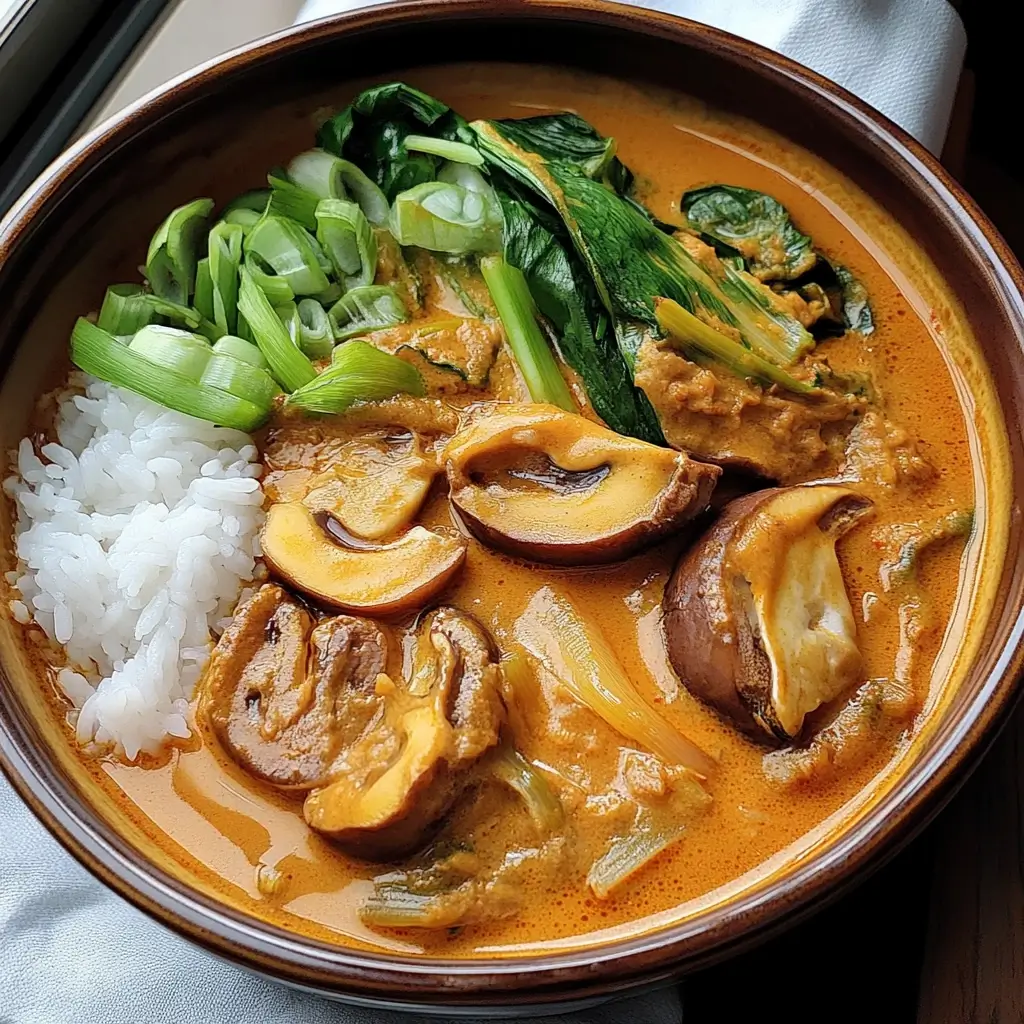

It’s funny how certain dishes can transport you back to specific moments in time. For me, the rich, peanutty aroma of Kare-Kare instantly conjures up memories of Sunday family lunches at my Lola’s house. Her version was legendary – a slow-cooked symphony of melt-in-your-mouth oxtail, tender vegetables, and that signature, deeply flavorful peanut sauce. Trying to recreate that magic in my own kitchen has been a journey of delicious experimentation. There were definitely some… learning curves (let’s just say the first attempt was a tad too watery!), but with each try, I’ve gotten closer to capturing the essence of Lola’s Kare-Kare. And honestly, the happy faces around my own dinner table when I serve this dish make all the effort completely worthwhile. It’s not just food; it’s a taste of home, a connection to family, and a celebration of Filipino flavors that I’m so excited to share with you.
Ingredients for Authentic Filipino Kare-Kare
Creating the perfect Kare-Kare hinges on the quality and balance of its ingredients. Each component plays a crucial role in building the dish’s unique flavor profile and texture. From the hearty meats to the vibrant vegetables and the rich, nutty sauce, understanding the purpose of each ingredient is key to achieving an authentic and delicious result. Let’s break down the essential ingredients you’ll need to embark on your Kare-Kare cooking adventure:
- For the Meat (Choose One or a Combination):
- Oxtail (2 lbs): This is the classic and most traditional choice. Oxtail, with its rich marbling and collagen, imparts a deep, savory flavor and incredibly tender texture to the Kare-Kare as it slow cooks. Look for meaty oxtail pieces, and don’t be afraid of the bones – they contribute significantly to the broth’s richness.
- Beef Tripe (1 lb): For those who enjoy a more adventurous texture, tripe adds a unique chewiness and subtle flavor that complements the peanut sauce beautifully. Ensure the tripe is thoroughly cleaned and pre-boiled to tenderize it before adding it to the Kare-Kare.
- Beef Shank (2 lbs): A more affordable alternative to oxtail, beef shank still provides a good depth of flavor and becomes wonderfully tender when braised for a long period. Choose shanks with bone marrow for extra richness.
- Pork Hocks (2 lbs): Pork hocks offer a different dimension of flavor, adding a slightly sweeter and fattier profile to the Kare-Kare. They also become incredibly succulent and tender when cooked low and slow.
- For the Vegetables:
- Eggplant (2 large): Use firm, globe eggplants. Cut them into thick slices or chunks to prevent them from becoming mushy during cooking. Eggplant absorbs the flavorful sauce and adds a pleasant, slightly bitter note.
- String Beans (1/2 lb): Trim the ends and cut string beans into 2-inch pieces. They provide a fresh, slightly crunchy texture and a vibrant green color to the dish.
- Pechay or Bok Choy (1 head, large): Separate the leaves and stems. Pechay or bok choy adds a mild, slightly peppery flavor and wilts beautifully into the sauce, providing a tender leafy green element.
- Banana Heart (1 medium): Also known as “puso ng saging,” banana heart is a traditional Kare-Kare vegetable that offers a slightly fibrous texture and a subtle, unique flavor. It needs to be pre-boiled and soaked to remove its sap and bitterness. If unavailable, you can omit it or substitute with more eggplant or other vegetables.
- For the Peanut Sauce:
- Roasted Peanuts (1 cup, unsalted, skinless): The heart and soul of Kare-Kare! Use unsalted, skinless peanuts for the purest peanut flavor. Roasting them beforehand enhances their nutty aroma and taste. You can roast them in the oven or in a dry pan until lightly golden and fragrant.
- Ground Rice (1/2 cup): This is a crucial thickening agent for Kare-Kare. Use uncooked rice (long-grain or glutinous rice works well). Grind it into a fine powder using a blender or food processor. Toasting the ground rice lightly in a dry pan until fragrant before adding it to the sauce adds a subtle toasted flavor and further enhances its thickening properties.
- Annatto Seeds (Achuete) (1/4 cup): These seeds are responsible for Kare-Kare’s signature vibrant orange-red color. You’ll use annatto seeds to extract colored oil.
- Onion (1 large): Diced. Onion forms the aromatic base of the sauce.
- Garlic (4 cloves): Minced. Garlic adds another layer of savory flavor to the sauce.
- Shrimp Paste (Bagoong Alamang) (2-3 tablespoons): Bagoong is a fermented shrimp paste that provides a salty, umami-rich depth of flavor that is essential to authentic Kare-Kare. Start with 2 tablespoons and add more to taste. Choose a good quality bagoong alamang.
- Peanut Butter (1/2 cup, smooth, unsweetened): While roasted peanuts and ground rice are traditional, a good quality unsweetened, smooth peanut butter can enhance the peanut flavor and contribute to the sauce’s creaminess and richness, especially when you want a slightly quicker version or a more pronounced peanut taste.
- Water or Broth (8-10 cups): Use water or beef broth (or a combination) as the liquid base for the Kare-Kare. Broth will add more depth of flavor.
- Cooking Oil (3 tablespoons): For sautéing aromatics and extracting color from annatto seeds.
- Salt and Pepper: To taste, for seasoning.
Detailed Instructions for Cooking Kare-Kare
Making Kare-Kare is a labor of love, but the reward is a truly unforgettable dish. The process involves several steps, each contributing to the final symphony of flavors and textures. From preparing the annatto oil to slow-cooking the meat and building the rich peanut sauce, follow these detailed instructions to guide you through each stage:
Step 1: Prepare the Annatto Oil (Achuete Oil)
- In a small saucepan, heat the cooking oil over low heat.
- Add the annatto seeds to the oil.
- Simmer gently for about 5-7 minutes, or until the oil turns a deep orange-red color. Be careful not to burn the seeds. You want to extract the color and flavor, not fry them.
- Remove from heat and let the oil cool slightly.
- Strain the oil through a fine-mesh sieve, discarding the annatto seeds. Set the annatto oil aside. This vibrant oil will give Kare-Kare its signature color and a subtle earthy note.
Step 2: Prepare the Meat (Oxtail, Tripe, Shank, or Hocks)
- For Oxtail, Beef Shank, or Pork Hocks:
- Season the meat generously with salt and pepper.
- In a large, heavy-bottomed pot or Dutch oven, heat 1 tablespoon of annatto oil over medium-high heat.
- Sear the meat in batches until browned on all sides. Browning deepens the flavor of the meat and the final dish. Remove the browned meat and set aside.
- For Tripe (If using):
- Ensure the tripe is pre-boiled and tender. If not pre-boiled, you will need to boil it separately until tender before proceeding. Cut into bite-sized pieces.
Step 3: Sauté Aromatics and Build the Base
- In the same pot (using the remaining annatto oil, add more if needed), sauté the diced onion until softened and translucent, about 5 minutes.
- Add the minced garlic and cook for another minute until fragrant, being careful not to burn it.
- If using tripe, add it to the pot and sauté for a few minutes.
Step 4: Braise the Meat
- Return the browned oxtail, beef shank, or pork hocks (or a combination) to the pot.
- Pour in water or broth (or a combination) until the meat is submerged. Bring to a boil, then reduce heat to low, cover, and simmer gently.
- Cooking Times:
- Oxtail: Simmer for 3-4 hours, or until the meat is extremely tender and easily falls off the bone.
- Beef Shank: Simmer for 2.5-3 hours, or until very tender.
- Pork Hocks: Simmer for 2-2.5 hours, or until very tender.
- Tripe (already pre-boiled): Add it now and simmer for about 30-45 minutes to allow the flavors to meld.
Check the meat for tenderness periodically. You want it to be melt-in-your-mouth tender. Add more water or broth if needed during simmering to keep the meat submerged.
Step 5: Prepare the Peanut Sauce
- While the meat is simmering, prepare the peanut sauce. If using whole roasted peanuts, grind them finely using a blender or food processor until you get a smooth peanut butter-like consistency. You can also use pre-made smooth, unsweetened peanut butter for convenience.
- In a separate dry pan, lightly toast the ground rice over medium heat, stirring constantly, until it turns lightly golden and fragrant. Be careful not to burn it. This toasting step is important for flavor and thickening. Set aside.
- In a bowl, combine the ground peanuts (or peanut butter), toasted ground rice, and about 1 cup of the hot braising liquid from the pot (skimmed of excess fat). Mix well until smooth and there are no lumps. This step helps to temper the peanut mixture and prevent lumps when adding it to the main pot.
Step 6: Combine and Thicken the Sauce
- Once the meat is very tender, skim off any excess fat from the surface of the braising liquid.
- Pour the peanut sauce mixture into the pot with the meat and braising liquid.
- Stir well to combine everything. The sauce will start to thicken as the ground rice absorbs the liquid.
- Bring the mixture back to a gentle simmer. If the sauce becomes too thick, add more water or broth to reach your desired consistency. Kare-Kare sauce should be rich and thick enough to coat the vegetables and meat, but still have a slightly saucy consistency.
- Simmer for about 15-20 minutes, stirring occasionally, to allow the flavors to meld and the sauce to thicken further.
Step 7: Add the Vegetables
- Add the eggplant, string beans, and banana heart (if using) to the pot.
- Simmer for another 10-15 minutes, or until the vegetables are tender-crisp. Avoid overcooking the vegetables; they should retain some texture.
- Add the pechay or bok choy during the last 5 minutes of cooking, as they wilt quickly.
Step 8: Season and Serve
- Stir in the bagoong alamang (shrimp paste) to taste. Start with 2 tablespoons and add more if needed, based on your preference for saltiness and umami flavor.
- Season with salt and pepper to taste. Remember that bagoong is already salty, so taste before adding more salt.
- Simmer for a final 5 minutes to allow the flavors to fully combine.
- Serve hot with steamed rice and extra bagoong alamang on the side for dipping.
Kare-Kare Nutrition Facts
(Note: Nutritional information is an estimate and can vary based on specific ingredients, serving sizes, and cooking methods. The following is an approximate guideline.)
- Serving Size: 1.5 cups (approximately)
- Servings per Recipe: 8-10 servings (depending on portion sizes)
Approximate Nutritional Values per Serving (estimated):
- Calories: 450-600 kcal (depending on meat choice and fat content)
- Protein: 25-35g
- Fat: 30-40g (primarily from peanuts and meat, can vary based on meat choice and trimming)
- Saturated Fat: 8-15g (variable based on meat choice)
- Cholesterol: 80-120mg (variable based on meat choice)
- Sodium: 500-800mg (variable based on bagoong and added salt)
- Carbohydrates: 20-30g
- Fiber: 5-7g
Important Considerations:
- Kare-Kare is a rich and calorie-dense dish due to the peanut sauce and often fatty meats.
- It is a good source of protein and fiber, especially from the vegetables and peanuts.
- Sodium content can be relatively high due to the bagoong alamang. Adjust bagoong amount to your preference and dietary needs.
- To make it healthier, you can trim excess fat from the meat, use leaner cuts, increase the vegetable content, and use less bagoong.
Preparation Time for Kare-Kare
Kare-Kare is a dish that requires time and patience, primarily due to the slow cooking of the meat. However, the active preparation time is relatively manageable. Here’s a breakdown of the estimated time involved:
- Prep Time (Chopping Vegetables, Grinding Rice, Preparing Annatto Oil, etc.): 45-60 minutes
- Cooking Time (Simmering Meat, Sauce, Vegetables):
- Oxtail: 3.5-4.5 hours total (including searing and simmering)
- Beef Shank: 3-4 hours total
- Pork Hocks: 2.5-3.5 hours total
- Tripe (if pre-boiled): 45-60 minutes cooking time in Kare-Kare
- Total Time (from start to finish):
- Oxtail Kare-Kare: 4.5-5.5 hours
- Beef Shank Kare-Kare: 4-5 hours
- Pork Hock Kare-Kare: 3.5-4.5 hours
- Tripe Kare-Kare (using pre-boiled tripe): 1.5-2 hours
Tips for Time Management:
- Prep Ahead: You can prepare the annatto oil, grind the rice, and chop the vegetables a day in advance to save time on the day of cooking.
- Pressure Cooker (Optional for Meat): To significantly reduce cooking time for oxtail, beef shank, or pork hocks, you can use a pressure cooker. Pressure cook the meat until tender (following pressure cooker instructions for your chosen meat cut), and then proceed with the recipe from Step 3 onwards. This can cut down the meat cooking time to about 1-1.5 hours.
- Start Early: If you plan to serve Kare-Kare for dinner, start cooking early in the afternoon to allow ample time for slow simmering and flavor development.
How to Serve Kare-Kare
Kare-Kare is a centerpiece dish meant to be shared and enjoyed communally. The serving presentation and accompanying condiments enhance the overall dining experience. Here are some suggestions on how to best serve Kare-Kare:
- Serving Suggestions:
- Steamed White Rice: Essential! Kare-Kare is always served with a generous portion of freshly steamed white rice to soak up the rich peanut sauce.
- Bagoong Alamang (Shrimp Paste): Served on the side as a dipping sauce. Provide individual small bowls or a communal serving dish of bagoong so everyone can customize their serving. Some people prefer a lot of bagoong, while others prefer just a little.
- Lemon or Calamansi Wedges (Optional): A squeeze of lemon or calamansi juice can add a bright, citrusy counterpoint to the richness of the Kare-Kare sauce.
- Side Salad (Optional): A simple green salad with a light vinaigrette can provide a refreshing contrast to the richness of the Kare-Kare.
- Pickled Vegetables (Atchara – Optional): Atchara (pickled papaya) or other pickled vegetables can offer a tangy and crunchy element to balance the savory flavors.
- Presentation Tips:
- Large Serving Bowl: Present the Kare-Kare in a large, attractive serving bowl or platter. This emphasizes its communal nature and visual appeal.
- Garnish (Optional): You can garnish the Kare-Kare with a sprinkle of chopped roasted peanuts or toasted ground rice for added texture and visual interest. A few sprigs of fresh cilantro or parsley can also add a touch of freshness and color.
- Separate Bagoong: Serve the bagoong in a separate, smaller dish alongside the Kare-Kare, allowing diners to add it to their liking.
- Warm Serving Dishes: Keep the Kare-Kare warm in a chafing dish or on a warmer if serving buffet-style or if it will be sitting out for a while.
Additional Tips for Perfect Kare-Kare
Mastering Kare-Kare takes practice, but these helpful tips will guide you toward achieving delicious results every time:
- Tip 1: Quality Ingredients Matter: Use good quality ingredients, especially for the peanuts and bagoong. Fresh, high-quality ingredients will significantly impact the final flavor of your Kare-Kare. For peanuts, use unsalted, skinless roasted peanuts. For bagoong, choose a reputable brand of bagoong alamang.
- Tip 2: Toast the Ground Rice Properly: Don’t skip toasting the ground rice! Toasting it enhances its flavor and thickening power. Toast it in a dry pan over medium heat until lightly golden and fragrant, stirring constantly to prevent burning. Burnt ground rice will impart a bitter taste.
- Tip 3: Don’t Rush the Simmering: Slow cooking the meat is crucial for tenderizing it and developing deep flavors. Be patient and allow the meat to simmer gently for the recommended time until it’s fall-off-the-bone tender. Rushing this step will result in tough meat and less flavorful Kare-Kare.
- Tip 4: Adjust Bagoong to Taste: Bagoong alamang is a strong flavor component. Start with a smaller amount (2 tablespoons) and add more gradually, tasting as you go, until you reach your desired level of saltiness and umami. Different brands of bagoong can vary in saltiness, so tasting is essential.
- Tip 5: Control the Sauce Consistency: The consistency of Kare-Kare sauce is a matter of personal preference. If you prefer a thicker sauce, you can add a bit more ground rice (mix it with a little hot braising liquid before adding to the pot to avoid lumps). If you prefer a thinner sauce, add more water or broth. Adjust the consistency towards the end of cooking, after the sauce has had time to thicken.
Frequently Asked Questions (FAQ) about Kare-Kare
Here are some common questions people have when making or learning about Kare-Kare:
Q1: Can I make Kare-Kare vegetarian or vegan?
A: Yes, you can definitely make vegetarian or vegan Kare-Kare! Instead of meat, you can use a variety of vegetables like more eggplant, mushrooms, tofu, or jackfruit. For a vegan version, ensure your shrimp paste (bagoong) is replaced with a vegan alternative, such as miso paste or vegetable broth for umami flavor. Some vegan recipes use a combination of soy sauce and seaweed for a similar savory depth.
Q2: What can I use if I can’t find banana heart (puso ng saging)?
A: If you can’t find banana heart, don’t worry! It’s not always readily available outside of Southeast Asia. You can simply omit it from the recipe or substitute it with other vegetables that have a slightly fibrous texture, such as artichoke hearts, or simply use more eggplant or string beans. The core flavors of Kare-Kare will still be delicious without it.
Q3: Can I use peanut butter instead of roasted peanuts and ground rice?
A: Yes, you can use smooth, unsweetened peanut butter to simplify the process, especially if you are short on time. Use about 1/2 cup of peanut butter and reduce the ground rice to about 1/4 cup. While using roasted peanuts and ground rice from scratch offers a more authentic and nuanced flavor, peanut butter is a convenient and acceptable shortcut for home cooking.
Q4: How long can I store leftover Kare-Kare?
A: Leftover Kare-Kare can be stored in an airtight container in the refrigerator for 3-4 days. The flavors often meld and become even richer the next day! Reheat gently on the stovetop or in the microwave until heated through. You may need to add a little water or broth when reheating as the sauce can thicken further in the refrigerator.
Q5: Why is my Kare-Kare sauce sometimes grainy?
A: Grainy Kare-Kare sauce is often caused by the ground rice not being properly incorporated or cooked. To avoid this:
* Grind the rice into a very fine powder.
* Toast the ground rice lightly.
* Temper the ground rice mixture by mixing it with hot braising liquid before adding it to the main pot. This helps prevent clumping.
* Simmer the sauce for at least 15-20 minutes after adding the peanut mixture to allow the ground rice to fully cook and thicken the sauce smoothly. Stir occasionally during simmering.
Enjoy making and sharing this classic Filipino comfort food! Kare-Kare is more than just a dish; it’s a culinary experience that brings people together around the table.
Print
Kare-Kare Recipe
Ingredients
- For the Meat (Choose One or a Combination):
- Oxtail (2 lbs): This is the classic and most traditional choice. Oxtail, with its rich marbling and collagen, imparts a deep, savory flavor and incredibly tender texture to the Kare-Kare as it slow cooks. Look for meaty oxtail pieces, and don’t be afraid of the bones – they contribute significantly to the broth’s richness.
- Beef Tripe (1 lb): For those who enjoy a more adventurous texture, tripe adds a unique chewiness and subtle flavor that complements the peanut sauce beautifully. Ensure the tripe is thoroughly cleaned and pre-boiled to tenderize it before adding it to the Kare-Kare.
- Beef Shank (2 lbs): A more affordable alternative to oxtail, beef shank still provides a good depth of flavor and becomes wonderfully tender when braised for a long period. Choose shanks with bone marrow for extra richness.
- Pork Hocks (2 lbs): Pork hocks offer a different dimension of flavor, adding a slightly sweeter and fattier profile to the Kare-Kare. They also become incredibly succulent and tender when cooked low and slow.
- For the Vegetables:
- Eggplant (2 large): Use firm, globe eggplants. Cut them into thick slices or chunks to prevent them from becoming mushy during cooking. Eggplant absorbs the flavorful sauce and adds a pleasant, slightly bitter note.
- String Beans (1/2 lb): Trim the ends and cut string beans into 2-inch pieces. They provide a fresh, slightly crunchy texture and a vibrant green color to the dish.
- Pechay or Bok Choy (1 head, large): Separate the leaves and stems. Pechay or bok choy adds a mild, slightly peppery flavor and wilts beautifully into the sauce, providing a tender leafy green element.
- Banana Heart (1 medium): Also known as “puso ng saging,” banana heart is a traditional Kare-Kare vegetable that offers a slightly fibrous texture and a subtle, unique flavor. It needs to be pre-boiled and soaked to remove its sap and bitterness. If unavailable, you can omit it or substitute with more eggplant or other vegetables.
- For the Peanut Sauce:
- Roasted Peanuts (1 cup, unsalted, skinless): The heart and soul of Kare-Kare! Use unsalted, skinless peanuts for the purest peanut flavor. Roasting them beforehand enhances their nutty aroma and taste. You can roast them in the oven or in a dry pan until lightly golden and fragrant.
- Ground Rice (1/2 cup): This is a crucial thickening agent for Kare-Kare. Use uncooked rice (long-grain or glutinous rice works well). Grind it into a fine powder using a blender or food processor. Toasting the ground rice lightly in a dry pan until fragrant before adding it to the sauce adds a subtle toasted flavor and further enhances its thickening properties.
- Annatto Seeds (Achuete) (1/4 cup): These seeds are responsible for Kare-Kare’s signature vibrant orange-red color. You’ll use annatto seeds to extract colored oil.
- Onion (1 large): Diced. Onion forms the aromatic base of the sauce.
- Garlic (4 cloves): Minced. Garlic adds another layer of savory flavor to the sauce.
- Shrimp Paste (Bagoong Alamang) (2-3 tablespoons): Bagoong is a fermented shrimp paste that provides a salty, umami-rich depth of flavor that is essential to authentic Kare-Kare. Start with 2 tablespoons and add more to taste. Choose a good quality bagoong alamang.
- Peanut Butter (1/2 cup, smooth, unsweetened): While roasted peanuts and ground rice are traditional, a good quality unsweetened, smooth peanut butter can enhance the peanut flavor and contribute to the sauce’s creaminess and richness, especially when you want a slightly quicker version or a more pronounced peanut taste.
- Water or Broth (8-10 cups): Use water or beef broth (or a combination) as the liquid base for the Kare-Kare. Broth will add more depth of flavor.
- Cooking Oil (3 tablespoons): For sautéing aromatics and extracting color from annatto seeds.
- Salt and Pepper: To taste, for seasoning.
Instructions
Step 1: Prepare the Annatto Oil (Achuete Oil)
- In a small saucepan, heat the cooking oil over low heat.
- Add the annatto seeds to the oil.
- Simmer gently for about 5-7 minutes, or until the oil turns a deep orange-red color. Be careful not to burn the seeds. You want to extract the color and flavor, not fry them.
- Remove from heat and let the oil cool slightly.
- Strain the oil through a fine-mesh sieve, discarding the annatto seeds. Set the annatto oil aside. This vibrant oil will give Kare-Kare its signature color and a subtle earthy note.
Step 2: Prepare the Meat (Oxtail, Tripe, Shank, or Hocks)
- For Oxtail, Beef Shank, or Pork Hocks:
- Season the meat generously with salt and pepper.
- In a large, heavy-bottomed pot or Dutch oven, heat 1 tablespoon of annatto oil over medium-high heat.
- Sear the meat in batches until browned on all sides. Browning deepens the flavor of the meat and the final dish. Remove the browned meat and set aside.
- For Tripe (If using):
- Ensure the tripe is pre-boiled and tender. If not pre-boiled, you will need to boil it separately until tender before proceeding. Cut into bite-sized pieces.
Step 3: Sauté Aromatics and Build the Base
- In the same pot (using the remaining annatto oil, add more if needed), sauté the diced onion until softened and translucent, about 5 minutes.
- Add the minced garlic and cook for another minute until fragrant, being careful not to burn it.
- If using tripe, add it to the pot and sauté for a few minutes.
Step 4: Braise the Meat
- Return the browned oxtail, beef shank, or pork hocks (or a combination) to the pot.
- Pour in water or broth (or a combination) until the meat is submerged. Bring to a boil, then reduce heat to low, cover, and simmer gently.
- Cooking Times:
- Oxtail: Simmer for 3-4 hours, or until the meat is extremely tender and easily falls off the bone.
- Beef Shank: Simmer for 2.5-3 hours, or until very tender.
- Pork Hocks: Simmer for 2-2.5 hours, or until very tender.
- Tripe (already pre-boiled): Add it now and simmer for about 30-45 minutes to allow the flavors to meld.
Check the meat for tenderness periodically. You want it to be melt-in-your-mouth tender. Add more water or broth if needed during simmering to keep the meat submerged.
Step 5: Prepare the Peanut Sauce
- While the meat is simmering, prepare the peanut sauce. If using whole roasted peanuts, grind them finely using a blender or food processor until you get a smooth peanut butter-like consistency. You can also use pre-made smooth, unsweetened peanut butter for convenience.
- In a separate dry pan, lightly toast the ground rice over medium heat, stirring constantly, until it turns lightly golden and fragrant. Be careful not to burn it. This toasting step is important for flavor and thickening. Set aside.
- In a bowl, combine the ground peanuts (or peanut butter), toasted ground rice, and about 1 cup of the hot braising liquid from the pot (skimmed of excess fat). Mix well until smooth and there are no lumps. This step helps to temper the peanut mixture and prevent lumps when adding it to the main pot.
Step 6: Combine and Thicken the Sauce
- Once the meat is very tender, skim off any excess fat from the surface of the braising liquid.
- Pour the peanut sauce mixture into the pot with the meat and braising liquid.
- Stir well to combine everything. The sauce will start to thicken as the ground rice absorbs the liquid.
- Bring the mixture back to a gentle simmer. If the sauce becomes too thick, add more water or broth to reach your desired consistency. Kare-Kare sauce should be rich and thick enough to coat the vegetables and meat, but still have a slightly saucy consistency.
- Simmer for about 15-20 minutes, stirring occasionally, to allow the flavors to meld and the sauce to thicken further.
Step 7: Add the Vegetables
- Add the eggplant, string beans, and banana heart (if using) to the pot.
- Simmer for another 10-15 minutes, or until the vegetables are tender-crisp. Avoid overcooking the vegetables; they should retain some texture.
- Add the pechay or bok choy during the last 5 minutes of cooking, as they wilt quickly.
Step 8: Season and Serve
- Stir in the bagoong alamang (shrimp paste) to taste. Start with 2 tablespoons and add more if needed, based on your preference for saltiness and umami flavor.
- Season with salt and pepper to taste. Remember that bagoong is already salty, so taste before adding more salt.
- Simmer for a final 5 minutes to allow the flavors to fully combine.
- Serve hot with steamed rice and extra bagoong alamang on the side for dipping.
Nutrition
- Serving Size: One Normal Portion
- Calories: 450-600 kcal
- Sodium: 500-800mg
- Fat: 30-40g
- Saturated Fat: 8-15g
- Carbohydrates: 20-30g
- Fiber: 5-7g
- Protein: 25-35g
- Cholesterol: 80-120mg