
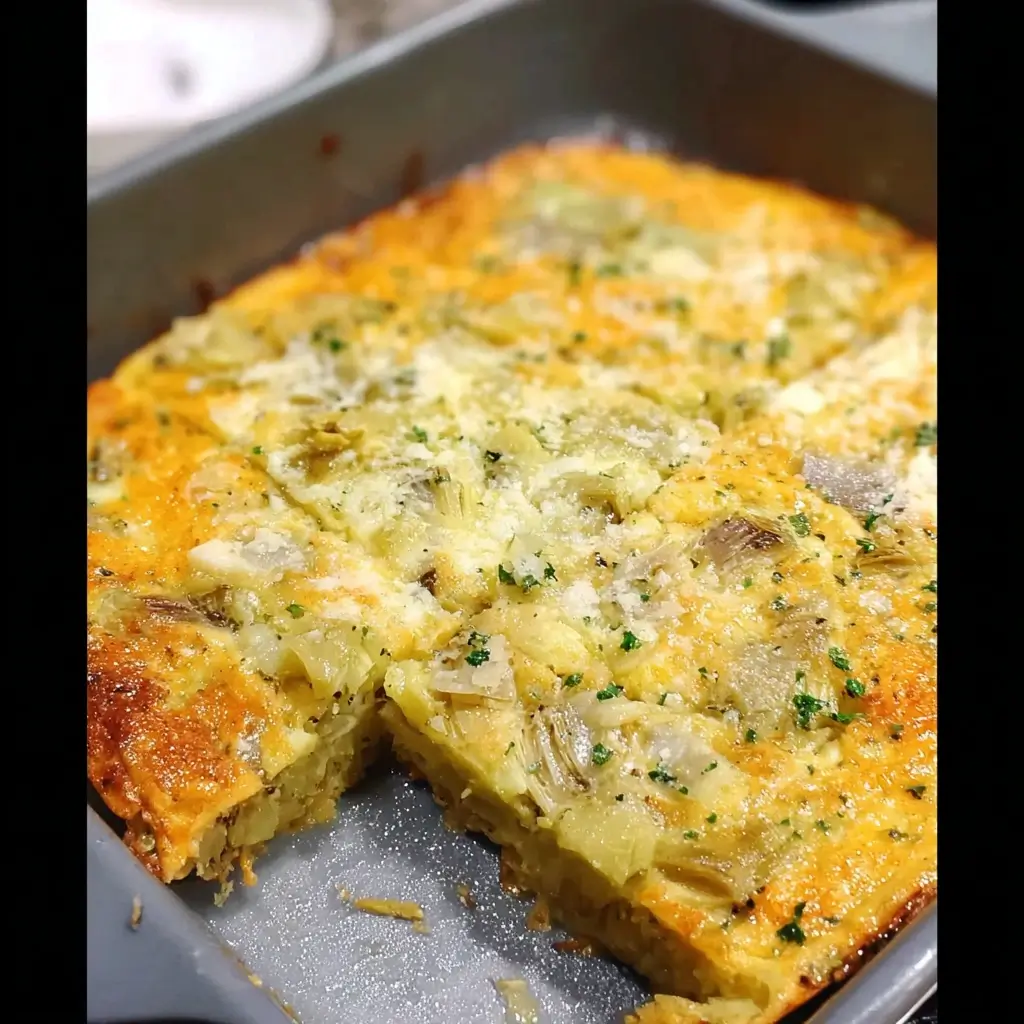
Of all the keto recipes I’ve cycled through, this Keto Artichoke and Onion Frittata holds a special place in my heart and my weekly meal plan. I remember the first time I made it, I was deep into my low-carb journey and getting a little tired of the same old scrambled eggs and bacon. I needed something elegant enough for a weekend brunch but simple enough for a weekday breakfast. This frittata was the answer. The aroma of sweet, caramelized onions and garlic filled the kitchen, and my family, initially skeptical of another “keto creation,” was drawn in. When I pulled the golden, puffy frittata from the oven, it was a moment of triumph. The first slice revealed a creamy, savory custard studded with tender artichoke hearts and salty Parmesan. It was an instant hit. Now, it’s our go-to for everything from a quick, protein-packed lunch to a light dinner served with a side salad. It reheats beautifully, making it an absolute champion for meal prep, saving me countless hours during a busy week. This isn’t just a recipe; it’s a solution to the breakfast-boredom blues and a delicious testament to how satisfying and luxurious a ketogenic lifestyle can be.
The Ultimate Keto Artichoke and Onion Frittata
This recipe is designed to be a cornerstone of your low-carb cooking repertoire. It strikes the perfect balance between simple, accessible ingredients and a complex, deeply satisfying flavor profile. The sweetness of the slowly caramelized onions contrasts beautifully with the tangy artichoke hearts and the salty, nutty bite of Parmesan cheese. All of this is suspended in a rich, creamy egg custard that’s baked to golden perfection. Whether you’re a seasoned keto pro or just starting, this frittata will impress.
Complete Recipe Ingredients
To achieve the perfect texture and flavor, the quality and proportion of your ingredients matter. Here is the precise list you’ll need:
- Eggs: 10 large, preferably pasture-raised or organic for a richer yolk and color.
- Heavy Whipping Cream: 1 cup. This is crucial for a creamy, tender custard.
- Canned Artichoke Hearts: 1 (14-ounce) can, packed in water or brine (not oil), drained very well and roughly chopped.
- Yellow Onion: 1 large, thinly sliced.
- Garlic: 3 cloves, minced.
- Grated Parmesan Cheese: ¾ cup, plus 2 tablespoons for topping.
- Olive Oil or Avocado Oil: 2 tablespoons.
- Unsalted Butter: 1 tablespoon.
- Dried Oregano: 1 teaspoon.
- Salt: ¾ teaspoon (adjust to taste, especially if your Parmesan is very salty).
- Black Pepper: ½ teaspoon, freshly ground.
- Fresh Parsley (optional, for garnish): 2 tablespoons, chopped.
Step-by-Step Instructions for a Perfect Frittata
Follow these instructions carefully to ensure your frittata is fluffy and flavorful, not rubbery or watery. The key is patience, especially when caramelizing the onions.
Step 1: Preparation is Key
Preheat your oven to 375°F (190°C). Position a rack in the middle of the oven. This is a crucial step for even baking. Prepare all your ingredients: slice the onion, mince the garlic, drain and chop the artichokes, and grate the Parmesan. Having everything ready (a practice known as “mise en place”) makes the cooking process smooth and stress-free.
Step 2: Caramelize the Onions
In a 10-inch oven-safe skillet (a well-seasoned cast-iron skillet is highly recommended), heat the olive oil and butter over medium-low heat. Add the thinly sliced onions. Cook them slowly, stirring occasionally, for 20-25 minutes. You are not trying to brown them quickly; you want them to soften, sweeten, and turn a deep golden-brown color. This slow caramelization process is where the deep, foundational flavor of the frittata is built. Don’t rush this step!
Step 3: Sauté the Aromatics
Once the onions are beautifully caramelized, add the minced garlic and dried oregano to the skillet. Sauté for about 60 seconds, or until the garlic is fragrant. Be careful not to burn the garlic, as it will become bitter.
Step 4: Incorporate the Artichokes
Add the well-drained and chopped artichoke hearts to the skillet. Stir everything together and cook for another 2-3 minutes to heat the artichokes through and allow the flavors to meld. Spread the onion and artichoke mixture evenly across the bottom of the skillet.
Step 5: Create the Egg Custard
In a large mixing bowl, crack all 10 eggs. Add the heavy whipping cream, ¾ cup of Parmesan cheese, salt, and freshly ground black pepper. Whisk vigorously until the mixture is uniform in color, frothy, and well-aerated, about 1-2 minutes. This incorporates air into the eggs, which helps the frittata puff up in the oven.
Step 6: Combine and Bake
Carefully pour the egg mixture over the vegetables in the skillet. Use a spatula to gently move the vegetables around to ensure they are evenly distributed within the egg base. Sprinkle the remaining 2 tablespoons of Parmesan cheese over the top.
Step 7: The Final Bake
Transfer the skillet to the preheated oven. Bake for 20-25 minutes. The frittata is done when the edges are set and golden brown, and the center has just a slight jiggle to it. It will continue to cook from residual heat after you remove it from the oven. Overbaking is the primary cause of a rubbery frittata, so watch it closely.
Step 8: Rest and Serve
Remove the frittata from the oven and let it rest in the skillet for at least 5-10 minutes. This crucial resting period allows the custard to fully set, making it much easier to slice and serve. It also prevents the frittata from falling apart. Garnish with fresh parsley before slicing into wedges and serving warm.
Nutrition Facts
- Servings: 8 wedges
- Calories Per Serving: Approximately 295 kcal
Please note that these nutrition facts are an estimate. The actual values can vary based on the specific brands of ingredients used, such as the fat content of the heavy cream and Parmesan cheese.
Preparation Time
- Prep Time: 15 minutes (slicing onions, chopping ingredients)
- Cook Time: 45 minutes (includes caramelizing onions and baking)
- Total Time: 60 minutes
How to Serve Your Keto Frittata
A frittata is wonderfully versatile and can be the star of any meal, from breakfast to dinner. Here are some fantastic ways to serve it:
- For a Classic Keto Breakfast:
- Serve a warm wedge alongside crispy bacon or savory breakfast sausage.
- Add a side of sliced avocado drizzled with lime juice and a sprinkle of sea salt for extra healthy fats.
- For a Light and Healthy Lunch:
- Pair a slice (warm or chilled) with a simple arugula salad tossed in a lemon vinaigrette. The peppery greens cut through the richness of the frittata beautifully.
- Enjoy it with a cup of keto-friendly tomato soup for a comforting and complete meal.
- As an Elegant Brunch Centerpiece:
- Arrange slices on a platter surrounded by other brunch favorites like smoked salmon, cream cheese, capers, and a bowl of mixed berries.
- Serve with a side of roasted asparagus topped with a sprinkle of Parmesan.
- For a Simple Dinner:
- Serve a generous portion with a side of steamed green beans almondine or sautéed spinach with garlic.
- It’s also delicious alongside a serving of cauliflower mash for a hearty, low-carb “meat and potatoes” style meal.
Additional Tips for Frittata Perfection
Master the art of the frittata with these five expert tips that address common pitfalls and elevate your dish from good to unforgettable.
1. The Right Pan is Non-Negotiable
A 10-inch, well-seasoned cast-iron skillet is the absolute best tool for this job. It heats evenly, retains heat beautifully, and can go directly from the stovetop to the oven. This one-pan method simplifies cleanup and creates a wonderfully rustic presentation. If you don’t have cast iron, any other 10-inch oven-safe, non-stick skillet will work. Avoid pans with plastic or rubber handles that cannot withstand oven temperatures.
2. Don’t Fear the Fat
On a ketogenic diet, fat is your friend, and it’s essential for a good frittata. The heavy whipping cream is what gives the custard its silky, tender texture and rich flavor. Substituting with milk or low-fat alternatives will result in a firmer, more watery, and less satisfying texture. The fat also helps to prevent the eggs from becoming rubbery.
3. Drain Your Vegetables Thoroughly
Excess moisture is the enemy of a perfect frittata, leading to a soggy, weepy mess. The most common culprit is the canned artichoke hearts. After draining them from the can, press them gently between layers of paper towels to squeeze out as much excess liquid as possible before chopping. This single step will dramatically improve the final texture of your dish.
4. The Low and Slow Bake
High heat is another cause of tough, rubbery eggs. A moderate oven temperature of 375°F (190°C) allows the custard to cook gently and evenly. Keep a close eye on it towards the end of the baking time. The “slight jiggle” in the center is your cue to pull it out. The residual heat from the pan will finish the cooking process as it rests.
5. Let It Rest Before Slicing
This might be the most difficult tip to follow because the frittata will smell and look incredible right out of the oven. However, resting is not optional. It allows the internal temperature to equalize and the egg proteins to fully set. Slicing into it too early will cause it to deflate and potentially fall apart. A 10-minute rest ensures clean, stable wedges and a superior texture.
Frequently Asked Questions (FAQ)
Here are answers to some of the most common questions about making this keto frittata.
1. Why is my frittata watery or soggy at the bottom?
This is almost always due to excess moisture from the vegetables. As mentioned in the tips, it is absolutely critical to thoroughly drain and pat dry the artichoke hearts. If you were to add other high-water-content vegetables like spinach or mushrooms, you must cook them down first to release their water and let it evaporate before adding the egg mixture.
2. Can I make this frittata dairy-free?
Yes, you can make a dairy-free version with a few substitutions. Replace the heavy whipping cream with full-fat canned coconut cream (use the thick cream from the top of the can) or an unsweetened, plain almond milk. For the cheese, you can use your favorite brand of dairy-free Parmesan alternative or simply omit it and add 1-2 tablespoons of nutritional yeast to the egg mixture for a cheesy, umami flavor. Use only olive oil instead of the butter-oil combination for sautéing.
3. Can I use only egg whites for a lower-fat version?
You can, but it will significantly change the recipe. The frittata will not be as rich, creamy, or tender. The fat and cholesterol in the egg yolks are what create the luxurious custard texture. If you choose to use egg whites, you will need approximately 20 egg whites to equal 10 large eggs. The result will be much firmer and spongier, and the flavor will be less complex. It will still be a high-protein meal, but the eating experience will be different.
4. What is the difference between a frittata and a quiche?
The main difference is the crust. A traditional quiche has a pastry crust, whereas a frittata is crustless, making it naturally gluten-free and lower in carbs. Additionally, the preparation method differs slightly. For a quiche, the pre-baked crust is filled with ingredients and then a liquid custard is poured over top. For a frittata, the fillings are often cooked in the same pan, and the egg mixture is poured over them before the entire pan is transferred to the oven. Frittatas also typically use less dairy (cream or milk) in proportion to the eggs compared to a quiche, resulting in a firmer, more egg-forward texture.
5. My frittata puffed up beautifully in the oven but then deflated and became flat. What happened?
This is completely normal! When you whisk air into the eggs, the heat from the oven causes the water in the eggs to turn to steam and the air pockets to expand, making the frittata rise dramatically. As it cools, the steam condenses and the air contracts, causing it to settle and deflate slightly. While a very small amount of deflation is expected, a dramatic collapse can be a sign of over-whisking the eggs or baking at too high a temperature. Don’t worry about it—even a slightly deflated frittata is still delicious. The 10-minute resting period helps minimize this effect.
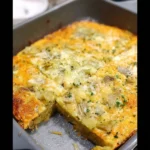
Keto Artichoke and Onion Frittata Recipe
Ingredients
- Eggs: 10 large, preferably pasture-raised or organic for a richer yolk and color.
- Heavy Whipping Cream: 1 cup. This is crucial for a creamy, tender custard.
- Canned Artichoke Hearts: 1 (14-ounce) can, packed in water or brine (not oil), drained very well and roughly chopped.
- Yellow Onion: 1 large, thinly sliced.
- Garlic: 3 cloves, minced.
- Grated Parmesan Cheese: ¾ cup, plus 2 tablespoons for topping.
- Olive Oil or Avocado Oil: 2 tablespoons.
- Unsalted Butter: 1 tablespoon.
- Dried Oregano: 1 teaspoon.
- Salt: ¾ teaspoon (adjust to taste, especially if your Parmesan is very salty).
- Black Pepper: ½ teaspoon, freshly ground.
- Fresh Parsley (optional, for garnish): 2 tablespoons, chopped.
Instructions
Step 1: Preparation is Key
Preheat your oven to 375°F (190°C). Position a rack in the middle of the oven. This is a crucial step for even baking. Prepare all your ingredients: slice the onion, mince the garlic, drain and chop the artichokes, and grate the Parmesan. Having everything ready (a practice known as “mise en place”) makes the cooking process smooth and stress-free.
Step 2: Caramelize the Onions
In a 10-inch oven-safe skillet (a well-seasoned cast-iron skillet is highly recommended), heat the olive oil and butter over medium-low heat. Add the thinly sliced onions. Cook them slowly, stirring occasionally, for 20-25 minutes. You are not trying to brown them quickly; you want them to soften, sweeten, and turn a deep golden-brown color. This slow caramelization process is where the deep, foundational flavor of the frittata is built. Don’t rush this step!
Step 3: Sauté the Aromatics
Once the onions are beautifully caramelized, add the minced garlic and dried oregano to the skillet. Sauté for about 60 seconds, or until the garlic is fragrant. Be careful not to burn the garlic, as it will become bitter.
Step 4: Incorporate the Artichokes
Add the well-drained and chopped artichoke hearts to the skillet. Stir everything together and cook for another 2-3 minutes to heat the artichokes through and allow the flavors to meld. Spread the onion and artichoke mixture evenly across the bottom of the skillet.
Step 5: Create the Egg Custard
In a large mixing bowl, crack all 10 eggs. Add the heavy whipping cream, ¾ cup of Parmesan cheese, salt, and freshly ground black pepper. Whisk vigorously until the mixture is uniform in color, frothy, and well-aerated, about 1-2 minutes. This incorporates air into the eggs, which helps the frittata puff up in the oven.
Step 6: Combine and Bake
Carefully pour the egg mixture over the vegetables in the skillet. Use a spatula to gently move the vegetables around to ensure they are evenly distributed within the egg base. Sprinkle the remaining 2 tablespoons of Parmesan cheese over the top.
Step 7: The Final Bake
Transfer the skillet to the preheated oven. Bake for 20-25 minutes. The frittata is done when the edges are set and golden brown, and the center has just a slight jiggle to it. It will continue to cook from residual heat after you remove it from the oven. Overbaking is the primary cause of a rubbery frittata, so watch it closely.
Step 8: Rest and Serve
Remove the frittata from the oven and let it rest in the skillet for at least 5-10 minutes. This crucial resting period allows the custard to fully set, making it much easier to slice and serve. It also prevents the frittata from falling apart. Garnish with fresh parsley before slicing into wedges and serving warm.
Nutrition
- Serving Size: One Normal Portion
- Calories: 295 kcal