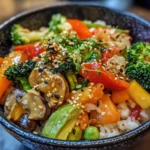



After a whirlwind week of trying out new keto recipes, this Keto Chicken Stir Fry has become an instant family favorite in our household. Even my pickiest eater, usually skeptical of anything green, devoured a plateful! What struck me most was how incredibly quick and easy it was to throw together, especially on a busy weeknight. The vibrant colors of the vegetables, the tender, flavorful chicken, and the perfectly balanced savory-sweet sauce created a dish that felt both indulgent and guilt-free. If you’re searching for a delicious, healthy, and lightning-fast keto meal, look no further – this recipe is a game-changer.
Ingredients
To create this flavorful and satisfying Keto Chicken Stir Fry, you’ll need a selection of fresh and keto-friendly ingredients. Each component plays a crucial role in both the taste and nutritional profile of the dish. Let’s break down each ingredient and explore why it’s essential for a truly exceptional stir fry experience:
- Chicken Breast (1.5 lbs, boneless, skinless, cut into bite-sized pieces): Chicken breast serves as the lean protein powerhouse of this stir fry. Opting for boneless, skinless chicken breast ensures a lower fat content, perfectly aligning with keto principles while providing a substantial source of protein to keep you feeling full and satisfied. Cutting the chicken into bite-sized pieces before cooking is crucial for even and quick cooking in the stir fry, ensuring each piece is tender and absorbs the delicious sauce. You can also use chicken thighs for a richer flavor and slightly higher fat content, if preferred, adjusting cooking time accordingly. For optimal flavor and texture, ensure your chicken is fresh and not previously frozen if possible. If using frozen, thaw completely and pat dry before cooking to promote browning.
- Broccoli Florets (2 cups, cut into bite-sized pieces): Broccoli is a nutritional superstar and a keto-friendly vegetable that adds wonderful texture and flavor to the stir fry. Its slightly crunchy texture contrasts beautifully with the tender chicken and softer vegetables. Broccoli is low in carbohydrates and high in fiber, vitamins (especially Vitamin C and Vitamin K), and minerals. When preparing broccoli, ensure the florets are cut into even, bite-sized pieces to ensure they cook uniformly and quickly in the stir fry. Fresh broccoli is ideal, but frozen broccoli florets can be used as a convenient alternative. If using frozen, thaw slightly and pat dry to remove excess moisture before adding them to the stir fry to prevent steaming rather than stir-frying.
- Bell Pepper (2, any color, sliced into strips): Bell peppers contribute vibrant color, a touch of sweetness, and a satisfying crunch to the stir fry. They are relatively low in carbohydrates and rich in Vitamin C and antioxidants. You can use any color of bell pepper – red, yellow, orange, or green – or a combination for visual appeal and varied flavor profiles. Red and yellow bell peppers tend to be slightly sweeter than green peppers. Slicing the bell peppers into strips of uniform thickness ensures they cook evenly and retain some crispness in the stir fry. Remove the seeds and membranes before slicing.
- Onion (1 medium, sliced): Onion forms the aromatic base of the stir fry, adding depth and savory flavor. While onions do contain carbohydrates, they are used in moderation and contribute significantly to the overall taste of the dish. Yellow or white onions are commonly used in stir-fries due to their versatile flavor. Slicing the onion thinly ensures it cooks quickly and softens nicely in the stir fry.
- Garlic (3 cloves, minced): Garlic is a flavor enhancer that is essential in stir-fries. Its pungent aroma and savory taste elevate the overall flavor profile of the dish, complementing the chicken and vegetables beautifully. Freshly minced garlic is highly recommended for the best flavor. You can adjust the amount of garlic to your preference, adding more or less depending on your taste.
- Ginger (1 tablespoon, freshly grated): Fresh ginger adds a warm, spicy, and slightly citrusy note that is characteristic of many Asian-inspired stir-fries. It complements the garlic and other flavors in the dish, adding complexity and depth. Freshly grated ginger is significantly more flavorful than powdered ginger. Peel the ginger before grating using a microplane or fine grater.
- Soy Sauce (1/4 cup, low sodium): Soy sauce provides the umami-rich, savory base for the stir fry sauce. Using low sodium soy sauce is crucial for controlling the salt content of the dish, especially on a keto diet where electrolyte balance is important. Soy sauce adds depth of flavor and helps to tenderize the chicken. For a gluten-free option, you can substitute tamari or coconut aminos.
- Rice Vinegar (2 tablespoons): Rice vinegar adds a touch of acidity to the sauce, balancing the savory and sweet elements and creating a more complex flavor profile. It also helps to tenderize the chicken and vegetables slightly. Unseasoned rice vinegar is preferred in this recipe.
- Sesame Oil (1 tablespoon): Sesame oil adds a distinctive nutty aroma and flavor that is characteristic of Asian cuisine. A little goes a long way, so just a tablespoon is sufficient to impart a noticeable sesame flavor to the stir fry. Toasted sesame oil is recommended for a more intense flavor, but use it towards the end of cooking as high heat can diminish its flavor.
- Erythritol or Keto-Friendly Sweetener (1 tablespoon, optional): A touch of keto-friendly sweetener, such as erythritol or another sugar alcohol, can be added to balance the savory flavors and create a slightly sweet-savory sauce, typical of many stir-fries. This is optional and can be adjusted to your sweetness preference or omitted entirely if you prefer a purely savory stir fry. Start with a smaller amount and add more to taste.
- Xanthan Gum (1/2 teaspoon, optional, for thickening sauce): Xanthan gum is a keto-friendly thickening agent that can be used to create a slightly thicker and more glossy sauce. It is optional but recommended if you prefer a sauce that coats the chicken and vegetables more effectively. A very small amount is needed – just half a teaspoon is usually sufficient. Mix the xanthan gum with a little bit of cold water to create a slurry before adding it to the sauce to prevent clumping.
- Olive Oil or Avocado Oil (2 tablespoons, for cooking): Olive oil or avocado oil are healthy fats that are suitable for stir-frying at medium-high heat. They have a neutral flavor that won’t overpower the other ingredients in the stir fry. Avocado oil has a slightly higher smoke point than olive oil, making it a good choice for high-heat stir-frying.
- Salt and Black Pepper (to taste): Salt and black pepper are essential seasonings to enhance the overall flavor of the stir fry. Season to taste throughout the cooking process, starting with seasoning the chicken and vegetables individually and then adjusting the seasoning of the final dish.
- Optional Garnishes (Sesame seeds, chopped green onions, red pepper flakes): Garnishes add visual appeal and extra flavor to the finished stir fry. Sesame seeds add a nutty crunch and visual interest. Chopped green onions provide a fresh, mild onion flavor and a pop of green color. Red pepper flakes add a touch of heat if you enjoy a spicier stir fry. These are optional but highly recommended for enhancing the presentation and flavor of the dish.
Instructions
Creating this delectable Keto Chicken Stir Fry is surprisingly straightforward. By following these step-by-step instructions, you’ll have a flavorful and healthy meal ready in no time. Let’s break down each stage of the cooking process for perfect results every time:
- Prepare the Chicken: Begin by ensuring your chicken breast is cut into uniform, bite-sized pieces. This is crucial for even cooking and quick stir-frying. Place the chicken pieces in a bowl and season generously with salt and black pepper. This initial seasoning is important as it flavors the chicken directly. You can also add a teaspoon of sesame oil to the chicken at this stage for added flavor and to help keep it moist during cooking. Toss the chicken to ensure it’s evenly coated with the seasonings. Let the chicken sit for a few minutes while you prepare the vegetables. This allows the salt to penetrate the chicken and enhance its flavor.
- Prepare the Vegetables: While the chicken is resting, prepare your vegetables. Wash and chop the broccoli florets into bite-sized pieces, ensuring they are roughly the same size for even cooking. Slice the bell peppers into strips of uniform thickness. Thinly slice the onion. Mince the garlic and grate the fresh ginger. Having all your vegetables prepped and ready to go is essential for efficient stir-frying, as the cooking process is quite rapid. Arrange the prepared vegetables in separate bowls or containers for easy access during cooking.
- Prepare the Sauce: In a small bowl, whisk together the low sodium soy sauce, rice vinegar, sesame oil, and erythritol or keto-friendly sweetener (if using). If you are using xanthan gum to thicken the sauce, create a slurry by whisking the xanthan gum with a tablespoon of cold water until smooth and lump-free. Add the xanthan gum slurry to the sauce mixture and whisk again until well combined. Set the sauce aside. Having the sauce prepared in advance allows you to add it to the stir fry at the right moment without pausing to measure ingredients.
- Stir-Fry the Chicken: Heat olive oil or avocado oil in a large wok or skillet over medium-high heat. Ensure the wok or skillet is hot before adding the chicken. Add the seasoned chicken pieces to the hot wok or skillet in a single layer, if possible, avoiding overcrowding. Overcrowding can lower the temperature of the pan and cause the chicken to steam rather than sear. Stir-fry the chicken for 3-5 minutes, or until it is cooked through and lightly browned on all sides. Stir frequently to ensure even cooking and browning. Once the chicken is cooked, remove it from the wok or skillet and set aside. Do not overcook the chicken at this stage, as it will cook further with the vegetables and sauce.
- Stir-Fry the Vegetables: Add the sliced onion to the wok or skillet and stir-fry for 2-3 minutes, or until it becomes softened and slightly translucent. Then, add the minced garlic and grated ginger to the wok and stir-fry for another minute, until fragrant. Be careful not to burn the garlic and ginger; they should be fragrant but not browned. Next, add the broccoli florets and bell pepper strips to the wok or skillet. Stir-fry the vegetables for 5-7 minutes, or until they are tender-crisp. You want the vegetables to be cooked through but still retain some of their crunch. Adjust cooking time based on your desired level of vegetable tenderness.
- Combine Chicken, Vegetables, and Sauce: Return the cooked chicken to the wok or skillet with the vegetables. Pour the prepared sauce over the chicken and vegetables. Stir-fry everything together for 2-3 minutes, or until the sauce has thickened slightly and evenly coats the chicken and vegetables. The sauce should become glossy and cling to the ingredients. Taste and adjust seasoning as needed. You may want to add a pinch more salt, pepper, or a touch more sweetener to balance the flavors to your liking.
- Serve and Garnish: Remove the Keto Chicken Stir Fry from the heat. Transfer it to serving plates or bowls. Garnish with sesame seeds, chopped green onions, and red pepper flakes (if desired) for added flavor, texture, and visual appeal. Serve immediately while hot. This stir fry is best enjoyed fresh and hot, right after cooking.
Nutrition Facts
This Keto Chicken Stir Fry is not only delicious but also packed with nutrients and perfectly aligned with a ketogenic lifestyle. Here’s an estimated nutritional breakdown per serving:
- Servings: 4
- Serving Size: Approximately 1.5 cups
Approximate Nutrition Facts per Serving:
- Calories: 350-450 kcal (Calories can vary slightly depending on specific ingredients and portion sizes)
- Net Carbs: 5-8 grams (Total Carbs – Fiber)
- Total Carbs: 10-13 grams
- Fiber: 5 grams
- Protein: 40-45 grams
- Fat: 15-20 grams
Key Nutritional Highlights:
- High in Protein: Provides a significant amount of protein from the chicken, essential for muscle building, satiety, and overall health.
- Moderate in Fat: Contains healthy fats from olive oil/avocado oil and sesame oil, supporting ketosis and providing energy.
- Low in Net Carbs: Designed to be low in net carbohydrates, making it suitable for ketogenic diets and blood sugar management. The majority of carbohydrates come from fiber-rich vegetables.
- Rich in Vitamins and Minerals: Packed with vitamins and minerals from broccoli, bell peppers, onions, garlic, and ginger, contributing to overall well-being. Excellent source of Vitamin C, Vitamin K, and antioxidants.
- Good Source of Fiber: Provides dietary fiber from vegetables, promoting digestive health and satiety.
Important Notes:
- These nutrition facts are estimates and can vary based on the specific brands and types of ingredients used, as well as portion sizes.
- For the most accurate nutritional information, it’s recommended to use a nutrition calculator app or website and input the specific ingredients and quantities you use.
- This recipe is designed to be keto-friendly, but it’s always important to track your individual macronutrient intake and adjust serving sizes as needed to meet your personal dietary goals.
Preparation Time
One of the best things about this Keto Chicken Stir Fry is how quickly it comes together. It’s perfect for busy weeknights when you need a healthy and delicious meal without spending hours in the kitchen. Here’s a breakdown of the preparation time:
- Prep Time: 20 minutes
- This includes washing and chopping all the vegetables (broccoli, bell peppers, onion, garlic, ginger).
- Cutting the chicken into bite-sized pieces and seasoning it.
- Preparing the stir fry sauce.
- Cook Time: 15 minutes
- This includes stir-frying the chicken.
- Stir-frying the vegetables.
- Combining everything and simmering in the sauce.
- Total Time: 35 minutes
This quick preparation time makes Keto Chicken Stir Fry an ideal choice for:
- Weeknight Dinners: Perfect for a fast and healthy meal after a long day.
- Meal Prepping: You can prep the vegetables and sauce components ahead of time to further reduce cooking time during the week. The cooked stir fry also stores well for meal prepping lunches or dinners.
- Beginner Cooks: The recipe is straightforward and easy to follow, making it accessible even for novice cooks.
How to Serve
Keto Chicken Stir Fry is a versatile dish that can be served in various ways to create a complete and satisfying meal. Here are some serving suggestions:
- Over Cauliflower Rice: For a truly keto-compliant and low-carb option, serve the stir fry over a bed of cauliflower rice. Cauliflower rice is a fantastic substitute for traditional rice and absorbs the flavorful sauce beautifully. You can buy pre-riced cauliflower or easily make your own by grating cauliflower florets. Sauté the cauliflower rice lightly with a bit of olive oil or sesame oil before serving for added flavor.
- With Zucchini Noodles (Zoodles): Zucchini noodles, or zoodles, are another excellent low-carb and keto-friendly base for stir fry. They are light, refreshing, and provide a good source of vitamins and minerals. You can use a spiralizer to make zoodles or purchase pre-made zoodles from most grocery stores. Lightly sauté the zoodles or blanch them briefly before serving to soften them slightly.
- As a Standalone Dish: Keto Chicken Stir Fry is substantial enough to be enjoyed on its own as a complete meal. The combination of protein, healthy fats, and fiber-rich vegetables provides a balanced and satisfying meal without the need for additional sides. This is a great option for a quick lunch or light dinner.
- With a Side Salad: If you want to add extra freshness and fiber to your meal, serve the stir fry alongside a simple side salad. Choose a keto-friendly salad dressing, such as a vinaigrette made with olive oil and vinegar, or a creamy avocado-based dressing. A leafy green salad with some sliced cucumber, bell peppers, or avocado would complement the stir fry nicely.
- As Lettuce Wraps: For a fun and interactive way to serve the stir fry, consider using large lettuce leaves as wraps. Spoon the stir fry filling into crisp lettuce leaves, such as butter lettuce or romaine lettuce, and enjoy as a low-carb and refreshing lettuce wrap. This is a great option for appetizers or a lighter meal.
Additional Tips
To ensure your Keto Chicken Stir Fry is a resounding success, here are five additional tips to keep in mind:
- Marinate the Chicken for Extra Flavor and Tenderness: While not strictly necessary, marinating the chicken for at least 30 minutes (or up to a few hours) can significantly enhance its flavor and tenderness. A simple marinade of soy sauce, sesame oil, a touch of ginger, and garlic can work wonders. Marinating allows the flavors to penetrate the chicken deeply and helps to break down the protein, resulting in more tender and juicy chicken in your stir fry.
- Prepare All Ingredients Before You Start Cooking (Mise en Place): Stir-frying is a fast-paced cooking method, and having all your ingredients prepped and ready to go is crucial for success. Chop all vegetables, mince garlic and ginger, prepare the sauce, and have everything within easy reach before you turn on the heat. This “mise en place” approach will make the cooking process much smoother and prevent you from scrambling to chop vegetables while other ingredients are cooking.
- Don’t Overcrowd the Wok or Skillet: Overcrowding the pan is one of the biggest mistakes people make when stir-frying. If you add too much food to the wok or skillet at once, it will lower the temperature of the pan and cause the ingredients to steam rather than sear. This results in soggy vegetables and chicken that doesn’t brown properly. Cook the chicken and vegetables in batches if necessary to ensure they cook evenly and achieve a nice sear.
- Adjust Spice Levels to Your Preference: This recipe is mildly spiced, but you can easily adjust the spice levels to suit your taste. For a spicier stir fry, add a pinch of red pepper flakes to the sauce or stir fry, or include a finely chopped chili pepper (like a Thai chili or Serrano pepper) along with the garlic and ginger. If you prefer a milder stir fry, reduce or omit the red pepper flakes and use a milder type of chili pepper if desired.
- Customize Vegetables Based on Availability and Preference: One of the great things about stir-fries is their versatility. Feel free to customize the vegetables in this recipe based on what you have on hand or your personal preferences. Other keto-friendly vegetables that work well in stir-fries include:
- Mushrooms: Sliced mushrooms add an earthy flavor and meaty texture.
- Asparagus: Asparagus spears add a delicate flavor and crisp-tender texture.
- Spinach or Kale: Leafy greens can be added towards the end of cooking for a boost of nutrients.
- Cabbage: Shredded cabbage adds a satisfying crunch.
- Green Beans: Green beans provide a crisp-tender texture and mild flavor.
- Snow Peas or Snap Peas: Snow peas and snap peas add sweetness and a delicate crunch.
FAQ Section
Here are some frequently asked questions about Keto Chicken Stir Fry to help you make the most of this delicious recipe:
Q1: Is this Keto Chicken Stir Fry truly keto-friendly?
A: Yes, this recipe is specifically designed to be keto-friendly. It is low in carbohydrates and high in healthy fats and protein, aligning with the macronutrient ratios of a ketogenic diet. The recipe utilizes low-carb vegetables like broccoli and bell peppers, and the sauce is sweetened with a keto-friendly sweetener like erythritol instead of sugar. The net carb count per serving is estimated to be between 5-8 grams, making it suitable for most keto diets.
Q2: Can I use different types of protein in this stir fry?
A: Absolutely! While this recipe calls for chicken breast, you can easily substitute it with other keto-friendly protein sources. Some excellent alternatives include:
- Chicken Thighs: Chicken thighs are a fattier and more flavorful option compared to chicken breast. They require slightly longer cooking time, so ensure they are cooked through.
- Shrimp: Shrimp cooks very quickly and pairs beautifully with stir fry flavors. Add shrimp towards the end of cooking as they cook in just a few minutes.
- Beef Strips: Thinly sliced beef, such as sirloin or flank steak, works wonderfully in stir fries. Stir-fry beef quickly over high heat to keep it tender.
- Pork Tenderloin: Pork tenderloin, cut into bite-sized pieces, is another lean and flavorful protein option.
- Tofu (Firm or Extra-Firm): For a vegetarian or vegan keto option, use firm or extra-firm tofu. Press the tofu to remove excess water and cube it before stir-frying. You may need to adjust seasonings to complement tofu’s milder flavor.
Q3: How can I make this stir fry spicier?
A: There are several ways to increase the spice level of this Keto Chicken Stir Fry:
- Add Red Pepper Flakes: Increase the amount of red pepper flakes in the sauce or sprinkle extra flakes into the wok while stir-frying the vegetables.
- Include Fresh Chili Peppers: Finely chop a fresh chili pepper, such as a Thai chili, Serrano pepper, or jalapeño, and add it to the wok along with the garlic and ginger. Adjust the type and amount of chili pepper based on your desired spice level.
- Use Sriracha or Chili Garlic Sauce: Add a teaspoon or two of sriracha or chili garlic sauce to the stir fry sauce for a spicy kick.
- Add a Dash of Hot Sauce: For a quick and easy way to add heat, drizzle a keto-friendly hot sauce over the finished stir fry before serving.
Q4: Can I make this stir fry ahead of time for meal prep?
A: Yes, Keto Chicken Stir Fry is excellent for meal prepping. It stores well in the refrigerator and can be reheated easily. Here are some tips for meal prepping:
- Cook and Cool Completely: Allow the stir fry to cool completely before storing it in airtight containers in the refrigerator.
- Store in Portioned Containers: Divide the stir fry into individual serving containers for easy grab-and-go lunches or dinners.
- Reheat Gently: Reheat the stir fry in a skillet over medium heat or in the microwave until heated through. Avoid overheating, as it can dry out the chicken and vegetables. Adding a splash of water or broth during reheating can help to keep it moist.
- Vegetables May Soften Slightly: Keep in mind that the vegetables may soften slightly upon reheating, but the flavor will still be delicious.
Q5: Can I make this recipe vegetarian or vegan?
A: Yes, you can easily adapt this recipe to be vegetarian or vegan while keeping it keto-friendly. Here’s how:
- Substitute Protein: Replace the chicken with firm or extra-firm tofu, tempeh, or seitan (for vegetarian, not vegan). For vegan options, tofu and tempeh are excellent choices. You can also use a combination of mushrooms and other vegetables for a hearty vegetarian stir fry.
- Ensure Sauce is Vegan: Double-check that your soy sauce or tamari is vegan-friendly. Most soy sauces are, but it’s always good to confirm.
- Consider Adding Nuts or Seeds: To boost protein and healthy fats in a vegetarian or vegan version, consider adding toasted nuts like almonds or cashews, or seeds like sesame seeds or pumpkin seeds, to the stir fry.
By following these tips and answering these frequently asked questions, you’ll be well-equipped to create a perfect and personalized Keto Chicken Stir Fry that you and your family will love. Enjoy!
Print
Keto Chicken Stir Fry Recipe
Ingredients
- Chicken Breast (1.5 lbs, boneless, skinless, cut into bite-sized pieces): Chicken breast serves as the lean protein powerhouse of this stir fry. Opting for boneless, skinless chicken breast ensures a lower fat content, perfectly aligning with keto principles while providing a substantial source of protein to keep you feeling full and satisfied. Cutting the chicken into bite-sized pieces before cooking is crucial for even and quick cooking in the stir fry, ensuring each piece is tender and absorbs the delicious sauce. You can also use chicken thighs for a richer flavor and slightly higher fat content, if preferred, adjusting cooking time accordingly. For optimal flavor and texture, ensure your chicken is fresh and not previously frozen if possible. If using frozen, thaw completely and pat dry before cooking to promote browning.
- Broccoli Florets (2 cups, cut into bite-sized pieces): Broccoli is a nutritional superstar and a keto-friendly vegetable that adds wonderful texture and flavor to the stir fry. Its slightly crunchy texture contrasts beautifully with the tender chicken and softer vegetables. Broccoli is low in carbohydrates and high in fiber, vitamins (especially Vitamin C and Vitamin K), and minerals. When preparing broccoli, ensure the florets are cut into even, bite-sized pieces to ensure they cook uniformly and quickly in the stir fry. Fresh broccoli is ideal, but frozen broccoli florets can be used as a convenient alternative. If using frozen, thaw slightly and pat dry to remove excess moisture before adding them to the stir fry to prevent steaming rather than stir-frying.
- Bell Pepper (2, any color, sliced into strips): Bell peppers contribute vibrant color, a touch of sweetness, and a satisfying crunch to the stir fry. They are relatively low in carbohydrates and rich in Vitamin C and antioxidants. You can use any color of bell pepper – red, yellow, orange, or green – or a combination for visual appeal and varied flavor profiles. Red and yellow bell peppers tend to be slightly sweeter than green peppers. Slicing the bell peppers into strips of uniform thickness ensures they cook evenly and retain some crispness in the stir fry. Remove the seeds and membranes before slicing.
- Onion (1 medium, sliced): Onion forms the aromatic base of the stir fry, adding depth and savory flavor. While onions do contain carbohydrates, they are used in moderation and contribute significantly to the overall taste of the dish. Yellow or white onions are commonly used in stir-fries due to their versatile flavor. Slicing the onion thinly ensures it cooks quickly and softens nicely in the stir fry.
- Garlic (3 cloves, minced): Garlic is a flavor enhancer that is essential in stir-fries. Its pungent aroma and savory taste elevate the overall flavor profile of the dish, complementing the chicken and vegetables beautifully. Freshly minced garlic is highly recommended for the best flavor. You can adjust the amount of garlic to your preference, adding more or less depending on your taste.
- Ginger (1 tablespoon, freshly grated): Fresh ginger adds a warm, spicy, and slightly citrusy note that is characteristic of many Asian-inspired stir-fries. It complements the garlic and other flavors in the dish, adding complexity and depth. Freshly grated ginger is significantly more flavorful than powdered ginger. Peel the ginger before grating using a microplane or fine grater.
- Soy Sauce (1/4 cup, low sodium): Soy sauce provides the umami-rich, savory base for the stir fry sauce. Using low sodium soy sauce is crucial for controlling the salt content of the dish, especially on a keto diet where electrolyte balance is important. Soy sauce adds depth of flavor and helps to tenderize the chicken. For a gluten-free option, you can substitute tamari or coconut aminos.
- Rice Vinegar (2 tablespoons): Rice vinegar adds a touch of acidity to the sauce, balancing the savory and sweet elements and creating a more complex flavor profile. It also helps to tenderize the chicken and vegetables slightly. Unseasoned rice vinegar is preferred in this recipe.
- Sesame Oil (1 tablespoon): Sesame oil adds a distinctive nutty aroma and flavor that is characteristic of Asian cuisine. A little goes a long way, so just a tablespoon is sufficient to impart a noticeable sesame flavor to the stir fry. Toasted sesame oil is recommended for a more intense flavor, but use it towards the end of cooking as high heat can diminish its flavor.
- Erythritol or Keto-Friendly Sweetener (1 tablespoon, optional): A touch of keto-friendly sweetener, such as erythritol or another sugar alcohol, can be added to balance the savory flavors and create a slightly sweet-savory sauce, typical of many stir-fries. This is optional and can be adjusted to your sweetness preference or omitted entirely if you prefer a purely savory stir fry. Start with a smaller amount and add more to taste.
- Xanthan Gum (1/2 teaspoon, optional, for thickening sauce): Xanthan gum is a keto-friendly thickening agent that can be used to create a slightly thicker and more glossy sauce. It is optional but recommended if you prefer a sauce that coats the chicken and vegetables more effectively. A very small amount is needed – just half a teaspoon is usually sufficient. Mix the xanthan gum with a little bit of cold water to create a slurry before adding it to the sauce to prevent clumping.
- Olive Oil or Avocado Oil (2 tablespoons, for cooking): Olive oil or avocado oil are healthy fats that are suitable for stir-frying at medium-high heat. They have a neutral flavor that won’t overpower the other ingredients in the stir fry. Avocado oil has a slightly higher smoke point than olive oil, making it a good choice for high-heat stir-frying.
- Salt and Black Pepper (to taste): Salt and black pepper are essential seasonings to enhance the overall flavor of the stir fry. Season to taste throughout the cooking process, starting with seasoning the chicken and vegetables individually and then adjusting the seasoning of the final dish.
- Optional Garnishes (Sesame seeds, chopped green onions, red pepper flakes): Garnishes add visual appeal and extra flavor to the finished stir fry. Sesame seeds add a nutty crunch and visual interest. Chopped green onions provide a fresh, mild onion flavor and a pop of green color. Red pepper flakes add a touch of heat if you enjoy a spicier stir fry. These are optional but highly recommended for enhancing the presentation and flavor of the dish.
Instructions
- Prepare the Chicken: Begin by ensuring your chicken breast is cut into uniform, bite-sized pieces. This is crucial for even cooking and quick stir-frying. Place the chicken pieces in a bowl and season generously with salt and black pepper. This initial seasoning is important as it flavors the chicken directly. You can also add a teaspoon of sesame oil to the chicken at this stage for added flavor and to help keep it moist during cooking. Toss the chicken to ensure it’s evenly coated with the seasonings. Let the chicken sit for a few minutes while you prepare the vegetables. This allows the salt to penetrate the chicken and enhance its flavor.
- Prepare the Vegetables: While the chicken is resting, prepare your vegetables. Wash and chop the broccoli florets into bite-sized pieces, ensuring they are roughly the same size for even cooking. Slice the bell peppers into strips of uniform thickness. Thinly slice the onion. Mince the garlic and grate the fresh ginger. Having all your vegetables prepped and ready to go is essential for efficient stir-frying, as the cooking process is quite rapid. Arrange the prepared vegetables in separate bowls or containers for easy access during cooking.
- Prepare the Sauce: In a small bowl, whisk together the low sodium soy sauce, rice vinegar, sesame oil, and erythritol or keto-friendly sweetener (if using). If you are using xanthan gum to thicken the sauce, create a slurry by whisking the xanthan gum with a tablespoon of cold water until smooth and lump-free. Add the xanthan gum slurry to the sauce mixture and whisk again until well combined. Set the sauce aside. Having the sauce prepared in advance allows you to add it to the stir fry at the right moment without pausing to measure ingredients.
- Stir-Fry the Chicken: Heat olive oil or avocado oil in a large wok or skillet over medium-high heat. Ensure the wok or skillet is hot before adding the chicken. Add the seasoned chicken pieces to the hot wok or skillet in a single layer, if possible, avoiding overcrowding. Overcrowding can lower the temperature of the pan and cause the chicken to steam rather than sear. Stir-fry the chicken for 3-5 minutes, or until it is cooked through and lightly browned on all sides. Stir frequently to ensure even cooking and browning. Once the chicken is cooked, remove it from the wok or skillet and set aside. Do not overcook the chicken at this stage, as it will cook further with the vegetables and sauce.
- Stir-Fry the Vegetables: Add the sliced onion to the wok or skillet and stir-fry for 2-3 minutes, or until it becomes softened and slightly translucent. Then, add the minced garlic and grated ginger to the wok and stir-fry for another minute, until fragrant. Be careful not to burn the garlic and ginger; they should be fragrant but not browned. Next, add the broccoli florets and bell pepper strips to the wok or skillet. Stir-fry the vegetables for 5-7 minutes, or until they are tender-crisp. You want the vegetables to be cooked through but still retain some of their crunch. Adjust cooking time based on your desired level of vegetable tenderness.
- Combine Chicken, Vegetables, and Sauce: Return the cooked chicken to the wok or skillet with the vegetables. Pour the prepared sauce over the chicken and vegetables. Stir-fry everything together for 2-3 minutes, or until the sauce has thickened slightly and evenly coats the chicken and vegetables. The sauce should become glossy and cling to the ingredients. Taste and adjust seasoning as needed. You may want to add a pinch more salt, pepper, or a touch more sweetener to balance the flavors to your liking.
- Serve and Garnish: Remove the Keto Chicken Stir Fry from the heat. Transfer it to serving plates or bowls. Garnish with sesame seeds, chopped green onions, and red pepper flakes (if desired) for added flavor, texture, and visual appeal. Serve immediately while hot. This stir fry is best enjoyed fresh and hot, right after cooking.
Nutrition
- Serving Size: one normal portion
- Calories: 350-450
- Fat: 15-20 grams
- Carbohydrates: 10-13 grams
- Fiber: 5 grams
- Protein: 40-45 grams