
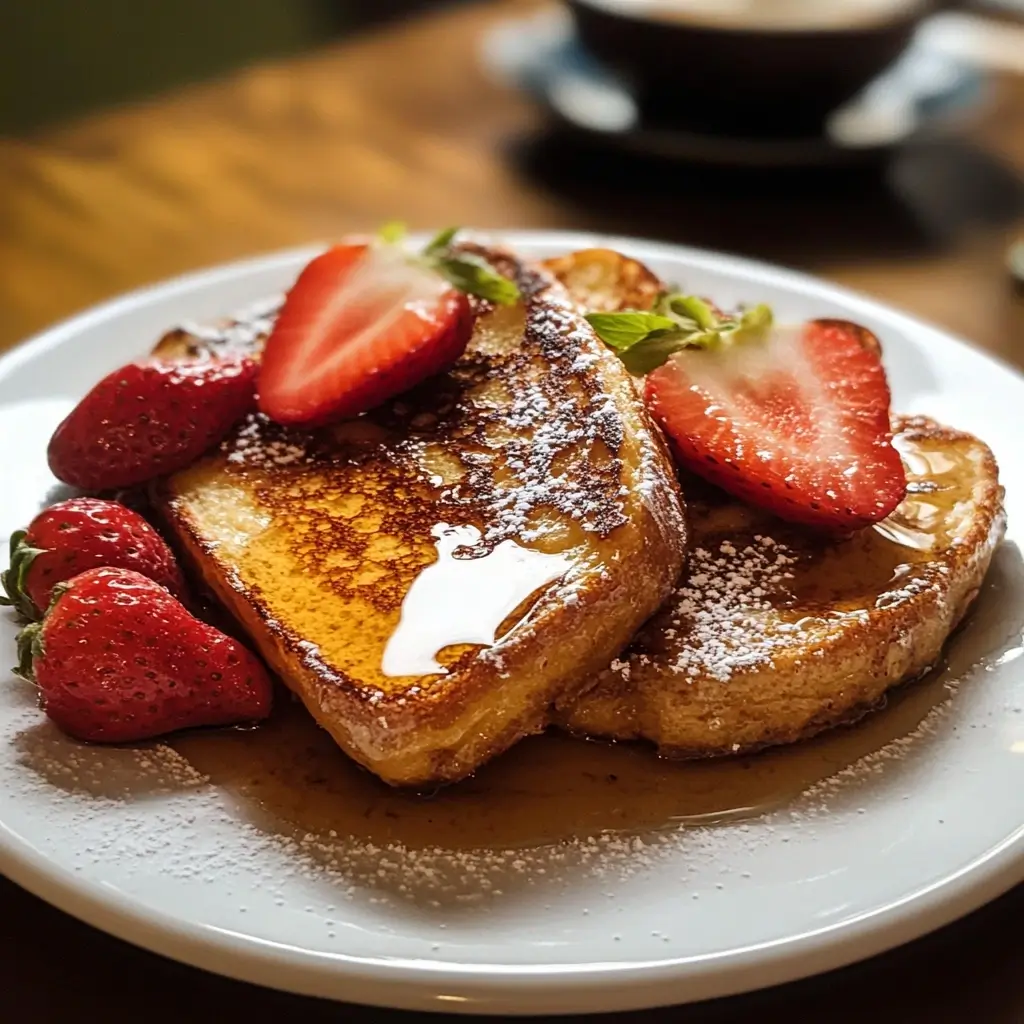
Breakfast in our house is usually a bit of a whirlwind. Mornings are busy, and often, healthy eating takes a backseat to speed and convenience. That’s why discovering this Keto French Toast recipe was a game-changer. Honestly, I was skeptical at first – could keto-friendly French toast actually be good? Well, let me tell you, it’s not just good, it’s phenomenal! Even my kids, who are usually carb-loving connoisseurs, devoured it without a single complaint. The crispy edges, the soft, custardy inside, the hint of cinnamon and vanilla – it’s pure breakfast bliss, without the guilt. And the best part? It’s ridiculously fast to make. From prep to plate in under 10 minutes – perfect for those hectic mornings or a lazy weekend brunch. This recipe has officially become a staple in our kitchen, and I’m excited to share it with you so you can experience the joy of indulgent, yet healthy, French toast too!
Ingredients
To embark on your Keto French Toast journey, you’ll need a handful of simple, readily available ingredients. The beauty of this recipe lies in its simplicity, requiring no fancy or hard-to-find items. Let’s delve into each component and understand its role in creating this delectable low-carb breakfast.
- 8 slices keto bread: The foundation of our French toast, keto bread is the crucial element that keeps this dish low in carbohydrates and suitable for a ketogenic diet. Traditional French toast relies on regular bread, which is high in carbs and would spike blood sugar levels, making it unsuitable for keto. Keto bread, on the other hand, is specifically formulated to be low in carbohydrates, typically using ingredients like almond flour, coconut flour, flaxseed meal, and psyllium husk. These ingredients provide fiber and healthy fats while significantly reducing the net carb count. When choosing keto bread, it’s important to read the nutrition labels carefully. Look for breads that are low in net carbs (total carbs minus fiber and sugar alcohols if applicable) and have a decent amount of fiber. Brands and formulations can vary greatly, so experiment to find your favorite in terms of taste and texture. Some keto breads can be denser than regular bread, which can actually be beneficial for French toast as it holds up well to soaking without becoming soggy. If you’re feeling ambitious, you can even try making your own keto bread at home, giving you complete control over the ingredients and carb count.
- 2 large eggs: Eggs are the binding agent and protein powerhouse of our French toast batter. They provide structure, richness, and that classic custardy texture we all love. Eggs are naturally keto-friendly, being low in carbs and high in protein and healthy fats. They contribute to satiety, keeping you feeling full and satisfied for longer after your breakfast. For this recipe, large eggs are recommended. Using smaller eggs might result in a less rich and flavorful batter, while extra-large eggs could make the batter too thin. Ensure your eggs are fresh for the best flavor and texture. Eggs also contribute important nutrients like choline, which is essential for brain health.
- 1 cup almond milk unsweetened: Almond milk serves as the liquid base for our French toast batter, adding moisture and helping to create the desired consistency. Unsweetened almond milk is a fantastic keto-friendly alternative to regular milk, which is higher in carbs due to its lactose content. Unsweetened almond milk is naturally low in carbs and calories, making it a perfect choice for those following a ketogenic or low-carb lifestyle. When selecting almond milk, always opt for the unsweetened variety. Sweetened almond milk will add unnecessary sugars and carbohydrates, negating the keto-friendly nature of the recipe. You can also use other unsweetened, keto-friendly milk alternatives like coconut milk (canned or carton, unsweetened), flax milk, or even heavy cream for an extra rich and decadent French toast (though heavy cream will significantly increase the fat content).
- 2 tbsp brown sugar substitute: The touch of sweetness in French toast is traditionally achieved with sugar. However, on a keto diet, we need to opt for sugar substitutes that don’t raise blood sugar levels. Brown sugar substitutes, like erythritol-based or monk fruit-based brown sugar alternatives, provide the characteristic molasses-like flavor of brown sugar without the carbs. These substitutes are generally well-tolerated and have minimal impact on blood sugar. When choosing a brown sugar substitute, make sure it’s specifically labeled as keto-friendly and sugar-free. Different brands may have varying levels of sweetness, so you may need to adjust the amount to your preference. If you don’t have brown sugar substitute on hand, you can use other keto-friendly sweeteners like granulated erythritol, monk fruit sweetener, or stevia. However, brown sugar substitutes contribute a deeper, more complex flavor that complements the French toast perfectly.
- 1 tsp cinnamon: Cinnamon is the quintessential spice for French toast, adding warmth, aroma, and a touch of sweetness. Cinnamon is also naturally keto-friendly and boasts potential health benefits, including antioxidant properties and blood sugar regulation. It enhances the overall flavor profile of the French toast, making it even more comforting and delicious. Use ground cinnamon for this recipe. Freshly ground cinnamon will have the most potent flavor. If you’re feeling adventurous, you can experiment with other warming spices like nutmeg, cardamom, or even a pinch of ginger to create different flavor variations.
- 1 tsp vanilla extract: Vanilla extract is another flavor enhancer that adds a touch of sweetness and complexity to the French toast batter. It complements the cinnamon and other ingredients, creating a well-rounded and aromatic breakfast. Pure vanilla extract is keto-friendly and adds a delightful depth of flavor. Opt for pure vanilla extract rather than imitation vanilla for the best flavor. A little vanilla extract goes a long way in enhancing the overall taste of the French toast. You can also use vanilla bean paste for an even more intense vanilla flavor, but extract is perfectly suitable and readily available.
- 2 tbsp unsalted butter: Butter is essential for cooking French toast, providing flavor, richness, and that desirable golden-brown, crispy exterior. Unsalted butter allows you to control the salt level in the recipe. Butter is also keto-friendly, being primarily composed of fat. Use unsalted butter for cooking the French toast to prevent it from becoming too salty. The butter not only adds flavor but also creates a non-stick surface in the pan, ensuring the French toast cooks evenly and doesn’t stick. You can also use coconut oil or ghee as alternatives to butter if preferred, but butter provides that classic French toast flavor.
Instructions
Creating this mouthwatering Keto French Toast is surprisingly simple and fast. Follow these step-by-step instructions to whip up a batch in just minutes:
- Whisk the Batter: In a shallow dish or bowl, combine the 2 large eggs, 1 cup unsweetened almond milk, 2 tbsp brown sugar substitute, 1 tsp cinnamon, and 1 tsp vanilla extract. Whisk vigorously until all ingredients are thoroughly combined and the mixture is smooth and slightly frothy. Ensure the brown sugar substitute is fully dissolved into the liquid. This whisking process creates a homogenous batter that will coat the bread evenly, resulting in perfectly textured French toast.
- Tip: Using a shallow dish is ideal for dipping the bread slices evenly. If you don’t have a shallow dish, a wide bowl will also work. Make sure the bowl is large enough to comfortably fit a slice of keto bread.
- Prepare the Pan: Place a non-stick pan or griddle over medium heat. Add 2 tbsp unsalted butter to the pan and let it melt completely. Ensure the butter is evenly distributed across the pan’s surface. The melted butter will prevent the French toast from sticking and contribute to that beautiful golden-brown crust.
- Tip: Medium heat is crucial for cooking French toast properly. Too high heat will cause the outside to burn before the inside is cooked through, while too low heat will result in soggy French toast. Allow the pan to heat up fully before adding the bread slices. You can test if the pan is hot enough by adding a tiny drop of batter – it should sizzle gently.
- Soak the Bread: Take one slice of keto bread and carefully dip it into the egg mixture. Submerge each side of the bread, allowing it to soak for approximately 10-15 seconds per side. The goal is to saturate the bread lightly with the batter without making it overly soggy. Keto bread tends to be denser than regular bread, so it can withstand soaking a bit longer, but avoid prolonged soaking, which can lead to mushy French toast.
- Tip: Don’t oversoak the bread! Over-saturated bread will become fragile and difficult to handle. The ideal soaking time will vary slightly depending on the density of your keto bread. Observe the bread – it should be moist but still hold its shape.
- Cook the French Toast: Once the bread slice is soaked, carefully place it in the preheated pan with melted butter. Repeat with the remaining bread slices, ensuring not to overcrowd the pan. Cook for 3-4 minutes per side, or until the French toast is golden brown and cooked through. Flip the slices gently with a spatula to ensure even cooking on both sides.
- Tip: Don’t overcrowd the pan. Cooking in batches ensures that each slice of French toast cooks evenly and gets crispy. Overcrowding can lower the pan temperature and lead to steaming instead of frying, resulting in soggy French toast.
- Serve Immediately: Once cooked to golden perfection, remove the Keto French Toast from the pan and serve immediately. French toast is best enjoyed hot and fresh when it’s crispy on the outside and soft on the inside. Serve with your favorite keto-friendly toppings (suggestions in the “How to Serve” section below) and enjoy your guilt-free, delicious breakfast!
- Tip: To keep the French toast warm while you cook subsequent batches, you can place cooked slices on a wire rack in a preheated oven at a low temperature (around 200°F or 95°C). This will help maintain crispiness and warmth without making them soggy.
Nutrition Facts
(Per serving, assuming 8 servings per recipe. Nutritional values are estimates and may vary based on specific ingredients used, particularly the brand of keto bread and sugar substitute.)
- Servings: 8
- Calories per serving: Approximately 180-220 calories
- Net Carbs: Approximately 3-5 grams net carbs
- Fat: Approximately 12-16 grams
- Protein: Approximately 8-10 grams
Important Note: These nutritional facts are estimates. For the most accurate nutritional information, especially regarding carbohydrate content, it is highly recommended to calculate the nutrition facts based on the specific brands and ingredients you use. Keto bread brands can vary significantly in their carbohydrate and fiber content, which will directly impact the net carb count of your French toast. Utilizing a nutrition calculator app or website, inputting the exact ingredients and their quantities, will provide the most precise nutritional breakdown for your homemade Keto French Toast.
This Keto French Toast is designed to be a low-carb, moderate-fat, and moderate-protein breakfast option, perfectly aligning with the macronutrient ratios of a ketogenic diet. It provides a satisfying and energy-sustaining meal while keeping carbohydrate intake minimal, supporting ketosis and blood sugar management.
Preparation Time
- Prep time: 5 minutes
- Cook Time: 5 minutes
- Total Time: 10 minutes
This recipe truly shines in its speed and efficiency. From gathering ingredients to enjoying a warm plate of Keto French Toast, the entire process takes a mere 10 minutes. The minimal prep time makes it ideal for busy weekday mornings when time is of the essence, while the quick cook time ensures you can satisfy your French toast cravings without spending excessive time in the kitchen. This fast preparation also makes it a fantastic option for impromptu weekend brunches or when you need a delicious and healthy breakfast on short notice. The simplicity and speed of this recipe are key reasons why it has become a beloved keto breakfast staple for so many.
How to Serve
The possibilities for serving Keto French Toast are as delightful and varied as your imagination! While it’s delicious on its own, adding toppings and accompaniments can elevate this simple breakfast into a truly gourmet experience. Here are some keto-friendly serving suggestions to tantalize your taste buds:
- Classic Keto Syrup: No French toast experience is complete without syrup! Opt for sugar-free keto-friendly syrups made with sweeteners like erythritol, monk fruit, or stevia. These syrups come in various flavors, from classic maple to blueberry and beyond.
- Sugar-Free Whipped Cream: A dollop of light and airy sugar-free whipped cream adds a touch of indulgence and creamy texture. You can easily make your own using heavy cream and a keto-friendly sweetener, or purchase pre-made sugar-free whipped cream.
- Fresh Berries: Berries are a keto-approved fruit option that adds natural sweetness, vibrant color, and essential vitamins and antioxidants. Strawberries, raspberries, blueberries, and blackberries are all excellent choices.
- Nuts and Seeds: Sprinkle chopped nuts like almonds, walnuts, pecans, or macadamia nuts for added crunch, healthy fats, and nutty flavor. Seeds like chia seeds, flax seeds, or pumpkin seeds also provide texture and nutritional benefits.
- Coconut Flakes (Unsweetened): Toasted or untoasted unsweetened coconut flakes add a tropical touch and delightful texture.
- Sugar-Free Chocolate Chips or Shavings: For chocolate lovers, a sprinkle of sugar-free chocolate chips or shavings can satisfy that sweet craving without the carbs.
- Butter and a Dusting of Cinnamon: For a simpler approach, a pat of butter melting over the warm French toast, dusted with a little extra cinnamon, is a classic and satisfying combination.
- Keto Nut Butters: Drizzle a tablespoon of keto-friendly nut butter, like almond butter, peanut butter (in moderation on keto), or macadamia nut butter, for added protein, healthy fats, and creamy richness.
- Savory Keto French Toast (Less Traditional, but Fun!): For a less traditional, but interesting keto twist, consider savory toppings. Think crumbled cooked bacon, sausage, avocado slices, or even a fried egg served alongside your Keto French Toast for a protein-packed and savory breakfast or brunch.
Additional Tips for Perfect Keto French Toast
Mastering Keto French Toast is easy, but these extra tips will help you achieve breakfast perfection every time:
- Bread Selection Matters: The type of keto bread you use significantly impacts the final result. Experiment with different brands and types to find your favorite. Denser keto breads tend to hold up better and create a more substantial French toast. Slightly stale keto bread can also work well as it absorbs the batter without becoming overly soggy.
- Don’t Overcrowd the Pan: Cooking in batches is key to crispy, golden-brown French toast. Overcrowding the pan lowers the temperature, leading to steaming instead of frying, resulting in soggy French toast. Give each slice space to cook properly.
- Control the Heat: Medium heat is ideal for cooking Keto French Toast. Too high heat will burn the outside before the inside is cooked through. Too low heat will result in pale, soggy French toast. Adjust the heat as needed to maintain a consistent golden-brown color without burning.
- Butter is Your Friend: Don’t skimp on the butter! Butter not only adds flavor and richness but also creates a non-stick surface and contributes to that crispy exterior. Ensure the pan is well-buttered before adding each batch of French toast.
- Serve Immediately for Best Texture: Keto French Toast is best enjoyed fresh and hot, right off the pan. The texture is at its peak when the outside is crispy and the inside is soft and custardy. While you can keep it warm in the oven, serving immediately will guarantee the best possible eating experience.
FAQ Section – Ingredients
Q1: Can I use regular bread instead of keto bread?
A: While you can technically use regular bread, it will no longer be Keto French Toast. Regular bread is high in carbohydrates and will significantly increase the carb count of the recipe, making it unsuitable for a ketogenic diet. To maintain the keto-friendly nature of this recipe, using keto bread is essential.
Q2: I don’t have almond milk. Can I use another type of milk?
A: Yes, you can substitute almond milk with other unsweetened, keto-friendly milk alternatives. Good options include unsweetened coconut milk (carton or canned, diluted with water if canned is very thick), unsweetened flax milk, or even unsweetened cashew milk. Avoid regular dairy milk or sweetened milk alternatives as they are higher in carbohydrates.
Q3: What if I don’t have brown sugar substitute? Can I use another keto sweetener?
A: Absolutely! If you don’t have brown sugar substitute, you can use other keto-friendly sweeteners like granulated erythritol, monk fruit sweetener, or stevia. While they won’t provide the exact molasses-like flavor of brown sugar, they will still add sweetness. You may need to adjust the amount to your taste preference as different sweeteners have varying levels of sweetness.
Q4: Can I omit the cinnamon or vanilla extract?
A: While you can omit them, cinnamon and vanilla extract significantly enhance the flavor of the French toast. They add warmth, aroma, and complexity. If you don’t have them on hand, the French toast will still be edible, but it will lack the depth of flavor that these ingredients provide. Consider using other spices like nutmeg or cardamom as alternatives to cinnamon if desired.
Q5: Is there a substitute for eggs in this recipe?
A: Eggs are crucial for the structure and texture of French toast, acting as a binding agent and contributing to the custardy interior. Direct egg substitutes that perfectly replicate the function in this recipe are challenging to find for keto recipes. While flax eggs or chia eggs are sometimes used in vegan baking, they may not provide the same texture in French toast. For a truly authentic Keto French Toast experience, eggs are highly recommended. If you have egg allergies or dietary restrictions, exploring dedicated vegan keto French toast recipes might be a better approach rather than trying to substitute eggs in this specific recipe.
Print
Keto French Toast Recipe
Ingredients
- 8 slices keto bread: The foundation of our French toast, keto bread is the crucial element that keeps this dish low in carbohydrates and suitable for a ketogenic diet. Traditional French toast relies on regular bread, which is high in carbs and would spike blood sugar levels, making it unsuitable for keto. Keto bread, on the other hand, is specifically formulated to be low in carbohydrates, typically using ingredients like almond flour, coconut flour, flaxseed meal, and psyllium husk. These ingredients provide fiber and healthy fats while significantly reducing the net carb count. When choosing keto bread, it’s important to read the nutrition labels carefully. Look for breads that are low in net carbs (total carbs minus fiber and sugar alcohols if applicable) and have a decent amount of fiber. Brands and formulations can vary greatly, so experiment to find your favorite in terms of taste and texture. Some keto breads can be denser than regular bread, which can actually be beneficial for French toast as it holds up well to soaking without becoming soggy. If you’re feeling ambitious, you can even try making your own keto bread at home, giving you complete control over the ingredients and carb count.
- 2 large eggs: Eggs are the binding agent and protein powerhouse of our French toast batter. They provide structure, richness, and that classic custardy texture we all love. Eggs are naturally keto-friendly, being low in carbs and high in protein and healthy fats. They contribute to satiety, keeping you feeling full and satisfied for longer after your breakfast. For this recipe, large eggs are recommended. Using smaller eggs might result in a less rich and flavorful batter, while extra-large eggs could make the batter too thin. Ensure your eggs are fresh for the best flavor and texture. Eggs also contribute important nutrients like choline, which is essential for brain health.
- 1 cup almond milk unsweetened: Almond milk serves as the liquid base for our French toast batter, adding moisture and helping to create the desired consistency. Unsweetened almond milk is a fantastic keto-friendly alternative to regular milk, which is higher in carbs due to its lactose content. Unsweetened almond milk is naturally low in carbs and calories, making it a perfect choice for those following a ketogenic or low-carb lifestyle. When selecting almond milk, always opt for the unsweetened variety. Sweetened almond milk will add unnecessary sugars and carbohydrates, negating the keto-friendly nature of the recipe. You can also use other unsweetened, keto-friendly milk alternatives like coconut milk (canned or carton, unsweetened), flax milk, or even heavy cream for an extra rich and decadent French toast (though heavy cream will significantly increase the fat content).
- 2 tbsp brown sugar substitute: The touch of sweetness in French toast is traditionally achieved with sugar. However, on a keto diet, we need to opt for sugar substitutes that don’t raise blood sugar levels. Brown sugar substitutes, like erythritol-based or monk fruit-based brown sugar alternatives, provide the characteristic molasses-like flavor of brown sugar without the carbs. These substitutes are generally well-tolerated and have minimal impact on blood sugar. When choosing a brown sugar substitute, make sure it’s specifically labeled as keto-friendly and sugar-free. Different brands may have varying levels of sweetness, so you may need to adjust the amount to your preference. If you don’t have brown sugar substitute on hand, you can use other keto-friendly sweeteners like granulated erythritol, monk fruit sweetener, or stevia. However, brown sugar substitutes contribute a deeper, more complex flavor that complements the French toast perfectly.
- 1 tsp cinnamon: Cinnamon is the quintessential spice for French toast, adding warmth, aroma, and a touch of sweetness. Cinnamon is also naturally keto-friendly and boasts potential health benefits, including antioxidant properties and blood sugar regulation. It enhances the overall flavor profile of the French toast, making it even more comforting and delicious. Use ground cinnamon for this recipe. Freshly ground cinnamon will have the most potent flavor. If you’re feeling adventurous, you can experiment with other warming spices like nutmeg, cardamom, or even a pinch of ginger to create different flavor variations.
- 1 tsp vanilla extract: Vanilla extract is another flavor enhancer that adds a touch of sweetness and complexity to the French toast batter. It complements the cinnamon and other ingredients, creating a well-rounded and aromatic breakfast. Pure vanilla extract is keto-friendly and adds a delightful depth of flavor. Opt for pure vanilla extract rather than imitation vanilla for the best flavor. A little vanilla extract goes a long way in enhancing the overall taste of the French toast. You can also use vanilla bean paste for an even more intense vanilla flavor, but extract is perfectly suitable and readily available.
- 2 tbsp unsalted butter: Butter is essential for cooking French toast, providing flavor, richness, and that desirable golden-brown, crispy exterior. Unsalted butter allows you to control the salt level in the recipe. Butter is also keto-friendly, being primarily composed of fat. Use unsalted butter for cooking the French toast to prevent it from becoming too salty. The butter not only adds flavor but also creates a non-stick surface in the pan, ensuring the French toast cooks evenly and doesn’t stick. You can also use coconut oil or ghee as alternatives to butter if preferred, but butter provides that classic French toast flavor.
Instructions
- Whisk the Batter: In a shallow dish or bowl, combine the 2 large eggs, 1 cup unsweetened almond milk, 2 tbsp brown sugar substitute, 1 tsp cinnamon, and 1 tsp vanilla extract. Whisk vigorously until all ingredients are thoroughly combined and the mixture is smooth and slightly frothy. Ensure the brown sugar substitute is fully dissolved into the liquid. This whisking process creates a homogenous batter that will coat the bread evenly, resulting in perfectly textured French toast.
- Tip: Using a shallow dish is ideal for dipping the bread slices evenly. If you don’t have a shallow dish, a wide bowl will also work. Make sure the bowl is large enough to comfortably fit a slice of keto bread.
- Prepare the Pan: Place a non-stick pan or griddle over medium heat. Add 2 tbsp unsalted butter to the pan and let it melt completely. Ensure the butter is evenly distributed across the pan’s surface. The melted butter will prevent the French toast from sticking and contribute to that beautiful golden-brown crust.
- Tip: Medium heat is crucial for cooking French toast properly. Too high heat will cause the outside to burn before the inside is cooked through, while too low heat will result in soggy French toast. Allow the pan to heat up fully before adding the bread slices. You can test if the pan is hot enough by adding a tiny drop of batter – it should sizzle gently.
- Soak the Bread: Take one slice of keto bread and carefully dip it into the egg mixture. Submerge each side of the bread, allowing it to soak for approximately 10-15 seconds per side. The goal is to saturate the bread lightly with the batter without making it overly soggy. Keto bread tends to be denser than regular bread, so it can withstand soaking a bit longer, but avoid prolonged soaking, which can lead to mushy French toast.
- Tip: Don’t oversoak the bread! Over-saturated bread will become fragile and difficult to handle. The ideal soaking time will vary slightly depending on the density of your keto bread. Observe the bread – it should be moist but still hold its shape.
- Cook the French Toast: Once the bread slice is soaked, carefully place it in the preheated pan with melted butter. Repeat with the remaining bread slices, ensuring not to overcrowd the pan. Cook for 3-4 minutes per side, or until the French toast is golden brown and cooked through. Flip the slices gently with a spatula to ensure even cooking on both sides.
- Tip: Don’t overcrowd the pan. Cooking in batches ensures that each slice of French toast cooks evenly and gets crispy. Overcrowding can lower the pan temperature and lead to steaming instead of frying, resulting in soggy French toast.
- Serve Immediately: Once cooked to golden perfection, remove the Keto French Toast from the pan and serve immediately. French toast is best enjoyed hot and fresh when it’s crispy on the outside and soft on the inside. Serve with your favorite keto-friendly toppings (suggestions in the “How to Serve” section below) and enjoy your guilt-free, delicious breakfast!
- Tip: To keep the French toast warm while you cook subsequent batches, you can place cooked slices on a wire rack in a preheated oven at a low temperature (around 200°F or 95°C). This will help maintain crispiness and warmth without making them soggy.
Nutrition
- Serving Size: One Normal Portion
- Calories: 180-220
- Fat: 12-16 grams
- Carbohydrates: 3-5 grams
- Protein: 8-10 grams