
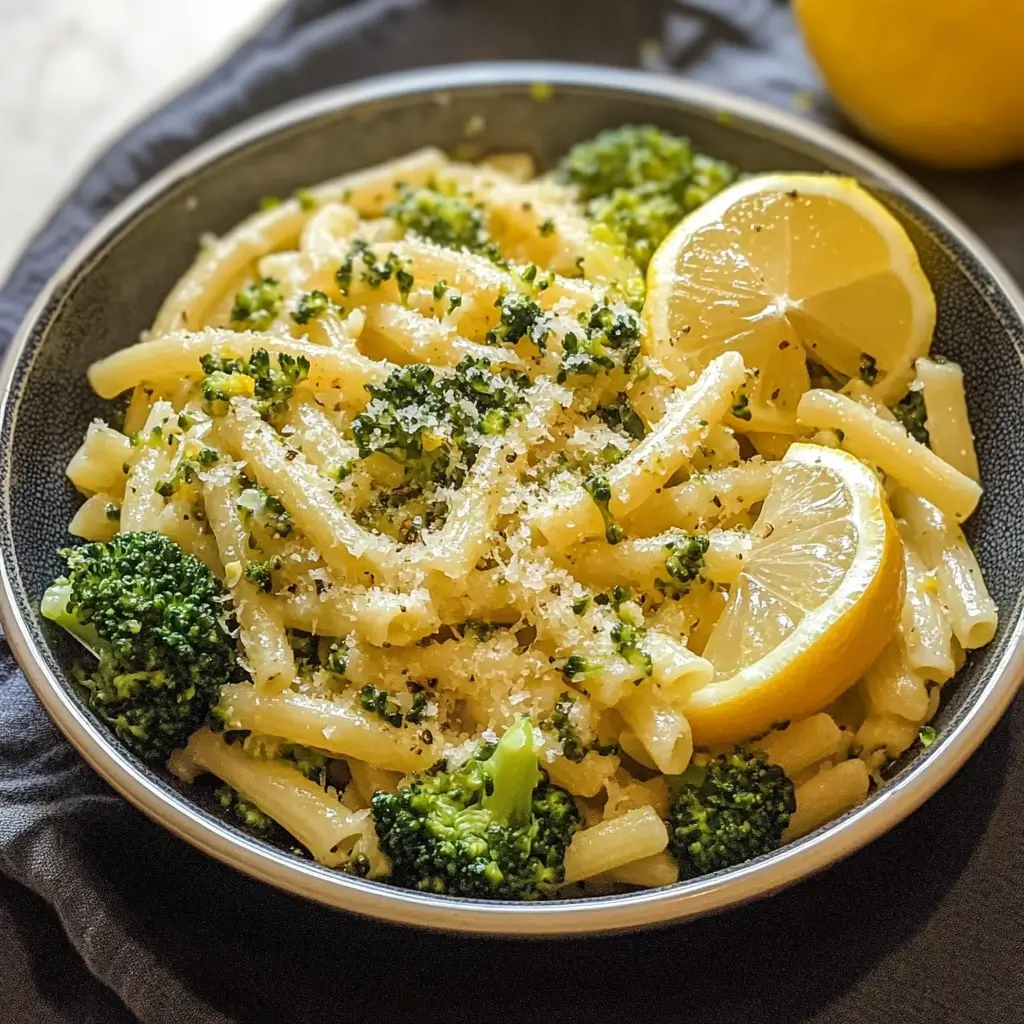

From the moment the zesty aroma of lemon and garlic fills the kitchen, to the first delightful twirl around your fork, Lemon Broccoli Pasta has become an absolute staple in our home. It’s the kind of dish that effortlessly bridges the gap between a quick weeknight meal and a satisfying, flavorful experience. Even my pickiest eater, who usually eyes green vegetables with suspicion, eagerly devours this vibrant pasta. The bright citrus notes perfectly complement the earthy broccoli, creating a harmonious balance that’s both comforting and refreshing. Whether we need a light lunch or a hearty dinner, this Lemon Broccoli Pasta recipe consistently delivers, proving that simple ingredients, when combined thoughtfully, can create something truly extraordinary. It’s a testament to the fact that delicious, wholesome food doesn’t have to be complicated or time-consuming – and this recipe is proof in every delicious bite.
Ingredients
The beauty of Lemon Broccoli Pasta lies in its simplicity and the quality of its core ingredients. Each component plays a crucial role in creating the final symphony of flavors and textures. Let’s delve into each ingredient, understanding its purpose and exploring options for variations or substitutions to suit your preferences and dietary needs.
- Pasta: 1 pound of your preferred pasta shape. While linguine or spaghetti are classic choices that beautifully cradle the light lemon sauce, feel free to experiment with other shapes. Penne or fusilli, with their ridges and spirals, are excellent for capturing the sauce and broccoli pieces, ensuring each bite is bursting with flavor. For a gluten-free option, consider using brown rice pasta, quinoa pasta, or lentil pasta. Remember to cook your pasta according to package directions until al dente – slightly firm to the bite. This ensures a pleasant texture in the final dish and prevents the pasta from becoming mushy. The quality of your pasta also matters. Opt for bronze-die pasta if possible, as its rougher texture better absorbs sauces, leading to a more flavorful and satisfying dish.
- Fresh Broccoli: 1 large head of broccoli, cut into florets. Fresh broccoli is undeniably the star vegetable in this recipe, providing a wonderful earthy counterpoint to the bright lemon. Choose broccoli heads that are firm, with tightly closed, deep green florets. Avoid broccoli that is yellowing or has open florets, as these are signs of age and may have a less desirable flavor and texture. When preparing the broccoli, ensure you cut the florets into bite-sized pieces for even cooking and easy eating. You can also include the tender stem by peeling the tough outer layer and dicing it into small pieces, adding a bit more substance and reducing food waste. For those short on time, pre-cut broccoli florets from the grocery store can be a convenient option, but always aim for freshness.
- Lemons: 2 large, juicy lemons. Lemons are the heart and soul of this pasta dish, providing the vibrant, zesty flavor that defines it. You will need both the zest and the juice of the lemons. When selecting lemons, choose ones that are heavy for their size, indicating they are full of juice. Organic lemons are recommended, especially when using the zest, to minimize exposure to pesticides. Before zesting and juicing, give your lemons a good scrub under warm water. For maximum juice extraction, roll the lemons firmly on the countertop before cutting them in half. The zest should be finely grated, taking care to only include the yellow part of the peel and avoid the bitter white pith underneath.
- Garlic: 4 cloves of garlic, minced. Garlic is the aromatic backbone of this dish, adding depth and savory notes that complement the lemon and broccoli beautifully. Fresh garlic is always preferred for its pungent flavor. Choose firm, plump garlic cloves without any soft spots or green sprouts. Mince the garlic finely to ensure it distributes evenly throughout the sauce and releases its flavor effectively. For a milder garlic flavor, you can use roasted garlic instead of fresh, or even garlic powder in a pinch, although fresh is highly recommended for the best results.
- Olive Oil: 1/4 cup of extra virgin olive oil. Olive oil is not just a cooking medium; it’s a flavor enhancer in itself. Extra virgin olive oil, with its rich, fruity notes, adds a luxuriousness to the sauce and helps to emulsify it. Use a good quality extra virgin olive oil for the best flavor. If you prefer a lighter flavor, you can use regular olive oil or even avocado oil as a substitute. The olive oil will be used to sauté the garlic and broccoli, as well as to create the base of the lemon sauce.
- Parmesan Cheese: 1/2 cup of grated Parmesan cheese, plus extra for serving. Parmesan cheese adds a salty, umami richness and a delightful nutty flavor to the pasta. Freshly grated Parmesan is always superior in taste and texture to pre-grated cheese. Purchase a block of Parmesan and grate it yourself using a microplane or a fine grater. For a vegetarian version, ensure the Parmesan is made with vegetarian rennet. For a vegan option, nutritional yeast can be used as a substitute, providing a cheesy, savory flavor, although it will not melt in the same way as Parmesan. Reserve extra Parmesan for serving, allowing everyone to add more to their liking.
- Red Pepper Flakes (Optional): 1/4 teaspoon or to taste. A pinch of red pepper flakes adds a subtle warmth and a touch of spice to the dish, balancing the brightness of the lemon and the richness of the Parmesan. If you enjoy a little heat, red pepper flakes are a wonderful addition. Adjust the amount to your spice preference – start with a small amount and add more to taste. For those who are sensitive to spice, red pepper flakes can be omitted entirely without significantly altering the core flavor profile of the dish.
- Salt and Black Pepper: To taste. Salt and black pepper are essential seasoning components that enhance all the other flavors in the dish. Use kosher salt or sea salt for the best flavor. Freshly ground black pepper is also highly recommended for its brighter, more aromatic qualities. Season generously throughout the cooking process, tasting and adjusting as you go. Remember that salt not only seasons but also enhances the natural flavors of the ingredients.
- Fresh Parsley (Optional Garnish): Chopped fresh parsley for garnish. Fresh parsley adds a vibrant green color and a fresh, herbaceous note to the finished dish. It’s an optional garnish but highly recommended for both visual appeal and a final burst of freshness. Flat-leaf parsley (Italian parsley) is generally preferred for its bolder flavor compared to curly parsley. Chop the parsley finely and sprinkle it over the pasta just before serving.
Instructions
Creating Lemon Broccoli Pasta is a straightforward and rewarding culinary journey. Each step is designed to build layers of flavor and ensure the perfect texture. Follow these detailed instructions to bring this delightful dish to life in your own kitchen.
Step 1: Prepare the Broccoli and Garlic
Begin by washing the broccoli thoroughly under cold water. Pat it dry with a clean kitchen towel or paper towels. Cut the broccoli head into bite-sized florets. Remember to include the tender stem by peeling away the tough outer layer and dicing it finely. Set the broccoli aside.
Next, peel the garlic cloves. Using a sharp knife, mince the garlic finely. Mincing ensures that the garlic flavor is evenly distributed and infuses the olive oil beautifully. Set the minced garlic aside as well. Having your broccoli and garlic prepped and ready to go will streamline the cooking process.
Step 2: Cook the Pasta
Bring a large pot of salted water to a rolling boil. Generously salting the water is crucial for seasoning the pasta from the inside out. Add your pasta to the boiling water and cook according to package directions until al dente. Al dente means “to the tooth” in Italian, referring to pasta that is cooked through but still firm to the bite, not mushy. This typically takes around 8-10 minutes for most pasta shapes, but always refer to the package instructions for precise timing.
While the pasta is cooking, reserve about 1 cup of pasta water before draining. Pasta water is a valuable ingredient in many pasta sauces. It’s starchy and helps to emulsify the sauce, creating a creamy and cohesive texture without adding cream. Drain the pasta in a colander and set it aside, keeping it warm.
Step 3: Sauté Garlic and Broccoli
While the pasta is cooking, heat the olive oil in a large skillet or a wide, deep pan over medium heat. Once the oil is shimmering and heated through, add the minced garlic to the pan. Sauté the garlic for about 30 seconds to 1 minute, until it becomes fragrant but not browned. Be careful not to burn the garlic, as burnt garlic can taste bitter. The goal is to gently infuse the olive oil with the aromatic essence of garlic.
Immediately after the garlic becomes fragrant, add the broccoli florets to the skillet. Increase the heat slightly to medium-high. Sauté the broccoli for about 5-7 minutes, stirring frequently, until it turns bright green and becomes tender-crisp. You want the broccoli to be cooked through but still retain a slight bite, avoiding overcooking it to mushiness. Sautéing in olive oil helps to bring out the natural sweetness of the broccoli and adds a pleasant slightly charred flavor.
Step 4: Create the Lemon Sauce
Reduce the heat to medium-low. Add the lemon zest and red pepper flakes (if using) to the skillet with the broccoli. Stir and cook for about 1 minute, allowing the lemon zest to become fragrant and release its oils into the olive oil. This step intensifies the lemon flavor of the sauce.
Next, pour in the fresh lemon juice. The pan may sizzle as the juice hits the hot skillet. Let the lemon juice simmer for about 2-3 minutes, allowing it to slightly reduce and concentrate its flavor. The lemon juice will deglaze the pan, lifting up any flavorful bits that may have stuck to the bottom during sautéing.
Step 5: Combine Pasta and Sauce
Add the cooked and drained pasta to the skillet with the lemon broccoli sauce. Toss everything together gently to coat the pasta evenly with the sauce. Use tongs or two large spoons to ensure all the pasta strands are well coated and the broccoli is distributed throughout.
Pour in about 1/2 cup of the reserved pasta water. The pasta water will help to create a smoother, more emulsified sauce that clings beautifully to the pasta. Continue to toss and stir, adding more pasta water, one tablespoon at a time, if needed, until the sauce reaches your desired consistency – a light, creamy coating that is not too thick or too thin.
Step 6: Stir in Parmesan Cheese and Season
Remove the skillet from the heat. Stir in the grated Parmesan cheese until it is melted and incorporated into the sauce, creating a creamy and cheesy texture. The residual heat from the pasta and sauce will melt the Parmesan perfectly.
Season the pasta with salt and freshly ground black pepper to taste. Start with a pinch of each and then adjust according to your preference. Taste the pasta and add more lemon juice, salt, pepper, or red pepper flakes if needed, until you achieve the perfect balance of flavors.
Step 7: Serve and Garnish
Transfer the Lemon Broccoli Pasta to serving bowls or a large platter. Garnish with freshly chopped parsley, if desired, for a pop of color and freshness. Serve immediately while it’s hot and flavorful. Offer extra grated Parmesan cheese at the table for those who like to add more. This dish is best enjoyed fresh, but leftovers can be stored in the refrigerator and reheated.
Nutrition Facts
Understanding the nutritional profile of your meals is important for making informed dietary choices. Here’s a general estimate of the nutrition facts for a serving of Lemon Broccoli Pasta. Please note that these values are approximate and can vary based on specific ingredients used and serving sizes.
Servings: Approximately 6 servings
Calories per serving: Approximately 450-550 calories
- Macronutrients (per serving, approximate):
- Protein: 15-20 grams
- Carbohydrates: 60-70 grams
- Fiber: 5-7 grams
- Sugar: 5-8 grams (naturally occurring from vegetables and lemon)
- Fat: 15-20 grams
- Saturated Fat: 5-7 grams
- Unsaturated Fat: 8-12 grams (primarily from olive oil)
- Micronutrients (per serving, approximate):
- Vitamin C: High (from broccoli and lemon)
- Vitamin K: High (from broccoli)
- Vitamin A: Moderate (from broccoli)
- Folate (Vitamin B9): Moderate
- Potassium: Moderate
- Calcium: Moderate (from Parmesan cheese)
- Iron: Low to Moderate
Important Notes:
- These nutritional values are estimates and can vary depending on the specific ingredients used, portion sizes, and cooking methods.
- Using whole wheat pasta will increase the fiber content and slightly alter the macronutrient ratios.
- The calorie count can be adjusted by controlling the amount of olive oil and Parmesan cheese used.
- This dish is a good source of complex carbohydrates, fiber, and vitamins, making it a relatively balanced and nutritious meal option, especially when paired with a lean protein source if desired.
For more precise nutritional information, you can use online nutrition calculators or apps, inputting the specific brands and amounts of ingredients you use in the recipe.
Preparation Time
One of the many appealing aspects of Lemon Broccoli Pasta is its quick preparation time, making it perfect for busy weeknights. Here’s a breakdown of the estimated time involved:
- Prep Time: 15-20 minutes
- Washing and cutting broccoli into florets: 5 minutes
- Peeling and mincing garlic: 3 minutes
- Zesting and juicing lemons: 5 minutes
- Grating Parmesan cheese (if using a block): 2-3 minutes
- Gathering and measuring other ingredients: 2-3 minutes
- Cook Time: 20-25 minutes
- Boiling pasta: 8-10 minutes (depending on pasta type)
- Sautéing garlic and broccoli: 7-10 minutes
- Simmering lemon juice and combining sauce: 5-7 minutes
- Total Time: 35-45 minutes
This recipe is designed to be efficient and streamlined. You can further reduce the prep time by using pre-cut broccoli florets and pre-grated Parmesan cheese, although fresh ingredients are always recommended for the best flavor. The cooking process is also relatively quick, ensuring you can have a delicious and healthy meal on the table in under 45 minutes. This makes Lemon Broccoli Pasta an excellent choice for a fast and flavorful weeknight dinner.
How to Serve
Lemon Broccoli Pasta is a versatile dish that can be served in various ways, making it suitable for different occasions and preferences. Here are some serving suggestions to enhance your dining experience:
- Main Course:
- As is: Served simply on its own, Lemon Broccoli Pasta is a satisfying and complete vegetarian main course. Its bright flavors and hearty texture make it a fulfilling meal.
- With Protein: To make it a more substantial meal, consider adding a protein source. Grilled chicken, shrimp, or salmon pair exceptionally well with the lemon and broccoli flavors. You can also add chickpeas, white beans, or tofu for a vegetarian protein boost. Simply grill or sauté your chosen protein and serve it alongside or mixed into the pasta.
- With a Side Salad: A light and refreshing side salad complements the richness of the pasta. A simple green salad with a vinaigrette dressing or a Caprese salad with tomatoes, mozzarella, and basil would be excellent choices.
- Side Dish:
- Alongside Roasted Meats: Lemon Broccoli Pasta can also be served as a flavorful side dish alongside roasted chicken, pork, or fish. Its bright, citrusy flavors cut through the richness of roasted meats, providing a balanced and delicious pairing.
- Part of a Vegetarian Feast: Include Lemon Broccoli Pasta as part of a larger vegetarian or vegan spread. It pairs well with other vegetable-based dishes, salads, and grain bowls, creating a diverse and satisfying meal.
- Garnishes and Enhancements:
- Extra Parmesan Cheese: Always offer extra grated Parmesan cheese at the table for those who want to add more cheesy goodness.
- Fresh Parsley: A sprinkle of fresh chopped parsley adds a pop of color and freshness.
- Lemon Wedges: Serve with lemon wedges for those who want to add an extra squeeze of fresh lemon juice.
- Toasted Breadcrumbs: For added texture, sprinkle toasted breadcrumbs over the pasta just before serving. Panko breadcrumbs, toasted with a little olive oil and garlic powder, work particularly well.
- Pine Nuts or Toasted Almonds: A sprinkle of toasted pine nuts or slivered almonds adds a nutty crunch and flavor dimension.
- Fresh Basil or Mint: In warmer months, consider garnishing with fresh basil or mint instead of parsley for a slightly different herbaceous note.
- Seasonal Variations:
- Spring/Summer: Emphasize fresh, bright flavors. Garnish with fresh basil or mint. Serve with a chilled glass of white wine like Pinot Grigio or Sauvignon Blanc.
- Fall/Winter: Add a pinch of nutmeg or a dash of cream for extra warmth and richness. Serve with a hearty red wine or a cozy cup of herbal tea.
No matter how you choose to serve it, Lemon Broccoli Pasta is a delightful and versatile dish that is sure to please.
Additional Tips
To ensure your Lemon Broccoli Pasta turns out perfectly every time, here are five additional tips to keep in mind:
- Don’t Overcook the Broccoli: The key to delicious broccoli in this dish is to cook it until it’s tender-crisp, not mushy. Sautéing it for the recommended 5-7 minutes should achieve this. Keep an eye on it and test for tenderness with a fork. It should be easily pierced but still retain a slight bite. Overcooked broccoli loses its vibrant color, flavor, and texture.
- Zest the Lemon First: Always zest the lemons before juicing them. It’s much easier to zest a whole lemon than a halved one. Use a microplane or a fine grater to zest, being careful to only grate the yellow part of the peel and avoid the bitter white pith underneath. Zesting first ensures you get the maximum amount of flavorful zest without any hassle.
- Reserve Enough Pasta Water: Pasta water is liquid gold in pasta sauces. Make sure to reserve at least 1 cup of pasta water before draining the pasta. The starch in the pasta water helps to emulsify the lemon sauce, creating a creamy and cohesive texture without relying on heavy cream. You can always add more pasta water if needed to achieve the perfect sauce consistency.
- Taste and Adjust Seasoning: Seasoning is crucial for bringing out the best flavors in any dish. Taste the pasta sauce before adding the Parmesan cheese and again after. Adjust the salt, pepper, and lemon juice to your liking. Don’t be afraid to be generous with the lemon juice and salt, as they are key flavor components. A final squeeze of lemon juice just before serving can also brighten up the flavors.
- Serve Immediately for Best Texture: Pasta dishes are generally best enjoyed immediately after cooking, as the pasta can absorb the sauce and become softer over time. Lemon Broccoli Pasta is no exception. Serve it hot and fresh for the best texture and flavor. If you need to make it ahead, slightly undercook the pasta and keep the sauce and pasta separate until just before serving. When reheating, add a little extra pasta water to loosen the sauce and bring it back to the desired consistency.
FAQ Section
Here are five frequently asked questions about Lemon Broccoli Pasta, along with their answers, to help you navigate any queries you might have while making this recipe:
Q1: Can I use frozen broccoli instead of fresh?
A: Yes, you can use frozen broccoli florets if fresh broccoli is not available or convenient. However, fresh broccoli generally provides a better texture and slightly brighter flavor. If using frozen broccoli, thaw it completely and drain excess water before sautéing. You may need to sauté frozen broccoli for a slightly longer time to ensure it cooks through and gets a nice tender-crisp texture. Be mindful that frozen broccoli can sometimes release more water during cooking, so adjust the sauce consistency accordingly, perhaps by reducing the amount of pasta water added initially.
Q2: I don’t have Parmesan cheese. Can I substitute it with something else?
A: Yes, there are several substitutes for Parmesan cheese. Pecorino Romano cheese is a good alternative, offering a similar salty and sharp flavor profile. Grana Padano is another Italian hard cheese that can be used. For a vegetarian option, ensure your Parmesan cheese is made with vegetarian rennet. For a vegan substitute, nutritional yeast provides a cheesy, savory flavor, though it won’t melt in the same way. You can also use other hard cheeses like Asiago or even a sharp cheddar in a pinch, although the flavor profile will be slightly different.
Q3: Can I make this recipe vegan?
A: Yes, Lemon Broccoli Pasta can easily be adapted to be vegan. To make it vegan, you need to replace the Parmesan cheese. Nutritional yeast is the most common vegan substitute, providing a cheesy flavor. You can also find vegan Parmesan cheese alternatives in many grocery stores. Ensure your pasta is also vegan (most dried pasta is, but check the ingredients). The rest of the ingredients are already vegan-friendly. You might consider adding a touch of plant-based butter or a richer olive oil at the end to enhance the creaminess that Parmesan typically provides.
Q4: How long does Lemon Broccoli Pasta last in the refrigerator?
A: Leftover Lemon Broccoli Pasta can be stored in an airtight container in the refrigerator for up to 3-4 days. The quality is best within the first two days. When reheating, the pasta may absorb some of the sauce and become a bit drier. To reheat, add a splash of water or broth to loosen the sauce and reheat gently in a skillet over medium-low heat or in the microwave. Reheating in a skillet often helps to retain a better texture compared to microwaving.
Q5: Can I add protein to this dish?
A: Absolutely! Adding protein is a great way to make Lemon Broccoli Pasta a more substantial meal. Grilled chicken, shrimp, or salmon are excellent choices that complement the lemon and broccoli flavors. For vegetarian protein options, consider adding chickpeas, white beans, cannellini beans, or tofu. You can sauté the protein separately and add it to the pasta at the end, or you can cook the protein in the same skillet after sautéing the broccoli, before adding the lemon juice and pasta. Adjust cooking times as needed to ensure the protein is cooked through.
Print
Lemon Broccoli Pasta Recipe
Ingredients
- Pasta: 1 pound of your preferred pasta shape. While linguine or spaghetti are classic choices that beautifully cradle the light lemon sauce, feel free to experiment with other shapes. Penne or fusilli, with their ridges and spirals, are excellent for capturing the sauce and broccoli pieces, ensuring each bite is bursting with flavor. For a gluten-free option, consider using brown rice pasta, quinoa pasta, or lentil pasta. Remember to cook your pasta according to package directions until al dente – slightly firm to the bite. This ensures a pleasant texture in the final dish and prevents the pasta from becoming mushy. The quality of your pasta also matters. Opt for bronze-die pasta if possible, as its rougher texture better absorbs sauces, leading to a more flavorful and satisfying dish.
- Fresh Broccoli: 1 large head of broccoli, cut into florets. Fresh broccoli is undeniably the star vegetable in this recipe, providing a wonderful earthy counterpoint to the bright lemon. Choose broccoli heads that are firm, with tightly closed, deep green florets. Avoid broccoli that is yellowing or has open florets, as these are signs of age and may have a less desirable flavor and texture. When preparing the broccoli, ensure you cut the florets into bite-sized pieces for even cooking and easy eating. You can also include the tender stem by peeling the tough outer layer and dicing it into small pieces, adding a bit more substance and reducing food waste. For those short on time, pre-cut broccoli florets from the grocery store can be a convenient option, but always aim for freshness.
- Lemons: 2 large, juicy lemons. Lemons are the heart and soul of this pasta dish, providing the vibrant, zesty flavor that defines it. You will need both the zest and the juice of the lemons. When selecting lemons, choose ones that are heavy for their size, indicating they are full of juice. Organic lemons are recommended, especially when using the zest, to minimize exposure to pesticides. Before zesting and juicing, give your lemons a good scrub under warm water. For maximum juice extraction, roll the lemons firmly on the countertop before cutting them in half. The zest should be finely grated, taking care to only include the yellow part of the peel and avoid the bitter white pith underneath.
- Garlic: 4 cloves of garlic, minced. Garlic is the aromatic backbone of this dish, adding depth and savory notes that complement the lemon and broccoli beautifully. Fresh garlic is always preferred for its pungent flavor. Choose firm, plump garlic cloves without any soft spots or green sprouts. Mince the garlic finely to ensure it distributes evenly throughout the sauce and releases its flavor effectively. For a milder garlic flavor, you can use roasted garlic instead of fresh, or even garlic powder in a pinch, although fresh is highly recommended for the best results.
- Olive Oil: 1/4 cup of extra virgin olive oil. Olive oil is not just a cooking medium; it’s a flavor enhancer in itself. Extra virgin olive oil, with its rich, fruity notes, adds a luxuriousness to the sauce and helps to emulsify it. Use a good quality extra virgin olive oil for the best flavor. If you prefer a lighter flavor, you can use regular olive oil or even avocado oil as a substitute. The olive oil will be used to sauté the garlic and broccoli, as well as to create the base of the lemon sauce.
- Parmesan Cheese: 1/2 cup of grated Parmesan cheese, plus extra for serving. Parmesan cheese adds a salty, umami richness and a delightful nutty flavor to the pasta. Freshly grated Parmesan is always superior in taste and texture to pre-grated cheese. Purchase a block of Parmesan and grate it yourself using a microplane or a fine grater. For a vegetarian version, ensure the Parmesan is made with vegetarian rennet. For a vegan option, nutritional yeast can be used as a substitute, providing a cheesy, savory flavor, although it will not melt in the same way as Parmesan. Reserve extra Parmesan for serving, allowing everyone to add more to their liking.
- Red Pepper Flakes (Optional): 1/4 teaspoon or to taste. A pinch of red pepper flakes adds a subtle warmth and a touch of spice to the dish, balancing the brightness of the lemon and the richness of the Parmesan. If you enjoy a little heat, red pepper flakes are a wonderful addition. Adjust the amount to your spice preference – start with a small amount and add more to taste. For those who are sensitive to spice, red pepper flakes can be omitted entirely without significantly altering the core flavor profile of the dish.
- Salt and Black Pepper: To taste. Salt and black pepper are essential seasoning components that enhance all the other flavors in the dish. Use kosher salt or sea salt for the best flavor. Freshly ground black pepper is also highly recommended for its brighter, more aromatic qualities. Season generously throughout the cooking process, tasting and adjusting as you go. Remember that salt not only seasons but also enhances the natural flavors of the ingredients.
- Fresh Parsley (Optional Garnish): Chopped fresh parsley for garnish. Fresh parsley adds a vibrant green color and a fresh, herbaceous note to the finished dish. It’s an optional garnish but highly recommended for both visual appeal and a final burst of freshness. Flat-leaf parsley (Italian parsley) is generally preferred for its bolder flavor compared to curly parsley. Chop the parsley finely and sprinkle it over the pasta just before serving.
Instructions
- Pasta: 1 pound of your preferred pasta shape. While linguine or spaghetti are classic choices that beautifully cradle the light lemon sauce, feel free to experiment with other shapes. Penne or fusilli, with their ridges and spirals, are excellent for capturing the sauce and broccoli pieces, ensuring each bite is bursting with flavor. For a gluten-free option, consider using brown rice pasta, quinoa pasta, or lentil pasta. Remember to cook your pasta according to package directions until al dente – slightly firm to the bite. This ensures a pleasant texture in the final dish and prevents the pasta from becoming mushy. The quality of your pasta also matters. Opt for bronze-die pasta if possible, as its rougher texture better absorbs sauces, leading to a more flavorful and satisfying dish.
- Fresh Broccoli: 1 large head of broccoli, cut into florets. Fresh broccoli is undeniably the star vegetable in this recipe, providing a wonderful earthy counterpoint to the bright lemon. Choose broccoli heads that are firm, with tightly closed, deep green florets. Avoid broccoli that is yellowing or has open florets, as these are signs of age and may have a less desirable flavor and texture. When preparing the broccoli, ensure you cut the florets into bite-sized pieces for even cooking and easy eating. You can also include the tender stem by peeling the tough outer layer and dicing it into small pieces, adding a bit more substance and reducing food waste. For those short on time, pre-cut broccoli florets from the grocery store can be a convenient option, but always aim for freshness.
- Lemons: 2 large, juicy lemons. Lemons are the heart and soul of this pasta dish, providing the vibrant, zesty flavor that defines it. You will need both the zest and the juice of the lemons. When selecting lemons, choose ones that are heavy for their size, indicating they are full of juice. Organic lemons are recommended, especially when using the zest, to minimize exposure to pesticides. Before zesting and juicing, give your lemons a good scrub under warm water. For maximum juice extraction, roll the lemons firmly on the countertop before cutting them in half. The zest should be finely grated, taking care to only include the yellow part of the peel and avoid the bitter white pith underneath.
- Garlic: 4 cloves of garlic, minced. Garlic is the aromatic backbone of this dish, adding depth and savory notes that complement the lemon and broccoli beautifully. Fresh garlic is always preferred for its pungent flavor. Choose firm, plump garlic cloves without any soft spots or green sprouts. Mince the garlic finely to ensure it distributes evenly throughout the sauce and releases its flavor effectively. For a milder garlic flavor, you can use roasted garlic instead of fresh, or even garlic powder in a pinch, although fresh is highly recommended for the best results.
- Olive Oil: 1/4 cup of extra virgin olive oil. Olive oil is not just a cooking medium; it’s a flavor enhancer in itself. Extra virgin olive oil, with its rich, fruity notes, adds a luxuriousness to the sauce and helps to emulsify it. Use a good quality extra virgin olive oil for the best flavor. If you prefer a lighter flavor, you can use regular olive oil or even avocado oil as a substitute. The olive oil will be used to sauté the garlic and broccoli, as well as to create the base of the lemon sauce.
- Parmesan Cheese: 1/2 cup of grated Parmesan cheese, plus extra for serving. Parmesan cheese adds a salty, umami richness and a delightful nutty flavor to the pasta. Freshly grated Parmesan is always superior in taste and texture to pre-grated cheese. Purchase a block of Parmesan and grate it yourself using a microplane or a fine grater. For a vegetarian version, ensure the Parmesan is made with vegetarian rennet. For a vegan option, nutritional yeast can be used as a substitute, providing a cheesy, savory flavor, although it will not melt in the same way as Parmesan. Reserve extra Parmesan for serving, allowing everyone to add more to their liking.
- Red Pepper Flakes (Optional): 1/4 teaspoon or to taste. A pinch of red pepper flakes adds a subtle warmth and a touch of spice to the dish, balancing the brightness of the lemon and the richness of the Parmesan. If you enjoy a little heat, red pepper flakes are a wonderful addition. Adjust the amount to your spice preference – start with a small amount and add more to taste. For those who are sensitive to spice, red pepper flakes can be omitted entirely without significantly altering the core flavor profile of the dish.
- Salt and Black Pepper: To taste. Salt and black pepper are essential seasoning components that enhance all the other flavors in the dish. Use kosher salt or sea salt for the best flavor. Freshly ground black pepper is also highly recommended for its brighter, more aromatic qualities. Season generously throughout the cooking process, tasting and adjusting as you go. Remember that salt not only seasons but also enhances the natural flavors of the ingredients.
- Fresh Parsley (Optional Garnish): Chopped fresh parsley for garnish. Fresh parsley adds a vibrant green color and a fresh, herbaceous note to the finished dish. It’s an optional garnish but highly recommended for both visual appeal and a final burst of freshness. Flat-leaf parsley (Italian parsley) is generally preferred for its bolder flavor compared to curly parsley. Chop the parsley finely and sprinkle it over the pasta just before serving.
Nutrition
- Serving Size: One Normal Portion
- Calories: 450-550
- Sugar: 5-8 grams
- Fat: 15-20 grams
- Saturated Fat: 5-7 grams
- Unsaturated Fat: 8-12 grams
- Carbohydrates: 60-70 grams
- Fiber: 5-7 grams
- Protein: 15-20 grams