
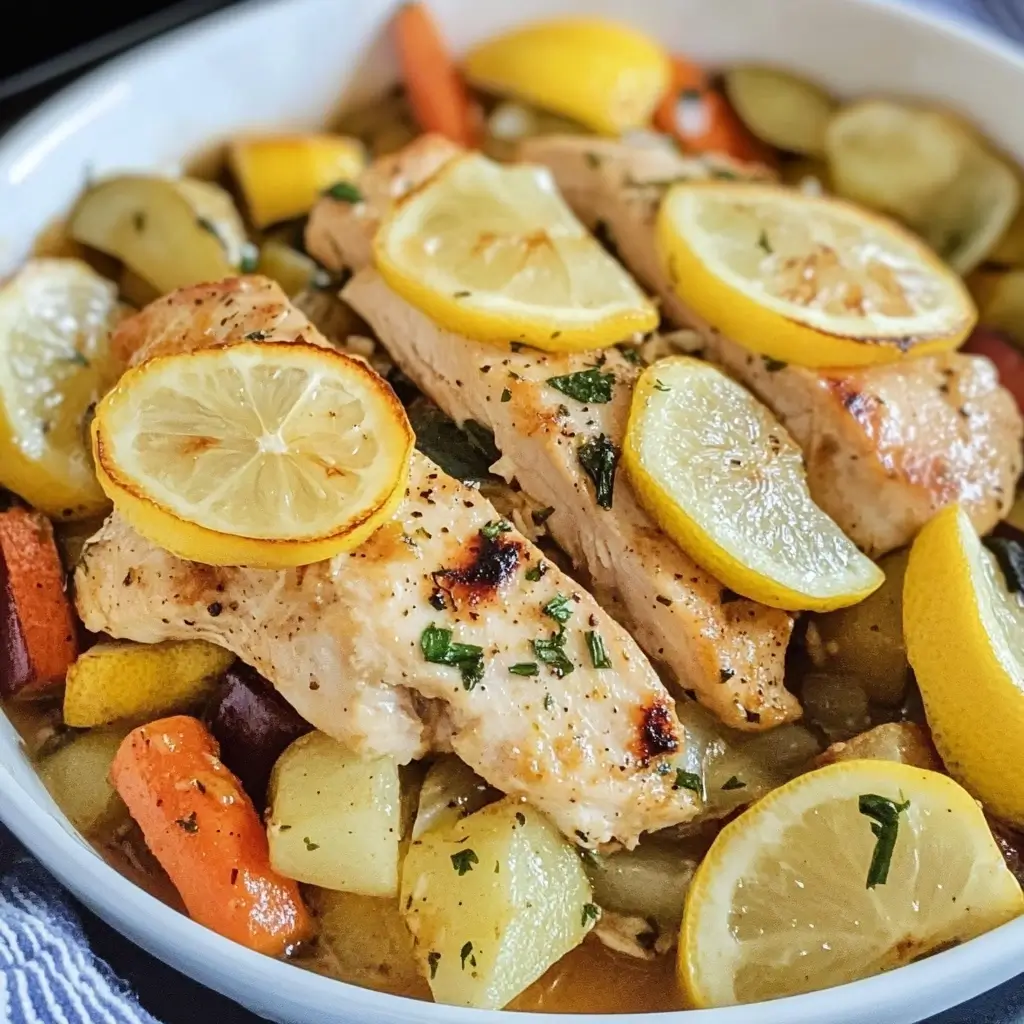

There are some recipes that just become instant family favorites, and this Lemon Chicken with Veggies is undoubtedly one of them in our household. From the moment the zesty aroma of lemon and herbs fills the kitchen, everyone starts gathering around, eager for a taste. What I love most about this dish, besides its incredible flavor, is its versatility and healthfulness. It’s a vibrant medley of tender chicken and crisp-tender vegetables, all bathed in a bright, tangy lemon sauce that’s both comforting and invigorating. Even my pickiest eater, who usually shies away from anything green, devours the broccoli and bell peppers in this dish without a second thought! It’s become our go-to weeknight meal because it’s quick enough to prepare after a long day, yet feels special enough for a weekend dinner party. Honestly, if you’re looking for a recipe that’s guaranteed to brighten your day and satisfy your taste buds while packing in a nutritional punch, look no further. This Lemon Chicken with Veggies is a guaranteed winner, and I can’t wait for you to experience the joy it brings to our table, and hopefully, to yours too. Get ready to fall in love with a dish that’s as easy to make as it is delicious to eat!
Ingredients: The Symphony of Flavors
The beauty of Lemon Chicken with Veggies lies in the simplicity and freshness of its ingredients. Each component plays a crucial role in creating the harmonious blend of flavors and textures that make this dish so irresistible. Let’s break down each ingredient and understand why it’s essential for achieving that perfect lemon-infused, veggie-packed chicken delight.
For the Chicken:
- 1.5 lbs Boneless, Skinless Chicken Breasts: Chicken breast is the star protein, offering a lean and tender base for absorbing the vibrant lemon marinade. Opt for boneless, skinless breasts to keep the dish healthy and easy to eat. Look for chicken that is plump and pink, avoiding any with a greyish tinge or unpleasant odor. If you prefer, you can also use chicken thighs for a richer, more flavorful option, though they will take slightly longer to cook and might increase the fat content. Ensure you trim any excess fat from the chicken before marinating.
- 1/4 cup Olive Oil: Olive oil is the foundation of our marinade, providing moisture and helping the flavors penetrate the chicken. Extra virgin olive oil is recommended for its superior flavor and health benefits, but regular olive oil will also work. Olive oil not only adds richness but also helps in browning the chicken beautifully during cooking.
- 1/4 cup Freshly Squeezed Lemon Juice: The star of the show! Fresh lemon juice is absolutely crucial for that bright, tangy flavor that defines this dish. Avoid bottled lemon juice if possible, as fresh juice has a much brighter and more vibrant taste. You’ll need about 2-3 lemons to get 1/4 cup of juice. The acidity of the lemon juice also helps to tenderize the chicken, making it even more succulent.
- 2 Tablespoons Lemon Zest: Lemon zest is the finely grated outer skin of the lemon, packed with intense lemon flavor and aromatic oils. It adds a concentrated burst of lemony essence that complements the juice perfectly. Make sure to zest only the yellow part of the lemon, avoiding the white pith underneath, which can be bitter. Using a microplane or fine grater is ideal for creating fine zest.
- 2 Cloves Garlic, minced: Garlic is a flavor enhancer that adds depth and warmth to the marinade. Freshly minced garlic is always best for its pungent aroma and flavor. You can adjust the amount of garlic to your preference; some people enjoy a stronger garlic flavor, while others prefer a more subtle hint. Mincing the garlic finely ensures it distributes evenly throughout the marinade.
- 1 Tablespoon Dried Oregano: Oregano brings an earthy, slightly peppery note that complements the lemon and garlic beautifully. Dried oregano is convenient and works well in this recipe. If you prefer fresh oregano, use about 2 tablespoons, finely chopped. Oregano is a classic Mediterranean herb that pairs wonderfully with lemon and chicken.
- 1 Teaspoon Salt: Salt is essential for seasoning the chicken and enhancing all the other flavors. Use kosher salt or sea salt for best results. Salt not only flavors the chicken but also helps to retain moisture during cooking. Adjust the amount of salt to your taste, but remember that salt is crucial for bringing out the flavors in the dish.
- 1/2 Teaspoon Black Pepper: Black pepper adds a subtle spice and complexity to the marinade. Freshly ground black pepper is always recommended for its bolder flavor compared to pre-ground pepper. Like salt, pepper is a fundamental seasoning that balances the other flavors and adds a pleasant warmth.
For the Vegetables:
- 1 Large Red Bell Pepper, sliced: Red bell pepper adds sweetness, color, and a satisfying crunch to the dish. Feel free to use other colors of bell pepper like yellow or orange for variety. Bell peppers are packed with Vitamin C and add a vibrant visual appeal to the dish. Slice them into strips of uniform size for even cooking.
- 1 Large Green Bell Pepper, sliced: Green bell pepper provides a slightly more savory and slightly bitter note that contrasts nicely with the sweetness of the red bell pepper and the tanginess of the lemon. It also adds another layer of color and texture to the vegetable medley. Like the red bell pepper, slice it into uniform strips.
- 1 Broccoli Crown, cut into florets: Broccoli is a nutritional powerhouse, adding fiber, vitamins, and a slightly earthy flavor that pairs well with lemon. Cut the broccoli into bite-sized florets for easy eating and even cooking. Make sure to cut them into relatively uniform sizes so they cook at the same rate.
- 1 Red Onion, sliced: Red onion adds a pungent and slightly sweet flavor that complements the other vegetables and chicken. Slicing the red onion rather than dicing it allows it to soften and caramelize slightly during cooking, adding depth of flavor. If you prefer a milder onion flavor, you can use yellow or white onion.
- 2 Tablespoons Olive Oil: We’ll need a bit more olive oil for sautéing the vegetables, ensuring they cook evenly and don’t stick to the pan. Again, extra virgin olive oil is preferred, but regular olive oil will also work. Olive oil helps to bring out the natural flavors of the vegetables and adds a touch of richness.
- 1/4 cup Chicken Broth (low sodium): Chicken broth adds moisture to the pan and helps to create a light sauce as the vegetables cook. Low sodium broth is recommended to control the salt content of the dish. The broth also helps to deglaze the pan, lifting up any flavorful browned bits from the bottom.
- Salt and Pepper to taste: Seasoning the vegetables separately is important to ensure they are flavorful and not bland. Taste and adjust the salt and pepper as needed to enhance the natural flavors of the vegetables.
Optional Garnishes (for serving):
- Fresh Parsley, chopped: Fresh parsley adds a bright, herbaceous touch and a pop of green color as a garnish. It complements the lemon flavor and adds a fresh finish to the dish.
- Lemon Wedges: Extra lemon wedges served alongside allow for an extra squeeze of lemon juice for those who prefer a more pronounced lemon flavor.
- Red Pepper Flakes (optional): For a touch of heat, a sprinkle of red pepper flakes can be added as a garnish.
By carefully selecting high-quality ingredients and understanding their roles in the recipe, you’re well on your way to creating a truly delicious and satisfying Lemon Chicken with Veggies. Don’t be afraid to adjust the vegetables based on your preferences and what’s in season, but always remember the core elements: fresh lemon, flavorful herbs, and tender chicken combined with vibrant vegetables.
Instructions: Step-by-Step to Lemon Chicken Perfection
Making Lemon Chicken with Veggies is surprisingly straightforward. The key is to follow the steps methodically, allowing time for the flavors to develop and the ingredients to cook to perfection. Here’s a detailed, step-by-step guide to ensure your dish turns out delicious every time:
Step 1: Marinate the Chicken (Minimum 30 minutes, Ideally 2-4 hours)
- Prepare the Marinade: In a medium-sized bowl, whisk together the 1/4 cup olive oil, 1/4 cup fresh lemon juice, 2 tablespoons lemon zest, 2 minced garlic cloves, 1 tablespoon dried oregano, 1 teaspoon salt, and 1/2 teaspoon black pepper. Whisk until all ingredients are well combined and the marinade is emulsified slightly. This ensures the oil and lemon juice are properly mixed and the flavors are evenly distributed.
- Marinate the Chicken: Place the chicken breasts in a resealable plastic bag or a shallow dish. Pour the lemon marinade over the chicken, ensuring all sides are coated. If using a bag, seal it and massage the marinade into the chicken. If using a dish, turn the chicken to coat evenly.
- Refrigerate: Place the marinated chicken in the refrigerator for at least 30 minutes, and ideally for 2-4 hours, or even overnight for maximum flavor penetration and tenderization. The longer the chicken marinates, the more flavorful and tender it will become. If marinating overnight, ensure the chicken is properly refrigerated to prevent bacterial growth.
Step 2: Prepare the Vegetables
- Wash and Chop: While the chicken is marinating, wash and prepare your vegetables. Slice the red and green bell peppers into strips, cut the broccoli into florets, and slice the red onion. Ensure all vegetables are washed thoroughly and chopped into uniform sizes for even cooking. Having the vegetables prepped while the chicken marinates streamlines the cooking process later.
Step 3: Sauté the Vegetables
- Heat Olive Oil: Heat 2 tablespoons of olive oil in a large skillet or wok over medium-high heat. Use a skillet large enough to accommodate all the vegetables without overcrowding. Overcrowding can steam the vegetables instead of sautéing them, resulting in a less desirable texture.
- Sauté Onions and Peppers: Add the sliced red onion and bell peppers to the hot skillet. Sauté for 5-7 minutes, or until they begin to soften and become slightly tender-crisp. Stir frequently to prevent burning and ensure even cooking. Sautéing the onions and peppers first allows them to develop flavor and soften before adding the broccoli, which cooks faster.
- Add Broccoli: Add the broccoli florets to the skillet. Continue to sauté for another 5-7 minutes, or until the broccoli is tender-crisp and bright green. Again, stir frequently to ensure even cooking. You want the broccoli to be cooked through but still retain a slight bite, avoiding overcooking and mushiness.
Step 4: Cook the Chicken
- Remove Chicken from Marinade: Remove the chicken breasts from the marinade, letting any excess marinade drip off. Do not discard the marinade, as we will use it later to create the sauce.
- Add Chicken to Skillet: Push the vegetables to one side of the skillet or remove them temporarily and set aside. Add the marinated chicken breasts to the hot skillet. Sear the chicken for 3-4 minutes per side, until golden brown and cooked through. Searing the chicken first creates a nice crust and seals in the juices. Ensure the chicken is cooked through to an internal temperature of 165°F (74°C) for food safety. You can use a meat thermometer to check the internal temperature at the thickest part of the breast.
Step 5: Create the Lemon Sauce and Combine
- Deglaze the Pan: Pour the reserved lemon marinade into the skillet with the chicken and vegetables. Bring the marinade to a simmer, scraping up any browned bits from the bottom of the pan. This process, called deglazing, adds depth of flavor to the sauce.
- Add Chicken Broth: Pour in 1/4 cup of chicken broth. This adds moisture and helps to create a light and flavorful sauce. Simmer for 2-3 minutes, or until the sauce slightly thickens and reduces. The sauce should be just enough to coat the chicken and vegetables lightly, not too watery or too thick.
- Combine Chicken and Vegetables: If you removed the vegetables earlier, return them to the skillet. Toss everything together to combine the chicken, vegetables, and lemon sauce. Ensure the chicken and vegetables are evenly coated in the sauce and heated through.
- Season to Taste: Taste the dish and adjust seasoning with salt and pepper as needed. You may want to add a bit more lemon juice for extra tanginess or a pinch of red pepper flakes for a touch of heat, depending on your preference.
Step 6: Serve and Garnish
- Serve Hot: Serve the Lemon Chicken with Veggies immediately while it’s hot and flavorful.
- Garnish (Optional): Garnish with freshly chopped parsley and lemon wedges, if desired. These garnishes add freshness and visual appeal to the dish. Red pepper flakes can also be sprinkled on top for a touch of heat.
Following these step-by-step instructions will guide you to create a perfectly cooked and flavorful Lemon Chicken with Veggies. Remember to adjust cooking times slightly based on the thickness of your chicken breasts and the desired tenderness of your vegetables. Enjoy the process and the delicious results!
Nutrition Facts: Fueling Your Body with Flavor
This Lemon Chicken with Veggies recipe isn’t just delicious; it’s also a wonderfully nutritious meal. Packed with lean protein and a rainbow of vegetables, it’s a guilt-free way to enjoy a flavorful and satisfying dinner. Here’s a breakdown of the approximate nutritional information per serving:
Servings: This recipe typically serves 4-6 people, depending on portion sizes.
Approximate Nutrition Facts Per Serving (based on 5 servings):
- Calories: Approximately 350-450 calories
- Protein: 35-45 grams
- Fat:15-25 grams (primarily from olive oil, with some from chicken)
- Saturated Fat: Approximately 2-4 grams
- Monounsaturated Fat: Approximately 10-15 grams (healthy fats from olive oil)
- Carbohydrates:15-25 grams (primarily from vegetables)
- Fiber: 5-8 grams (good source of dietary fiber)
- Sugar: 5-10 grams (natural sugars from vegetables and lemon)
- Sodium: 400-600 mg (can vary based on broth and salt added)
- Vitamin C: Excellent source (from bell peppers and broccoli)
- Vitamin A: Good source (from bell peppers and broccoli)
- Potassium: Good source (from vegetables)
- Iron: Moderate source (from chicken and vegetables)
Key Nutritional Highlights:
- Lean Protein Source: Chicken breast is a fantastic source of lean protein, essential for muscle building and satiety.
- Rich in Vegetables: The abundance of bell peppers, broccoli, and onion provides a wealth of vitamins, minerals, and fiber.
- Healthy Fats: Olive oil provides healthy monounsaturated fats, beneficial for heart health.
- Lower in Carbohydrates: Compared to many pasta or rice-based dishes, this recipe is relatively lower in carbohydrates, making it a good option for those watching their carb intake.
- Good Source of Fiber: The vegetables contribute a significant amount of dietary fiber, aiding in digestion and promoting fullness.
Important Notes:
- These are approximate values and can vary depending on the exact ingredients used, portion sizes, and cooking methods.
- Using low-sodium chicken broth and controlling added salt can help reduce sodium content.
- You can further reduce fat content by using less olive oil, though it may affect the flavor and texture slightly.
- To increase the nutritional value even further, consider adding other vegetables like zucchini, asparagus, or mushrooms.
Overall, Lemon Chicken with Veggies is a nutritionally balanced and satisfying meal that provides a good balance of protein, healthy fats, and essential vitamins and minerals. It’s a delicious way to enjoy a healthy and wholesome dinner that nourishes your body from the inside out.
Preparation Time: Quick and Efficient
One of the many advantages of Lemon Chicken with Veggies is its relatively quick preparation time, making it perfect for busy weeknights or when you need a delicious meal without spending hours in the kitchen. Here’s a breakdown of the estimated time involved:
- Prep Time:20-25 minutes
- This includes:
- Preparing the marinade (5 minutes)
- Cutting and marinating the chicken (5 minutes)
- Washing and chopping vegetables (10-15 minutes)
- This includes:
- Cook Time:20-25 minutes
- This includes:
- Sautéing vegetables (10-14 minutes)
- Cooking chicken (6-8 minutes)
- Simmering sauce and combining (4-5 minutes)
- This includes:
- Total Time: 40-50 minutes (excluding marinating time)
Marinating Time:
- Minimum Marinating Time: 30 minutes (for basic flavor infusion)
- Recommended Marinating Time: 2-4 hours (for optimal flavor and tenderization)
- Maximum Marinating Time: Overnight (for maximum flavor; ensure proper refrigeration)
Tips to Speed Up Preparation:
- Prep Vegetables Ahead: Chop vegetables in advance (e.g., the night before or earlier in the day) and store them in airtight containers in the refrigerator.
- Marinate Chicken in the Morning: Marinate the chicken in the morning or before leaving for work so it’s ready to cook when you get home.
- Use Pre-Cut Vegetables (if necessary): In a pinch, you can use pre-cut vegetables from the grocery store, but fresh-cut vegetables generally offer better flavor and texture.
- Efficient Knife Skills: Practice your knife skills to chop vegetables quickly and efficiently.
Even with the marinating time, the active cooking time is relatively short, making this recipe a great choice for a weeknight dinner. The minimal prep and cook time, combined with the incredible flavor and nutritional benefits, make Lemon Chicken with Veggies a winner for anyone looking for a quick, healthy, and delicious meal.
How to Serve: Versatile and Delicious Pairings
Lemon Chicken with Veggies is a complete meal in itself, but it also pairs beautifully with a variety of side dishes to create a more substantial and satisfying dining experience. Here are some delightful ways to serve this vibrant dish:
Classic Grain Pairings:
- White Rice: Steamed white rice is a classic and simple accompaniment that soaks up the delicious lemon sauce perfectly. Basmati or jasmine rice adds a fragrant touch.
- Brown Rice: For a healthier and nuttier option, serve with brown rice. Brown rice provides more fiber and a slightly chewier texture.
- Quinoa: Quinoa is a protein-rich and gluten-free grain that makes a wonderful side dish. Its slightly nutty flavor complements the lemon chicken and veggies.
- Couscous: Fluffy couscous is another quick-cooking grain that pairs well. Consider using pearl couscous for a slightly larger and chewier texture.
Pasta and Noodle Options:
- Linguine or Spaghetti: Toss the Lemon Chicken with Veggies with cooked linguine or spaghetti for a delicious pasta dish. The lemon sauce coats the pasta beautifully.
- Orzo Pasta: Orzo pasta, shaped like rice, is a fun and versatile option. It can be cooked separately and tossed with the chicken and veggies, or cooked directly in the pan with some extra broth.
- Egg Noodles: Tender egg noodles are a comforting and satisfying pairing, especially on a cooler evening.
- Asian Noodles: For an Asian-inspired twist, serve over rice noodles or stir-fried noodles.
Fresh and Light Sides:
- Side Salad: A simple green salad with a light vinaigrette dressing provides a refreshing contrast to the richness of the chicken and vegetables.
- Cucumber Salad: A cool and crisp cucumber salad with dill and yogurt or vinegar offers a refreshing counterpoint to the lemon flavors.
- Tomato Salad: A vibrant tomato salad with fresh herbs like basil or parsley adds a summery touch.
- Roasted Asparagus: Roasted asparagus with a drizzle of olive oil and lemon juice complements the dish beautifully.
Bread and More:
- Crusty Bread: Serve with crusty bread like baguette or sourdough for soaking up the delicious lemon sauce.
- Garlic Bread: Garlic bread adds a flavorful and comforting element to the meal.
- Pita Bread: Warm pita bread can be used to scoop up the chicken and vegetables, creating a more casual and interactive dining experience.
Serving Suggestions for Different Occasions:
- Weeknight Family Dinner: Serve with white rice or quinoa for a quick and easy, yet satisfying meal.
- Weekend Dinner Party: Pair with brown rice or orzo pasta and a side salad for a slightly more elegant presentation.
- Lunch Leftovers: Lemon Chicken with Veggies is delicious reheated for lunch the next day. Serve it over rice or with a side salad.
No matter how you choose to serve it, Lemon Chicken with Veggies is a versatile and crowd-pleasing dish. Experiment with different pairings to find your favorite combinations and enjoy the delightful flavors and textures it offers.
Additional Tips for Lemon Chicken Perfection
While the recipe is straightforward, a few extra tips can elevate your Lemon Chicken with Veggies from delicious to absolutely exceptional. Here are five key tips to help you achieve lemon chicken perfection every time:
- Marinate for Maximum Flavor and Tenderness: Don’t skimp on the marinating time. While 30 minutes is the minimum, marinating the chicken for 2-4 hours, or even overnight, makes a significant difference. The lemon juice tenderizes the chicken, and the flavors of lemon, garlic, and oregano penetrate deeply, resulting in a more flavorful and succulent chicken breast. If marinating overnight, ensure the chicken is properly refrigerated in a sealed container or bag.
- Don’t Overcrowd the Pan: When sautéing the vegetables and cooking the chicken, avoid overcrowding the skillet. Overcrowding leads to steaming instead of sautéing and searing, resulting in vegetables that are soggy and chicken that doesn’t brown properly. Cook the vegetables and chicken in batches if necessary, or use a large skillet or wok to ensure everything has enough space to cook evenly and develop a beautiful color and texture.
- Adjust Lemon Flavor to Your Preference: Lemon is the star of this dish, but everyone has different preferences for tartness. Taste the marinade and the finished dish and adjust the lemon juice and zest accordingly. If you prefer a more pronounced lemon flavor, add a little extra lemon juice or zest. If you prefer a milder lemon flavor, you can reduce the amount slightly. Serving extra lemon wedges on the side allows diners to customize the lemon intensity to their liking.
- Vary Your Vegetables: Feel free to customize the vegetable medley based on your preferences and what’s in season. While bell peppers, broccoli, and red onion are a delicious combination, you can easily substitute or add other vegetables like zucchini, asparagus, snap peas, mushrooms, carrots, or green beans. Just be mindful of cooking times; denser vegetables like carrots may need to be added earlier than quicker-cooking vegetables like snap peas. Roasting the vegetables separately before adding them to the chicken is also an option for a different flavor profile and texture.
- Don’t Overcook the Chicken: Chicken breast is lean and can become dry if overcooked. Cook the chicken until it’s just cooked through and reaches an internal temperature of 165°F (74°C). Use a meat thermometer to ensure accuracy. Searing the chicken first helps to seal in the juices and prevent dryness. Once cooked, let the chicken rest for a few minutes before slicing or serving to allow the juices to redistribute, resulting in more tender and flavorful chicken.
By incorporating these tips into your cooking process, you’ll be well on your way to creating truly exceptional Lemon Chicken with Veggies that will impress your family and friends. These small adjustments can make a big difference in the overall flavor, texture, and enjoyment of the dish.
FAQ: Your Lemon Chicken Questions Answered
Got questions about making the perfect Lemon Chicken with Veggies? Here are answers to some frequently asked questions to help you navigate the recipe with confidence:
Q1: Can I use frozen chicken breasts?
A: Yes, you can use frozen chicken breasts, but be sure to thaw them completely before marinating. Thawing ensures that the marinade penetrates the chicken evenly and that the chicken cooks properly. You can thaw chicken in the refrigerator overnight, in cold water (changing the water every 30 minutes), or using the defrost function on your microwave (following your microwave’s instructions). Never marinate frozen chicken, as it can affect the texture and safety of the dish.
Q2: Can I make this recipe ahead of time?
A: Yes, you can prepare components of this recipe ahead of time. You can marinate the chicken up to 24 hours in advance and store it in the refrigerator. You can also chop the vegetables a day ahead and store them in airtight containers in the refrigerator. However, it’s best to cook the chicken and vegetables closer to serving time for optimal texture and flavor. If you need to make the entire dish ahead, you can cook it and store it in the refrigerator for up to 2-3 days. Reheat gently in a skillet or microwave until heated through, but be aware that the vegetables may become slightly softer upon reheating.
Q3: Can I substitute dried herbs for fresh herbs?
A: While fresh herbs offer a brighter and more vibrant flavor, you can substitute dried herbs if needed. For oregano, dried oregano works well in this recipe. If you want to substitute fresh oregano, use about 2 tablespoons of finely chopped fresh oregano in place of 1 tablespoon of dried oregano. For other herbs, like parsley for garnish, fresh is preferred, but you can use a pinch of dried parsley in a pinch, although the flavor and visual appeal will be less pronounced.
Q4: How can I make this recipe spicier?
A: If you like a little heat, there are several ways to add spice to your Lemon Chicken with Veggies. You can add a pinch of red pepper flakes to the marinade or sprinkle them over the finished dish as a garnish. You can also add a minced jalapeño or serrano pepper to the vegetables while sautéing them. Another option is to use a dash of hot sauce in the marinade or sauce. Start with a small amount of spice and taste as you go, adding more to reach your desired level of heat.
Q5: What’s the best way to store leftovers?
A: Store leftover Lemon Chicken with Veggies in an airtight container in the refrigerator. It’s best to store it within 2 hours of cooking to ensure food safety. Leftovers will keep for 2-3 days in the refrigerator. To reheat, you can gently warm it in a skillet over medium heat, adding a splash of chicken broth or water if needed to prevent drying out. You can also reheat it in the microwave. Leftovers are great for lunch the next day or can be incorporated into other dishes like salads or wraps.
These FAQs should address common questions and concerns about making Lemon Chicken with Veggies. If you have any other questions, don’t hesitate to experiment and adapt the recipe to your preferences. Happy cooking!
Print
Lemon Chicken and Veggies Recipe
Ingredients
For the Chicken:
- 1.5 lbs Boneless, Skinless Chicken Breasts: Chicken breast is the star protein, offering a lean and tender base for absorbing the vibrant lemon marinade. Opt for boneless, skinless breasts to keep the dish healthy and easy to eat. Look for chicken that is plump and pink, avoiding any with a greyish tinge or unpleasant odor. If you prefer, you can also use chicken thighs for a richer, more flavorful option, though they will take slightly longer to cook and might increase the fat content. Ensure you trim any excess fat from the chicken before marinating.
- 1/4 cup Olive Oil: Olive oil is the foundation of our marinade, providing moisture and helping the flavors penetrate the chicken. Extra virgin olive oil is recommended for its superior flavor and health benefits, but regular olive oil will also work. Olive oil not only adds richness but also helps in browning the chicken beautifully during cooking.
- 1/4 cup Freshly Squeezed Lemon Juice: The star of the show! Fresh lemon juice is absolutely crucial for that bright, tangy flavor that defines this dish. Avoid bottled lemon juice if possible, as fresh juice has a much brighter and more vibrant taste. You’ll need about 2–3 lemons to get 1/4 cup of juice. The acidity of the lemon juice also helps to tenderize the chicken, making it even more succulent.
- 2 Tablespoons Lemon Zest: Lemon zest is the finely grated outer skin of the lemon, packed with intense lemon flavor and aromatic oils. It adds a concentrated burst of lemony essence that complements the juice perfectly. Make sure to zest only the yellow part of the lemon, avoiding the white pith underneath, which can be bitter. Using a microplane or fine grater is ideal for creating fine zest.
- 2 Cloves Garlic, minced: Garlic is a flavor enhancer that adds depth and warmth to the marinade. Freshly minced garlic is always best for its pungent aroma and flavor. You can adjust the amount of garlic to your preference; some people enjoy a stronger garlic flavor, while others prefer a more subtle hint. Mincing the garlic finely ensures it distributes evenly throughout the marinade.
- 1 Tablespoon Dried Oregano: Oregano brings an earthy, slightly peppery note that complements the lemon and garlic beautifully. Dried oregano is convenient and works well in this recipe. If you prefer fresh oregano, use about 2 tablespoons, finely chopped. Oregano is a classic Mediterranean herb that pairs wonderfully with lemon and chicken.
- 1 Teaspoon Salt: Salt is essential for seasoning the chicken and enhancing all the other flavors. Use kosher salt or sea salt for best results. Salt not only flavors the chicken but also helps to retain moisture during cooking. Adjust the amount of salt to your taste, but remember that salt is crucial for bringing out the flavors in the dish.
- 1/2 Teaspoon Black Pepper: Black pepper adds a subtle spice and complexity to the marinade. Freshly ground black pepper is always recommended for its bolder flavor compared to pre-ground pepper. Like salt, pepper is a fundamental seasoning that balances the other flavors and adds a pleasant warmth.
For the Vegetables:
- 1 Large Red Bell Pepper, sliced: Red bell pepper adds sweetness, color, and a satisfying crunch to the dish. Feel free to use other colors of bell pepper like yellow or orange for variety. Bell peppers are packed with Vitamin C and add a vibrant visual appeal to the dish. Slice them into strips of uniform size for even cooking.
- 1 Large Green Bell Pepper, sliced: Green bell pepper provides a slightly more savory and slightly bitter note that contrasts nicely with the sweetness of the red bell pepper and the tanginess of the lemon. It also adds another layer of color and texture to the vegetable medley. Like the red bell pepper, slice it into uniform strips.
- 1 Broccoli Crown, cut into florets: Broccoli is a nutritional powerhouse, adding fiber, vitamins, and a slightly earthy flavor that pairs well with lemon. Cut the broccoli into bite-sized florets for easy eating and even cooking. Make sure to cut them into relatively uniform sizes so they cook at the same rate.
- 1 Red Onion, sliced: Red onion adds a pungent and slightly sweet flavor that complements the other vegetables and chicken. Slicing the red onion rather than dicing it allows it to soften and caramelize slightly during cooking, adding depth of flavor. If you prefer a milder onion flavor, you can use yellow or white onion.
- 2 Tablespoons Olive Oil: We’ll need a bit more olive oil for sautéing the vegetables, ensuring they cook evenly and don’t stick to the pan. Again, extra virgin olive oil is preferred, but regular olive oil will also work. Olive oil helps to bring out the natural flavors of the vegetables and adds a touch of richness.
- 1/4 cup Chicken Broth (low sodium): Chicken broth adds moisture to the pan and helps to create a light sauce as the vegetables cook. Low sodium broth is recommended to control the salt content of the dish. The broth also helps to deglaze the pan, lifting up any flavorful browned bits from the bottom.
- Salt and Pepper to taste: Seasoning the vegetables separately is important to ensure they are flavorful and not bland. Taste and adjust the salt and pepper as needed to enhance the natural flavors of the vegetables.
Instructions
Step 1: Marinate the Chicken (Minimum 30 minutes, Ideally 2-4 hours)
- Prepare the Marinade: In a medium-sized bowl, whisk together the 1/4 cup olive oil, 1/4 cup fresh lemon juice, 2 tablespoons lemon zest, 2 minced garlic cloves, 1 tablespoon dried oregano, 1 teaspoon salt, and 1/2 teaspoon black pepper. Whisk until all ingredients are well combined and the marinade is emulsified slightly. This ensures the oil and lemon juice are properly mixed and the flavors are evenly distributed.
- Marinate the Chicken: Place the chicken breasts in a resealable plastic bag or a shallow dish. Pour the lemon marinade over the chicken, ensuring all sides are coated. If using a bag, seal it and massage the marinade into the chicken. If using a dish, turn the chicken to coat evenly.
- Refrigerate: Place the marinated chicken in the refrigerator for at least 30 minutes, and ideally for 2-4 hours, or even overnight for maximum flavor penetration and tenderization. The longer the chicken marinates, the more flavorful and tender it will become. If marinating overnight, ensure the chicken is properly refrigerated to prevent bacterial growth.
Step 2: Prepare the Vegetables
- Wash and Chop: While the chicken is marinating, wash and prepare your vegetables. Slice the red and green bell peppers into strips, cut the broccoli into florets, and slice the red onion. Ensure all vegetables are washed thoroughly and chopped into uniform sizes for even cooking. Having the vegetables prepped while the chicken marinates streamlines the cooking process later.
Step 3: Sauté the Vegetables
- Heat Olive Oil: Heat 2 tablespoons of olive oil in a large skillet or wok over medium-high heat. Use a skillet large enough to accommodate all the vegetables without overcrowding. Overcrowding can steam the vegetables instead of sautéing them, resulting in a less desirable texture.
- Sauté Onions and Peppers: Add the sliced red onion and bell peppers to the hot skillet. Sauté for 5-7 minutes, or until they begin to soften and become slightly tender-crisp. Stir frequently to prevent burning and ensure even cooking. Sautéing the onions and peppers first allows them to develop flavor and soften before adding the broccoli, which cooks faster.
- Add Broccoli: Add the broccoli florets to the skillet. Continue to sauté for another 5-7 minutes, or until the broccoli is tender-crisp and bright green. Again, stir frequently to ensure even cooking. You want the broccoli to be cooked through but still retain a slight bite, avoiding overcooking and mushiness.
Step 4: Cook the Chicken
- Remove Chicken from Marinade: Remove the chicken breasts from the marinade, letting any excess marinade drip off. Do not discard the marinade, as we will use it later to create the sauce.
- Add Chicken to Skillet: Push the vegetables to one side of the skillet or remove them temporarily and set aside. Add the marinated chicken breasts to the hot skillet. Sear the chicken for 3-4 minutes per side, until golden brown and cooked through. Searing the chicken first creates a nice crust and seals in the juices. Ensure the chicken is cooked through to an internal temperature of 165°F (74°C) for food safety. You can use a meat thermometer to check the internal temperature at the thickest part of the breast.
Step 5: Create the Lemon Sauce and Combine
- Deglaze the Pan: Pour the reserved lemon marinade into the skillet with the chicken and vegetables. Bring the marinade to a simmer, scraping up any browned bits from the bottom of the pan. This process, called deglazing, adds depth of flavor to the sauce.
- Add Chicken Broth: Pour in 1/4 cup of chicken broth. This adds moisture and helps to create a light and flavorful sauce. Simmer for 2-3 minutes, or until the sauce slightly thickens and reduces. The sauce should be just enough to coat the chicken and vegetables lightly, not too watery or too thick.
- Combine Chicken and Vegetables: If you removed the vegetables earlier, return them to the skillet. Toss everything together to combine the chicken, vegetables, and lemon sauce. Ensure the chicken and vegetables are evenly coated in the sauce and heated through.
- Season to Taste: Taste the dish and adjust seasoning with salt and pepper as needed. You may want to add a bit more lemon juice for extra tanginess or a pinch of red pepper flakes for a touch of heat, depending on your preference.
Step 6: Serve and Garnish
- Serve Hot: Serve the Lemon Chicken with Veggies immediately while it’s hot and flavorful.
- Garnish (Optional): Garnish with freshly chopped parsley and lemon wedges, if desired. These garnishes add freshness and visual appeal to the dish. Red pepper flakes can also be sprinkled on top for a touch of heat.
Nutrition
- Serving Size: One Normal Portion
- Calories: 350-450
- Sugar: 5-10 grams
- Sodium: 400-600 mg
- Fat: 15-25 grams
- Saturated Fat: 2-4 grams
- Carbohydrates: 15-25 grams
- Fiber: 5-8 grams
- Protein: 35-45 grams