
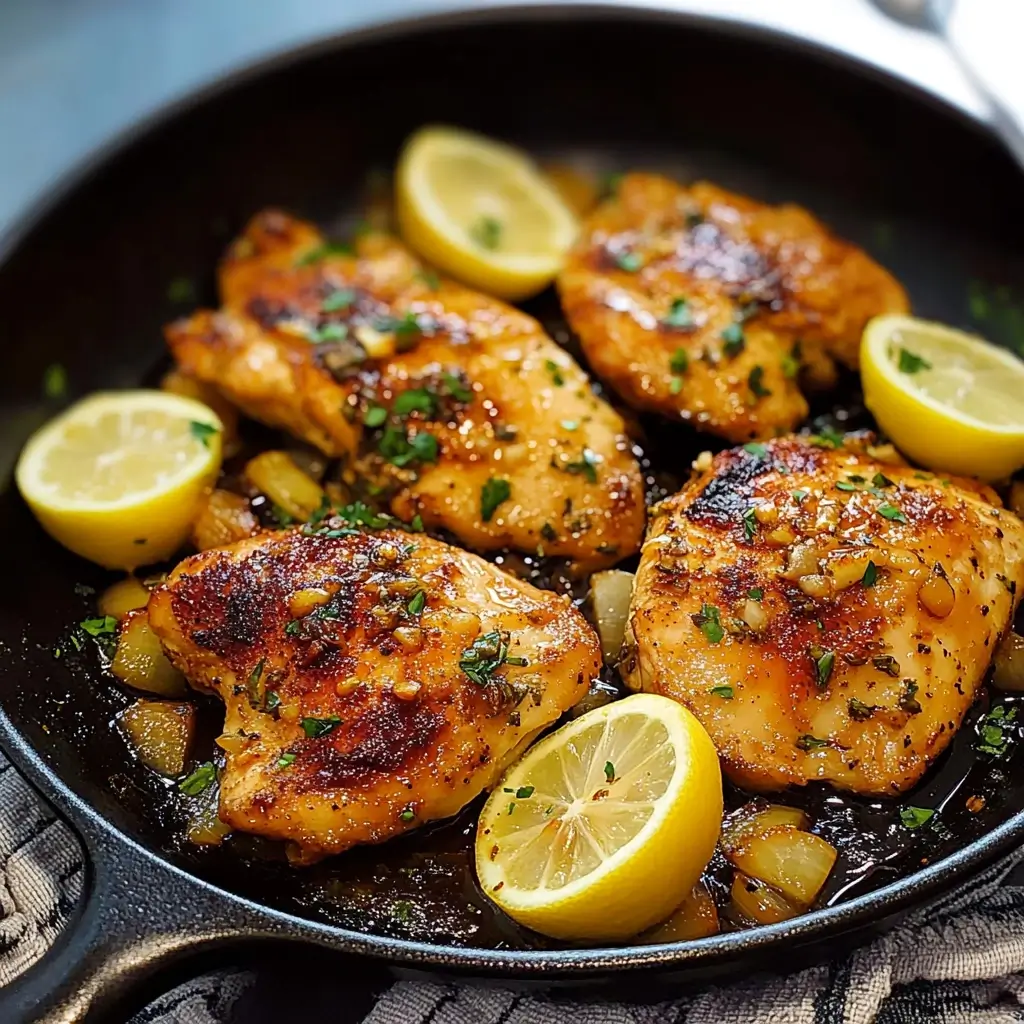

Lemon Garlic Chicken. Just the name conjures images of bright, zesty flavors dancing alongside the savory richness of perfectly cooked chicken. In our home, this isn’t just a recipe; it’s a weeknight staple, a weekend treat, and the dish that invariably brings smiles to everyone’s faces, from the pickiest toddler to the most discerning adult. I remember the first time I made this, tentatively following a recipe I’d stumbled upon online. The aroma alone, as the garlic and lemon infused the kitchen, was intoxicating. But the real magic happened at dinner. The chicken, tender and juicy, practically melted in our mouths, each bite a burst of sunshine and savory goodness. The kids, usually suspicious of anything “saucy,” devoured it. My husband, a self-proclaimed meat and potatoes man, declared it a new favorite. Since then, Lemon Garlic Chicken has become a beloved member of our culinary repertoire, a testament to the fact that simple ingredients, when combined with a little love and know-how, can create truly extraordinary meals. This recipe, honed and perfected over countless happy dinners, is my gift to you – a guaranteed crowd-pleaser that will transform your weeknight dinners and impress even the most discerning palates. Get ready to experience the pure joy of Lemon Garlic Chicken!
Ingredients
This recipe thrives on fresh, high-quality ingredients. The bright acidity of fresh lemon juice, the pungent aroma of garlic, and the savory base of chicken – each component plays a crucial role in creating the final symphony of flavors. Here’s what you’ll need to gather to embark on this culinary adventure:
- Chicken: 2 lbs of bone-in, skin-on chicken pieces (thighs and drumsticks are highly recommended for their flavor and moisture, but breasts can also be used). You can also use boneless, skinless chicken breasts or thighs, adjusting cooking time accordingly. For bone-in, skin-on pieces, consider around 6-8 pieces. For boneless, skinless, aim for about 4-6 breasts or thighs.
- Lemons: 2 large, fresh lemons. You will need the zest and juice of both. Choose lemons that are heavy for their size, indicating they are juicy. Organic lemons are preferable if you plan to use the zest, as they are less likely to have pesticide residue.
- Garlic: 6-8 cloves of fresh garlic. Don’t be shy with the garlic! It’s a key flavor component. Fresh garlic is crucial for the best flavor; avoid using pre-minced garlic in jars as it lacks the same potency and freshness.
- Olive Oil: ¼ cup of extra virgin olive oil. A good quality olive oil contributes to the flavor and helps the chicken brown beautifully.
- Dried Herbs: 1 teaspoon each of dried oregano and dried thyme. These Mediterranean herbs complement the lemon and garlic perfectly, adding depth and warmth to the dish. You can also use Italian seasoning as a substitute.
- Fresh Parsley: ¼ cup of freshly chopped parsley for garnish (optional but highly recommended). Fresh parsley adds a bright, herbaceous finish and visual appeal.
- Salt: 1 ½ teaspoons of kosher salt (or to taste). Kosher salt is preferred for its clean taste and larger crystals, which make it easier to season evenly.
- Black Pepper: 1 teaspoon of freshly ground black pepper (or to taste). Freshly ground black pepper has a more robust flavor than pre-ground pepper.
Ingredient Notes & Substitutions:
- Chicken: Feel free to experiment with different cuts of chicken. Chicken breasts will cook faster but can be drier. Thighs and drumsticks are more forgiving and flavorful due to their higher fat content. For a leaner option, boneless, skinless chicken breasts are a good choice.
- Lemons: If you don’t have fresh lemons, bottled lemon juice can be used in a pinch, but the flavor will be noticeably less vibrant. Fresh lemon zest is essential for the best lemon flavor, so try not to skip it.
- Garlic: If you are very sensitive to garlic, you can start with 4 cloves and adjust to taste in future batches. Roasted garlic can also be used for a milder, sweeter garlic flavor.
- Herbs: Fresh herbs like oregano, thyme, or rosemary can be used instead of dried herbs. Use about 1 tablespoon of fresh herbs for every 1 teaspoon of dried herbs. You can also experiment with other herbs like rosemary, basil, or marjoram.
- Olive Oil: You can substitute with another neutral cooking oil like avocado oil or grapeseed oil if needed.
- White Wine (Optional): For an extra layer of flavor and moisture, you can add ¼ cup of dry white wine (like Sauvignon Blanc or Pinot Grigio) to the marinade or cooking pan.
Instructions
Now that you have all your ingredients prepped, let’s get cooking! Follow these step-by-step instructions to create your own delectable Lemon Garlic Chicken masterpiece. Remember, patience and attention to detail are key to achieving perfectly cooked, flavorful chicken.
Step 1: Prepare the Marinade – The Flavor Foundation
- Zest and Juice the Lemons: Start by thoroughly washing and drying your lemons. Using a microplane or fine grater, zest both lemons, being careful to only grate the yellow part of the peel and avoid the bitter white pith underneath. You should aim for about 2 tablespoons of lemon zest. Then, juice both lemons. You should get about ¼ cup to ⅓ cup of fresh lemon juice.
- Mince the Garlic: Peel and mince the garlic cloves. For maximum flavor, mince the garlic finely or use a garlic press.
- Combine Marinade Ingredients: In a large bowl or resealable plastic bag, combine the lemon zest, lemon juice, minced garlic, olive oil, dried oregano, dried thyme, salt, and black pepper. Whisk or stir well to ensure all ingredients are thoroughly combined and the salt is dissolved.
Step 2: Marinate the Chicken – Infusing Flavor Deeply
- Add Chicken to Marinade: Place the chicken pieces into the bowl or bag with the marinade.
- Coat Chicken Evenly: Use your hands (or tongs) to toss the chicken in the marinade, ensuring that each piece is generously coated on all sides. Massage the marinade into the chicken for a few minutes to help it penetrate the meat.
- Marinate Time: Cover the bowl or seal the bag and refrigerate for at least 30 minutes, or ideally for 2-4 hours. For even deeper flavor, you can marinate the chicken overnight in the refrigerator. Longer marinating times will result in more flavorful and tender chicken, but avoid marinating for more than 8 hours as the lemon juice can start to break down the chicken protein, leading to a slightly mushy texture.
Step 3: Cook the Chicken – Achieving Golden Perfection
You have several options for cooking your Lemon Garlic Chicken. Each method yields slightly different results, so choose the one that best suits your preferences and equipment.
Option 1: Oven Baking (Recommended for Ease and Even Cooking)
- Preheat Oven: Preheat your oven to 400°F (200°C).
- Prepare Baking Dish: Lightly grease a baking dish or roasting pan large enough to hold the chicken pieces in a single layer without overcrowding. Overcrowding can steam the chicken instead of browning it.
- Arrange Chicken in Baking Dish: Arrange the marinated chicken pieces in the prepared baking dish, skin-side up if using skin-on chicken. Pour any remaining marinade over the chicken.
- Bake Chicken: Bake in the preheated oven for 35-45 minutes for bone-in chicken, or 25-35 minutes for boneless chicken breasts, or until the chicken is cooked through and the juices run clear when pierced with a fork or meat thermometer in the thickest part. The internal temperature should reach 165°F (74°C).
- Broil for Crispy Skin (Optional): For extra crispy skin, you can broil the chicken for the last 2-3 minutes of cooking. Keep a close eye on it to prevent burning.
Option 2: Pan-Frying (For Crispy Skin and Faster Cooking)
- Heat Oil in Skillet: Heat 1-2 tablespoons of olive oil in a large skillet or frying pan over medium-high heat. Use a skillet large enough to accommodate the chicken pieces in a single layer.
- Sear Chicken Skin-Side Down: Once the oil is hot, carefully place the chicken pieces skin-side down in the skillet (if using skin-on chicken). Sear for 5-7 minutes, or until the skin is golden brown and crispy. Avoid moving the chicken around too much during searing to allow for proper browning.
- Flip and Cook Through: Flip the chicken pieces and cook for another 5-7 minutes, or until cooked through and the juices run clear. If the chicken starts to brown too quickly before being cooked through, reduce the heat to medium.
- Add Remaining Marinade (Optional): Once the chicken is cooked through, you can pour any remaining marinade into the skillet and let it simmer for a minute or two to create a light sauce.
Option 3: Grilling (For Smoky Flavor and Charred Marks)
- Preheat Grill: Preheat your grill to medium-high heat. Make sure the grill grates are clean and lightly oiled to prevent sticking.
- Grill Chicken: Place the marinated chicken pieces on the hot grill grates. Grill for 5-7 minutes per side, or until cooked through and nicely charred. Turn the chicken occasionally to ensure even cooking and prevent burning.
- Baste with Marinade (Optional): During the last few minutes of grilling, you can baste the chicken with any remaining marinade for extra flavor and moisture.
Step 4: Rest and Garnish – Final Touches of Perfection
- Rest Chicken: Once the chicken is cooked through, remove it from the oven, skillet, or grill and let it rest for 5-10 minutes before serving. Resting allows the juices to redistribute throughout the chicken, resulting in more tender and flavorful meat.
- Garnish with Parsley: Sprinkle the freshly chopped parsley over the cooked chicken just before serving. This adds a pop of fresh flavor and visual appeal.
Nutrition Facts
(Estimated, per serving, based on using bone-in, skin-on chicken thighs, and assuming 4 servings from the recipe. Nutritional values can vary based on specific ingredients and portion sizes.)
- Servings: 4
- Calories per Serving: Approximately 450-550 calories
Approximate Breakdown per Serving:
- Protein: 40-50g
- Fat: 25-35g (varies depending on skin and fat content of chicken)
- Saturated Fat: 5-8g (varies depending on skin and fat content of chicken)
- Cholesterol: 200-250mg
- Sodium: 500-700mg
- Carbohydrates: 5-7g (primarily from lemon juice and herbs)
- Fiber: 1-2g
- Sugar: 2-3g
Important Note: These are estimates only. For accurate nutritional information, use a nutrition calculator with the specific brands and quantities of ingredients you use. Removing the skin from chicken will significantly reduce the fat and calorie content.
Preparation Time
The beauty of Lemon Garlic Chicken is that while it’s bursting with flavor, it’s surprisingly easy to prepare. Here’s a breakdown of the time commitment:
- Prep Time: 20 minutes (This includes zesting and juicing lemons, mincing garlic, measuring herbs, and preparing the marinade).
- Marinating Time: 30 minutes minimum, up to 4 hours (or overnight for best flavor). This time is passive, meaning you can do other things while the chicken marinates.
- Cook Time: 35-45 minutes for oven baking bone-in chicken, 25-35 minutes for oven baking boneless chicken breasts, 10-15 minutes for pan-frying, 10-15 minutes for grilling (times may vary depending on chicken cut and cooking method).
- Resting Time: 5-10 minutes.
Total Time (excluding marinating): Approximately 60-75 minutes (oven baking).
Make-Ahead Tip: You can prepare the marinade and marinate the chicken up to 24 hours in advance. This makes weeknight dinners even easier!
How to Serve
Lemon Garlic Chicken is incredibly versatile and pairs well with a wide array of side dishes. Its bright, zesty flavor profile complements both simple and more elaborate accompaniments. Here are some delicious serving suggestions:
- Classic Sides:
- Roasted Vegetables: Broccoli, asparagus, Brussels sprouts, carrots, potatoes – roasting vegetables brings out their natural sweetness and pairs beautifully with the chicken. Toss them with olive oil, salt, pepper, and maybe a squeeze of lemon for extra flavor.
- Mashed Potatoes: Creamy mashed potatoes are a comforting and classic side that soaks up the delicious lemon garlic pan juices.
- Rice: Fluffy white rice, brown rice, or quinoa are excellent grain options to serve with Lemon Garlic Chicken. Consider adding a sprinkle of fresh herbs or lemon zest to the rice for extra flavor.
- Pasta: Serve over your favorite pasta – linguine, spaghetti, or penne work well. Toss the pasta with some of the pan juices or a light olive oil and garlic sauce.
- Fresh & Light Sides:
- Salad: A simple green salad with a lemon vinaigrette is a refreshing counterpoint to the richness of the chicken. Consider adding tomatoes, cucumbers, and olives for a Mediterranean-inspired salad.
- Greek Salad: A classic Greek salad with feta cheese, olives, tomatoes, cucumbers, and a lemon-herb dressing is a fantastic pairing.
- Caprese Salad: Slices of fresh mozzarella, tomatoes, and basil, drizzled with balsamic glaze, provide a vibrant and flavorful side.
- Bread:
- Crusty Bread: Serve with crusty bread like baguette or sourdough to soak up the flavorful pan juices.
- Garlic Bread: Garlic bread is a natural complement to Lemon Garlic Chicken, amplifying the garlic notes.
- International Flavors:
- Mediterranean Platter: Create a Mediterranean-inspired platter with hummus, pita bread, olives, feta cheese, and a side of Lemon Garlic Chicken.
- Lemon Potatoes: Serve alongside Greek lemon potatoes for a double dose of lemon flavor.
- Couscous: Fluffy couscous with dried fruits, nuts, and herbs is a flavorful and textural side dish.
Additional Tips for Lemon Garlic Chicken Perfection
Elevate your Lemon Garlic Chicken from good to extraordinary with these helpful tips and tricks. Small adjustments in technique and ingredient choices can make a big difference in the final flavor and texture.
- Don’t Skip the Zest: Lemon zest is where a significant amount of lemon flavor resides. It contains the fragrant oils that give lemon its characteristic bright aroma and taste. Don’t just rely on lemon juice; the zest is essential for a truly vibrant lemon flavor.
- Marinate for Flavor and Tenderness: Marinating the chicken is crucial for infusing it with flavor and helping to tenderize the meat. Even a short 30-minute marinade makes a difference, but longer marinating times (up to 4 hours or overnight) will result in even more flavorful and tender chicken.
- Don’t Overcrowd the Pan or Baking Dish: Whether you are pan-frying or baking, ensure that the chicken pieces are arranged in a single layer without overcrowding. Overcrowding can lead to steaming instead of browning, resulting in chicken that is pale and less flavorful. Cook in batches if necessary.
- Use a Meat Thermometer: The best way to ensure your chicken is cooked through and safe to eat is to use a meat thermometer. Insert the thermometer into the thickest part of the chicken (avoiding the bone) and cook until it reaches an internal temperature of 165°F (74°C). Overcooked chicken will be dry, so accurate temperature monitoring is key.
- Rest the Chicken Before Serving: Allowing the chicken to rest for 5-10 minutes after cooking is a crucial step for juicy and tender meat. Resting allows the juices to redistribute throughout the chicken, preventing them from running out when you slice or cut into it. Tent the chicken loosely with foil while it rests to keep it warm.
Frequently Asked Questions (FAQ)
Got questions about making Lemon Garlic Chicken? Here are answers to some common queries to help you achieve culinary success.
Q1: Can I use boneless, skinless chicken breasts instead of bone-in chicken?
A: Yes, you can definitely use boneless, skinless chicken breasts or thighs. Reduce the cooking time accordingly as they cook faster than bone-in chicken. Oven bake for approximately 25-35 minutes or pan-fry for about 5-7 minutes per side, until cooked through. Be mindful that boneless, skinless chicken breasts can be drier than thighs or bone-in pieces, so avoid overcooking.
Q2: Can I make Lemon Garlic Chicken ahead of time?
A: Yes, Lemon Garlic Chicken is great for meal prepping. You can cook it ahead of time and store it in an airtight container in the refrigerator for up to 3-4 days. Reheat gently in the oven, skillet, or microwave until heated through. The flavors often meld even more beautifully overnight.
Q3: Can I freeze Lemon Garlic Chicken?
A: Cooked Lemon Garlic Chicken can be frozen, although the texture of the chicken might change slightly upon thawing. To freeze, let the chicken cool completely, then wrap it tightly in plastic wrap and then aluminum foil or place it in a freezer-safe container. Freeze for up to 2-3 months. Thaw overnight in the refrigerator before reheating.
Q4: I don’t have dried oregano and thyme. Can I use other herbs?
A: Yes, you can substitute with other dried herbs like Italian seasoning, rosemary, basil, or marjoram. Fresh herbs are also a great option – use about 1 tablespoon of fresh herbs for every 1 teaspoon of dried herbs. Experiment with your favorite herb combinations to customize the flavor profile.
Q5: My Lemon Garlic Chicken is sometimes dry. How can I prevent this?
A: Dry chicken is often a result of overcooking. Use a meat thermometer to ensure you cook the chicken to an internal temperature of 165°F (74°C) and not higher. Marinating the chicken helps to keep it moist. Also, consider using chicken thighs or bone-in chicken pieces, which are naturally more forgiving and less prone to drying out than chicken breasts. Don’t overcook when reheating as well.
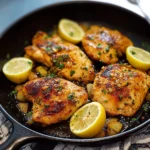
Lemon Garlic Chicken Recipe
Ingredients
- Chicken: 2 lbs of bone-in, skin-on chicken pieces (thighs and drumsticks are highly recommended for their flavor and moisture, but breasts can also be used). You can also use boneless, skinless chicken breasts or thighs, adjusting cooking time accordingly. For bone-in, skin-on pieces, consider around 6-8 pieces. For boneless, skinless, aim for about 4-6 breasts or thighs.
- Lemons: 2 large, fresh lemons. You will need the zest and juice of both. Choose lemons that are heavy for their size, indicating they are juicy. Organic lemons are preferable if you plan to use the zest, as they are less likely to have pesticide residue.
- Garlic: 6-8 cloves of fresh garlic. Don’t be shy with the garlic! It’s a key flavor component. Fresh garlic is crucial for the best flavor; avoid using pre-minced garlic in jars as it lacks the same potency and freshness.
- Olive Oil: ¼ cup of extra virgin olive oil. A good quality olive oil contributes to the flavor and helps the chicken brown beautifully.
- Dried Herbs: 1 teaspoon each of dried oregano and dried thyme. These Mediterranean herbs complement the lemon and garlic perfectly, adding depth and warmth to the dish. You can also use Italian seasoning as a substitute.
- Fresh Parsley: ¼ cup of freshly chopped parsley for garnish (optional but highly recommended). Fresh parsley adds a bright, herbaceous finish and visual appeal.
- Salt: 1 ½ teaspoons of kosher salt (or to taste). Kosher salt is preferred for its clean taste and larger crystals, which make it easier to season evenly.
- Black Pepper: 1 teaspoon of freshly ground black pepper (or to taste). Freshly ground black pepper has a more robust flavor than pre-ground pepper.
Instructions
Step 1: Prepare the Marinade – The Flavor Foundation
- Zest and Juice the Lemons: Start by thoroughly washing and drying your lemons. Using a microplane or fine grater, zest both lemons, being careful to only grate the yellow part of the peel and avoid the bitter white pith underneath. You should aim for about 2 tablespoons of lemon zest. Then, juice both lemons. You should get about ¼ cup to ⅓ cup of fresh lemon juice.
- Mince the Garlic: Peel and mince the garlic cloves. For maximum flavor, mince the garlic finely or use a garlic press.
- Combine Marinade Ingredients: In a large bowl or resealable plastic bag, combine the lemon zest, lemon juice, minced garlic, olive oil, dried oregano, dried thyme, salt, and black pepper. Whisk or stir well to ensure all ingredients are thoroughly combined and the salt is dissolved.
Step 2: Marinate the Chicken – Infusing Flavor Deeply
- Add Chicken to Marinade: Place the chicken pieces into the bowl or bag with the marinade.
- Coat Chicken Evenly: Use your hands (or tongs) to toss the chicken in the marinade, ensuring that each piece is generously coated on all sides. Massage the marinade into the chicken for a few minutes to help it penetrate the meat.
- Marinate Time: Cover the bowl or seal the bag and refrigerate for at least 30 minutes, or ideally for 2-4 hours. For even deeper flavor, you can marinate the chicken overnight in the refrigerator. Longer marinating times will result in more flavorful and tender chicken, but avoid marinating for more than 8 hours as the lemon juice can start to break down the chicken protein, leading to a slightly mushy texture.
Step 3: Cook the Chicken – Achieving Golden Perfection
You have several options for cooking your Lemon Garlic Chicken. Each method yields slightly different results, so choose the one that best suits your preferences and equipment.
Option 1: Oven Baking (Recommended for Ease and Even Cooking)
- Preheat Oven: Preheat your oven to 400°F (200°C).
- Prepare Baking Dish: Lightly grease a baking dish or roasting pan large enough to hold the chicken pieces in a single layer without overcrowding. Overcrowding can steam the chicken instead of browning it.
- Arrange Chicken in Baking Dish: Arrange the marinated chicken pieces in the prepared baking dish, skin-side up if using skin-on chicken. Pour any remaining marinade over the chicken.
- Bake Chicken: Bake in the preheated oven for 35-45 minutes for bone-in chicken, or 25-35 minutes for boneless chicken breasts, or until the chicken is cooked through and the juices run clear when pierced with a fork or meat thermometer in the thickest part. The internal temperature should reach 165°F (74°C).
- Broil for Crispy Skin (Optional): For extra crispy skin, you can broil the chicken for the last 2-3 minutes of cooking. Keep a close eye on it to prevent burning.
Option 2: Pan-Frying (For Crispy Skin and Faster Cooking)
- Heat Oil in Skillet: Heat 1-2 tablespoons of olive oil in a large skillet or frying pan over medium-high heat. Use a skillet large enough to accommodate the chicken pieces in a single layer.
- Sear Chicken Skin-Side Down: Once the oil is hot, carefully place the chicken pieces skin-side down in the skillet (if using skin-on chicken). Sear for 5-7 minutes, or until the skin is golden brown and crispy. Avoid moving the chicken around too much during searing to allow for proper browning.
- Flip and Cook Through: Flip the chicken pieces and cook for another 5-7 minutes, or until cooked through and the juices run clear. If the chicken starts to brown too quickly before being cooked through, reduce the heat to medium.
- Add Remaining Marinade (Optional): Once the chicken is cooked through, you can pour any remaining marinade into the skillet and let it simmer for a minute or two to create a light sauce.
Option 3: Grilling (For Smoky Flavor and Charred Marks)
- Preheat Grill: Preheat your grill to medium-high heat. Make sure the grill grates are clean and lightly oiled to prevent sticking.
- Grill Chicken: Place the marinated chicken pieces on the hot grill grates. Grill for 5-7 minutes per side, or until cooked through and nicely charred. Turn the chicken occasionally to ensure even cooking and prevent burning.
- Baste with Marinade (Optional): During the last few minutes of grilling, you can baste the chicken with any remaining marinade for extra flavor and moisture.
Step 4: Rest and Garnish – Final Touches of Perfection
- Rest Chicken: Once the chicken is cooked through, remove it from the oven, skillet, or grill and let it rest for 5-10 minutes before serving. Resting allows the juices to redistribute throughout the chicken, resulting in more tender and flavorful meat.
- Garnish with Parsley: Sprinkle the freshly chopped parsley over the cooked chicken just before serving. This adds a pop of fresh flavor and visual appeal.
Nutrition
- Serving Size: One Normal Portion
- Calories: 450-550
- Sugar: 2-3g
- Sodium: 500-700mg
- Fat: 25-35g
- Saturated Fat: 5-8g
- Carbohydrates: 5-7g
- Fiber: 1-2g
- Protein: 40-50g
- Cholesterol: 200-250mg