
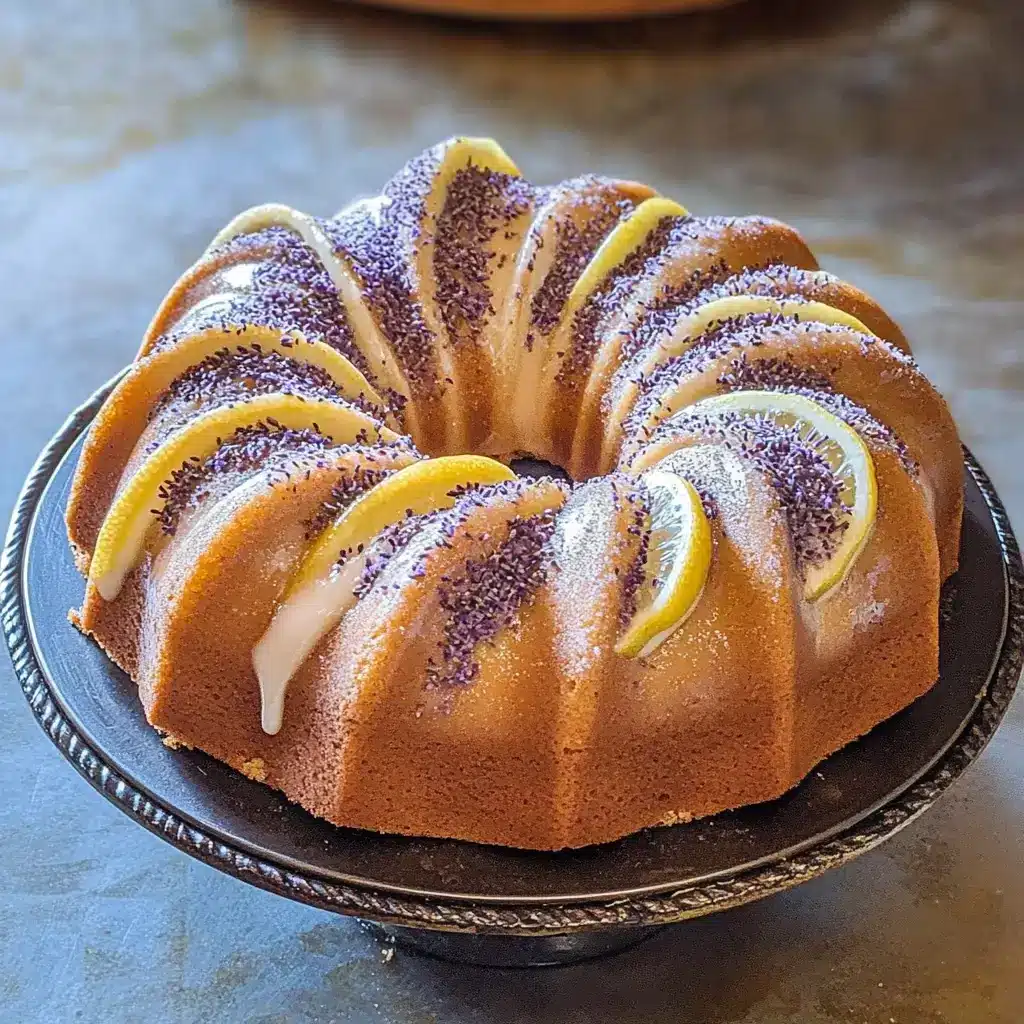
From the moment the aroma of lemon zest and sweet lavender filled my kitchen, I knew this Lemon Lavender Bundt Cake was going to be something special. My family, usually quite reserved with their dessert enthusiasm, devoured this cake with surprising speed, each slice disappearing faster than the last. The delicate balance of bright citrus and floral lavender, combined with the moist, tender crumb of the cake, created a truly unforgettable treat. It’s the kind of cake that feels both sophisticated and comforting, perfect for a special occasion yet simple enough for a weekend baking project. If you’re looking for a cake that will impress your guests and become a new family favorite, look no further. This Lemon Lavender Bundt Cake is a guaranteed winner.
This comprehensive guide will walk you through every step, from selecting the right ingredients to serving the perfect slice. We’ll delve into the science behind the techniques, answer your most pressing questions, and provide tips to ensure your baking success. Prepare to create not just a cake, but an experience.
Ingredients
This recipe calls for readily available ingredients, ensuring you can easily recreate this delightful cake in your own kitchen. We’ve focused on using fresh, high-quality ingredients to maximize the flavor and texture of the final product. Understanding the role of each component is the first step toward baking perfection.
For the Cake:
- All-Purpose Flour: 3 cups (375g), plus more for dusting the pan. All-purpose flour is the workhorse of the kitchen, providing the ideal structure for this Bundt cake. It has a moderate protein content that builds a strong enough crumb to hold the cake’s shape without making it tough. For an even more tender cake, you could substitute cake flour, but all-purpose flour delivers a wonderfully satisfying, moist texture that we love.
- Granulated Sugar: 2 cups (400g). Beyond simple sweetness, sugar plays a critical scientific role. It tenderizes the cake by interfering with gluten development and helps create a moist crumb by attracting and holding onto water. It’s also essential for achieving that beautiful golden-brown crust through the Maillard reaction during baking.
- Baking Powder: 3 teaspoons. As our primary leavening agent, baking powder is a mixture of an acid and a base that reacts when mixed with liquid and exposed to heat. This reaction releases carbon dioxide gas, creating thousands of tiny bubbles in the batter that lift the cake, making it light, airy, and voluminous.
- Salt: 1 teaspoon. Salt is a flavor powerhouse. In sweet recipes, it doesn’t make the cake salty; instead, it sharpens and enhances the other flavors. It provides a crucial balance to the sweetness of the sugar and the tartness of the lemon, making the overall flavor profile more complex and satisfying.
- Unsalted Butter: 1 cup (2 sticks, 227g), softened to room temperature. The star of any good butter cake. Using softened, room temperature butter is non-negotiable. It allows the butter to cream properly with the sugar, incorporating air pockets that are fundamental to a light texture. Using unsalted butter gives you complete control over the salt content of your final product.
- Eggs: 4 large, at room temperature. Eggs are multitaskers in baking. Their yolks add fat, richness, and color, while the whites provide protein for structure. Room temperature eggs are crucial because they emulsify more easily and efficiently into the batter, creating a smooth, stable mixture and contributing to a more uniform crumb.
- Whole Milk: 1 cup (240ml). Milk provides moisture and richness to the cake. We recommend whole milk because its higher fat content contributes to a softer, more tender crumb and a richer flavor. If you only have lower-fat milk, it will work, but the final texture may be slightly less decadent.
- Pure Vanilla Extract: 2 teaspoons. Vanilla is a background flavor that elevates everything around it. It adds a layer of warm, aromatic complexity that beautifully complements both the bright lemon and the floral lavender. Use pure vanilla extract for the best, most authentic flavor.
- Fresh Lemon Zest: 2 tablespoons (from about 2 large lemons). The zest is where the lemon’s essential oils are concentrated, providing an intense, bright citrus aroma and flavor without the harsh acidity of the juice alone. Be sure to zest only the yellow outer peel, avoiding the bitter white pith underneath.
- Fresh Lemon Juice: 1/4 cup (60ml). Freshly squeezed lemon juice adds a necessary acidic tang that cuts through the richness of the butter and sugar. It also reacts with the baking powder to give the leavening an extra boost, contributing to a lighter cake.
- Culinary Lavender Buds: 2 tablespoons, dried. This is the signature ingredient. It is imperative to use culinary-grade lavender, which is grown specifically for consumption and has a sweeter, less medicinal flavor than ornamental varieties. You can find it in specialty food stores, farmers’ markets, or online.
For the Lavender Lemon Glaze:
- Powdered Sugar: 3 cups (360g). Also known as confectioners’ sugar, this ultra-fine sugar dissolves instantly, forming the smooth, sweet base of our glaze. Sifting it before use is recommended to remove any lumps.
- Fresh Lemon Juice: 1/4 cup (60ml), plus more as needed. The lemon juice not only thins the glaze to a perfect drizzling consistency but also reinforces the cake’s bright citrus flavor, creating a harmonious taste from the inside out.
- Culinary Lavender Buds: 1 teaspoon, dried (optional, for visual appeal). Sprinkling a few lavender buds into the finished glaze adds a beautiful, rustic visual element and a subtle hint of lavender aroma, signaling the flavors within.
Instructions
Follow these step-by-step instructions carefully to bake a perfect Lemon Lavender Bundt Cake. Baking is a science, and precision in measurements and techniques will ensure the best results. Take your time and enjoy the process.
Step 1: Preheat Oven and Prepare Bundt Pan
- Preheat your oven to 350°F (175°C). Place an oven rack in the middle position to ensure even heat circulation around the cake. An accurate oven temperature is one of the most critical factors in successful baking. If you suspect your oven runs hot or cold, use a separate oven thermometer to verify the temperature.
- Generously grease and flour a 10-inch Bundt pan. This step is absolutely crucial for a clean release. Bundt pans are notorious for their intricate designs, which can easily trap cake. Use a baking spray that contains flour for the easiest method. Alternatively, use a pastry brush to apply a thin, even layer of softened butter or shortening to every single nook, cranny, and crevice. Then, add a few tablespoons of flour, tilt and tap the pan to coat all greased surfaces, and then invert the pan over the sink or trash to tap out all the excess flour.
Step 2: Combine Dry Ingredients
- In a large mixing bowl, whisk together the 3 cups of all-purpose flour, 2 cups of granulated sugar, 3 teaspoons of baking powder, and 1 teaspoon of salt. Whisking for at least 30 seconds serves the same purpose as sifting—it aerates the ingredients and ensures the baking powder and salt are evenly distributed. This simple action prevents dense spots or pockets of salt in your finished cake and is key to a consistent rise.
Step 3: Cream Butter and Sugar
- In a separate large mixing bowl (or the bowl of a stand mixer fitted with the paddle attachment), place the 1 cup of softened butter. Beat on medium speed for about a minute until it’s smooth and creamy. Add the 2 cups of granulated sugar and cream them together until light and fluffy. This is perhaps the most important mechanical step in the recipe. The sharp sugar crystals cut into the butter, creating thousands of microscopic air pockets. This process, which should take at least 3-5 minutes on medium-high speed, is what gives the cake its fine, tender crumb. The mixture should become visibly paler in color and increase in volume. Scrape down the sides and bottom of the bowl occasionally with a spatula to ensure everything is evenly creamed.
Step 4: Add Eggs Gradually
- Beat in the 4 large, room temperature eggs one at a time, making sure to incorporate each egg fully before adding the next. This methodical addition is key to maintaining a stable emulsion. Adding them all at once can shock the butter-sugar mixture, causing it to separate or “curdle.” A stable emulsion results in a finer, more tender cake. Beat for about 30 seconds after each egg addition and scrape the bowl down after the last egg is incorporated.
Step 5: Incorporate Wet Ingredients and Flavorings
- In a small bowl or liquid measuring cup, whisk together the 1 cup of whole milk, 2 teaspoons of vanilla extract, 2 tablespoons of lemon zest, and 1/4 cup of lemon juice. Combining these wet ingredients beforehand ensures the zest and flavorings are distributed evenly throughout the batter.
- With your mixer on low speed, add the dry ingredients to the butter mixture in three additions, alternating with the wet ingredients in two additions. Begin and end with the dry ingredients. This classic alternating method prevents the batter from being overworked. Start by adding about one-third of the dry mixture, mixing until just combined. Add half of the milk mixture, mixing until just combined. Repeat this pattern, ending with the final third of the dry ingredients. Mix only until the last streaks of flour disappear. Overmixing at this stage will develop gluten, leading to a tough, dense cake.
- Gently fold in the 2 tablespoons of culinary lavender buds using a spatula. Folding helps to distribute them evenly without overmixing the batter or bruising the delicate buds, which can release bitter notes.
Step 6: Bake the Cake
- Carefully pour the finished batter into your meticulously prepared Bundt pan. Use your spatula to spread the batter evenly and smooth the top surface. Gently tap the pan on the counter a few times to release any large air bubbles.
- Bake in the preheated 350°F (175°C) oven for 40-50 minutes. Baking times can vary based on your oven’s true temperature and the color and material of your Bundt pan (darker pans bake faster). Start checking for doneness at the 40-minute mark. The cake is done when a long wooden skewer or cake tester inserted into the thickest part of the cake comes out clean or with a few moist crumbs attached (but no wet batter). The top should be golden brown and spring back when lightly pressed.
- Let the cake cool in the pan on a wire rack for exactly 10-15 minutes. Do not rush this step. This brief cooling period allows the cake’s structure to set, making it firm enough to be inverted without breaking. If you wait too long, the sugars may begin to harden and stick to the pan. After 10-15 minutes, place a wire rack on top of the pan and confidently invert them both. The cake should release cleanly. Let it cool completely on the rack, which will take at least an hour.
Step 7: Prepare the Lavender Lemon Glaze
- While the cake is cooling, prepare the glaze. In a medium bowl, whisk together the 3 cups of sifted powdered sugar and the 1/4 cup of fresh lemon juice. Whisk vigorously until the mixture is completely smooth and free of lumps. Check the consistency. It should be thick but pourable. If it’s too thick, add more lemon juice, 1 teaspoon at a time. If it’s too thin, add more powdered sugar, 1 tablespoon at a time.
- If desired, stir the optional 1 teaspoon of culinary lavender buds into the glaze for a beautiful speckled appearance.
Step 8: Glaze the Cooled Cake
- Ensure the cake is completely cool to the touch before glazing. If the cake is even slightly warm, the glaze will melt and run right off, becoming a thin, transparent mess instead of an opaque, beautiful coating. Place the cooled cake on its serving platter or keep it on the wire rack with a piece of parchment paper underneath to catch drips. Drizzle the lavender lemon glaze evenly over the top, letting it run down the sides in luscious drips.
- Allow the glaze to set for at least 20-30 minutes before slicing and serving. This allows it to firm up slightly.
Step 9: Serve and Enjoy!
- Slice the stunning Lemon Lavender Bundt Cake and serve it to your delighted guests and family. This cake is a celebration of flavor and a testament to the joys of home baking.
Nutrition Facts
Please note that the following nutrition information is an estimate calculated using an online nutrition calculator. The actual values can vary significantly based on the specific brands of ingredients used, exact portion sizes, and any substitutions made.
- Servings: Approximately 12-16 servings
- Calories per serving: Approximately 450-550 calories (based on 12 servings)
Approximate Nutritional Breakdown per Serving (Estimated):
- Calories: 480 kcal
- Fat: 22g
- Saturated Fat: 13g
- Cholesterol: 115mg
- Sodium: 240mg
- Carbohydrates: 65g
- Sugar: 45g
- Protein: 5g
For the most precise nutritional information, we recommend using an online recipe calculator and inputting your exact ingredients and quantities.
Preparation Time
- Prep time: 25-30 minutes (This includes gathering and measuring ingredients, preparing the pan, and mixing the batter.)
- Bake time: 40-50 minutes
- Cooling time: 1.5 hours (This includes 15 minutes in the pan and at least 1 hour on the rack for complete cooling.)
- Total time: Approximately 2 hours and 45 minutes
This timeline ensures a relaxed, successful baking experience. Do not rush the cooling time, as it is essential for both the cake’s structure and the proper application of the glaze.
How to Serve
This elegant Lemon Lavender Bundt Cake is wonderfully versatile. Its sophisticated flavor profile makes it suitable for a wide range of occasions, from casual afternoon tea to a formal holiday dessert table.
Serving Suggestions:
- Simply Elegant: The cake is a showstopper on its own. A simple slice served on a dessert plate is all that’s needed to impress.
- With Fresh Berries: The tartness of fresh raspberries, blueberries, or sliced strawberries provides a beautiful color and flavor contrast that complements the lemon and lavender notes perfectly.
- With a Dollop of Cream: A spoonful of lightly sweetened whipped cream or tangy crème fraîche adds a luxurious, creamy element that balances the cake’s sweetness.
- A La Mode: For an indulgent dessert, serve a warm slice (gently reheated) with a scoop of high-quality vanilla bean ice cream or a bright lemon sorbet. The temperature and texture contrast is divine.
Perfect Pairings:
- Herbal Tea: Enhance the cake’s floral notes by serving it alongside a cup of Earl Grey, chamomile, or even a simple lavender tea.
- Coffee or Espresso: The bright, zesty lemon cuts through the richness of a strong coffee or a shot of espresso, making for a delightful pairing.
Presentation Tips:
- Use a Cake Stand: Elevate your cake—literally and figuratively—by presenting it on a beautiful cake stand. It instantly becomes the centerpiece of your dessert spread.
- Garnish with Lavender Sprigs: Place a few fresh or dried lavender sprigs in the center hole of the Bundt cake or around the base on the platter for an aromatic and visually stunning garnish.
- Add Lemon Twists or Slices: A few thinly sliced lemon twists or rounds arranged on top or around the cake reinforces the primary flavor and adds a pop of vibrant color.
- Sprinkle with Edible Flowers: For a truly special occasion like a spring brunch or garden party, garnish with edible flowers like pansies, violas, or borage blossoms.
Additional Tips for Baking Success
Achieve a flawless Bundt cake every time by keeping these five essential tips in mind. They address the most common baking challenges and will elevate your results from good to great.
- Measure Ingredients by Weight for Ultimate Accuracy: While our recipe provides volume measurements (cups), using a digital kitchen scale for weight measurements (grams) is the professional standard for a reason. It is far more accurate than measuring by volume, which can vary depending on how you scoop your flour. Accurate measurements are the foundation of consistent and reliable baking results.
- Master the Art of Room Temperature Ingredients: The importance of room temperature butter and eggs cannot be overstated. Softened butter (cool to the touch but yields to gentle pressure) and room temperature eggs create a much smoother, more stable emulsion. This traps air more effectively, leading directly to a lighter, fluffier, and more tender cake with a uniform crumb. To quickly bring eggs to room temperature, place them in a bowl of warm (not hot) water for 5-10 minutes.
- Do Not Overmix the Batter: This is the most common mistake in cake baking. Once you begin alternating the wet and dry ingredients, you are activating the gluten in the flour. Mix on low speed and only until the last streaks of flour have disappeared. Overmixing will overdevelop the gluten, resulting in a cake that is tough, rubbery, and dense.
- Respect the Cooling Process: The two-stage cooling process is critical for Bundt cakes. The initial 10-15 minutes of cooling in the pan allows the cake’s structure to set just enough to prevent it from breaking upon release. Cooling completely on a wire rack allows air to circulate all around the cake, preventing the bottom from becoming soggy and ensuring it’s the perfect temperature for glazing.
- Know Your Oven: Every oven is different. An inexpensive oven thermometer will tell you your oven’s true temperature, which may be different from what the dial says. Knowing if your oven runs hot or cold allows you to adjust the temperature or baking time accordingly, preventing an underbaked or burnt cake. Start checking for doneness 5-10 minutes before the recipe suggests.
Frequently Asked Questions (FAQ)
Here are answers to some of the most common questions about making this Lemon Lavender Bundt Cake.
Q1: Can I use lavender extract instead of lavender buds?
A: While you can, fresh or dried culinary lavender buds are highly recommended for their authentic, nuanced floral flavor. Lavender extract can be very potent and sometimes has an artificial or “soapy” taste if not used sparingly. If you must use extract, start with a tiny amount—no more than 1/4 teaspoon for the entire batter. Taste the batter before baking and add more only if absolutely necessary. The flavor from buds is gentler and more complex.
Q2: I don’t have a Bundt pan. Can I use a different type of pan?
A: Yes, you can adapt this recipe for other pans, though the iconic Bundt shape is part of its charm. This batter will fit in a 9×13 inch rectangular pan or two 9-inch round cake pans. The baking time will be shorter. For a 9×13 inch pan, begin checking for doneness around 30-35 minutes. For two 9-inch round pans, start checking around 25-30 minutes. Always use the skewer test to confirm doneness.
Q3: Can I make this cake gluten-free?
A: Yes, you can make a gluten-free version of this cake. For the best results, substitute the all-purpose flour with a high-quality “cup-for-cup” or “1-to-1” gluten-free all-purpose flour blend. These blends are specifically formulated for baking and already contain xanthan gum or other binders to provide the structure that gluten normally would. Follow the recipe as written, but keep an eye on the batter’s consistency; you may need to add an extra tablespoon of milk if it seems overly thick.
Q4: How should I store leftover Lemon Lavender Bundt Cake?
A: Store any leftover cake in an airtight container or under a cake dome at room temperature for up to 3-4 days. Refrigeration can dry out the cake’s crumb, so it’s best to avoid it unless necessary. If you do refrigerate it, bring slices to room temperature before serving for the best flavor and texture. For longer storage, you can freeze individually wrapped slices in plastic wrap and then place them in a freezer-safe bag for up to 3 months. Thaw at room temperature.
Q5: My cake stuck to the Bundt pan. What did I do wrong?
A: This is the most common and frustrating Bundt cake problem. There are three likely culprits: 1) Improper Pan Preparation: You must be meticulous. Grease every single crevice with softened butter or shortening, then thoroughly flour it, tapping out the excess. A baking spray with flour included is a great, convenient option. 2) Inverting Too Soon or Too Late: Inverting the cake immediately from the oven will cause it to fall apart. Waiting too long (over 20-25 minutes) allows the sugars to cool and essentially glue the cake to the pan. The 10-15 minute window is the sweet spot. 3) Underbaking: An underbaked cake is too fragile to release cleanly. Ensure your cake is fully baked using the skewer test. If it still sticks, try gently running a thin, flexible offset spatula around the outer and inner edges before inverting.