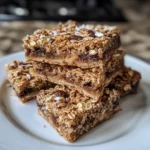



There are certain smells that instantly transport you to a place of comfort, warmth, and pure, unadulterated joy. For me, the scent of lemon poppy seed bread baking in the oven is high on that list. It’s a fragrance that promises brightness even on the gloomiest days, a cheerful blend of zesty citrus and nutty poppy seeds wrapped in the comforting aroma of a perfectly baked treat. I remember the first time I truly nailed this recipe; the kitchen filled with that incredible perfume, and my family gathered around, drawn by the promise of something delicious. When I finally sliced into the cooled loaf, revealing the beautifully speckled, moist crumb beneath a glistening lemon glaze, the anticipation was palpable. The verdict? Unanimous approval. It wasn’t just bread; it was an experience – the tender crumb melting in the mouth, the tiny crunch of the poppy seeds, the tangy sweetness of the lemon glaze hitting just the right note. It became an instant staple, requested for lazy weekend breakfasts, afternoon tea breaks, and even simple weeknight desserts. This isn’t just a lemon poppy seed bread recipe; it’s the recipe that brings sunshine into my kitchen and smiles to the faces of everyone who takes a bite. It’s surprisingly straightforward, yet yields results that taste like they came straight from a high-end bakery. Prepare to fall in love with baking all over again.
The Ultimate Lemon Poppy Seed Bread Recipe
This recipe is designed for maximum flavor and a consistently moist, tender crumb. We’re using simple ingredients combined in a way that elevates them into something truly special. The balance of tart lemon, earthy poppy seeds, and just the right amount of sweetness makes this quick bread incredibly versatile and universally loved. Get ready to create your own slice of sunshine!
Ingredients You’ll Need
Here’s what you’ll need to gather to create this delightful loaf. Using high-quality, fresh ingredients will make a noticeable difference in the final taste and texture.
For the Lemon Poppy Seed Bread:
- 1 ½ cups (190g) All-Purpose Flour: The structural foundation of our bread. Spoon and level the flour for accuracy; packing it in can lead to a dry loaf.
- 2 teaspoons Baking Powder: Our primary leavening agent, responsible for giving the bread its beautiful rise and light texture. Ensure your baking powder is fresh for optimal lift.
- ½ teaspoon Salt: Crucial for balancing the sweetness and enhancing all the other flavors, especially the lemon.
- 1 cup (200g) Granulated Sugar: Provides sweetness, contributes to browning, and helps create a tender crumb.
- 2 Tablespoons Poppy Seeds: These little gems add a delightful, subtle crunch and a unique nutty flavor that pairs perfectly with lemon.
- Zest of 2 Large Lemons (about 2 tablespoons): This is where the intense, bright lemon flavor comes from. Don’t skimp on the zest! Use a microplane or fine grater, avoiding the bitter white pith.
- ½ cup (113g) Unsalted Butter, Melted: Adds richness, flavor, and moisture. Melting it ensures easy incorporation and contributes to a tender texture. Using unsalted butter allows you to control the salt content precisely.
- 2 Large Eggs, Room Temperature: Act as binders, add richness, and contribute to the structure. Room temperature eggs incorporate more easily and evenly into the batter.
- ½ cup (120ml) Sour Cream or Plain Full-Fat Yogurt, Room Temperature: This is key for a moist, tender crumb and adds a subtle tang that complements the lemon beautifully. Room temperature ensures it mixes smoothly. Buttermilk can also be substituted.
- ¼ cup (60ml) Freshly Squeezed Lemon Juice (from the 2 zested lemons): Adds moisture and reinforces the bright, tangy lemon flavor throughout the bread. Fresh juice is far superior to bottled.
- 1 teaspoon Vanilla Extract: Rounds out the flavors and adds a warm background note.
For the Lemon Glaze (Optional but Highly Recommended):
- 1 cup (120g) Powdered Sugar (Confectioners’ Sugar), Sifted: Forms the base of our sweet, tangy glaze. Sifting prevents lumps for a smooth finish.
- 2-3 Tablespoons Freshly Squeezed Lemon Juice: Provides the liquid and the sharp lemon tang for the glaze. Start with 2 tablespoons and add more only if needed to reach desired consistency.
- Optional: ½ teaspoon Lemon Zest: For an extra pop of lemon flavor and visual appeal in the glaze.
Step-by-Step Baking Instructions
Follow these instructions carefully for a foolproof Lemon Poppy Seed Bread every time. Baking is as much science as art, and precision helps ensure success!
- Preheat and Prepare: Preheat your oven to 350°F (175°C). Grease and flour a standard 8.5 x 4.5 inch or 9 x 5 inch loaf pan thoroughly. Alternatively, line the pan with parchment paper, leaving an overhang on the longer sides for easy removal later. This parchment paper sling is highly recommended.
- Combine Dry Ingredients: In a large bowl, whisk together the all-purpose flour, baking powder, and salt. Whisking aerates the flour and ensures the leavening agent and salt are evenly distributed, which is crucial for a consistent texture and rise.
- Combine Sugar, Zest, and Poppy Seeds: In a separate medium bowl, add the granulated sugar. Add the fresh lemon zest and the poppy seeds to the sugar. Use your fingers to rub the zest and poppy seeds into the sugar. This action releases the oils from the zest, infusing the sugar with intense lemon flavor and ensuring the poppy seeds are well distributed. You should smell a wonderful lemon fragrance!
- Mix Wet Ingredients: To the sugar mixture, add the melted (and slightly cooled) unsalted butter, room temperature eggs, room temperature sour cream (or yogurt), freshly squeezed lemon juice, and vanilla extract. Whisk these wet ingredients together until they are thoroughly combined and smooth. Ensure the eggs are fully incorporated.
- Combine Wet and Dry: Pour the wet ingredients into the large bowl containing the dry ingredients. Using a rubber spatula or wooden spoon, fold the ingredients together just until combined. Be very careful not to overmix. Some lumps are perfectly okay. Overmixing develops the gluten in the flour, which can lead to a tough, dense, or rubbery bread instead of a tender, moist crumb. Stop mixing as soon as you no longer see large streaks of dry flour.
- Transfer to Pan: Gently pour the batter into the prepared loaf pan. Spread it evenly with the spatula, ensuring it reaches the corners. If desired, you can gently tap the pan on the counter a couple of times to release any large air bubbles.
- Bake: Place the loaf pan in the center rack of the preheated oven. Bake for 50-60 minutes, or until a wooden skewer or toothpick inserted into the center of the loaf comes out clean or with just a few moist crumbs attached (no wet batter). Baking times can vary slightly depending on your oven and loaf pan size/material. Start checking around the 45-50 minute mark. If the top starts browning too quickly before the center is cooked, you can loosely tent the loaf with aluminum foil for the remaining baking time.
- Cool: Once baked, remove the loaf pan from the oven and place it on a wire rack to cool for 15-20 minutes. This initial cooling in the pan allows the bread to set further. After 15-20 minutes, carefully use the parchment paper overhangs (if used) or invert the pan to remove the loaf and place it directly onto the wire rack to cool completely. Cooling completely is essential before glazing, otherwise the glaze will just melt and slide off. This can take 1-2 hours. Patience here results in a better final product!
- Prepare the Glaze (While Bread Cools): In a small bowl, whisk together the sifted powdered sugar and 2 tablespoons of fresh lemon juice. If you want a thicker glaze, add less juice; for a thinner glaze, add a little more juice, about ½ teaspoon at a time, until you reach your desired pouring consistency. Whisk until smooth and lump-free. Stir in the optional ½ teaspoon of lemon zest if using.
- Glaze and Serve: Once the lemon poppy seed bread is completely cool, place the wire rack over a piece of parchment paper or a baking sheet (to catch drips). Drizzle the glaze evenly over the top of the loaf, letting it drip down the sides. Allow the glaze to set for about 15-20 minutes before slicing and serving. Enjoy your homemade masterpiece!
Nutritional Information (Estimated)
Understanding the nutritional content can be helpful. Please note that these values are estimates and can vary based on specific ingredients used (e.g., type of yogurt/sour cream, exact size of eggs) and final slice size.
- Servings: This recipe typically yields 10-12 standard slices.
- Calories Per Serving (Approximate): Around 300-350 kcal per slice (based on 12 slices).
This bread is a delightful treat, offering carbohydrates for energy, some fat from the butter and sour cream, and protein from the eggs. While delicious, it’s best enjoyed in moderation as part of a balanced diet.
Preparation and Baking Time
Planning your baking session is easier when you know the time commitment involved.
- Preparation Time: Approximately 15-20 minutes (gathering ingredients, mixing batter, preparing the pan).
- Baking Time: 50-60 minutes.
- Cooling Time: 15-20 minutes in the pan, plus 1-2 hours completely on a wire rack (essential before glazing).
- Glazing and Setting Time: Approximately 5 minutes to mix and apply glaze, plus 15-20 minutes for it to set.
Total Time (Start to Finish, Ready to Eat): Approximately 2.5 – 3.5 hours (including cooling and setting time). The active “hands-on” time is only about 20-25 minutes.
How to Serve Your Lemon Poppy Seed Masterpiece
This Lemon Poppy Seed Bread is wonderfully versatile and delicious in many different ways. Here are some serving suggestions:
- Simply Sliced: Enjoy a slice as is, at room temperature. The balance of flavors and textures shines through perfectly on its own.
- Warmed Up: Gently warm a slice in the microwave for 10-15 seconds or toast it lightly in a toaster oven. This enhances the aroma and slightly melts the glaze – pure comfort!
- With Butter: A classic pairing. Spread a thin layer of softened salted or unsalted butter on a slice (especially delicious if the slice is warm).
- Alongside Tea or Coffee: It makes the perfect companion for your morning coffee or afternoon tea break. The citrus notes complement both beautifully.
- As a Light Dessert: Serve a slice with a dollop of whipped cream, a scoop of vanilla bean ice cream, or some fresh berries (like raspberries or blueberries) for an elegant yet simple dessert.
- Part of a Brunch Spread: Include it on a brunch buffet alongside fruit salad, yogurt, eggs, and other pastries. Its bright flavor is always a welcome addition.
- With Cream Cheese: A tangy cream cheese spread offers a lovely contrast to the sweet glaze and lemon bread.
- Toasted with Jam: Lightly toast a slice and top with your favorite jam – raspberry or strawberry jam works particularly well with the lemon flavor.
Pro Tips for Perfect Lemon Poppy Seed Bread Every Time
Elevate your baking game with these essential tips for ensuring your Lemon Poppy Seed Bread turns out flawlessly moist, flavorful, and beautiful every single time.
- Room Temperature Ingredients are Key: This is especially important for the eggs and sour cream (or yogurt). Ingredients at room temperature emulsify better, creating a smoother, more uniform batter. This translates to a lighter, more tender crumb and prevents the melted butter from re-solidifying when mixed. Take eggs and sour cream out of the fridge about 30-60 minutes before you start baking.
- Measure Flour Correctly: How you measure flour significantly impacts the bread’s texture. Avoid scooping directly from the bag, which compacts the flour. Instead, use the “spoon and level” method: Fluff the flour in its container, gently spoon it into your measuring cup until it overflows, then sweep the excess off with the back of a knife. This prevents adding too much flour, which is the most common cause of dry, dense quick breads.
- Don’t Overmix the Batter: This tip cannot be stressed enough for quick breads. Mix the wet and dry ingredients only until they are just combined. A few small lumps are fine and expected. Overmixing develops gluten strands, leading to a tough, chewy texture instead of the desired tender, melt-in-your-mouth crumb. Fold gently with a spatula and stop as soon as the major streaks of flour disappear.
- Maximize Lemon Flavor: To get the most vibrant lemon taste, use both fresh lemon zest and fresh lemon juice. Bottled juice lacks the brightness and complexity of fresh. Rubbing the zest into the sugar before adding wet ingredients (as described in the instructions) is a fantastic technique to release the aromatic oils directly into the sweet base of the bread. Use a microplane for fine zest without the bitter white pith.
- Cool Completely Before Glazing and Slicing: Patience is crucial after baking. Let the bread cool in the pan for 15-20 minutes, then transfer it to a wire rack to cool completely (at least 1-2 hours). Glazing a warm loaf will cause the glaze to melt and become thin and runny, absorbing into the bread rather than forming a distinct layer. Slicing warm quick bread can also lead to a gummy texture and crumbling. Complete cooling allows the crumb structure to set properly.
Frequently Asked Questions (FAQ)
Here are answers to some common questions about making Lemon Poppy Seed Bread:
- Q: Can I make muffins instead of a loaf?
- A: Absolutely! This batter works wonderfully for muffins. Grease and flour a standard 12-cup muffin tin or line it with paper liners. Fill each cup about two-thirds full with batter. Baking time will be significantly shorter, typically around 18-22 minutes at 350°F (175°C). Check for doneness using the toothpick test in the center of a muffin. You can glaze the cooled muffins just like the loaf.
- Q: How should I store leftover Lemon Poppy Seed Bread?
- A: Store the completely cooled bread in an airtight container at room temperature for up to 3-4 days. Storing it in the refrigerator can actually dry it out faster due to the retrogradation of starch. If you need to store it longer, freezing is the best option.
- Q: Can I freeze this bread?
- A: Yes, this bread freezes beautifully! Let it cool completely first. You can freeze the whole loaf or individual slices. For best results, freeze it before glazing. Wrap the unglazed loaf tightly in plastic wrap, then wrap it again in aluminum foil or place it in a freezer-safe zip-top bag. It can be frozen for up to 3 months. Thaw overnight at room temperature on the counter. Once thawed, you can prepare and add the glaze just before serving. Individual slices can be thawed quickly at room temperature or gently warmed.
- Q: Why did my bread turn out dry or dense?
- A: The most common culprits for dry or dense quick bread are:
- Overmixing the batter: Developing too much gluten makes it tough. Mix only until combined.
- Measuring flour incorrectly: Adding too much flour (scooping directly from the bag) absorbs too much moisture. Use the spoon and level method.
- Overbaking: Baking for too long dries out the bread. Start checking for doneness a bit earlier than the recipe states, as ovens vary. The toothpick should come out clean or with moist crumbs, not wet batter.
- Not enough fat or moisture: Ensure you’re using the correct amounts of butter, sour cream/yogurt, and lemon juice. Using low-fat substitutes can sometimes affect moisture.
- A: The most common culprits for dry or dense quick bread are:
- Q: Can I use bottled lemon juice instead of fresh?
- A: While you technically can, using freshly squeezed lemon juice is highly recommended for the best flavor. Fresh juice has a brighter, more vibrant, and less harsh taste than bottled juice, which often contains preservatives that affect the flavor profile. Since lemon is the star here, using fresh juice (and especially fresh zest, which is essential) makes a significant difference in the final quality of your bread. You’ll need the zest anyway, so juicing those same lemons is easy!

Lemon Poppy Seed Bread Recipe
Ingredients
For the Lemon Poppy Seed Bread:
- 1 ½ cups (190g) All-Purpose Flour: The structural foundation of our bread. Spoon and level the flour for accuracy; packing it in can lead to a dry loaf.
- 2 teaspoons Baking Powder: Our primary leavening agent, responsible for giving the bread its beautiful rise and light texture. Ensure your baking powder is fresh for optimal lift.
- ½ teaspoon Salt: Crucial for balancing the sweetness and enhancing all the other flavors, especially the lemon.
- 1 cup (200g) Granulated Sugar: Provides sweetness, contributes to browning, and helps create a tender crumb.
- 2 Tablespoons Poppy Seeds: These little gems add a delightful, subtle crunch and a unique nutty flavor that pairs perfectly with lemon.
- Zest of 2 Large Lemons (about 2 tablespoons): This is where the intense, bright lemon flavor comes from. Don’t skimp on the zest! Use a microplane or fine grater, avoiding the bitter white pith.
- ½ cup (113g) Unsalted Butter, Melted: Adds richness, flavor, and moisture. Melting it ensures easy incorporation and contributes to a tender texture. Using unsalted butter allows you to control the salt content precisely.
- 2 Large Eggs, Room Temperature: Act as binders, add richness, and contribute to the structure. Room temperature eggs incorporate more easily and evenly into the batter.
- ½ cup (120ml) Sour Cream or Plain Full-Fat Yogurt, Room Temperature: This is key for a moist, tender crumb and adds a subtle tang that complements the lemon beautifully. Room temperature ensures it mixes smoothly. Buttermilk can also be substituted.
- ¼ cup (60ml) Freshly Squeezed Lemon Juice (from the 2 zested lemons): Adds moisture and reinforces the bright, tangy lemon flavor throughout the bread. Fresh juice is far superior to bottled.
- 1 teaspoon Vanilla Extract: Rounds out the flavors and adds a warm background note.
Instructions
- Preheat and Prepare: Preheat your oven to 350°F (175°C). Grease and flour a standard 8.5 x 4.5 inch or 9 x 5 inch loaf pan thoroughly. Alternatively, line the pan with parchment paper, leaving an overhang on the longer sides for easy removal later. This parchment paper sling is highly recommended.
- Combine Dry Ingredients: In a large bowl, whisk together the all-purpose flour, baking powder, and salt. Whisking aerates the flour and ensures the leavening agent and salt are evenly distributed, which is crucial for a consistent texture and rise.
- Combine Sugar, Zest, and Poppy Seeds: In a separate medium bowl, add the granulated sugar. Add the fresh lemon zest and the poppy seeds to the sugar. Use your fingers to rub the zest and poppy seeds into the sugar. This action releases the oils from the zest, infusing the sugar with intense lemon flavor and ensuring the poppy seeds are well distributed. You should smell a wonderful lemon fragrance!
- Mix Wet Ingredients: To the sugar mixture, add the melted (and slightly cooled) unsalted butter, room temperature eggs, room temperature sour cream (or yogurt), freshly squeezed lemon juice, and vanilla extract. Whisk these wet ingredients together until they are thoroughly combined and smooth. Ensure the eggs are fully incorporated.
- Combine Wet and Dry: Pour the wet ingredients into the large bowl containing the dry ingredients. Using a rubber spatula or wooden spoon, fold the ingredients together just until combined. Be very careful not to overmix. Some lumps are perfectly okay. Overmixing develops the gluten in the flour, which can lead to a tough, dense, or rubbery bread instead of a tender, moist crumb. Stop mixing as soon as you no longer see large streaks of dry flour.
- Transfer to Pan: Gently pour the batter into the prepared loaf pan. Spread it evenly with the spatula, ensuring it reaches the corners. If desired, you can gently tap the pan on the counter a couple of times to release any large air bubbles.
- Bake: Place the loaf pan in the center rack of the preheated oven. Bake for 50-60 minutes, or until a wooden skewer or toothpick inserted into the center of the loaf comes out clean or with just a few moist crumbs attached (no wet batter). Baking times can vary slightly depending on your oven and loaf pan size/material. Start checking around the 45-50 minute mark. If the top starts browning too quickly before the center is cooked, you can loosely tent the loaf with aluminum foil for the remaining baking time.
- Cool: Once baked, remove the loaf pan from the oven and place it on a wire rack to cool for 15-20 minutes. This initial cooling in the pan allows the bread to set further. After 15-20 minutes, carefully use the parchment paper overhangs (if used) or invert the pan to remove the loaf and place it directly onto the wire rack to cool completely. Cooling completely is essential before glazing, otherwise the glaze will just melt and slide off. This can take 1-2 hours. Patience here results in a better final product!
- Prepare the Glaze (While Bread Cools): In a small bowl, whisk together the sifted powdered sugar and 2 tablespoons of fresh lemon juice. If you want a thicker glaze, add less juice; for a thinner glaze, add a little more juice, about ½ teaspoon at a time, until you reach your desired pouring consistency. Whisk until smooth and lump-free. Stir in the optional ½ teaspoon of lemon zest if using.
- Glaze and Serve: Once the lemon poppy seed bread is completely cool, place the wire rack over a piece of parchment paper or a baking sheet (to catch drips). Drizzle the glaze evenly over the top of the loaf, letting it drip down the sides. Allow the glaze to set for about 15-20 minutes before slicing and serving. Enjoy your homemade masterpiece!
Nutrition
- Serving Size: One Normal Portion
- Calories: 300-350