
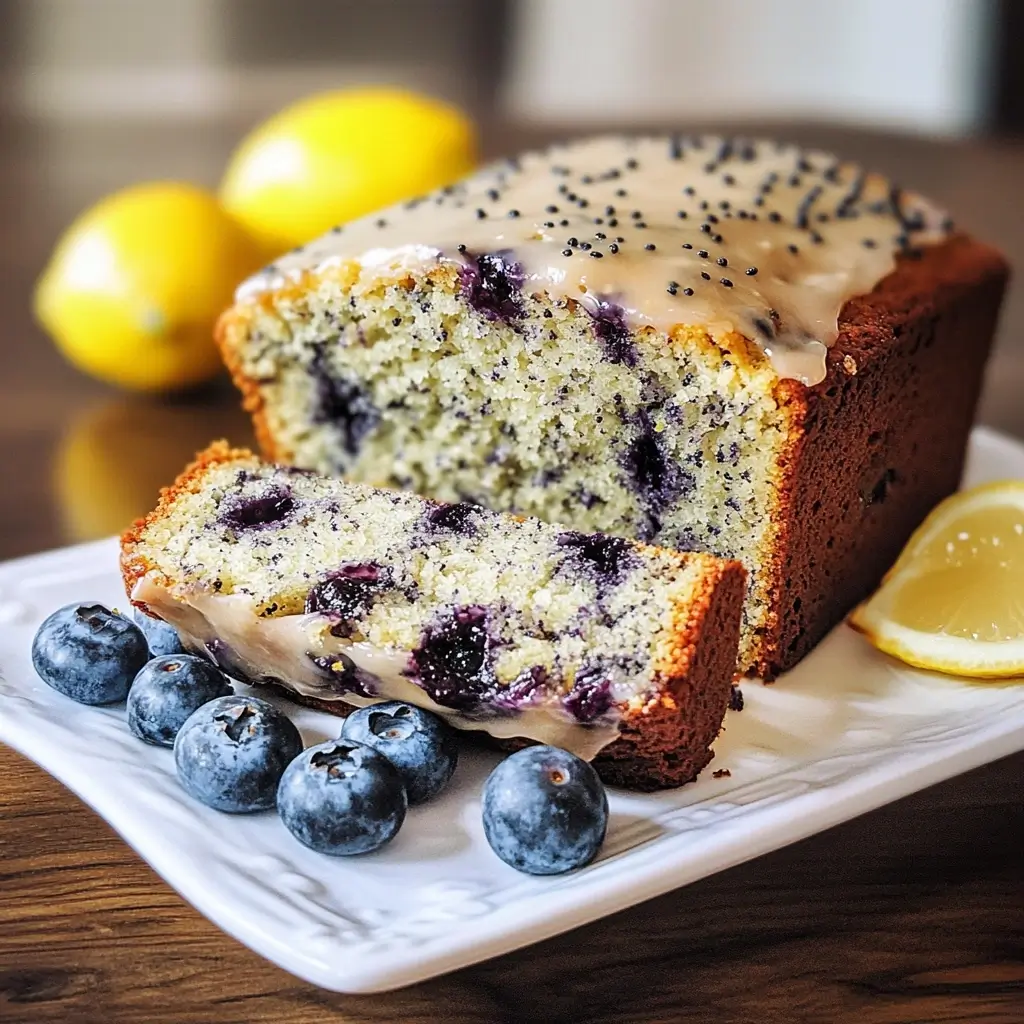

There’s something truly magical about the aroma of lemon baking in the oven. It fills the kitchen with a bright, zesty fragrance that instantly lifts your spirits. And when that lemon scent is paired with the delicate crunch of poppy seeds in a moist, tender cake, well, you’ve got pure sunshine on a plate. My family absolutely devoured this Lemon Poppy Seed Cake the moment it emerged from the oven. The kids, usually picky eaters, were clamoring for seconds, and my partner declared it the “best lemon cake” they’d ever tasted. The sweet-tart glaze drizzled over the top was the perfect finishing touch, adding an extra layer of lemony goodness that made each bite utterly irresistible. This recipe is a winner – simple to make, bursting with flavor, and guaranteed to brighten any day. If you’re looking for a cake that’s both impressive and effortless, look no further. This Lemon Poppy Seed Cake is about to become your new go-to recipe.
Ingredients
To create this incredibly flavorful and moist Lemon Poppy Seed Cake, you’ll need a collection of simple yet essential ingredients. Each component plays a vital role in achieving the perfect texture and taste. Let’s delve into each ingredient and understand its purpose in this delightful recipe:
- 2 cups All-Purpose Flour: The foundation of our cake, all-purpose flour provides the structure and body. It’s important to measure your flour correctly – spoon it into your measuring cup and level it off with a straight edge to avoid using too much, which can lead to a dry cake. For a slightly lighter texture, you can substitute a quarter cup of the all-purpose flour with cake flour, but all-purpose works beautifully for a reliably delicious result.
- 1.5 tsp Baking Powder: This leavening agent is crucial for creating a light and airy texture. Baking powder is a complete leavening agent, meaning it contains both an acid and a base, which react when moistened to produce carbon dioxide gas, causing the cake to rise. Ensure your baking powder is fresh for optimal results – old baking powder can lose its potency.
- 1 tsp Baking Soda: Baking soda, another leavening agent, works in tandem with baking powder to provide lift and lightness. In this recipe, baking soda reacts with the acidity from the lemon juice, further enhancing the rise and creating a tender crumb. Like baking powder, freshness is key for baking soda’s effectiveness.
- ¼ tsp Salt: Don’t underestimate the importance of salt in sweet baking! Salt enhances the flavors of all the other ingredients, balancing the sweetness and bringing out the bright lemon notes. It also plays a role in gluten development, contributing to the cake’s texture. Use fine sea salt or table salt for this recipe.
- 1 cup Cane Sugar: Cane sugar provides sweetness and moisture to the cake. It also contributes to the cake’s browning and tender texture. While granulated sugar is called for in the recipe, you can experiment with other sugars like coconut sugar for a slightly different flavor profile and a less refined option. However, for the classic lemon poppy seed cake flavor, cane sugar is ideal.
- 1 cup Fresh Blueberries (substitute with frozen blueberries): These juicy bursts of blueberry flavor are a delightful addition to the lemon poppy seed combination. Fresh blueberries are ideal when in season, adding a vibrant freshness. However, frozen blueberries work equally well and are convenient to keep on hand. If using frozen blueberries, do not thaw them before folding them into the batter to prevent them from bleeding color throughout the cake.
- 2 Tbsp Poppy Seeds: The star of the show! Poppy seeds provide a subtle nutty flavor and a delightful textural crunch that is characteristic of lemon poppy seed cake. Make sure your poppy seeds are fresh; they can become slightly rancid over time. Storing them in the refrigerator or freezer can help maintain their freshness.
- 1 Tbsp Chia Seeds: Chia seeds add a nutritional boost and contribute to the cake’s moisture and texture. When combined with liquid, chia seeds absorb moisture and create a gel-like consistency, acting as a natural binder and adding a subtle chewiness to the cake. They also provide a slight textural contrast alongside the poppy seeds.
- ½ cup Coconut Oil, Softened: Coconut oil adds a beautiful moistness and a subtle coconut aroma to the cake, complementing the lemon flavor without overpowering it. It’s crucial that the coconut oil is softened, not melted. Softened coconut oil should be easily pliable and similar in consistency to softened butter. If you don’t have coconut oil, you can substitute it with another neutral oil like vegetable oil or canola oil, or even softened butter for a richer flavor.
- 1 cup + 2 Tbsp Dairy-Free Milk (I used almond milk): Dairy-free milk, such as almond milk, provides moisture and helps to bind the ingredients together. Almond milk has a neutral flavor that works well in this recipe. You can also use other dairy-free milk options like soy milk, oat milk, or cashew milk. If you are not dairy-free, regular cow’s milk can be used as a direct substitute.
- 1 tsp Vanilla Extract: Vanilla extract enhances the overall flavor profile of the cake, adding a touch of warmth and complexity. Use pure vanilla extract for the best flavor, but imitation vanilla extract can be used in a pinch.
- 2 Small Lemons, Seeds Removed and Juiced: Fresh lemon juice is essential for the bright, zesty lemon flavor that defines this cake. Using freshly squeezed juice is far superior to bottled lemon juice in terms of flavor. Ensure you remove all seeds to avoid any bitterness. Two small lemons should yield approximately ¼ cup of juice, which is the perfect amount for this recipe.
- 1 Tbsp Lemon Zest: Lemon zest, the grated outer rind of the lemon, is where the most concentrated lemon flavor resides. It adds a potent burst of citrusy aroma and flavor that is essential for a truly lemony cake. Use a microplane or fine grater to zest the lemons, ensuring you only grate the yellow part and avoid the white pith underneath, which is bitter.
Lemon Glaze Ingredients:
- 1 cup Powdered Sugar or Confectioners Sugar, Sifted: Powdered sugar forms the base of our sweet and smooth lemon glaze. Sifting the powdered sugar ensures a lump-free glaze, resulting in a silky smooth texture.
- 1 tsp Lemon Juice: Fresh lemon juice adds the signature tartness to the glaze, complementing the sweetness of the powdered sugar and enhancing the overall lemon flavor of the cake.
- 1.5 tsp Dairy-Free Milk (add more to thin): Dairy-free milk, like almond milk, is used to thin the glaze to the desired consistency. Start with 1.5 tsp and add more gradually, a teaspoon at a time, until you reach a pourable yet slightly thick glaze that will drizzle beautifully over the cake.
Instructions
Creating this delightful Lemon Poppy Seed Cake is a simple and rewarding process. Follow these step-by-step instructions to bake your own moist and flavorful masterpiece:
Step 1: Preheat and Prepare
- Begin by preheating your oven to 350°F (176°C). Accurate oven temperature is crucial for even baking, so ensure your oven is properly calibrated.
- Prepare your 9 x 5 inch cake loaf pan. Line the pan with parchment paper, leaving an overhang on the sides. This parchment paper sling will make it incredibly easy to lift the baked cake out of the pan once it’s cooled. Set the prepared pan aside.
Step 2: Combine Dry Ingredients
- In a large mixing bowl, whisk together all the dry ingredients: 2 cups all-purpose flour, 1.5 tsp baking powder, 1 tsp baking soda, ¼ tsp salt, 1 cup cane sugar, 2 Tbsp poppy seeds, and 1 Tbsp chia seeds.
- Whisk these ingredients together thoroughly for about 30 seconds. This step not only combines the ingredients but also aerates the flour, contributing to a lighter cake texture. Ensuring the baking powder and baking soda are evenly distributed is essential for consistent rising throughout the cake.
Step 3: Incorporate Wet Ingredients
- Make a well in the center of the dry ingredients.
- Gradually pour in the wet ingredients: 1 cup + 2 Tbsp dairy-free milk (almond milk), ½ cup softened coconut oil, 1 tsp vanilla extract, and the juice of 2 small lemons (seeds removed).
- Begin mixing the wet and dry ingredients together using a spatula or a hand mixer on low speed. Start slowly to prevent the flour from puffing up and creating a mess.
Step 4: Mix the Batter (Don’t Overmix!)
- Mix the batter until just combined. This is a crucial step – do not overmix the batter. Overmixing develops the gluten in the flour, which can result in a tough and dense cake.
- Mix for only 20-30 seconds, or until the dry ingredients are just moistened and the batter is smooth and cohesive. A few streaks of flour are okay at this stage; they will be incorporated in the next step.
Step 5: Fold in Blueberries and Lemon Zest
- Gently fold in 1 cup of fresh blueberries (or frozen, unthawed) into the batter. Use a spatula and a light hand to fold them in, ensuring they are evenly distributed without breaking them.
- Add 1 Tbsp of lemon zest to the batter and fold it in as well. The lemon zest adds a potent burst of fresh lemon flavor.
Step 6: Bake the Cake
- Pour the prepared batter into the parchment-lined loaf pan, spreading it evenly.
- Bake in the preheated oven for 60 minutes, or until a toothpick inserted into the center of the cake comes out clean. Baking times can vary slightly depending on your oven, so it’s best to use the toothpick test to ensure the cake is fully baked.
- If the top of the cake starts to brown too quickly before the center is cooked through, you can loosely tent the loaf pan with aluminum foil for the remaining baking time.
Step 7: Cool the Cake
- Once baked, remove the cake from the oven and let it cool in the loaf pan for 30 minutes. This allows the cake to set and firm up slightly, making it easier to handle.
- After 30 minutes, use the parchment paper sling to carefully lift the cake out of the loaf pan and transfer it to a wire rack to cool completely. Cooling the cake completely before glazing is important to prevent the glaze from melting and running off.
Step 8: Prepare the Lemon Glaze
- While the cake is cooling, prepare the lemon glaze. In a medium bowl, combine 1 cup of sifted powdered sugar, 1 tsp lemon juice, and 1.5 tsp dairy-free milk (almond milk).
- Whisk the glaze ingredients together until smooth and creamy. If the glaze is too thick, add a tiny bit more dairy-free milk, a teaspoon at a time, until you reach your desired consistency. If it’s too thin, add a bit more sifted powdered sugar.
Step 9: Glaze and Set
- Once the cake is completely cooled (this is important!), drizzle the lemon glaze evenly over the top of the cake. You can use a spoon or a piping bag for drizzling.
- Allow the glaze to set and harden for at least 30 minutes before slicing and serving. This allows the glaze to become firm and adds a beautiful glossy finish to the cake.
Step 10: Serve and Enjoy!
- Slice the Lemon Poppy Seed Cake and serve. Enjoy the delightful combination of moist cake, crunchy poppy seeds, juicy blueberries, and tangy lemon glaze.
Storage:
- Leftovers: Store leftover Lemon Poppy Seed Cake in an airtight container at room temperature for up to 2 days.
- Freezing: For longer storage, wrap the cake tightly in plastic wrap and then in aluminum foil. Freeze for up to 1 month. Thaw overnight in the refrigerator before serving.
Nutrition Facts
(Estimated, per serving, based on 5 servings)
- Servings: 4-5
- Calories per serving: Approximately 450-550 calories (This is an estimate and can vary based on specific ingredient brands and measurements.)
Approximate Nutritional Breakdown per Serving:
- Fat: 25-30g (Primarily from coconut oil and nuts in almond milk if applicable)
- Saturated Fat: 15-20g (From coconut oil)
- Cholesterol: 0mg
- Sodium: 200-250mg
- Carbohydrates: 60-70g
- Fiber: 2-3g
- Sugar: 40-50g (Includes added sugar and natural sugars from blueberries and lemon juice)
- Protein: 4-5g
Important Note: These nutritional values are estimates and can vary. For precise nutritional information, it’s recommended to use a nutritional calculator and input the specific brands and measurements of ingredients used in your recipe. This cake is a treat and should be enjoyed in moderation as part of a balanced diet.
Preparation Time
- Prep Time: 15 minutes
- Bake Time: 60 minutes
- Cooling Time: 1 hour (30 minutes in pan, 30 minutes after glazing)
- Total Time: Approximately 1 hour and 15 minutes (excluding glaze setting time)
This Lemon Poppy Seed Cake is wonderfully quick to prepare, with just 15 minutes of active prep time. The majority of the time is spent baking and cooling, allowing you to relax or attend to other tasks while the delicious aroma fills your kitchen.
How to Serve
This Lemon Poppy Seed Cake is incredibly versatile and can be enjoyed in a variety of ways, making it perfect for any occasion. Here are some serving suggestions to elevate your cake experience:
- Classic Slice: The simplest and most satisfying way to enjoy this cake is to slice it and serve it as is. The moistness and flavor are delightful on their own.
- With a Hot Beverage: Pair a slice of Lemon Poppy Seed Cake with a cup of hot coffee, tea, or herbal infusion. The warmth of the beverage complements the bright lemon flavors and creates a cozy treat.
- Alongside Fresh Fruit: Serve a slice of cake with a side of fresh berries, such as raspberries, strawberries, or additional blueberries. The fresh fruit adds a vibrant contrast to the richness of the cake and enhances the overall fruitiness.
- With Yogurt or Whipped Cream (Dairy or Dairy-Free): For a slightly richer dessert, top a slice of cake with a dollop of plain yogurt (dairy or dairy-free) or whipped cream (dairy or dairy-free). This adds a creamy texture and complements the lemon glaze beautifully.
- As Part of Brunch: Lemon Poppy Seed Cake is a fantastic addition to a brunch spread. Serve it alongside savory dishes like quiche, frittatas, or breakfast sandwiches for a balanced and delicious meal.
- For Afternoon Tea: Elevate your afternoon tea with slices of this elegant cake. It pairs perfectly with classic tea sandwiches and other sweet treats for a delightful and sophisticated tea party.
- Celebration Cake: While simple, this cake is delicious enough to be a mini celebration cake for birthdays or small gatherings. Decorate it further with fresh berries, lemon slices, or edible flowers for a more festive presentation.
- Warm with Lemon Sauce: For an extra indulgent dessert, warm a slice of cake slightly and drizzle it with a homemade lemon sauce. This intensifies the lemon flavor and creates a warm, comforting treat.
No matter how you choose to serve it, this Lemon Poppy Seed Cake is sure to be a crowd-pleaser and a delightful treat for any time of day.
Additional Tips for Baking the Perfect Lemon Poppy Seed Cake
To ensure your Lemon Poppy Seed Cake turns out perfectly moist, flavorful, and beautiful every time, consider these helpful tips:
- Use Fresh Lemon Juice and Zest: As mentioned earlier, fresh lemon juice and zest are paramount for achieving the best lemon flavor. Bottled lemon juice often lacks the bright, vibrant taste of fresh lemons. Zest the lemons before juicing them to make it easier.
- Don’t Overmix the Batter: Overmixing is a common mistake in baking that can lead to a tough cake. Mix the wet and dry ingredients until just combined, and then fold in the blueberries and lemon zest gently. A slightly lumpy batter is preferable to an overmixed one.
- Measure Flour Accurately: Incorrect flour measurement is another frequent culprit for baking mishaps. Always spoon flour into your measuring cup and level it off with a straight edge. Avoid scooping directly from the bag, as this can compact the flour and lead to using too much.
- Soften Coconut Oil Properly: Ensure your coconut oil is softened, not melted. Softened coconut oil should be easily pliable but still hold its shape. If it’s too cold, it won’t incorporate smoothly into the batter. If it’s melted, it can alter the cake’s texture. If using butter as a substitute, ensure it is also softened to room temperature.
- Let the Cake Cool Completely Before Glazing: Patience is key! Allow the cake to cool completely on a wire rack before drizzling the lemon glaze. If the cake is still warm, the glaze will melt and become runny, losing its beautiful drizzled appearance.
By following these tips, you’ll be well on your way to baking a consistently delicious and impressive Lemon Poppy Seed Cake that everyone will love.
FAQ Section
Here are some frequently asked questions about baking Lemon Poppy Seed Cake, to help you troubleshoot and achieve baking success:
Q1: Can I use regular milk instead of dairy-free milk?
A: Absolutely! If you are not dairy-free, you can substitute regular cow’s milk for the dairy-free milk in this recipe. The flavor and texture will be very similar. You can use any type of cow’s milk you prefer, such as whole milk, 2%, or skim milk.
Q2: Can I use butter instead of coconut oil?
A: Yes, you can substitute softened butter for the coconut oil in this recipe. Butter will add a richer flavor and slightly denser texture to the cake compared to coconut oil. Ensure the butter is softened to room temperature, just like the coconut oil, for optimal mixing.
Q3: What if I don’t have blueberries? Can I use other fruit?
A: While blueberries are a classic pairing with lemon poppy seed cake, you can certainly experiment with other fruits! Consider using raspberries, blackberries, or even chopped strawberries. You could also omit the fruit altogether for a classic Lemon Poppy Seed Cake without fruit. If using larger fruit like strawberries, be sure to chop them into smaller pieces.
Q4: My cake is dry. What did I do wrong?
A: A dry cake can be caused by a few factors. Overmeasuring flour is a common culprit. Make sure you are spooning the flour into your measuring cup and leveling it off, rather than scooping directly from the bag. Overbaking can also dry out a cake. Use a toothpick to check for doneness – it should come out clean or with a few moist crumbs, not completely dry. Lastly, overmixing the batter can also contribute to a drier texture.
Q5: Can I make this cake ahead of time?
A: Yes, this Lemon Poppy Seed Cake is perfect for making ahead of time! The cake actually tastes even better the next day as the flavors meld together. You can bake the cake a day in advance, cool it completely, wrap it tightly, and store it at room temperature. Glaze it just before serving for the freshest glaze. You can also freeze the unglazed cake for longer storage, as mentioned in the storage instructions.
Print
Lemon Poppy Seed Cake Recipe
Ingredients
- 2 cups All-Purpose Flour: The foundation of our cake, all-purpose flour provides the structure and body. It’s important to measure your flour correctly – spoon it into your measuring cup and level it off with a straight edge to avoid using too much, which can lead to a dry cake. For a slightly lighter texture, you can substitute a quarter cup of the all-purpose flour with cake flour, but all-purpose works beautifully for a reliably delicious result.
- 1.5 tsp Baking Powder: This leavening agent is crucial for creating a light and airy texture. Baking powder is a complete leavening agent, meaning it contains both an acid and a base, which react when moistened to produce carbon dioxide gas, causing the cake to rise. Ensure your baking powder is fresh for optimal results – old baking powder can lose its potency.
- 1 tsp Baking Soda: Baking soda, another leavening agent, works in tandem with baking powder to provide lift and lightness. In this recipe, baking soda reacts with the acidity from the lemon juice, further enhancing the rise and creating a tender crumb. Like baking powder, freshness is key for baking soda’s effectiveness.
- ¼ tsp Salt: Don’t underestimate the importance of salt in sweet baking! Salt enhances the flavors of all the other ingredients, balancing the sweetness and bringing out the bright lemon notes. It also plays a role in gluten development, contributing to the cake’s texture. Use fine sea salt or table salt for this recipe.
- 1 cup Cane Sugar: Cane sugar provides sweetness and moisture to the cake. It also contributes to the cake’s browning and tender texture. While granulated sugar is called for in the recipe, you can experiment with other sugars like coconut sugar for a slightly different flavor profile and a less refined option. However, for the classic lemon poppy seed cake flavor, cane sugar is ideal.
- 1 cup Fresh Blueberries (substitute with frozen blueberries): These juicy bursts of blueberry flavor are a delightful addition to the lemon poppy seed combination. Fresh blueberries are ideal when in season, adding a vibrant freshness. However, frozen blueberries work equally well and are convenient to keep on hand. If using frozen blueberries, do not thaw them before folding them into the batter to prevent them from bleeding color throughout the cake.
- 2 Tbsp Poppy Seeds: The star of the show! Poppy seeds provide a subtle nutty flavor and a delightful textural crunch that is characteristic of lemon poppy seed cake. Make sure your poppy seeds are fresh; they can become slightly rancid over time. Storing them in the refrigerator or freezer can help maintain their freshness.
- 1 Tbsp Chia Seeds: Chia seeds add a nutritional boost and contribute to the cake’s moisture and texture. When combined with liquid, chia seeds absorb moisture and create a gel-like consistency, acting as a natural binder and adding a subtle chewiness to the cake. They also provide a slight textural contrast alongside the poppy seeds.
- ½ cup Coconut Oil, Softened: Coconut oil adds a beautiful moistness and a subtle coconut aroma to the cake, complementing the lemon flavor without overpowering it. It’s crucial that the coconut oil is softened, not melted. Softened coconut oil should be easily pliable and similar in consistency to softened butter. If you don’t have coconut oil, you can substitute it with another neutral oil like vegetable oil or canola oil, or even softened butter for a richer flavor.
- 1 cup + 2 Tbsp Dairy-Free Milk (I used almond milk): Dairy-free milk, such as almond milk, provides moisture and helps to bind the ingredients together. Almond milk has a neutral flavor that works well in this recipe. You can also use other dairy-free milk options like soy milk, oat milk, or cashew milk. If you are not dairy-free, regular cow’s milk can be used as a direct substitute.
- 1 tsp Vanilla Extract: Vanilla extract enhances the overall flavor profile of the cake, adding a touch of warmth and complexity. Use pure vanilla extract for the best flavor, but imitation vanilla extract can be used in a pinch.
- 2 Small Lemons, Seeds Removed and Juiced: Fresh lemon juice is essential for the bright, zesty lemon flavor that defines this cake. Using freshly squeezed juice is far superior to bottled lemon juice in terms of flavor. Ensure you remove all seeds to avoid any bitterness. Two small lemons should yield approximately ¼ cup of juice, which is the perfect amount for this recipe.
- 1 Tbsp Lemon Zest: Lemon zest, the grated outer rind of the lemon, is where the most concentrated lemon flavor resides. It adds a potent burst of citrusy aroma and flavor that is essential for a truly lemony cake. Use a microplane or fine grater to zest the lemons, ensuring you only grate the yellow part and avoid the white pith underneath, which is bitter.
Lemon Glaze Ingredients:
- 1 cup Powdered Sugar or Confectioners Sugar, Sifted: Powdered sugar forms the base of our sweet and smooth lemon glaze. Sifting the powdered sugar ensures a lump-free glaze, resulting in a silky smooth texture.
- 1 tsp Lemon Juice: Fresh lemon juice adds the signature tartness to the glaze, complementing the sweetness of the powdered sugar and enhancing the overall lemon flavor of the cake.
- 1.5 tsp Dairy-Free Milk (add more to thin): Dairy-free milk, like almond milk, is used to thin the glaze to the desired consistency. Start with 1.5 tsp and add more gradually, a teaspoon at a time, until you reach a pourable yet slightly thick glaze that will drizzle beautifully over the cake.
Instructions
Step 1: Preheat and Prepare
- Begin by preheating your oven to 350°F (176°C). Accurate oven temperature is crucial for even baking, so ensure your oven is properly calibrated.
- Prepare your 9 x 5 inch cake loaf pan. Line the pan with parchment paper, leaving an overhang on the sides. This parchment paper sling will make it incredibly easy to lift the baked cake out of the pan once it’s cooled. Set the prepared pan aside.
Step 2: Combine Dry Ingredients
- In a large mixing bowl, whisk together all the dry ingredients: 2 cups all-purpose flour, 1.5 tsp baking powder, 1 tsp baking soda, ¼ tsp salt, 1 cup cane sugar, 2 Tbsp poppy seeds, and 1 Tbsp chia seeds.
- Whisk these ingredients together thoroughly for about 30 seconds. This step not only combines the ingredients but also aerates the flour, contributing to a lighter cake texture. Ensuring the baking powder and baking soda are evenly distributed is essential for consistent rising throughout the cake.
Step 3: Incorporate Wet Ingredients
- Make a well in the center of the dry ingredients.
- Gradually pour in the wet ingredients: 1 cup + 2 Tbsp dairy-free milk (almond milk), ½ cup softened coconut oil, 1 tsp vanilla extract, and the juice of 2 small lemons (seeds removed).
- Begin mixing the wet and dry ingredients together using a spatula or a hand mixer on low speed. Start slowly to prevent the flour from puffing up and creating a mess.
Step 4: Mix the Batter (Don’t Overmix!)
- Mix the batter until just combined. This is a crucial step – do not overmix the batter. Overmixing develops the gluten in the flour, which can result in a tough and dense cake.
- Mix for only 20-30 seconds, or until the dry ingredients are just moistened and the batter is smooth and cohesive. A few streaks of flour are okay at this stage; they will be incorporated in the next step.
Step 5: Fold in Blueberries and Lemon Zest
- Gently fold in 1 cup of fresh blueberries (or frozen, unthawed) into the batter. Use a spatula and a light hand to fold them in, ensuring they are evenly distributed without breaking them.
- Add 1 Tbsp of lemon zest to the batter and fold it in as well. The lemon zest adds a potent burst of fresh lemon flavor.
Step 6: Bake the Cake
- Pour the prepared batter into the parchment-lined loaf pan, spreading it evenly.
- Bake in the preheated oven for 60 minutes, or until a toothpick inserted into the center of the cake comes out clean. Baking times can vary slightly depending on your oven, so it’s best to use the toothpick test to ensure the cake is fully baked.
- If the top of the cake starts to brown too quickly before the center is cooked through, you can loosely tent the loaf pan with aluminum foil for the remaining baking time.
Step 7: Cool the Cake
- Once baked, remove the cake from the oven and let it cool in the loaf pan for 30 minutes. This allows the cake to set and firm up slightly, making it easier to handle.
- After 30 minutes, use the parchment paper sling to carefully lift the cake out of the loaf pan and transfer it to a wire rack to cool completely. Cooling the cake completely before glazing is important to prevent the glaze from melting and running off.
Step 8: Prepare the Lemon Glaze
- While the cake is cooling, prepare the lemon glaze. In a medium bowl, combine 1 cup of sifted powdered sugar, 1 tsp lemon juice, and 1.5 tsp dairy-free milk (almond milk).
- Whisk the glaze ingredients together until smooth and creamy. If the glaze is too thick, add a tiny bit more dairy-free milk, a teaspoon at a time, until you reach your desired consistency. If it’s too thin, add a bit more sifted powdered sugar.
Step 9: Glaze and Set
- Once the cake is completely cooled (this is important!), drizzle the lemon glaze evenly over the top of the cake. You can use a spoon or a piping bag for drizzling.
- Allow the glaze to set and harden for at least 30 minutes before slicing and serving. This allows the glaze to become firm and adds a beautiful glossy finish to the cake.
Step 10: Serve and Enjoy!
- Slice the Lemon Poppy Seed Cake and serve. Enjoy the delightful combination of moist cake, crunchy poppy seeds, juicy blueberries, and tangy lemon glaze.
Nutrition
- Serving Size: One Normal Portion
- Calories: 450-550
- Sugar: 40-50g
- Sodium: 200-250mg
- Fat: 25-30g
- Saturated Fat: 15-20g
- Carbohydrates: 60-70g
- Fiber: 2-3g
- Protein: 4-5g
- Cholesterol: 0mg