

Introduction
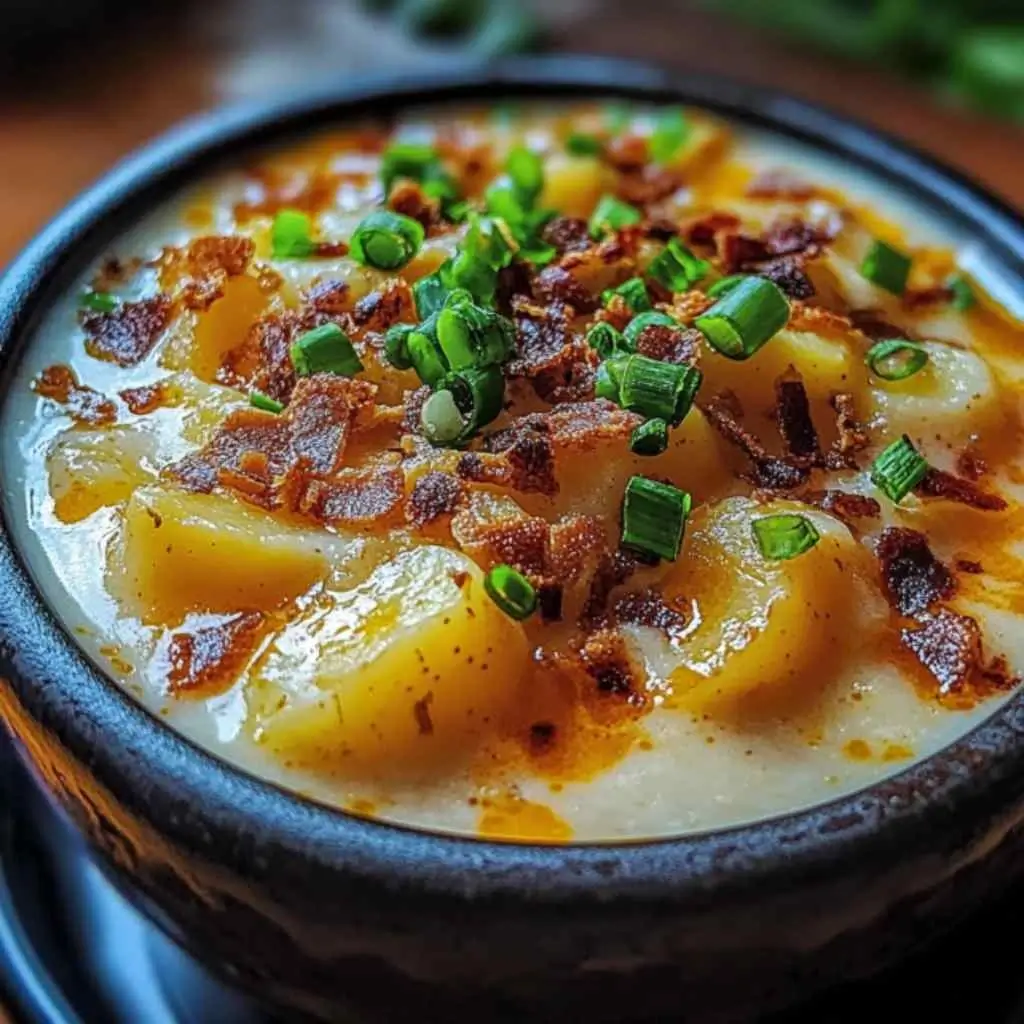
The aroma of simmering garlic and onions, the creamy embrace of potatoes melding with rich cheese, and the salty crunch of bacon – these are the hallmarks of a truly exceptional bowl of Loaded Baked Potato Soup. In my kitchen, this soup isn’t just a meal; it’s an experience. From the moment the first spoonful touches your lips, a wave of warmth and pure satisfaction washes over you. My family, especially on those blustery winter evenings, clamors for this dish. It’s become our go-to comfort food, the kind of meal that instantly makes you feel nurtured and content. The beauty of this recipe lies in its simplicity and adaptability. Using humble ingredients, you can create a soup that rivals any restaurant offering, and the best part? You can customize it to your heart’s content. Whether you’re a seasoned cook or a kitchen novice, this Loaded Baked Potato Soup recipe is your ticket to a bowl of pure, unadulterated cozy happiness. Get ready to transform your kitchen into a haven of delicious aromas and treat yourself and your loved ones to a soup that’s guaranteed to become a family favorite.
Ingredients: The Building Blocks of Deliciousness
The magic of Loaded Baked Potato Soup resides in the harmonious blend of simple yet high-quality ingredients. Each component plays a vital role in building the soup’s signature flavor and texture. Let’s delve into each ingredient and understand why they are essential and how to choose the best for your pot of creamy goodness.
- 4 large russet potatoes, peeled and diced: Russet potatoes are the quintessential choice for baked potato soup, and for excellent reasons. Their high starch content is key to achieving that creamy, thick texture we all crave in this soup. When cooked and mashed, russets release their starch, naturally thickening the broth without the need for excessive flour or cornstarch. Their mild, earthy flavor also serves as a perfect blank canvas, allowing the other ingredients like cheese, bacon, and spices to shine.
- Choosing Your Russets: Look for firm, heavy potatoes with smooth, unblemished skin. Avoid potatoes with green tinges or sprouts, as these can indicate solanine, which can have a bitter taste. Larger russets are generally better as they are more mature and contain more starch.
- Peeling and Dicing: Peel the potatoes thoroughly to remove any skin, which can sometimes have a slightly bitter taste. Dice them into uniform cubes, approximately ½ to ¾ inch in size. Consistent size ensures even cooking. If you’re prepping ahead, submerge the diced potatoes in cold water to prevent them from oxidizing and turning brown.
- 1 medium onion, finely chopped: Onions form the aromatic base of countless delicious dishes, and this soup is no exception. When sautéed or simmered, onions release their sweet and savory compounds, adding depth and complexity to the overall flavor profile. Yellow or white onions are both excellent choices for this recipe.
- Choosing Your Onion: Select a firm, heavy onion without any soft spots or bruises. The skin should be dry and papery.
- Finely Chopping: Finely chopping the onion ensures that it cooks evenly and melds seamlessly into the soup, contributing flavor without overpowering the other ingredients with large chunks. Aim for pieces that are roughly ¼ inch in size.
- 3 cloves garlic, minced: Garlic, often referred to as the “stinking rose,” is a flavor powerhouse. Its pungent aroma and savory, slightly spicy flavor adds a crucial layer of complexity to the soup. Minced garlic infuses its flavor throughout the broth, creating a warm and inviting taste. Fresh garlic is always preferred for its vibrant flavor.
- Choosing Your Garlic: Select firm, plump garlic cloves. Avoid cloves that are soft, shriveled, or sprouting.
- Minced vs. Pressed: While you can use a garlic press, mincing garlic with a knife tends to yield a slightly more robust flavor. To mince garlic, peel the cloves and then finely chop them using a sharp knife. Alternatively, you can use a microplane or a garlic mincer.
- 4 cups chicken or vegetable broth: Broth forms the liquid base of the soup, contributing moisture and flavor. Chicken broth adds a savory richness, while vegetable broth keeps the soup vegetarian and provides a lighter, cleaner taste. Choose low-sodium broth to control the salt level of your soup.
- Chicken vs. Vegetable Broth: Chicken broth will lend a deeper, meatier flavor to the soup, which complements the bacon and cheese beautifully. Vegetable broth is a fantastic option for vegetarian diets and provides a lighter, more delicate flavor that allows the potato, cheese, and other toppings to be the stars.
- Homemade vs. Store-Bought: Homemade broth is always superior in flavor, but high-quality store-bought broth is a convenient and perfectly acceptable alternative. Opt for low-sodium versions to control the saltiness of your soup.
- 1 cup heavy cream: Heavy cream is the secret ingredient that transforms this soup from good to utterly decadent. It adds richness, luxurious creaminess, and a velvety smooth texture. The high fat content of heavy cream ensures that the soup is incredibly satisfying and comforting.
- Heavy Cream vs. Half-and-Half or Milk: While you can technically substitute half-and-half or milk, the soup will be significantly less creamy and rich. Heavy cream is highly recommended for the authentic Loaded Baked Potato Soup experience. If you’re looking for a slightly lighter option, you could use part heavy cream and part half-and-half.
- 1 cup sharp cheddar cheese, shredded: Cheddar cheese is the classic cheese pairing for baked potatoes, and its sharp, tangy flavor is a perfect complement to the creamy potatoes and smoky bacon. Sharp cheddar provides a robust cheesy flavor that cuts through the richness of the cream and broth, adding a delightful zing.
- Sharp vs. Mild Cheddar: Sharp cheddar is preferred for its bolder flavor, which holds up well in the soup. Mild cheddar can get a bit lost. You can also experiment with extra-sharp cheddar for an even more intense cheese flavor.
- Shredding Your Own vs. Pre-Shredded: Shredding your own cheese is always recommended for better flavor and melting. Pre-shredded cheese often contains cellulose to prevent clumping, which can hinder melting and alter texture. Block cheese will melt much smoother into the soup.
- 1/2 cup sour cream: Sour cream adds a delightful tang and creaminess to the soup. Its slightly acidic flavor balances the richness of the heavy cream and cheese, preventing the soup from becoming overly heavy. Sour cream also contributes to the soup’s velvety texture.
- Full-Fat vs. Low-Fat Sour Cream: Full-fat sour cream provides the best flavor and texture. Low-fat sour cream can sometimes separate or curdle when heated, so full-fat is generally recommended for soups.
- 1 teaspoon smoked paprika: Smoked paprika is a game-changer in this soup. It adds a subtle smoky depth that beautifully mimics the flavor of a baked potato cooked over an open flame. The smoky notes enhance the bacon flavor and add a layer of complexity that elevates the soup beyond ordinary potato soup.
- Smoked vs. Regular Paprika: Smoked paprika is essential for achieving that signature smoky flavor. Regular paprika will add color but lacks the smoky depth. Look for Spanish smoked paprika (pimentón de la Vera) for the best quality and flavor.
- 1/2 teaspoon black pepper: Black pepper is a fundamental seasoning that adds a subtle warmth and spice. Freshly ground black pepper is always preferred for its more vibrant flavor.
- 1/4 teaspoon cayenne pepper (optional for heat): Cayenne pepper adds a touch of heat that can be customized to your preference. It provides a gentle warmth that enhances the other flavors without being overpowering, especially if you are not a fan of intense spiciness.
- Adjusting the Heat: Start with ¼ teaspoon of cayenne pepper and adjust to taste. If you prefer a milder soup, you can omit it entirely. For more heat, you can add a pinch of red pepper flakes or a dash of hot sauce.
- 4 slices crispy bacon, crumbled: Bacon is the quintessential loaded baked potato topping, and it’s equally essential in this soup. Crispy bacon adds salty, smoky, and savory notes, along with a delightful textural contrast to the creamy soup.
- Choosing Your Bacon: Thick-cut bacon provides a meatier texture and more pronounced bacon flavor. Choose your favorite type of bacon – hickory-smoked, applewood-smoked, or regular.
- Cooking Bacon for Crispy Perfection: Cook bacon in a skillet over medium heat until crispy. Drain excess grease on paper towels. For extra crispy bacon, you can bake it in the oven at 400°F (200°C) for 15-20 minutes. Once cooled, crumble the bacon into small pieces.
- 3 green onions, sliced (for garnish): Green onions, also known as scallions, provide a fresh, mild oniony flavor and a vibrant green color that brightens up the soup. They offer a refreshing contrast to the richness of the soup and add a final touch of elegance.
- Choosing Your Green Onions: Select firm, bright green green onions with crisp white bulbs. Avoid green onions that are wilted or slimy.
- Slicing for Garnish: Slice the green onions thinly on a bias (diagonally) for an attractive garnish. Use both the white and green parts for flavor and color.
- Salt to taste: Salt is the fundamental seasoning that enhances all the other flavors in the soup. Seasoning with salt throughout the cooking process is crucial for a well-balanced and flavorful soup. Taste and adjust salt as needed.
- Types of Salt: Kosher salt or sea salt are excellent choices for cooking. Table salt can be used but is more concentrated, so use it sparingly.
- Seasoning to Taste: Always taste your soup throughout the cooking process and adjust salt accordingly. It’s usually best to add salt gradually, tasting after each addition, rather than adding a large amount at once.
Instructions: Crafting Your Creamy Masterpiece
Making Loaded Baked Potato Soup is a straightforward process, but following these step-by-step instructions will ensure you achieve the perfect creamy texture and delicious flavor.
- Sauté Aromatics: In a large pot or Dutch oven, set over medium heat, add a tablespoon of olive oil or butter. Once heated, add the finely chopped onion and sauté for 5-7 minutes, or until softened and translucent. Stir occasionally to prevent burning. Adding the onion first allows it to soften and release its flavors before the garlic, which cooks more quickly.
- Bloom the Garlic: Add the minced garlic to the pot with the softened onions and cook for another 1-2 minutes, until fragrant. Be careful not to burn the garlic, as it can become bitter. Stir constantly while cooking the garlic. The aroma of sautéed garlic is a wonderful indicator that it’s ready.
- Add Potatoes and Broth: Add the diced russet potatoes and chicken or vegetable broth to the pot. Ensure that the broth covers the potatoes completely. If needed, add a little more broth or water to fully submerge the potatoes.
- Bring to a Boil and Simmer: Increase the heat to medium-high and bring the mixture to a boil. Once boiling, reduce the heat to medium-low, cover the pot, and let it simmer for 15-20 minutes, or until the potatoes are fork-tender. Simmering allows the potatoes to cook through and become soft enough to mash. Test for doneness by inserting a fork into a potato cube – it should slide in easily.
- Mash the Potatoes: Remove the pot from the heat. Use a potato masher or an immersion blender to gently mash the potatoes directly in the pot. For a chunkier soup, mash less; for a smoother soup, mash more. Some people prefer to remove a portion of the potatoes before mashing and then return them to the pot for a mix of textures. If using an immersion blender, be careful not to over-blend, as this can make the soup gluey.
- Stir in Cream and Spices: Stir in the heavy cream, sour cream, smoked paprika, black pepper, and cayenne pepper (if using). Stir well to combine all the ingredients. The warmth of the soup will help the cream and sour cream blend smoothly.
- Simmer and Thicken: Return the pot to low heat and cook for an additional 5 minutes, stirring occasionally, allowing the soup to thicken slightly and the flavors to meld together. Simmering gently after adding the dairy helps to prevent curdling and allows the soup to reach the perfect consistency.
- Melt in the Cheese: Remove the pot from the heat again. Add the shredded cheddar cheese and stir until the cheese is completely melted and incorporated into the soup. The residual heat of the soup will melt the cheese beautifully. Stir until you have a smooth and cheesy soup.
- Season with Salt: Season the soup with salt to taste. Start with a teaspoon of salt and add more gradually, tasting after each addition, until the flavor is perfectly balanced. Remember that the bacon and cheese will also contribute saltiness.
- Serve and Garnish: Serve the Loaded Baked Potato Soup hot, ladling it into bowls. Garnish each bowl generously with crumbled crispy bacon, sliced green onions, and additional shredded cheddar cheese if desired. Serving immediately while hot is best for optimal flavor and texture.
Nutrition Facts
(Per Serving, approximate values, may vary based on ingredient brands and specific amounts)
- Servings: 6
- Calories: Approximately 450-550 calories per serving
Please note that these are estimates. Nutritional values can vary depending on specific ingredients used and portion sizes. For precise nutritional information, you can use online nutrition calculators with the exact brands and amounts of ingredients you use.
Preparation Time
- Prep Time: 15 minutes
- Total Time: 40 minutes
How to Serve Loaded Baked Potato Soup
Loaded Baked Potato Soup is a versatile dish that can be served in various ways to elevate your dining experience. Here are some ideas:
- Classic Toppings:
- Crispy Bacon: Essential for that signature loaded baked potato flavor.
- Shredded Cheddar Cheese: Adds extra cheesy goodness.
- Sour Cream or Greek Yogurt: Provides a cool, tangy contrast.
- Sliced Green Onions: Adds freshness and mild onion flavor.
- Elevated Toppings:
- Chives: A more delicate onion flavor.
- Pickled Jalapeños: For a spicy kick.
- Caramelized Onions: Adds sweetness and depth.
- Avocado Dices: For creaminess and healthy fats.
- Roasted Broccoli Florets: Adds a healthy vegetable element.
- Side Dishes:
- Crusty Bread or Rolls: Perfect for dipping and soaking up the delicious soup.
- Side Salad: A light salad with vinaigrette to balance the richness of the soup.
- Grilled Cheese Sandwich: A classic comfort food pairing.
- Cornbread: Adds a slightly sweet and crumbly texture.
- Serving Occasions:
- Cozy Winter Dinners: Perfect for chilly evenings and comforting meals.
- Casual Family Gatherings: A crowd-pleasing dish for potlucks and family dinners.
- Weeknight Meals: Relatively quick and easy to prepare for a satisfying weeknight dinner.
- Game Day Parties: A hearty and flavorful soup that’s great for sharing.
- Lunch on a Cold Day: A warming and filling lunch option.
Additional Tips for Perfect Loaded Baked Potato Soup
- Don’t Overcook the Potatoes: Cook the potatoes until they are fork-tender but not mushy. Overcooked potatoes can become gummy and affect the soup’s texture.
- Toast the Spices: For an even deeper flavor, lightly toast the smoked paprika and black pepper in a dry pan for a minute or two before adding them to the soup. This will release their aromatic oils and enhance their flavor.
- Use Quality Cheese: Opt for a good quality block of sharp cheddar cheese and shred it yourself for the best flavor and melting. Pre-shredded cheese often contains cellulose, which can prevent smooth melting.
- Make it Vegetarian or Vegan: To make this soup vegetarian, use vegetable broth and omit the bacon. For a vegan version, use plant-based broth, substitute vegan cream and sour cream alternatives, and omit the bacon and cheddar cheese or use vegan cheese shreds. Nutritional yeast can add a cheesy flavor to vegan versions.
- Make it Ahead and Freeze: Loaded Baked Potato Soup can be made ahead of time and stored in the refrigerator for up to 3 days. It also freezes well. Allow the soup to cool completely before transferring it to freezer-safe containers. Thaw overnight in the refrigerator and reheat gently on the stovetop. Dairy-based soups can sometimes separate slightly upon freezing and thawing, but the flavor will remain delicious. Stir well when reheating.
Frequently Asked Questions (FAQ) – Ingredients
Q1: Can I use a different type of potato instead of russets?
A: While russet potatoes are ideal due to their high starch content, you can use other potatoes if needed. Yukon Gold potatoes are a good alternative as they are also relatively starchy and have a buttery flavor. However, avoid waxy potatoes like red potatoes, as they have less starch and will result in a less creamy soup. If using Yukon Golds, you may need to mash them slightly more to achieve a similar thickness to russet-based soup.
Q2: Can I use milk or half-and-half instead of heavy cream?
A: Yes, you can substitute milk or half-and-half for heavy cream if you want to reduce the richness and calories. However, the soup will be significantly less creamy and decadent. For a slightly richer option than milk, half-and-half is a better choice. If using milk or half-and-half, be careful not to boil the soup vigorously after adding them, as they are more prone to curdling than heavy cream. You can also add a tablespoon of cornstarch slurry (cornstarch mixed with cold water) towards the end of cooking to help thicken the soup if using milk or half-and-half.
Q3: What if I don’t have smoked paprika? Can I use regular paprika or something else?
A: Smoked paprika is crucial for achieving that signature smoky flavor reminiscent of baked potatoes. If you don’t have smoked paprika, regular paprika will add color but not the smoky depth. You can try adding a pinch of smoked salt or liquid smoke (use sparingly as it’s potent) to mimic the smoky flavor if you absolutely cannot find smoked paprika. Alternatively, you can use a chipotle powder for a smoky and slightly spicy flavor profile, but adjust the cayenne pepper accordingly to avoid excessive heat.
Q4: Can I use pre-shredded cheese to save time?
A: While pre-shredded cheese is convenient, shredding your own block of sharp cheddar cheese is highly recommended for better flavor and melting. Pre-shredded cheese often contains cellulose to prevent clumping, which can hinder melting and give the cheese a slightly powdery texture. Block cheese melts much smoother and creamier into the soup, resulting in a superior texture and flavor.
Q5: Is it necessary to use both sour cream and heavy cream? Can I use just one or substitute something else?
A: Using both sour cream and heavy cream contributes to the complex flavor and texture of the soup. Heavy cream provides richness and creaminess, while sour cream adds tanginess and a slight acidity that balances the richness. You can technically make the soup with just heavy cream for a very rich version, or just sour cream (though it might be tangier and less creamy overall). For a lighter option, you could substitute Greek yogurt for sour cream, which will add tanginess and protein. However, for the classic Loaded Baked Potato Soup flavor profile, using both heavy cream and sour cream is ideal.
Print
Loaded Baked Potato Soup Recipe
Ingredients
- 4 large russet potatoes, peeled and diced: Russet potatoes are the quintessential choice for baked potato soup, and for excellent reasons. Their high starch content is key to achieving that creamy, thick texture we all crave in this soup. When cooked and mashed, russets release their starch, naturally thickening the broth without the need for excessive flour or cornstarch. Their mild, earthy flavor also serves as a perfect blank canvas, allowing the other ingredients like cheese, bacon, and spices to shine.
- Choosing Your Russets: Look for firm, heavy potatoes with smooth, unblemished skin. Avoid potatoes with green tinges or sprouts, as these can indicate solanine, which can have a bitter taste. Larger russets are generally better as they are more mature and contain more starch.
- Peeling and Dicing: Peel the potatoes thoroughly to remove any skin, which can sometimes have a slightly bitter taste. Dice them into uniform cubes, approximately ½ to ¾ inch in size. Consistent size ensures even cooking. If you’re prepping ahead, submerge the diced potatoes in cold water to prevent them from oxidizing and turning brown.
- 1 medium onion, finely chopped: Onions form the aromatic base of countless delicious dishes, and this soup is no exception. When sautéed or simmered, onions release their sweet and savory compounds, adding depth and complexity to the overall flavor profile. Yellow or white onions are both excellent choices for this recipe.
- Choosing Your Onion: Select a firm, heavy onion without any soft spots or bruises. The skin should be dry and papery.
- Finely Chopping: Finely chopping the onion ensures that it cooks evenly and melds seamlessly into the soup, contributing flavor without overpowering the other ingredients with large chunks. Aim for pieces that are roughly ¼ inch in size.
- 3 cloves garlic, minced: Garlic, often referred to as the “stinking rose,” is a flavor powerhouse. Its pungent aroma and savory, slightly spicy flavor adds a crucial layer of complexity to the soup. Minced garlic infuses its flavor throughout the broth, creating a warm and inviting taste. Fresh garlic is always preferred for its vibrant flavor.
- Choosing Your Garlic: Select firm, plump garlic cloves. Avoid cloves that are soft, shriveled, or sprouting.
- Minced vs. Pressed: While you can use a garlic press, mincing garlic with a knife tends to yield a slightly more robust flavor. To mince garlic, peel the cloves and then finely chop them using a sharp knife. Alternatively, you can use a microplane or a garlic mincer.
- 4 cups chicken or vegetable broth: Broth forms the liquid base of the soup, contributing moisture and flavor. Chicken broth adds a savory richness, while vegetable broth keeps the soup vegetarian and provides a lighter, cleaner taste. Choose low-sodium broth to control the salt level of your soup.
- Chicken vs. Vegetable Broth: Chicken broth will lend a deeper, meatier flavor to the soup, which complements the bacon and cheese beautifully. Vegetable broth is a fantastic option for vegetarian diets and provides a lighter, more delicate flavor that allows the potato, cheese, and other toppings to be the stars.
- Homemade vs. Store-Bought: Homemade broth is always superior in flavor, but high-quality store-bought broth is a convenient and perfectly acceptable alternative. Opt for low-sodium versions to control the saltiness of your soup.
- 1 cup heavy cream: Heavy cream is the secret ingredient that transforms this soup from good to utterly decadent. It adds richness, luxurious creaminess, and a velvety smooth texture. The high fat content of heavy cream ensures that the soup is incredibly satisfying and comforting.
- Heavy Cream vs. Half-and-Half or Milk: While you can technically substitute half-and-half or milk, the soup will be significantly less creamy and rich. Heavy cream is highly recommended for the authentic Loaded Baked Potato Soup experience. If you’re looking for a slightly lighter option, you could use part heavy cream and part half-and-half.
- 1 cup sharp cheddar cheese, shredded: Cheddar cheese is the classic cheese pairing for baked potatoes, and its sharp, tangy flavor is a perfect complement to the creamy potatoes and smoky bacon. Sharp cheddar provides a robust cheesy flavor that cuts through the richness of the cream and broth, adding a delightful zing.
- Sharp vs. Mild Cheddar: Sharp cheddar is preferred for its bolder flavor, which holds up well in the soup. Mild cheddar can get a bit lost. You can also experiment with extra-sharp cheddar for an even more intense cheese flavor.
- Shredding Your Own vs. Pre-Shredded: Shredding your own cheese is always recommended for better flavor and melting. Pre-shredded cheese often contains cellulose to prevent clumping, which can hinder melting and alter texture. Block cheese will melt much smoother into the soup.
- 1/2 cup sour cream: Sour cream adds a delightful tang and creaminess to the soup. Its slightly acidic flavor balances the richness of the heavy cream and cheese, preventing the soup from becoming overly heavy. Sour cream also contributes to the soup’s velvety texture.
- Full-Fat vs. Low-Fat Sour Cream: Full-fat sour cream provides the best flavor and texture. Low-fat sour cream can sometimes separate or curdle when heated, so full-fat is generally recommended for soups.
- 1 teaspoon smoked paprika: Smoked paprika is a game-changer in this soup. It adds a subtle smoky depth that beautifully mimics the flavor of a baked potato cooked over an open flame. The smoky notes enhance the bacon flavor and add a layer of complexity that elevates the soup beyond ordinary potato soup.
- Smoked vs. Regular Paprika: Smoked paprika is essential for achieving that signature smoky flavor. Regular paprika will add color but lacks the smoky depth. Look for Spanish smoked paprika (pimentón de la Vera) for the best quality and flavor.
- 1/2 teaspoon black pepper: Black pepper is a fundamental seasoning that adds a subtle warmth and spice. Freshly ground black pepper is always preferred for its more vibrant flavor.
- 1/4 teaspoon cayenne pepper (optional for heat): Cayenne pepper adds a touch of heat that can be customized to your preference. It provides a gentle warmth that enhances the other flavors without being overpowering, especially if you are not a fan of intense spiciness.
- Adjusting the Heat: Start with ¼ teaspoon of cayenne pepper and adjust to taste. If you prefer a milder soup, you can omit it entirely. For more heat, you can add a pinch of red pepper flakes or a dash of hot sauce.
- 4 slices crispy bacon, crumbled: Bacon is the quintessential loaded baked potato topping, and it’s equally essential in this soup. Crispy bacon adds salty, smoky, and savory notes, along with a delightful textural contrast to the creamy soup.
- Choosing Your Bacon: Thick-cut bacon provides a meatier texture and more pronounced bacon flavor. Choose your favorite type of bacon – hickory-smoked, applewood-smoked, or regular.
- Cooking Bacon for Crispy Perfection: Cook bacon in a skillet over medium heat until crispy. Drain excess grease on paper towels. For extra crispy bacon, you can bake it in the oven at 400°F (200°C) for 15-20 minutes. Once cooled, crumble the bacon into small pieces.
- 3 green onions, sliced (for garnish): Green onions, also known as scallions, provide a fresh, mild oniony flavor and a vibrant green color that brightens up the soup. They offer a refreshing contrast to the richness of the soup and add a final touch of elegance.
- Choosing Your Green Onions: Select firm, bright green green onions with crisp white bulbs. Avoid green onions that are wilted or slimy.
- Slicing for Garnish: Slice the green onions thinly on a bias (diagonally) for an attractive garnish. Use both the white and green parts for flavor and color.
- Salt to taste: Salt is the fundamental seasoning that enhances all the other flavors in the soup. Seasoning with salt throughout the cooking process is crucial for a well-balanced and flavorful soup. Taste and adjust salt as needed.
- Types of Salt: Kosher salt or sea salt are excellent choices for cooking. Table salt can be used but is more concentrated, so use it sparingly.
- Seasoning to Taste: Always taste your soup throughout the cooking process and adjust salt accordingly. It’s usually best to add salt gradually, tasting after each addition, rather than adding a large amount at once.
Instructions
- Sauté Aromatics: In a large pot or Dutch oven, set over medium heat, add a tablespoon of olive oil or butter. Once heated, add the finely chopped onion and sauté for 5-7 minutes, or until softened and translucent. Stir occasionally to prevent burning. Adding the onion first allows it to soften and release its flavors before the garlic, which cooks more quickly.
- Bloom the Garlic: Add the minced garlic to the pot with the softened onions and cook for another 1-2 minutes, until fragrant. Be careful not to burn the garlic, as it can become bitter. Stir constantly while cooking the garlic. The aroma of sautéed garlic is a wonderful indicator that it’s ready.
- Add Potatoes and Broth: Add the diced russet potatoes and chicken or vegetable broth to the pot. Ensure that the broth covers the potatoes completely. If needed, add a little more broth or water to fully submerge the potatoes.
- Bring to a Boil and Simmer: Increase the heat to medium-high and bring the mixture to a boil. Once boiling, reduce the heat to medium-low, cover the pot, and let it simmer for 15-20 minutes, or until the potatoes are fork-tender. Simmering allows the potatoes to cook through and become soft enough to mash. Test for doneness by inserting a fork into a potato cube – it should slide in easily.
- Mash the Potatoes: Remove the pot from the heat. Use a potato masher or an immersion blender to gently mash the potatoes directly in the pot. For a chunkier soup, mash less; for a smoother soup, mash more. Some people prefer to remove a portion of the potatoes before mashing and then return them to the pot for a mix of textures. If using an immersion blender, be careful not to over-blend, as this can make the soup gluey.
- Stir in Cream and Spices: Stir in the heavy cream, sour cream, smoked paprika, black pepper, and cayenne pepper (if using). Stir well to combine all the ingredients. The warmth of the soup will help the cream and sour cream blend smoothly.
- Simmer and Thicken: Return the pot to low heat and cook for an additional 5 minutes, stirring occasionally, allowing the soup to thicken slightly and the flavors to meld together. Simmering gently after adding the dairy helps to prevent curdling and allows the soup to reach the perfect consistency.
- Melt in the Cheese: Remove the pot from the heat again. Add the shredded cheddar cheese and stir until the cheese is completely melted and incorporated into the soup. The residual heat of the soup will melt the cheese beautifully. Stir until you have a smooth and cheesy soup.
- Season with Salt: Season the soup with salt to taste. Start with a teaspoon of salt and add more gradually, tasting after each addition, until the flavor is perfectly balanced. Remember that the bacon and cheese will also contribute saltiness.
- Serve and Garnish: Serve the Loaded Baked Potato Soup hot, ladling it into bowls. Garnish each bowl generously with crumbled crispy bacon, sliced green onions, and additional shredded cheddar cheese if desired. Serving immediately while hot is best for optimal flavor and texture.
Nutrition
- Serving Size: One Normal Portion
- Calories: 450-550